Aviation
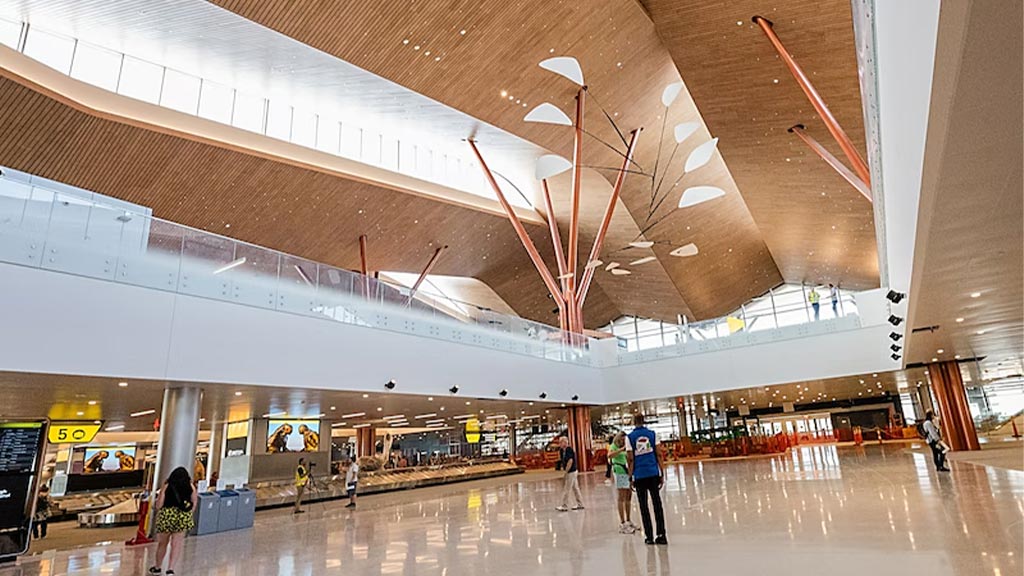
Reno-Tahoe International Airport, New Concourses
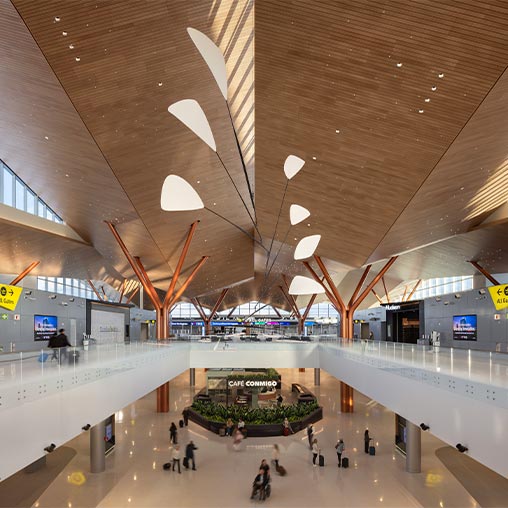
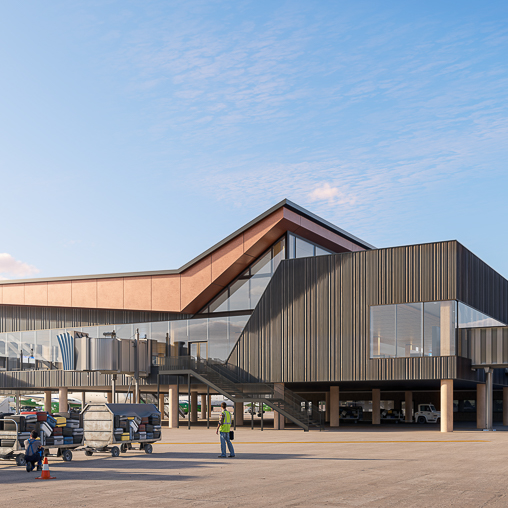
Pittsburgh International Airport Terminal Modernization Program
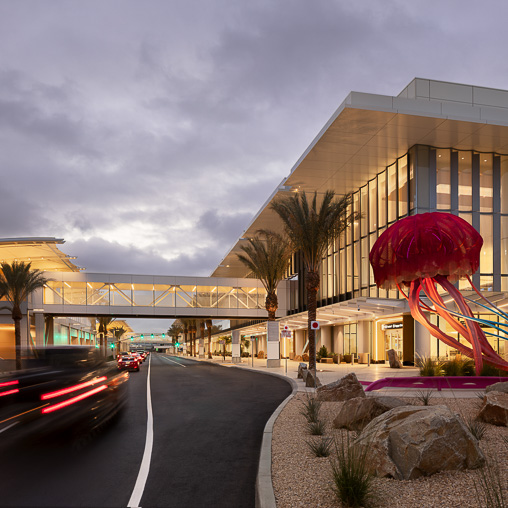
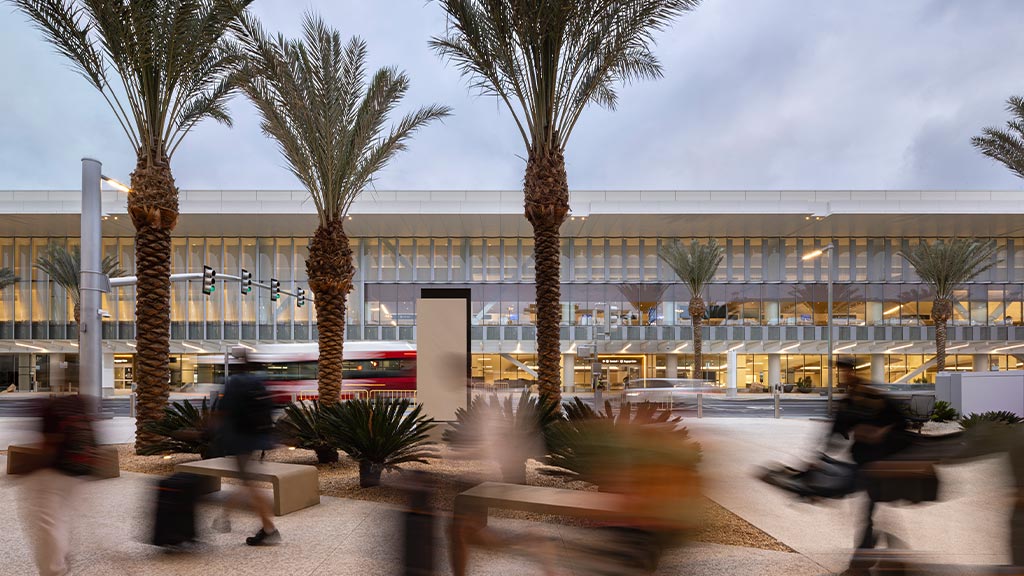
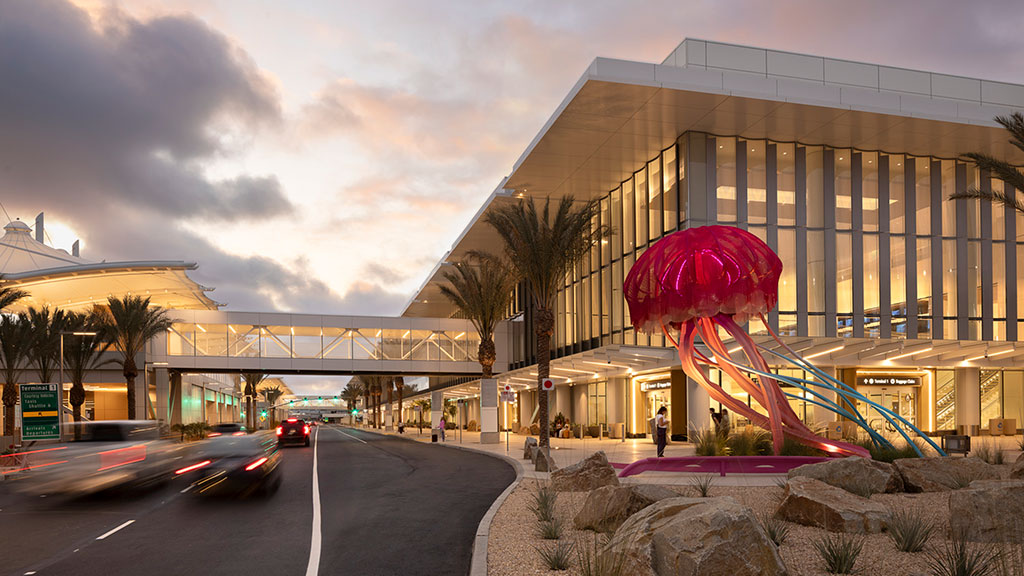
San Diego International Airport Terminal 1 & Roadways
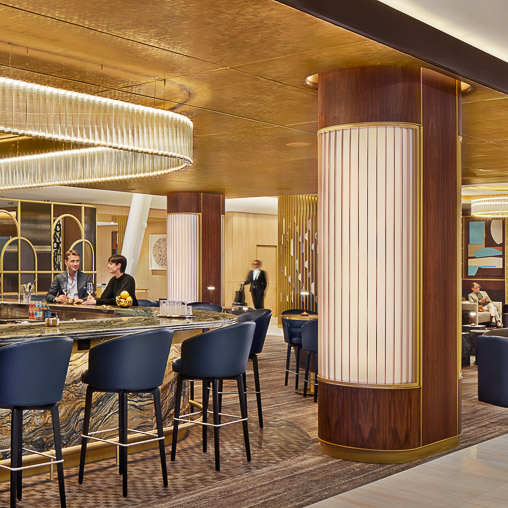
Delta One Airport Lounges
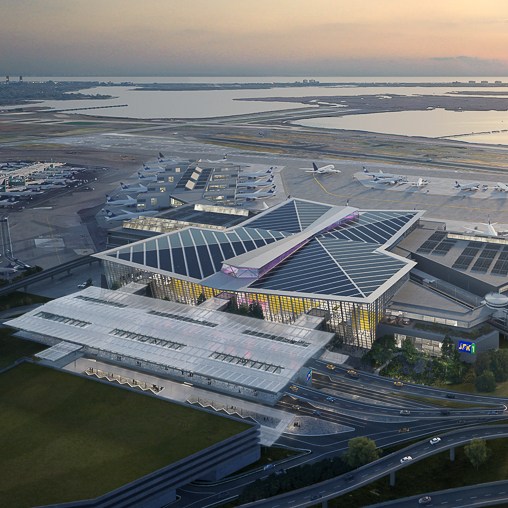
New Terminal One at JFK International Airport
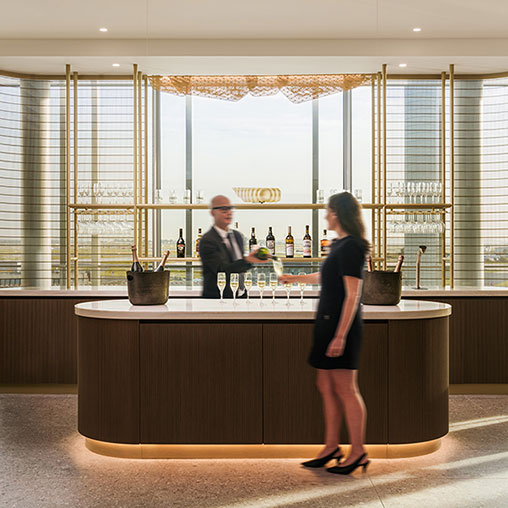
Star Alliance Lounge at Charles de Gaulle Airport
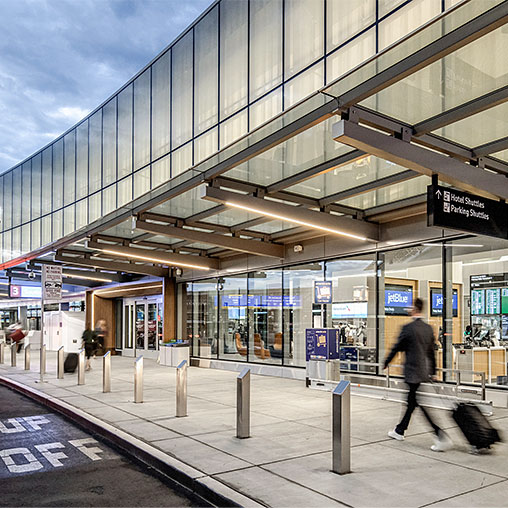
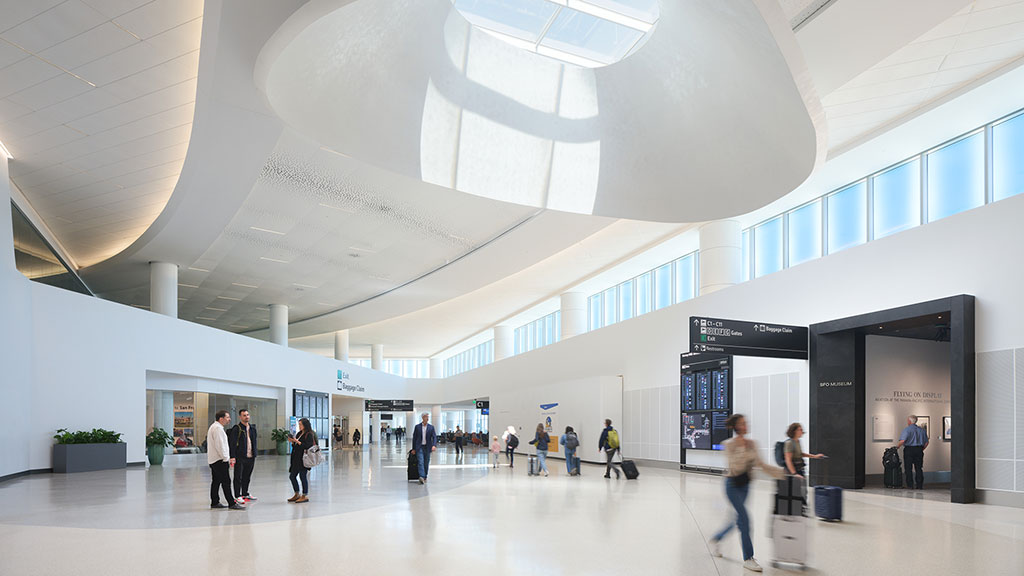
San Francisco International Airport, T1 Net Zero Program
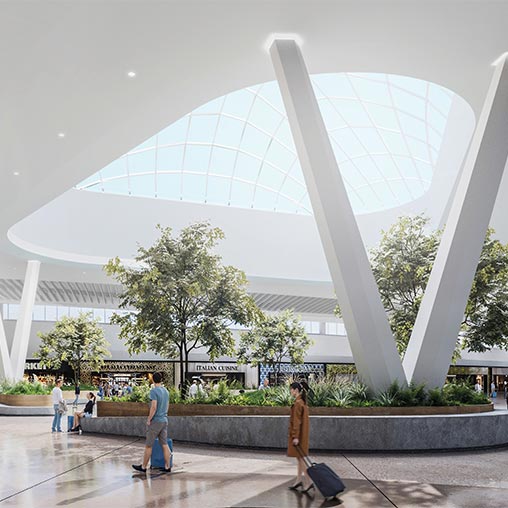
John Glenn Columbus International Airport Terminal
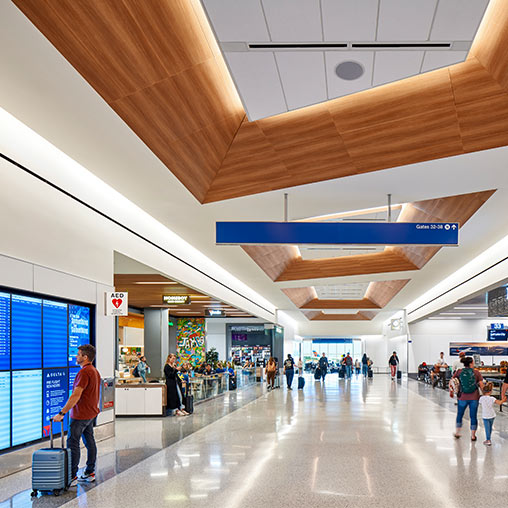
Delta Sky Way at LAX
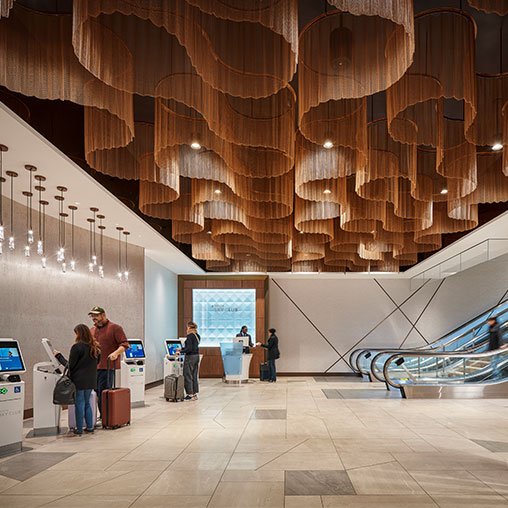
Delta Sky Club at LAX
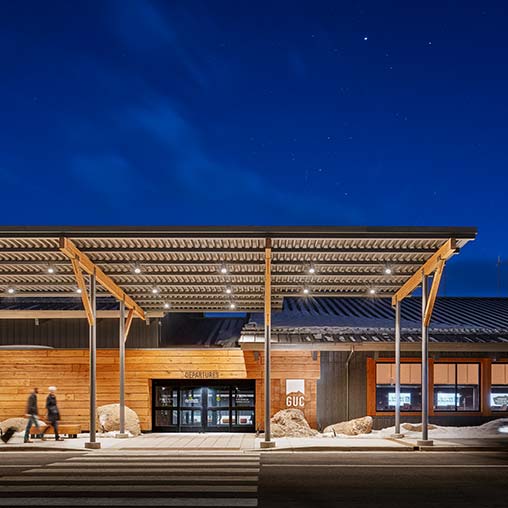
Gunnison-Crested Butte Regional Airport
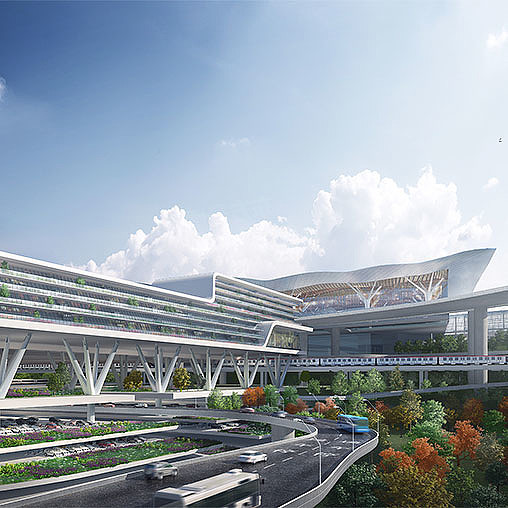
Kunming Changshui Airport
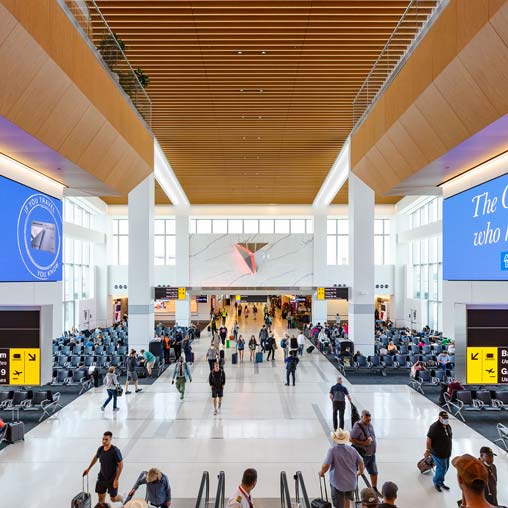
Delta’s Terminal C at LaGuardia Airport
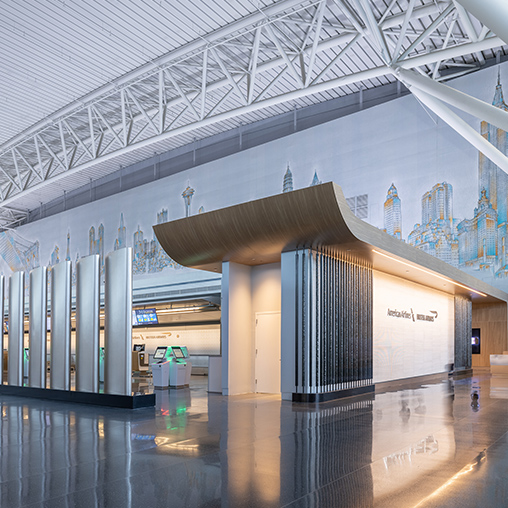
American Airlines & British Airways Premium Experience at JFK International Airport
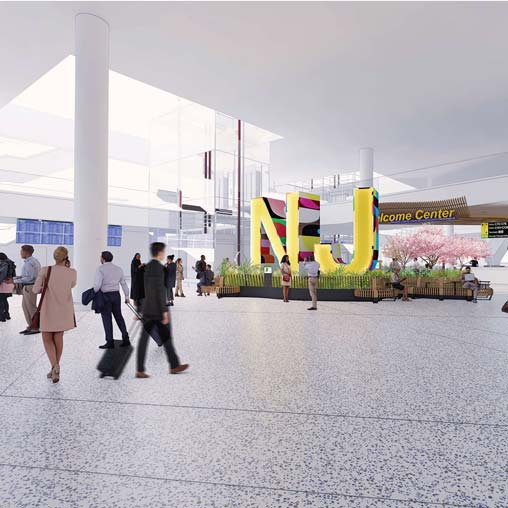
Terminal A at Newark Liberty International Airport
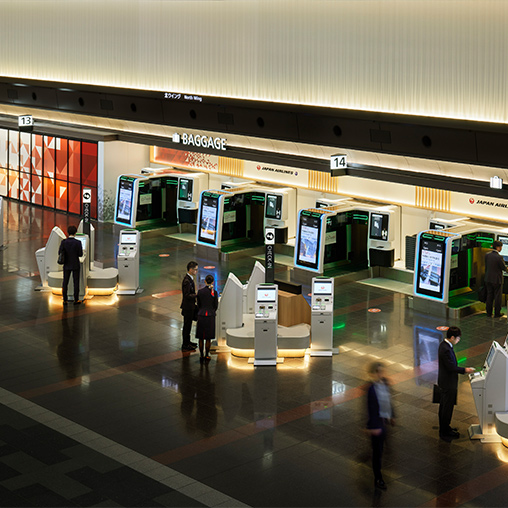
Japan Airlines Check-In Area
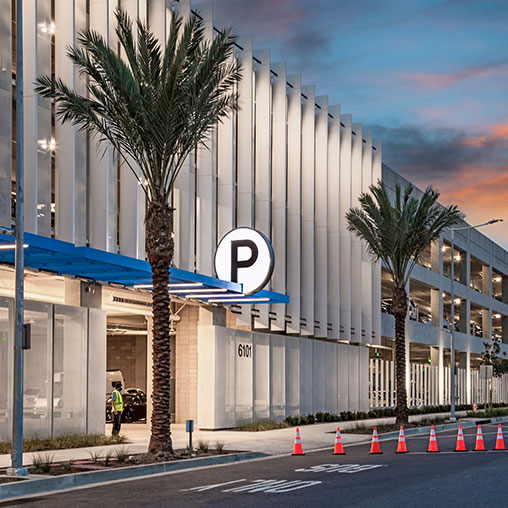
LAX Economy Parking Garage
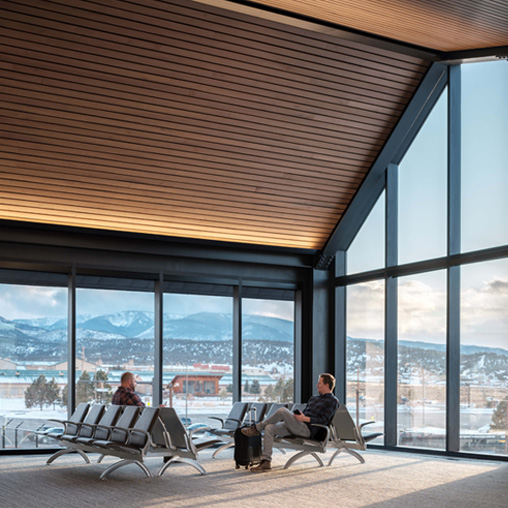
Eagle County Regional Airport
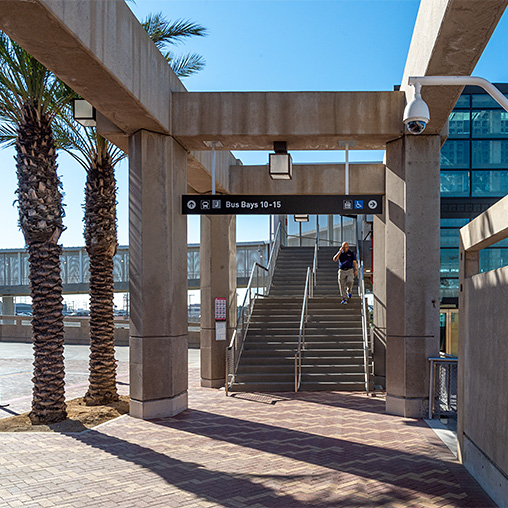
Union / Patsaouras Plaza Busway Station
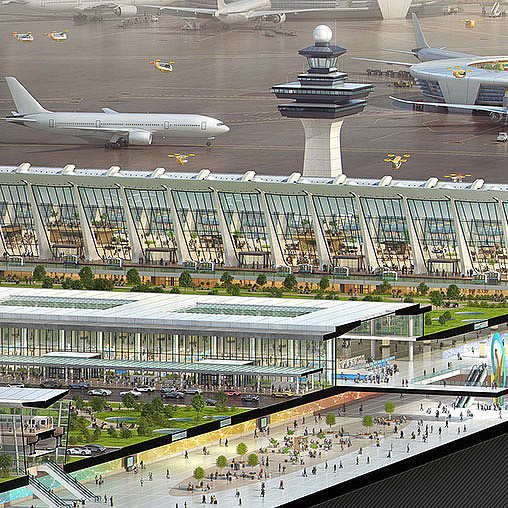
A New Dulles Airport: Reimagined for a Post-COVID World
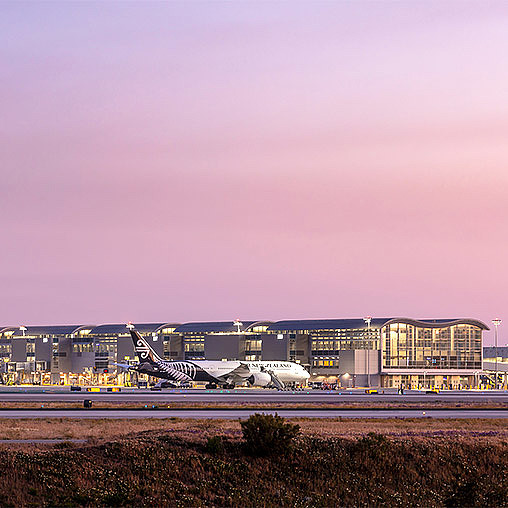
LAX West Gates at Tom Bradley Terminal
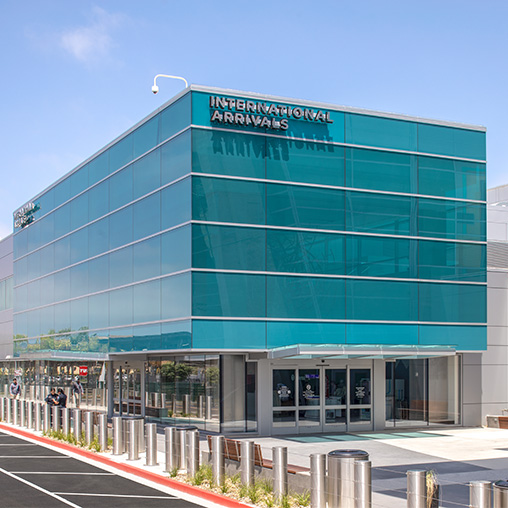
San Diego International Airport, Federal Inspection Services Facility
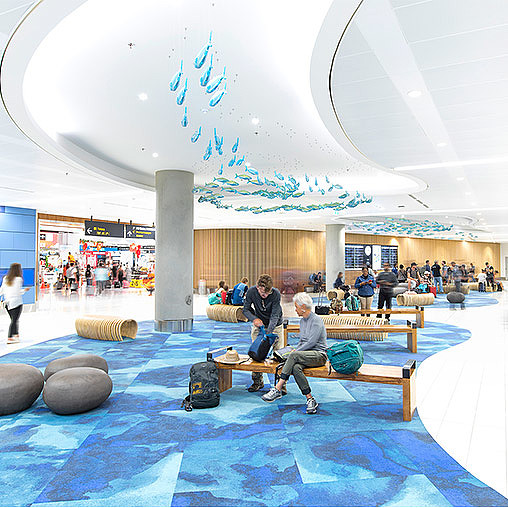
Auckland Airport International Departures Experience
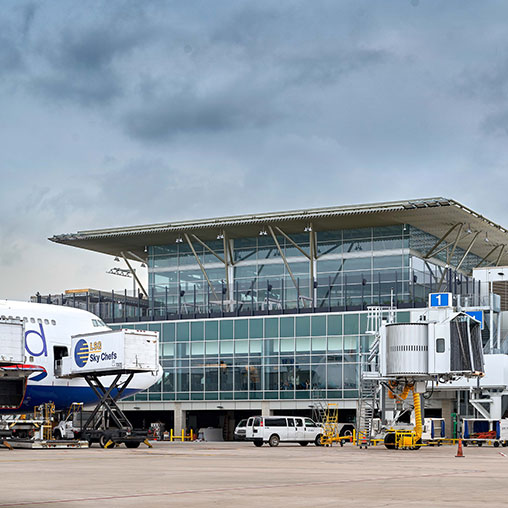
Austin-Bergstrom International Airport Expansion
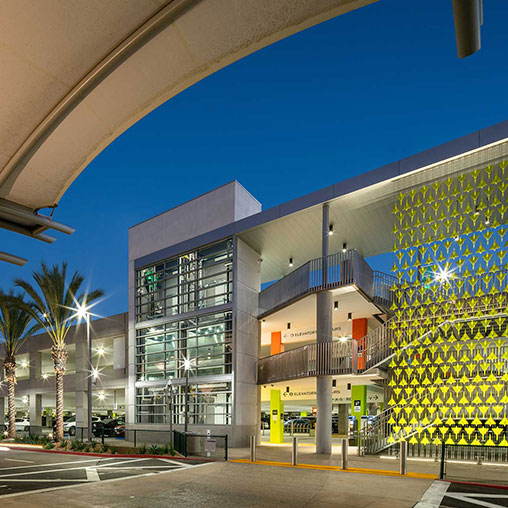
San Diego International Airport, Terminal 2 Parking Plaza
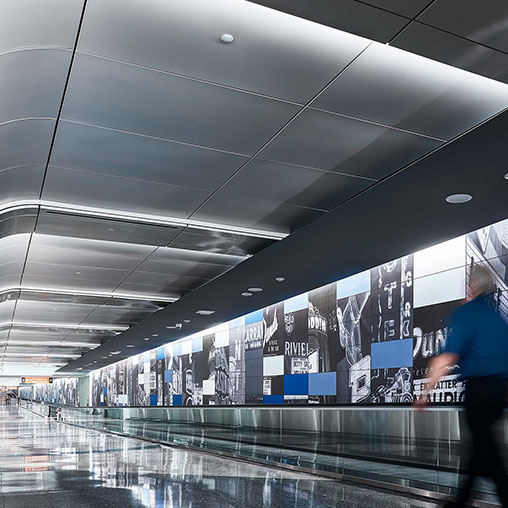
McCarran International Gates Expansion
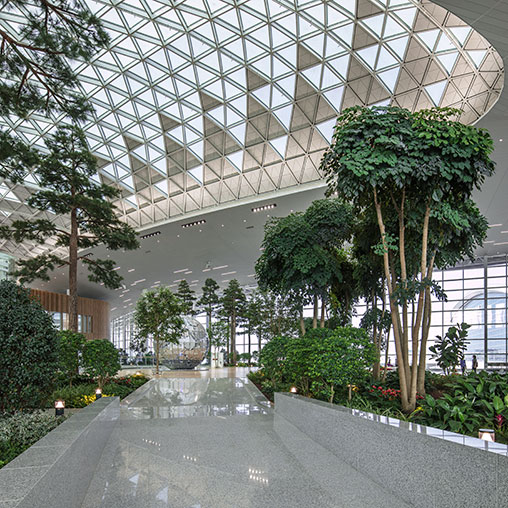
Incheon International Airport
What Kind of Airport Does Latin America Really Need?
The World Cup Is Coming. Is Your Airport Ready?
India’s Airport Cities: A Prototype for the Next Generation of Urban Development
The Future of Airport Modernization Starts with Experience
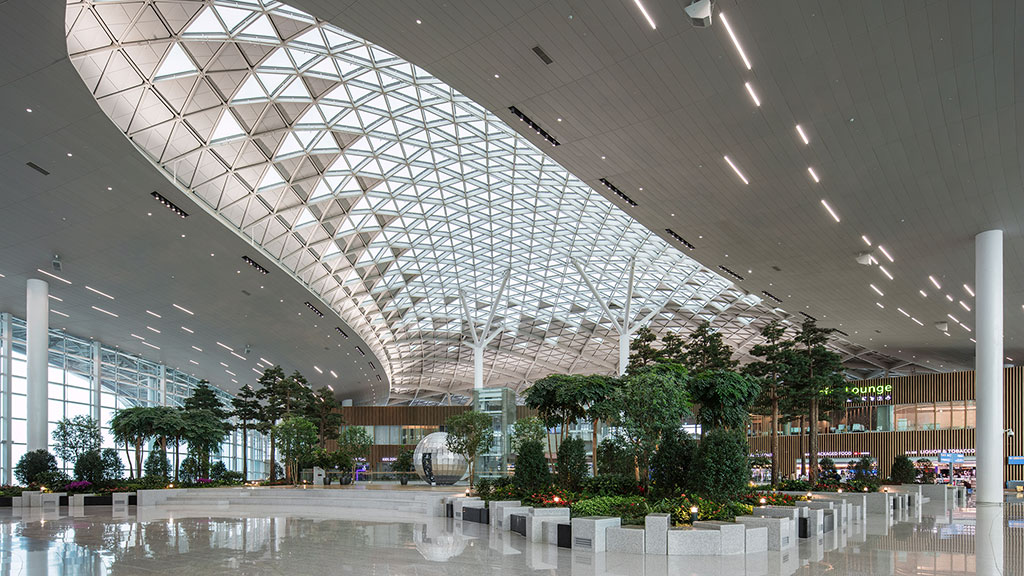
Designing Tomorrow’s Airports Across Asia and the Middle East
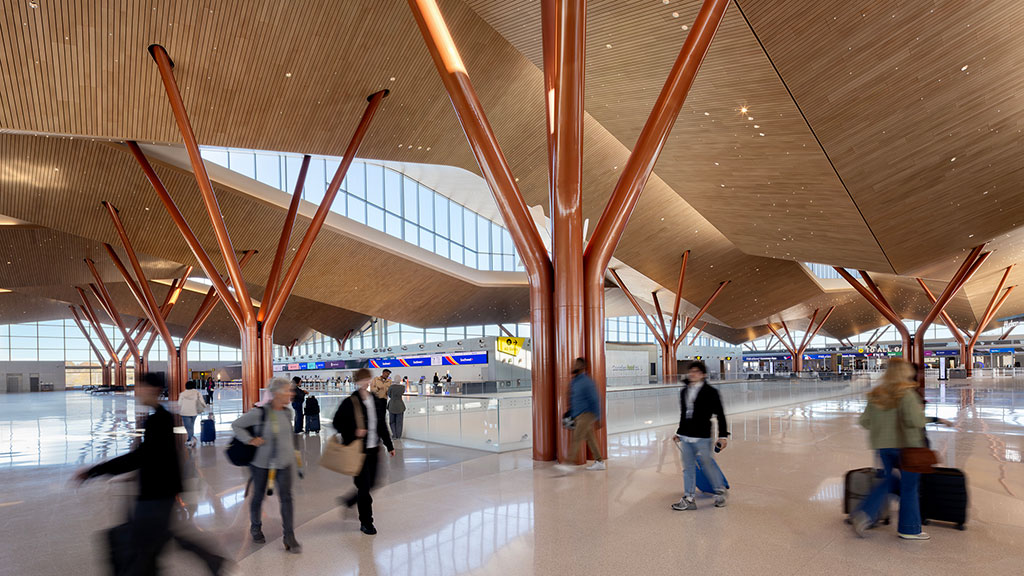
Trends to Watch: What’s Next for Airports and Aviation
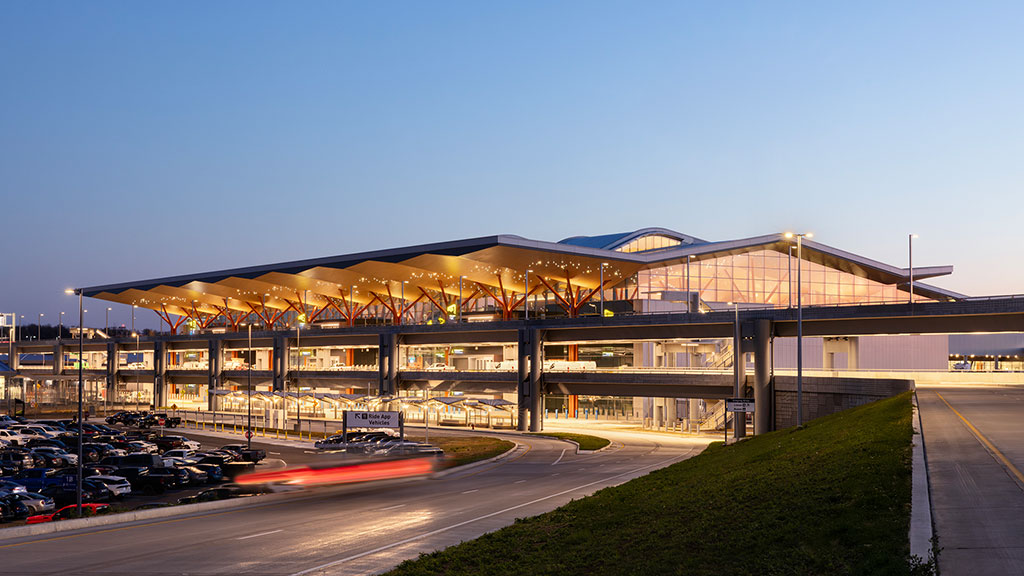
Designing the Future of Travel at Pittsburgh International Airport
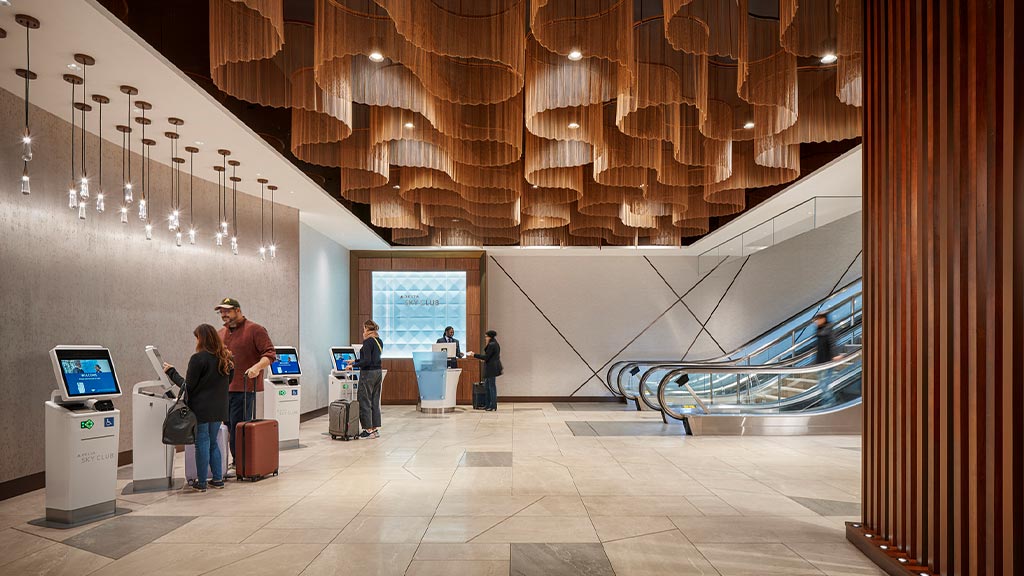
The New Job for the Airport CEO: It’s More Challenging — and More Uplifting — Than Ever
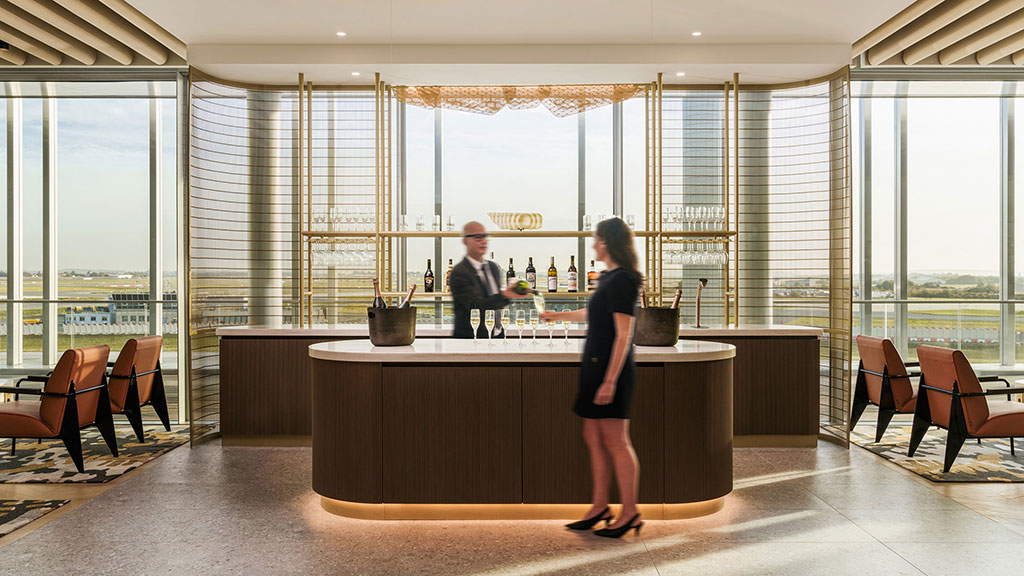
More Than Just a Seat: The Lounge as the New Travel Destination
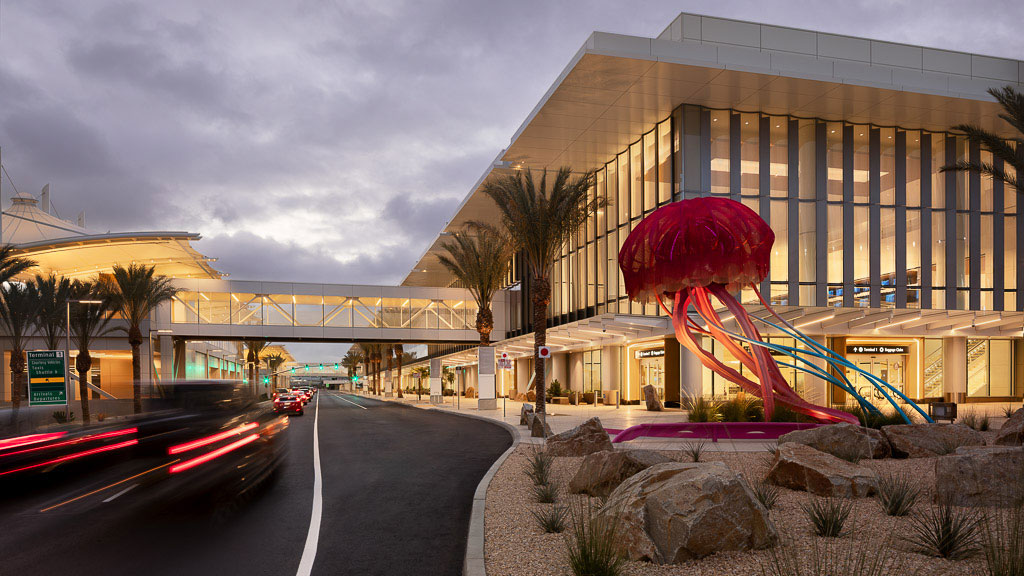
Reimagining San Diego International Airport’s T1 as a Global Gateway
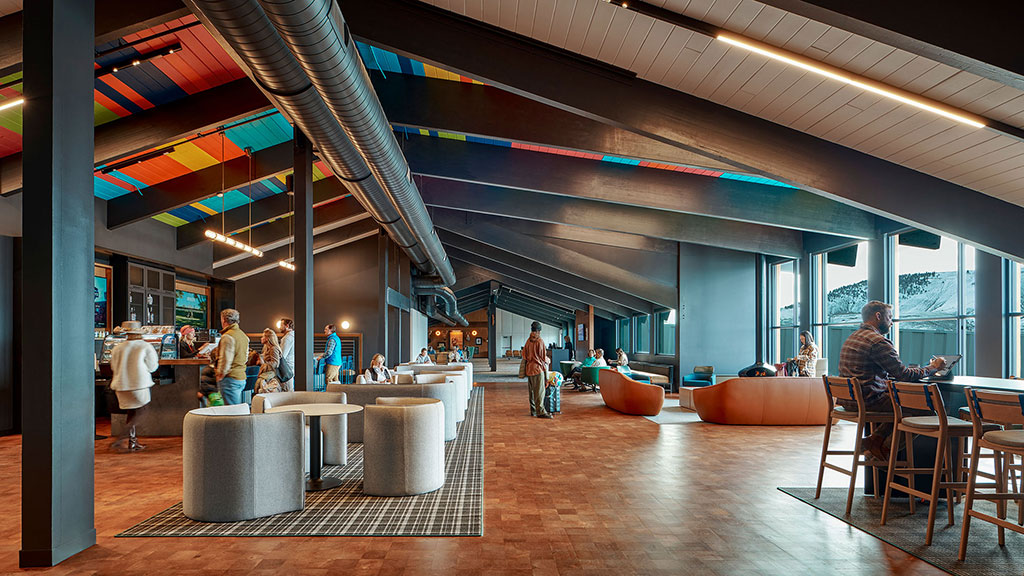
How Aviation Is Evolving for the Leisure Traveler
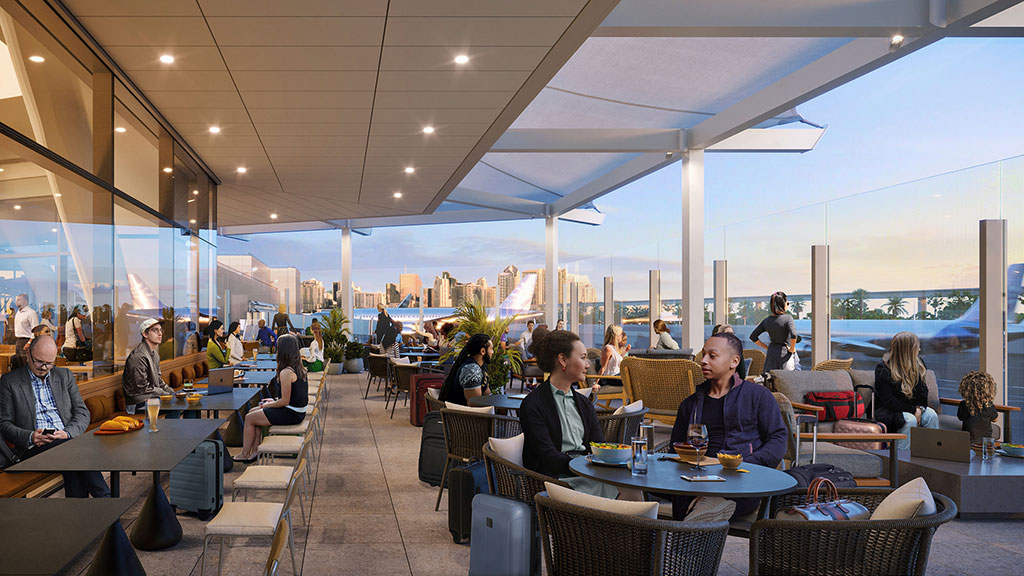
The Rise of Outdoor Spaces at Airports
Airports Can’t Stop. Here’s How to Keep them Functional During Construction.
Trends to Watch Shaping the Future of Airports and Aviation
What Airports Can Learn From Stadiums and Ballparks
Airports generate and manage their own clean power.
Sustainable aviation fuels, electrified ground fleets, and future hybrid aircraft push energy demand up, making on-site solar and batteries a resilience play as much as a climate goal. Where utility rules allow, terminals become energy assets; where they don’t, designs still plan for higher loads and smarter storage.
AI, biometrics, and digital twins transform travel.
Airports use advanced technologies to enhance security, monitor flows, personalize the passenger journey, and optimize operations. This includes AI-driven efficiency at airports, such as streamlining curbside pickup and tracking passenger movements, as well as digital twins for improved planning and maintenance.
Leisure travel sets the brief for airport innovations.
Longer dwell times shift concourses toward “lounge for all” comfort, while the top end gets even more luxurious with chef-driven dining and premium services. Outdoor terraces, quiet-airport acoustics, and neurodivergent-friendly rooms turn stress into calm — and calm passengers stay, spend, and come back for more.
Built-in flexibility allows terminals to adapt to surges, seasons, and changing needs.
Modular layouts, perimeter buffer space, and convertible indoor–outdoor zones let facilities breathe and flex during construction, delays, and peak travel. This same adaptability readies airports for eVTOL pads and short-haul hybrid operations without committing to costly, fixed expansions too soon.

Ty Osbaugh

Tim Hudson

Tim Sullivan

William Jenkinson
The Wall Street Journal Shares Insights From Gensler’s Ty Osbaugh Future of Aviation
SFO Harvey Milk Terminal 1 Center “Sets a New Standard for Healthy Airports”
The Gensler-Designed San Diego International Airport Terminal 1 “Aims High Structurally, Sustainably, and Aesthetically”
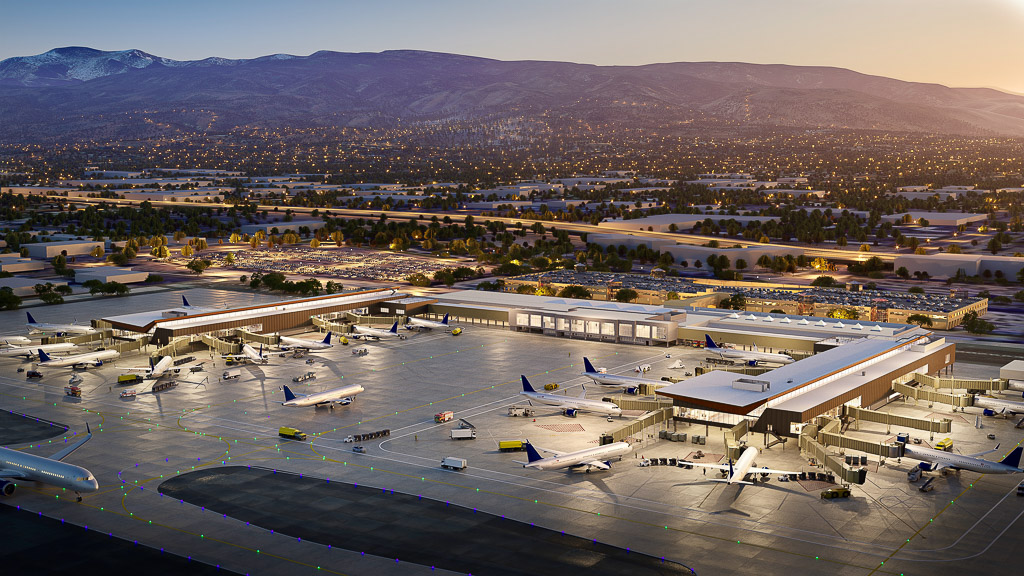
KOLO-TV Covered the Groundbreaking of Two New Concourses at Reno-Tahoe International Airport
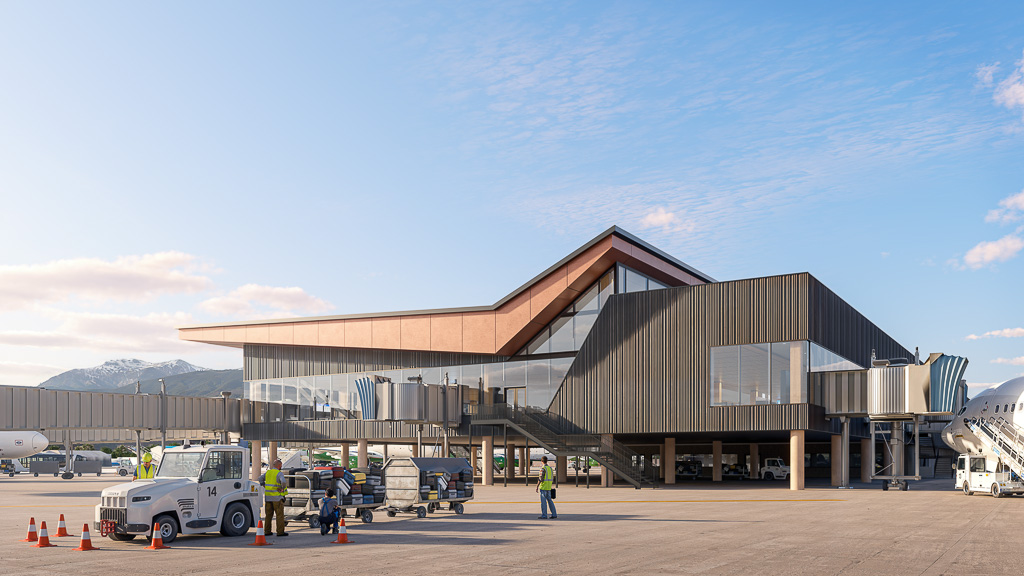
Reno-Tahoe International Airport Breaks Ground for Two New Gensler-Designed Airport Concourses
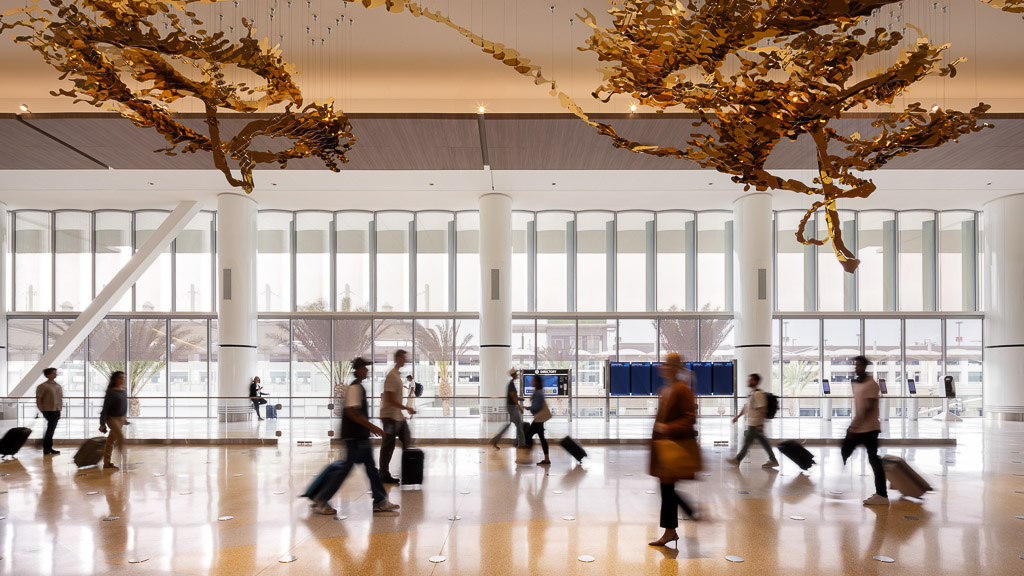
Airport Architecture Spotlights Gensler-Designed New Terminal 1 at San Diego International Airport
Dezeen Spotlighted Pittsburgh International Airport’s New “Pavilion in the Landscape” Terminal Design
Travel + Leisure Featured SFO Harvey Milk Terminal 1, Named the “World’s Most Beautiful Airport” by Prix Versailles
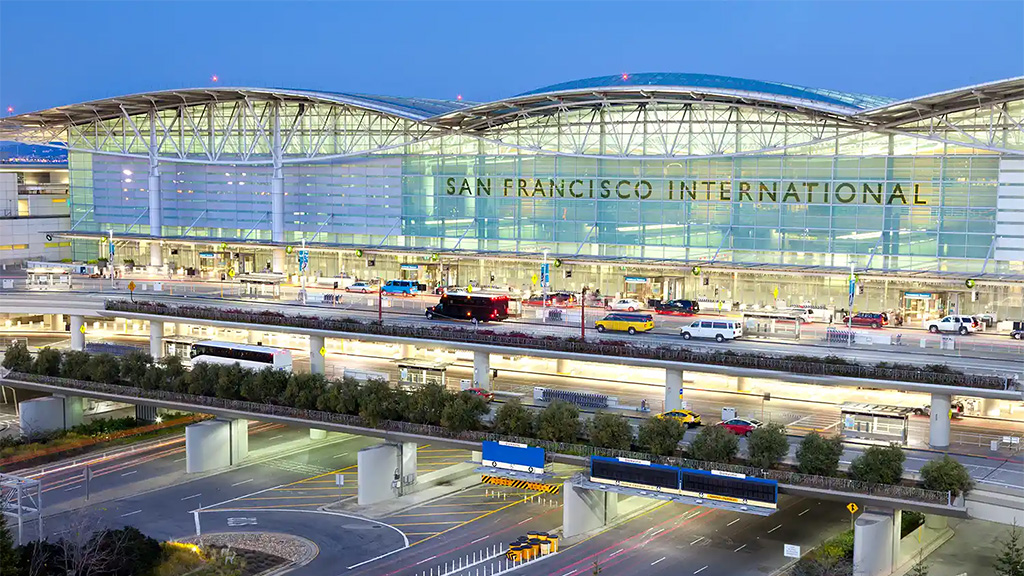
People Magazine Spotlighted the “World’s Most Beautiful Airport” — the Gensler-Designed San Francisco International Airport Terminal 1
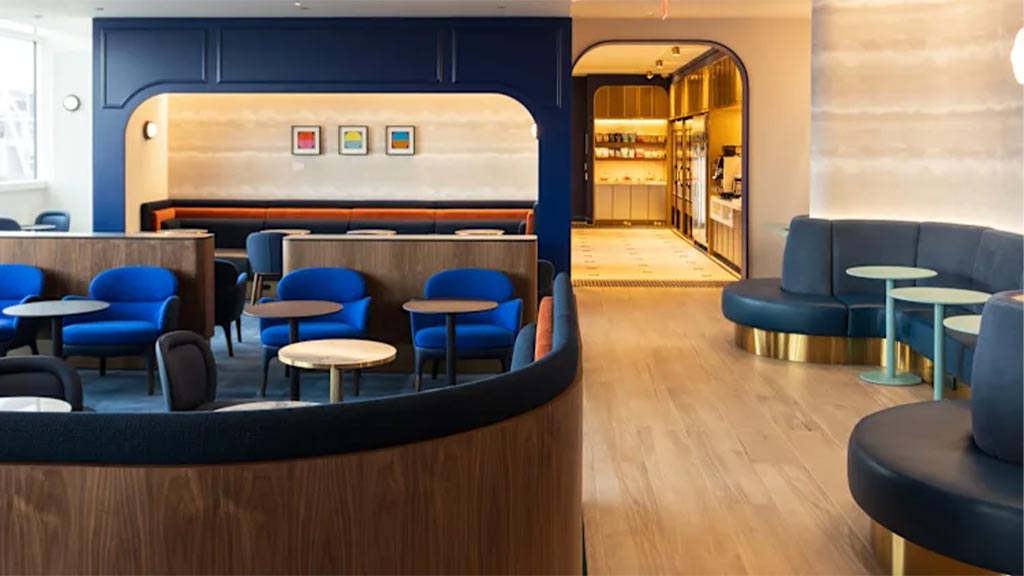
Fast Company Spotlights JetBlue’s First Airport Lounge, Designed by Gensler, at JFK Airport

AFAR Spotlights the New, Gensler-Designed BlueHouse by JetBlue at New York’s JFK Airport

Gensler-Designed SFO Harvey Milk Terminal 1 Honored With the Prix Versailles 2025 Best of Show Prize in Aviation
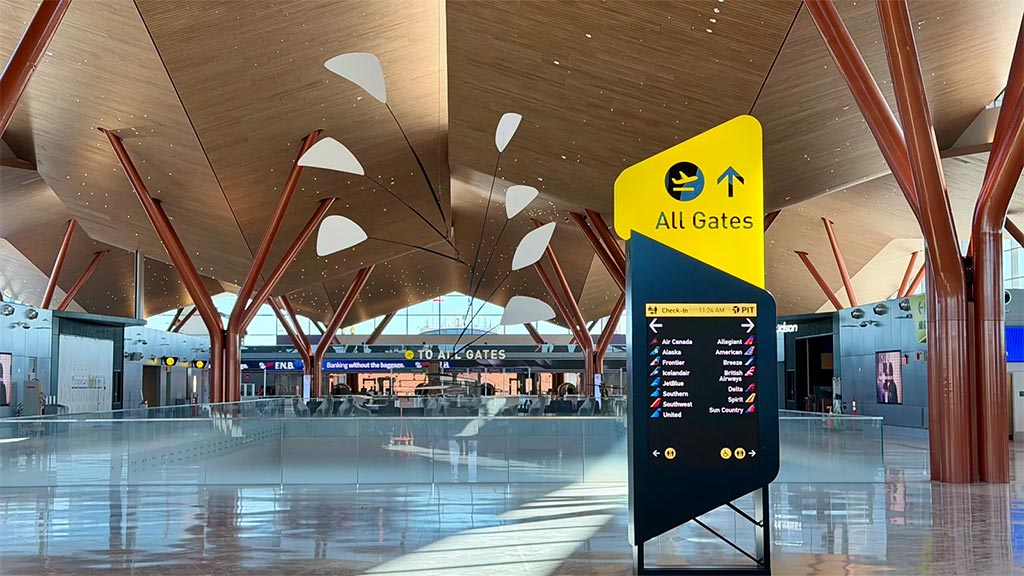
Pittsburgh International Airport’s Signage and Wayfinding Is “Distinctly Pittsburgh”
Fast Company Spotlights Pittsburgh International Airport’s “Nature-Inspired Makeover”
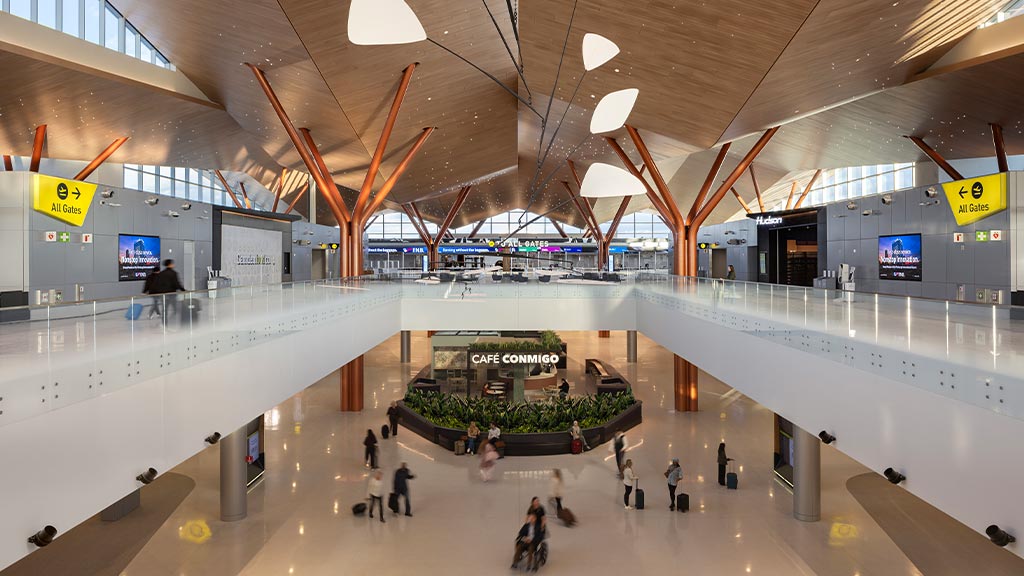
Transformed Pittsburgh International Airport Opens Today