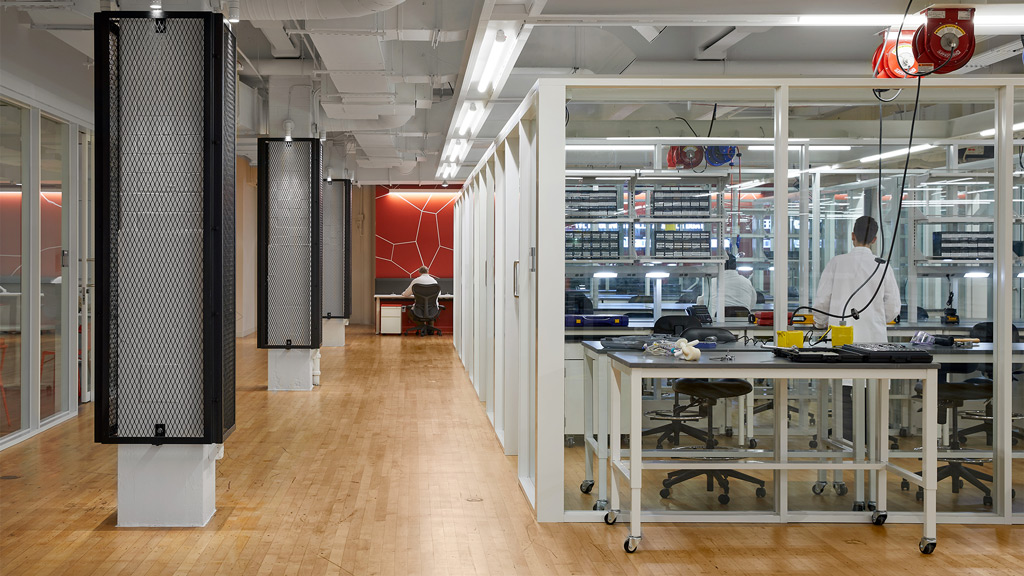
Sciences
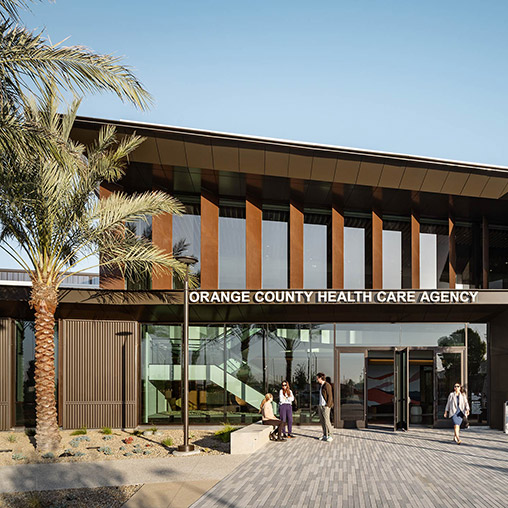
OC Health Care Agency
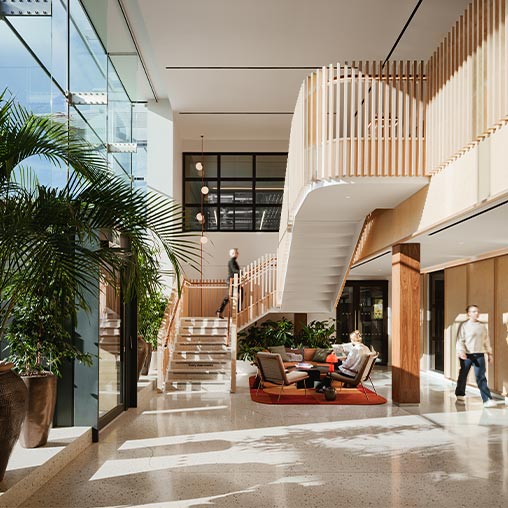
CamLIFE
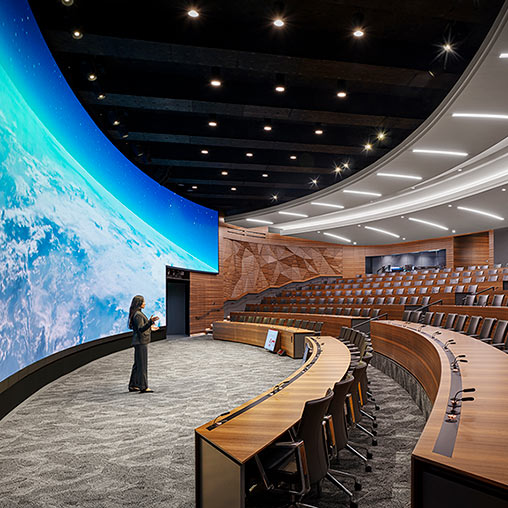
Edwards Lifesciences
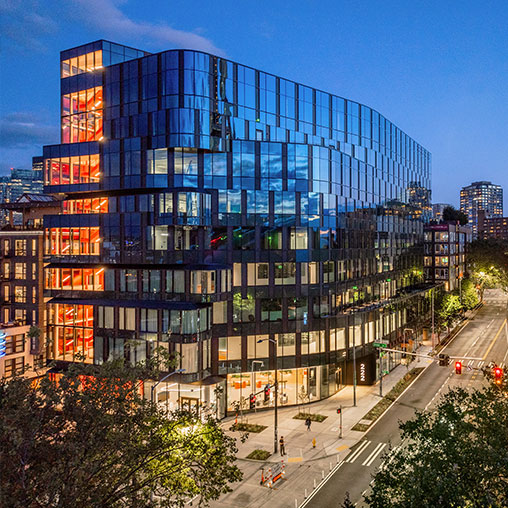
222 Fifth
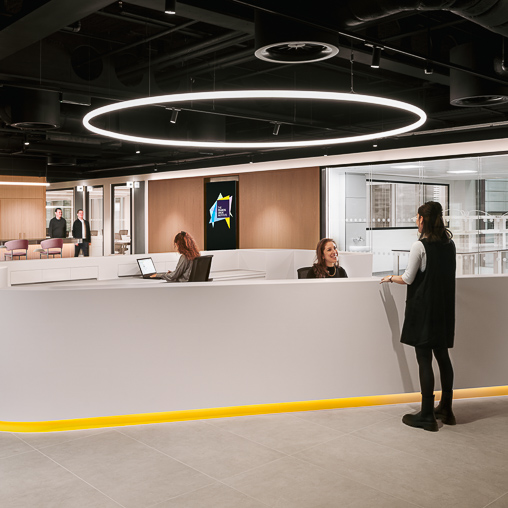
The Francis Crick Institute at 20 Triton Street
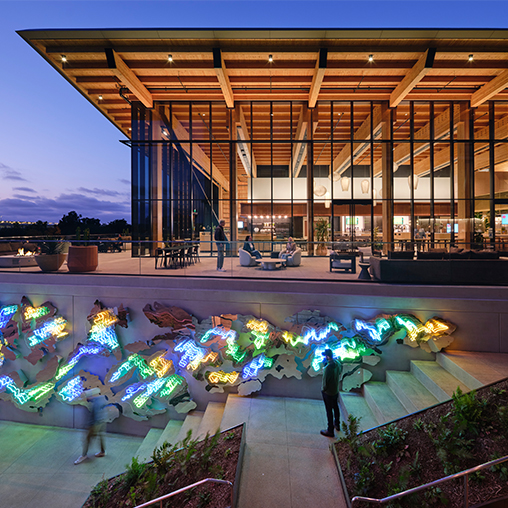
Pacific Center
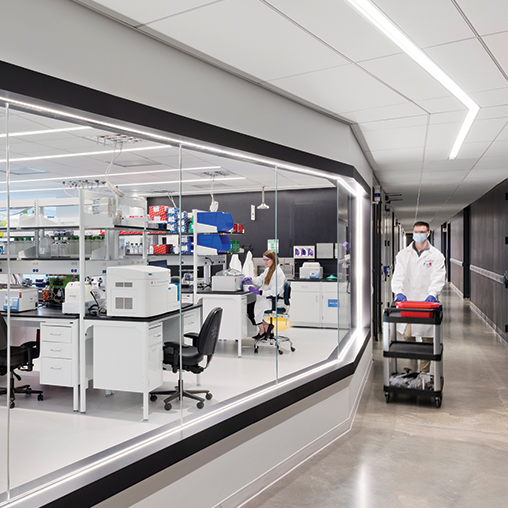
ElevateBio
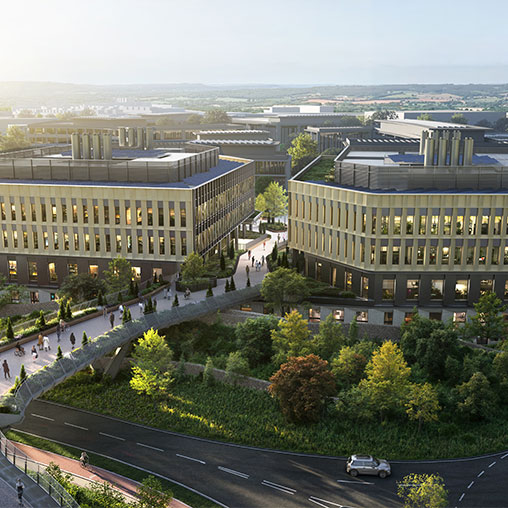
Wellcome Genome Campus
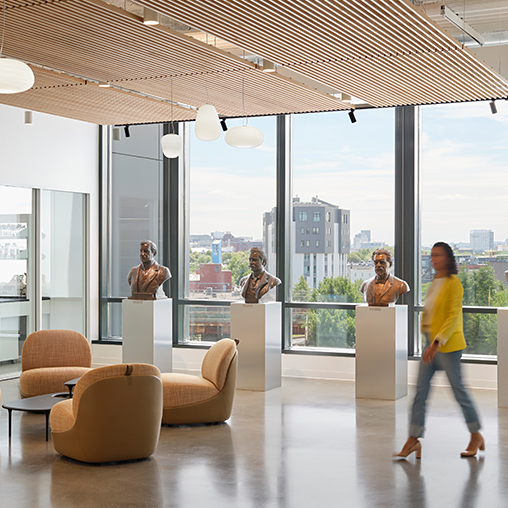
ADA Forsyth Institute
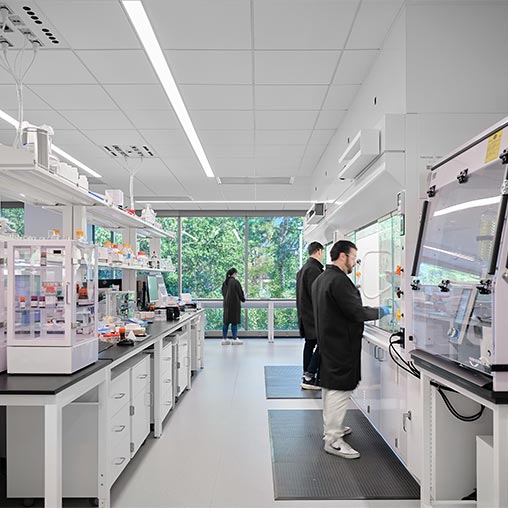
Nurix Therapeutics Texas
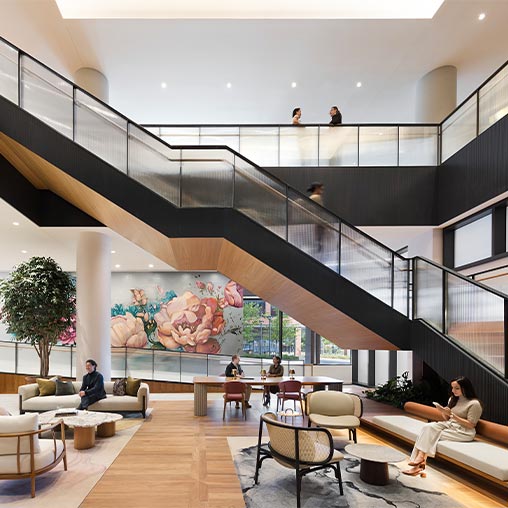
Sanofi M Station
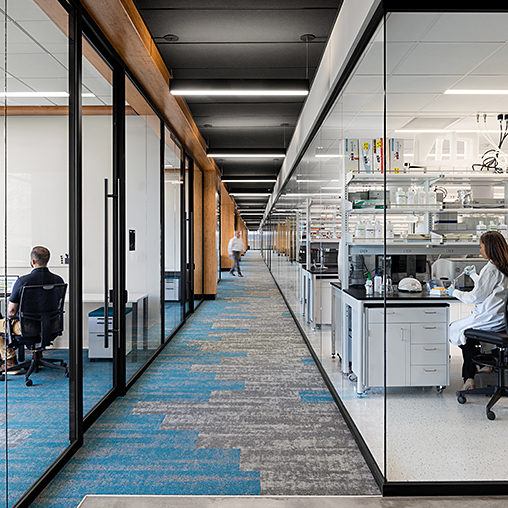
Biolabs New Haven
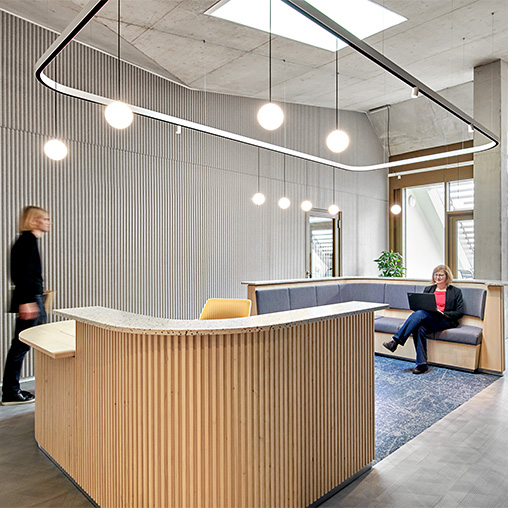
Confidential Pharmaceutical Client
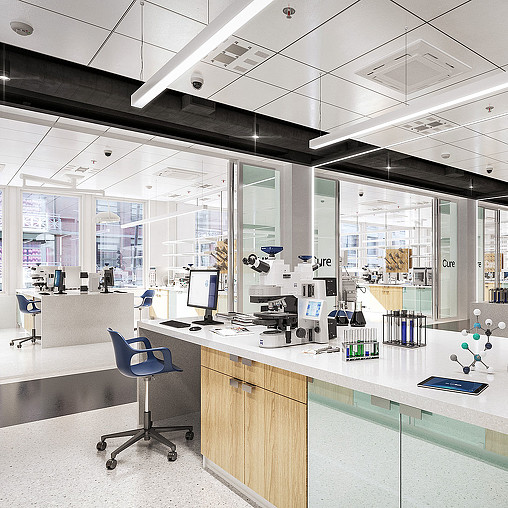
Deerfield Headquarters and CURE. Innovation Campus
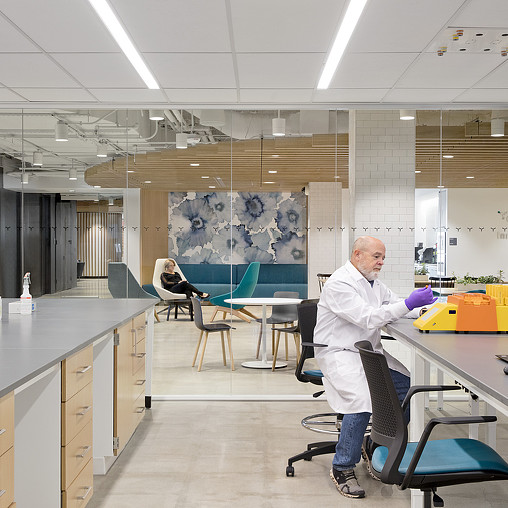
Genmab
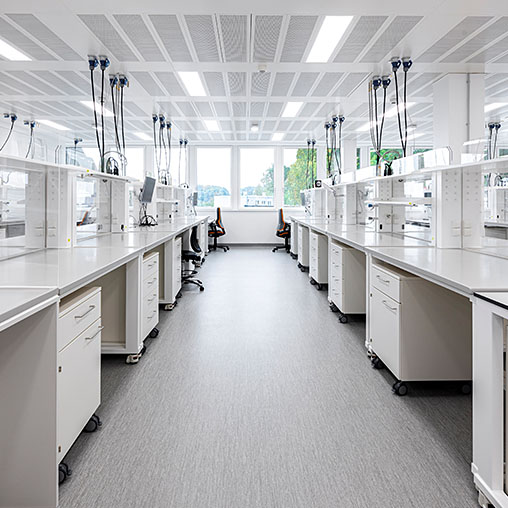
Confidential Pharmaceutical Company
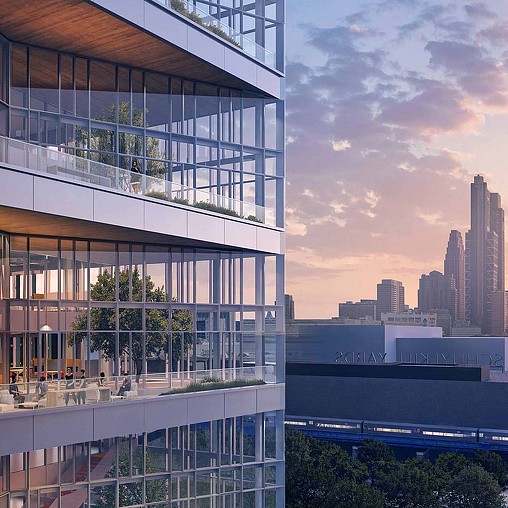
3151 Market Street
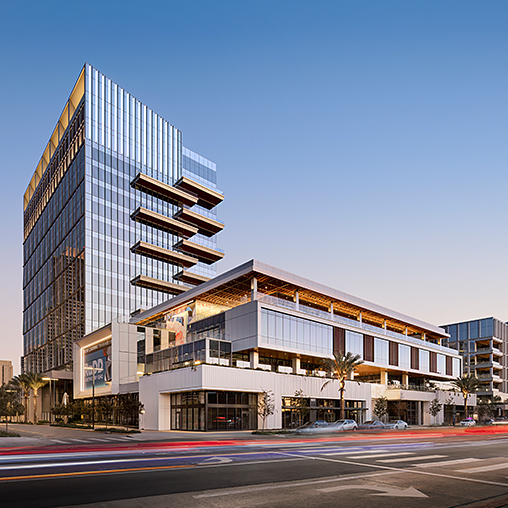
IQHQ Research and Development District (RaDD)
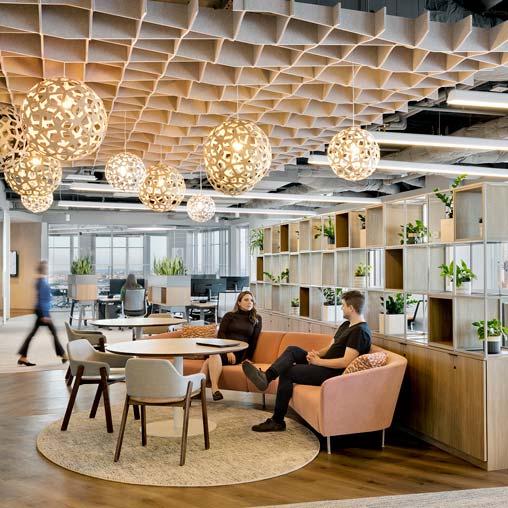
Organon
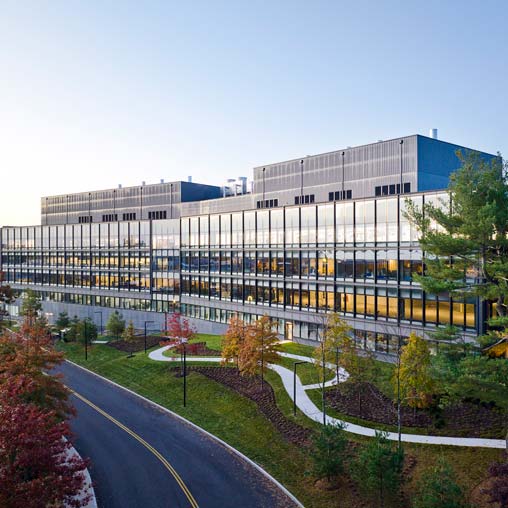
225 Wyman
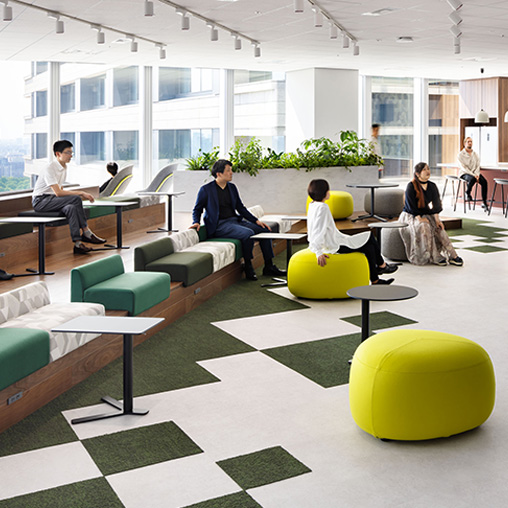
Bristol Myers Squibb
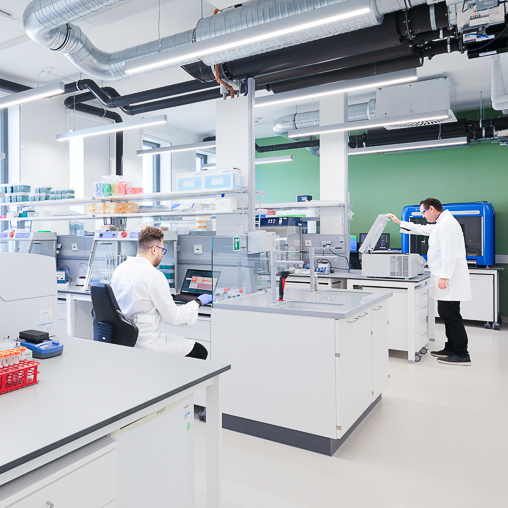
Roche
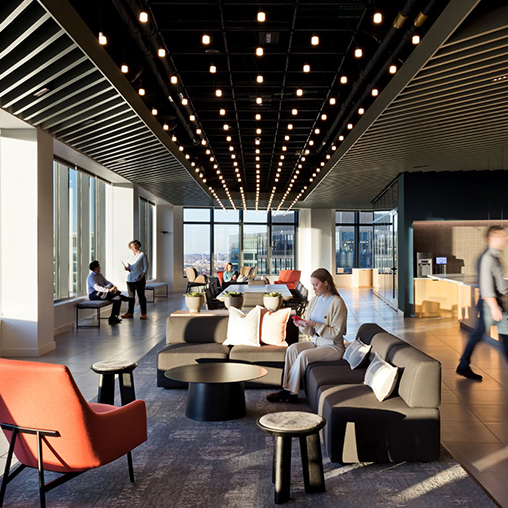
Foundation Medicine Headquarters
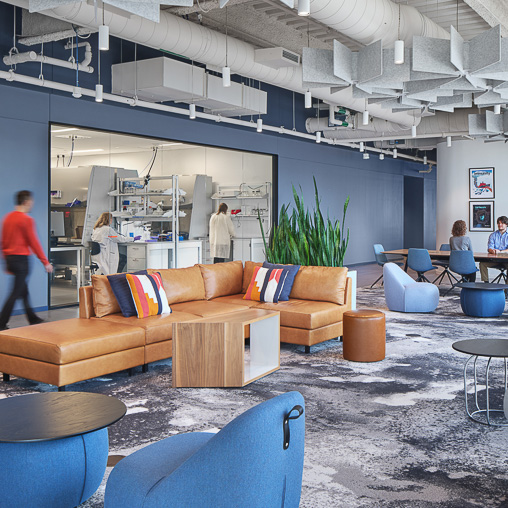
Dispatch Biotherapeutics
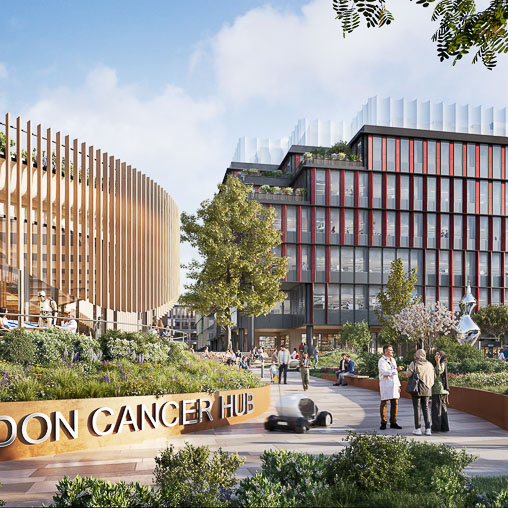
London Cancer Hub
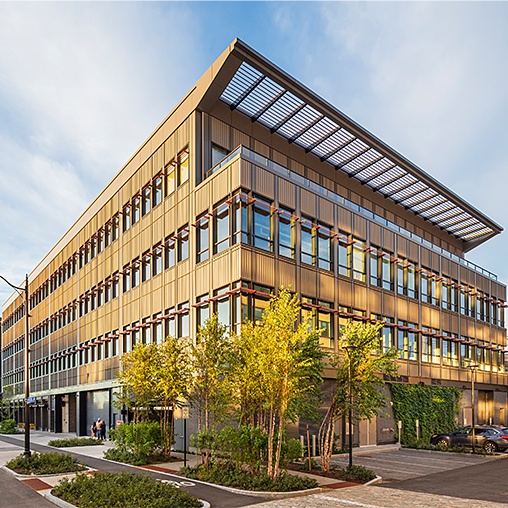
100 Chestnut
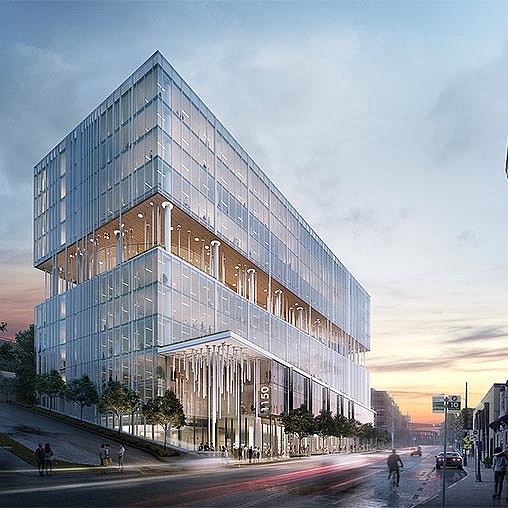
eleven50
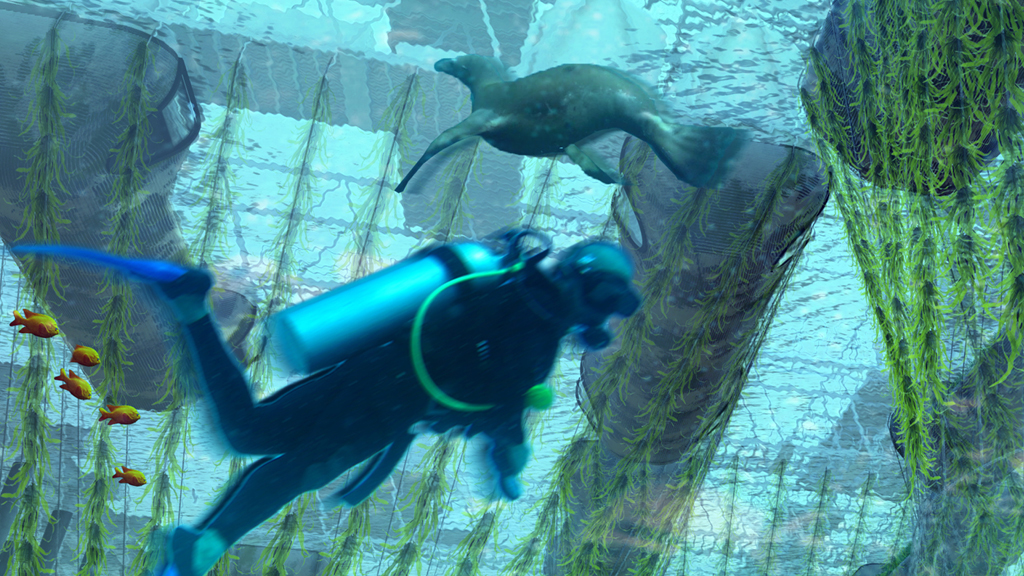
Designing Amphibious Structures
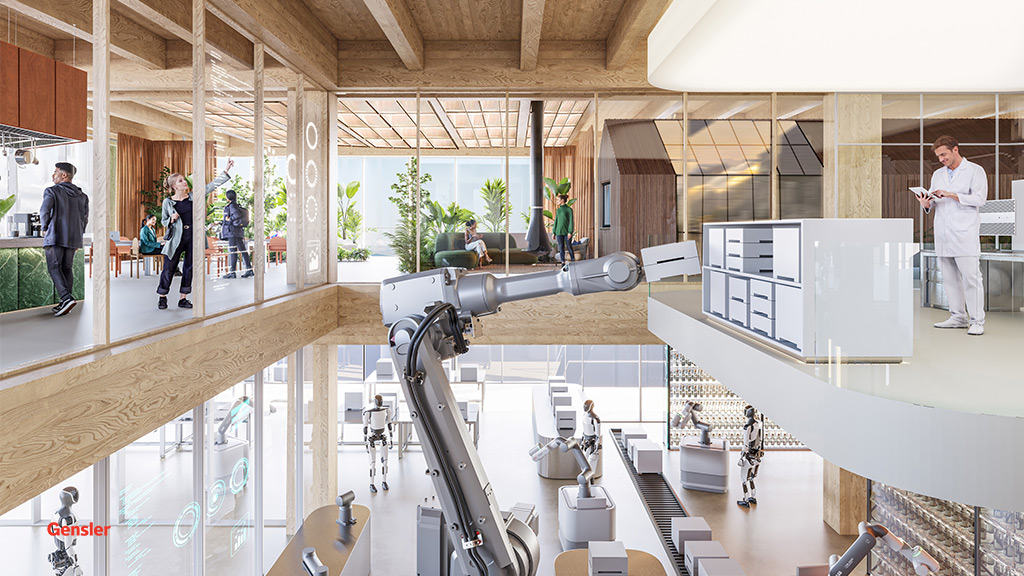
NEXT NEXT: Redefining Science Work for the AI and Machine Era
Sustainability and Lab Automation

City Pulse 2026
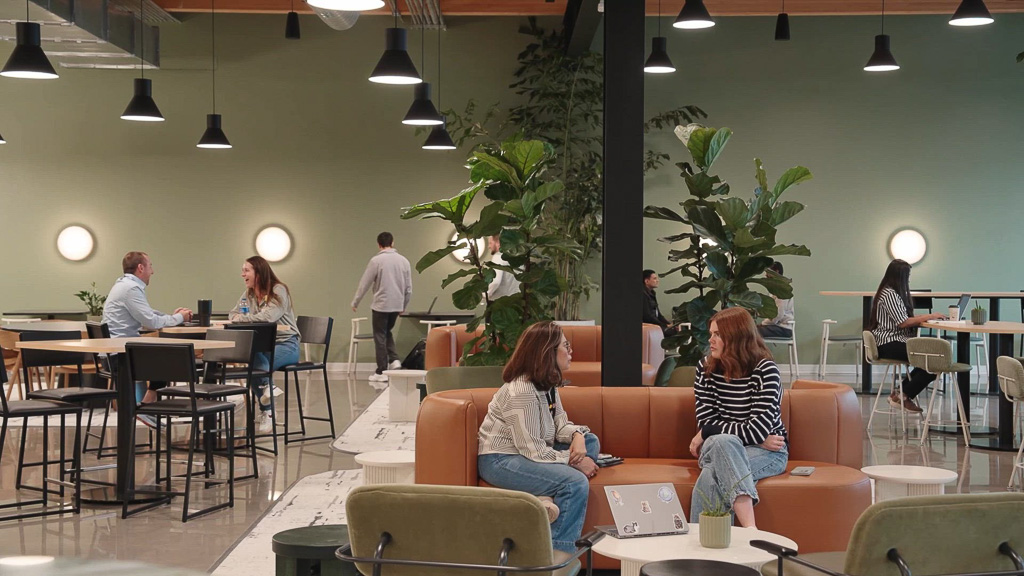
Global Workplace Survey 2026
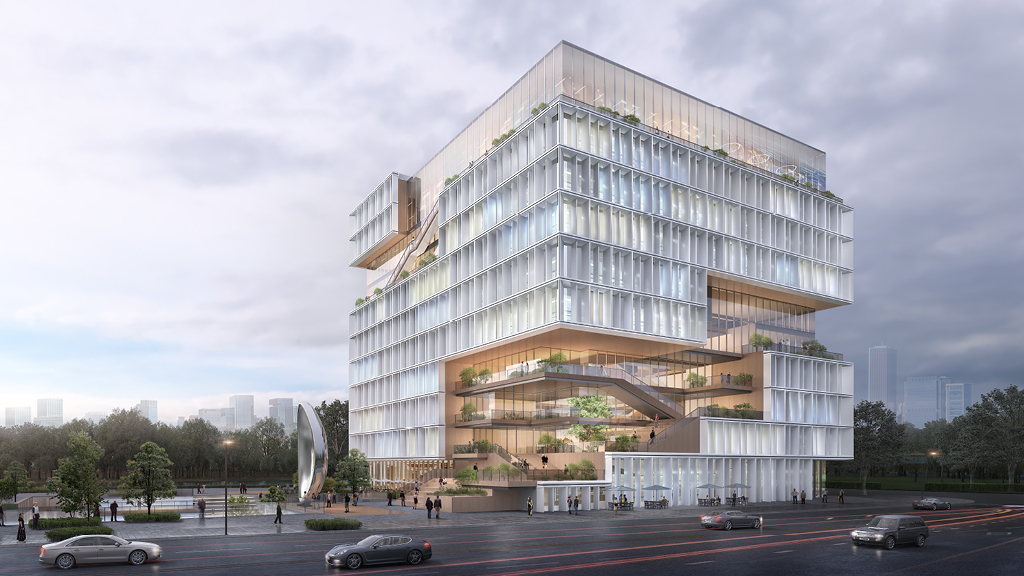
Designing Future Science Buildings for Human Connection
Global Workplace Survey 2025
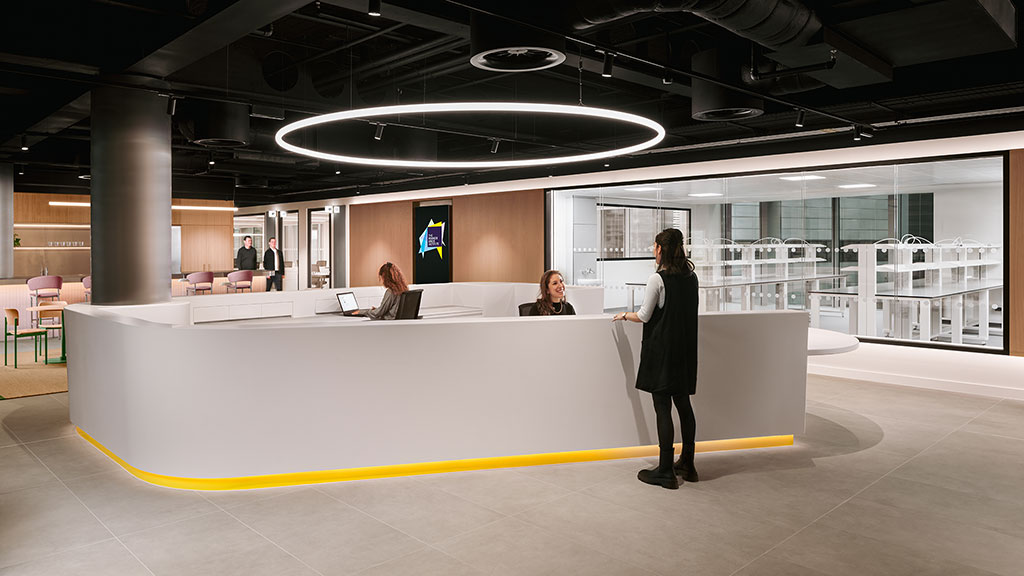
How Design Drives Innovation in Education & Science
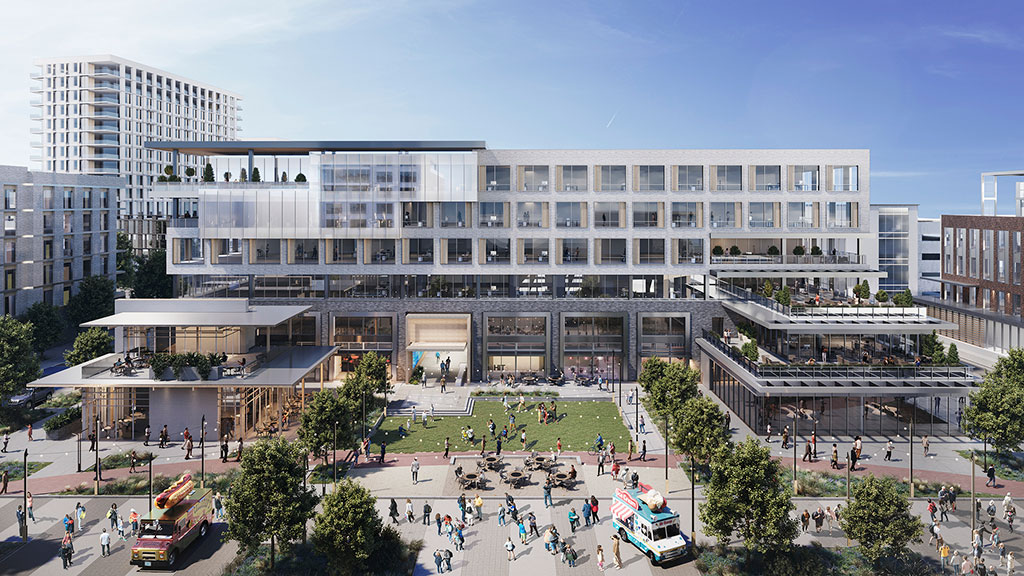
5 Ways Suburban Office Campuses Are Transforming Into Thriving Communities
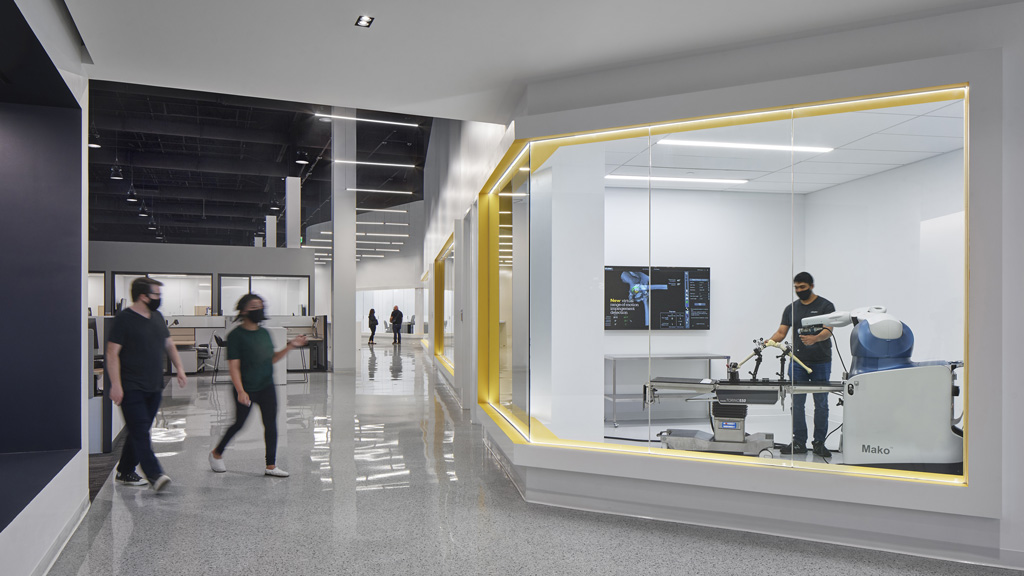
The Future of Lab Automation: Opportunities, Challenges, and Sustainable Design Solutions
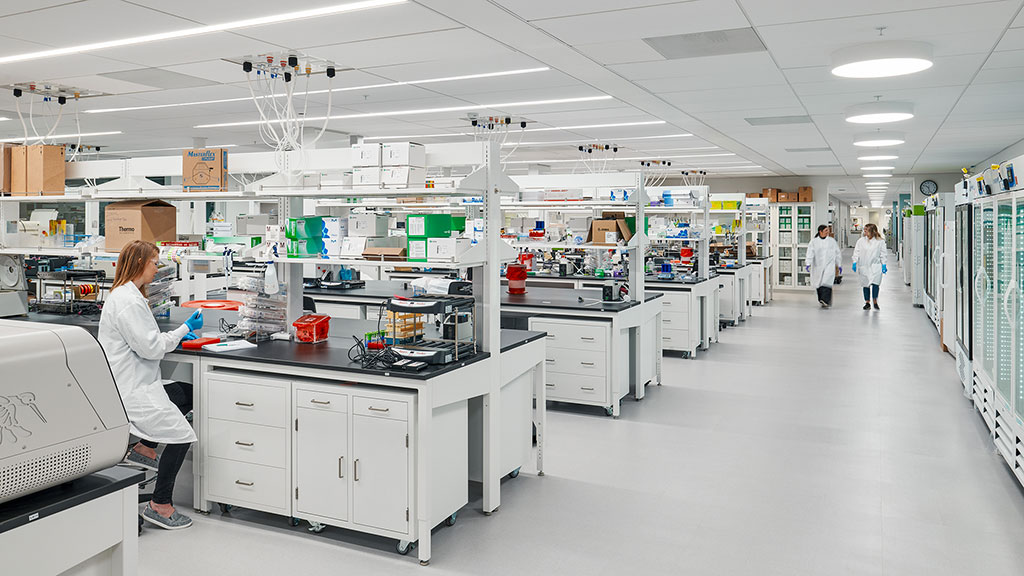
How AI and Emerging Technologies Will Transform the Future of Labs
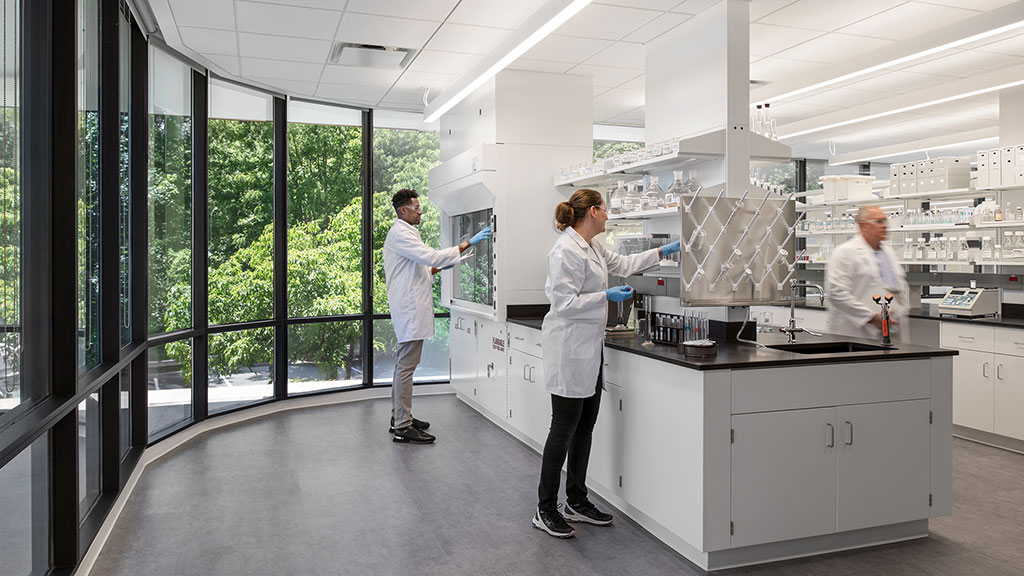
Design for Laboratory Resilience: A Compliance Approach to Climate Risk Assessment
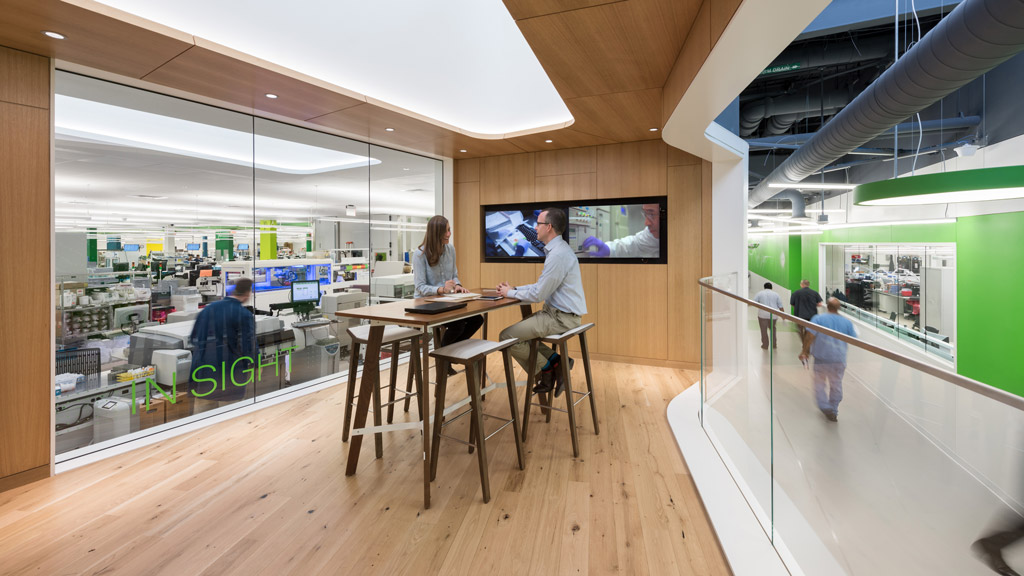
Using an “All-Spokes” Approach to Optimize Lab Space
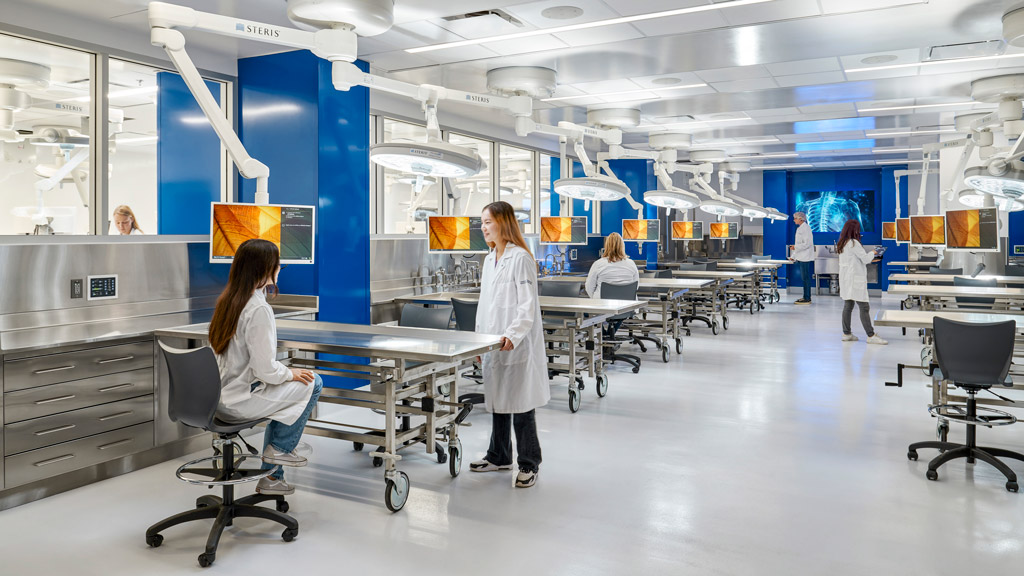
Using Design to Support Case-Based Learning in Medical Education
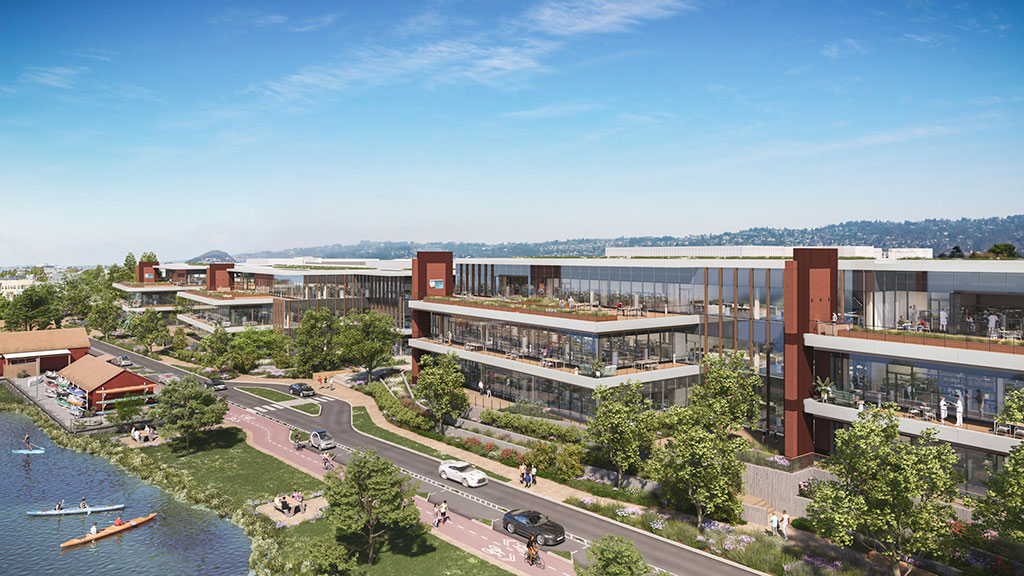
How Life Sciences Developments Can Redefine Urban Areas
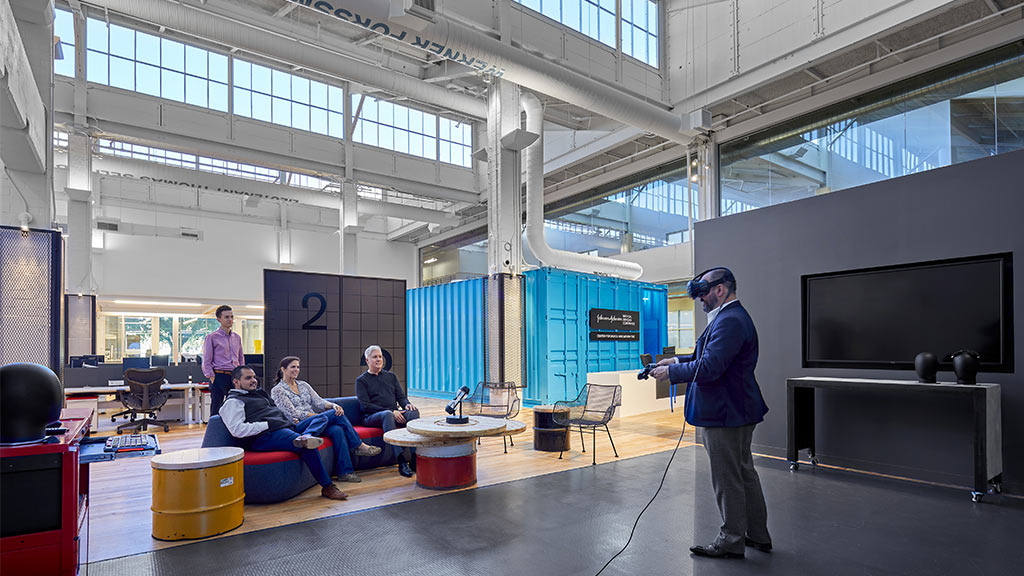
The Benefits of Repurposing Stranded Assets as First-Generation Labs
AI and automation turn science spaces into “black box” labs.
Compact “black box” labs automate discovery at scale, shifting design away from traditional benches toward dense robotics enclosures, clean equipment rooms, and climate-controlled shells. These spaces need resilient utility grids, plug-and-play power and cooling, and clear separation between human zones and machine operations.
Labs become mission-critical data hubs.
As labs increasingly function like high-performance data centers, sciences organizations must plan for bifurcated environments. Robotics and wet lab work will be collocated alongside server rooms that require details such as robust cooling and shielded walls for cybersecurity. Locating this core infrastructure in areas with robust power is crucial to ensuring long-term viability.
The maker movement spurs a reallocation of space.
Scientists and engineers build their own tools to address specific research needs, using things like 3D-printed components, programmable cell-therapy boxes, and nano-scale platforms. As such, lab spaces are designed to make room for custom creativity, which is essential for speeding discoveries from prototype to commercialization. Modular bays, fabrication shops, plug-and-play utilities, and adaptable environments can help makers pivot fast.
Ryley Poblete
Nathan Morgan

Chad Yoshinobu
Fierce Healthcare Podcast Featured Gensler’s Ryley Poblete on the Future of R&D Lab Design
Gensler Sciences Leaders Explore the Future of Life Sciences Environments That Foster Discovery and Innovation
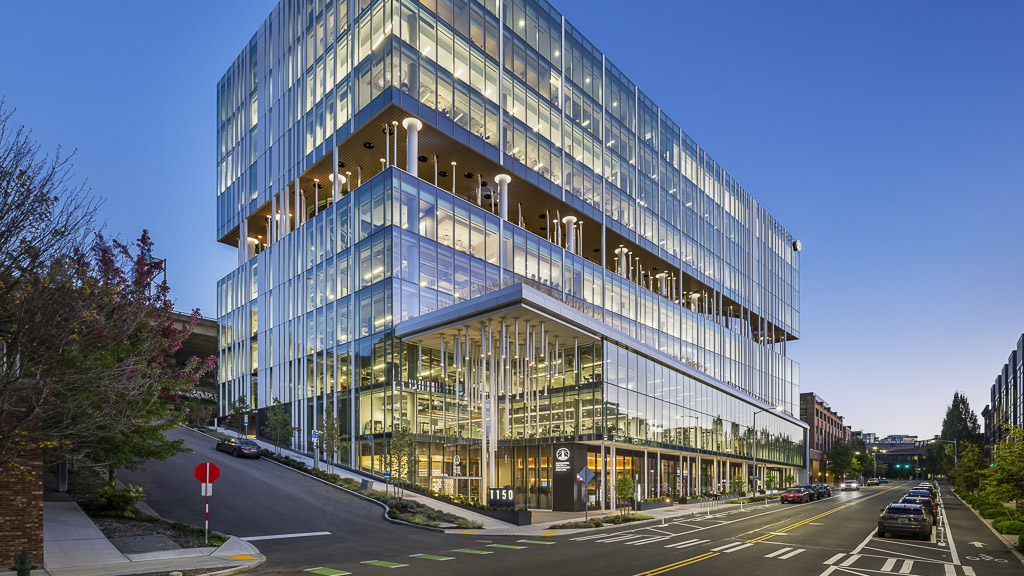
IDA Recognized Gensler-Designed eleven50 With a 2025 Gold IIDA Award in Commercial Architecture/Skyscrapers
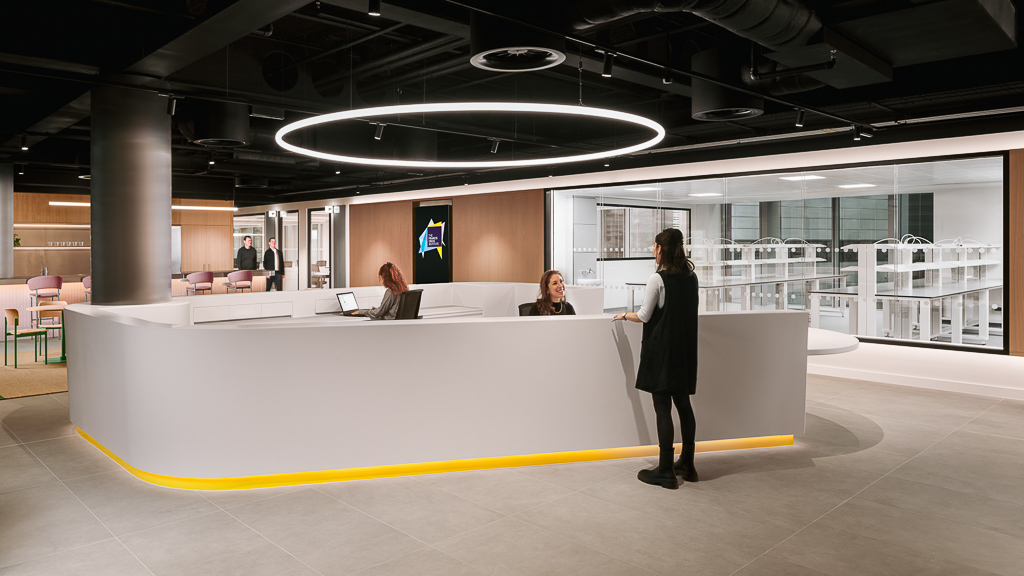
Estates Gazette Spotlighted The Francis Crick Institute in London’s Knowledge Quarter
Building Design & Construction Featured the Development of New Crick-Supported Lab Space at 20 Triton Street
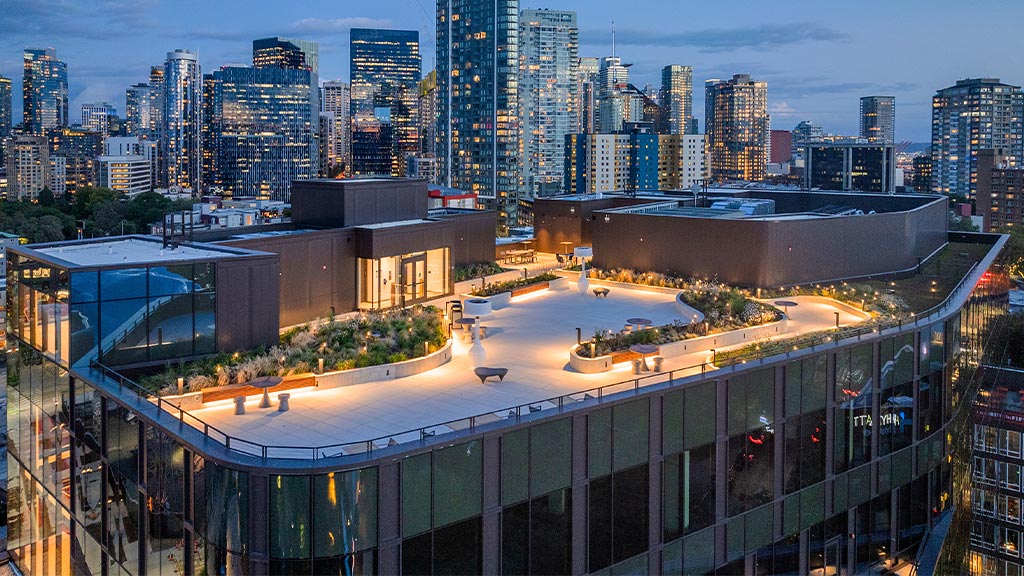
Gensler Is Adding to Seattle’s Growing Innovation Cluster With 222 Fifth
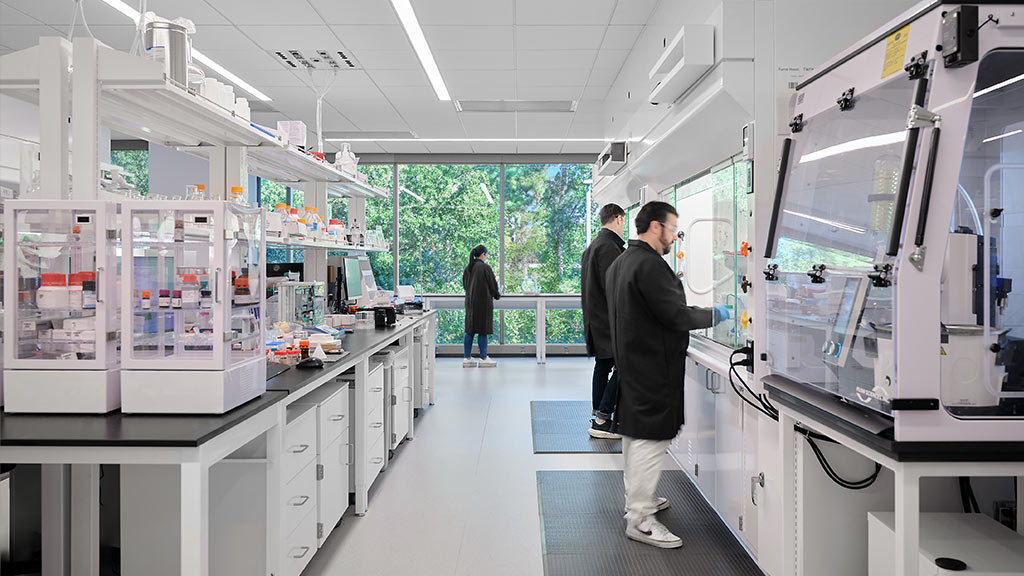
Energy and Its Impact on Resilient Lab Planning
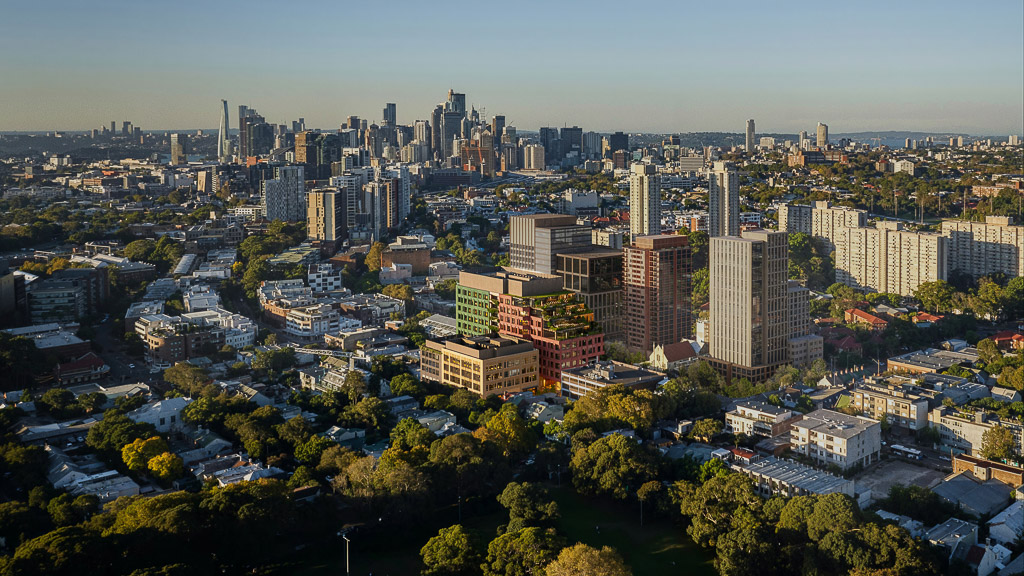
Kurraba Launches Australia’s First Commercial Life Sciences Campus
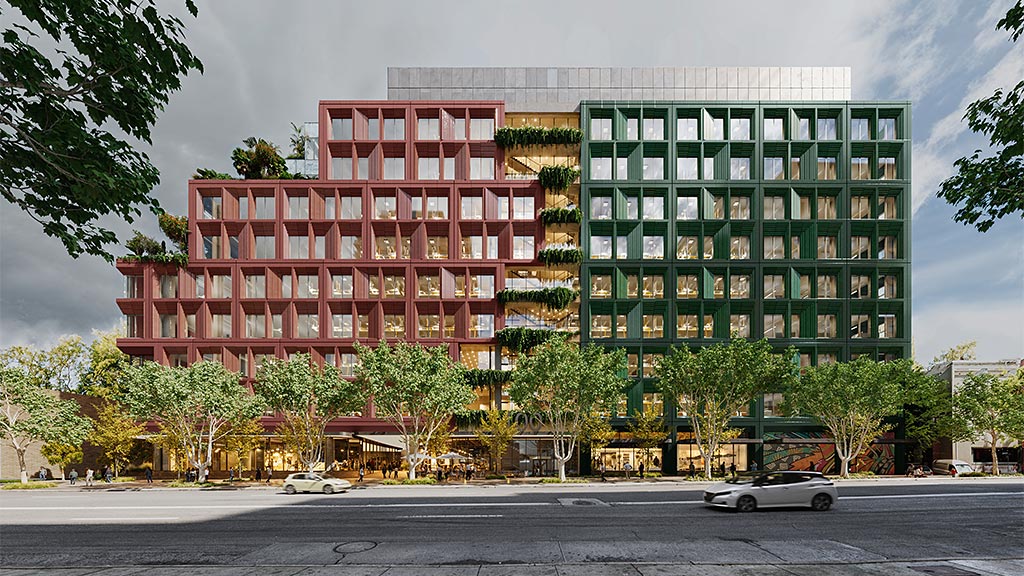
Kurraba Unveiled Plans for a $490 Million Commercial Life Sciences Campus
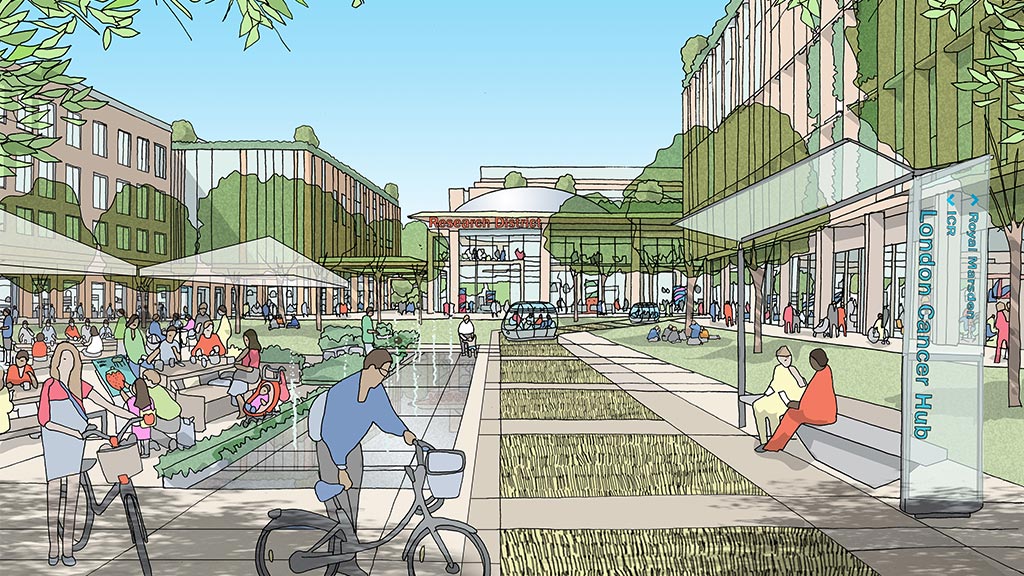
Gensler Will Lead the Design of the London Cancer Hub
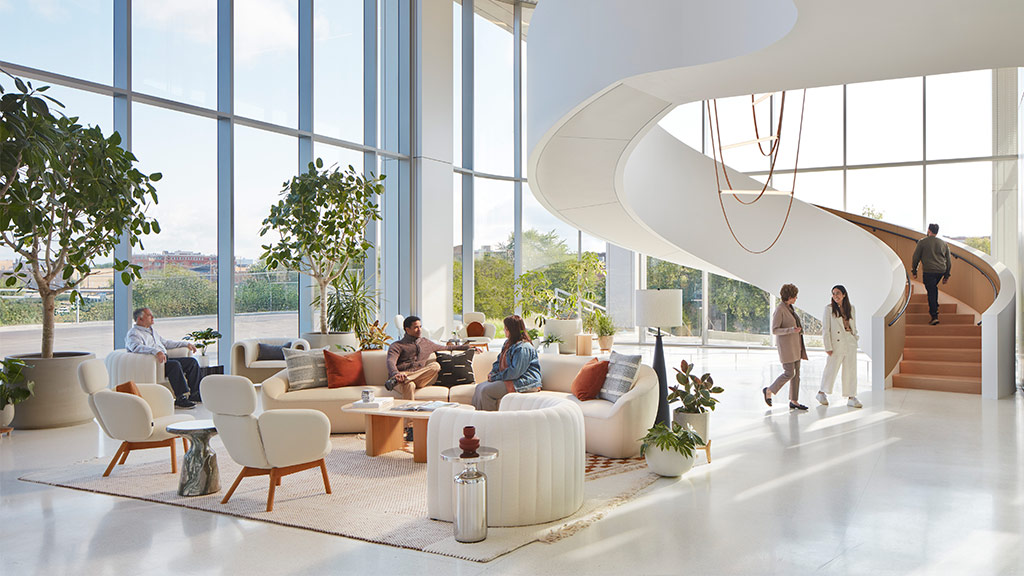
gb&d Spotlighted Gensler’s 1229 W Concord Life Sciences Building in Chicago’s Lincoln Yards
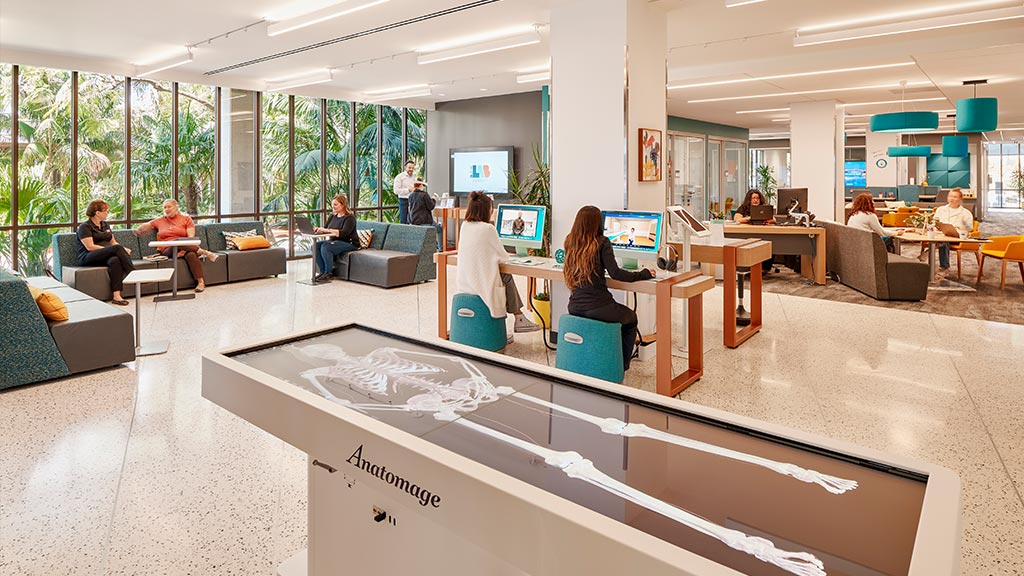
Gensler Ranked #1 on BD+C’s Top 100 Science and Technology Facility Architecture Firms List
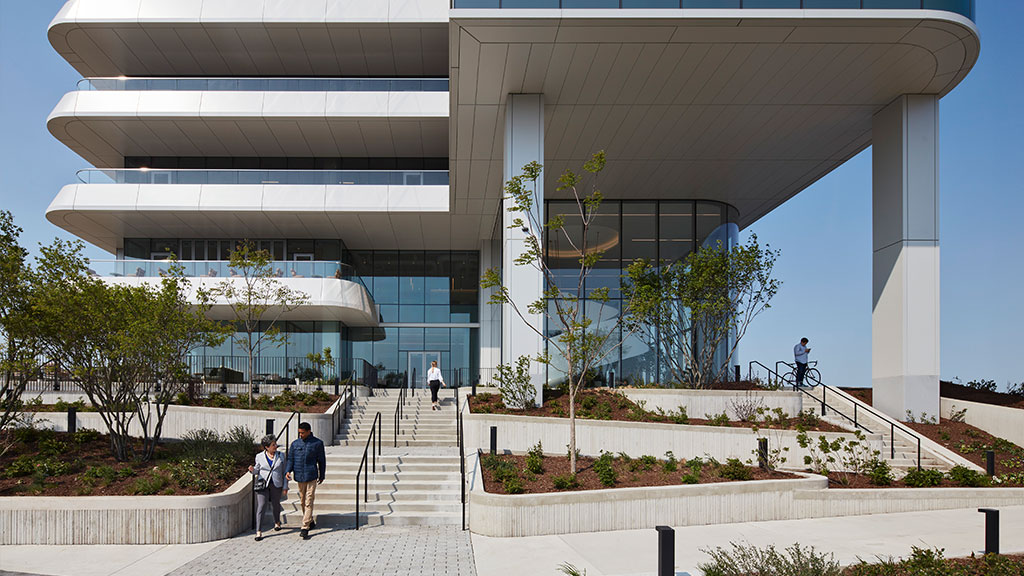
1229 W Concord Place Features Bird-Friendly Glass as a Hopeful Solution to Migratory Bird Deaths
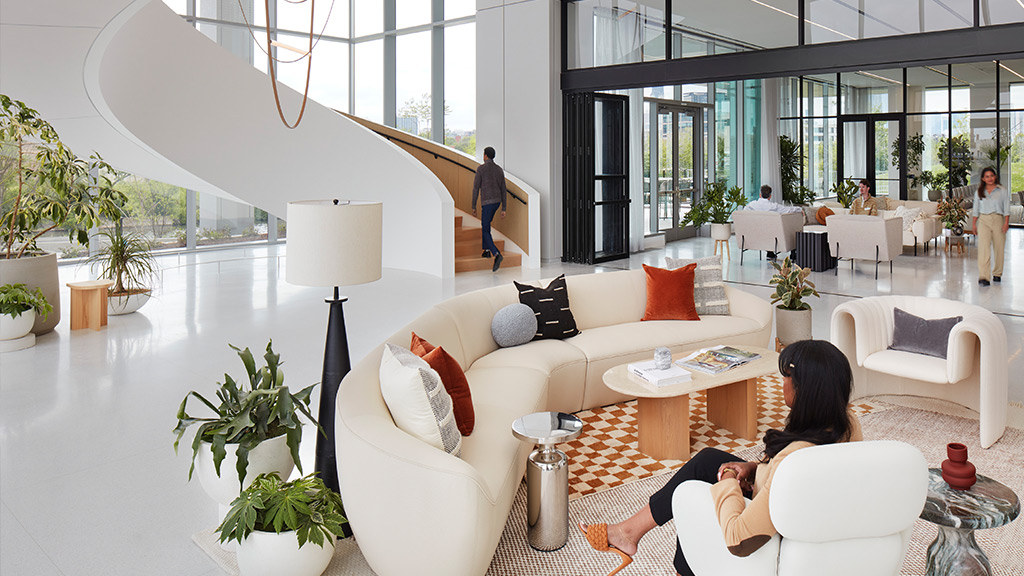
A Look Inside the Hospitality-Infused Life Sciences Building in Chicago’s Lincoln Yards
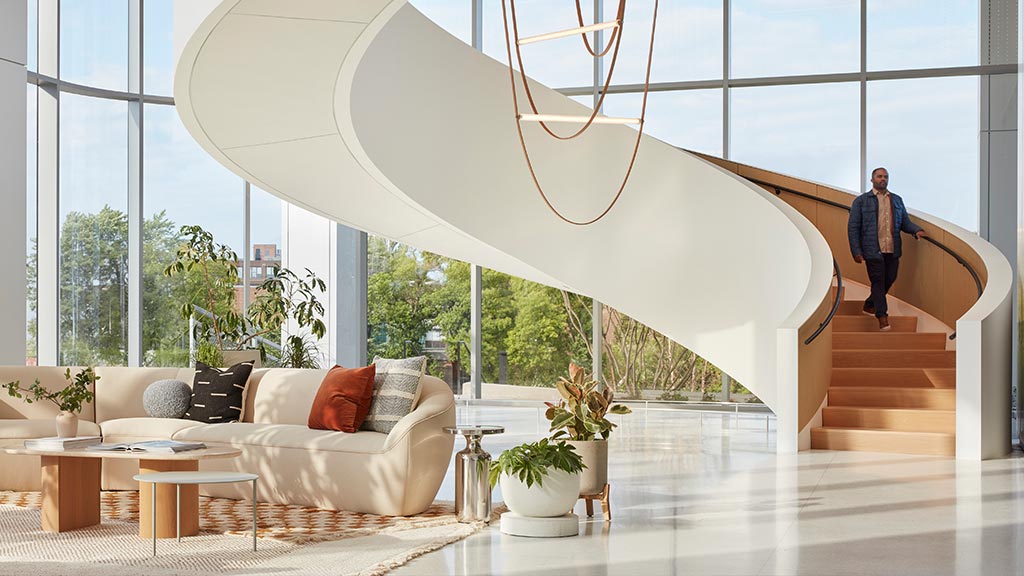
Chicago Science Lab Features Biophilic Design Principles and Hospitality-Inspired Amenities