United Kingdom










Research
Valuing Build-to-Rent Amenities in the UK
This report delves into London’s Build-to-Rent sector, uncovering how tenant preferences and rental pricing are shaped more by location and quality than by the presence of extensive amenities.

Blog
The Future of Real Estate Metrics: Human Connection
The places that thrive in the years ahead will be designed to build relationships, inspire belonging, and foster togetherness.
Blog
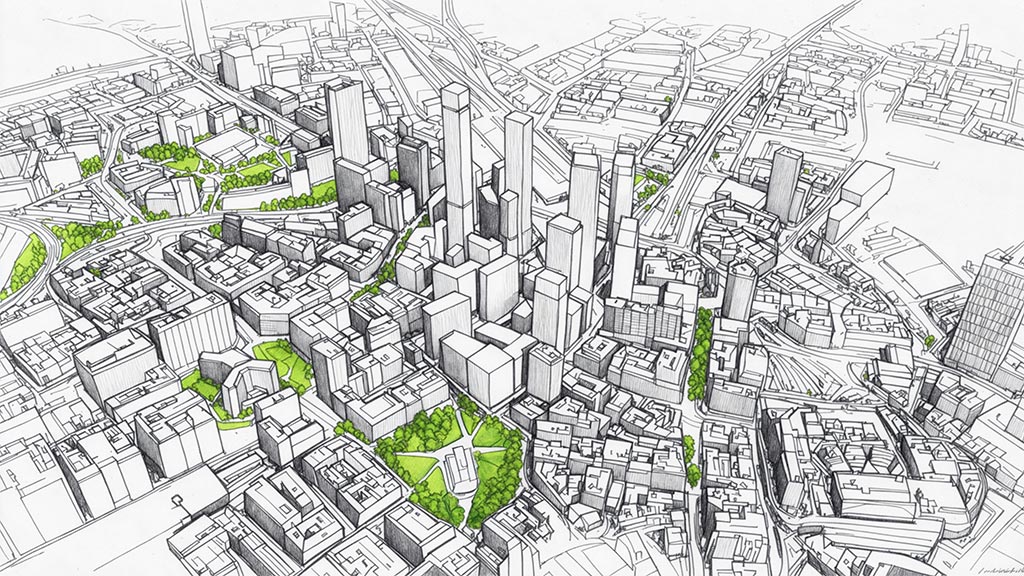
Birmingham Living: The Next Chapter
This Q&A with Gensler residential leaders John Badman (London) and Jamie Rodgers (Birmingham) explores how Birmingham’s evolving housing market is shaping the city’s next chapter.

Blog
Retrofit at Scale: A New Blueprint for Investible Urban Development
A conversation with Gensler’s Harry Cliffe-Roberts and Opportunity London’s Jace Tyrrell on why retrofit is emerging as a preferred solution — and how this cross-industry guide is helping move the dial.

Blog
Unlocking Value in Class A High-Rises: The Strategic Advantage of Spec Suites
In Class A commercial towers, spec suites are becoming a go-to strategy for converting vacancy into value.

Blog
How London’s Green Real Estate Can Lead the Global Climate Agenda
Despite global decarbonisation efforts, emissions continue to rise. But the UK is quietly and steadily reducing its carbon footprint.

Blog
How a Challenging Site Fuelled a Bold New Workplace
A new building at The Goodsyard will transform an untapped site into a dynamic destination in London.

Research
City Pulse 2025
Gensler surveyed 33,000 people across 65 cities to uncover what makes a city magnetic — how it attracts new residents and keeps them wanting to stay.
Blog
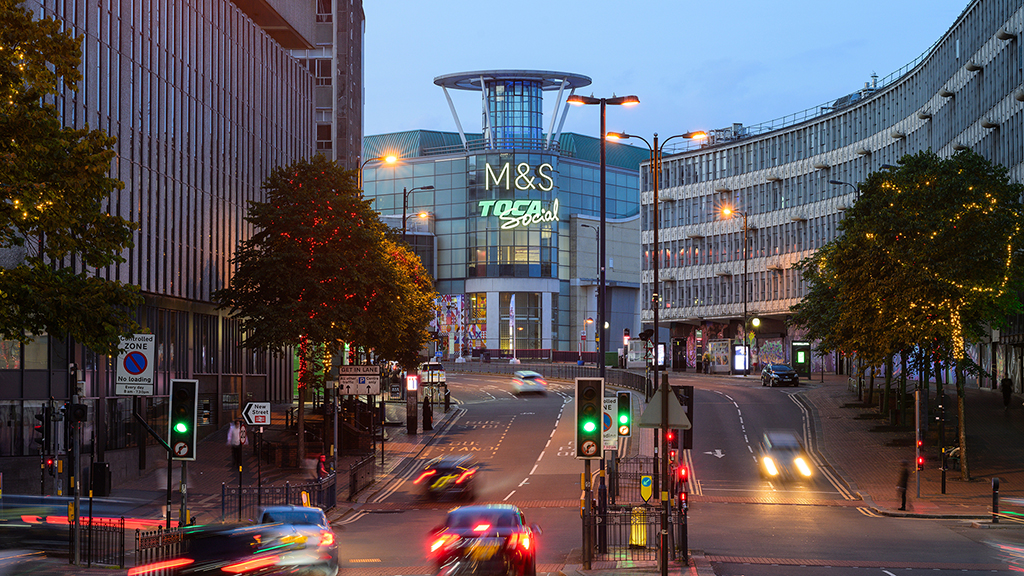
Birmingham’s Renaissance: The City of 100 Quarters
How the city’s next evolution is embracing both innovation and heritage to shape a vibrant future.

Blog
How AI Is Driving Innovation in the European Data Centre Market
The scale of data centre demand is driving innovations in energy generation, grid infrastructure, and cooling technologies.
Blog
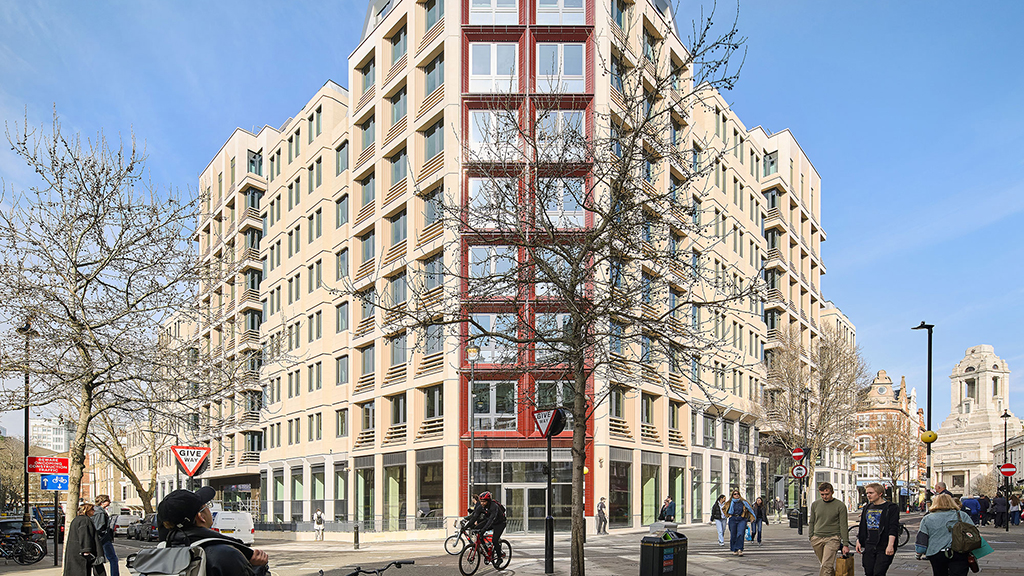
Survivalist Architecture: The Age of Adapt & Reuse
Architecture must move beyond pure aesthetics to embrace solutions that prioritise environmental and social responsibility.
Blog
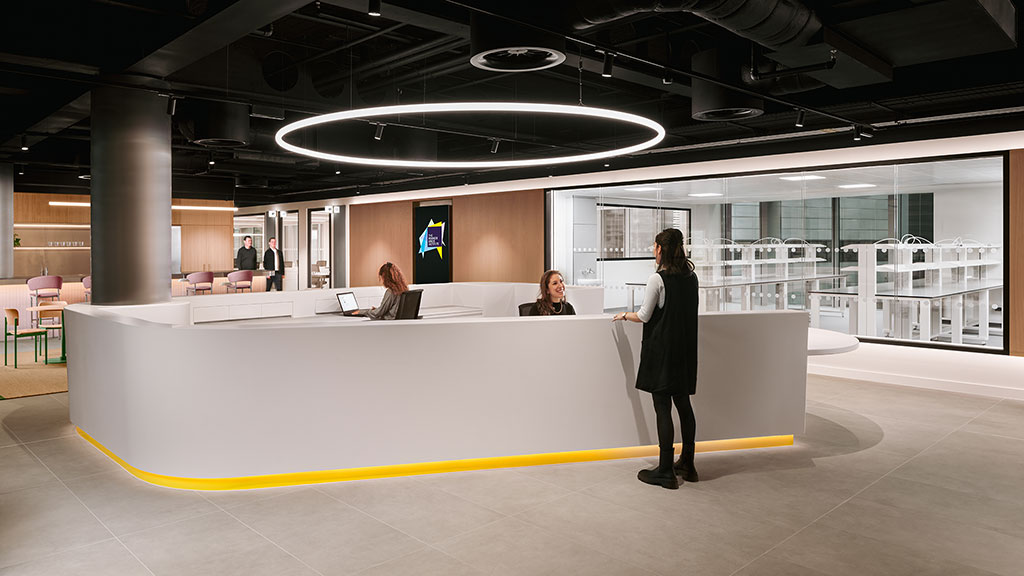
How Design Drives Innovation in Education & Science
Gensler’s European Education & Sciences leaders explore how design can accelerate progress in these converging fields.

Blog
Creating a More Resilient Future With Green and Thriving Cities
As the demand for sustainable and liveable cities grows, urban planners and architects are adopting innovative strategies to harmonise built and natural environments.
Blog
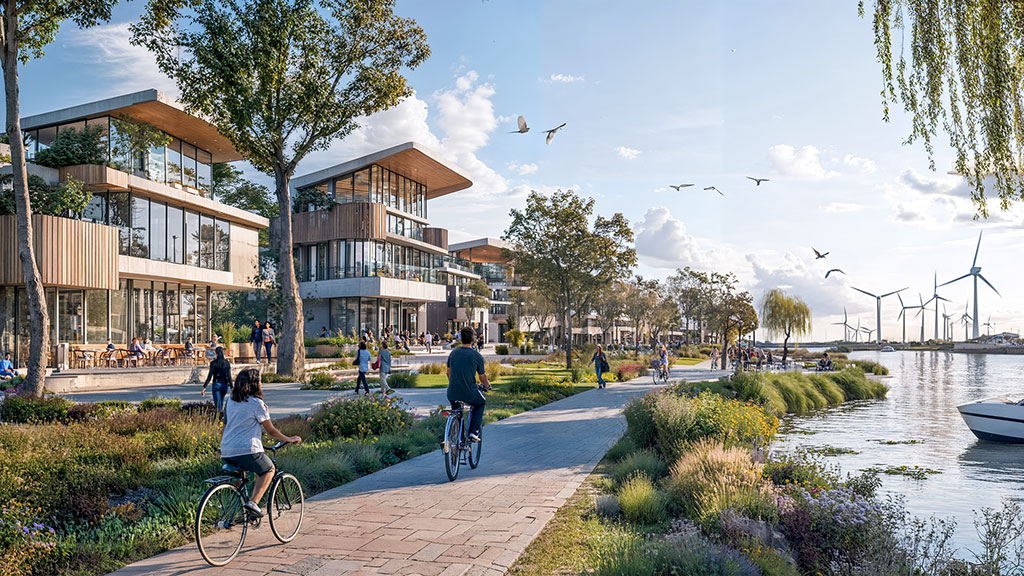
A Radical Solution to the U.K. Housing Crisis: Building a New London in the Thames Estuary
How should the U.K.’s government be addressing the housing crisis? Here are four steps to a radical solution.

Blog
When It Comes to Workplace Design, Beauty Drives Performance
Beauty plays a crucial role in driving workplace performance, going beyond mere aesthetics to shape overall functionality and impact the employee experience.
Blog
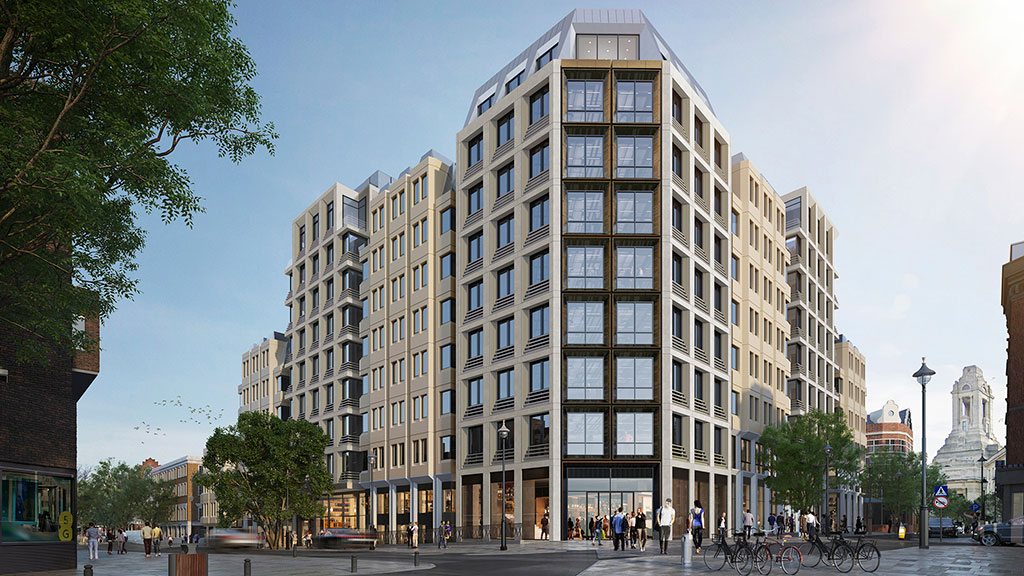
A New Approach to London’s Dated Offices
To revitalise London’s dated office building stock, we must make these environments relevant and capable of attracting the best tenants and talent.

Blog
Gensler London’s Commitment to a Sustainable Workplace
New to the U.K. market, the NABERS Tenancy Certification aims to help owners and tenants measure their buildings’ environmental performance and identify areas for improvement.
Blog
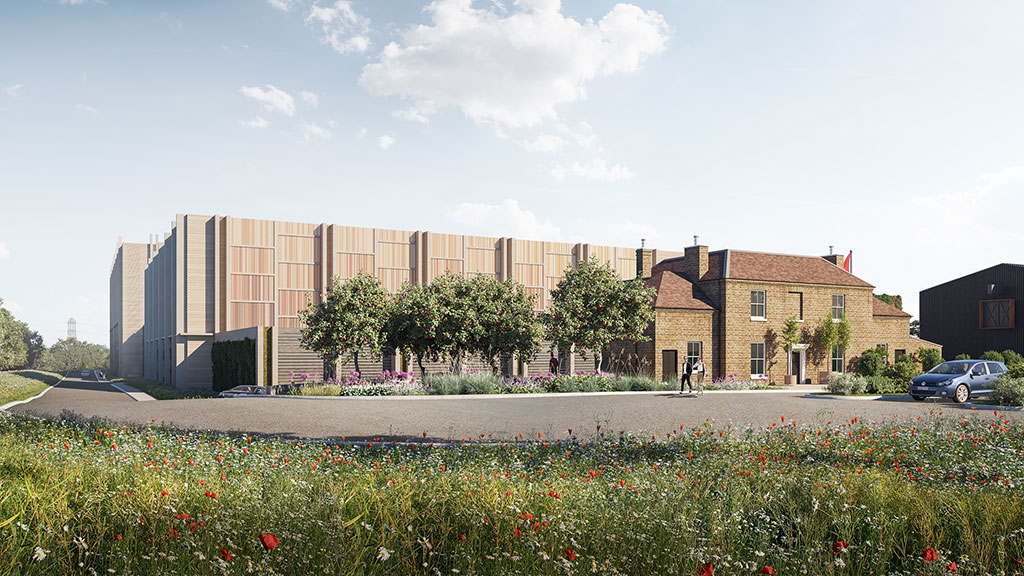
Data Centres and the Forgotten Landscapes of Digital Infrastructure
Through regenerative design, we can change the perception of data centres from ‘bad neighbour’ developments to community assets.
Conversions+™ by Gensler
Determine if an office building is a candidate for residential conversion.
Learn More