Data Meets Strategy: How Higher Education Can Make Smarter Real Estate Decisions
For campus leaders navigating enrollment pressure and tighter budgets, smarter real estate decisions start with better measurement.
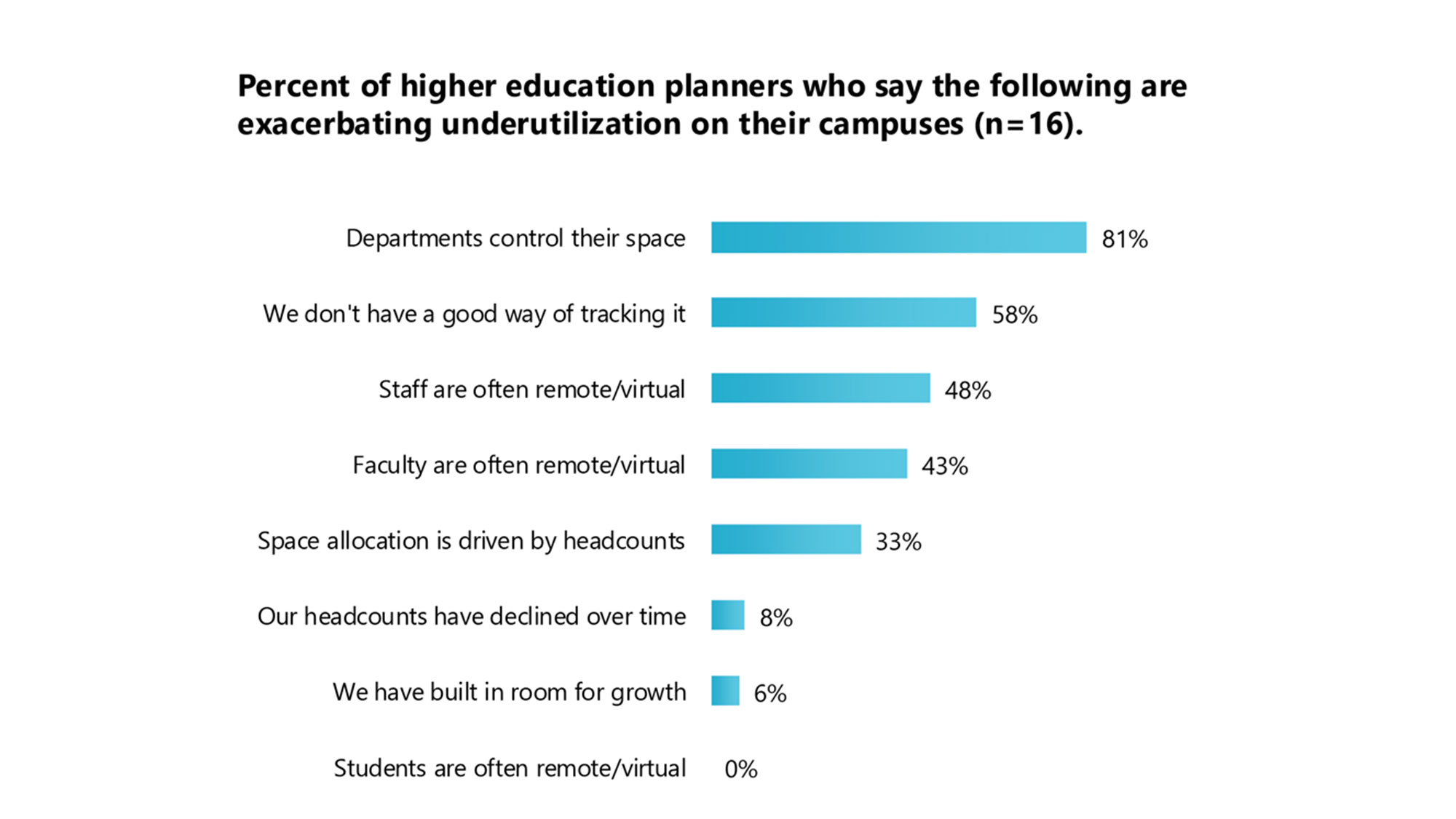
Across the U.S., universities and colleges are under pressure to optimize their physical footprints and measure how their space is used, reflecting a common imperative: do more with less. Projected enrollment declines, threats to federal research funding, and our own surveys all point to the same reality: campuses can no longer afford misaligned space portfolios. Space is expensive to build, maintain, and operate, yet on most campuses, a significant share of it sits underused for much of the day, week, or semester.
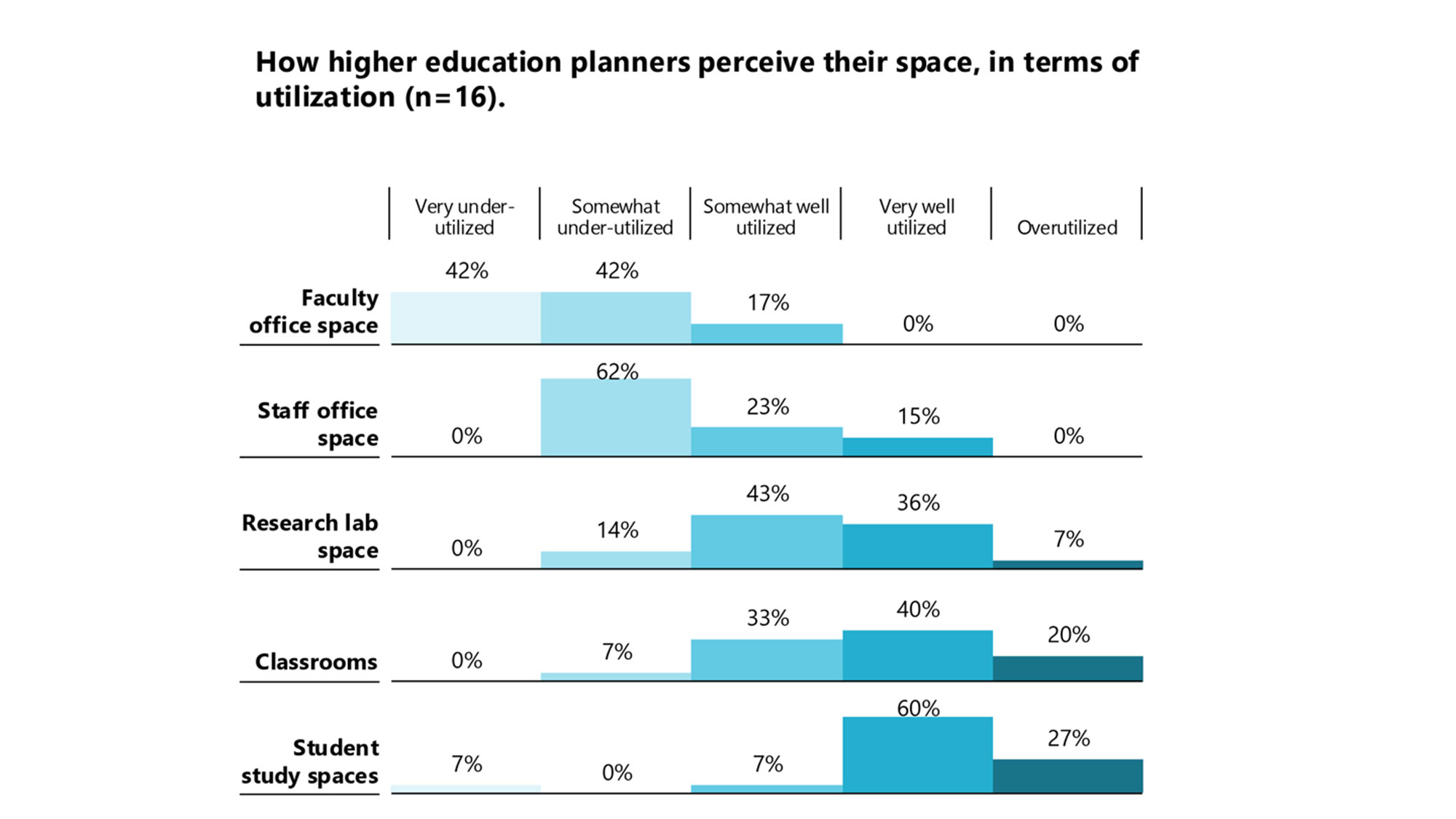
Gensler’s research consistently shows that while office space is underutilized on campuses, other spaces — classrooms, student study areas, and labs — are often under strain. The challenge is not simply eliminating underutilized space but rebalancing portfolios by transforming how space gets used.
As the management adage goes, if you can’t measure it, you can’t manage it. In fact, if done well, measuring space utilization can be instrumental in driving change. But there’s another adage to keep in mind: not everything that can be counted counts. Sophisticated measurement technology doesn’t always guarantee useful outcomes.
Sensors are one option for measuring utilization that has been growing in popularity among campus leaders and space planners alike. Drawing on decades of research on space utilization and partnerships with a number of sensor companies across higher education, here are five recommendations for those considering a utilization study, whether using sensors or other means:
1. Know the technology (and low-tech alternatives)
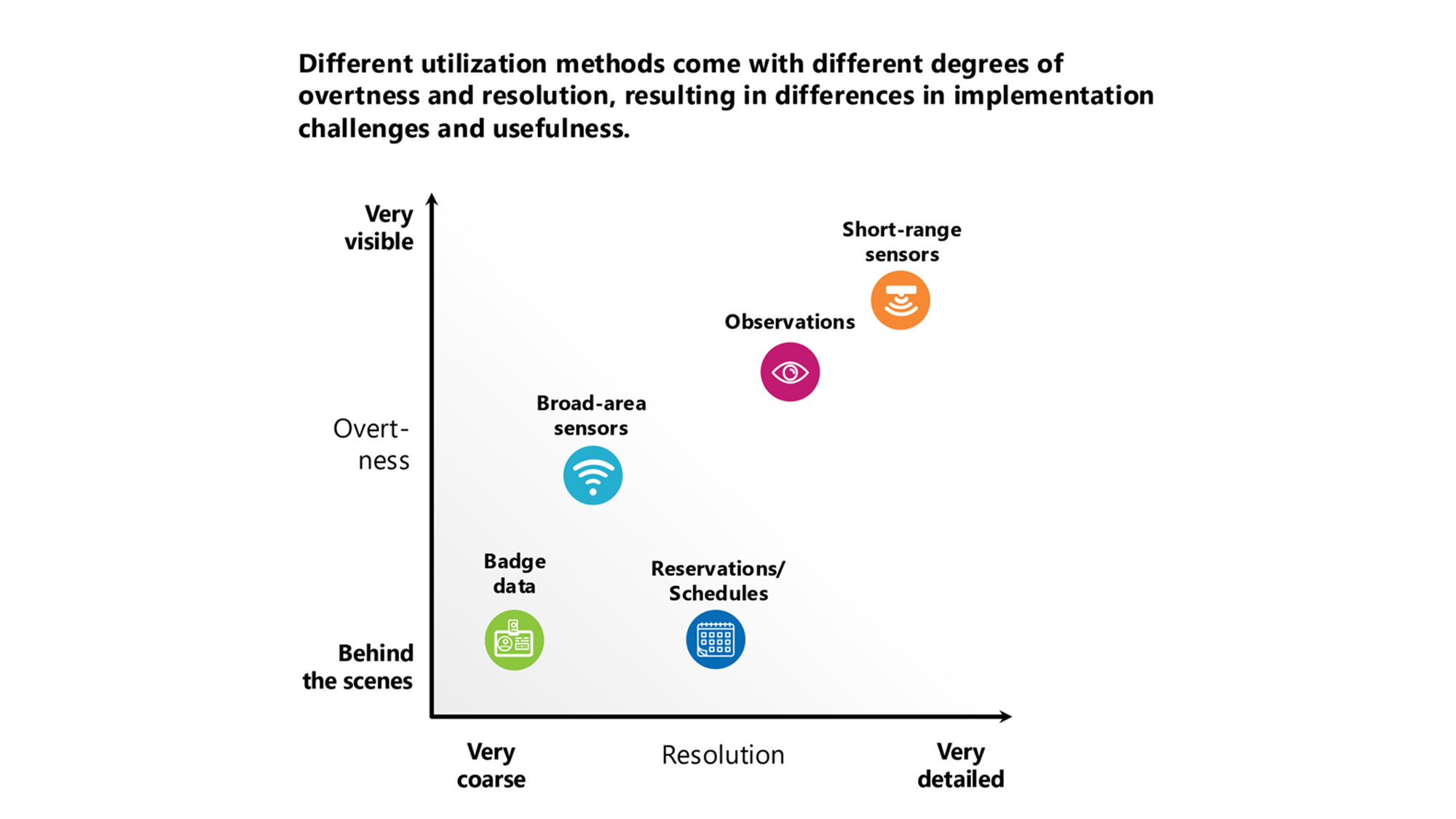
Sensors that measure space utilization come in two basic types: short-range sensors that sense what’s in front of them using cameras, motion detectors or radar, and long-range sensors that sense collective presence across suites, floors, or buildings, usually using Wi-Fi to locate devices that are tied to people.
Short-range sensors are great for measuring utilization down to specific seats, but they can feel invasive (more on that later) and can be costly to install. Long-range sensors, on the other hand, tend to be out of the way (attracting less attention) but lack precision for pinpointing what’s happening in specific spaces.
While sensors are surging in popularity, utilization can also be measured by simply walking through space and recording activity. If done systematically, manual observations can produce the same insights as sensors. And for short-term studies (e.g., 1-2 months of data collection), it’s often the least expensive and quickest option.
2. Define metrics that you can actually act on
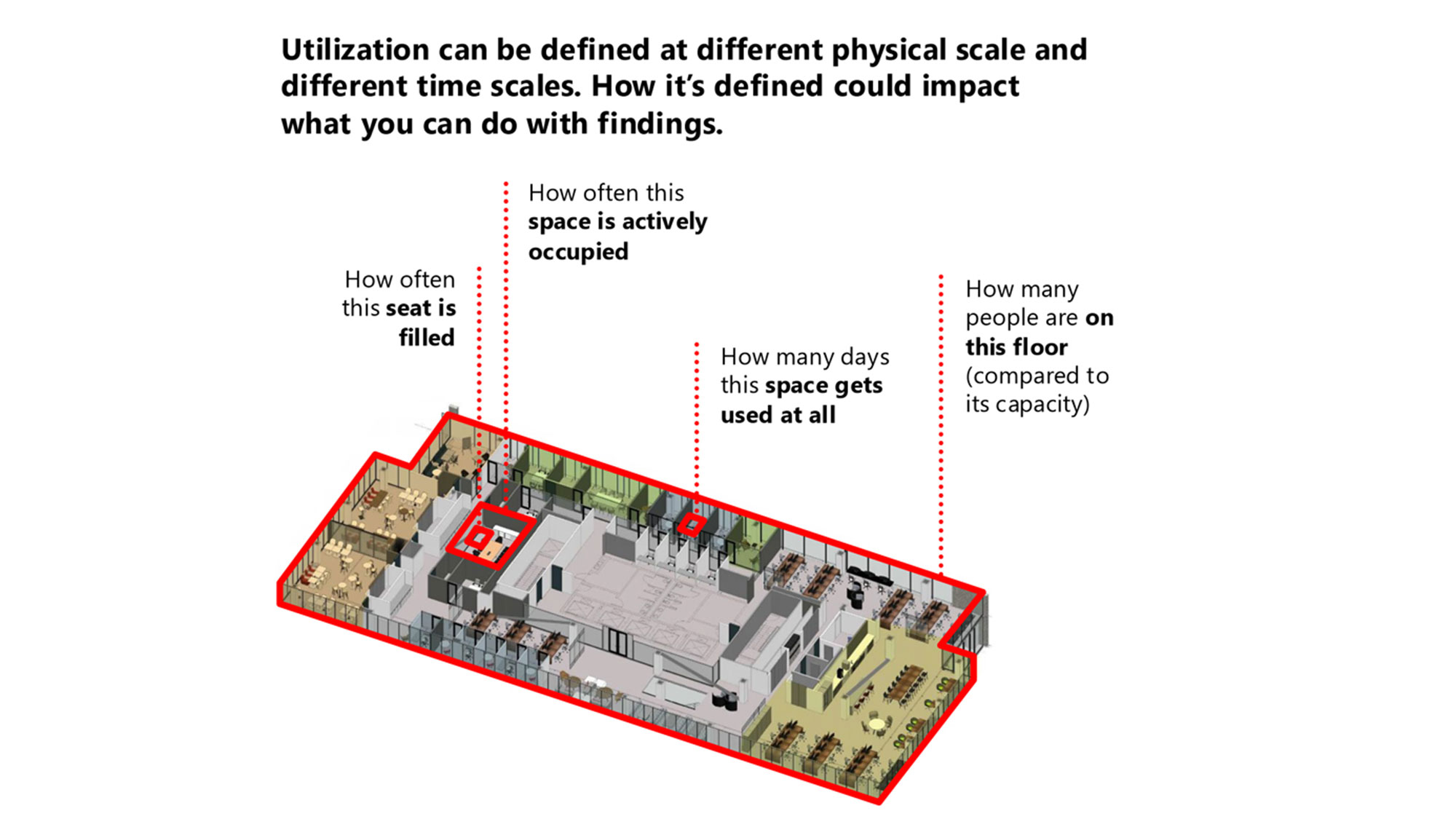
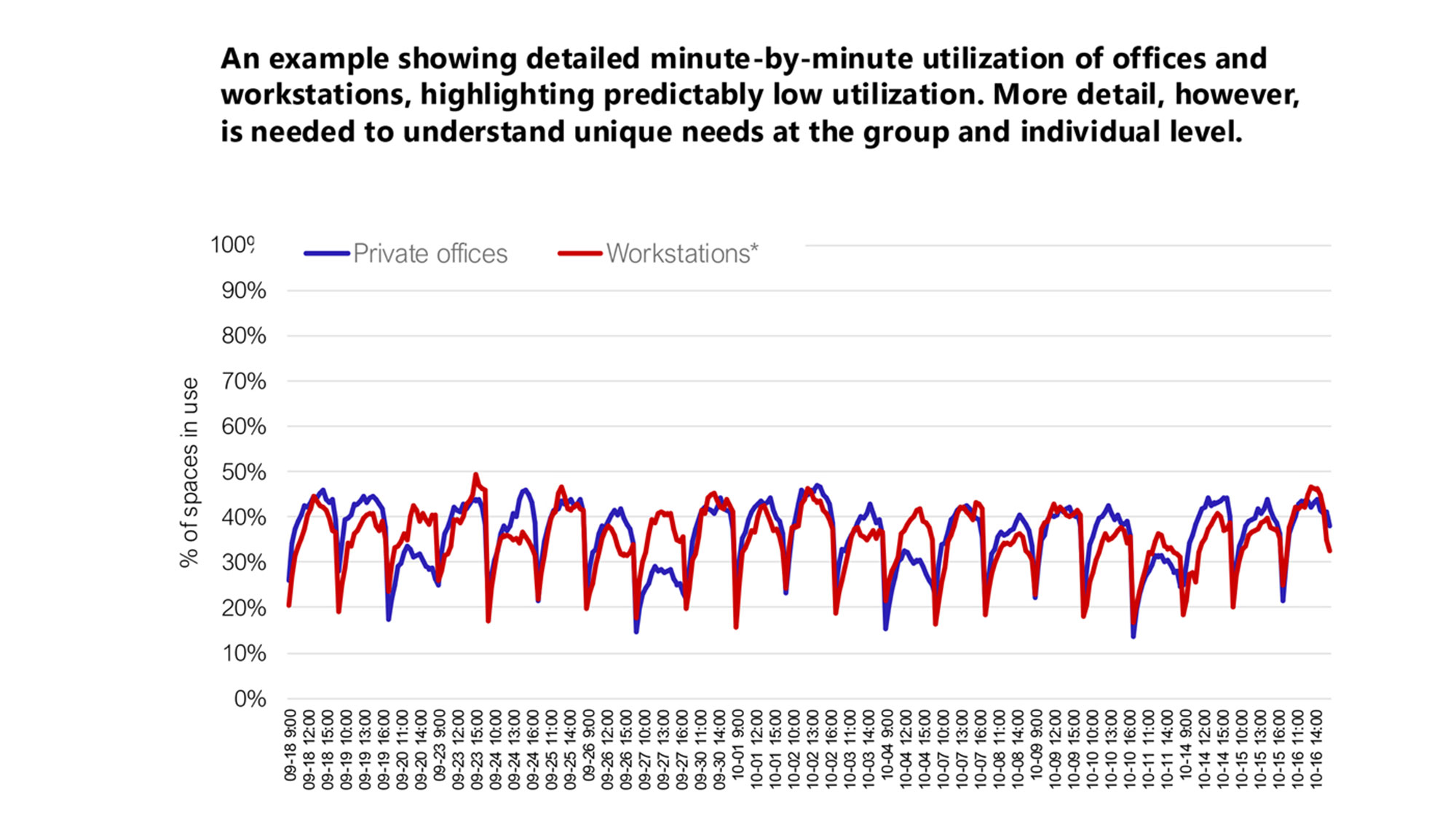
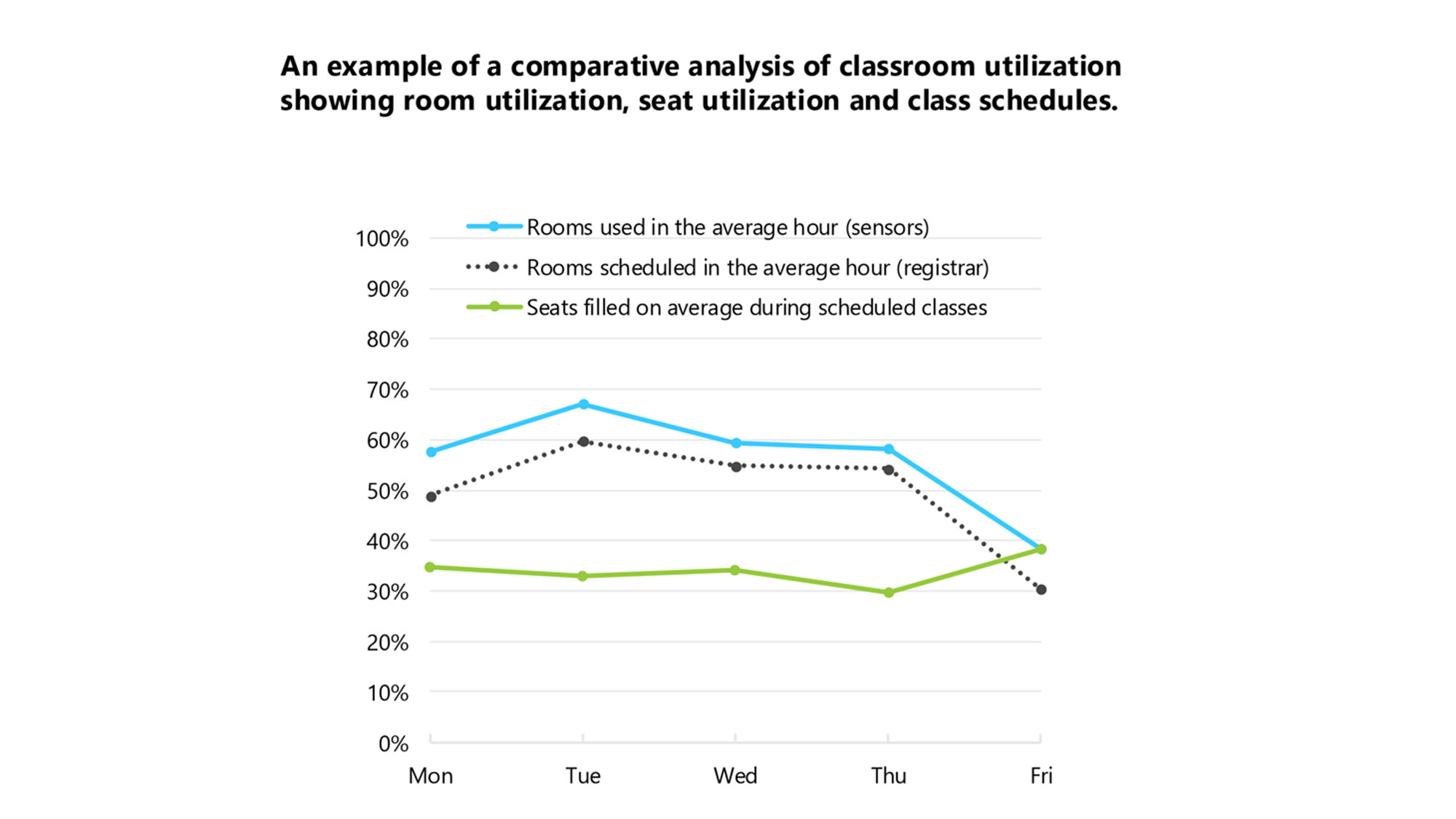
You can define utilization at different physical scales, but how you define it may impact what you can do with the data. Building-level utilization can be useful, for example, in libraries where overall capacity is the primary focus, but in workplaces, room-level or desk-level utilization may be important for understanding work styles, and in classrooms, seat-level utilization may be critical for understanding capacity requirements for different classroom types.
Utilization can also be defined on different time scales, from minutes to days, which also impacts what you can do with the data. A minute-by-minute perspective is critical for libraries, for example, where use tends to be fluid, while a daily perspective may be sufficient for office spaces, particularly if the issue is how many users simply show up.
Before you invest in a specific measurement methodology, make sure it will generate the metrics you need to drive the types of actions you anticipate taking.
3. Pair utilization measurement with experience measurement
While the volume of data collected in typical utilization studies is impressive, the data tells only one side of the story. You might learn exactly how much a space gets used, but not whether the space was useful. A space may go unused not because there’s a surplus but because people aren’t aware of it, can't easily access it, or find it lacking the things that would make it useful.
To better understand why spaces are used the way they are, engage with faculty, staff, and students through surveys, interviews, and focus groups. Through engagement, we often find disconnects between perceived and actual availability, which often point to problems with the qualities of spaces (not just their quantity) or with how users navigate and discover spaces. Users can also tell you what’s important and what’s missing, which utilization studies, by themselves, will never uncover.
4. Be prepared for pushback
A utilization study may seem straightforwardly beneficial, but users often see it differently, especially when sensors appear in their spaces. Many will take it personally — as a threat to their way of working, to their space, or both.
It’s important to conduct studies in a way that doesn’t record personal data, and that ideally aggregates data in ways that make it impossible to trace findings back to specific users. It’s also important to be transparent about the study’s methodology and purpose, and to communicate with users and leaders early.
While Institutional Review Board (IRB) approval is generally not required for operational studies, it helps to draft formal agreements to make your commitments clear. Transparency with users will help ensure your study isn’t stopped, sabotaged, or simply dismissed once it’s completed.
5. Plan a decision journey
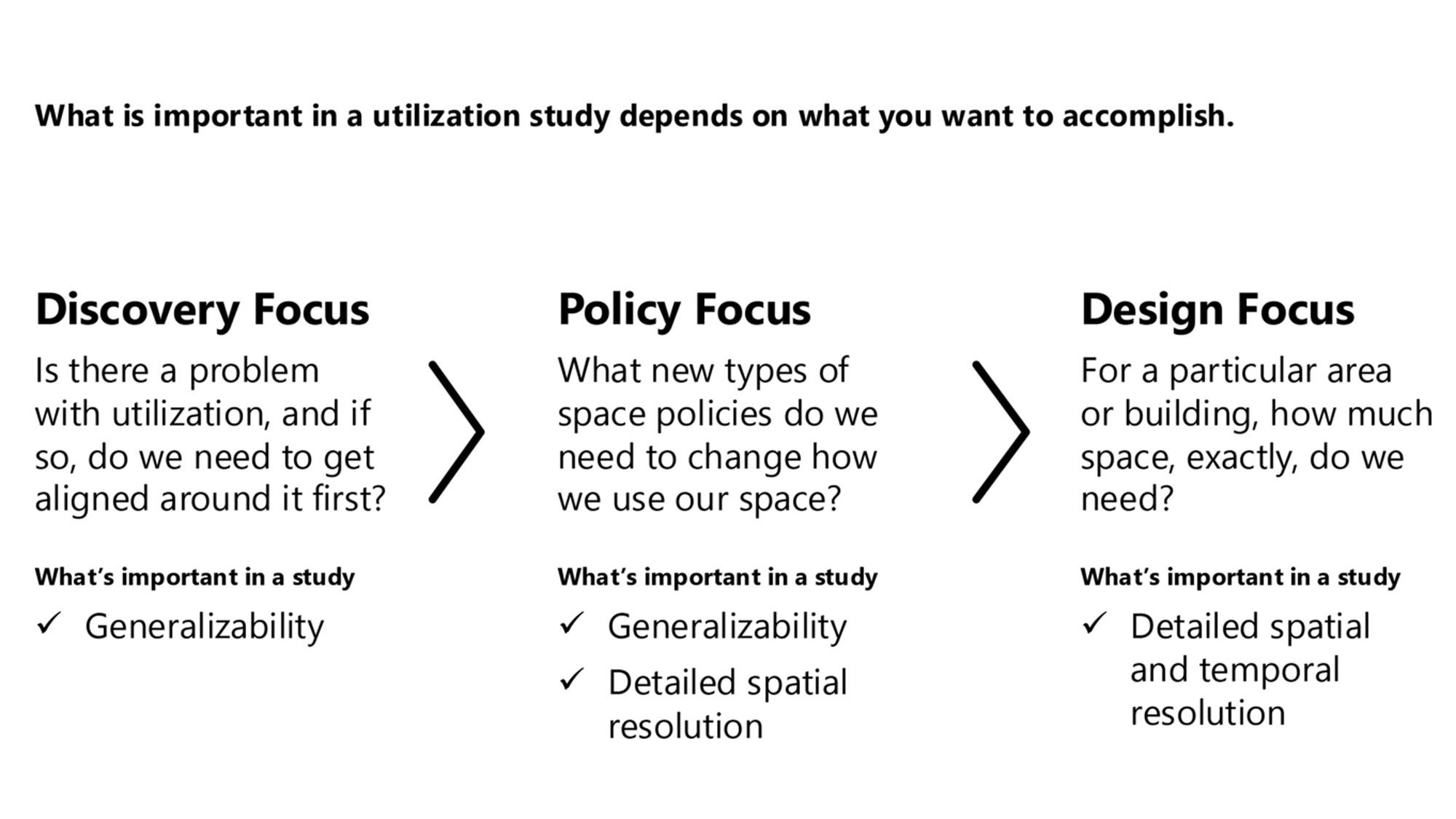
Think of a utilization study (or sequence of studies) as part of a decision journey, initially leading to knowledge and ultimately to real improvements. As part of the journey, consider the potential value of both broad studies for generalizable insights and pilots for micro learning. Make sure that the methodologies you adopt serve your goals at each stage.
One example of successful change is UC Davis, which commissioned Gensler to conduct an “Office of the Future Study” in 2019 that included systematic hourly observations of over 1,000 spaces. The decision journey’s first phase used utilization insights to establish future workplace principles and concepts. Data helped identify areas of underutilization and utilization styles, yielding a framework for designing and managing space in new ways. This ultimately led to new buildings that now include extensive space sharing and hoteling for flexible users.
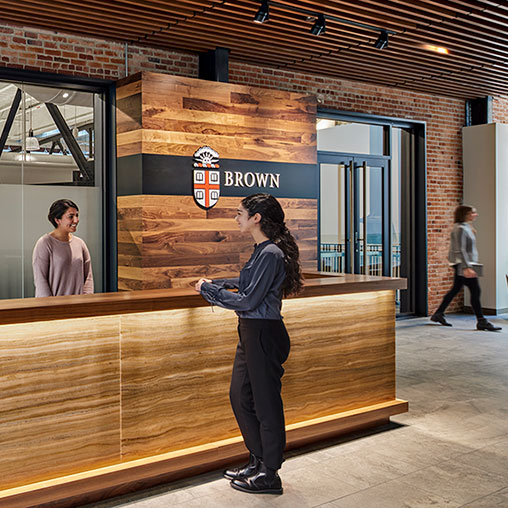
Another example is Brown University, which partnered with Gensler to study scheduled patterns of hybrid work across hundreds of employees to get a high-level view of utilization — how many people were nominally in the same building at the same time over a typical week. Findings from the study ultimately led the university to coordinate work patterns in new ways that maximized team convergence, enabled space sharing among different teams, and increased building utilization.
Measuring space utilization is never as simple as it looks — or as technology promises. It takes time, money, and committed partnerships, including with users. When thoughtfully planned and combined with qualitative insights, studies can reveal how a campus’s real estate is actually performing.
These examples and findings were originally presented in a webinar. Watch the recording here.
For media inquiries, email .