Energy
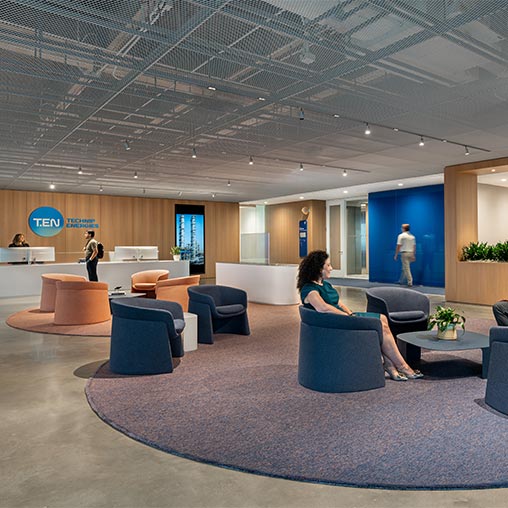
Technip Energies
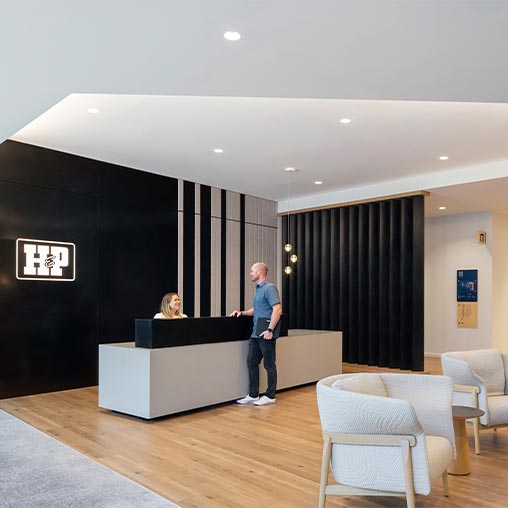
Helmerich & Payne
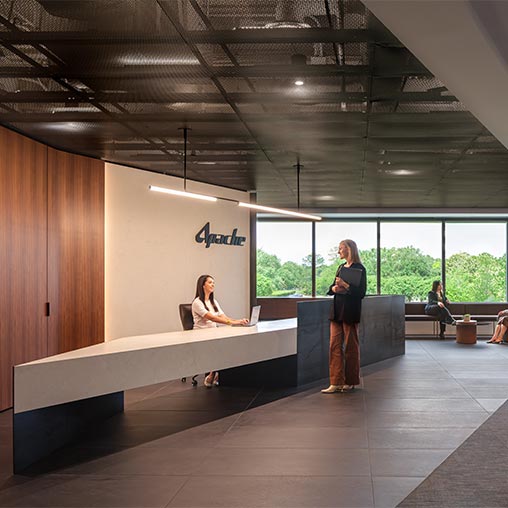
Apache Headquarters

Crusoe
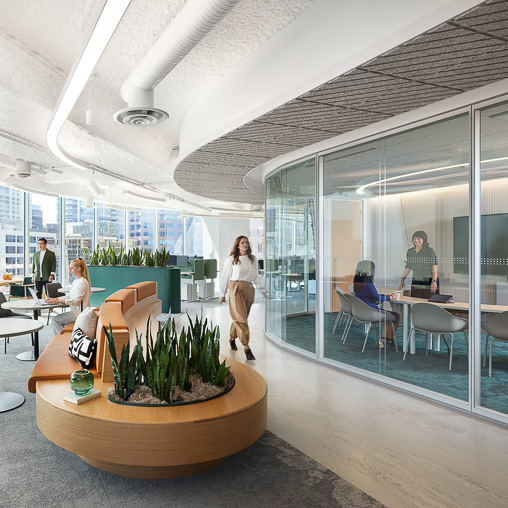
Confidential Resources Company Pilot Floor
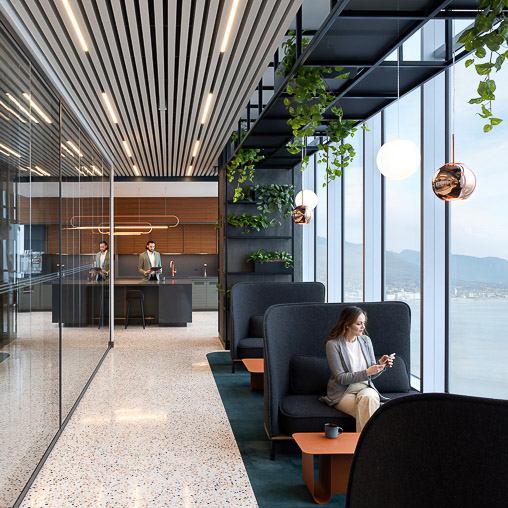
Confidential Resources Company Executive Office
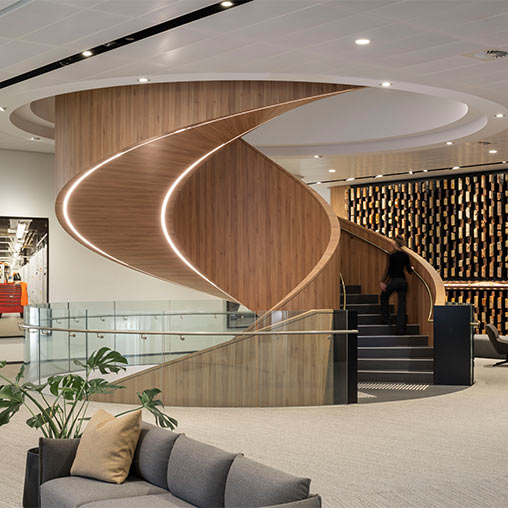
Chevron Perth
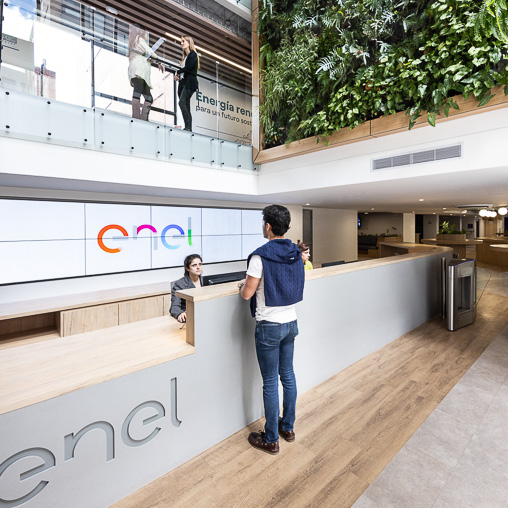
Enel Headquarters
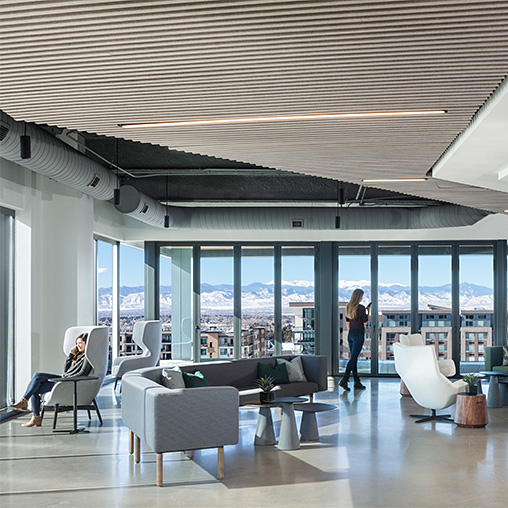
Newmont
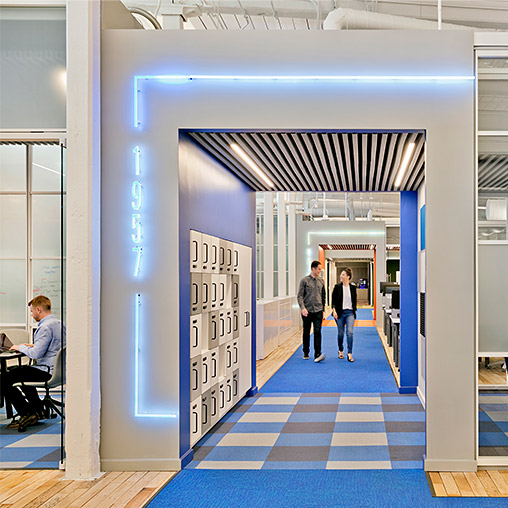
Confidential Energy Client
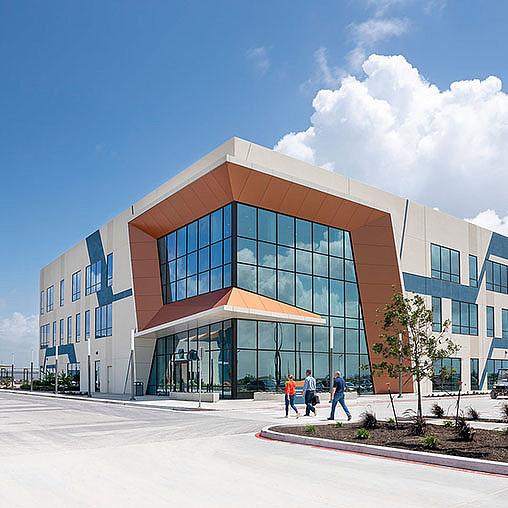
Confidential Plastics Manufacturing Facility
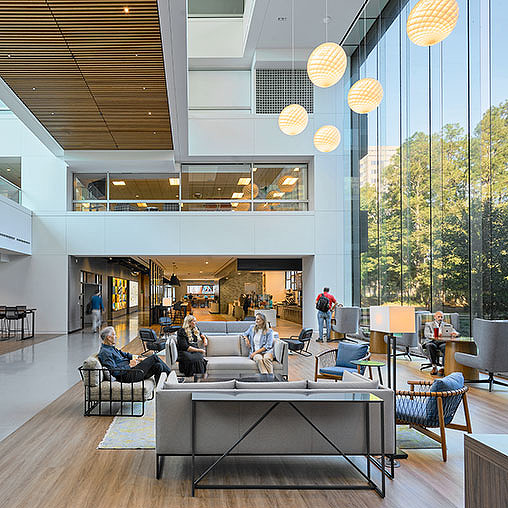
Confidential Energy Client
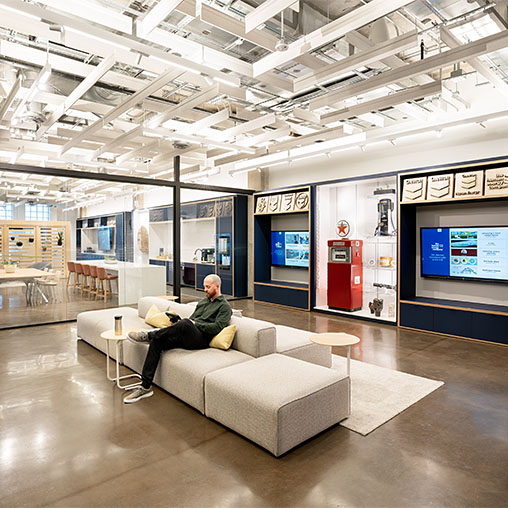
Chevron Technology Ventures Suite at the Ion
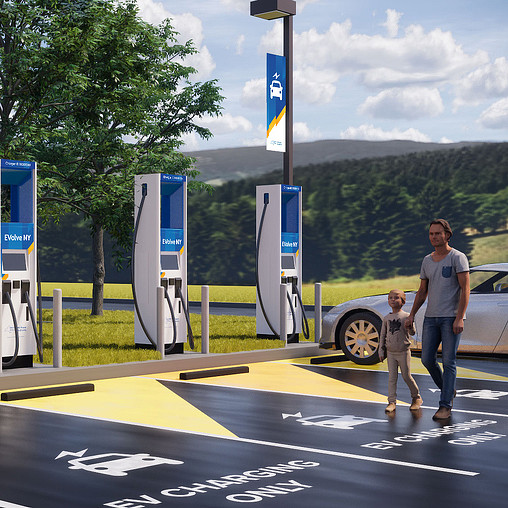
NYPA EV Charging Stations

BP Westlake Campus

bpx energy
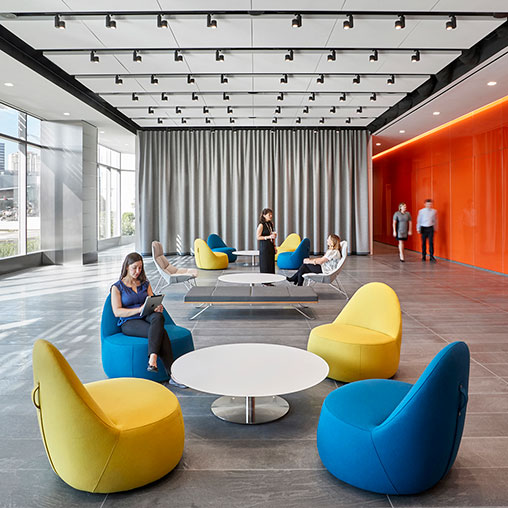
BHP, 1500 Post Oak
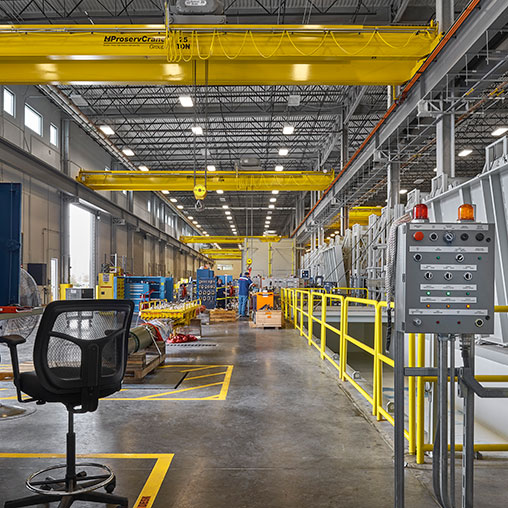
TechnipFMC at John T. Gremp Campus
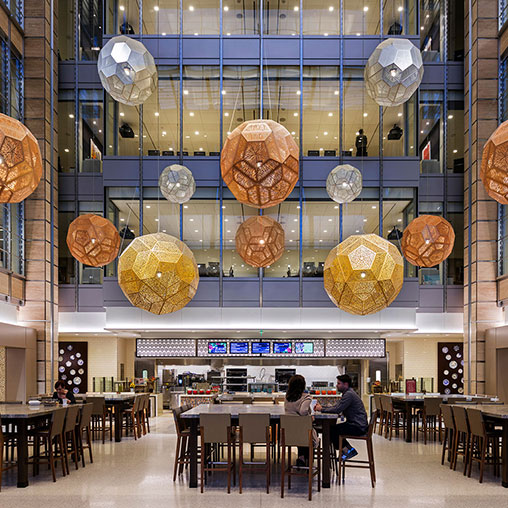
ExxonMobil Corporation
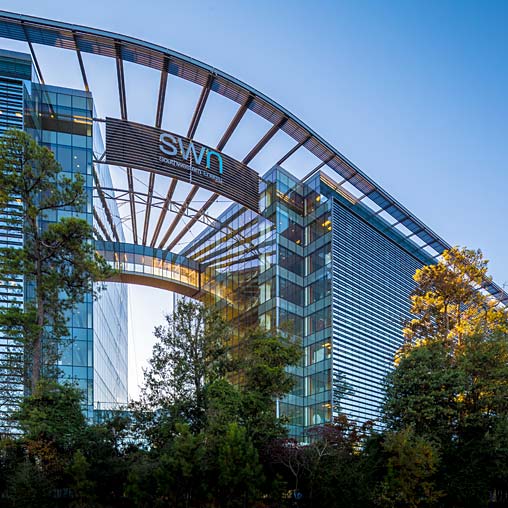
Southwestern Energy Company
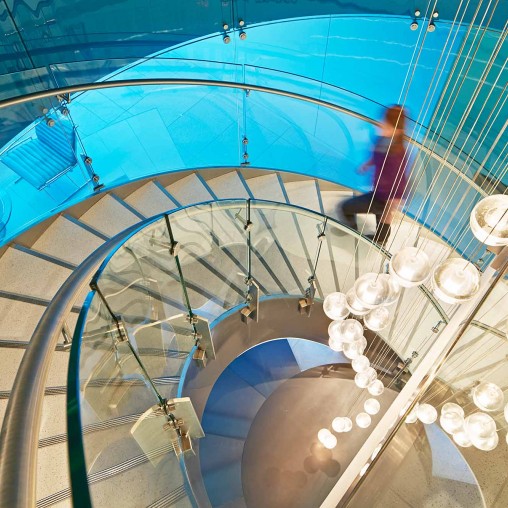
Apache Canada, Ltd.
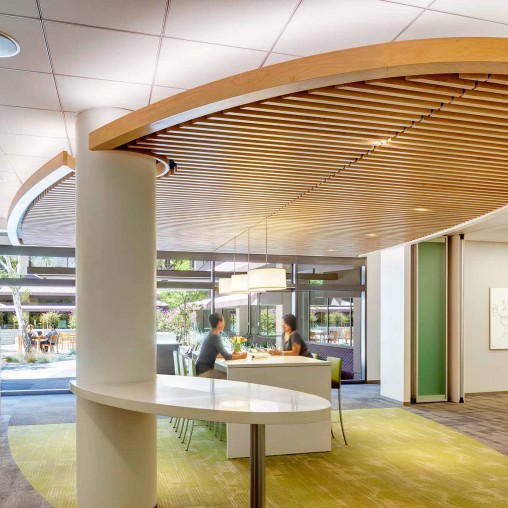
American Multinational Energy Corporation
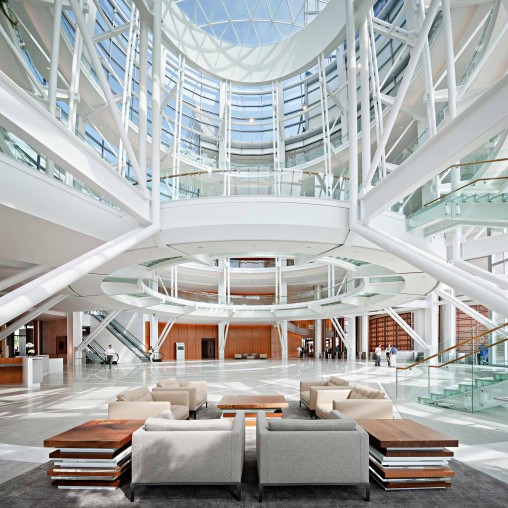
Devon Energy Center
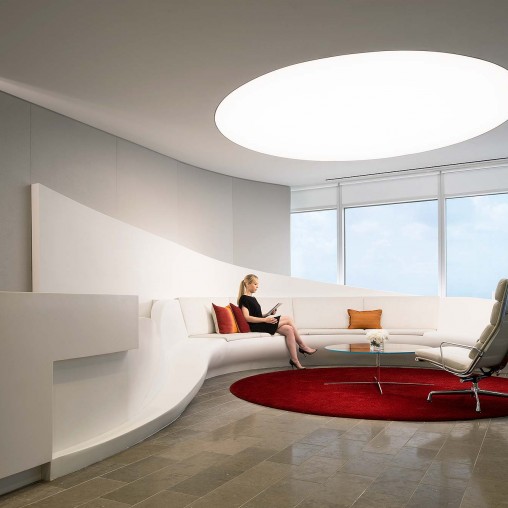
Qatargas Americas Liaison Office
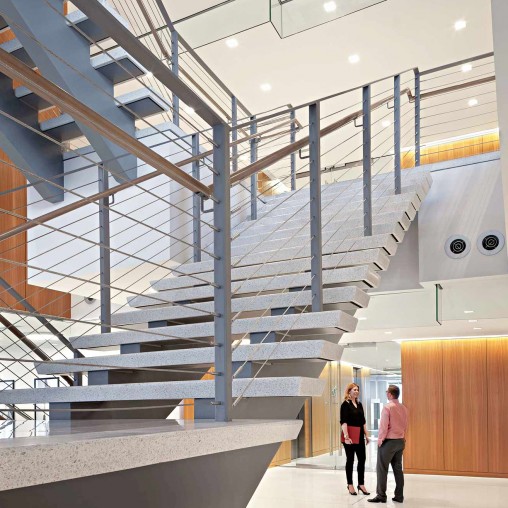
Merit Energy
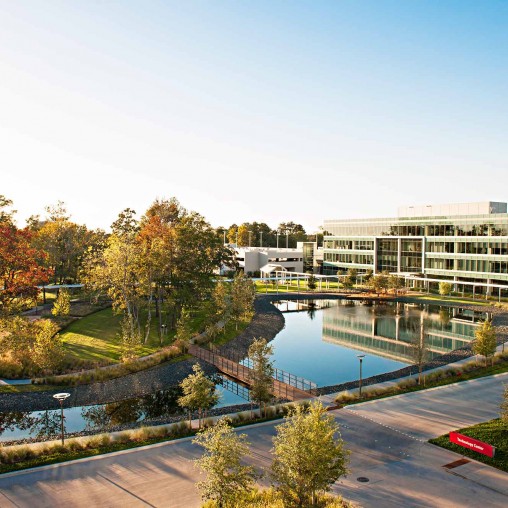
Halliburton

Electric Power and Gas Company
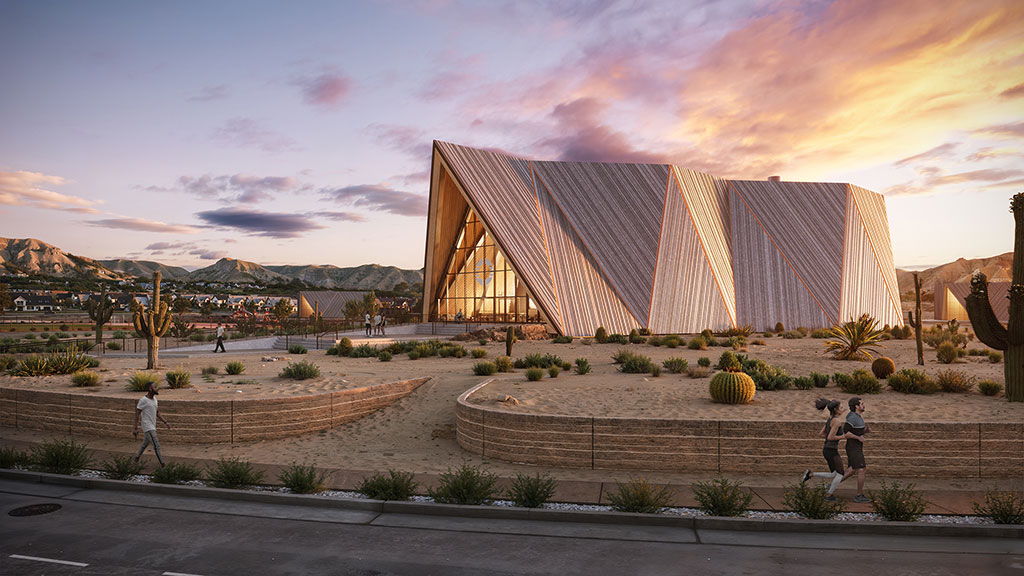
The Future of Energy: How Small Modular Reactors Are Changing the Game
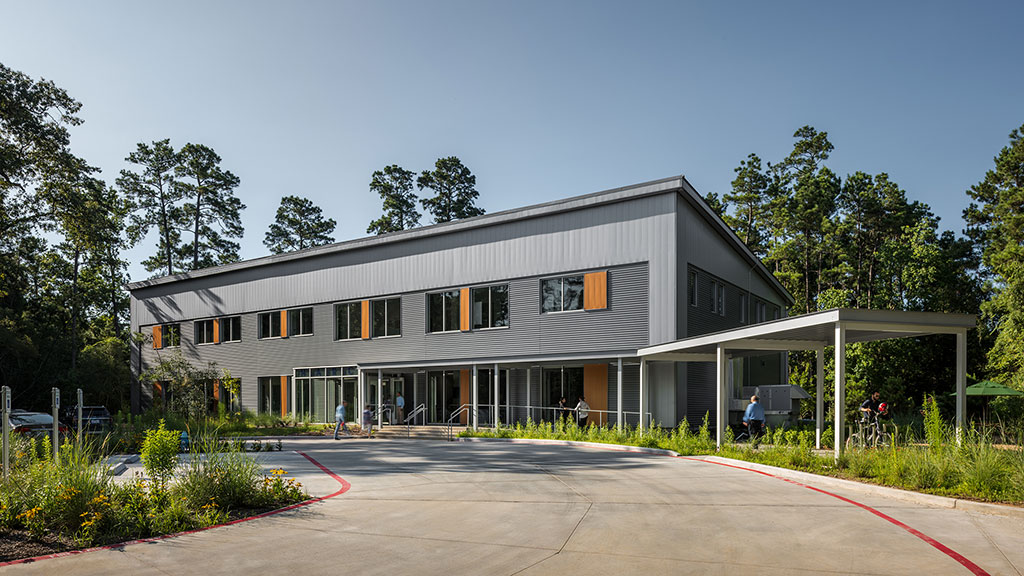
Achieving LEED Zero Energy With HARC
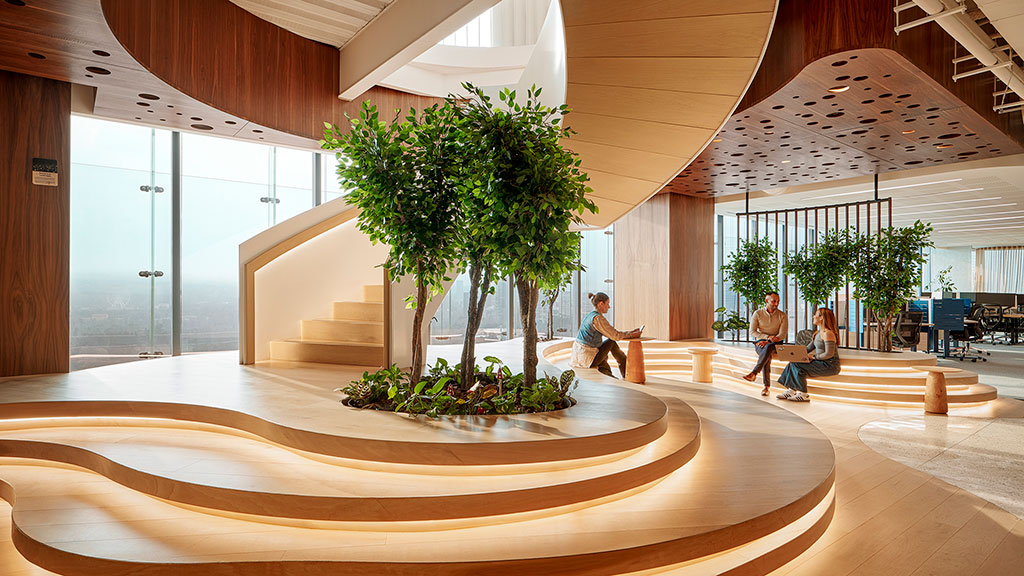
A Field Guide to Workplace Microdiversity
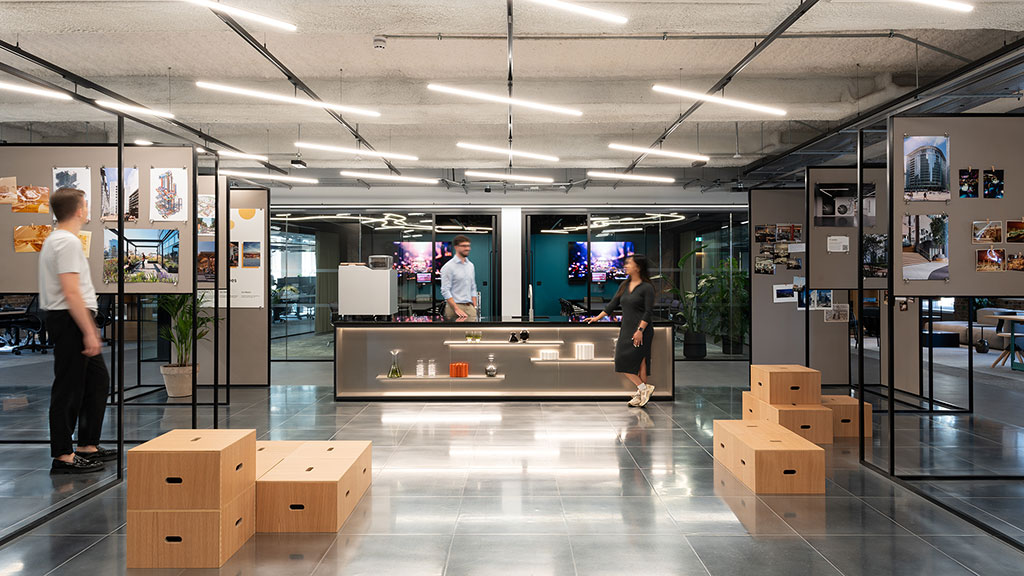
Built to Flex: The Case for the Portable Office
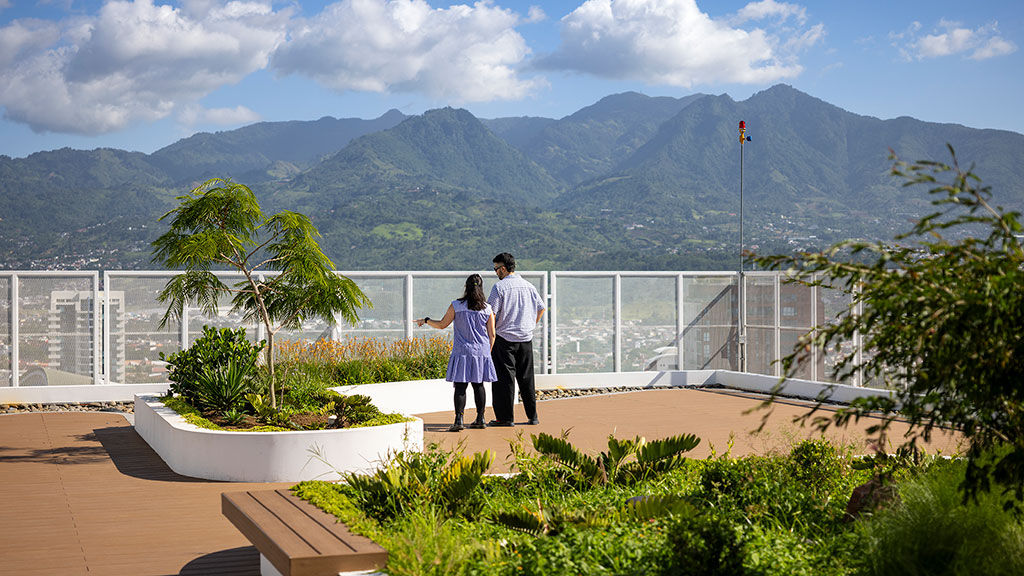
Why Latin America’s Offices Must Become Urban Sanctuaries

City Pulse 2026
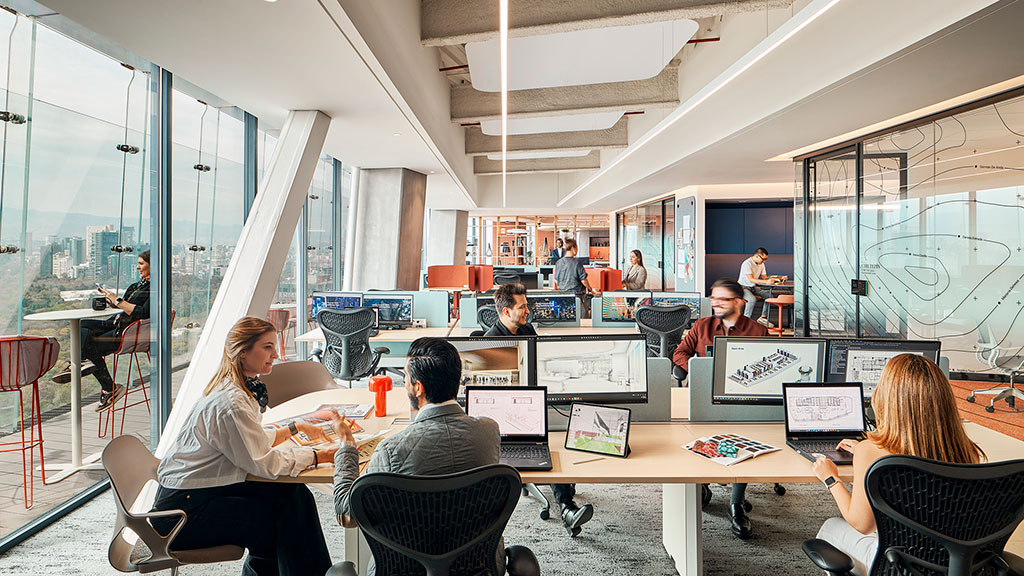
Hot-Desking Was Supposed to Save Money. It May Be Costing You Your Culture.
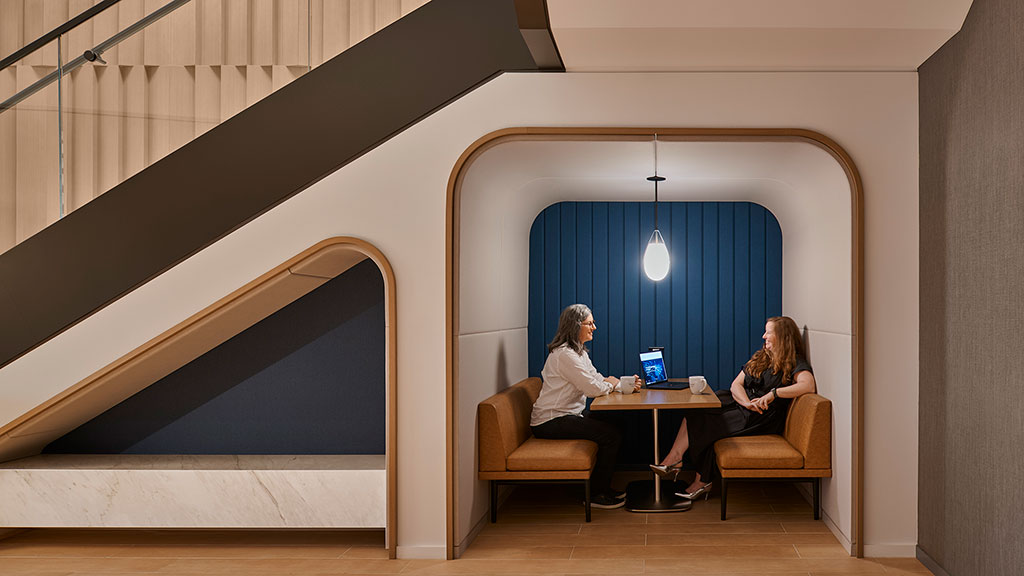
Neurodiversity in the Workplace: Why the Experience Gap Matters
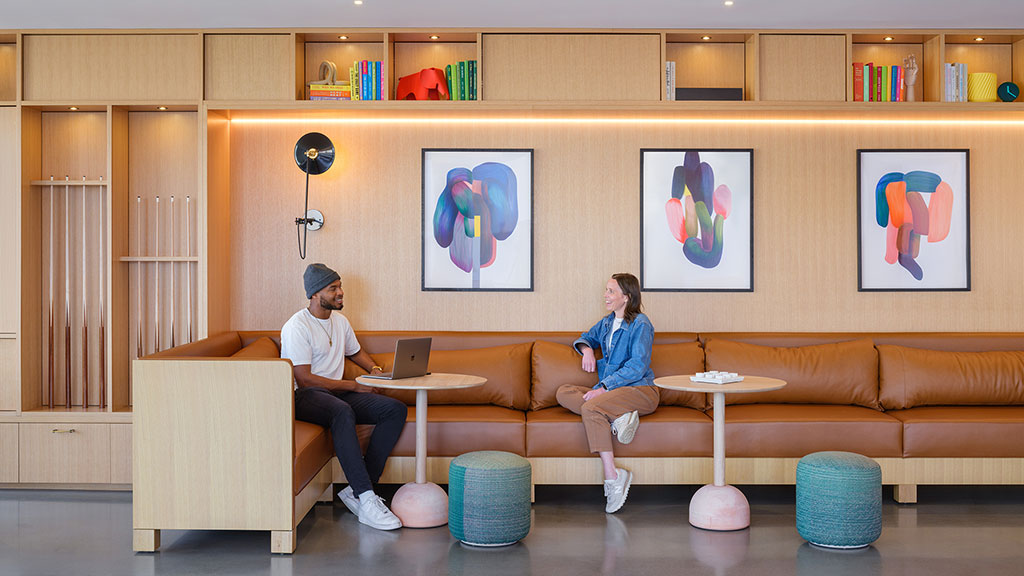
What’s Working (and What’s Not) in Today’s Workplace
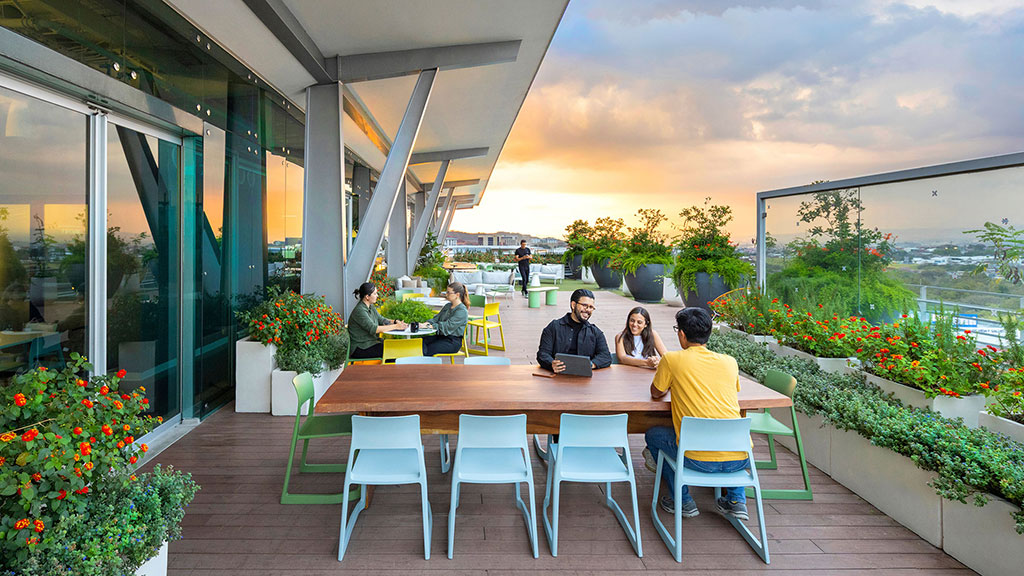
What Do Employees Hope for in the Future of Work?
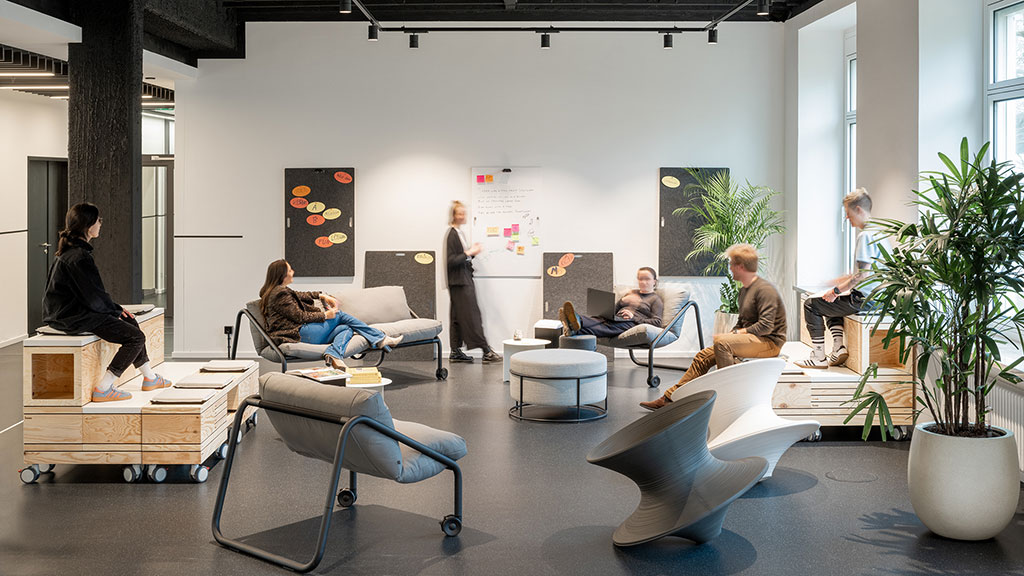
A New Value for the Workplace in an Era of AI
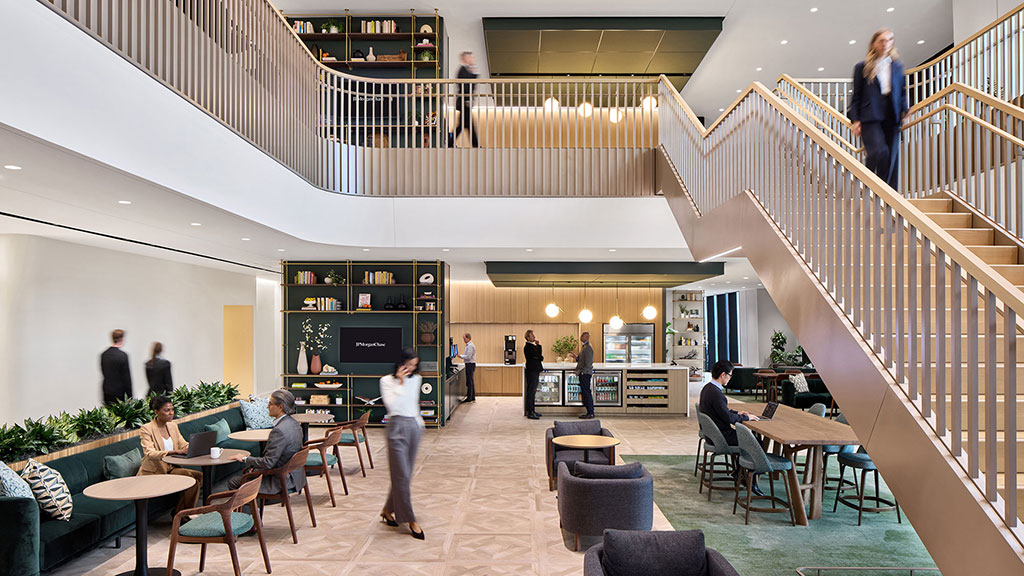
The Human Side of AI: What Power Users Are Telling Us About the Workplace

How to Build a Future-Ready Workplace for Every Generation
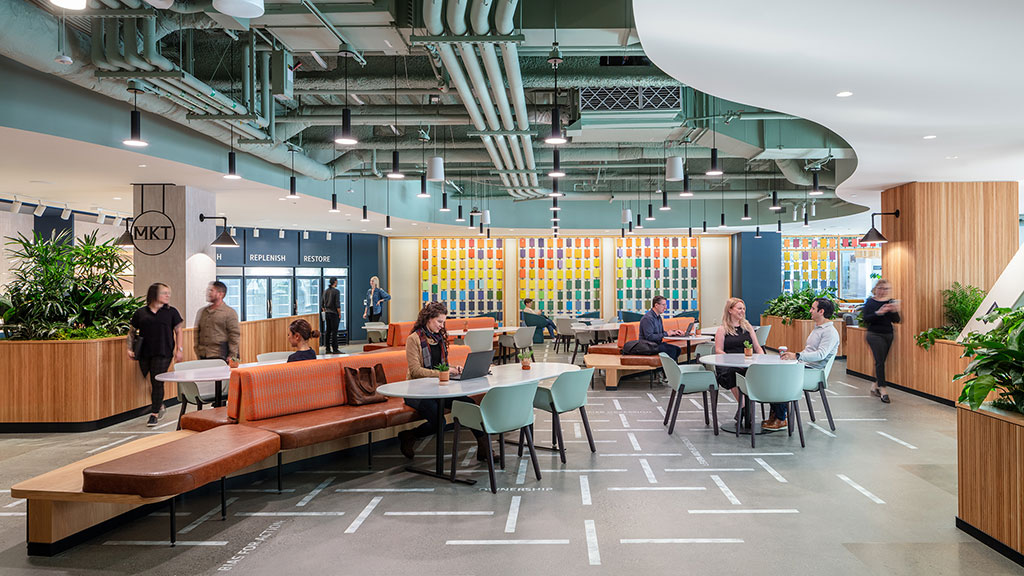
Will AI Make the Workplace More Human?
Global Workplace Survey 2026
Traditional power still anchors the grid.
Renewables, gas, and nuclear are slowly reordering the energy mix, but oil and gas remain the backbone of a stable grid. For real estate, that means facilities must support both legacy infrastructure and new technologies — spaces that flex with an evolving portfolio.
Competition for talent redefines the energy workplace.
Energy companies compete globally for tech-savvy talent. Winning requires workplaces that attract and retain top skills with spaces designed for flexibility, collaboration, and advanced technology integration.
Global collaboration transforms the energy ecosystem.
As energy companies expand across continents, they create networks of spaces that connect people, ideas, and operations. From industrial campuses to research centers, these environments align local expertise with global strategy to accelerate knowledge sharing and drive innovation.


Catherine Black

Vince Flickinger
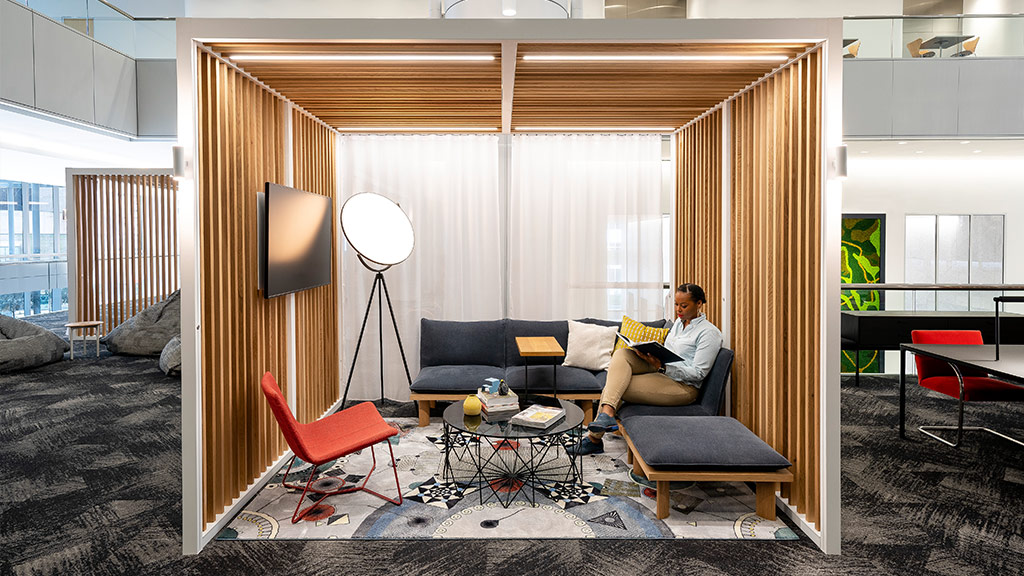
Gensler Energy Leader Vince Flickinger on How To Design Work Environments To Engage Gen Alpha
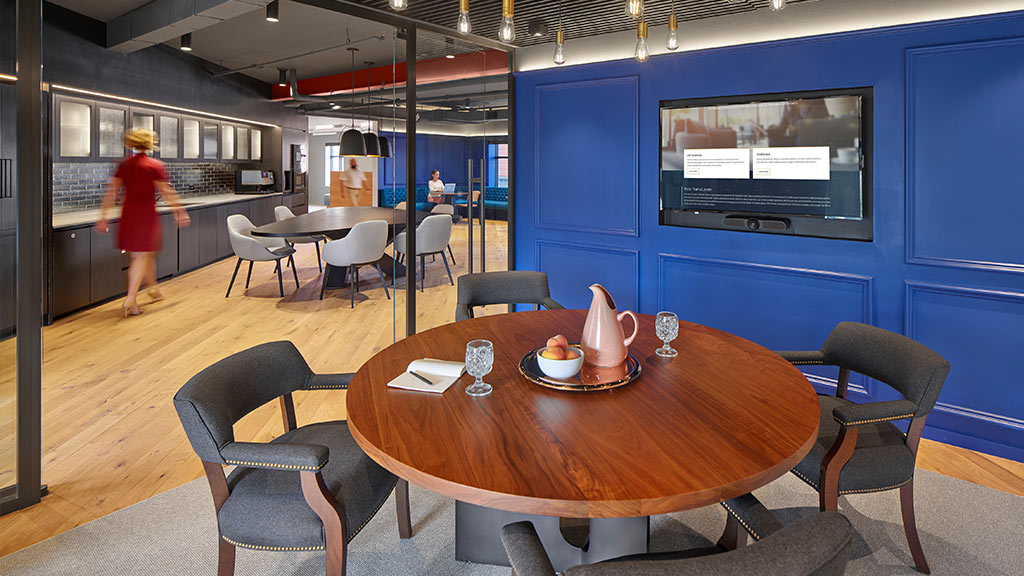
‘Workplace Power Symbols’ That Are Replacing the Corner Office As Emblems of Corporate Success
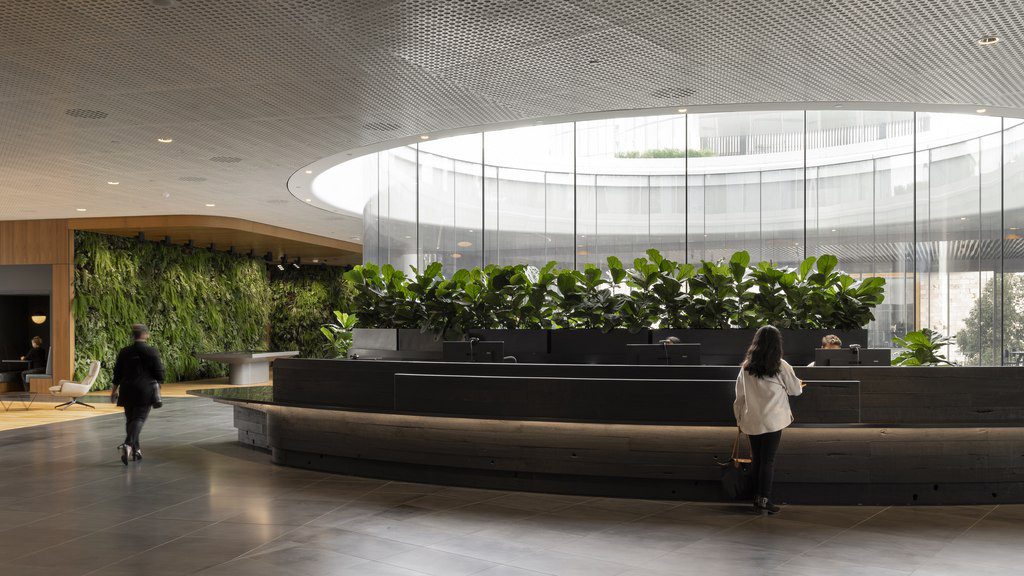
Office Snapshots Spotlighted Gensler’s Design of the Chevron Australia Headquarters
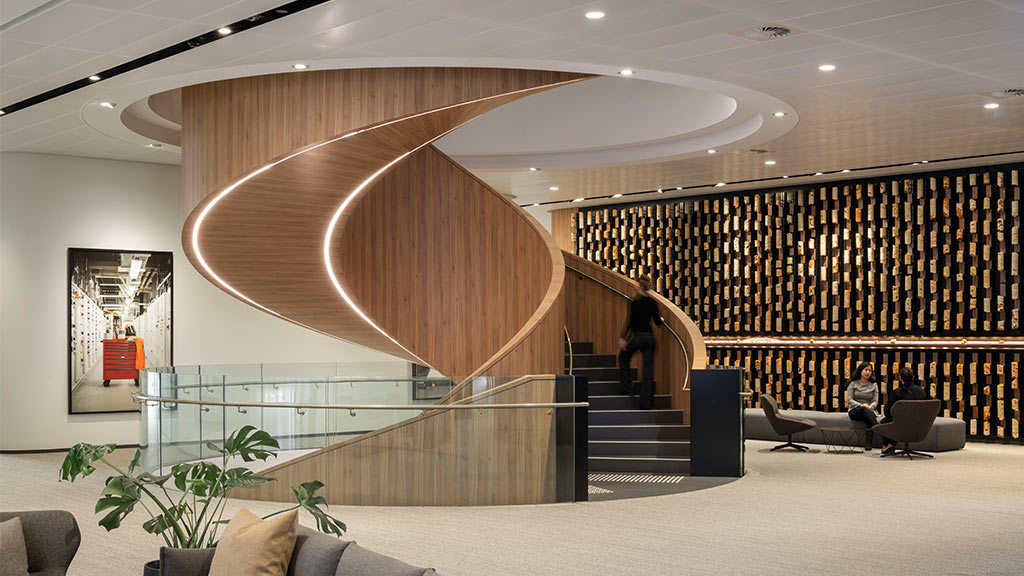
Chevron Australia Headquarters Wins the IIDA 2023 Best of Asia Pacific Design Awards
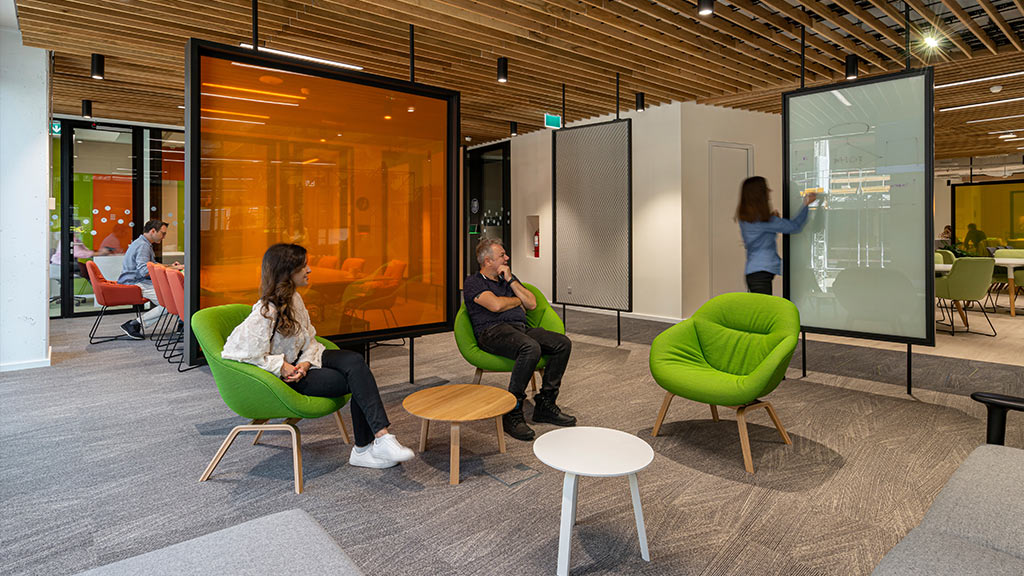
What Leaders Should Consider As They Redesign Their Offices for the New Era of Work

Shell Is Opening a New Gensler-Designed Office in the Emerging River District of New Orleans
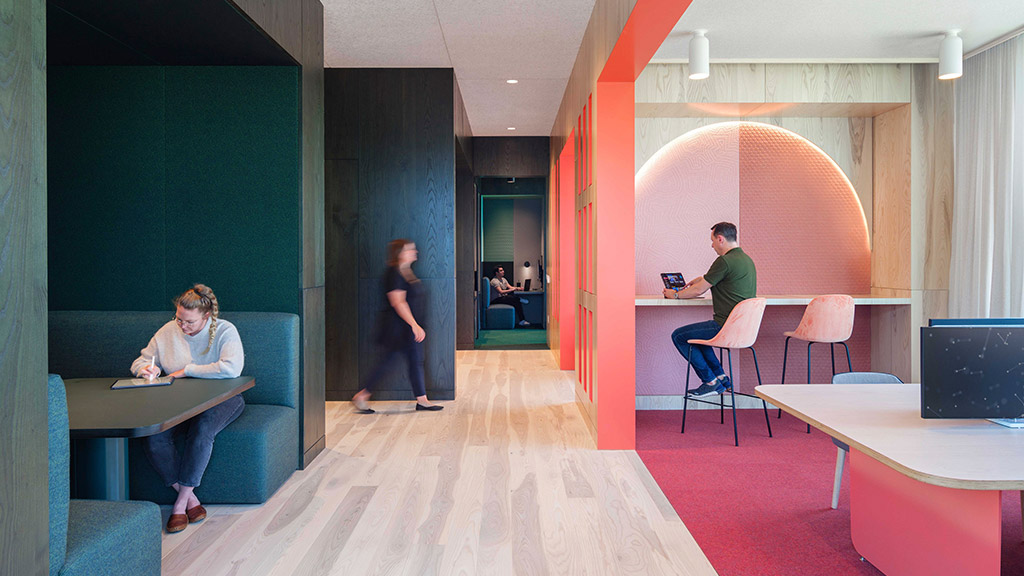
The Reason Workers Want To Come to the Office