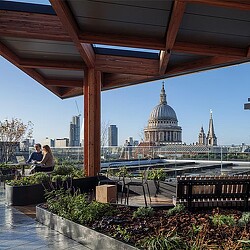
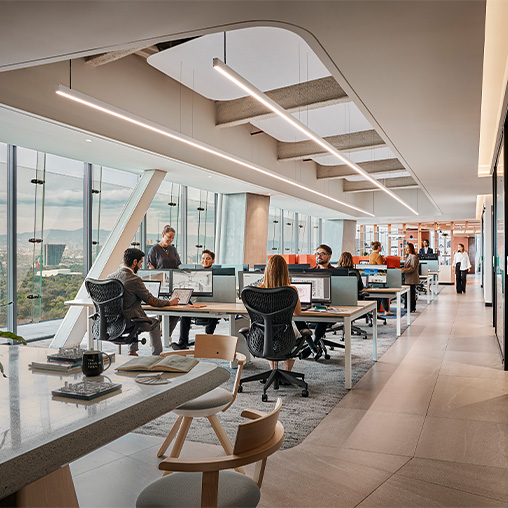
The Opportunity to Reimagine Empty Office Buildings in Mexico City
How adaptive reuse can transform vacant office buildings into housing, community hubs, and catalysts for neighborhood renewal.
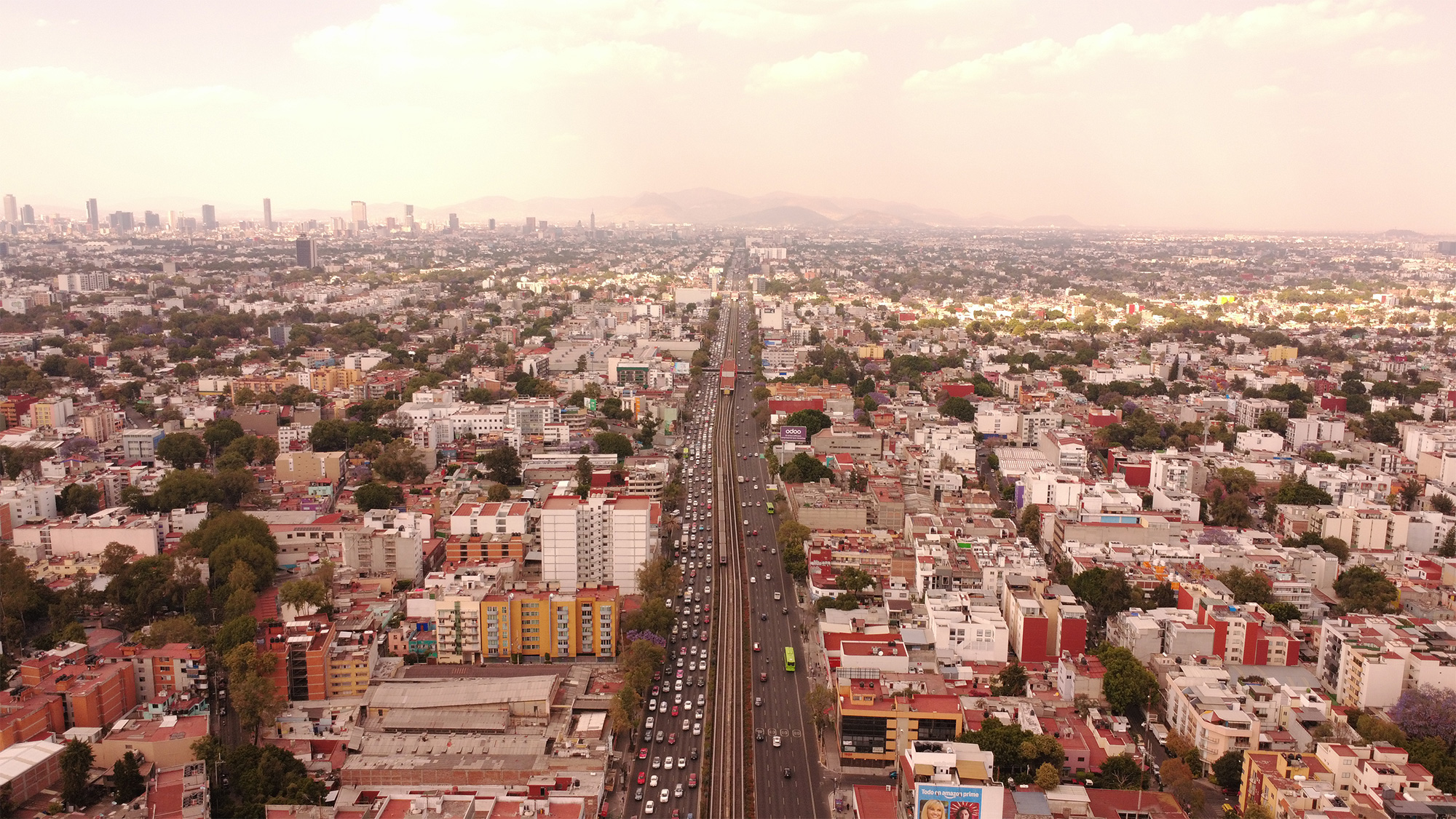
Across Mexico City, hundreds of mid-rise office buildings now stand partially or completely vacant. In Perinorte, 57% of office space sits empty. In Santa Fe and Polanco, vacancy rates are climbing. Remote work and new labor models have fundamentally reshaped demand for corporate real estate, leaving many assets, particularly those developed between the 1970s and 1990s, struggling to find tenants. This isn’t a structural problem; it’s a strategic design opportunity.
The adaptive reuse of these properties — converting them to residential, educational, healthcare, or other uses — offers a strategic path forward that aligns with the specific needs of the neighborhoods in which they are located. Rather than waiting for office markets to recover, we can reimagine these structures as platforms for urban renewal.
Office Vacancy Across Major Business Districts
Several major business districts in Mexico City are experiencing high office vacancy rates:
- Perinorte: Stretching from Toreo to Tlalnepantla, this corridor has vacancy rates exceeding 50%, with 57% of office space unoccupied. This represents roughly 25% of all vacant corporate space citywide.
- Santa Fe and Polanco: Traditionally among the city’s most prominent office districts, both have seen rising vacancy. In Q1 2024, Santa Fe and Polanco accounted for 44% of the city’s 116,000 square meters of vacant office space.
- Reforma: Despite strong demand, Reforma has also experienced increased vacancy. In Q1 2025, the vacancy rate in the Central Business District (including Reforma) stood at 13.82%, down from 18.08% during the same period in 2024.
The drivers are clear: remote and hybrid models are reducing demand for physical office space, while economic uncertainty is prompting companies to shrink their office footprints. Additionally, evolving zoning and land-use policies enable office-to-residential conversions in key areas such as Reforma and Santa Fe to help address the city’s housing shortage.

A Sustainable Urban Solution
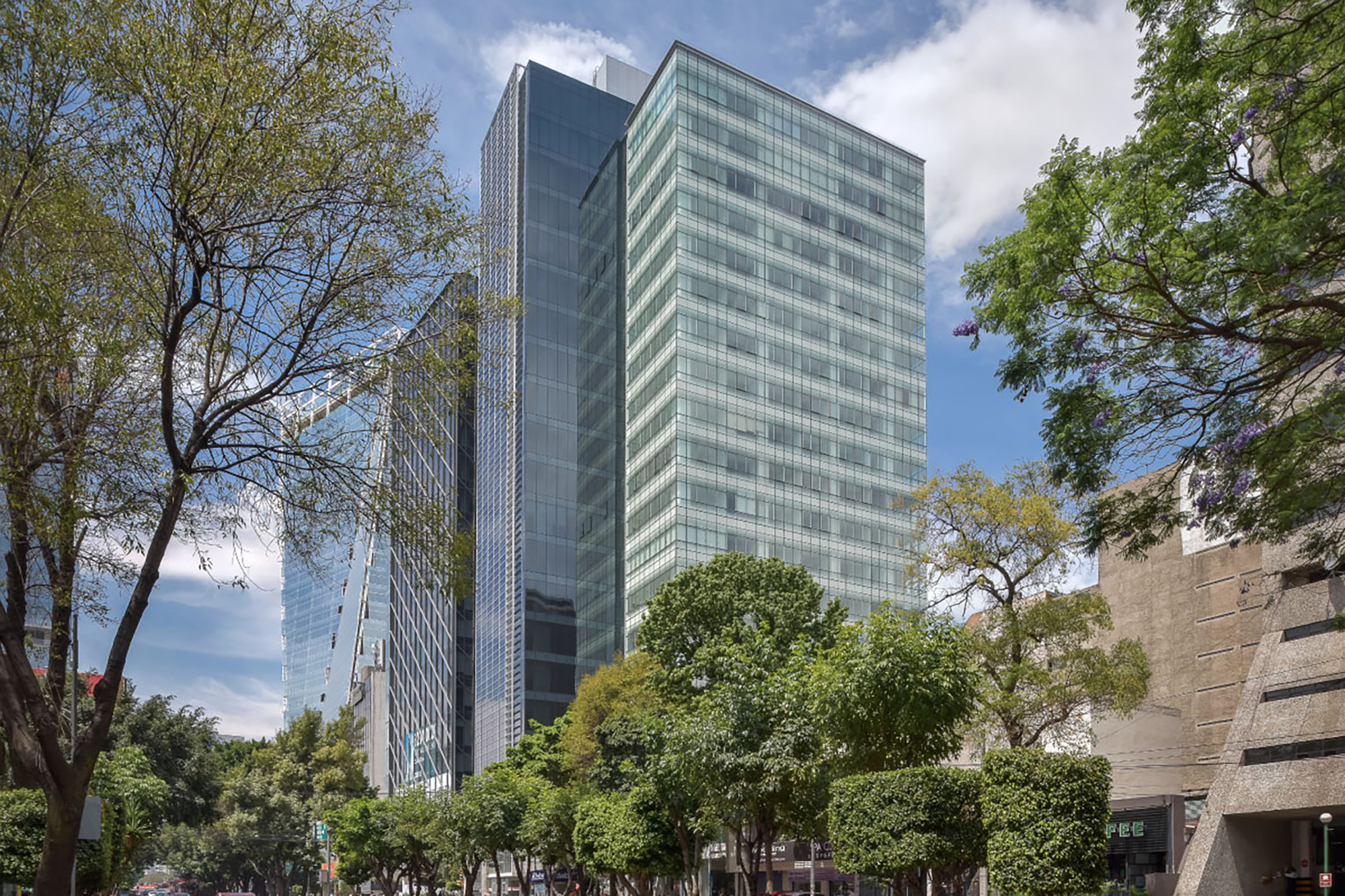
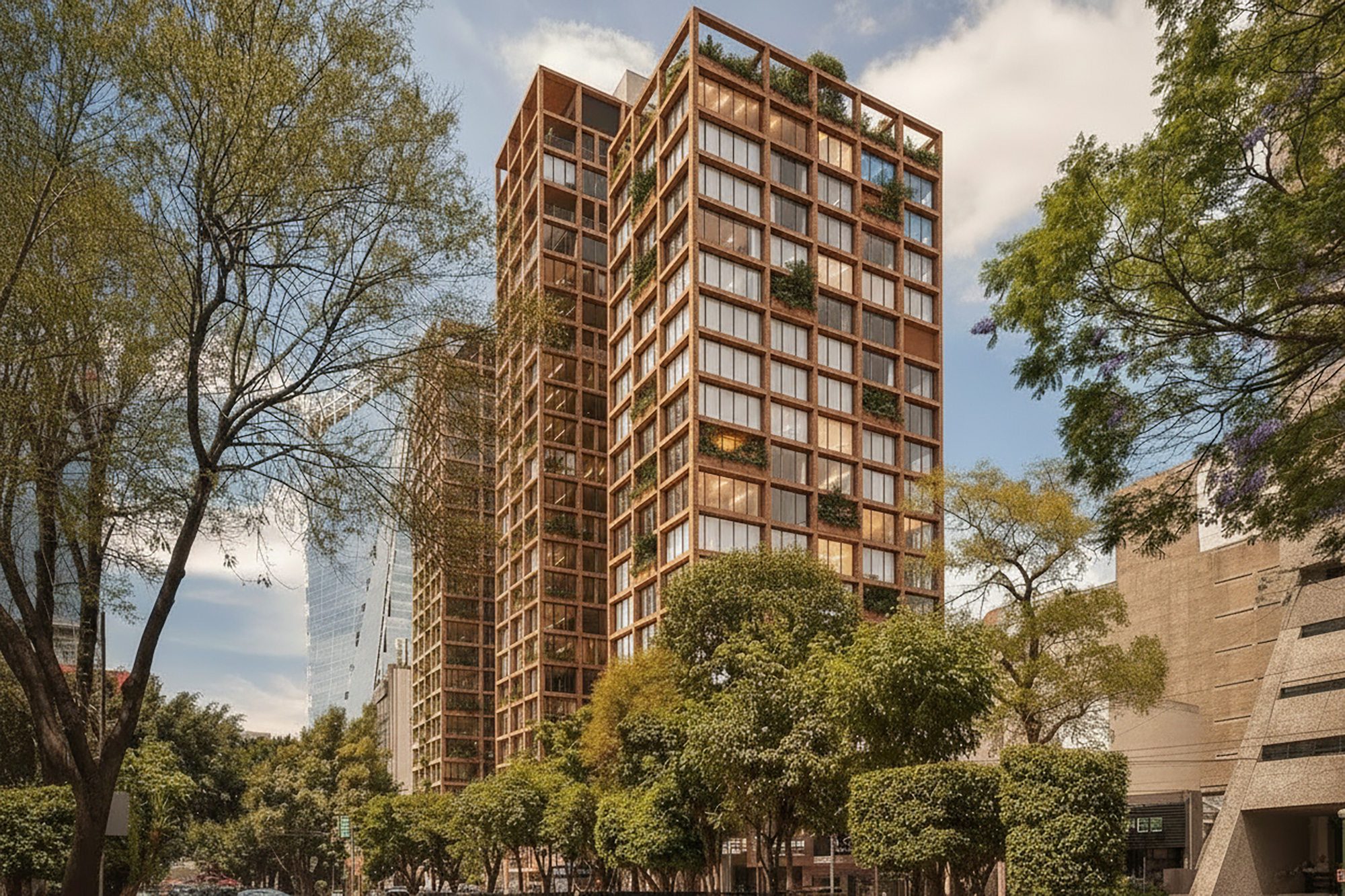
From an urban perspective, office-to-other-use conversions offer multiple benefits. First, they leverage existing infrastructure, reducing the need for urban sprawl and easing pressure on public services in newly developed areas. Rehabilitating underused buildings also helps reactivate neighborhoods and strategic corridors, improving safety, strengthening local economies, and enhancing the quality of public space.
Adapting existing buildings instead of constructing from scratch significantly reduces the construction sector’s carbon footprint. This approach aligns with promoting broader environmental sustainability and urban resilience goals at both local and global levels.
Key Opportunities in Strategic Corridors
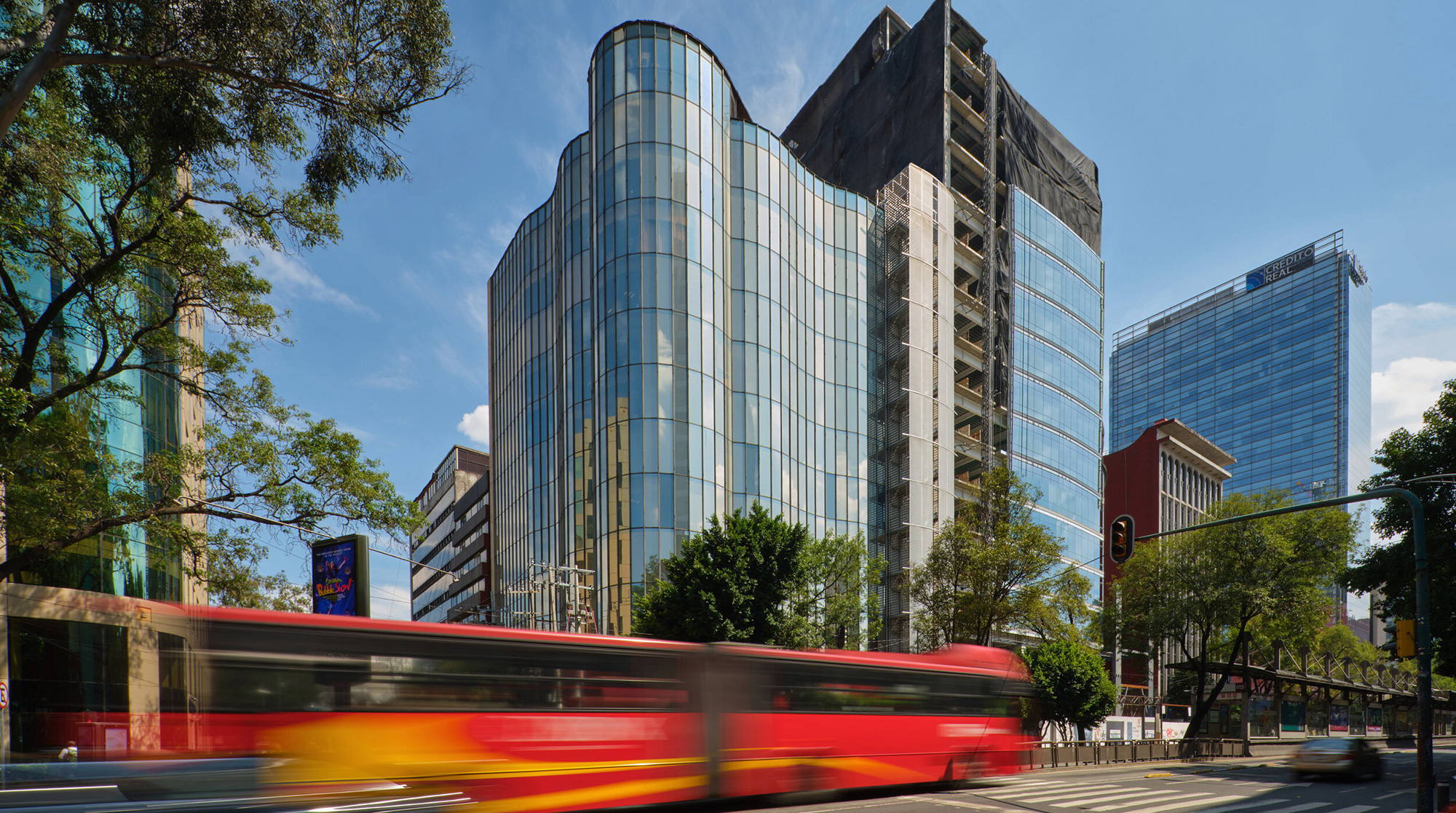
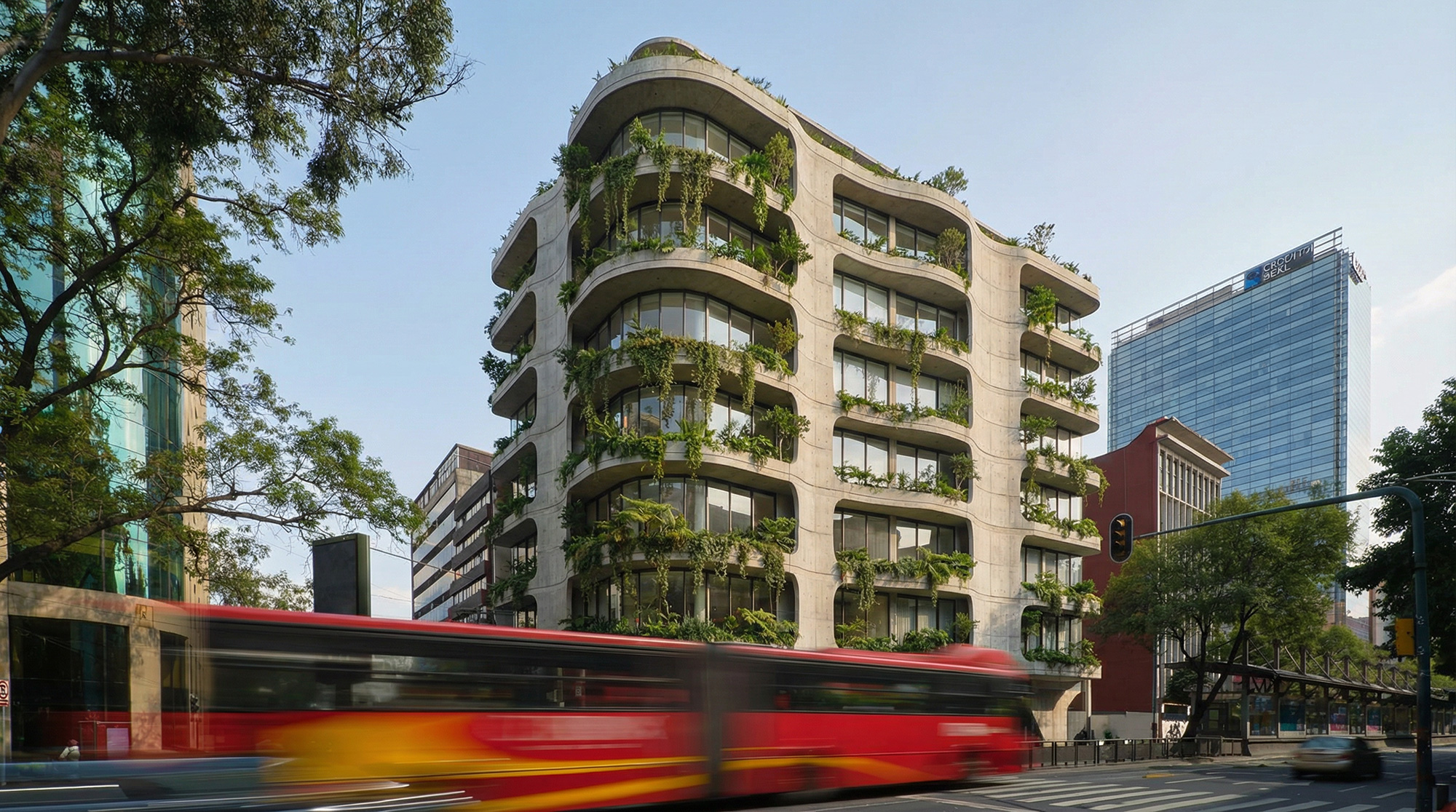
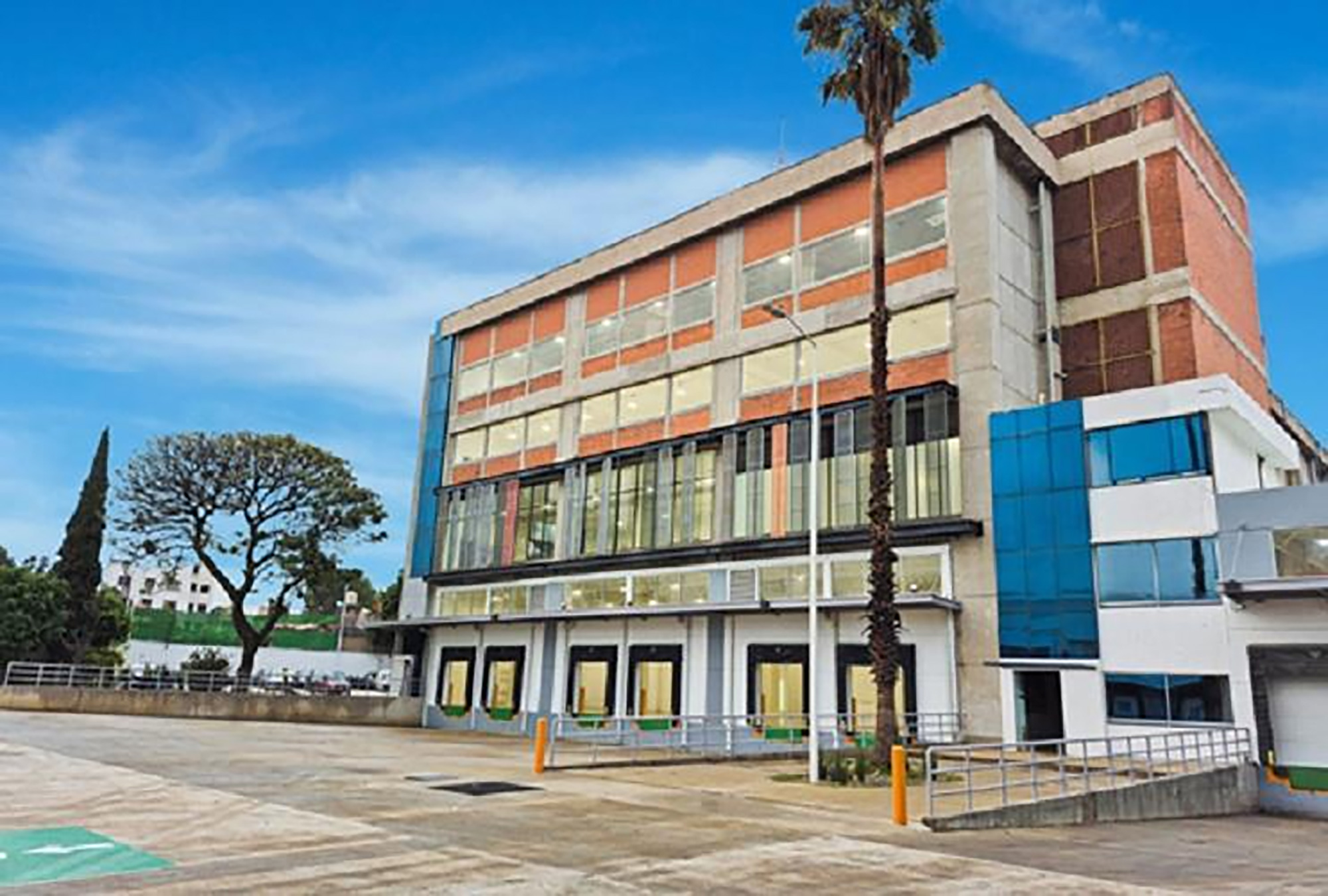
Areas such as the Insurgentes Sur corridor and former industrial zones in Tlalpan illustrate the potential of this strategy. In these locations, many office buildings developed between the 1970s and 1990s no longer meet today’s corporate market expectations or current sustainability standards. However, they benefit from strong connectivity, access to public transportation, and prime urban locations — ideal conditions for a change of use.
- Insurgentes Sur: Proximity to Metrobús stations, universities, and residential neighborhoods makes this corridor well-suited for residential, educational, or medical office conversions, depending on the asset.
- Tlalpan: Former industrial sites can be reimagined as last-mile logistics facilities — a rapidly growing typology — as well as affordable housing, technical training centers, hybrid coworking spaces, or specialized clinics, responding to increasing demand for services and well-located housing in the southern part of the city.
From the Macro to the Specific
Successful conversions require an integrated urban analysis that identifies high-potential areas, assesses demand for new uses, and evaluates regulatory and technical feasibility.
From there, more detailed studies can be conducted at the building level, examining structural condition, adaptability, legal constraints, and financial viability based on the proposed new use.
This phased approach — from territory to individual asset — enables more precise planning and risk mitigation, ensuring that each conversion delivers value not only for owners and developers, but also for communities and the broader urban environment.
Mexico City faces has an opportunity to reinvent itself through what has already been built. The adaptive reuse of vacant office buildings is not just a real estate response; it can be a powerful driver of urban regeneration, social cohesion, and sustainability. Implemented with strategic vision, local sensitivity, and long-term planning, this approach can help shape a more equitable, efficient, and vibrant city.
Structural Considerations
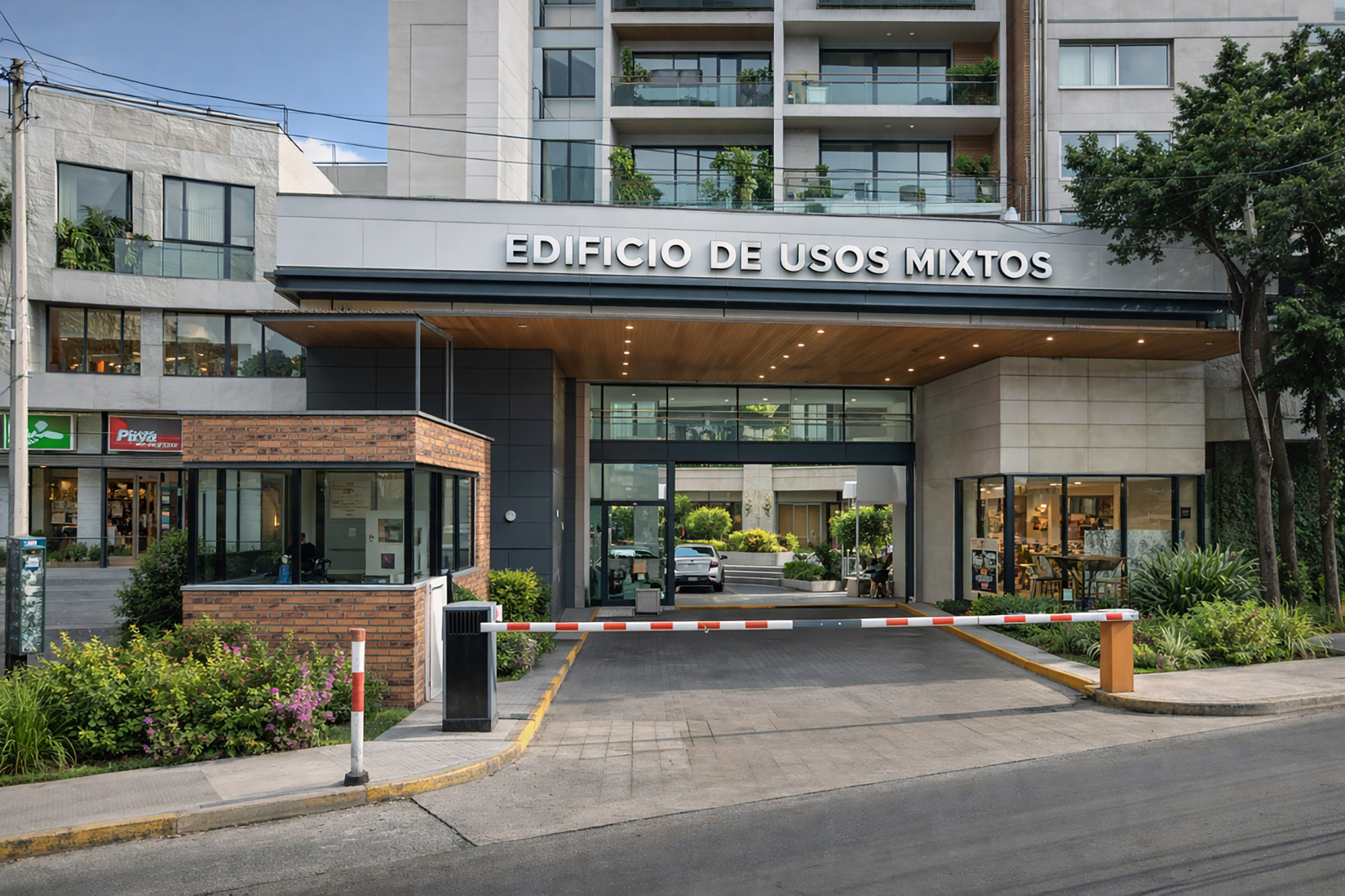
Adaptive reuse in Mexico City shares a critical challenge with other seismic cities such as Los Angeles and San Francisco: increasingly robust structural and seismic regulations.
While office buildings are typically designed to support higher live loads than residential buildings — meaning they often have sufficient structural capacity — a detailed structural assessment by specialists is essential. If a project requires intervention in the primary structural system, current seismic codes must be applied. In many cases, older buildings were not designed to meet today’s stricter seismic requirements, making structural reinforcement necessary.
Conversion projects also present an opportunity to reassess and improve the structural integrity of Mexico City’s building stock, particularly assets that are 30 to 40 years old or more.
Global Insight, Local Implementation
According to Steven Paynter, Regional Growth Director and Principal at Gensler, these transformations offer an unprecedented opportunity to deliver new housing quickly, sustainably, and at costs up to 30% lower than ground-up construction.
Gensler has developed analytical tools such as Conversions+, which evaluate the feasibility of adaptive reuse based on criteria including building form, location, and floor plate configuration. This data-driven approach has identified more than 1,300 potential conversion sites across 25 North American cities. The firm has also delivered landmark projects such as Pearl House in New York City, along with conversion initiatives in Calgary and San Francisco that have contributed to downtown revitalization.
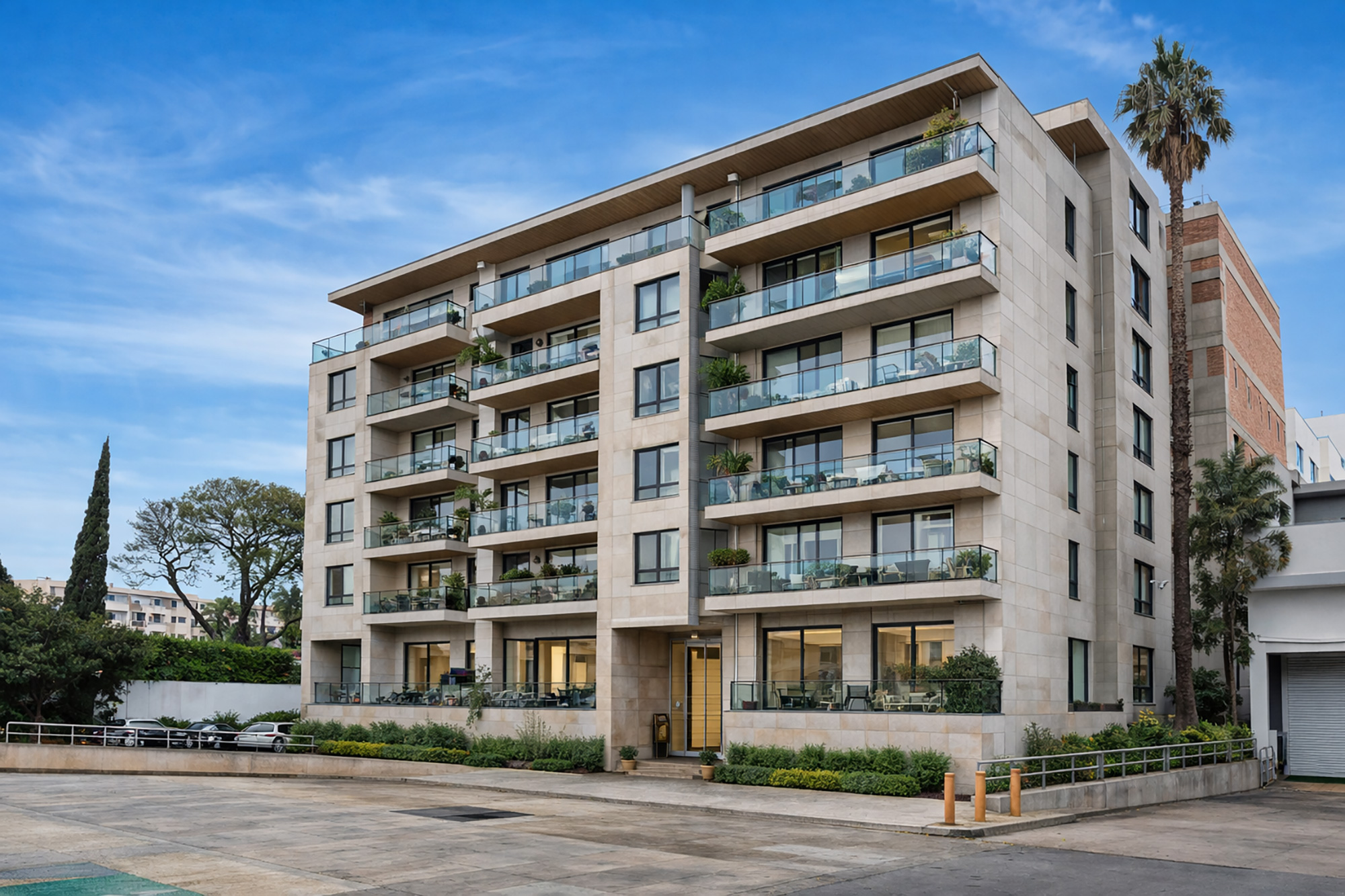
Office-to-residential conversions are not only an efficient response to housing shortages, but also a holistic strategy to reinvigorate cities and strengthen communities. By translating global best practices to Mexico City’s specific context, we can develop conversion projects that are viable, sustainable, and aligned with the city’s long-term urban revitalization goals.
What Mexico City needs now is a coordinated strategy to unlock these assets, neighborhood by neighborhood, corridor by corridor. Implemented with strategic vision, local sensitivity, and long-term planning, this approach can help shape a more equitable, efficient, and vibrant city.
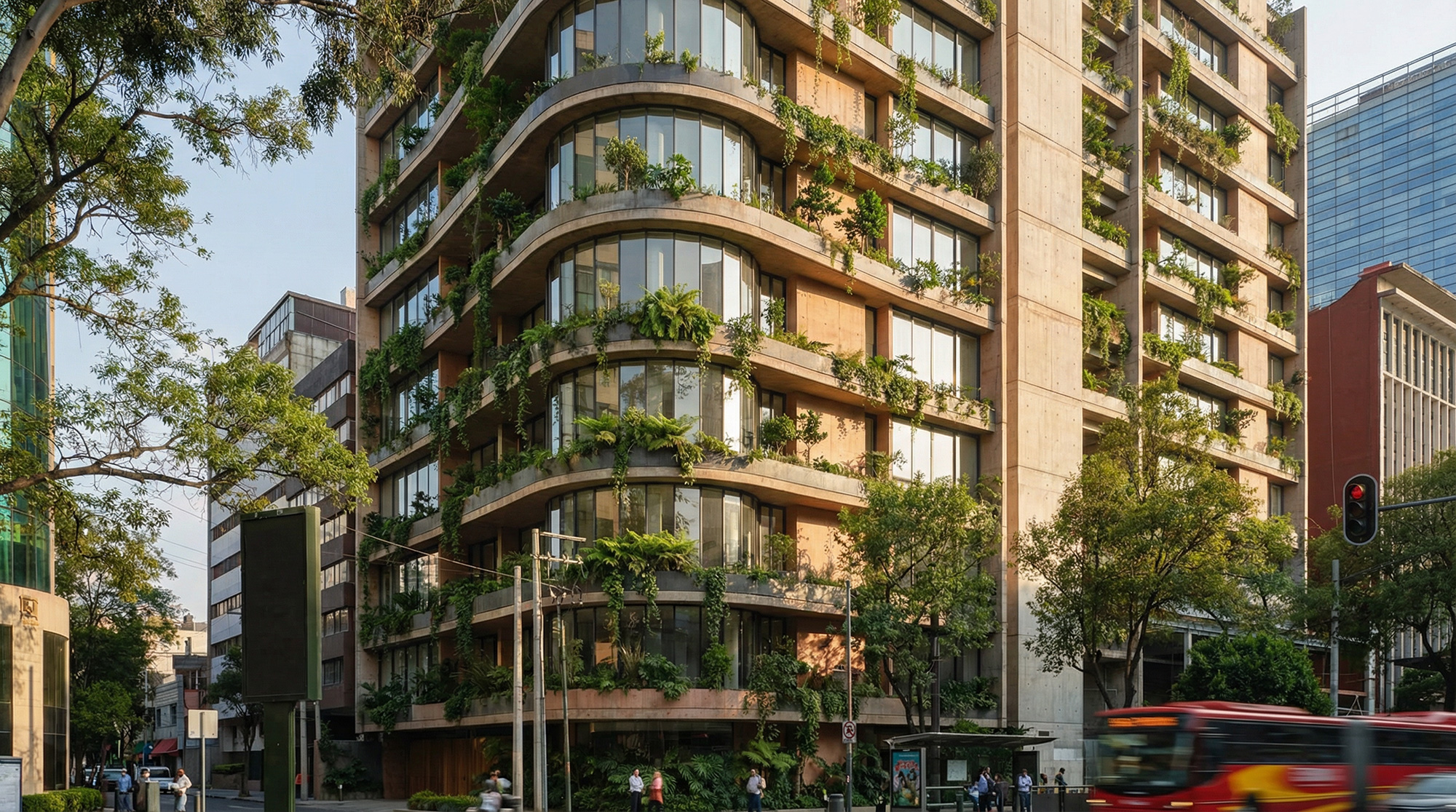
Photo Credits
Existing images are archival. Conversion proposals were generated using Gensler AI tools (Nano Banana).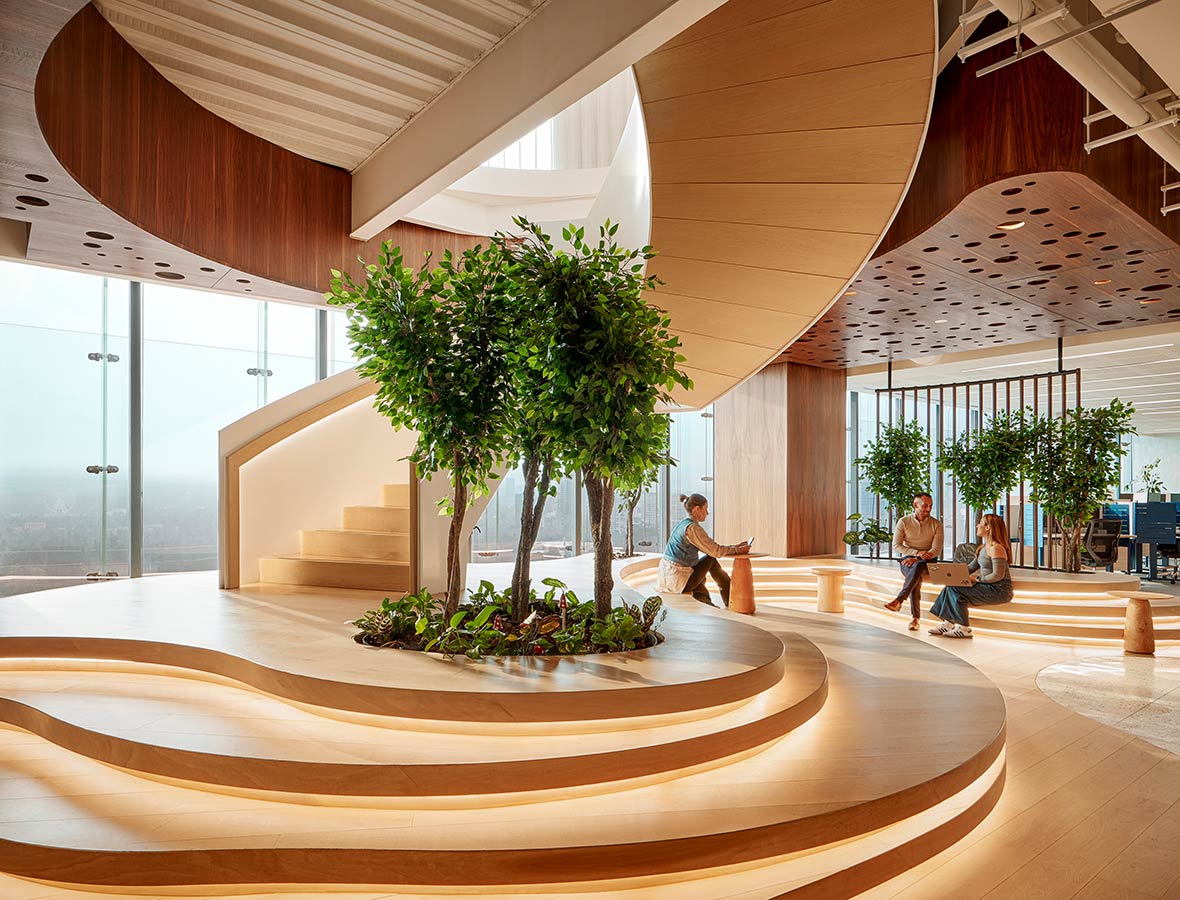
For media inquiries, email .
La oportunidad de reimaginar edificios de oficinas vacíos en la Ciudad de México
Cómo la reutilización adaptativa puede transformar oficinas desocupadas en vivienda, equipamiento comunitario y catalizadores de regeneración urbana.
En la Ciudad de México, cientos de edificios de oficinas de mediana altura se encuentran hoy parcial o totalmente vacíos. En Perinorte, el 57% del inventario corporativo está desocupado. En Santa Fe y Polanco, las tasas de desocupación continúan en aumento. El trabajo remoto y los nuevos modelos laborales han transformado de forma estructural la demanda de espacio corporativo, dejando a muchos activos, particularmente aquellos desarrollados entre las décadas de 1970 y 1990, con dificultades para atraer inquilinos.
Más que un problema inmobiliario, esta situación representa una oportunidad estratégica de diseño. La reutilización adaptativa de estos inmuebles convirtiéndolos en vivienda, equipamiento educativo, servicios de salud u otros usos, ofrece un camino alineado con las necesidades específicas de los barrios donde se ubican. En lugar de esperar a que el mercado de oficinas se recupere, podemos reimaginar estas estructuras como plataformas para la regeneración urbana.
Vacancia de oficinas en los principales distritos de negocios
Varios corredores empresariales de la ciudad enfrentan altos niveles de desocupación:
- Perinorte: desde Toreo hasta Tlalnepantla, este corredor registra tasas de vacancia superiores al 50%, con 57% del inventario corporativo desocupado. Esto representa aproximadamente una cuarta parte de toda la vacancia corporativa en la ciudad.
- Santa Fe y Polanco: tradicionalmente entre los distritos de oficinas más importantes, ambos han experimentado un aumento sostenido en la vacancia. En el primer trimestre de 2024 concentraron el 44% de los 116,000 metros cuadrados de oficinas desocupadas en la ciudad.
- Reforma: a pesar , la tasa de vacancia en el Distrito Central de Negocios (incluyendo Reforma) fue de 13.82%, frente al 18.08% del mismo periodo en 2024. de mantener una demanda sólida, también ha registrado mayor disponibilidad. En el primer trimestre de 2025
Los factores son claros: los modelos remotos e híbridos reducen la demanda de espacio físico, mientras que la incertidumbre económica lleva a muchas empresas a reducir su huella inmobiliaria. Al mismo tiempo, la evolución de las normativas de uso de suelo permite la conversión de oficinas a vivienda en zonas estratégicas como Reforma y Santa Fe, contribuyendo a atender el déficit habitacional de la ciudad.
Una solución urbana sostenible
Desde una perspectiva urbana, la conversión de oficinas a otros usos ofrece múltiples beneficios. En primer lugar, aprovecha la infraestructura existente, reduciendo la expansión urbana y la presión sobre servicios públicos en nuevas zonas de desarrollo. La rehabilitación de edificios subutilizados también ayuda a reactivar barrios y corredores estratégicos, mejorar la seguridad, dinamizar economías locales y elevar la calidad del espacio público.
Adaptar edificios existentes en lugar de construir desde cero reduce de manera significativa la huella de carbono del sector de la construcción. Este enfoque se alinea con objetivos más amplios de sostenibilidad ambiental y resiliencia urbana, tanto a nivel local como global.
Oportunidades clave en corredores estratégicos
Zonas como el corredor de Insurgentes Sur y antiguas áreas industriales en Tlalpan ilustran el potencial de esta estrategia. En estos sectores, numerosos edificios de oficinas desarrollados entre las décadas de 1970 y 1990 ya no cumplen con las expectativas del mercado corporativo actual ni con estándares contemporáneos de sostenibilidad. Sin embargo, cuentan con excelente conectividad, acceso a transporte público y ubicaciones urbanas privilegiadas: condiciones ideales para un cambio de uso.
- Insurgentes Sur: la cercanía a estaciones de metrobús, universidades y zonas residenciales convierte a este corredor en un candidato idóneo para conversiones a vivienda, equipamiento educativo u oficinas médicas, dependiendo de las características de cada inmueble.
- Tlalpan: antiguos predios industriales pueden reimaginarse como centros logísticos de última milla, una tipología en rápido crecimiento, así como vivienda asequible, centros de capacitación técnica, espacios híbridos de coworking o clínicas especializadas, respondiendo a la creciente demanda de servicios y vivienda bien ubicada en el sur de la ciudad.
De la escala urbana al edificio
Las conversiones exitosas requieren un análisis urbano integral que identifique zonas con alto potencial, evalúe la demanda de nuevos usos y revise la viabilidad regulatoria y técnica.
A partir de ahí, se desarrollan estudios más detallados a nivel edificio, analizando la condición estructural, la adaptabilidad espacial, las restricciones legales y la viabilidad financiera según el nuevo uso propuesto. Este enfoque por etapas, del territorio al activo individual, permite una planeación más precisa y una mejor gestión de riesgos, asegurando que cada conversión genere valor no solo para propietarios y desarrolladores, sino también para las comunidades y el entorno urbano en general.
La Ciudad de México tiene la oportunidad de reinventarse a partir de lo ya construido. La reutilización adaptativa de oficinas vacías no es solo una respuesta inmobiliaria; puede convertirse en un potente motor de regeneración urbana, cohesión social y sostenibilidad.
Consideraciones estructurales
La reutilización adaptativa en la Ciudad de México comparte un desafío crítico con otras ciudades sísmicas como Los Ángeles y San Francisco: normativas estructurales y sísmicas cada vez más exigentes.
Si bien los edificios de oficinas suelen diseñarse para soportar cargas mayores que los residenciales, lo que a menudo les otorga capacidad estructural suficiente, es indispensable realizar una evaluación detallada por especialistas. Cuando un proyecto requiere intervenir el sistema estructural principal, deben aplicarse los códigos sísmicos vigentes. En muchos casos, los edificios antiguos no fueron diseñados para cumplir con las exigencias actuales, por lo que es necesario incorporar refuerzos estructurales.
Los proyectos de conversión también representan una oportunidad para revisar y mejorar la integridad estructural del bloque construido de la ciudad, particularmente en activos de 30 a 40 años o más.
Visión global, implementación local
Según Steven Paynter, Regional Growth Director y Principal en Gensler, estas transformaciones representan una oportunidad sin precedentes para generar nueva vivienda de manera rápida, sostenible y a costos hasta 30% menores que la construcción desde cero.
Gensler ha desarrollado herramientas analíticas como Conversions+, que evalúan la viabilidad de reutilización adaptativa considerando criterios como la forma del edificio, su ubicación y la configuración de las plantas. Este enfoque basado en datos ha identificado más de 1,300 posibles sitios de conversión en 25 ciudades de Norteamérica. La firma también ha desarrollado proyectos emblemáticos como Pearl House en Nueva York, además de iniciativas en Calgary y San Francisco que han contribuido a la revitalización de sus centros urbanos.
Las conversiones de oficinas a vivienda no solo son una respuesta eficiente ante la escasez habitacional, sino también una estrategia integral para revitalizar ciudades y fortalecer comunidades. Al traducir mejores prácticas globales al contexto específico de la Ciudad de México, es posible impulsar proyectos viables, sostenibles y alineados con los objetivos de regeneración urbana a largo plazo.
Lo que la Ciudad de México necesita ahora es una estrategia coordinada para activar estos activos, barrio por barrio, corredor por corredor. Con visión estratégica, sensibilidad local y planeación de largo plazo, esta oportunidad puede ayudar a construir una ciudad más equitativa, eficiente y vibrante.
Pies de foto:
Las fotos originales son de archivo en la red, las propuestas fueron hechas por AI en las herramientas de Gensler. .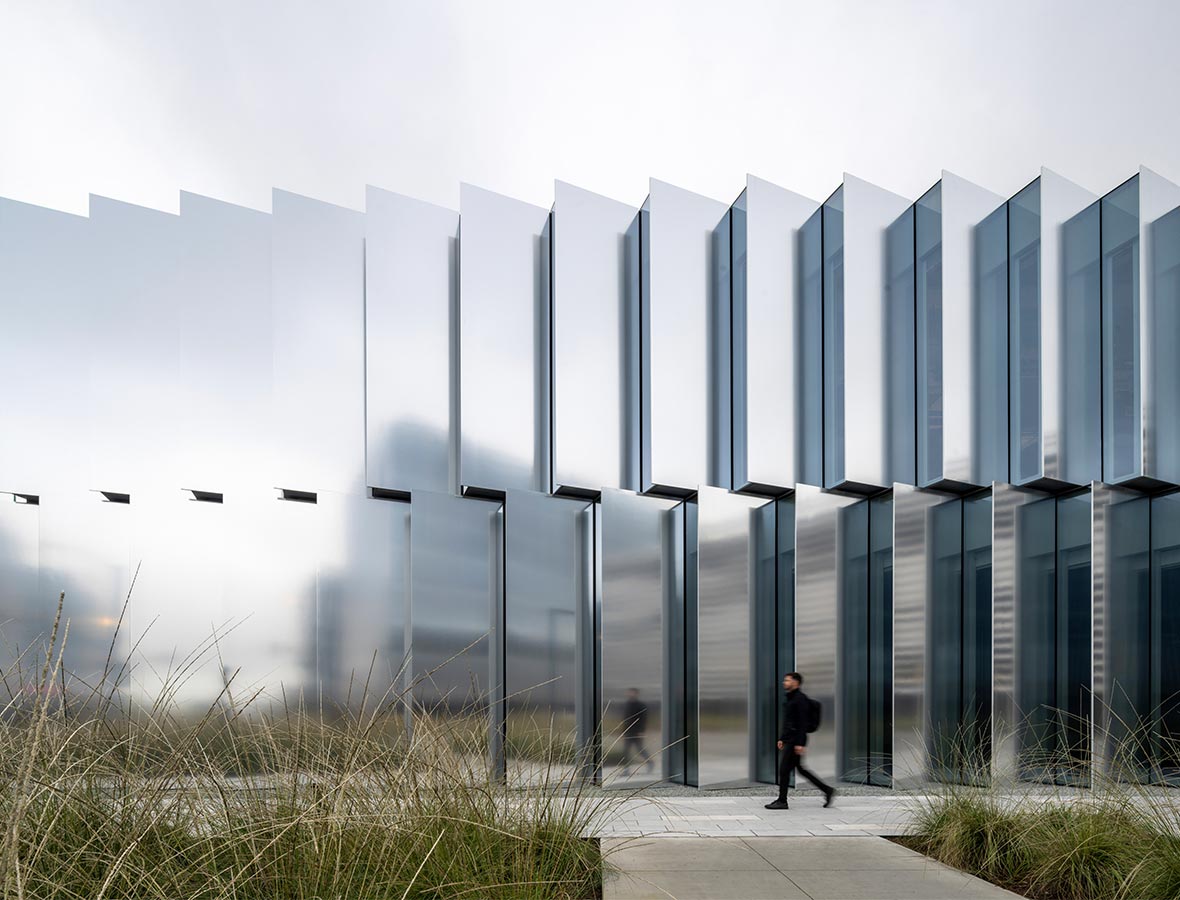
For media inquiries, email .