Urban Campuses Must Prove Their Value
Design can help higher education institutions translate mission and identity into a clearer value proposition for students.
There are 4,500 colleges and universities today in the U.S., and they’re all competing for fewer students. Given the demographic outlook, differentiation is no longer optional. Institutions that can’t articulate their value are already losing ground.
As the cost of college degrees rises and public skepticism reshapes how students and families evaluate higher education, institutions can no longer rely on reputation or legacy to create a steady pipeline of students. In this competitive environment, they need a clear point of distinction and a stronger sense of what makes them valuable to students now: what they offer, why it matters, and why it is worth the investment.
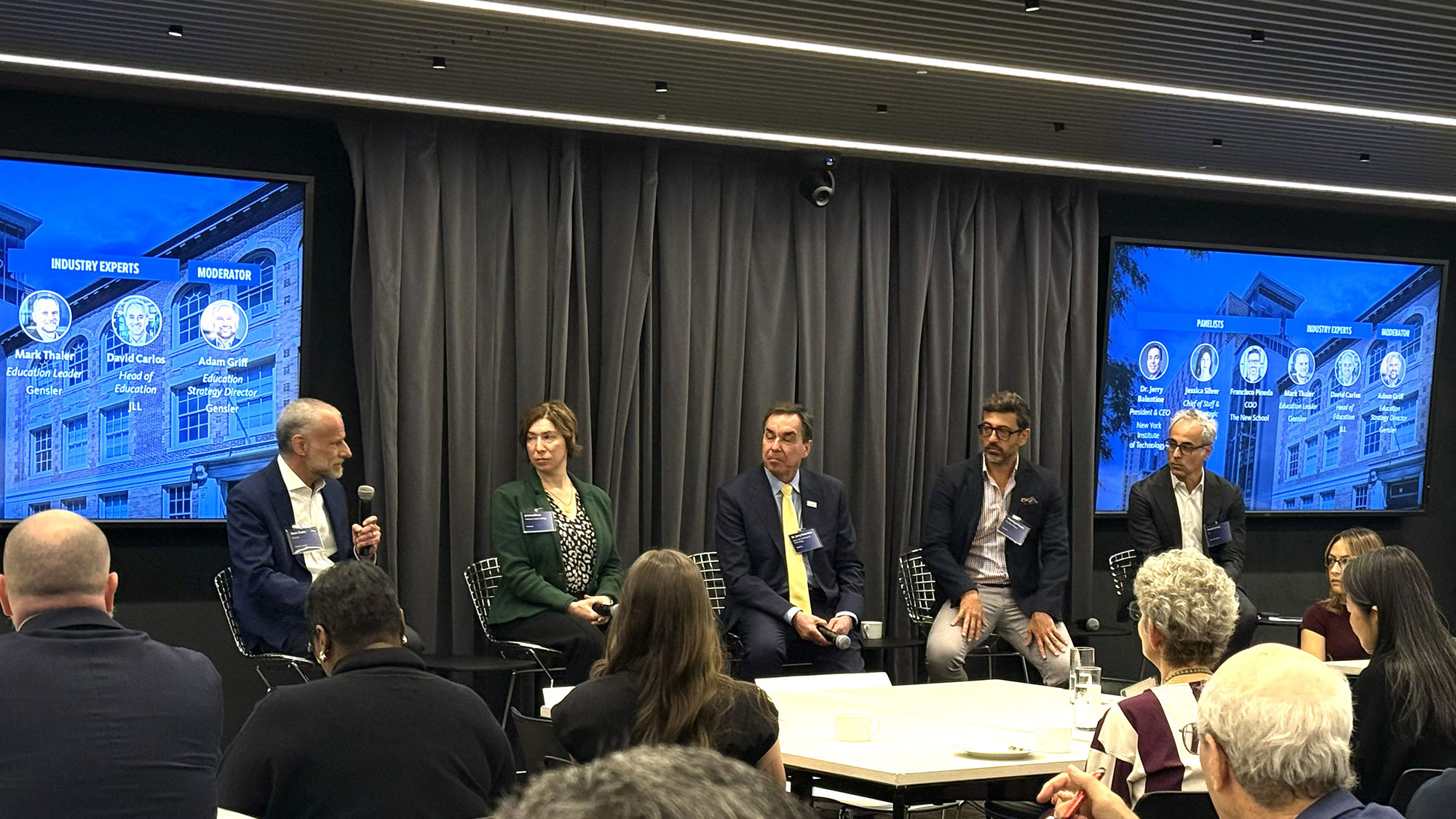
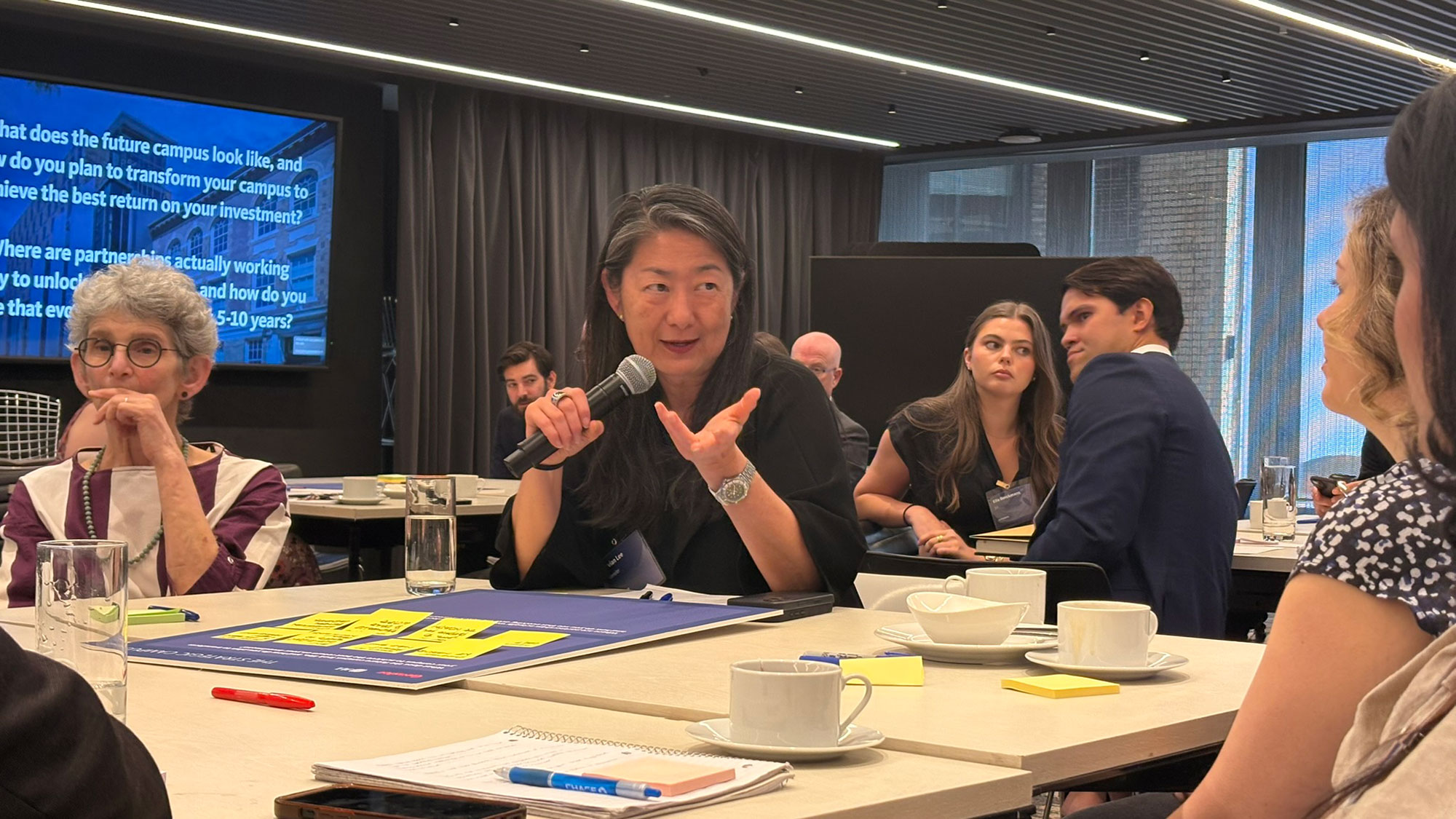
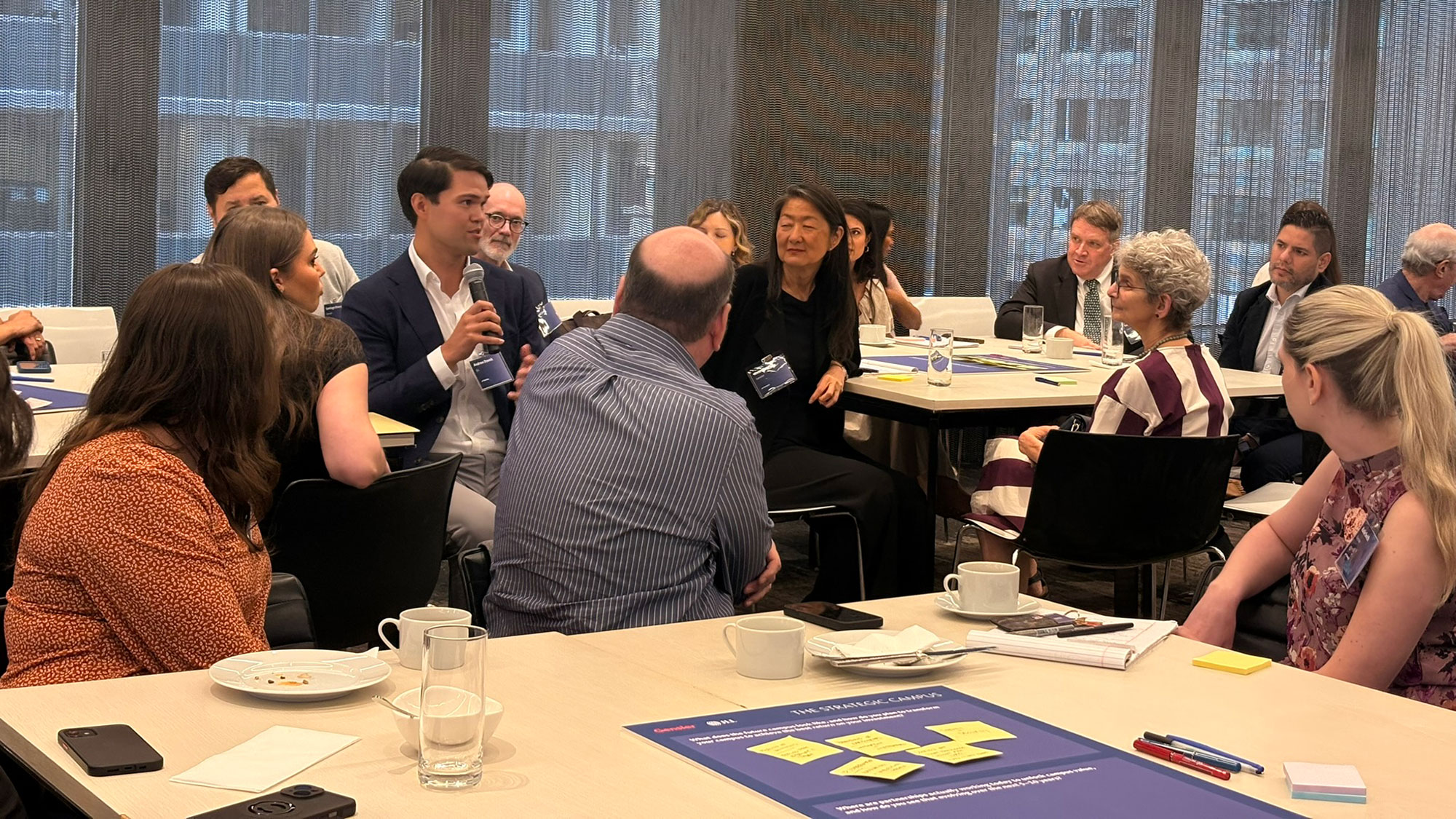
Gensler recently hosted a panel of higher education leaders in New York City to explore the challenges facing urban institutions, sharing on topics ranging from student attraction and the future of campus life to porous operating models and change management pain points.

How can the urban campus of the future shift in response to these pressures?
1. From campus as a container to a differentiated experience
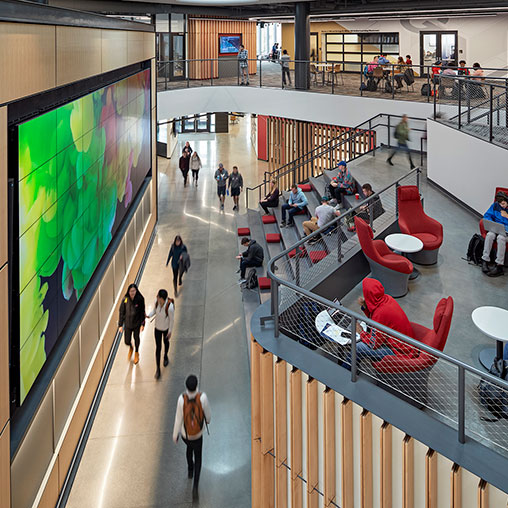
The most valuable environments are built around clear academic and experiential needs: craft, mentoring, collaboration, identity, and high-value specialized environments. Spaces built around specific program needs, and more hospitality- and workplace-inspired environments encourage students to stay on campus longer.
2. From footprint maximization to purposeful downsizing and reinvestment
Campus real estate should be evaluated as both an operating cost and a strategic asset. Buildings should be assessed based on performance, maintenance burden, utilization, and long-term relevance to institutional goals. That means some assets will be retained and improved, while others may be repurposed, sold, leased differently, or replaced altogether to redirect resources into fewer, better spaces that more clearly express institutional strengths.
3. From campus-operated to amenities based on networks and partnerships
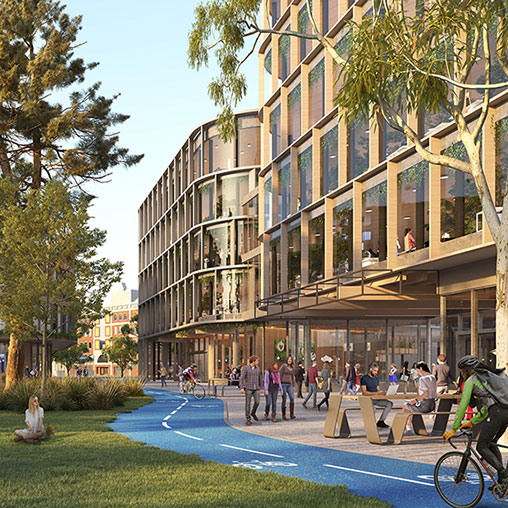
In dense urban environments, value increasingly comes from a more selective model. Third-party housing, shared services, selective outsourcing, and partnerships with other institutions or industry can expand flexibility while reducing capital and operating burdens. Institutions benefit from focusing investment on what is central to the mission and leveraging partnerships or the surrounding city for what is not.
4. From static master plans to adaptive scenario planning
AI, hybrid learning, shifting enrollment patterns, and changing student expectations require a planning model built around optionality. A shorter horizon, with the ability to test scenarios and adapt over time, is more effective than a rigid multi-decade roadmap. The goal is not to predict a single future, but to build a portfolio that can evolve while staying aligned with institutional priorities.
5. From symbolic space to strategic change
The hardest campus decisions are rarely just about space. They are about identity, culture, and institutional memory. Utilization data, cost analysis, demand signals, and outcome measures must play a larger role in decision-making, but data alone is not enough. Successful change requires more than analysis; the institutions that navigate change well will be the ones that pair evidence with conviction and explain not only what is changing, but why it matters.
Our takeaway
In a moment defined by enrollment pressure, rising skepticism, and tighter resources, the greatest challenge for urban institutions may be making the future feel as real as the legacy seemingly left behind. The campuses best positioned for what comes next will be those that pair data and transparency with a clear vision for how change can strengthen identity, experience, and long-term value.
For media inquiries, email .