How a Curated Ground Floor Gives Residential Buildings a Competitive Edge
The most valuable residential projects today are defined by what’s at street level.
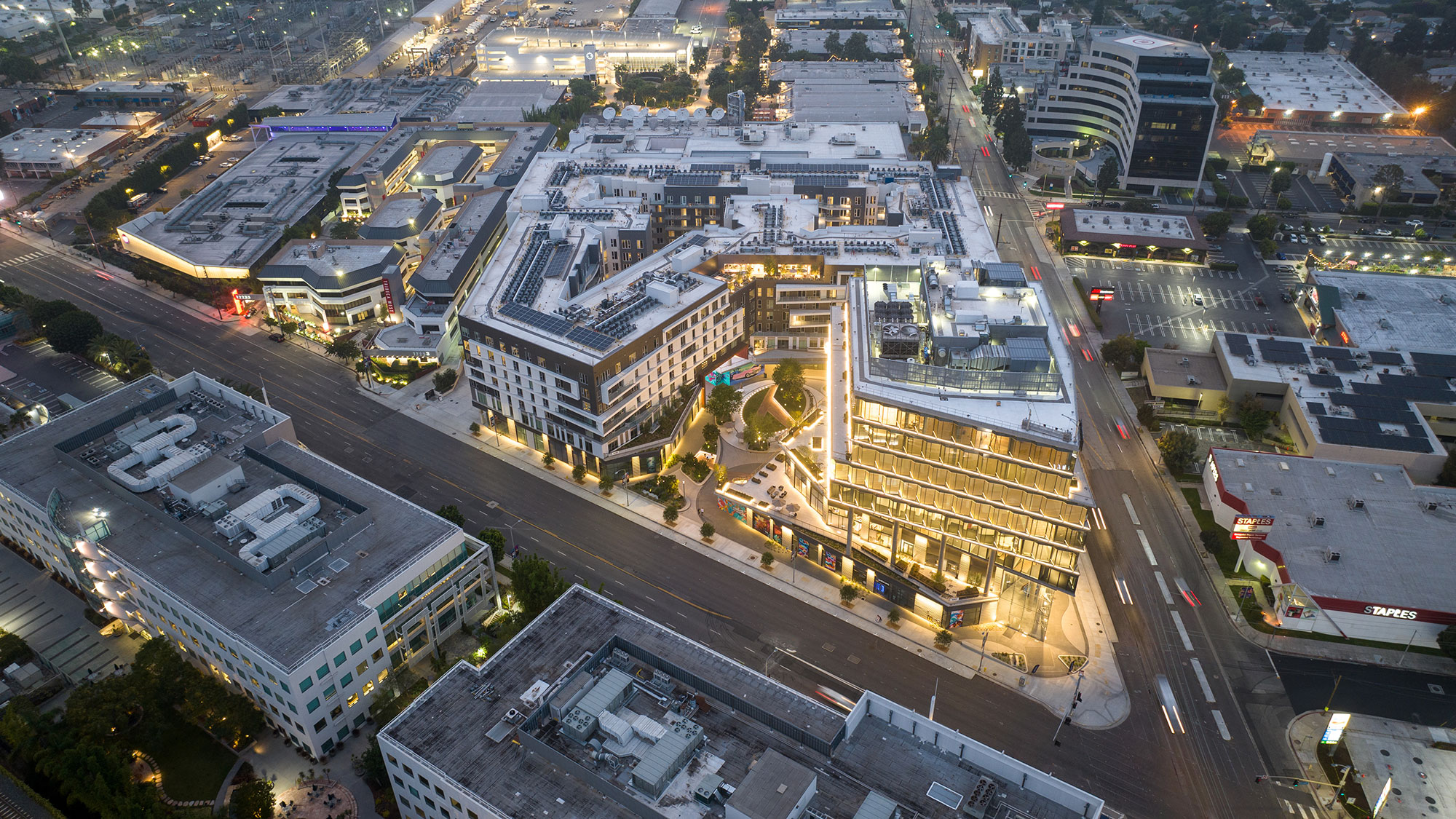
Walk the ground floor of any mixed-use development that consistently outperforms its market, and you notice the same thing: it feels lively and activated around the clock. The coffee shop is always full. The yoga studio anchors the morning. Residents linger in the courtyard. All this activity is the result of design decisions made years before the first tenant signs a lease. And it is fast becoming the single most powerful predictor of a project’s long-term financial performance.
Today’s most competitive residential developments are lifestyle-driven ecosystems where living, working, socializing, and shopping intersect. High-quality housing alone is no longer sufficient. Integrating the right mix of retail, dining, office, and residential uses attracts higher-quality tenants, premium rents, and enduring market demand. Curated retail shapes a development’s identity, fosters community, and adds long-term financial value.
The developments leading the next decade are already being conceived differently: residential and retail designed as a unified experience from the start, with the ground plane treated as community infrastructure rather than leftover program.
The Ground Plane as a Competitive Advantage
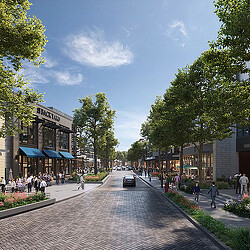
The relationship between retail and residential begins at the street. Walkability and human scale determine whether ground-floor spaces activate a neighborhood or sit vacant. The design team's most critical early task is choreographing how residents move through a site and how they interact with one another.
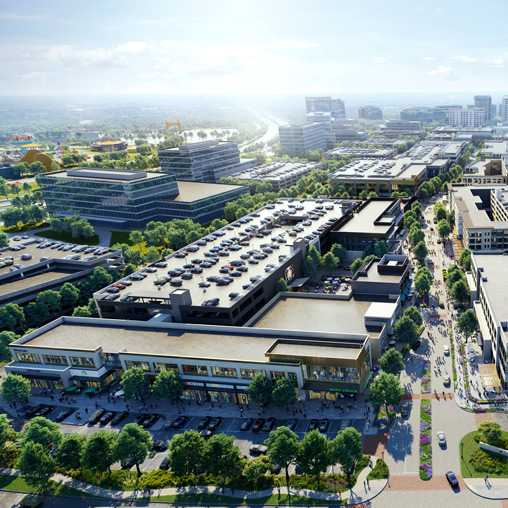
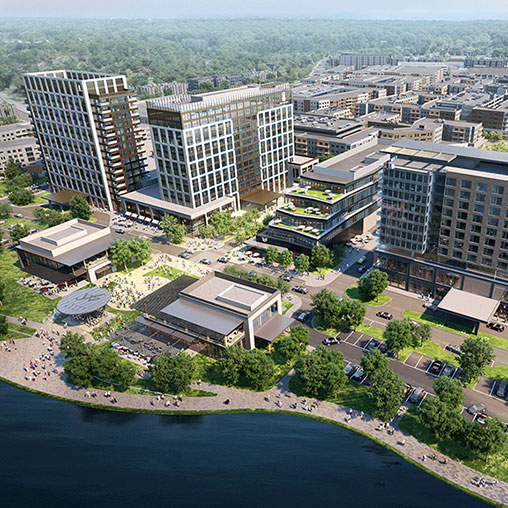
The residential component is the heart of mixed-use permanence. It creates the built-in customer base and community fabric that is the foundation for success. The goal is genuine integration, where retail and public space enhance daily routines and the development welcomes the broader community. Well-designed mixed-use environments consistently outperform single-use developments in both occupancy and long-term value while strengthening neighborhood vitality.
Design Priorities
Several design moves lay the groundwork for a successful community-activated ground plane:
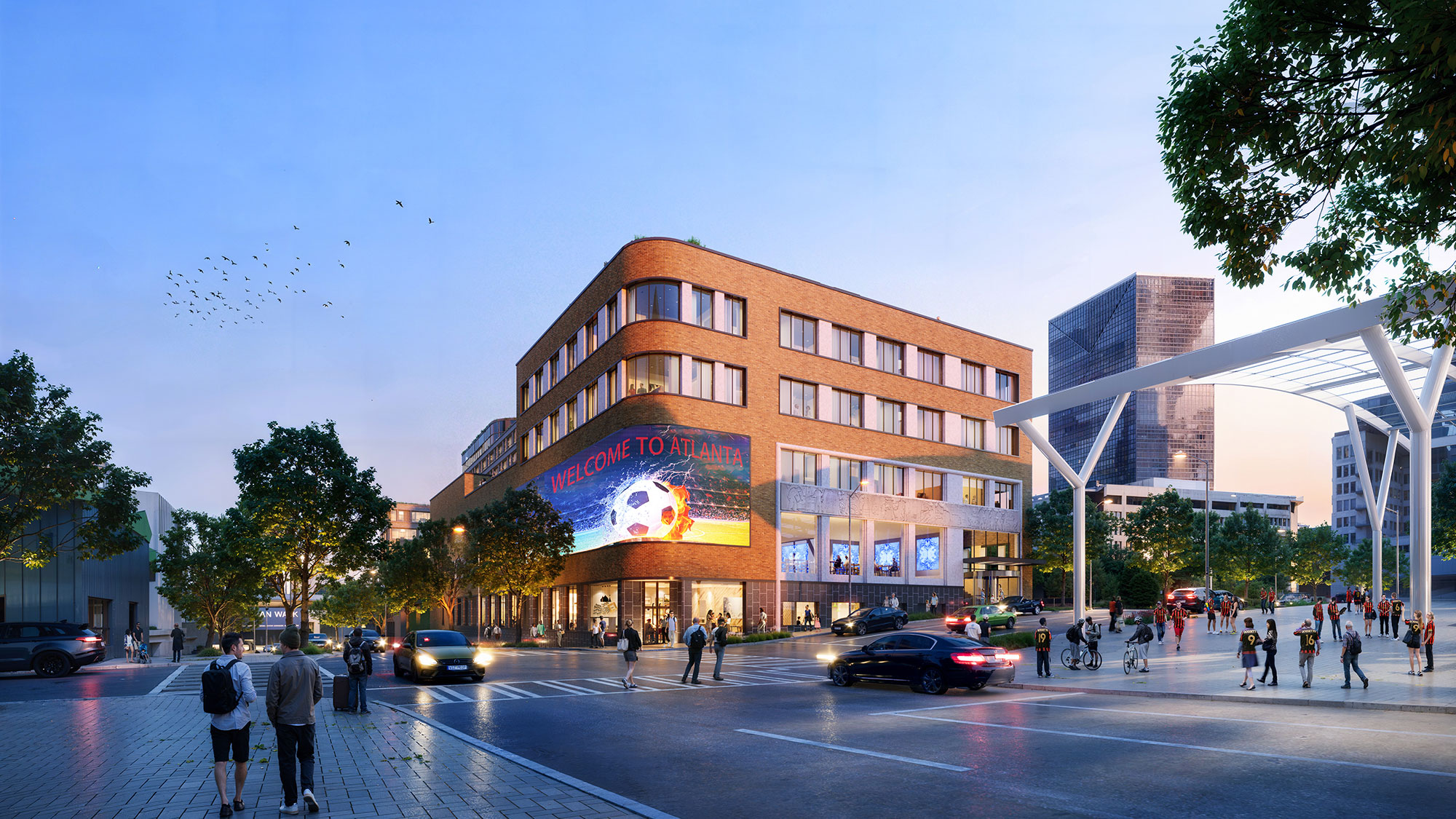
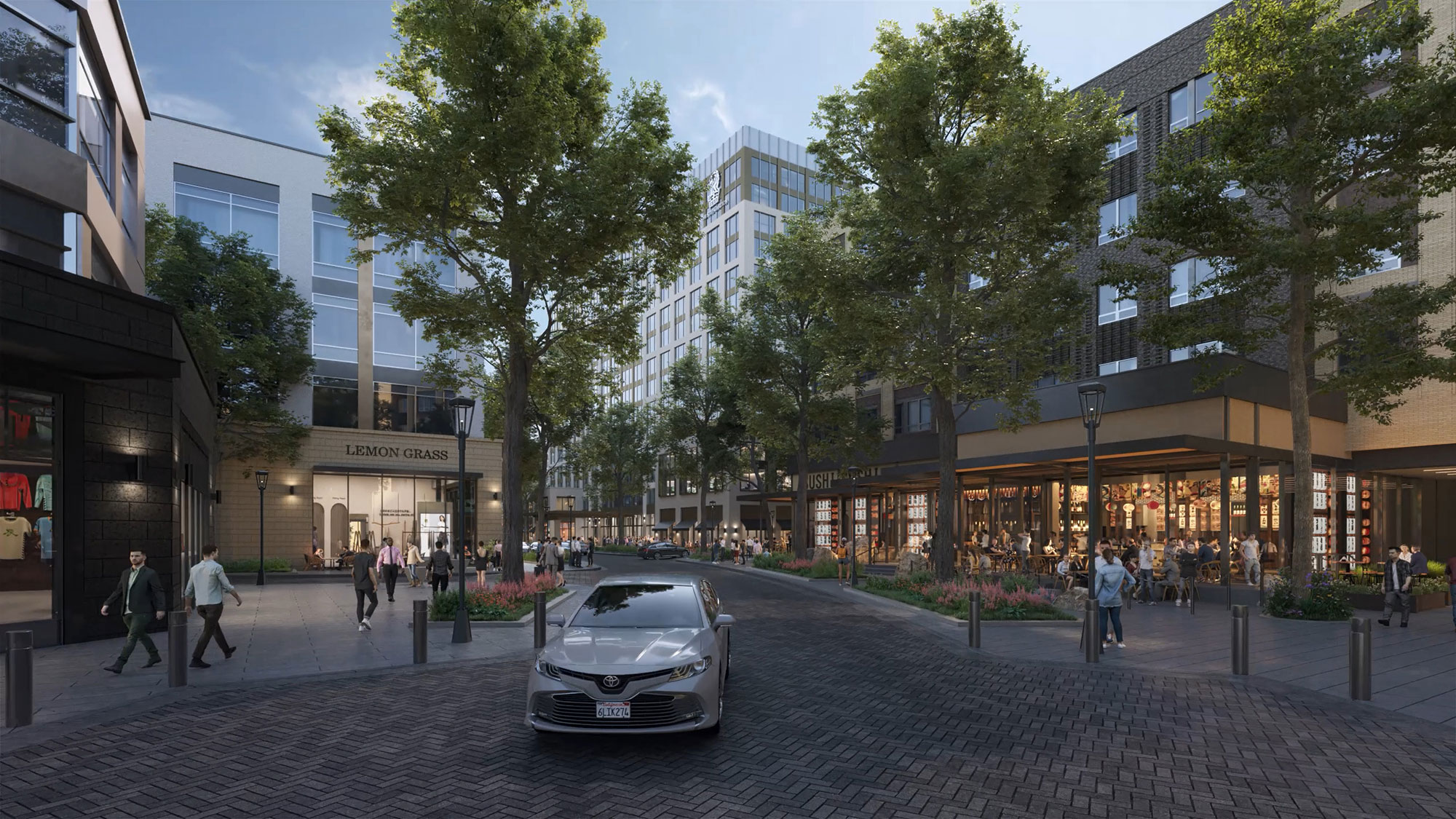
- Ground Floor Activation: Transparent façades, frequent entries, and visual permeability invite residents in and keep them engaged. Prioritizing the resident experience is what creates a vibrant social anchor — great experiences drive transactions.
- Encouraging Infrastructure: Great retail requires more than good products — it needs an intuitive “vibe.” Clear sightlines and easy movement encourage shoppers to linger and interact. It’s a proven win-win: walkable environments consistently drive higher sales and happier residents.
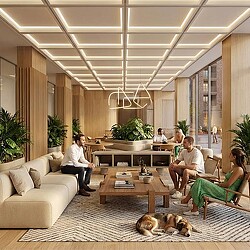
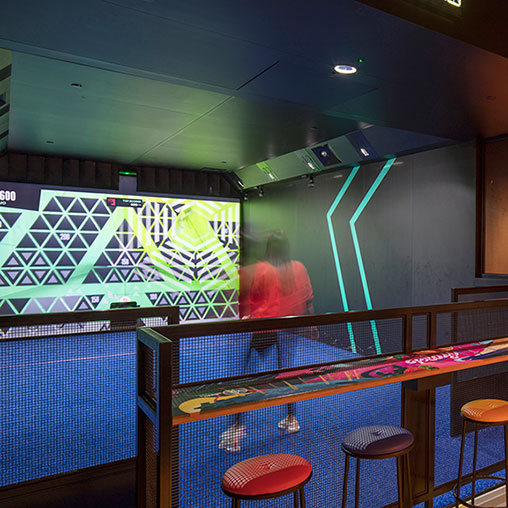
- Retail as a Social Hub: To thrive, curated retail must become an essential part of the daily rhythm. Retailers that support daily life — cafés, grocers, wellness centers — alongside inviting outdoor plazas, transform a development into a community cornerstone. A quick errand becomes a social experience, significantly boosting dwell time and local loyalty.
Identity Drives Performance
In a competitive market, mixed-use projects achieve stabilized occupancy by offering something residents feel they can’t replicate elsewhere. Residents are increasingly drawn to “experience-driven” environments that feel curated and genuine. This search for authenticity translates directly into higher resident retention and long-term revenue growth, as people are reluctant to leave a neighborhood that reflects their lifestyle.
Tenant mix defines a project’s identity, but the architectural framework sets the stage for those tenants to flourish. By balancing high-frequency daily essentials like a neighborhood grocer or coffee shop with the unique energy of local boutiques and wellness spaces, a development shifts from a convenience into a destination of choice.
This “irresistible” quality comes from a deep alignment between community insights and physical design. When architecture honors localism through thoughtful scale, tactile materiality, and cultural resonance, it creates a differentiated brand that protects long-term value and fosters genuine belonging.
Elevating the Brand Through Experience Layers
The most impactful mixed-use developments operate as fully realized branded environments. Architecture becomes a vehicle for storytelling, layering physical spaces with emotional desire to create true destinations. By integrating flexible infrastructure for shared amenities and social connectivity, a property becomes a living community that appreciates in cultural value as residents invest in it over time.
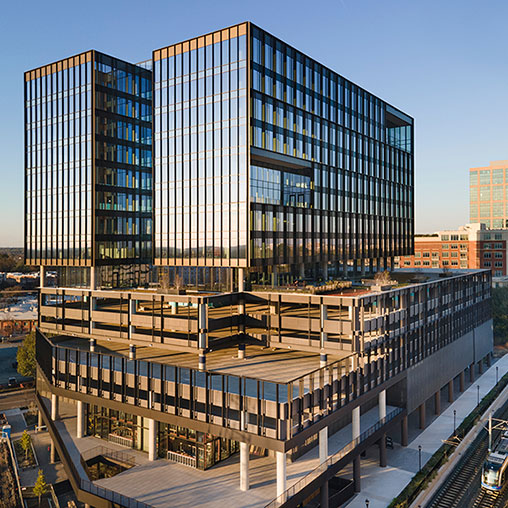
This approach is especially powerful in adaptive reuse projects, where the dialogue between historic character and modern experiential retail can reposition a building for a new era. Design that anticipates seasonal activations and communal gatherings anchors a project’s architecture to its cultural identity, ensuring the brand is not just seen, but felt.
What the Next Generation of Urban Living Looks Like
Curated retail has transitioned from a lifestyle amenity to a strategic necessity for any urban residential project seeking lasting relevance. Architecture and design, informed by brand strategy, are the primary tools for shaping a project’s identity. That identity is the heart of its performance — directly influencing occupancy, resident retention, and long-term growth.
The most resilient environments begin with early alignment between design vision and development objectives, so the physical framework and leasing strategy work in lockstep. By intentionally weaving retail into the residential fabric, we create places that resonate emotionally and endure as vital, permanent pieces of the city.
The developers who treat the ground plane as community infrastructure before the market demands it are already building the neighborhoods that will set the standard. The projects making this investment now will have a competitive edge in the coming years.
For media inquiries, email .