Rethinking the Funding and Function of Europe’s Museums
An exploration of how museums can adapt, evolve, and become vital hubs for communities in the 21st century.
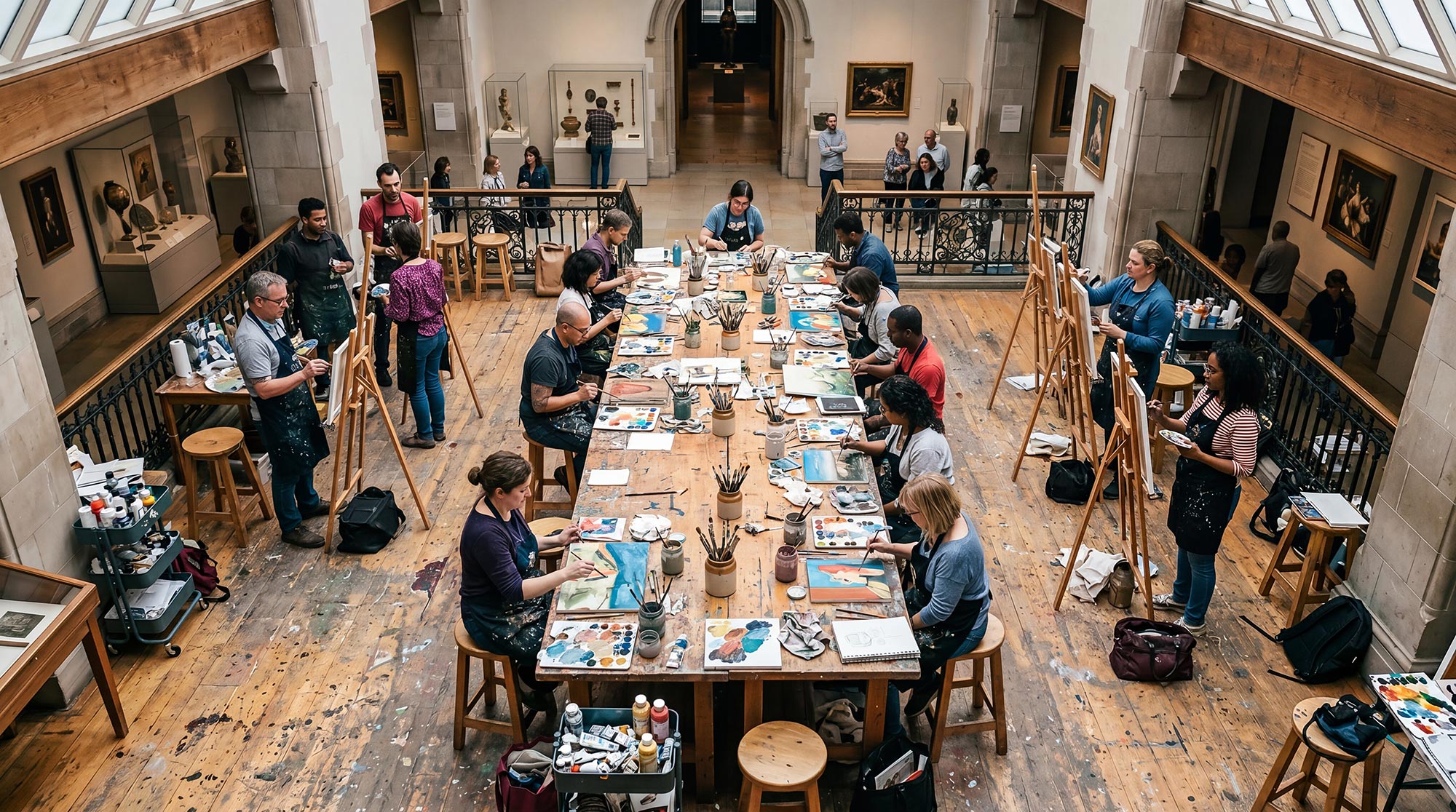
Across Europe, cultural institutions are facing a convergence of pressures — from unstable funding to rising operational costs. Competition for people’s time has also never been fiercer. The traditional model of the museum as a static repository is being tested, and in some cases, outgrown. Museums are now expected to be civic anchors, inclusive public spaces, and engines of social value.
This tension forces a fundamental question: what role do museums play today — and who are they really for?
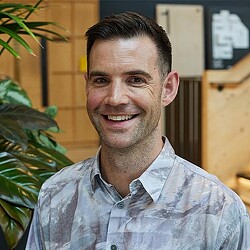
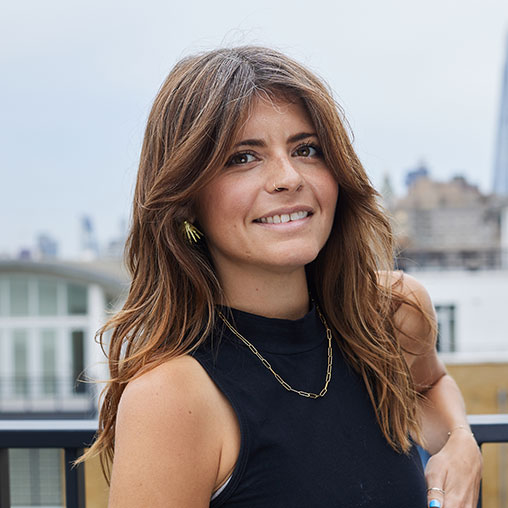
We sat down with Patrick Berning, regional leader for Gensler’s Entertainment, Culture & Museums practice areas for Europe, and Jaimie Karsan, a Lead Experience Strategist who has transferred from Gensler’s London office to Sydney, to explore how museums are evolving. They discuss what London’s cultural institutions signal about the future, and how lessons from lifestyle, workplace, and urban design can help shape the museum of tomorrow.
Patrick: Right now, museums are being squeezed from multiple directions. Public funding has decreased, operational costs are rising, and visitor numbers haven’t fully rebounded from the pandemic in many places. At the same time, museums aren’t just competing with each other— they’re competing with the entire “experience economy.”
Jaimie: That competition is forcing people to be more judicious with how they spend their time and money. Financial instability creates real constraints, but it also raises questions about how museums define their value.
Patrick: Exactly. But alongside that challenge is an opportunity to rethink how museums sustain themselves. We’re seeing growing interest in diversified revenue streams — partnerships, commercialisation, or even rethinking research or energy as assets rather than overheads. What other opportunities are you seeing?
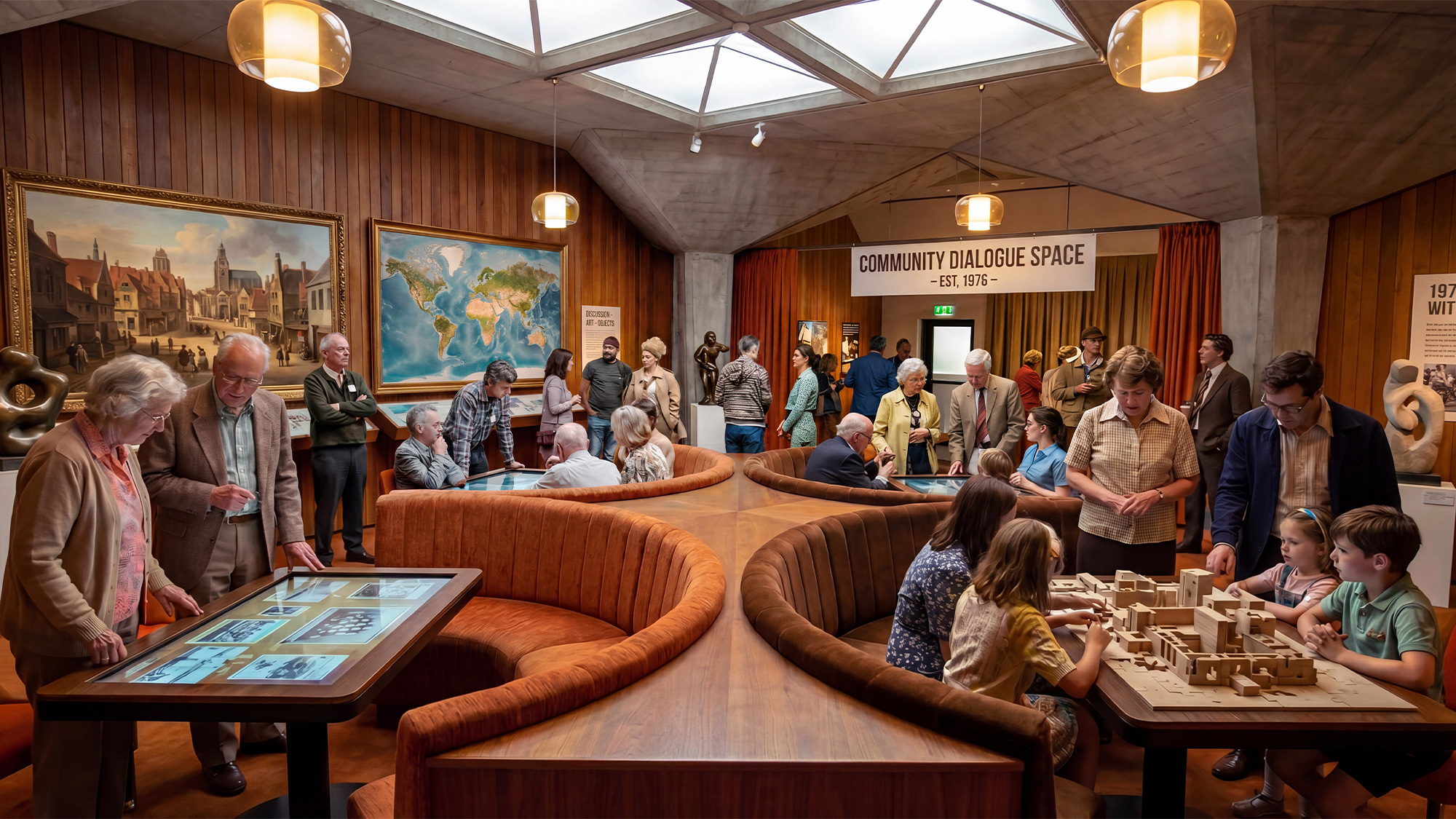
Jaimie: I think there’s a real opportunity to move away from the idea of the museum as an institution for preservation and towards something living and participatory. If they can do that, they can become spaces that reflect and contribute to contemporary culture as it’s being made, not just preserved.
Patrick: That’s right. It’s a shift that can help reinforce the idea that museums are everyday places. Somewhere you can sit down, find shelter, or charge your phone. They’re employers. They activate the public realm, and they offer freely accessible indoor space, which is increasingly rare in cities.
Jaimie: Museums also create shared experiences. They pull us away from our screens, spark curiosity and face-to-face conversations, and allow us to interact with people of different ages, backgrounds, and views. In an increasingly polarised society, a forum that invites productive, meaningful dialogue is rare. So, how do museums deepen engagement without trying to be everything to everyone?
Patrick: Engagement today starts with acknowledging that there isn’t a single “museum audience.” People want different things, and they want flexibility in how they engage. How do you design for this idea?
Jaimie: One way to engage diverse audiences is by offering multiple entry points — from immersive, sensory installations to more casual, everyday interactions.
Patrick: That’s where lessons from hospitality and workplace design are useful. Those spaces are designed for short visits and long stays, quiet moments and collective energy. Museums can adopt similar thinking by creating layered experiences that allow people to engage on their own terms.
Jaimie: Co‑creation plays a big role in that shift. Moving from curating for communities to curating with them — whether that’s inviting local voices into exhibition making or creating spaces to test and evolve ideas over time.
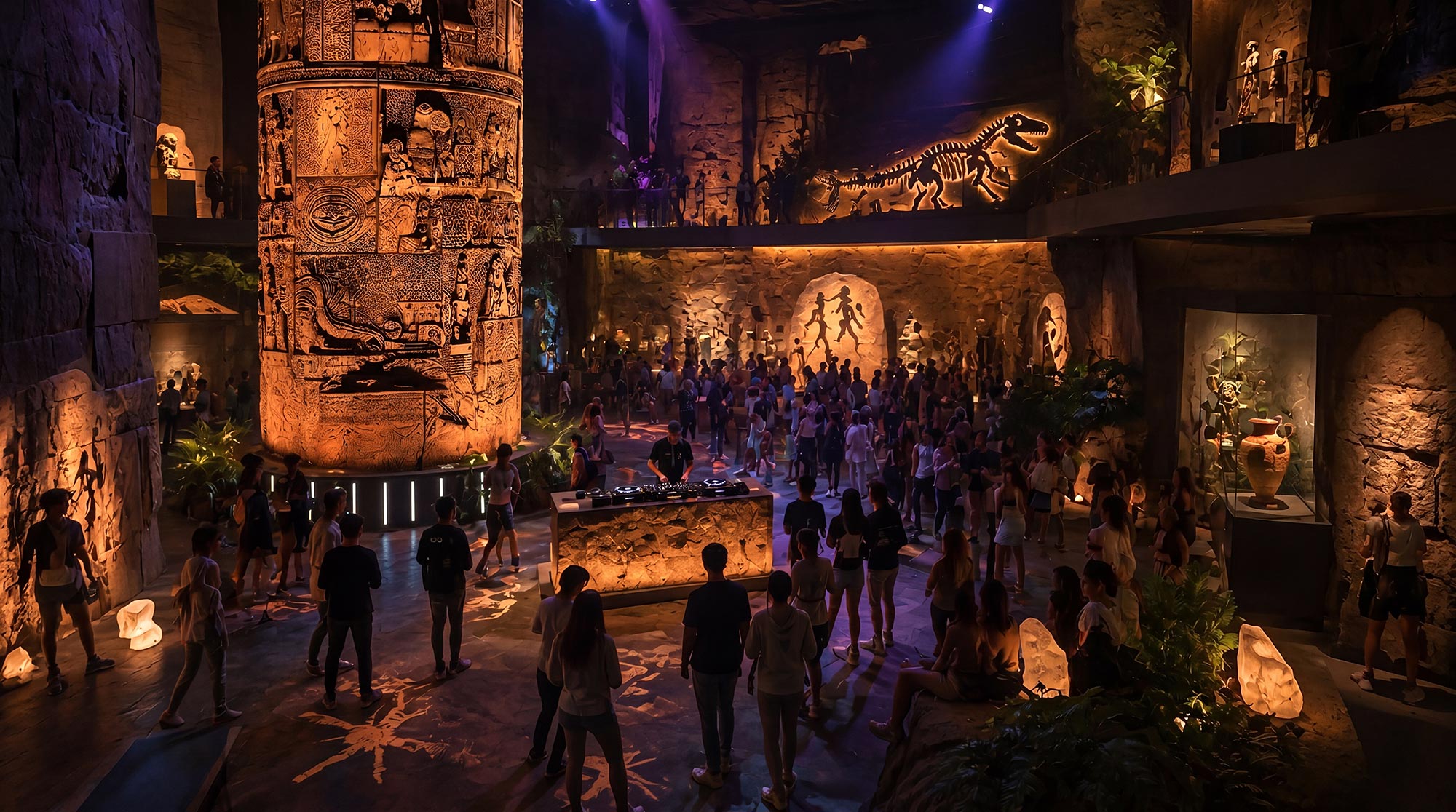
Patrick: That participatory mindset also changes how museums think about programming. What other lessons can museums learn from other sectors, particularly lifestyle and urban development?
Jaimie: Broader lifestyle shifts matter. For example, fewer young people are drinking, which opens up opportunities for after-hours cultural experiences that don’t revolve around alcohol, such as late-night cafés or performance spaces. By creating an offer that acknowledges this shift, museums can appeal to a wider, more diverse audience.
Patrick: When museums are co‑located with food, learning, making, or performance, they become active hubs rather than standalone destinations. Culture sits alongside daily life, creating more reasons to return.
Jaimie: That shift from destination to habit is powerful. Repeat visits deepen relationships with audiences, strengthen community ownership, and support more resilient revenue models. It also breaks down perceived barriers to entry. So, what does all of this mean for future museums?
Patrick: It means moving beyond the idea of a static building to one designed to adapt over time. The museum of tomorrow is more of a platform for research, making, learning, and exchange.
Jaimie: At a human scale, it’s still about connection. Museums have the potential to foster equity, exchange, and even healing. They’ll evolve alongside society, embracing changing perspectives and inviting people in as active participants. The museum of tomorrow is something we’ll build together.
For media inquiries, email .