Seattle’s Office-to-Residential Future: How Policy and Design Will Transform Downtown
A combination of code changes, design expertise, and market conditions is proving that now is the time to start planning new housing in Downtown Seattle.
Seattle’s downtown stands at an inflection point. With office vacancies continuing to climb and housing supply remaining a long-term issue for the region, a combination of city and state legislation provides substantial opportunities for office-to-residential conversions unlike anywhere else on the West Coast. For developers, landowners, and investors watching from the sidelines, the window to act is now — and it may not stay open indefinitely.
The convergence of favorable legislation and untapped opportunities has created conditions that make conversion projects not just viable but compelling. Here’s what’s changed — and why it matters.
Office Vacancies Create Housing Opportunities
Seattle’s downtown core is facing a persistent challenge with increasing office vacancy (up 3.6% in the last year to 35.1%, according to Cushman & Wakefield’s Q3 2025 report), despite increased metro area employment (+12,100 new jobs in the last year) and stable to slightly increasing rents. As office landlords face historically high vacancy rates that are expected to continue for years to come, they must consider alternatives to create new revenue.
For rental housing, the picture is more promising: Seattle’s vacancy rates are falling, while rent and absorption are increasing. Downtown Seattle offers renters access to work, culture, and activity without the commute. With many employers’ return-to-office mandates doubling commute times on some routes, downtown Seattle’s car-free lifestyle looks increasingly attractive. The city has talked about a 24-hour-downtown, supported by a significant residential component, for decades — now might be the time to make it happen.
Legislative Momentum: Seattle’s Bold Policy Framework
In February 2025, Seattle enacted a game-changing sales tax exemption — deferring the city’s 10.3% tax on conversion projects (subject to meeting affordability requirements). This has slashed upfront costs and created a rare, time-sensitive opportunity for developers to act now.
The tax incentive is just one piece of a broader regulatory overhaul designed to accelerate housing production. The city has removed several traditional barriers that typically slow development timelines. For qualifying conversions, the city has waived design review requirements, which can add months to project schedules. Mandatory Housing Affordability (MHA) requirements — typically a significant cost factor — are also exempted. As an additional land-use relief, most of the subsections of development standards applicable to housing are exempted, including bicycle parking, common area spaces, and other conditions that would ordinarily make conversions more difficult.
Perhaps most significantly, Washington State Energy Code exemptions apply to conversion projects, eliminating one of the most complex and costly compliance hurdles in adaptive reuse. In Seattle, the city follows an “if you break it, you buy it” approach: new and reconfigured elements must meet current code, while unmodified elements stay “as-is,” with exceptions for grey areas.
Finally, these exceptions for conversions to residential use apply not only to existing buildings, but also to unexpired master use permits issued prior to March 1, 2024. This means even unbuilt permitted opportunities exist for landowners and developers to convert.
The calculation is straightforward: in a market ripe for housing, conversions can deliver units faster than ground-up construction while revitalizing stranded assets. Seattle’s policymakers recognize this reality and have structured policy accordingly.

From Guesswork to Precision
Not every office building is a good candidate for residential conversion. Floor plate depth, structural grid spacing, ceiling heights, core location, façade condition, and dozens of other variables determine whether a conversion is financially viable.
Gensler’s Conversions+™ algorithm can efficiently analyze these conversions. By evaluating more than 150 building characteristics simultaneously, the tool can rapidly assess conversion potential before significant effort is deployed. Our tool analyzes building typology, structural systems, mechanical infrastructure, and site conditions to identify candidates with the highest probability of success.
Beyond Housing to Community Transformation
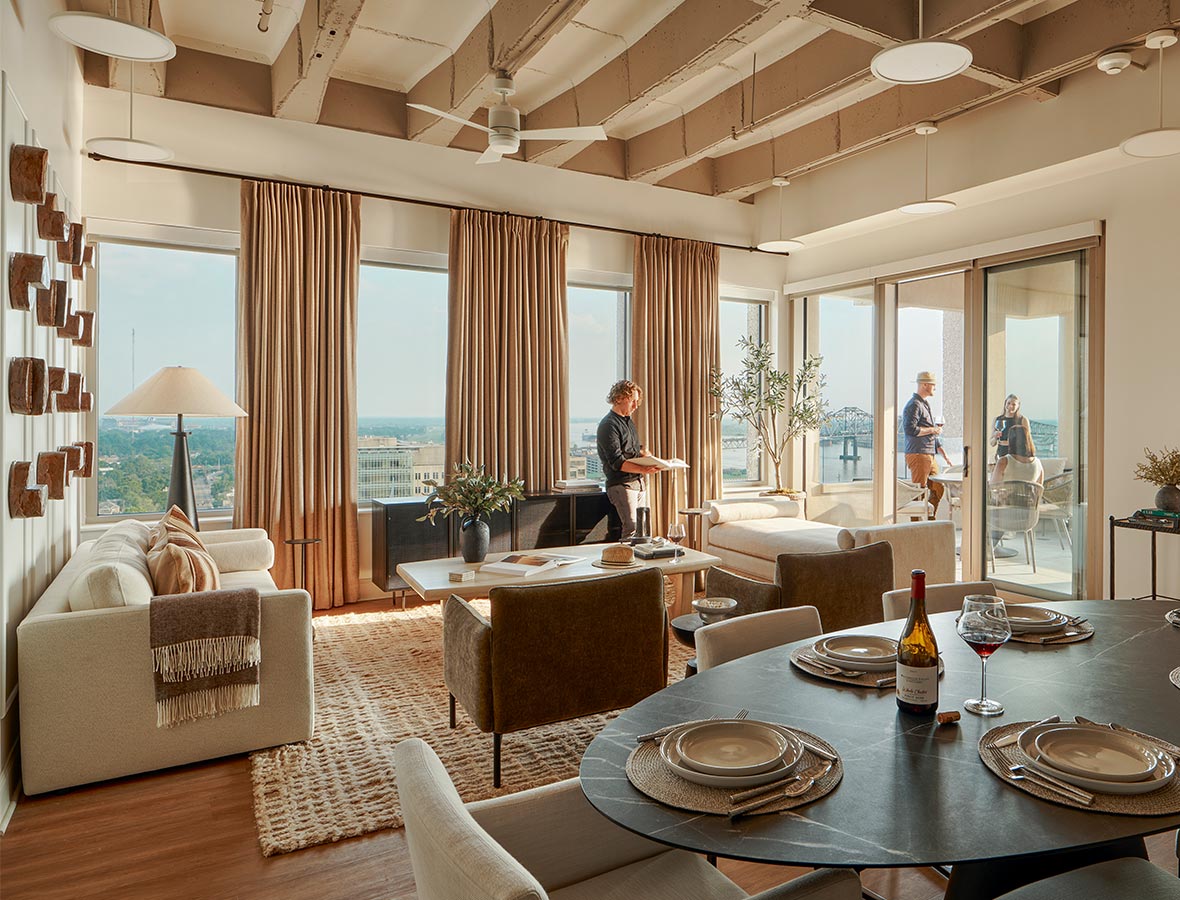
The case for conversions extends beyond simple unit counts. Our analysis shows an unmet demand from residents who actively want to live in central downtown for its walkability, transit access, and urban amenities. Conversions can meet this demand while fundamentally reshaping Seattle’s urban core.
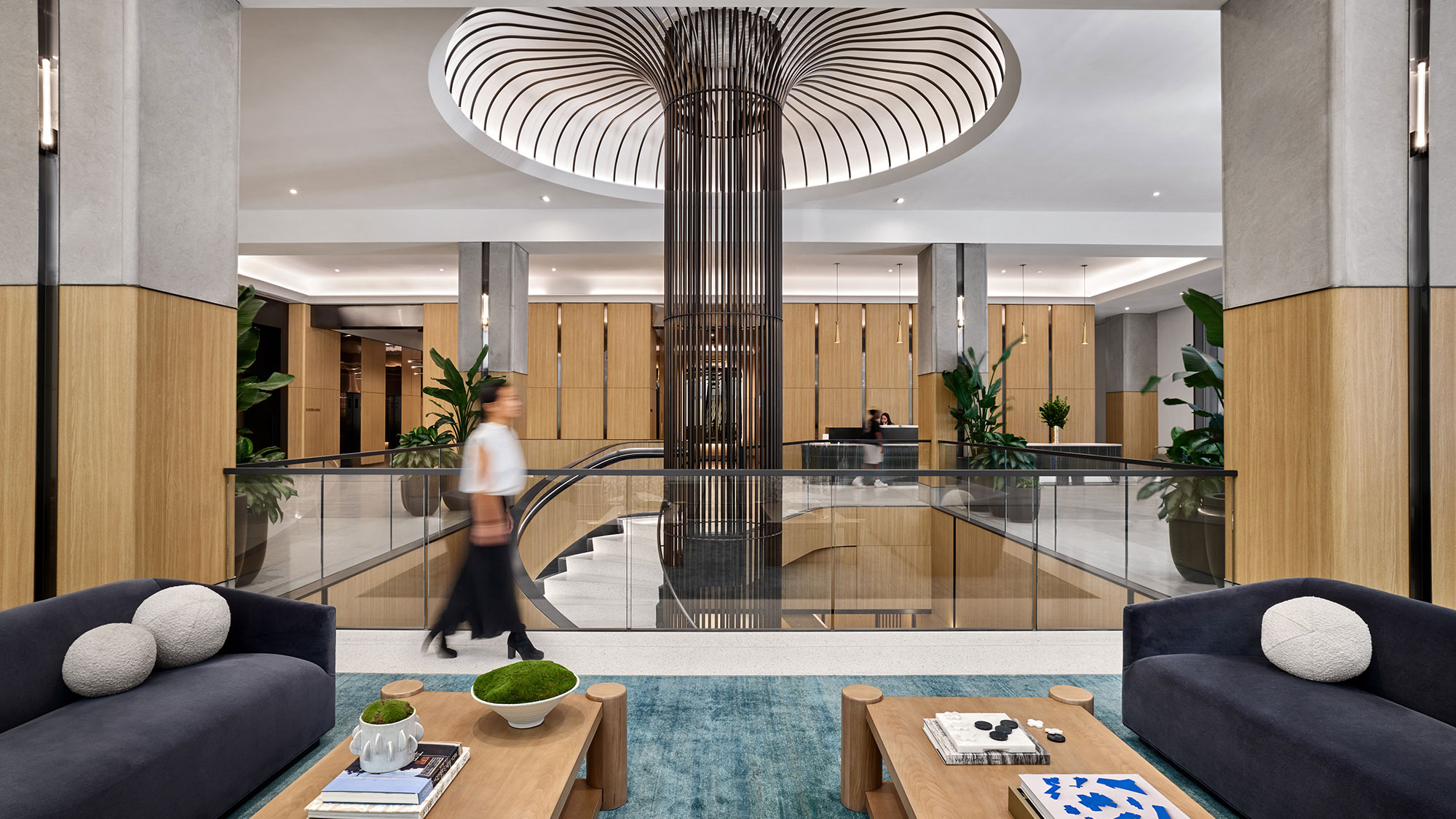
The most compelling projects integrate wellness-centered design principles: abundant natural light, improved indoor air quality, fitness amenities, and connections to outdoor space. Mixed-use programming that combines residential with ground-floor retail and community spaces helps to create the street-level activation our downtown needs to continue its trend of increasing foot traffic.
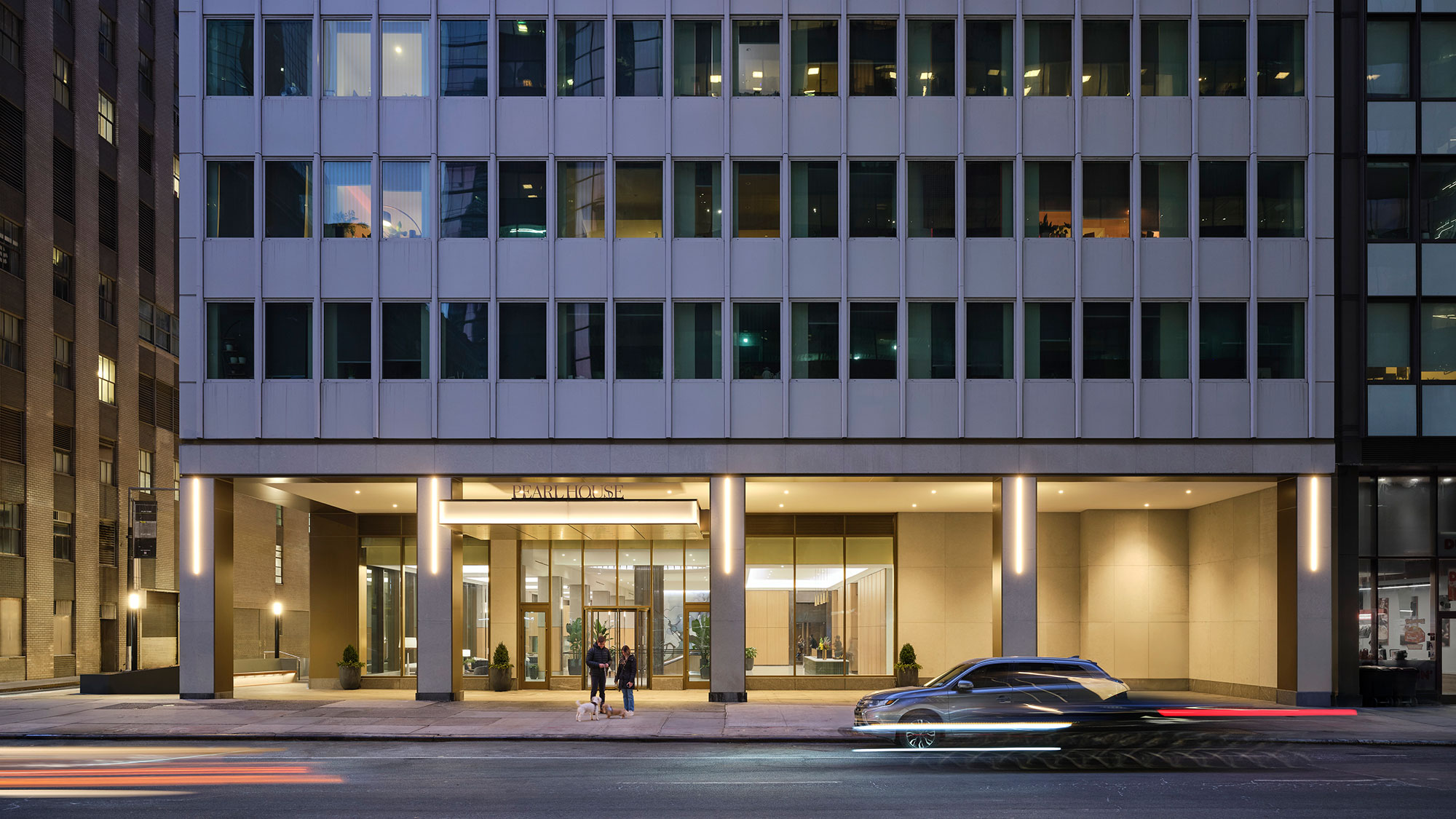
Gensler’s experience with large-scale conversions, including Pearl House in New York City, one of the largest office-to-residential conversions in the city’s history, demonstrates that these projects can achieve both design excellence and financial performance. Locally, Gensler Seattle is proving the feasibility of conversion with the 2601 Elliott conversion project, a former cannery turned office building. The project is now being conceived as an urban reinvention that blends heritage and modernity.
The Time to Act
Seattle’s current policy environment reflects specific political and economic conditions. Recent elections have introduced uncertainty about the durability of conversion-friendly regulations, and incentive programs often operate on limited timelines. Developers who begin feasibility analysis now position themselves to move decisively and lead the market when the right opportunities emerge.
Seattle is setting the stage for a new era of urban living. With bold tax incentives, streamlined approvals, and energy code flexibility, the city isn’t just making conversions possible — it’s making them transformative.
This convergence of policy and design positions Seattle as a national model for adaptive reuse, transforming vacant office towers into vibrant, mixed-use communities that redefine what a downtown can be. For those ready to explore what’s possible, the path forward starts with a conversation.
Ready to evaluate your building’s conversion potential? Contact Gensler’s Seattle team to learn how Conversions+ can inform your next project.
For media inquiries, email .