The Future of Mobility Starts at the Curb
Unlocking access and mobility by reimagining the curb as an asset.
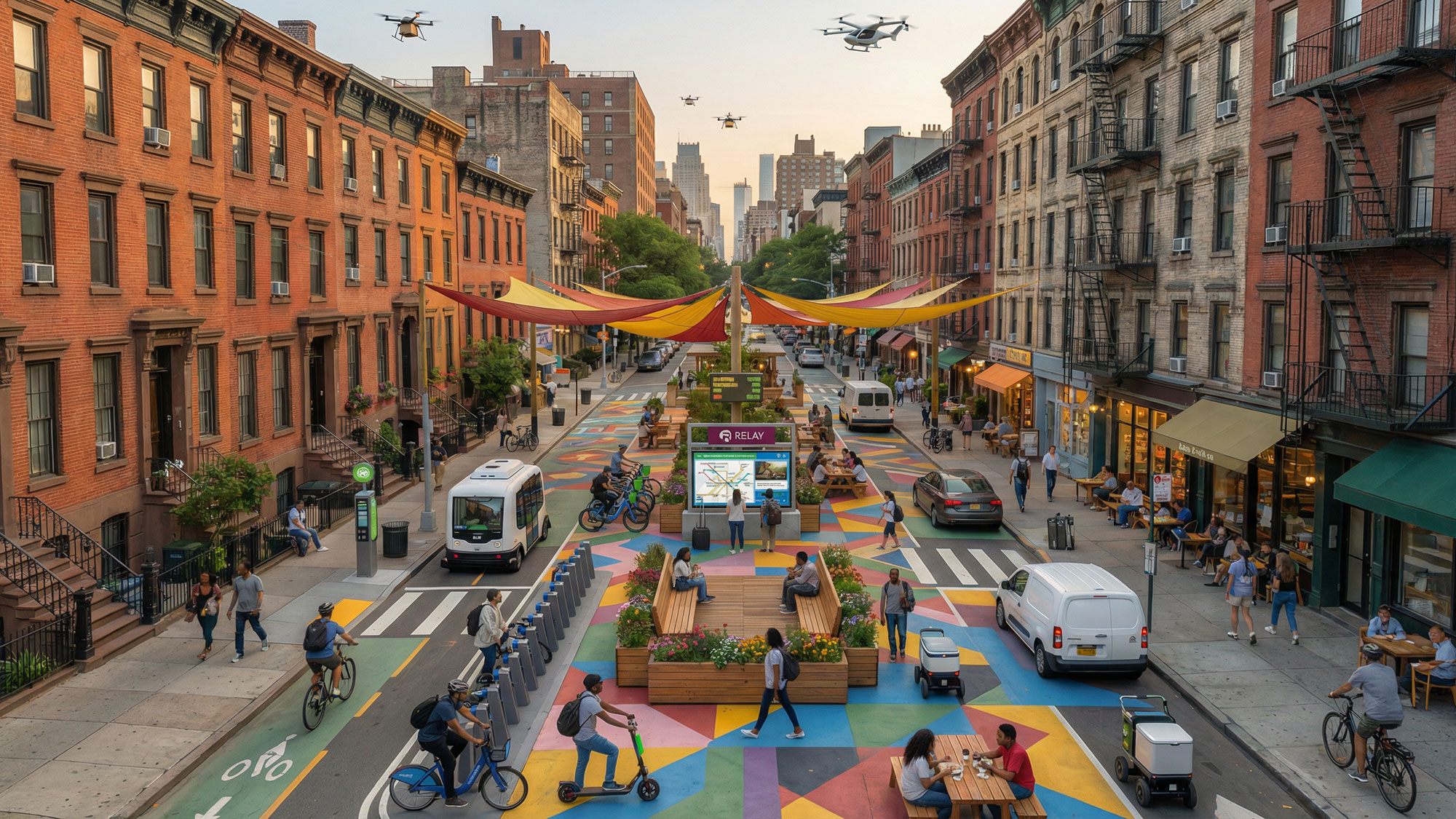
Cities invest billions in transit systems, mobility platforms, and digital transportation tools, yet mobility in many cities still feels inaccessible, fragmented, and increasingly chaotic.
From New York to Singapore, urban mobility has expanded rapidly through rideshare, micromobility, delivery services, and emerging autonomous vehicle networks. But despite this growth, access remains uneven, and the experience often feels disconnected and unreliable.
The challenge is not a lack of mobility choices. It is a lack of coordination at the point where those systems physically converge: the curb.
Today’s curbs are expected to support pickups, drop-offs, deliveries, parking, scooters, bikes, transit access, and event traffic. Most were never designed for that level of complexity. But within that challenge lies a major opportunity for cities, mobility providers, and developers to rethink how curb space can better support movement, access, and economic activity.
Gensler’s City Pulse 2026 confirms this opportunity. While nearly 80% of respondents rate their city’s overall experience highly, only half say the same about transit. Technology can already optimize routes, predict arrivals, and manage fleets in real time. The breakdown happens where digital coordination meets physical infrastructure.
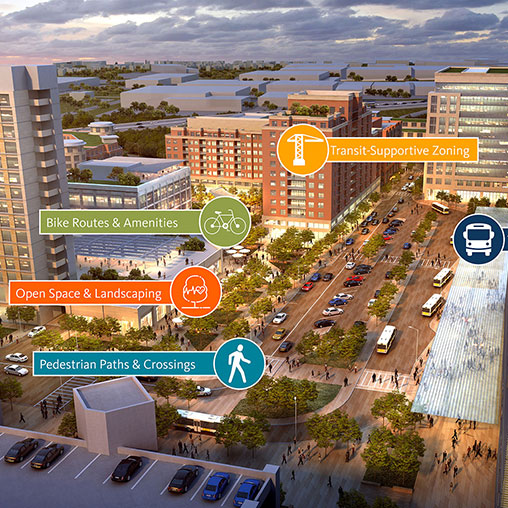
If cities think about curb spaces as part of a connected mobility network, new possibilities emerge. Better coordination between modes can improve transfers, distribute traffic more efficiently, expand access, and create more seamless and equitable urban experiences.
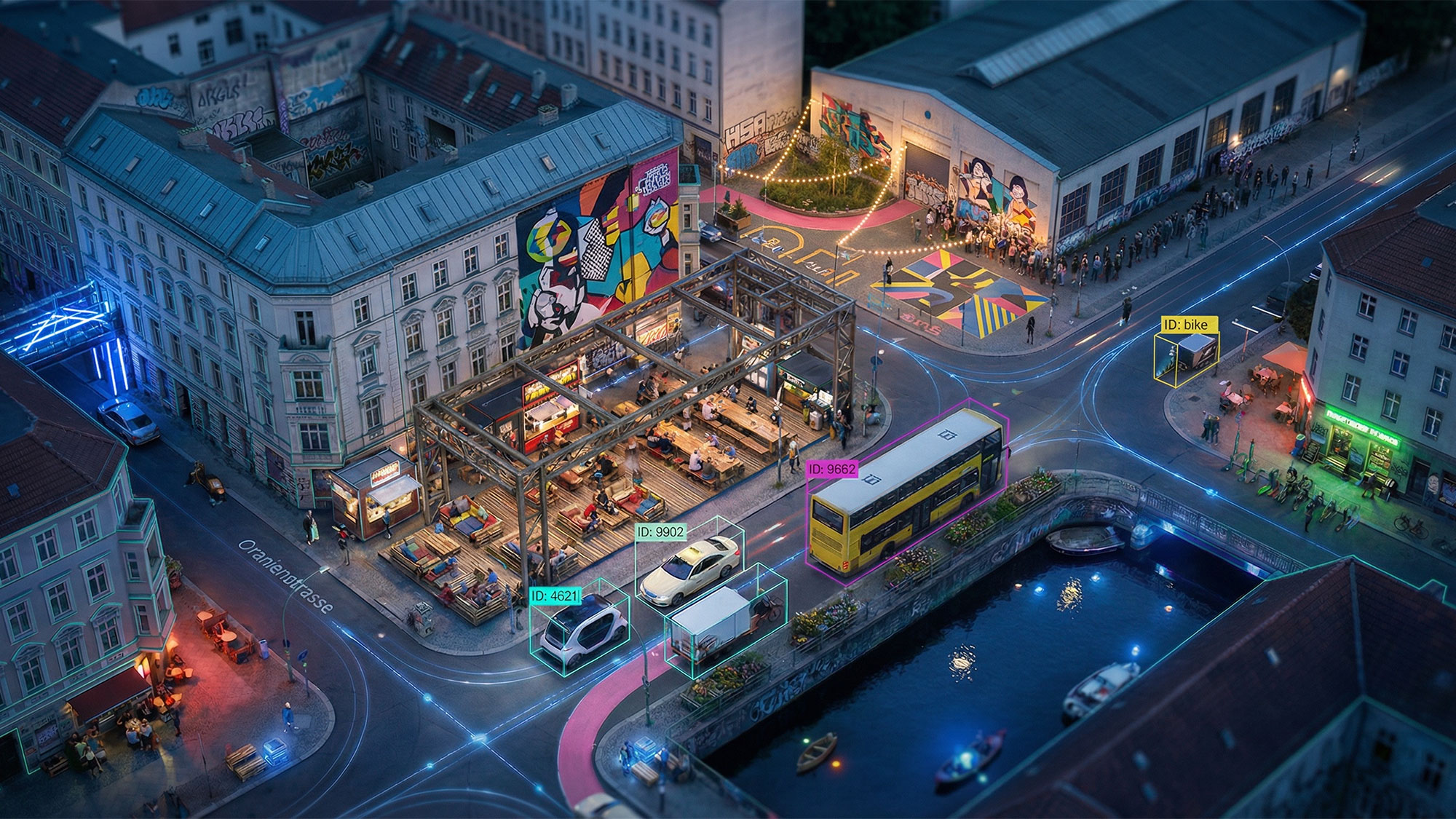
Microhubs at the Curb: Transit Relay Nodes
We believe the next evolution of urban mobility is not a new vehicle or app, but a new layer of infrastructure: the Transit Relay Node.
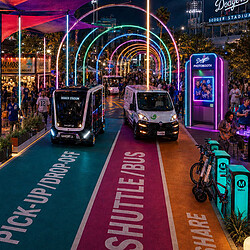
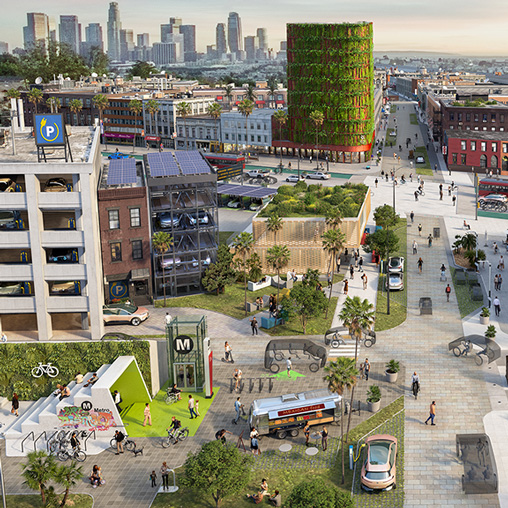
Transit Relay Nodes are small, modular mobility hubs embedded within existing curb space. They organize how people, vehicles, goods, and services interact at the street level. These nodes give cities the option to offset parking fees or public transit costs by renting curb sections to multiple service providers.
Each node is intended to:
- Clearly define where movement happens
- Coordinate multiple transportation modes in one location
- Create safer, more legible spaces for waiting and transfers
- Adapt dynamically to changing demand
- Bridge the gap between digital mobility systems and the physical urban experience
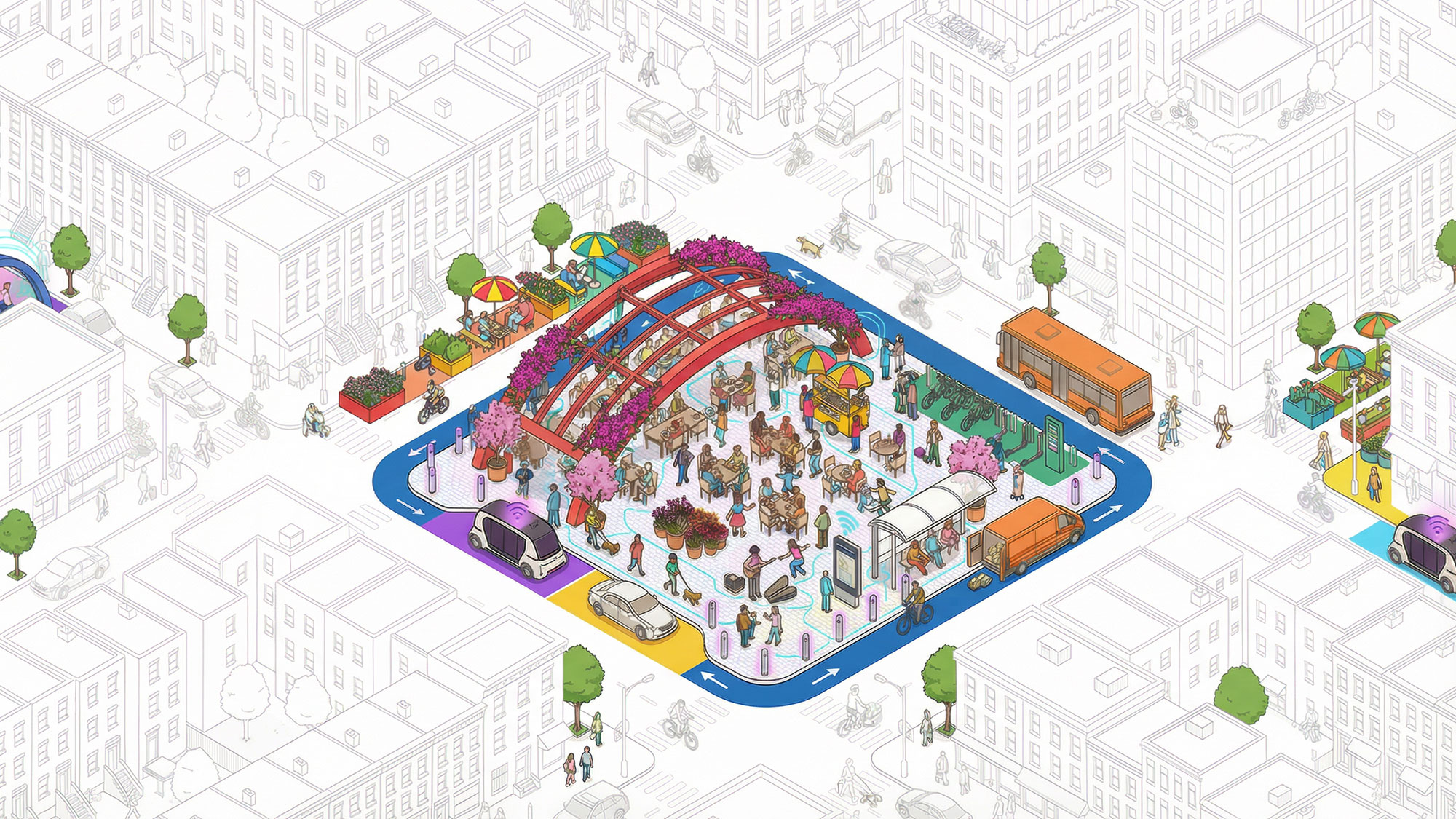
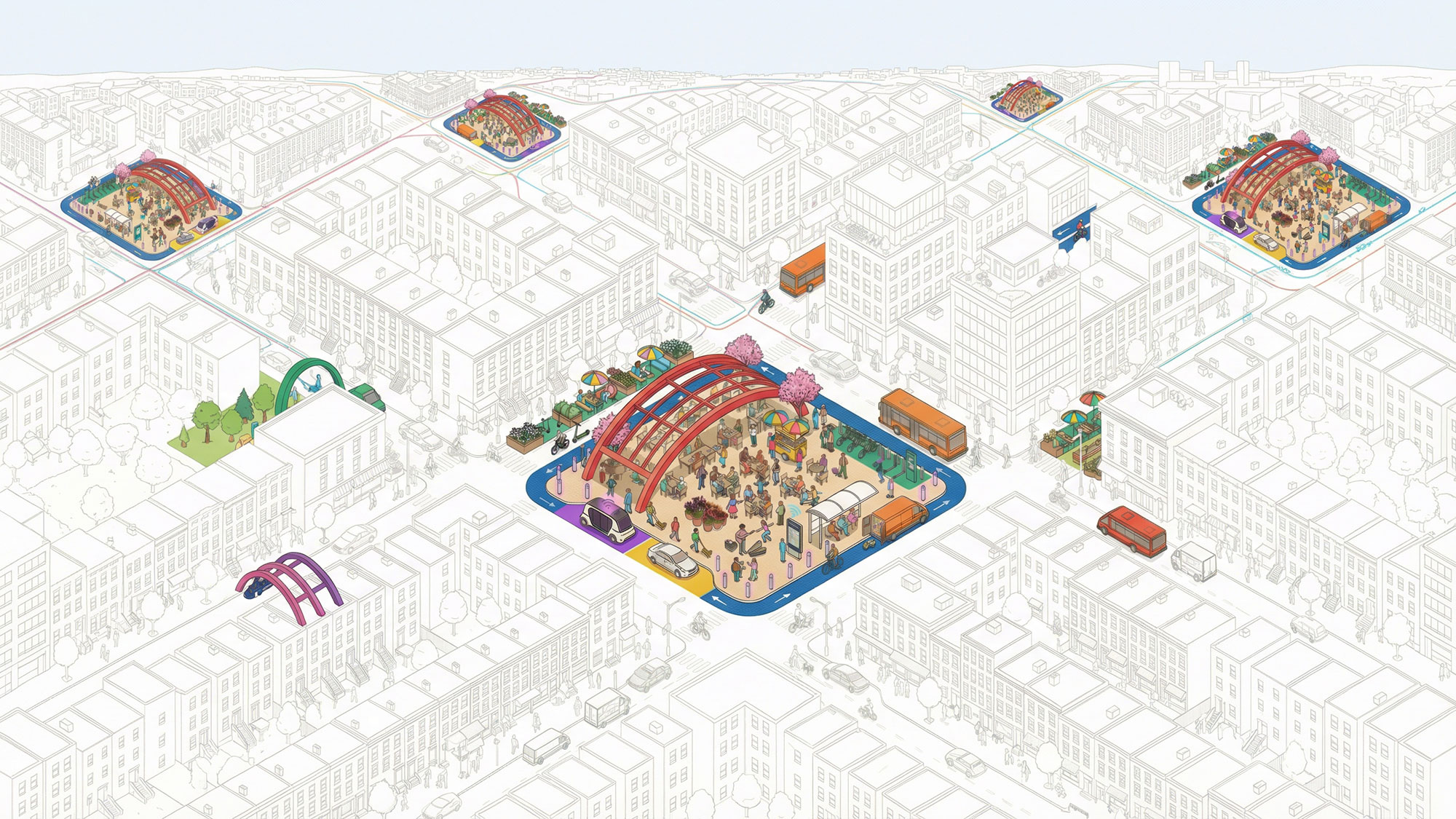
Unlike large-scale transit projects that require years of construction and major capital investment, relay nodes can be deployed incrementally within existing infrastructure. Cities, transit agencies, and private operators can pilot them quickly, evaluate performance, and scale implementation over time.
Instead of designing infrastructure around a single transportation mode, relay nodes create adaptable frameworks that can evolve alongside emerging technologies and behaviors. Individually, they reduce friction at key moments of movement. As a coordinated network, they can transform how an entire mobility system operates.
Relay nodes allow rideshare services, micromobility operators, public transit, logistics providers, and autonomous vehicle systems to function within a coordinated spatial framework rather than compete for fragmented curb access.
The result is a more legible, seamless transportation experience for users and operators. Transit Relay Nodes connect modes physically and digitally, improving transfers and reducing uncertainty.
When transportation systems feel predictable, safe, and easy to navigate, people are more likely to use them consistently. This shifts mobility from a fragmented series of transactions into a connected urban experience.
From Static Infrastructure to Responsive Systems
Relay nodes introduce flexibility at the smallest unit of the mobility system. Powered by real-time data, they can adapt curb use based on time of day, demand, and mobility priority. Planning and deployment can also remain flexible, allowing cities to map, test, and reconfigure relay locations as traffic patterns and neighborhood needs evolve.
The same node can support daily commuting patterns, accommodate surges, or respond to disruptions and traffic conditions. This adaptability is especially valuable in cities preparing for large-scale global events, such as the 2028 Summer Olympics in Los Angeles, where transportation systems will need to accommodate significant fluctuations in demand across multiple districts.
Reliability is one of the most important indicators of a successful mobility system, and it is often at transition points, such as waiting, transferring, or locating pickup zones, where uncertainty and safety concerns are highest.
Relay nodes address those challenges:
- Clear spatial organization reduces ambiguity
- Integrated wayfinding simplifies navigation
- Real-time mobility information improves predictability
- Defined waiting environments enhance both perceived and actual safety
These interventions may appear small individually, but collectively they can reshape how users experience urban transportation systems.
At scale, the network becomes even more valuable over time. Each node generates operational insights about movement patterns, transfer behavior, arrival times, and service demand. Combined with broader urban datasets such as ridership, land use, and traffic patterns, cities can better understand how mobility systems perform in real time.
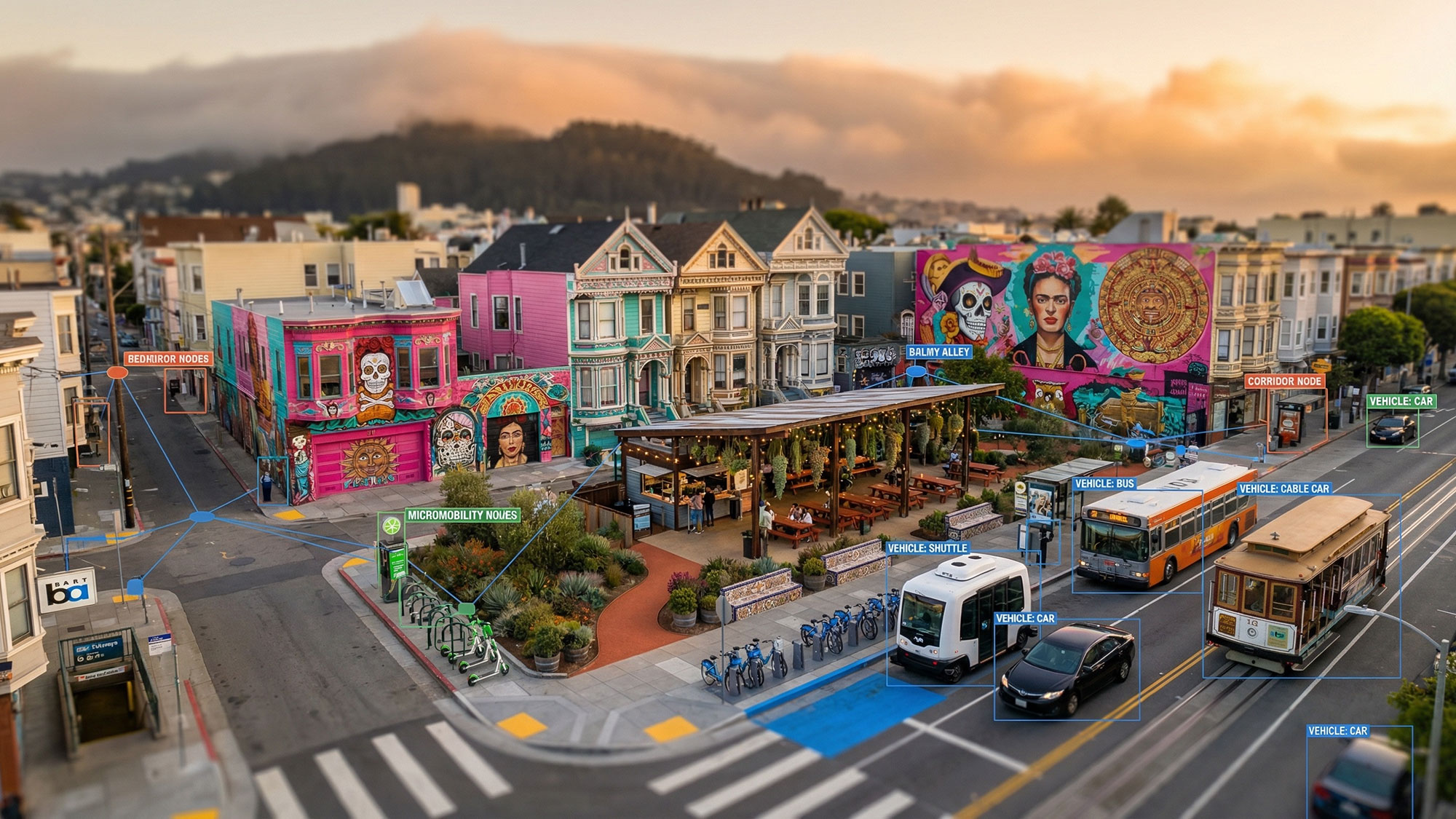
Infrastructure as a Community Platform
For decades, mobility infrastructure has prioritized efficiency over experience — designed around systems, not the communities they serve. Transit Relays create opportunities for curb space to support both movement and community activity.
A relay may function as a pickup zone during peak commuting hours while also supporting a coffee kiosk, neighborhood vendor, bike services, or small-scale public programming throughout the day. This creates a more efficient use of public space while contributing to neighborhood identity and street-level activity.
Historically, infrastructure systems often doubled as civic gathering spaces. Transit Relay Nodes reintroduce that possibility into contemporary cities by creating more human-centered transportation environments. The curb becomes a flexible public infrastructure that contributes to economic activity, neighborhood identity, and street-level vibrancy.
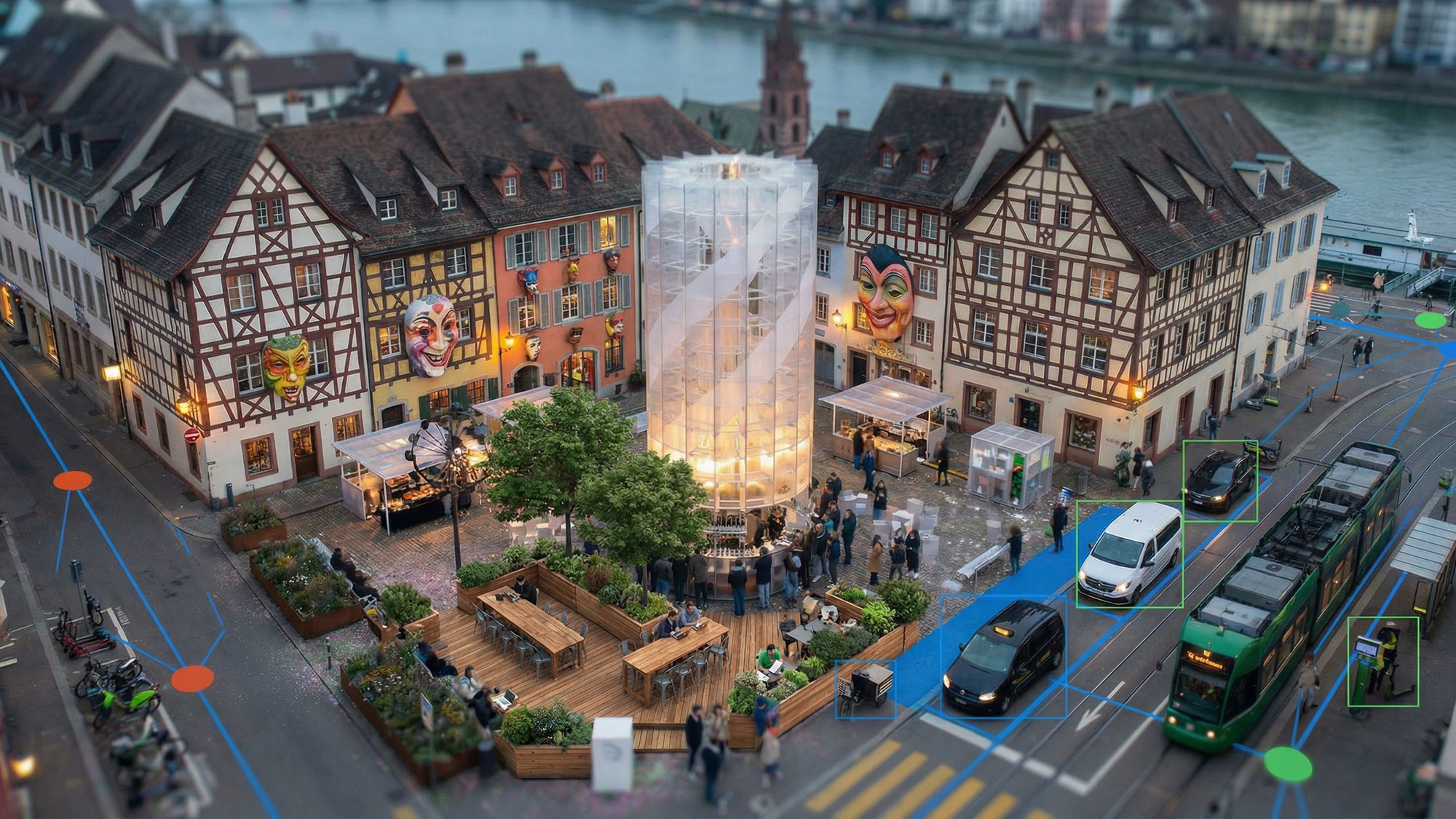
Implementing Connected Curbs at Scale
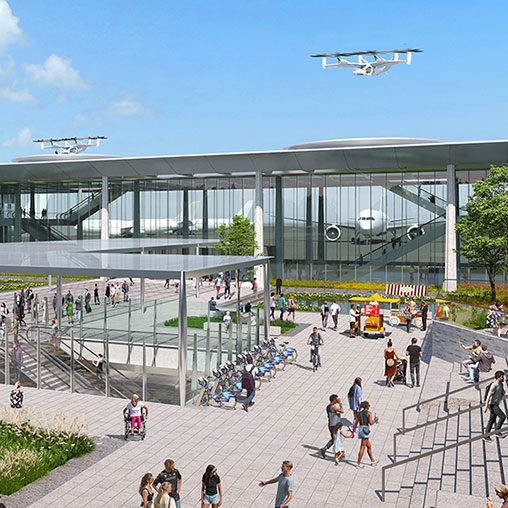
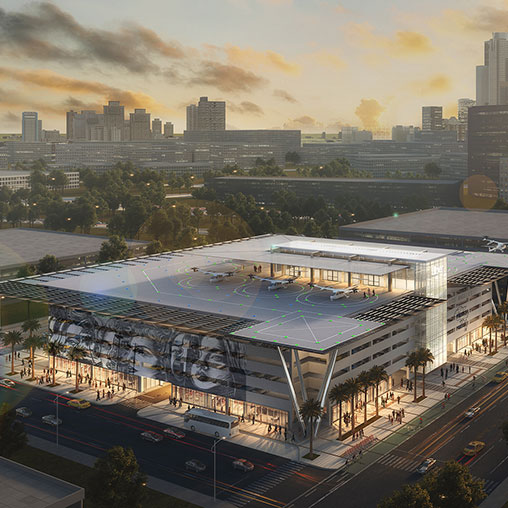
In entertainment districts or stadium zones, nodes can coordinate rideshare activity and pedestrian movement during large events. Near airports, they can simplify transfers. On university campuses or mixed-use developments, they can organize micromobility and deliveries.
Because the system is modular, cities and private partners can begin with targeted pilot districts before expanding into larger coordinated networks. This incremental approach lowers implementation risk while creating measurable operational and user experience improvements over time.
As parking declines and mobility behaviors shift, curb space is becoming a strategic asset. Connected curb infrastructure allows cities to dynamically manage that space, aligning curb use with real-time demand and community needs.
For developers and property owners, access to integrated mobility systems is a growing competitive advantage. Just as transit access has historically influenced property values, seamless multimodal connectivity can improve tenant experience, accessibility, and long-term asset performance.
Connected curbs represent a new framework for cities to organize movement, allocate public space, and ultimately transform the urban experience.
For media inquiries, email .