How Bangalore’s Transit Corridors Are Redefining the City’s Spine
As India expands its metro networks, stations can anchor public life, strengthen neighborhoods, and support transit-oriented development.
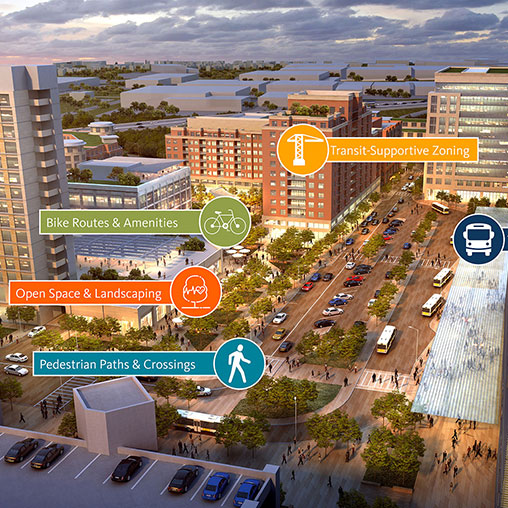
In rapidly urbanizing economies like India, transit hubs are critical infrastructure — tools for managing population density, reducing traffic congestion, and driving economic growth. In India’s fastest-growing cities, transit-oriented development (TOD) has become an essential planning priority. When cities treat transit points as civic infrastructure rather than mere utilities, those stations become the connective spine that binds neighborhoods, economies, and communities together.
Gensler’s Design Forecast identifies a global shift away from car-centric mobility, with cities investing in new infrastructure for public transportation and micromobility. For Indian cities, this shift creates an extraordinary urban opportunity. As metro networks expand, new and existing stations can serve as lifelines for daily commutes, informal economies, social exchange, and urban resilience.
Global Precedents: Stations as Urban Anchors
Successful railway corridors have long played this pivotal civic role across the globe. In London, the Underground’s stations anchor the streets, markets, and public life, intentionally woven into the urban fabric so they become part of the city’s memory. In Paris, stations double as cultural and civic spaces, connecting commuters to local markets, cafés, museums, and residential areas.
Singapore, Hong Kong, and Dubai represent the next evolution. In these cities, transit hubs operate as layered ecosystems integrating commerce, leisure, and identity. Each demonstrates that stations can shape a city’s daily experience when design connects infrastructure to the public realm.
India’s Metro Expansion: An Opportunity at Scale
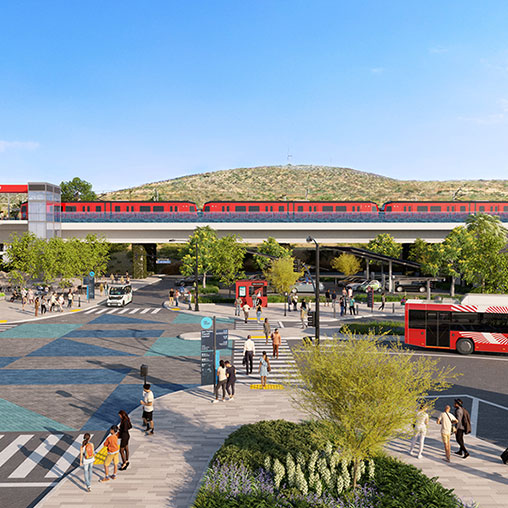
India’s metro expansion now gives cities the opportunity to apply these lessons at scale. Many stations already support essential functions, such as ticketing, circulation, and safety. The next step is to strengthen the experience around those functions — through intuitive wayfinding, comfortable places to pause, visible civic character, and stronger connections to surrounding streets and neighborhoods.
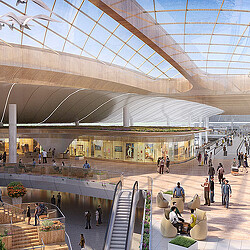
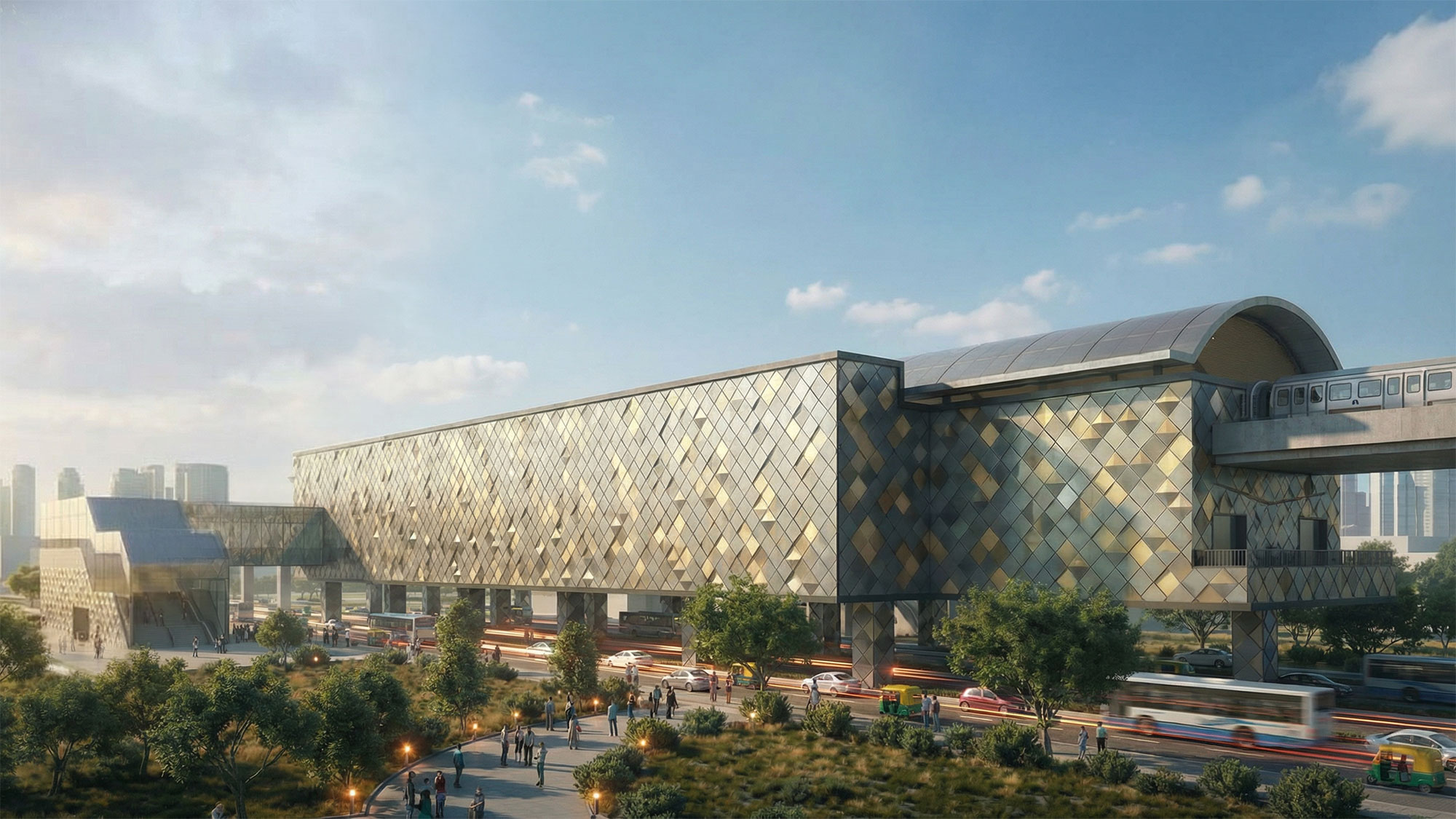
Public-private partnerships can accelerate this transformation. The Prestige Bellandur Metro Station in Bangalore exemplifies that opportunity. Developed through a publicly owned, privately operated (POP) model between Prestige Group and BMRCL, with Gensler as the design partner, the project reimagines the station as an urban landmark and a catalyst for placemaking.
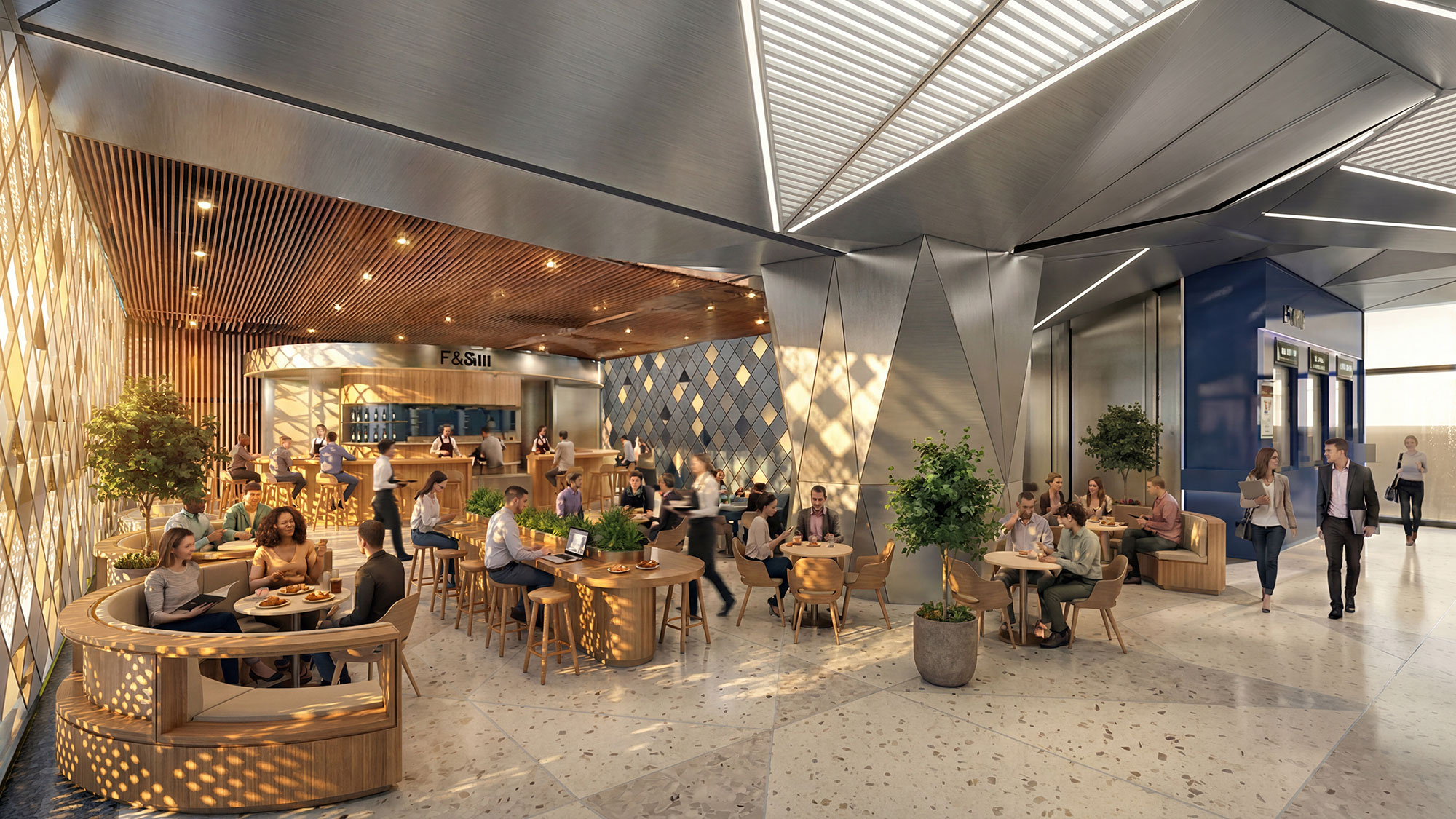
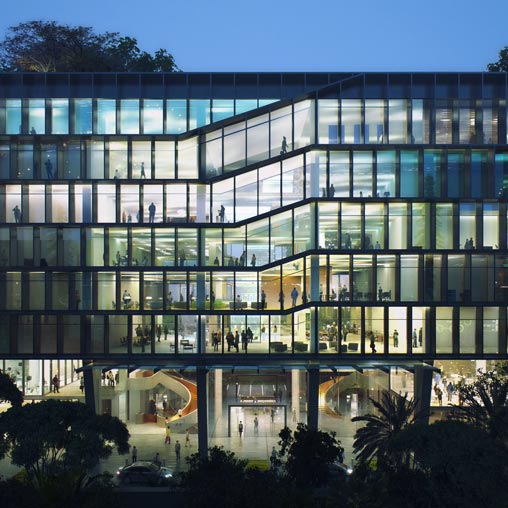
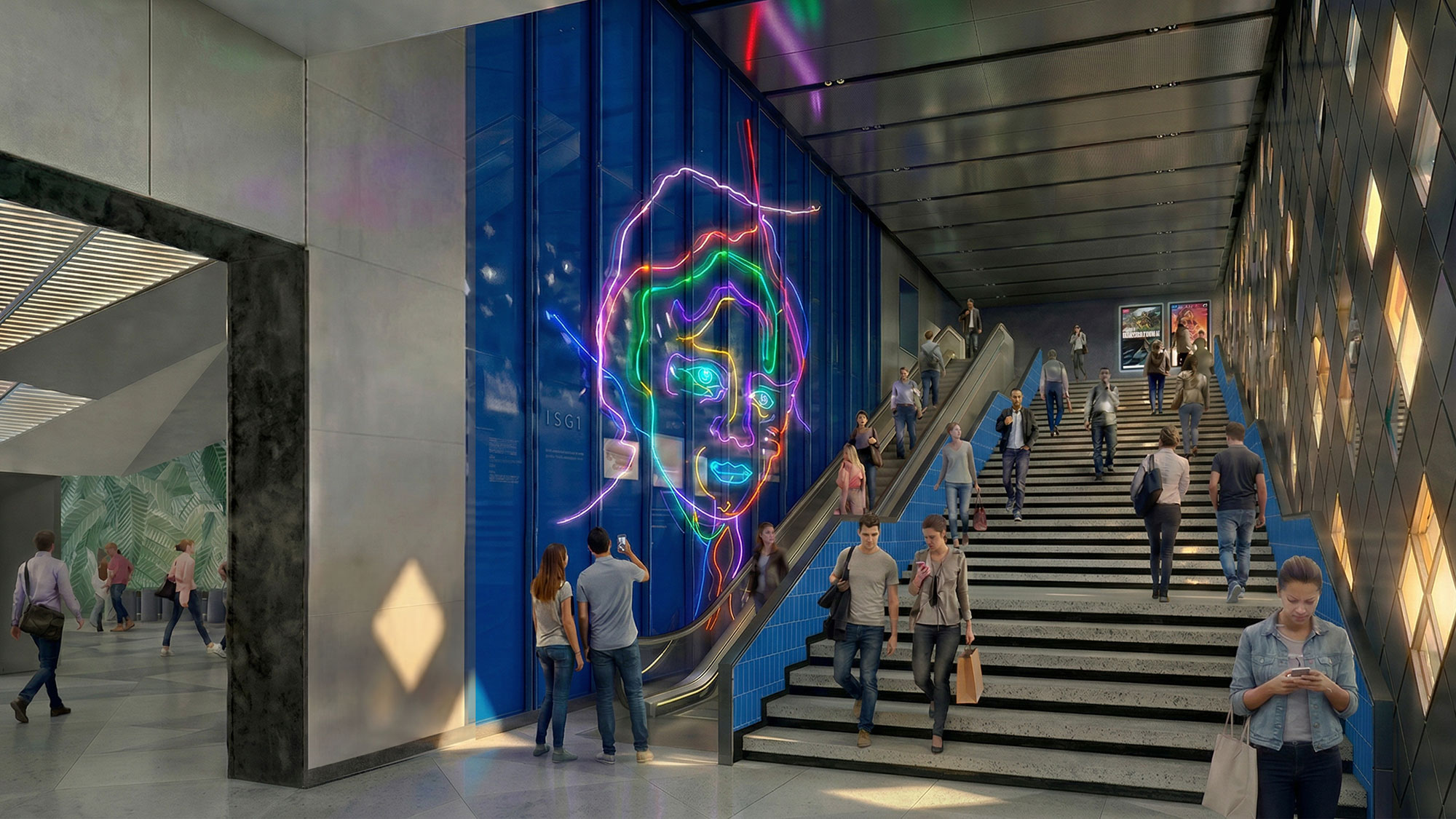
The design envisions the station as a “Living Prism,” a dynamic civic landmark whose facade reflects the city’s many identities. Situated in Bellandur, one of Bangalore’s evolving IT corridors, the station extends the energy of the street into the transit experience. Its form and public-facing spaces help create a more connected district, giving commuters, workers, residents, and visitors a stronger sense of arrival and place.
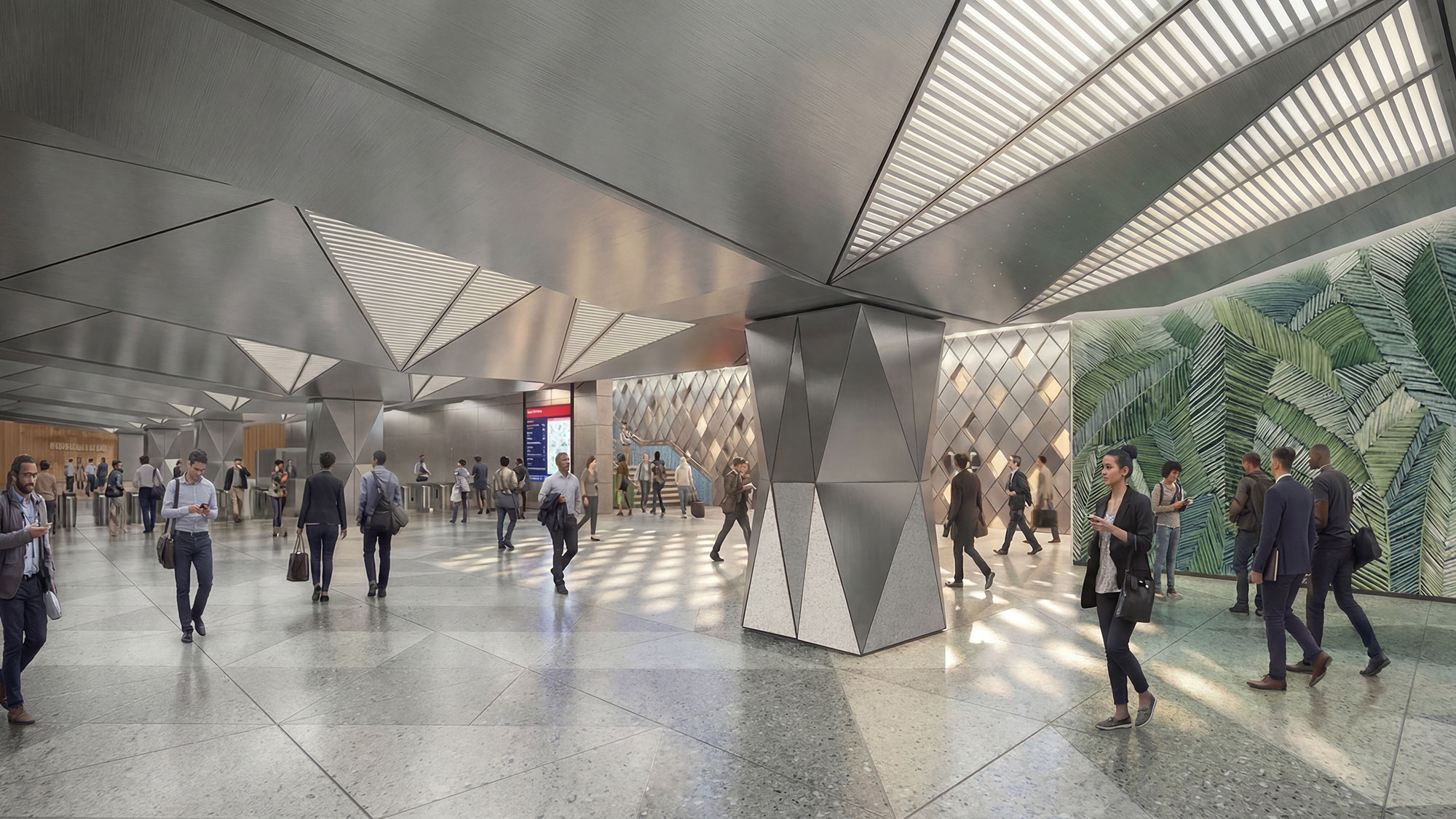
Bellandur’s growth also illustrates why TOD must address more than density and access. As the district continues to evolve, transit investments can build resilience. Thoughtful design can convert a transit hub into a thriving, people-centric anchor that serves both daily needs and long-term vitality.
A Framework for the Future
The Bellandur approach can guide future TOD projects across Bangalore and other Indian cities. A network of stations designed as civic spines — rather than isolated nodes — can collectively reshape how the city moves, meets, and grows. When infrastructure, architecture, and community align, transit becomes a framework for a more connected, resilient, and meaningful urban future.
For media inquiries, email .