Research Project Name
Designing Future Science Buildings for Human Connection
What We Did
Buildings have historically prioritized containment, control, and technical function over human experience. Designed around hazardous workflows and security needs, traditional research facilities isolate scientists from each other, their institutions, and the public. However, emerging technologies — particularly automation and AI — are beginning to shift this paradigm. As automated labs reallocate space, staff, and MEP demands, they also free up buildings to support new spatial priorities.
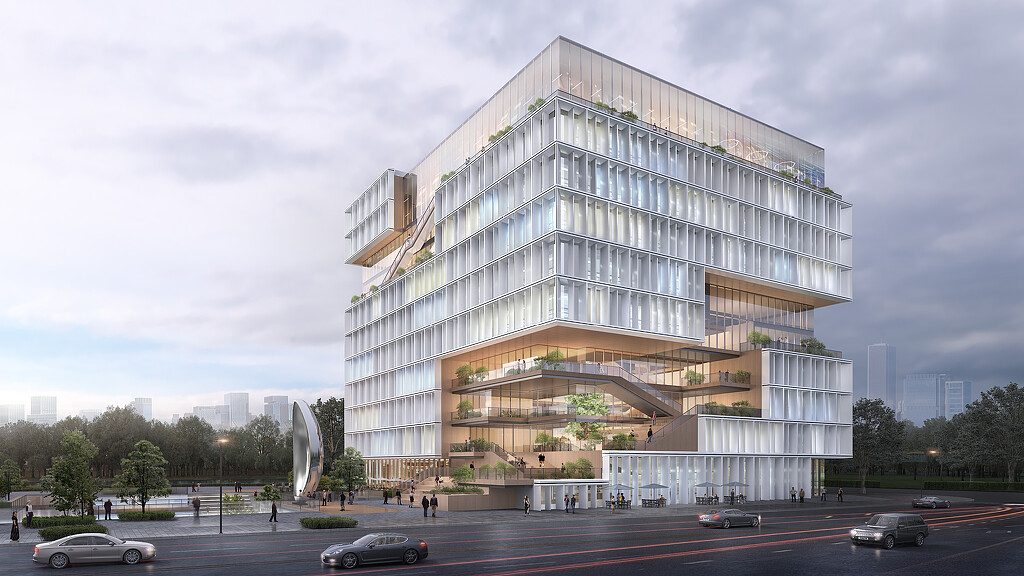
The Living Laboratory Initiative explored how emerging technologies, evolving research practices, and greater public engagement needs are reshaping the design of science buildings. Through speculative prototypes, this initiative tested new spatial models that prioritize collaboration, flexibility, wellness, and community connection alongside traditional research functions.
This research explores how future science buildings can be reimagined as integrated environments for focused work, interdisciplinary collaboration, wellness, and public outreach. Drawing from previous Gensler research and a series of experimental design studies, the project proposes new principles for reprogramming and reorganizing science buildings. Rather than isolating experimentation from experience, this research advocates for integrated design strategies that place scientists — and society — at the center of the building.
Learn More
Team
Richard Harrison, Jasleena Kaur, Eric Valsesia, Sheunghok Lim, Arlen Stawasz
Year Completed
2025
Comments or ideas for further questions we should investigate?
