Research Project Name
Reducing Gypsum Wallboard Waste for a Sustainable Future
What We Did
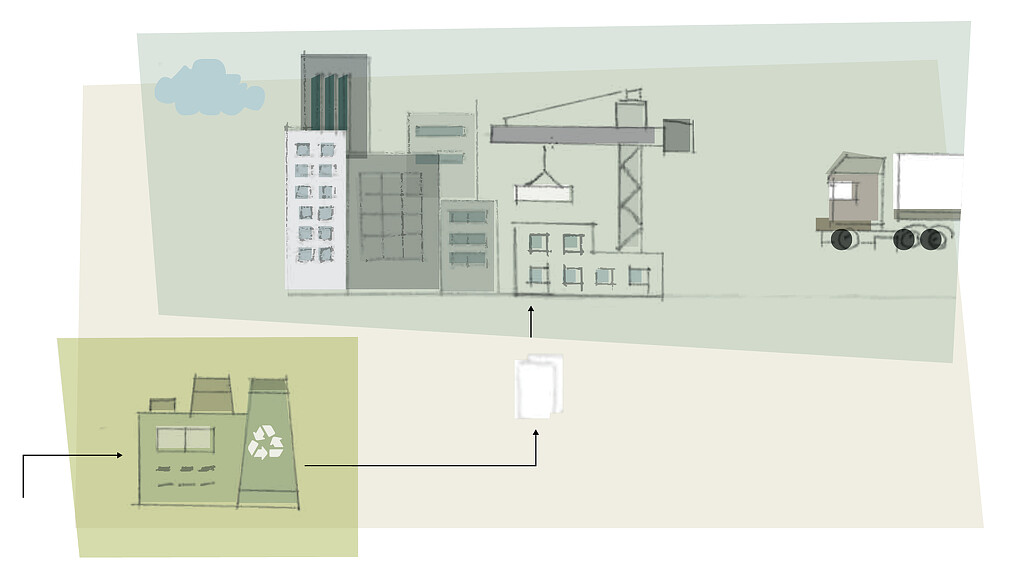
Gypsum Wallboard (GWB) is one of the most widely used building materials globally, valued for its affordability, versatility, and availability. With a global market of $62 billion that is projected to double in size by 2030, the environmental and human health impacts of GWB will continue to escalate. Despite its prevalence, little attention has been given to the end of GWB’s life cycle, leading to enormous waste. In the U.S. alone, over 13 million tons of GWB waste are generated annually, with most ending up in landfills. Discarded GWB leaches harmful compounds into soil and water while releasing hydrogen sulfide gas into the air, contributing to environmental degradation and public health risks.
Addressing this crisis requires a shift in mindset — from treating GWB as a disposable material to optimizing its circularity and resilience. This research examines the life cycle of GWB, identifying opportunities for reducing waste, increasing material reuse, and mitigating negative health impacts. By analyzing the Texas Gulf Coast region and engaging key stakeholders, we explore solutions that can inform global strategies for sustainable GWB management.
Learn More
Team
Rives Taylor, Michael Hernandez, Takudzwa Tapfuma, Susan Gauld, Suryabala Sah, Ganapathy Naga
Year Completed
2025
Comments or ideas for further questions we should investigate?
