December 03, 2025
Gensler’s 2026 Design Forecast: AI, Agility, and Adaptation Redefine the Future of Cities
From AI-powered design intelligence to radical adaptive reuse, Gensler reveals six forces transforming real estate value and urban resilience in an era of accelerating change.
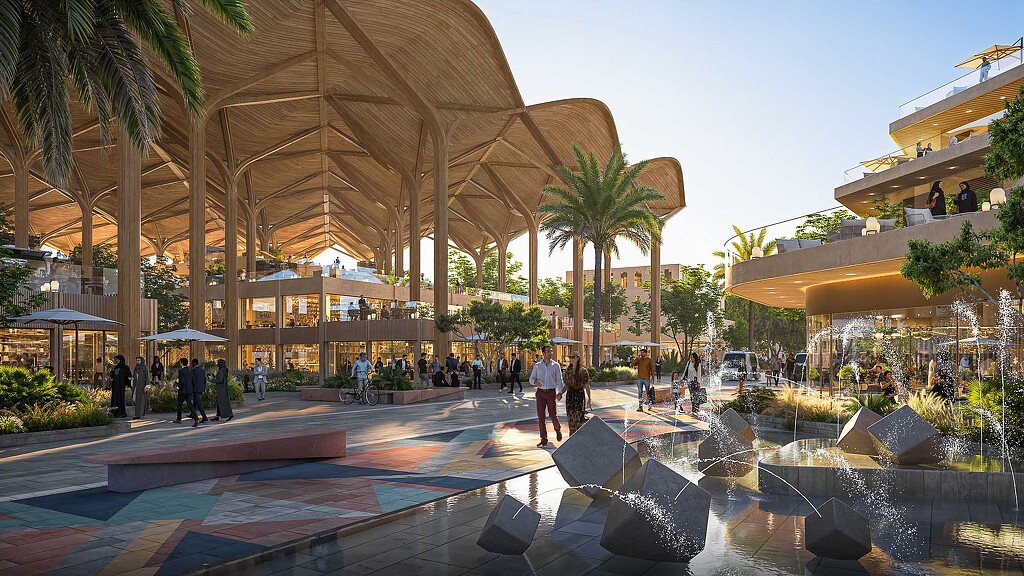
SAN FRANCISCO — Today, global architecture and design firm Gensler unveiled its 2026 Design Forecast, an annual report that identifies the top trends shaping the future of the built environment. This year’s forecast explores a tipping point for design — where AI meets imagination, agility fuels resilience, and the built environment transforms possibility into action.
For the first time, the 2026 Design Forecast introduces country- and region-specific insights, showing how global design forces take shape through local priorities — from Europe’s cultural vibrancy and people-centered livability, to Asia’s innovation in dense, fast-growing cities, to the Middle East’s focus on quality of life and resilience. The expanded digital edition features interactive visualizations, data from Gensler’s City Pulse research, and actionable findings across the firm’s 33 practice areas.
Gensler Co-CEOs Jordan Goldstein and Elizabeth Brink said: “Design has always been about imagining what’s next. Today we’re seeing an extraordinary convergence of technology and creativity that’s expanding what’s possible. AI isn’t just accelerating our work — it’s revealing patterns in human behavior we’ve never seen before. At the same time, economic volatility is making design agility essential. The organizations that thrive will be those that blend data-driven intelligence with human imagination, turning today’s complexities into tomorrow’s opportunities.”
Six Trends Shaping Design in 2026:
- Experience Becomes the True Measure of Real Estate Value: Immersive experiences such as sports-anchored lifestyle districts draw people because of the emotions they inspire and the stories they tell, not because of how big they are. Successful spaces deliver narrative connection, delightful moments, and emotional transformation to earn attention.
- Welcome to the Next Workplace Revolution: With competition for talent heating up and businesses doubling down on their national footprints, organizations are taking bolder steps to evolve their workplace interiors than at any point since the pandemic. Their goal: reconnect people with purpose and deliver daily strategic value that attracts talent, drives culture, and sparks innovation.
- Agility and Intelligence Turn Volatility into Advantage: As uncertain trade policies, high borrowing costs, and volatile supply chains drive up construction costs, design agility is a strategic imperative. Developers that combine predictive cost intelligence, data-driven insights, and real-time collaboration can anticipate disruptions, pivot quickly, and keep projects on track in an unpredictable market.
- AI Revolutionizes What’s Possible in the Built Environment: More than just an accelerant, AI is a creative force that’s ushering in a bold new era of design and placemaking. By uncovering the hidden patterns of how people experience buildings, it empowers designers to prototype, adapt, and reimagine space at a scale and speed never before achievable. AI is revealing opportunities that help organizations compete in an age where innovation, not just efficiency, defines success.
- New Uses for Existing Space Types Shape a Changing Urban Blueprint: The next wave of city design blurs the boundaries between culture, commerce, infrastructure, and community. Stadiums become stages for civic life, transit hubs are also exhibition spaces and entertainment venues, and retrofitted malls become universities and community hubs.
- Future Proof or Fail: If cities can’t survive tomorrow’s climate, they won’t succeed today. Extreme weather is only increasing in impact and speed, which means the urban real estate of the future must be flexible, durable, and regenerative, or risk becoming a liability.
As cities navigate rapid technological and environmental transformation, Gensler’s 2026 Design Forecast serves as a roadmap for turning complexity into opportunity. By leveraging AI as a creative partner, embracing agility as a design mindset, and advancing regenerative practices across sectors, the report empowers clients to translate global shifts into local strategies. From reimagined workplaces to resilient urban frameworks, it offers practical insights to help organizations design environments that thrive amid change — and define the next era of human-centered innovation.
About Gensler
At Gensler, the value of our work stems from its positive impact on the human experience. We are a dynamic and collaborative design firm uniting creativity, research, and innovation to solve complex problems for our clients. Our work challenges conventional ideas about architecture and the built environment. We aren’t just designing buildings — we are reimagining cities and places that make a difference in people’s lives. Founded in 1965, Gensler has built a team of 6,000 professionals who partner with clients in over 100 countries each year. Everything we do is guided by our mission: to create a better world through the power of design.
Media Contact:
Sara Munday
Global Director, Public Relations
For any media inquiries, please email
