Breathing New Life Into Campus Landmarks
How existing buildings can support future learners.
How can colleges adapt to the evolving student experience without losing the places that define their identity? For many institutions, the answer is not demolition — it’s transformation. Adaptive reuse gives campuses a way to modernize learning environments while preserving the spaces that connect students to history, culture, and community.
As campuses work to remain competitive and fiscally responsible, many are finding that the most strategic investment isn’t always building new. Often, it begins by reimagining what already exists.
The Old Becomes New
Adaptive reuse, or the process of converting existing buildings for new purposes, allows campus leaders to breathe new life into underused structures. Rather than replacing buildings that no longer serve their original purpose, institutions can transform them into spaces that support contemporary learning, collaboration, and student life.
For campuses pursuing sustainable growth, adaptive reuse is one of the most responsible paths forward. At its core, it is a form of conservation that identifies, preserves, and enhances the value of existing buildings, especially those in decline. It can also reduce environmental impact by reusing brownfield sites, easing strain on utilities and infrastructure, and lowering the financial burden often associated with new construction.
The result is more than renovation. It is the continuation of a building’s story, one that can shape generations of students and educators.
Higher Education at a Crossroads
Higher education is evolving. Colleges and universities are navigating fluctuating enrollment, rising operating costs, changing funding models, and growing affordability concerns. These pressures are reshaping how institutions think about growth, investment, and the spaces where learning happens.
Student expectations are changing as well — and diversifying. There is growing demand for flexible, lifelong learning environments that emphasize community, collaboration, and direct, hands-on experience. Education has also rapidly expanded into the digital sphere, and in a world where, for many, flexibility means being efficient with time, distance learning is an attractive option.
Limited access to higher education exists across many communities. This is especially true for those living in rural areas of the United States. Expanding educational opportunities often requires creative solutions that can reach underserved populations without placing greater financial strain on institutions.
Adaptive reuse can address these realities through practical, innovative approaches, such as converting a barn or farmhouse into an agricultural laboratory or transforming an abandoned armory into a technology incubator. In urban settings, adaptive reuse can give abandoned buildings a new lease on life — and a new purpose.
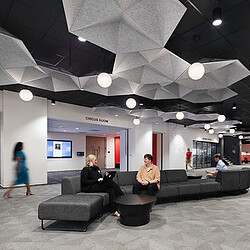
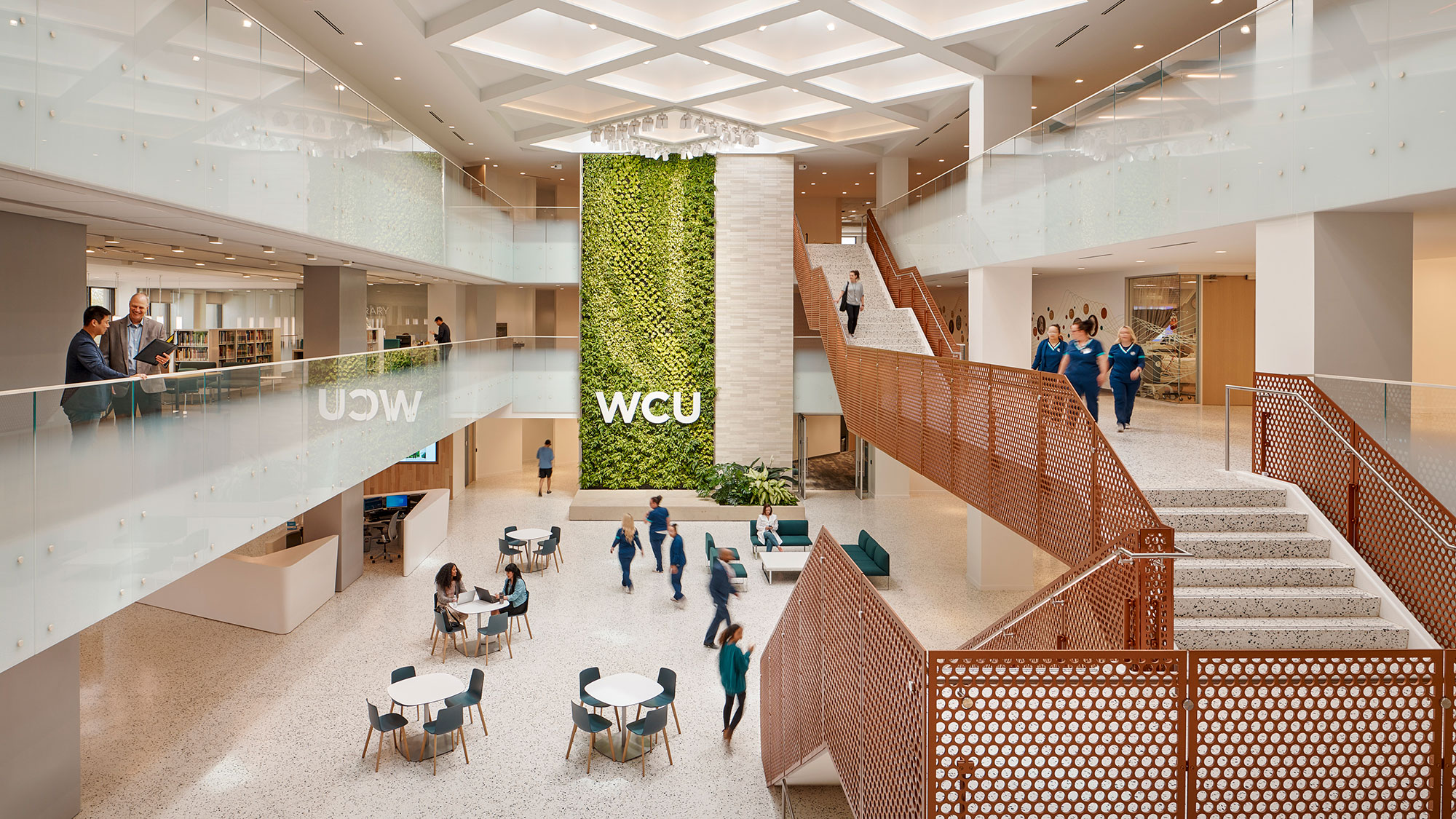
West Coast University’s Richardson campus demonstrates how converting commercial space can support healthcare education while maximizing the value of existing real estate assets. In doing so, the campus is playing a vital role not only in training the future workforce, but also in retaining them to serve the North Texas community.
Preserving History While Modernizing for the Future
One of the greatest strengths of adaptive reuse is its ability to preserve institutional identity while supporting modern educational needs.
Historic buildings often embody the traditions, values, and memories that define a campus. Rather than treating these structures as obstacles to progress, institutions can use them as foundations for future growth. With thoughtful planning and design, historic facilities can become contemporary learning environments while retaining the character that makes them meaningful. The result is a space that cannot be replicated — shaped equally by what was preserved and what was reimagined.
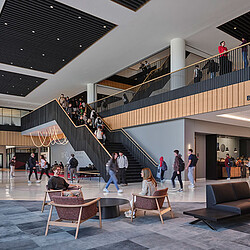
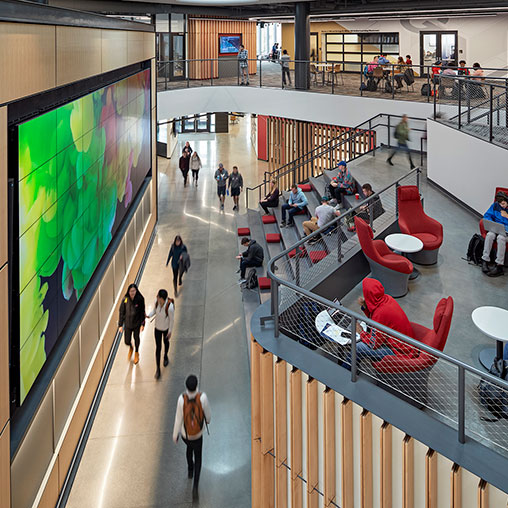
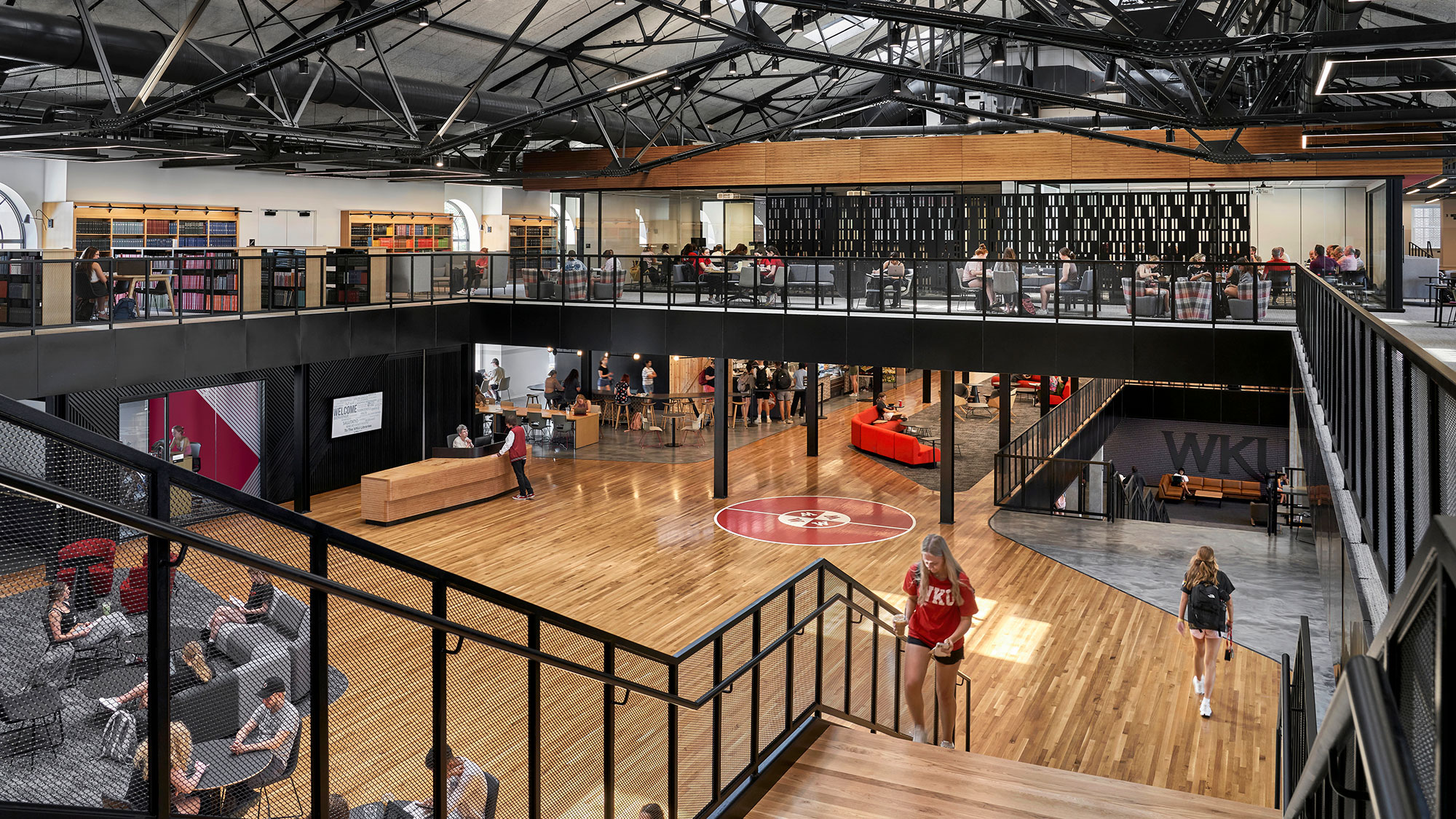
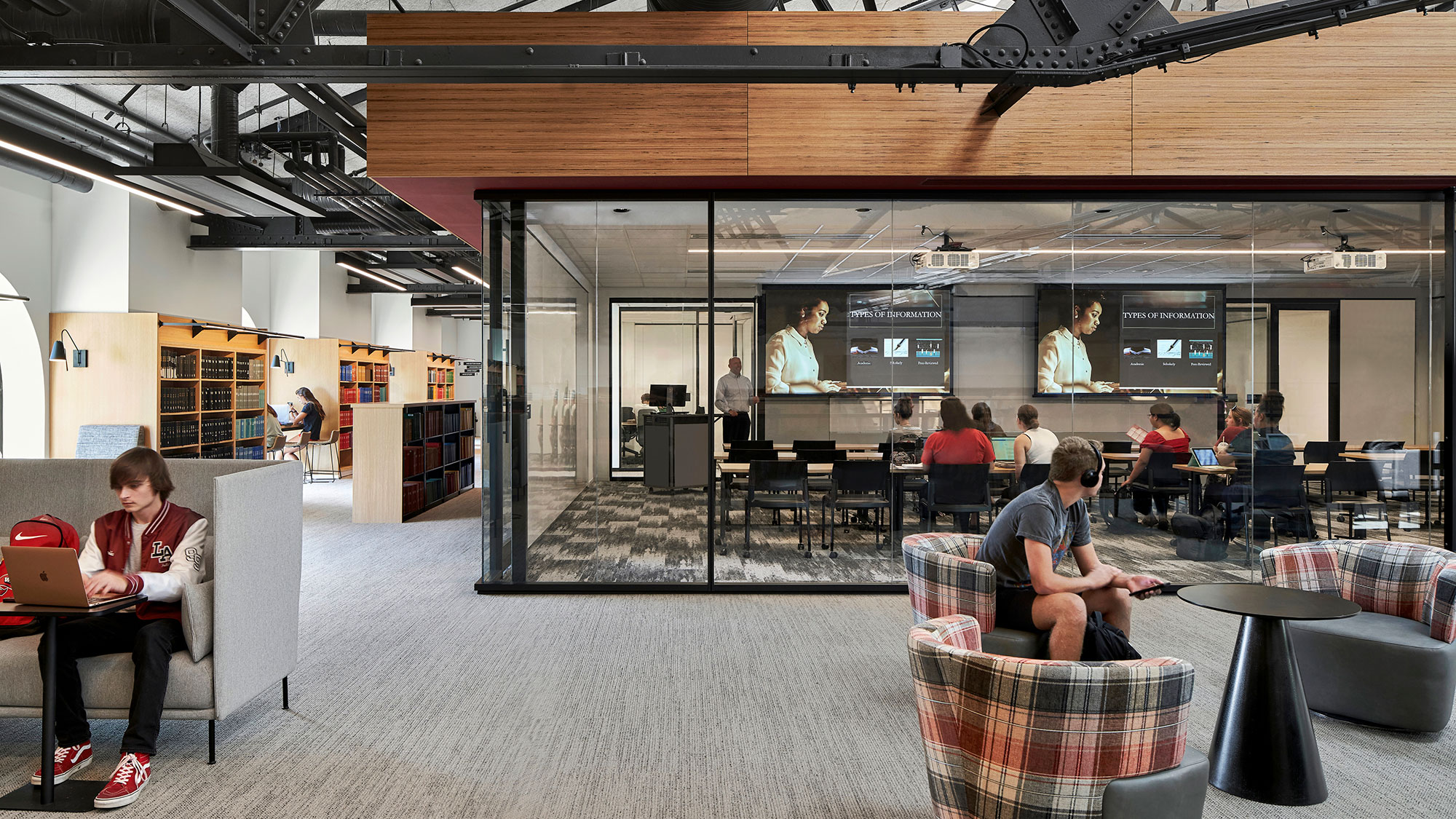
The Commons at Helm Library at Western Kentucky University illustrates this approach. The project reimagined a familiar campus landmark as a modern student destination while preserving its connection to the university’s history. By incorporating contemporary learning spaces, updated technology, and sustainable building systems, the facility shows how institutions can honor the past while preparing for the future.
Adaptive reuse can also serve as a valuable teaching tool. For students studying architecture, engineering, construction, and design, these projects demonstrate that innovation does not require demolition. They show that sustainable solutions often begin with understanding and reimagining what already exists.
For campuses with limited room to grow, adaptive reuse can be especially valuable. Institutions in dense urban areas or on constrained sites often face significant challenges when pursuing new development. Transforming existing facilities can provide a path for growth without requiring additional land or large-scale campus expansion.
From Commercial Buildings to Educational Centers
Some of the most innovative adaptive reuse projects in higher education involve transforming commercial properties into educational environments.
Creative thinking can unlock opportunities to convert office buildings, retail centers, and industrial facilities into spaces that support academic programs, workforce development, and community engagement. These projects often produce learning environments that differ from traditional campuses, allowing institutions to respond more directly to regional needs and emerging industries.
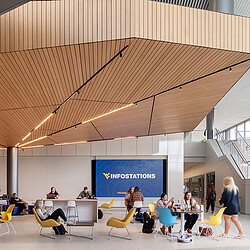
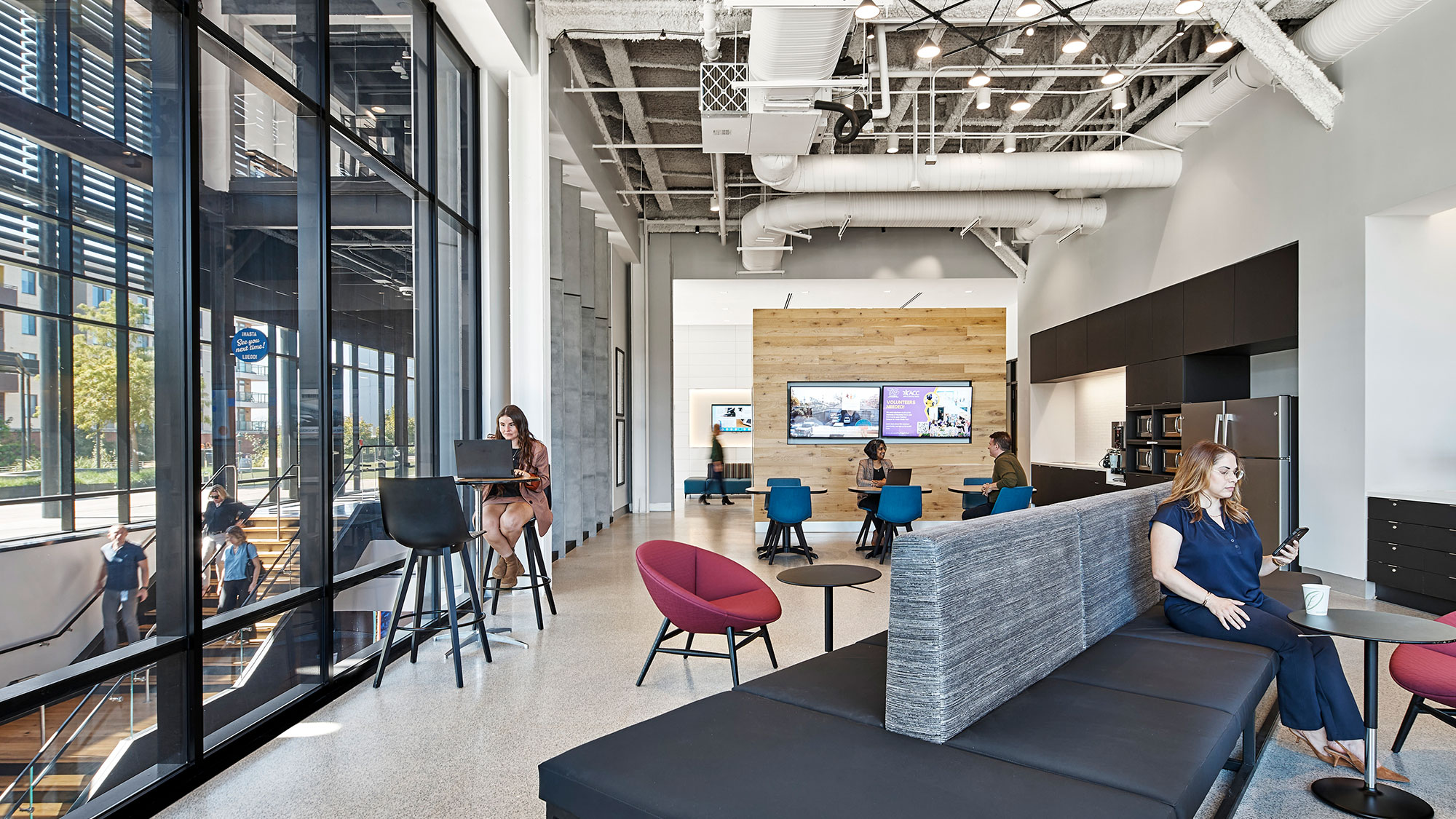
Austin Community College’s Highland Campus is a compelling example. The transformation of a former shopping mall into a thriving educational destination shows how commercial properties can be repurposed to support learning and economic development. The campus brings together education, workforce training, media, and community services in ways that extend beyond the traditional college model.
By bringing industry and academia closer together, institutions can create environments that expose students to practical applications and professional partnerships.
This approach is particularly valuable in healthcare education. As communities face growing demand for healthcare professionals, institutions are often constrained by limited land availability and development opportunities in urban areas. Repurposing existing commercial buildings can provide an efficient way to establish educational facilities where students and employers need them most.
The Case for Reusing What Already Exists
By reducing costs, minimizing environmental impact, and creating distinctive learning environments, adaptive reuse helps institutions do more with the resources they already have. More importantly, it shows that progress and preservation can work together to create meaningful places that inspire future generations.
The lesson extends beyond the structures themselves: buildings can be transformed for new purposes while retaining the qualities that make them valuable.
More than a strategy for campus expansion, adaptive reuse is an investment in the continued relevance, resilience, and identity of higher education itself.
For media inquiries, email .