Designing Soccer Training Centers for Peak Performance
Athlete-centered, data-rich performance campuses redefine excellence in the world’s game.
In the mid-1990s, a typical elite U.S. soccer training session meant a borrowed football field and a weight room in a converted warehouse. Coaches tracked performance using a stopwatch and a clipboard. Meanwhile, elite European clubs like FC Barcelona and Ajax Amsterdam’s professional teams and youth academies have operated for decades with purpose-built complexes and sports science labs, where every training session feeds into a sophisticated player development program.
That gap defined American soccer for decades. It’s finally closing.
Now that the 2026 FIFA World Cup is coming to the States, we’re starting to see how much the U.S. has invested in the sport. Unlike 90s-era facilities, these are integrated performance ecosystems where architecture, sports science, and real-time data converge.
Closing the Research-to-Practice Gap
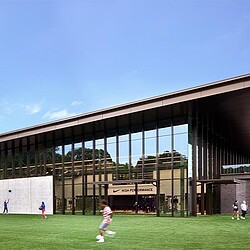
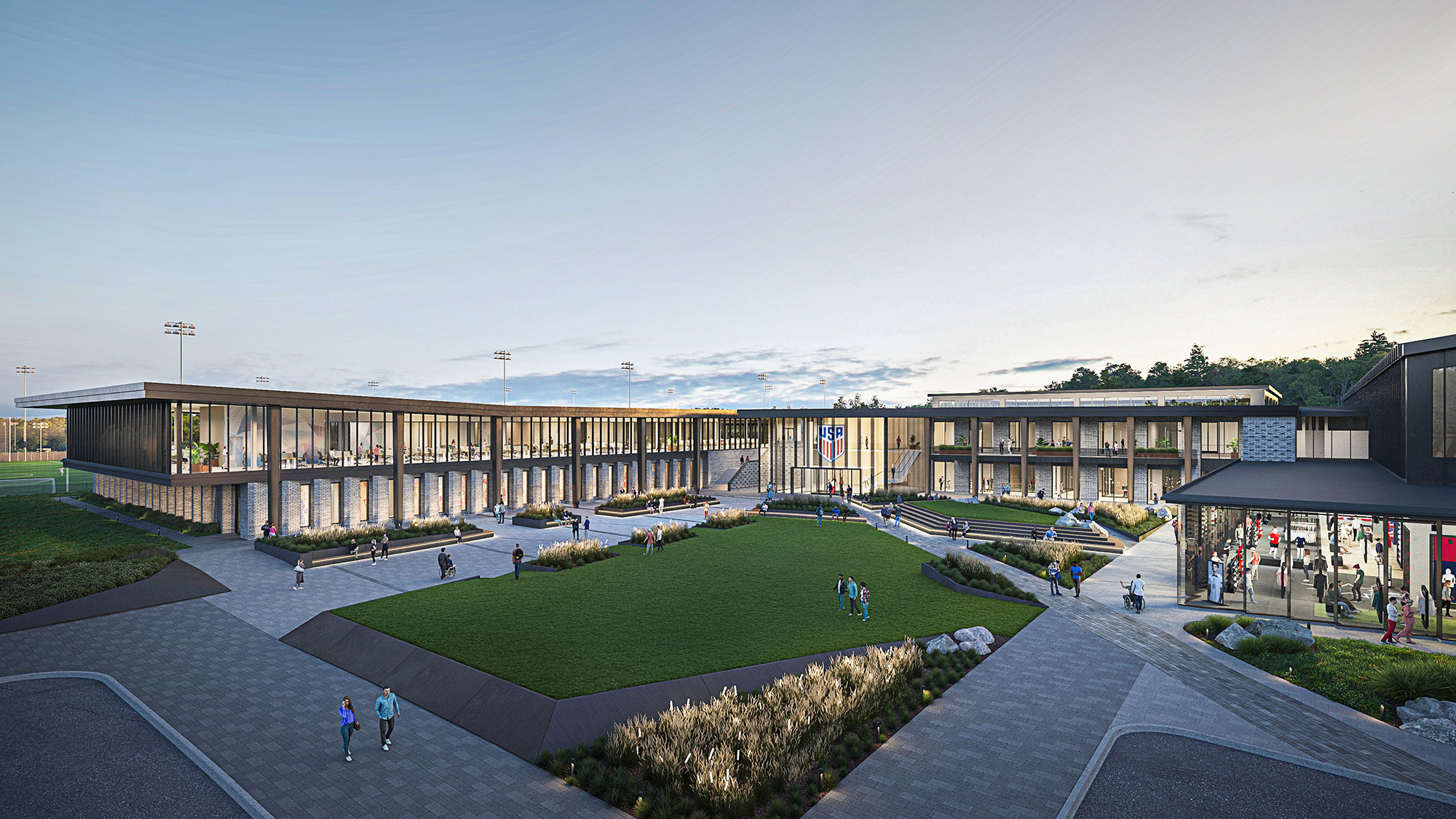
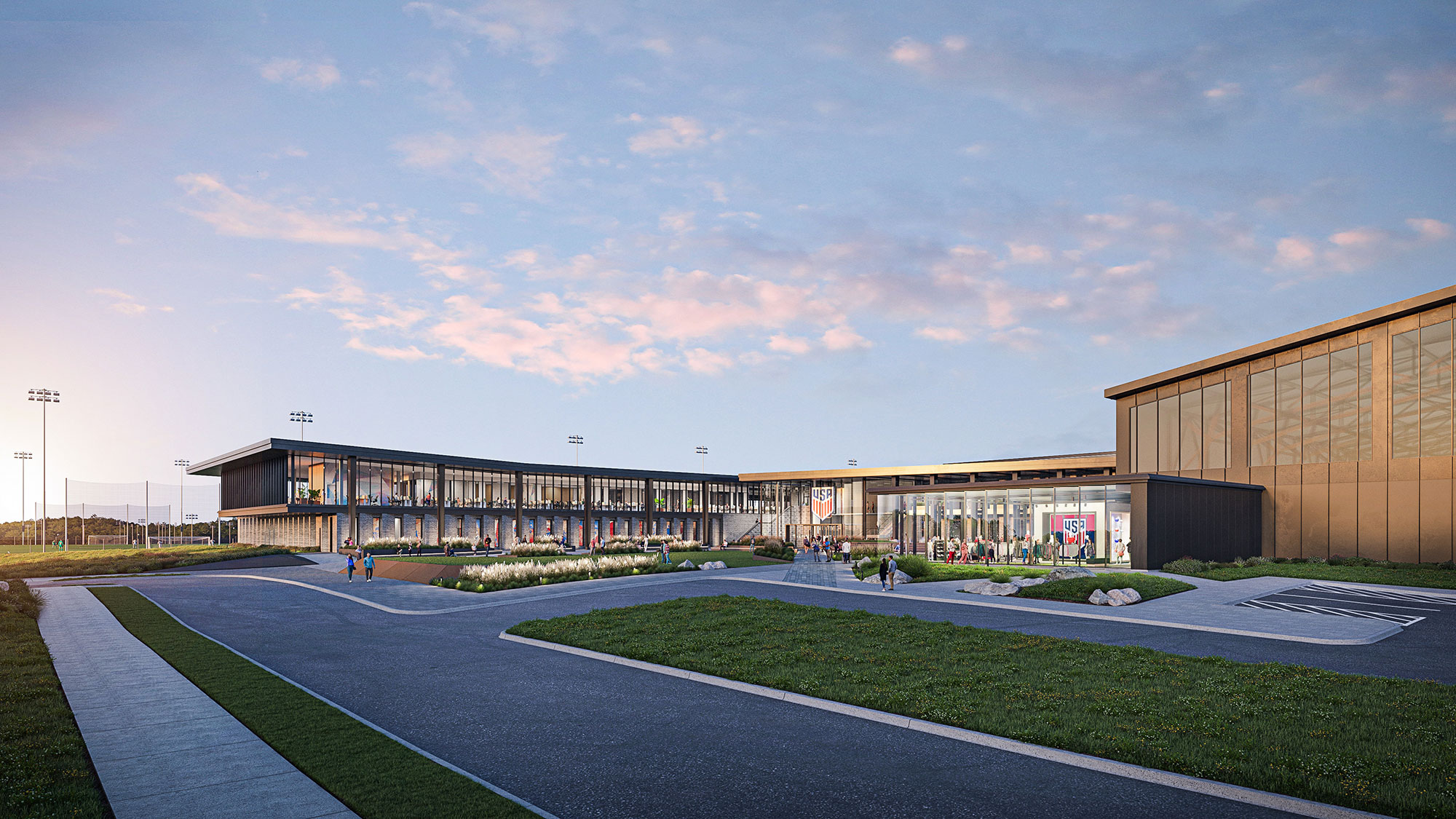
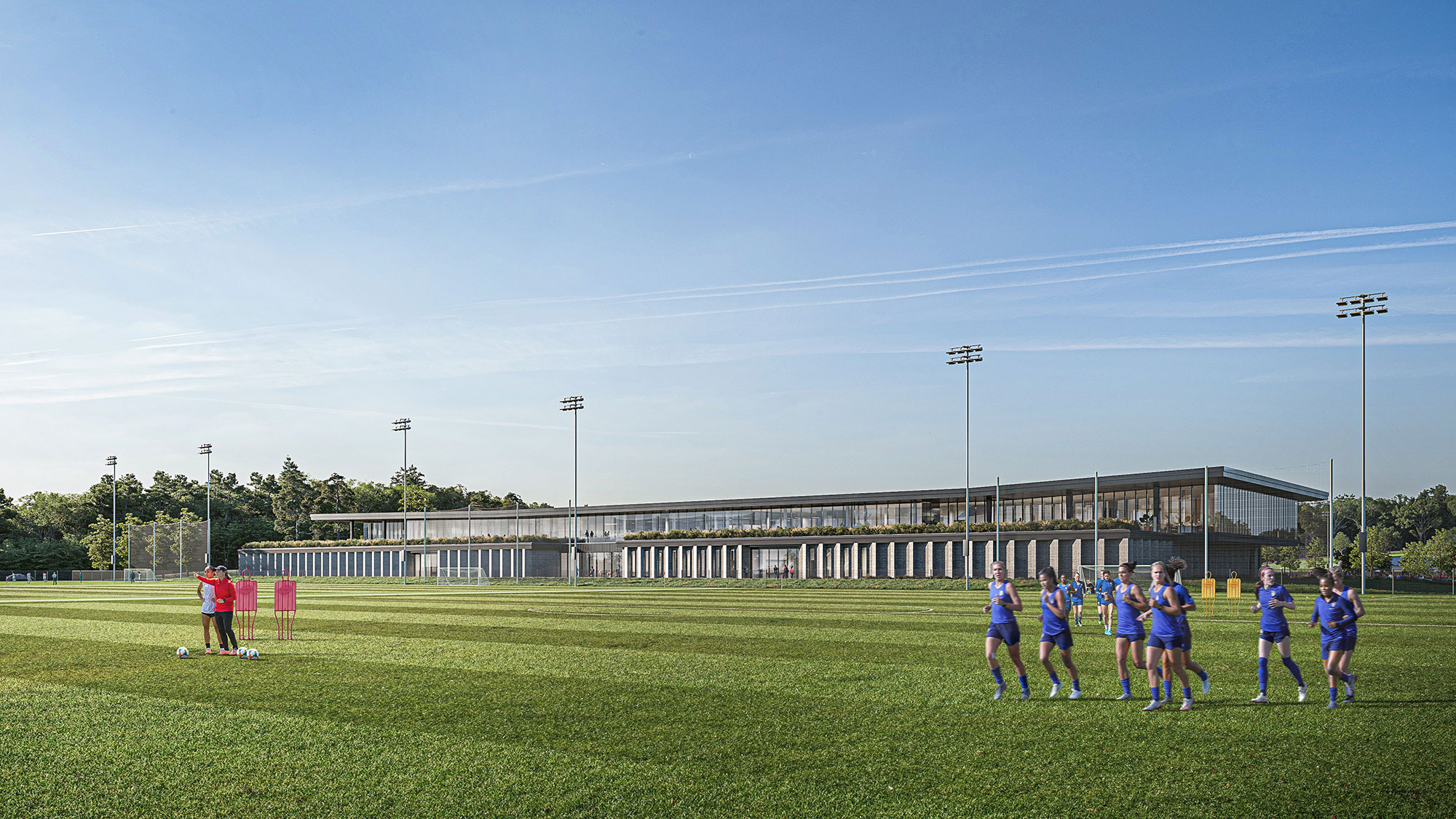
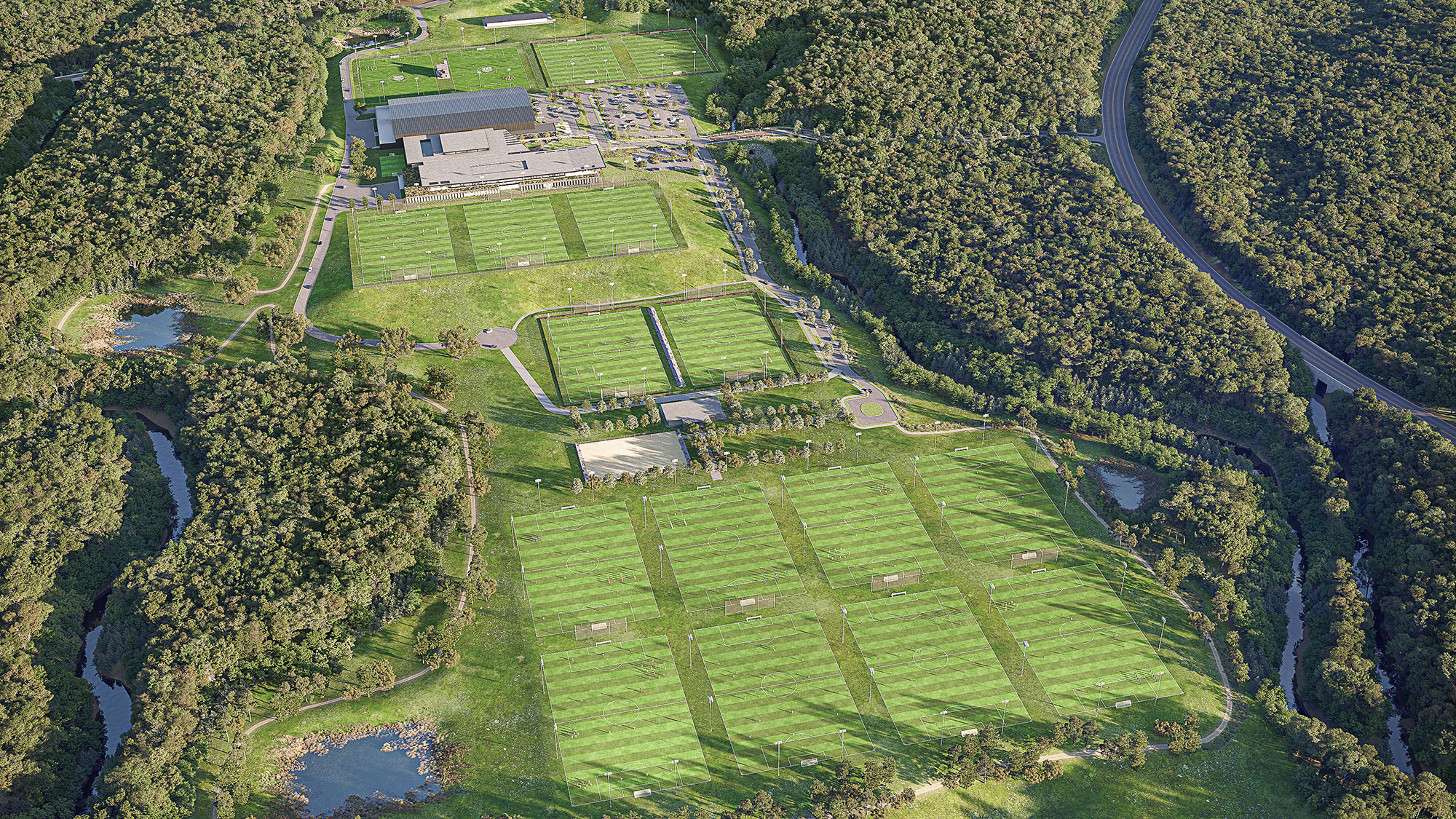
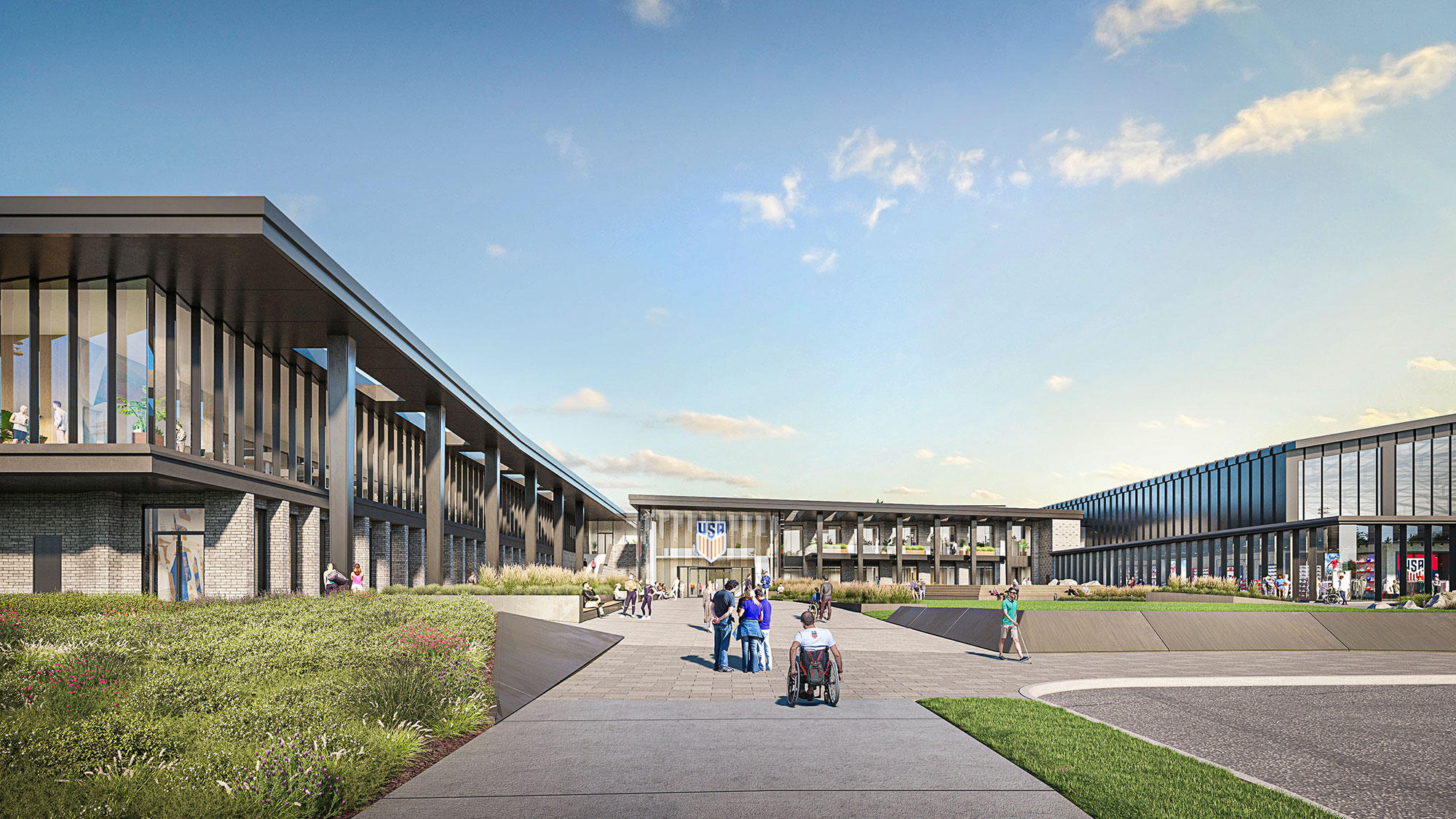
The Arthur M. Blank National Training Center (NTC) near Atlanta exemplifies this integrated approach. Designed as a single campus for all 27 U.S. National Teams, the 200-acre site brings together training, recovery, analytics, and research spaces that traditionally existed in isolation. An on-site sport research lab developed through a recent partnership with Nike brings biomechanics analysis, footwear testing, and injury prevention research directly to the training environment.
The NTC embeds sports science directly into daily training. Player movements and injury risk factors are analyzed within steps of the training pitches, allowing coaches and staff to adjust techniques and tailor recovery plans in real time. The campus operates on a “teaching hospital” model, where every training session captures valuable data-driven insights that inform the next one.
The center is designed to deliver peak performance for every athlete who uses it. Locker rooms, training spaces, circulation routes, and support areas support athletes of varying abilities, including the Cerebral Palsy, Deaf, and Power Soccer National Teams. With 17 grass and indoor pitches and over 200,000 square feet of performance facilities, the NTC elevates the entire U.S. Soccer pipeline, from youth academies to World Cup squads.
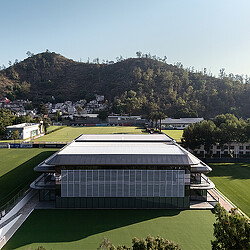
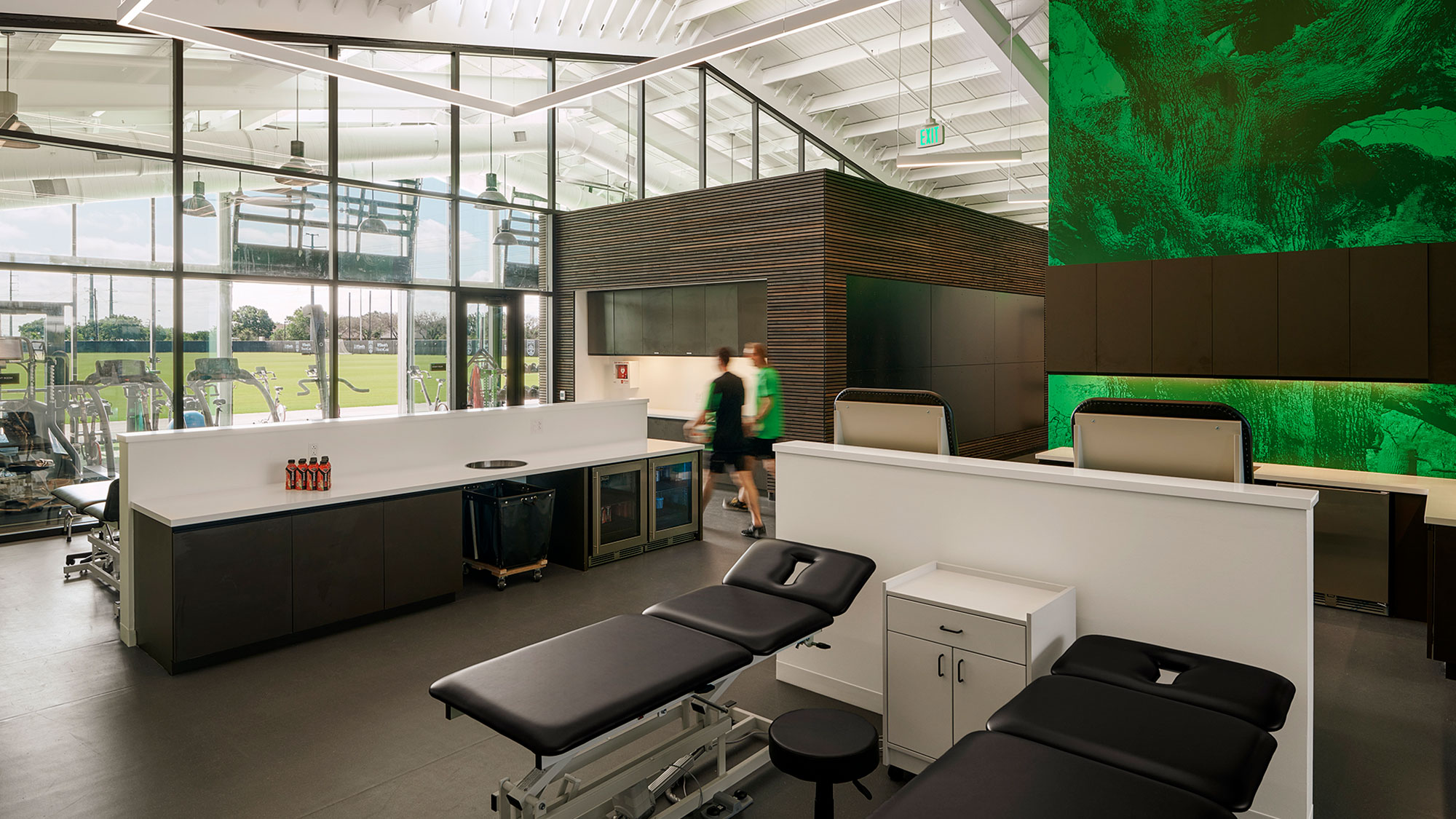
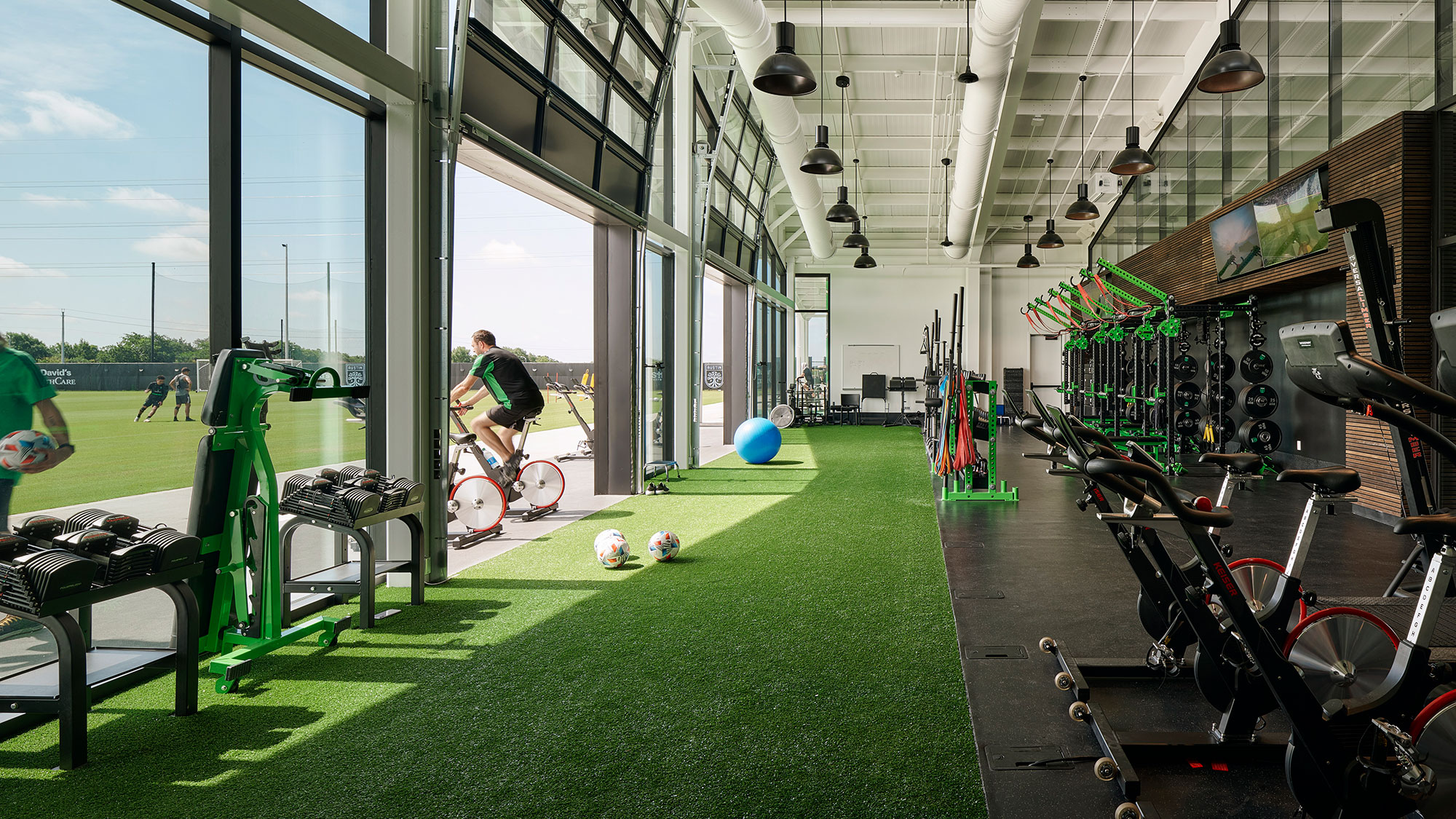
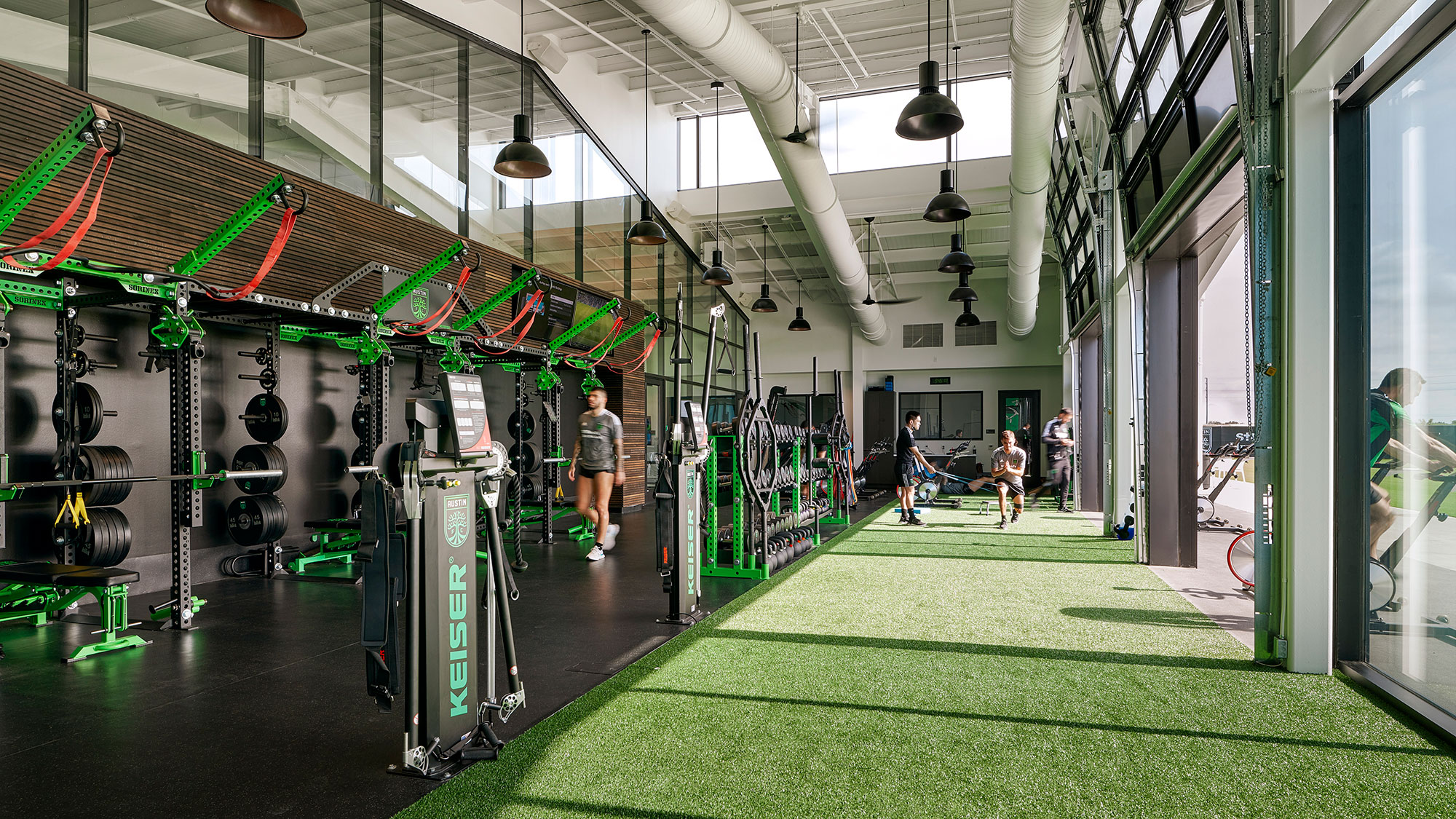
Austin FC’s St. David’s Performance Center is another example. This facility focuses on the intangibles of performance as much as it does on technical skills and tactical awareness. Dedicated spaces for mental wellness and recovery sit alongside underwater treadmills, cryotherapy chambers, and recovery suites. Meanwhile, design choices in natural light, air filtration, and acoustics help reduce cognitive fatigue, improve mental clarity, and emphasize rest and nutrition.
That design philosophy extends to the field. The “super-pitch” uses the same turf as Q2 Stadium, ensuring Austin FC’s MLS squad trains on the surface they compete on at home. Beyond the super-pitch, the complex includes a dedicated full-sized field for the Austin FC Academy, along with additional pitches for community use and academy matches.
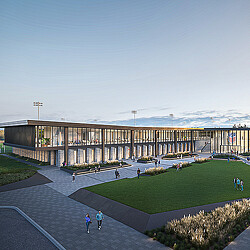
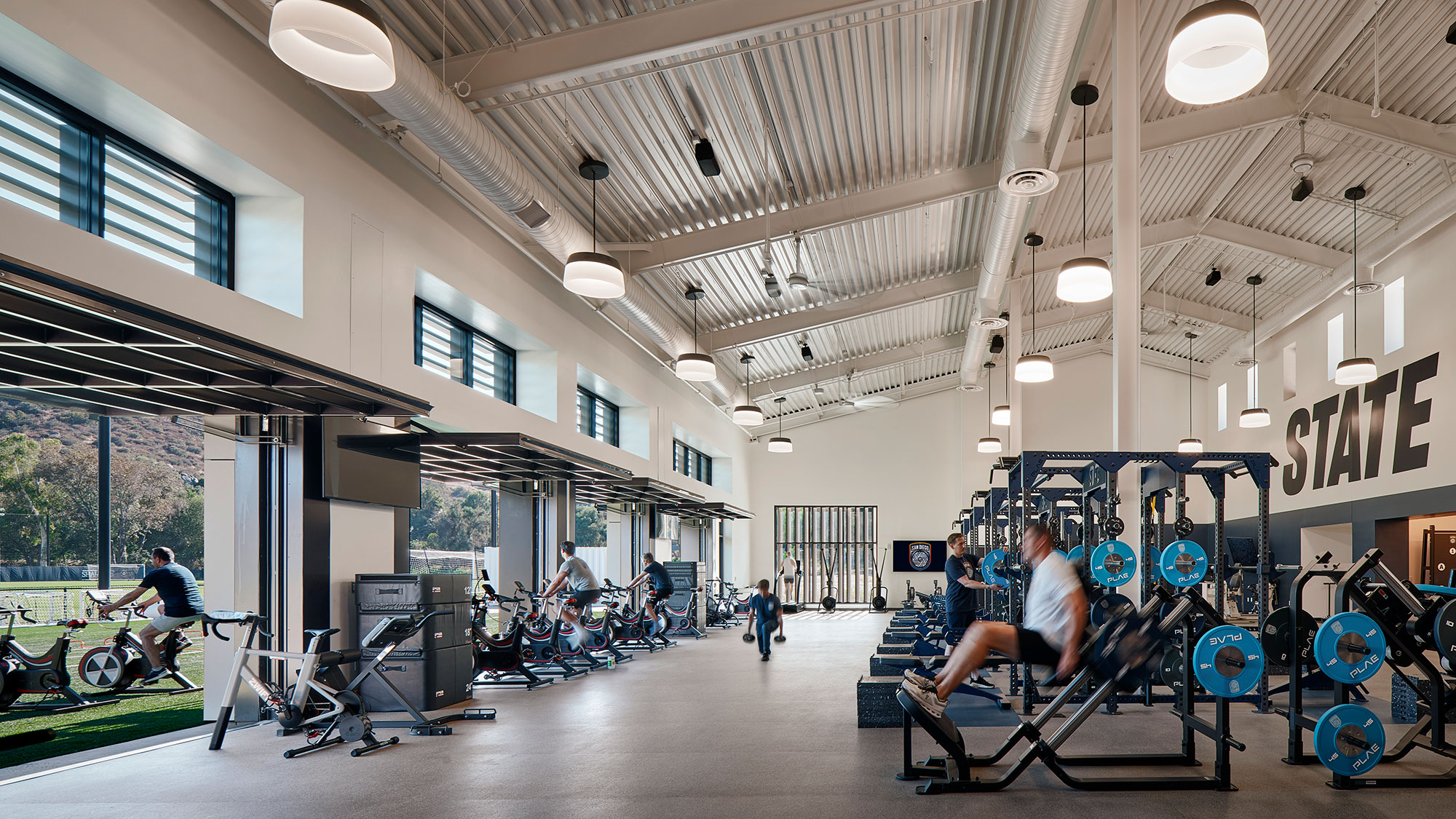
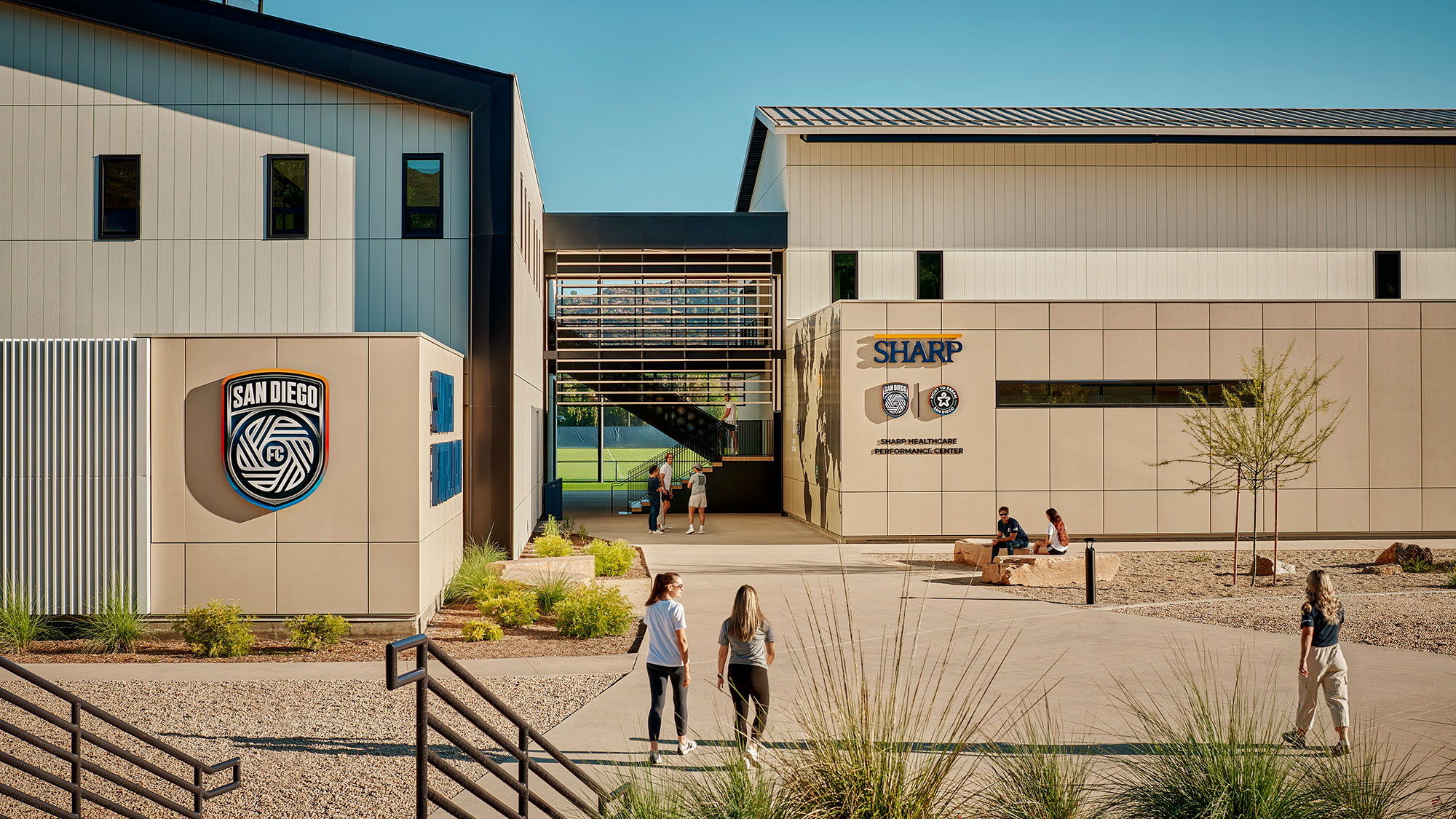
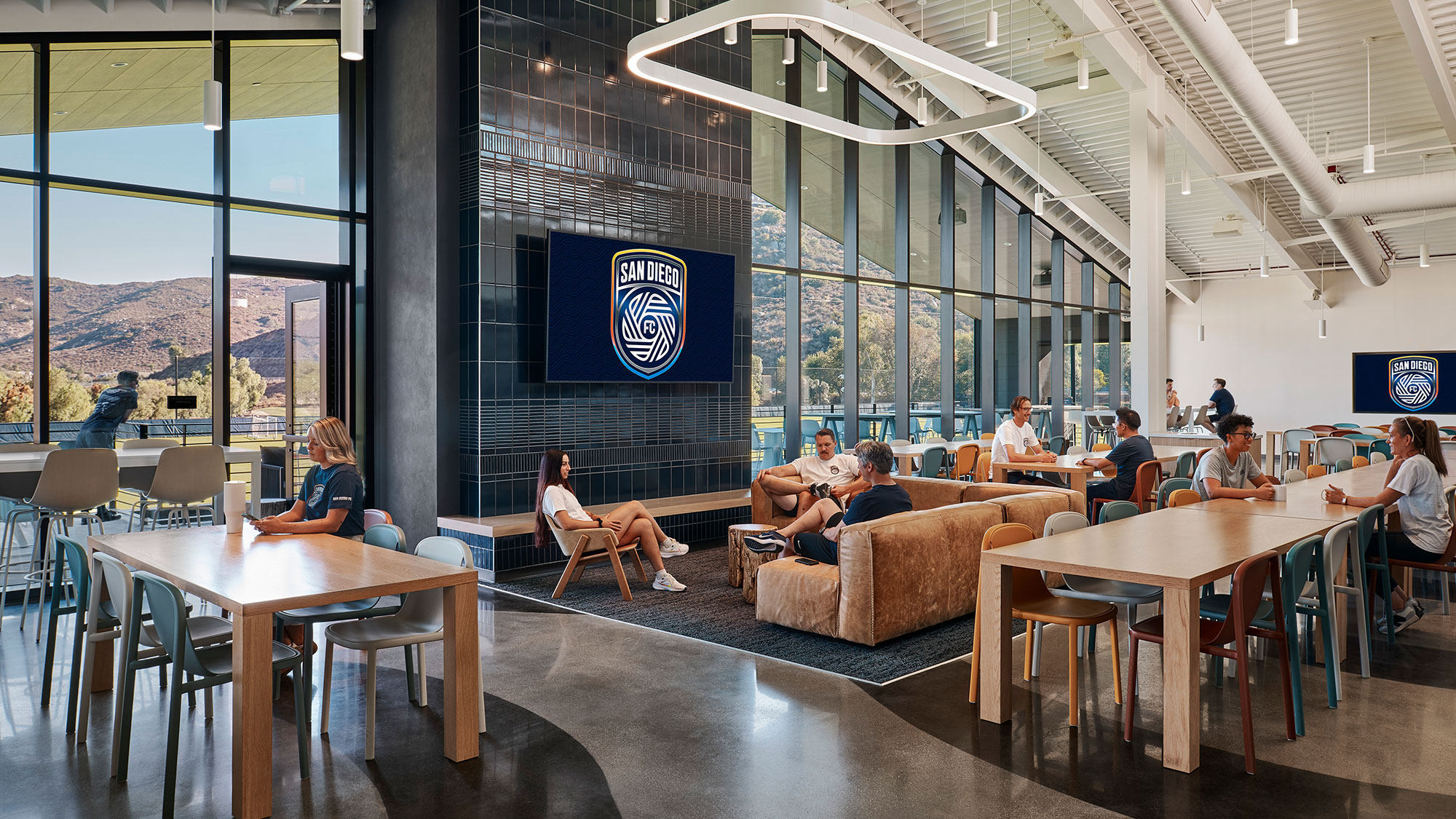
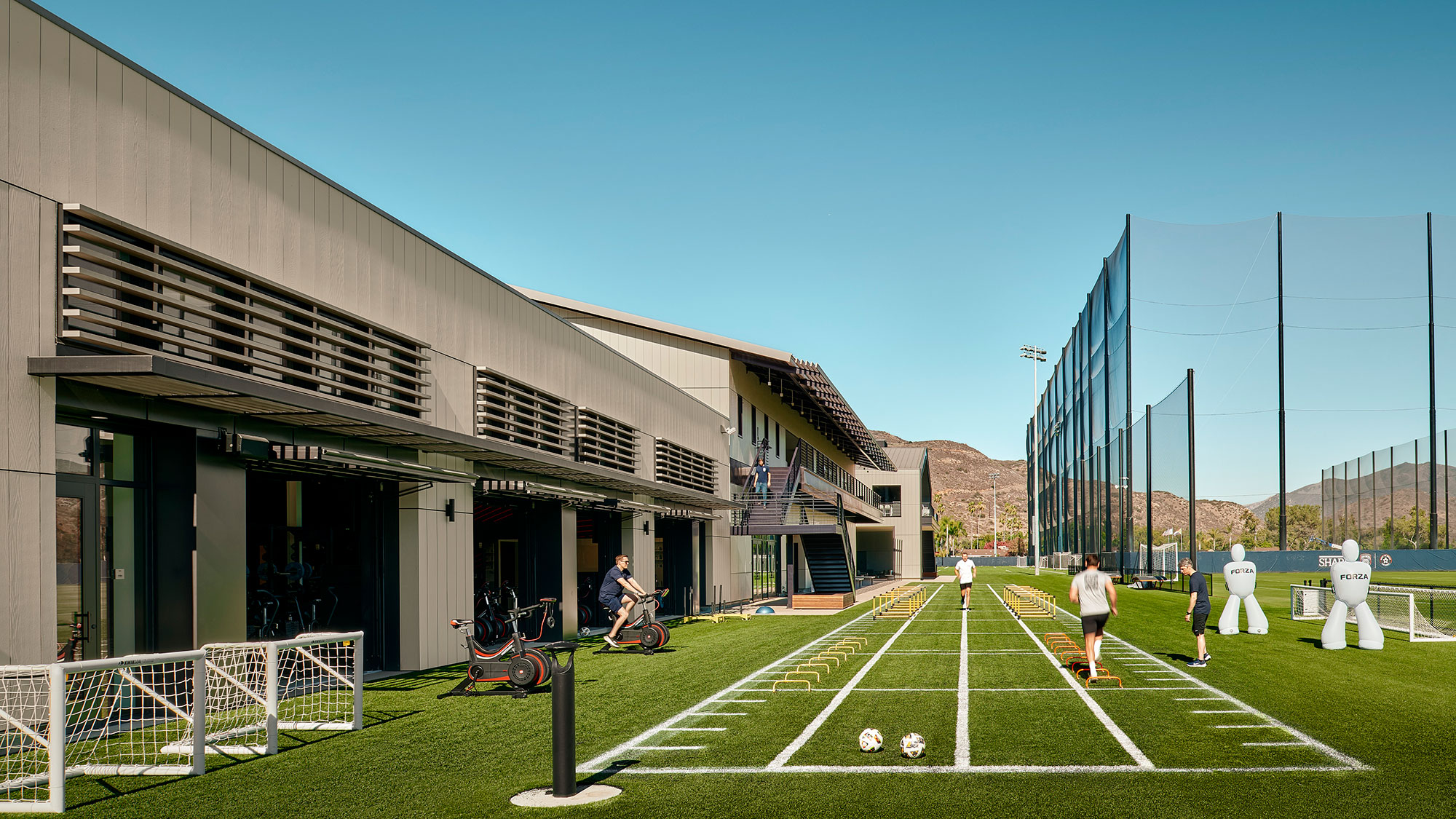
This same integrated approach extends to youth development. The San Diego Football Club and Right to Dream Academy’s new joint academy and training facility demonstrates how elite talent development starts years before a player signs a professional contract.
The 125,000-square-foot campus integrates a 56,000-square-foot academy and 46,000-square-foot sports performance facility shared across all levels — from MLS professionals to 12-year-old academy prospects. Five full-sized fields, residential spaces, and educational facilities balance academics with training. A 14-year-old academy player uses the same biomechanics lab as a first-team striker, introducing performance science from the earliest stages.
Data as Sports Infrastructure
Real-time data infrastructure is also an essential component of high-performance training and preparation. GPS trackers capture every sprint and cut. Wearable sensors monitor heart rate variability. Coaches merge video analysis with this continuous stream of data to analyze biomechanics and refine training outcomes.
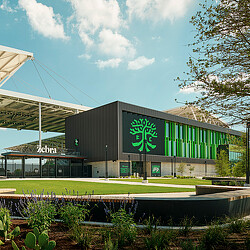
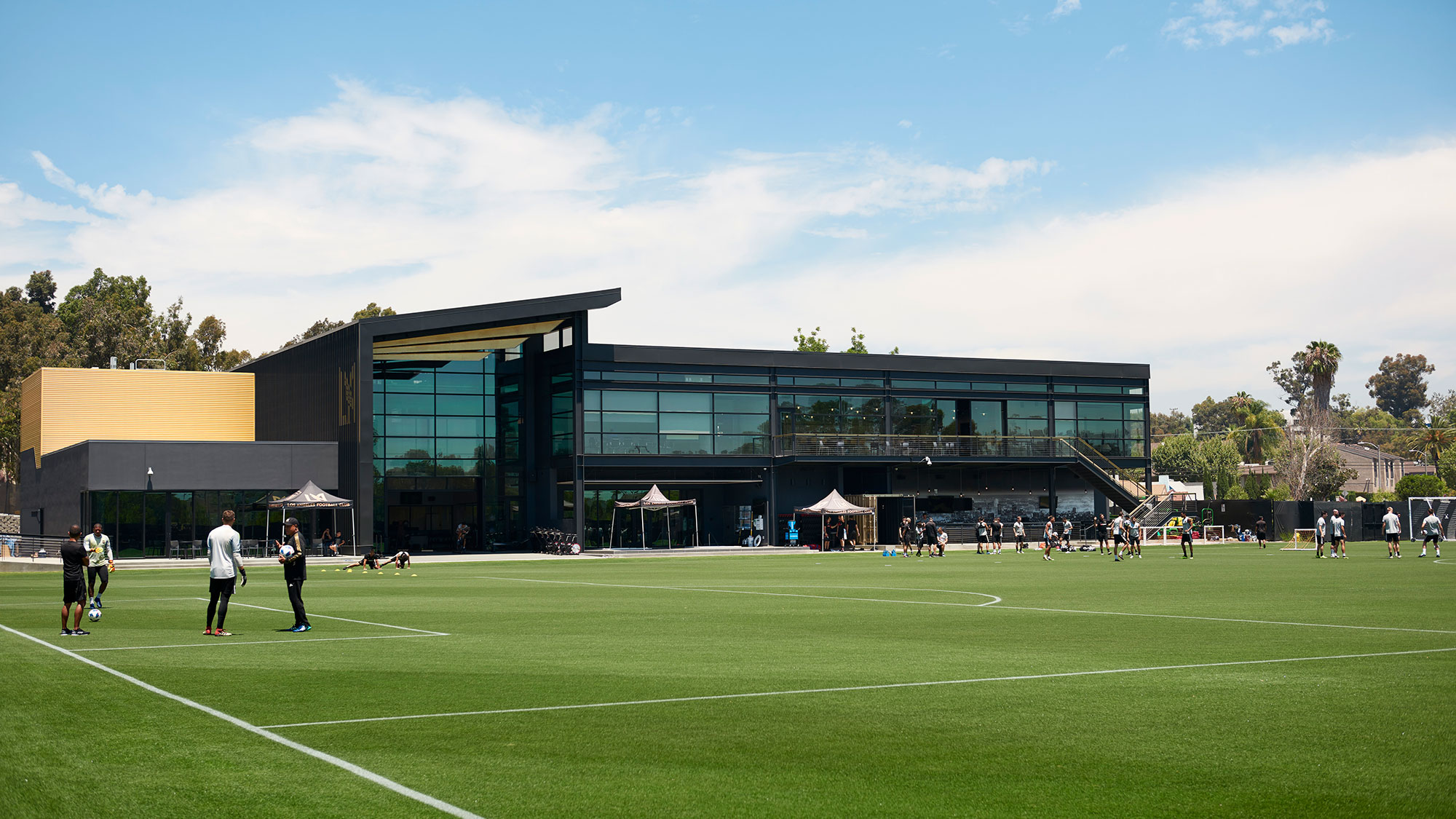
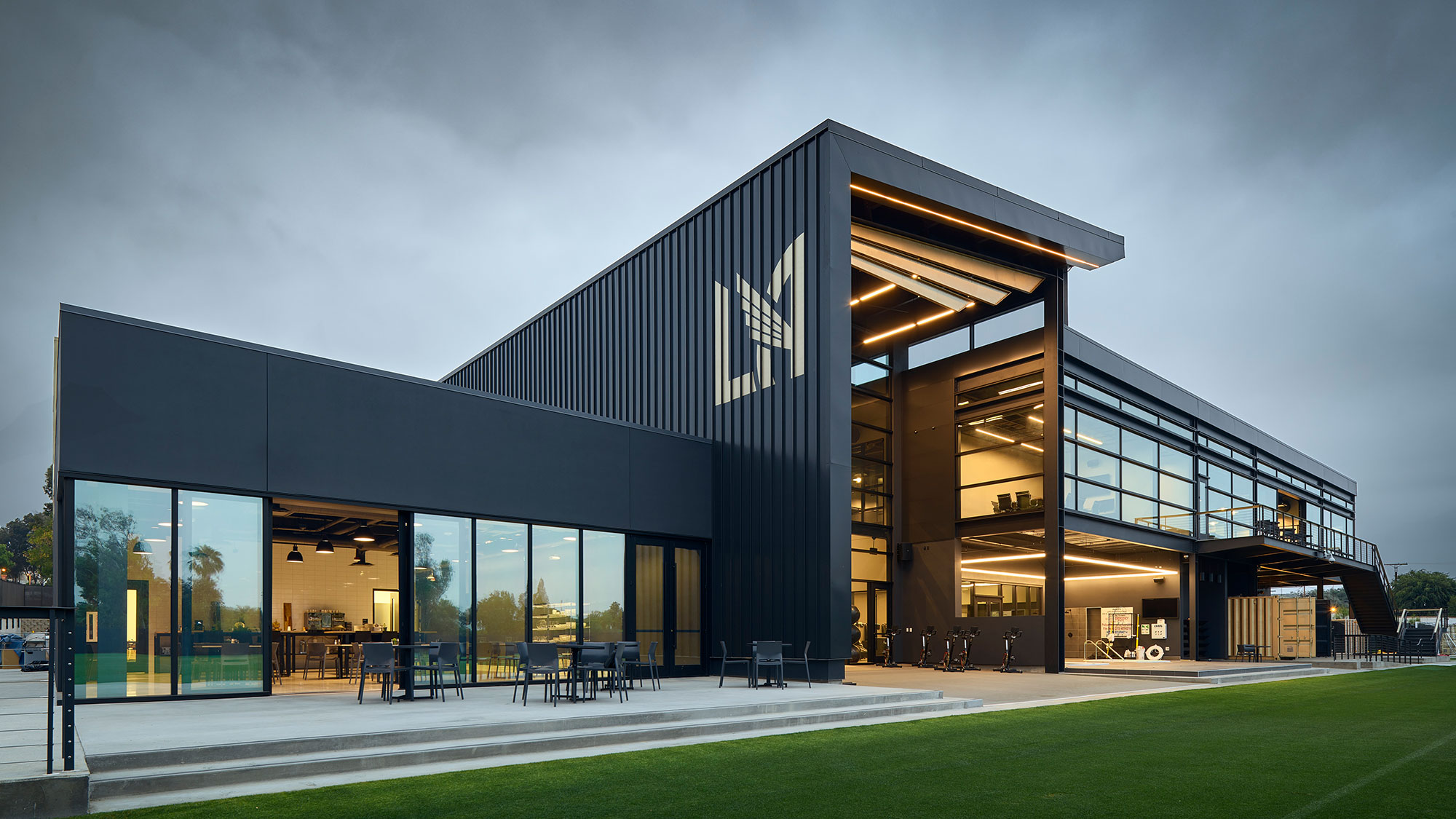
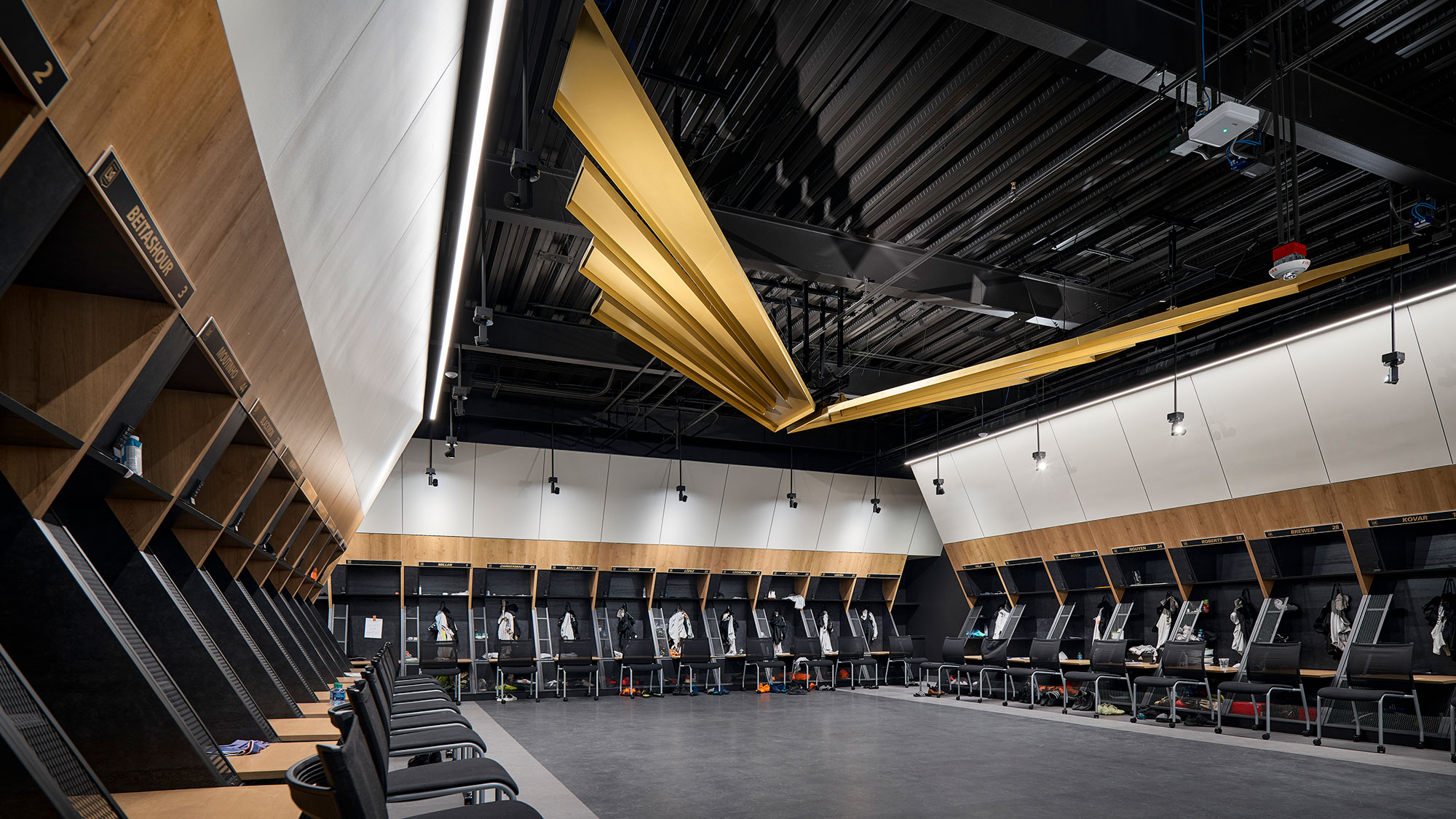
The Los Angeles Football Club (LAFC) Performance Center integrates analytics, wellness, and technical facilities to meet elite MLS training demands. LAFC recently partnered with SAS to harness real-time insights into player performance. The club uses this data to track workload, optimize training loads, and prevent injuries.
A Replicable Model for Global Soccer Excellence
With the U.S., Canada, and Mexico set to co-host the 2026 FIFA World Cup, the bar is rising fast. Federations and clubs need training environments that scale evidence-based practice and compress the time from insight to intervention.
These training centers offer a replicable model that accelerates the translation of sports science into on-field results. Together, they demonstrate a replicable model that elevates player development at every level and sets a new standard for the future of the sport.
For media inquiries, email .