Trends to Watch Shaping the Future of Sports
Gensler’s Sports leaders explore the design trends redefining the next era of sports design, from fan-first districts to athlete-driven spaces.
Editor’s Note: This blog is part of our Design Forecast blog series, looking at what’s next in 2026 and beyond.
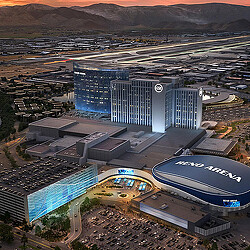
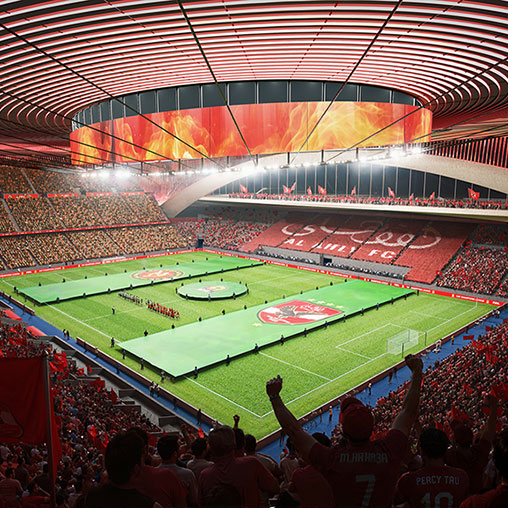
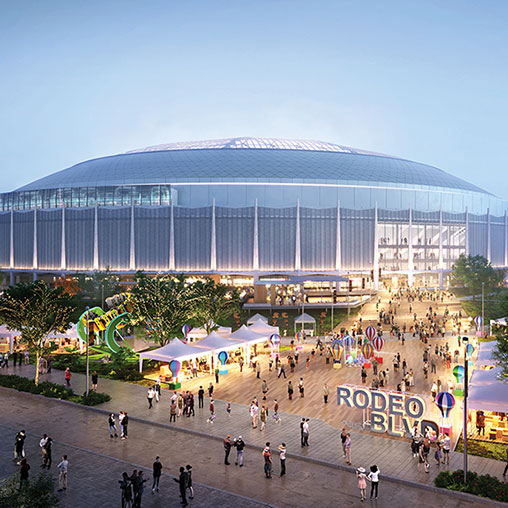
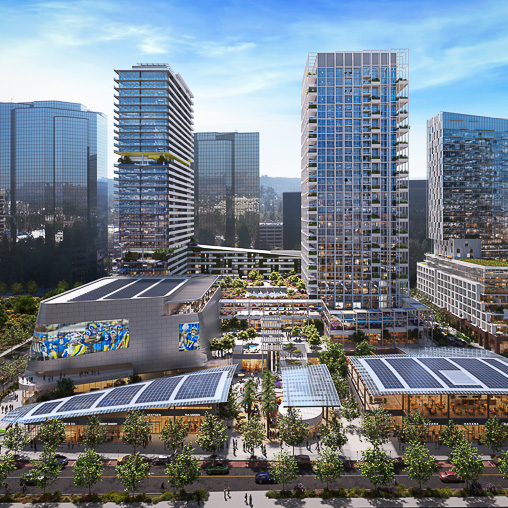
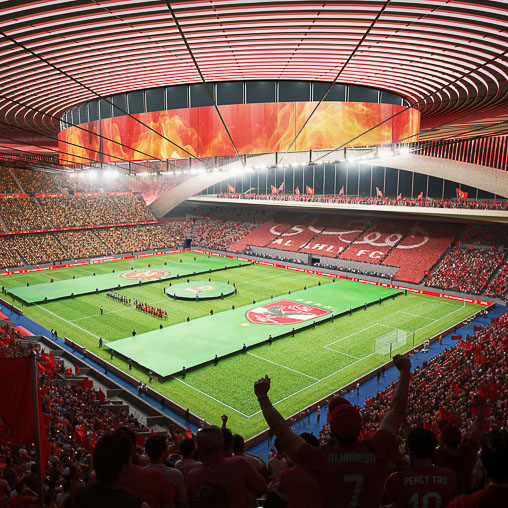
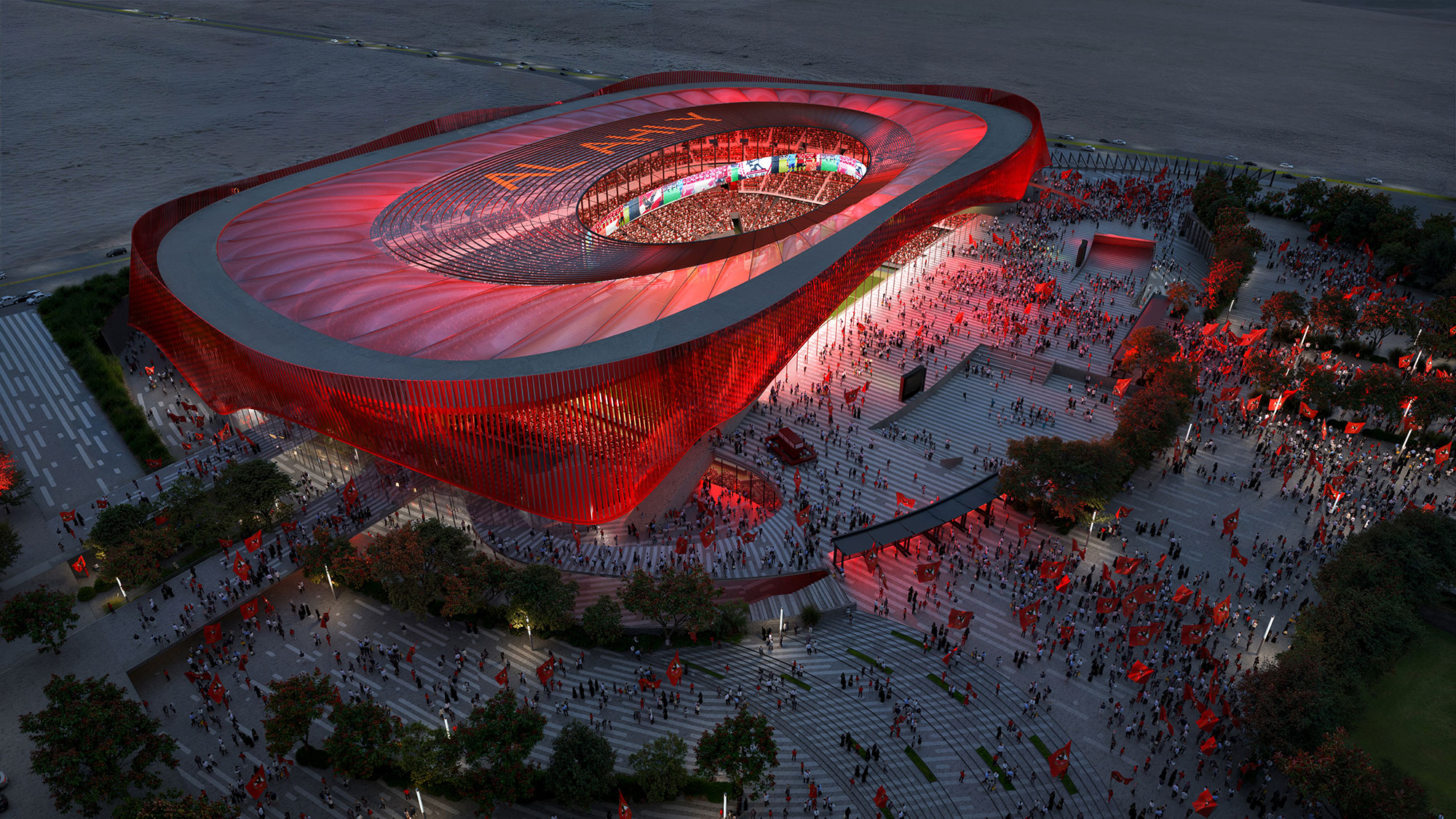
The sports industry is rapidly evolving. Venues and the associated sports-anchored districts around them are now city-scale platforms for culture and commerce, and the events they support are more like giant immersive pop-up economies than just games.
We sat down with Gensler sports leaders Ryan Sickman and Steve Chung to take a closer look at this year’s sports trends in our 2026 Design Forecast and discuss what’s next for the future of the industry.
TREND 1: Teams are city developers with fans as citizens.
How are sports teams acting like city builders?
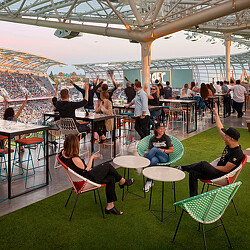
Ryan Sickman: This trend is really unlocked when teams and their fans are aligned on the options needed to customize an outing from start to finish. As a fan, do I want to park at the venue or show up using transit? Am I in the mood to grab drinks beforehand, or dinner afterward? Do I have premium seats inside the venue, or would I prefer to watch the game surrounded by diehard fans just outside of it? These are options fans need — and that teams need to provide — to create potential for an extraordinary outing, no matter the event, team, or location.
Steve Chung: Another way to think about it is: what are fans’ hopes? Lots of today’s fans are looking for opportunities to interact with the team — from players to coaches to front office staff. So, how can fans get closer to the field or the court? How can sports and entertainment districts provide experiences fans wouldn’t get by just watching at home? And how do we appropriately blur those lines to create specialized access? We’re constantly thinking through those questions.

TREND 2: The athlete-as-client era begins.
How are facilities supporting athlete-entrepreneurs?
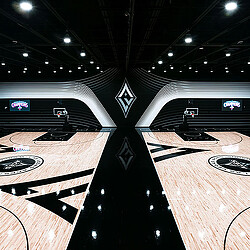
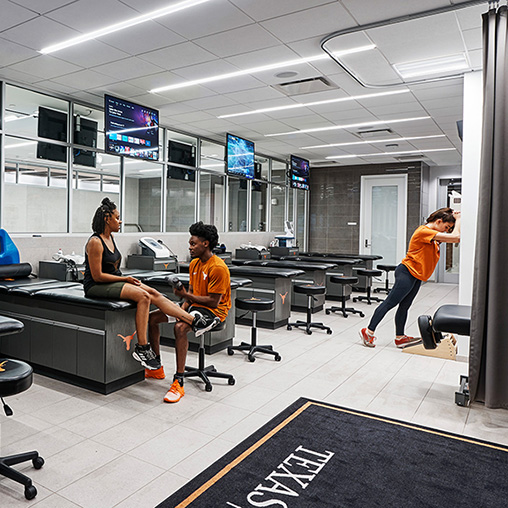
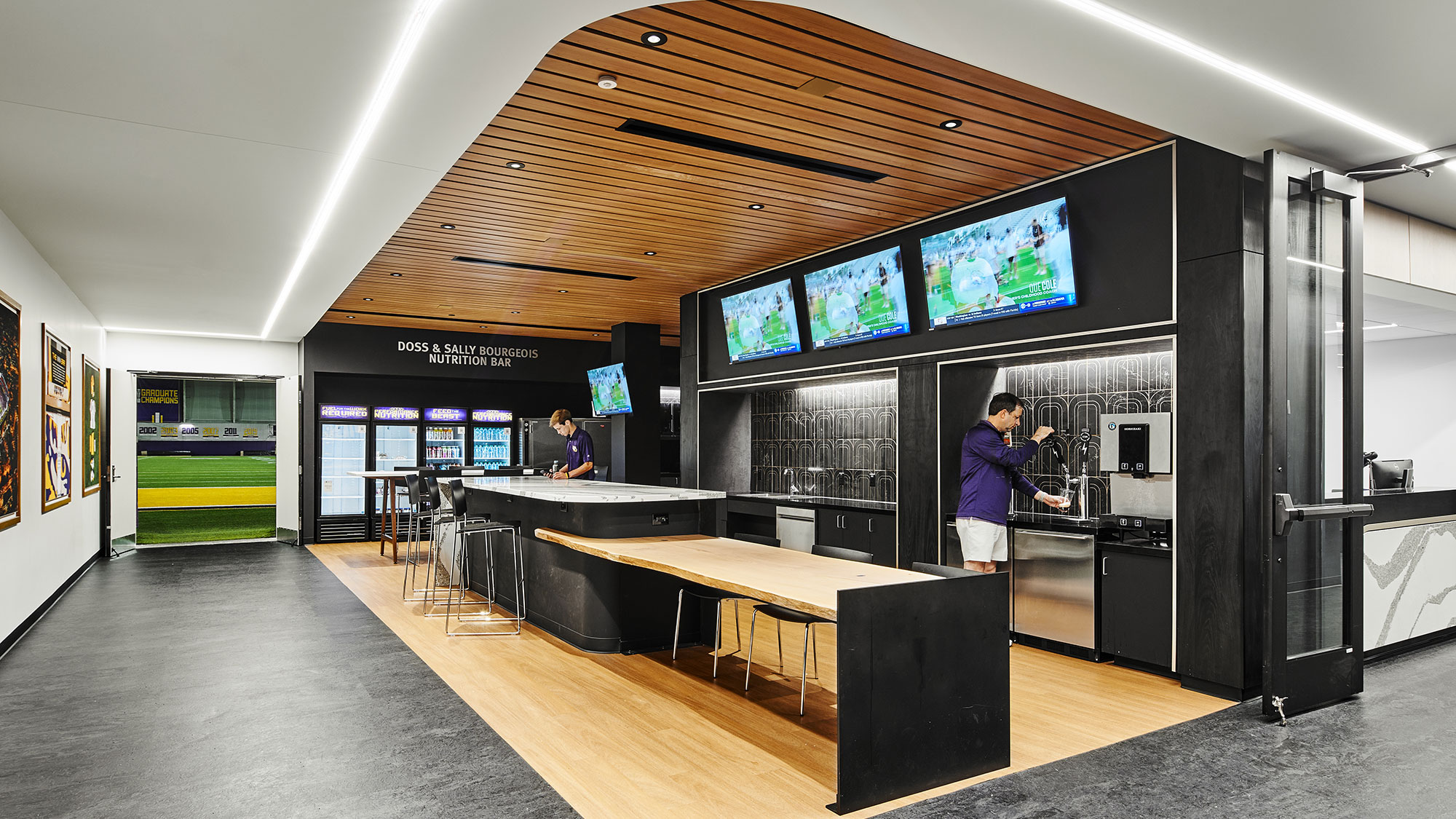
Ryan Sickman: We’re still in the infancy of this trend, but athletes are starting to have more of a voice. They’re embracing their own personal brands earlier than they ever would have before and thinking about what their image means to their teams and fans. How can spaces support this new wave of athlete-entrepreneurs as they engage and communicate? We’re starting to think about training facilities as spaces to conduct business, create content, and give interviews.
TREND 3: Women’s sports inspire a new set of experiences.
How is the growth in women’s sports reshaping venues?
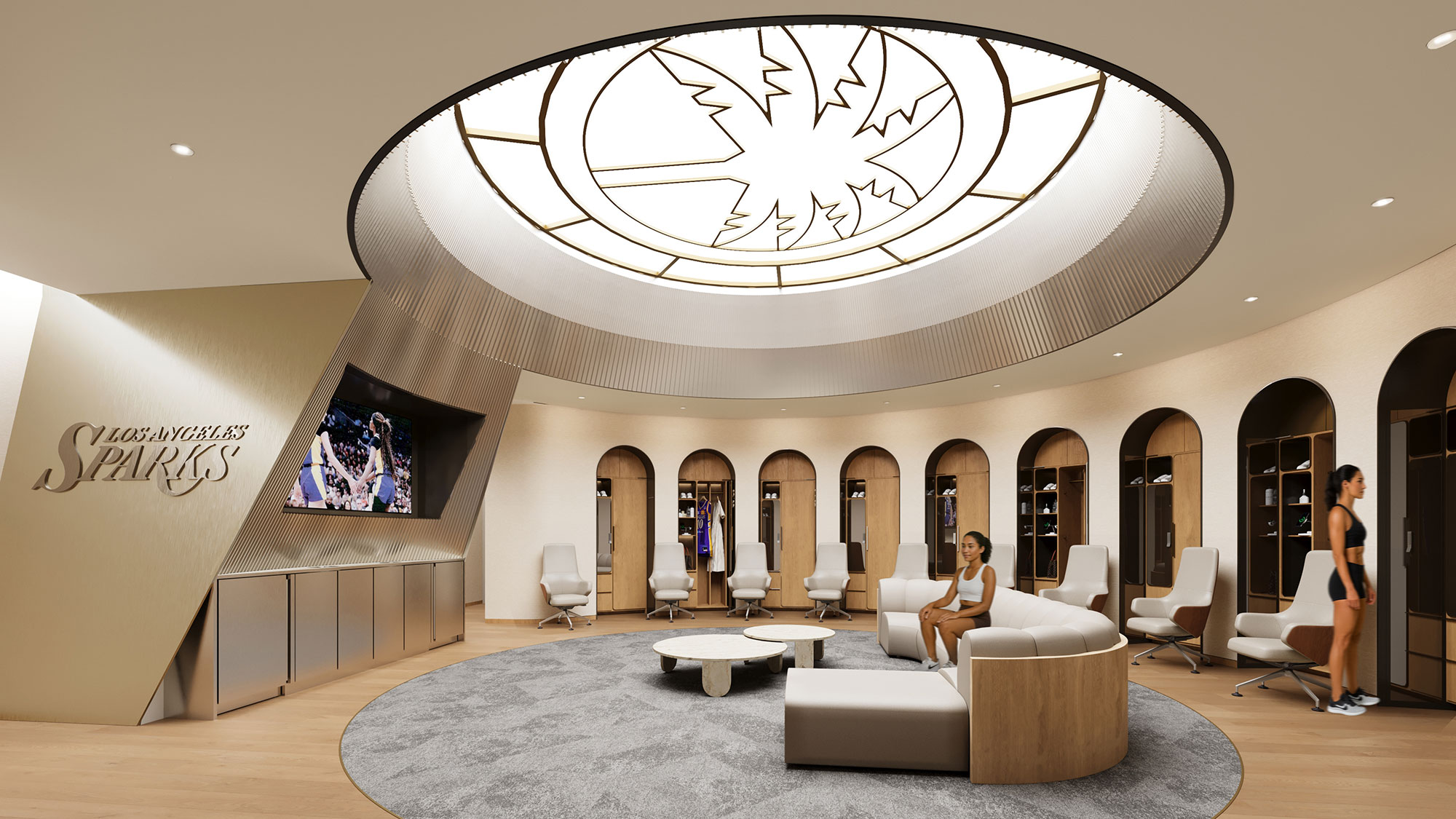
Steve Chung: Women’s sports bring in a much broader demographic than what we see in the NFL and the NBA, for example. As the fan base expands, the offering and experience need to expand with it. That means finding ways to offer even more flexibility and choice around viewing and seating, offering a wider diversity of food & beverage offerings, and being more intentional about what fans see when they first arrive at a venue.
Ryan Sickman: There’s a comingling of different fan demographics that we’ve never seen coming together for women’s sports events. That’s going to impact fan traditions and communities in new ways — before, during, and after the game. And I think those changes will happen more quickly for women’s sports than they will for men’s teams, where those long-term fans expect a particular kind of experience.
Steve Chung: Women’s training facilities are first and foremost designed around a world-class, premium professional athlete experience. But it’s also important that these facilities are designed to allow athletes to feel comfortable bringing more of their personal lives to practice. It might mean there’s a different underlying thought process around perfecting athlete flow AND encouraging a broader range of interactions and relationships. We want that thinking to infiltrate men’s professional facilities as well.
TREND 4: Colleges compete in the sports business, not just the scoreboard.
Why are college sports becoming big business?
Steve Chung: More universities are tapping into the multidimensionality of their brands and finding ways to elevate their standing beyond the scope of academics alone. We may see institutions respond to societal forces, such as funding uncertainty and the role of AI in education, by leveraging their athletic departments to expand their brands. Universities understand that athletics can amplify their cultural relevance and help redefine themselves at the institutional level.
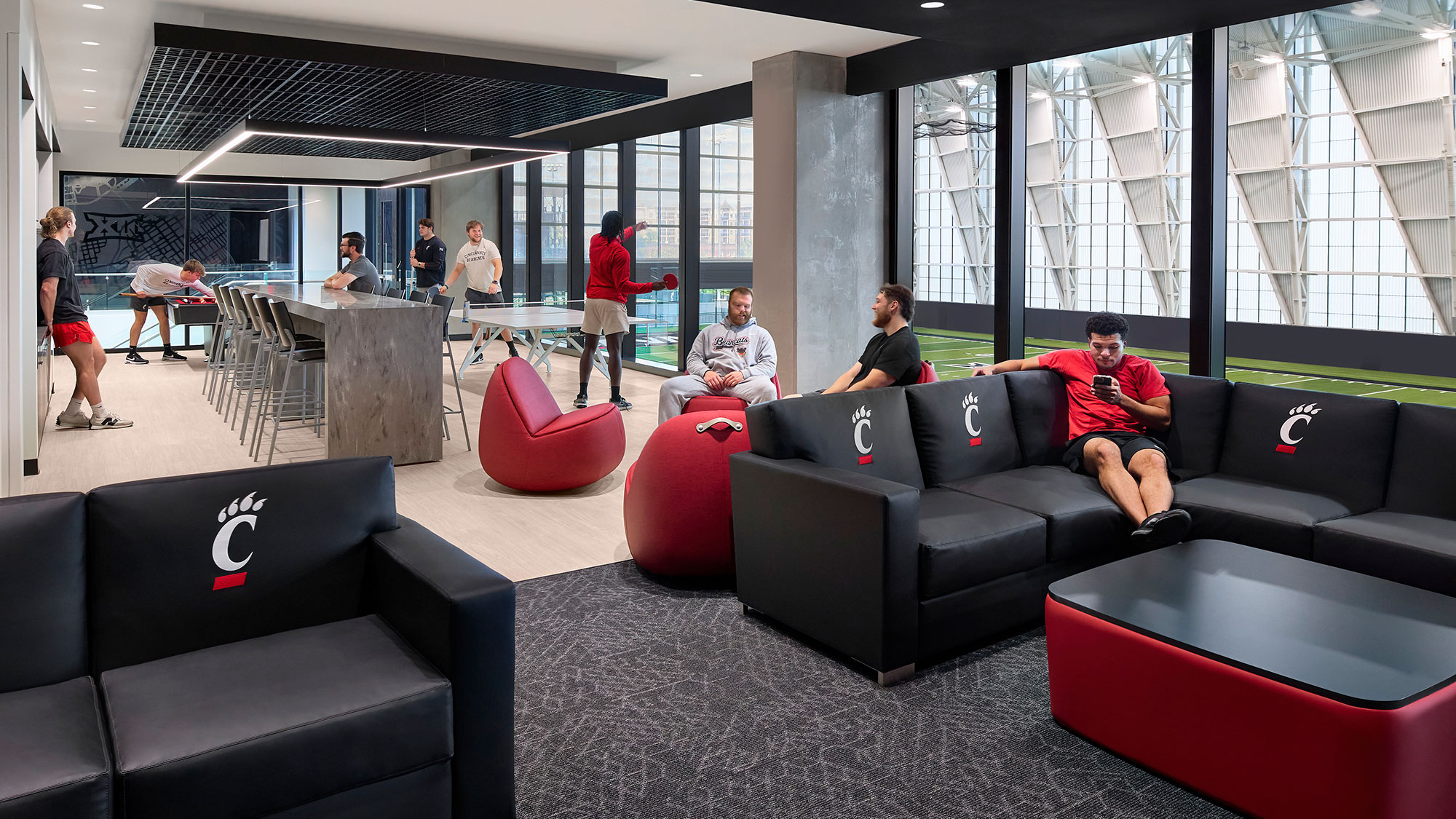
Ryan Sickman: As the Name, Image, and Likeness (NIL) era infuses more revenue into sports programs, universities are looking for additional revenue streams to offset and supplement the historical model and are beginning to mirror the mixed-use development models of professional leagues and surrounding college games with stronger end-to-end experiences. College sports are no longer just about the “wow factor” and about having the biggest and best facilities. From sports bars and broadcast studios to stadium-adjacent student housing, colleges are looking at the most creative ways to amplify the gameday tradition and experience.
For media inquiries, email .