Trends to Watch: What’s Next for Hotels and Hospitality
Gensler’s Hospitality leaders take a closer look at the trends shaping the future of hotels, branded residences, and resorts.
Editor’s Note: This blog is part of our Design Forecast blog series, looking at what’s next in 2026 and beyond.
The hospitality industry is in a transformative moment, driven by a growing desire for meaning, presence, and personalization. As life becomes increasingly digitized, hotels are emerging as sanctuaries for analog living, wellness, and authentic cultural immersion.
We sat down with Gensler hospitality leaders Tom Ito, Lori Mukoyama, Diane Thorsen, and David Darlington to take a closer look at this year’s hospitality trends in Gensler’s 2026 Design Forecast and discuss what’s next for the future of the industry.
TREND 1: Hotels deliver “intimacy at scale” with hyper-personalized details.
Can you talk more about the idea of “hyper-personalization?”
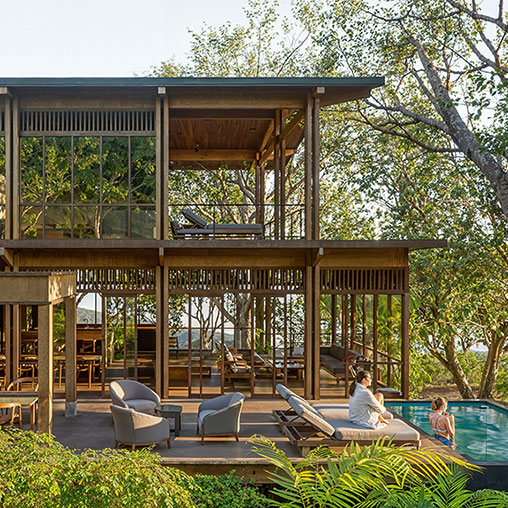
David Darlington: Hyper-personalization means creating scenarios in which users can create their own experiences. In Latin America, that means slowing down — creating space for guests to recalibrate their pace and offering meaningful ways to connect — whether that’s through nature, culture, craft, food, ritual, or moments of human exchange. It’s not necessarily about what’s built. It’s about finding that true experience, whatever it is to each individual person.
Diane Thorsen: It’s an intimacy at scale — making sure that every guest feels like they’re the only one there, anticipating their needs, and reflecting their personal tastes. Hotels are using AI creatively to understand guest preferences: a repeat guest receives their favorite drink upon arrival, their preferred pillow, and menus and experiences tailored to them.
Tom Ito: The concierge has become critical. Guests seek personal growth and fulfillment, which means different things to different individuals. Some want relaxation, others crave activity and social connection. Hotels hyper-personalize around local culture because immersion in the place makes it a very special experience.
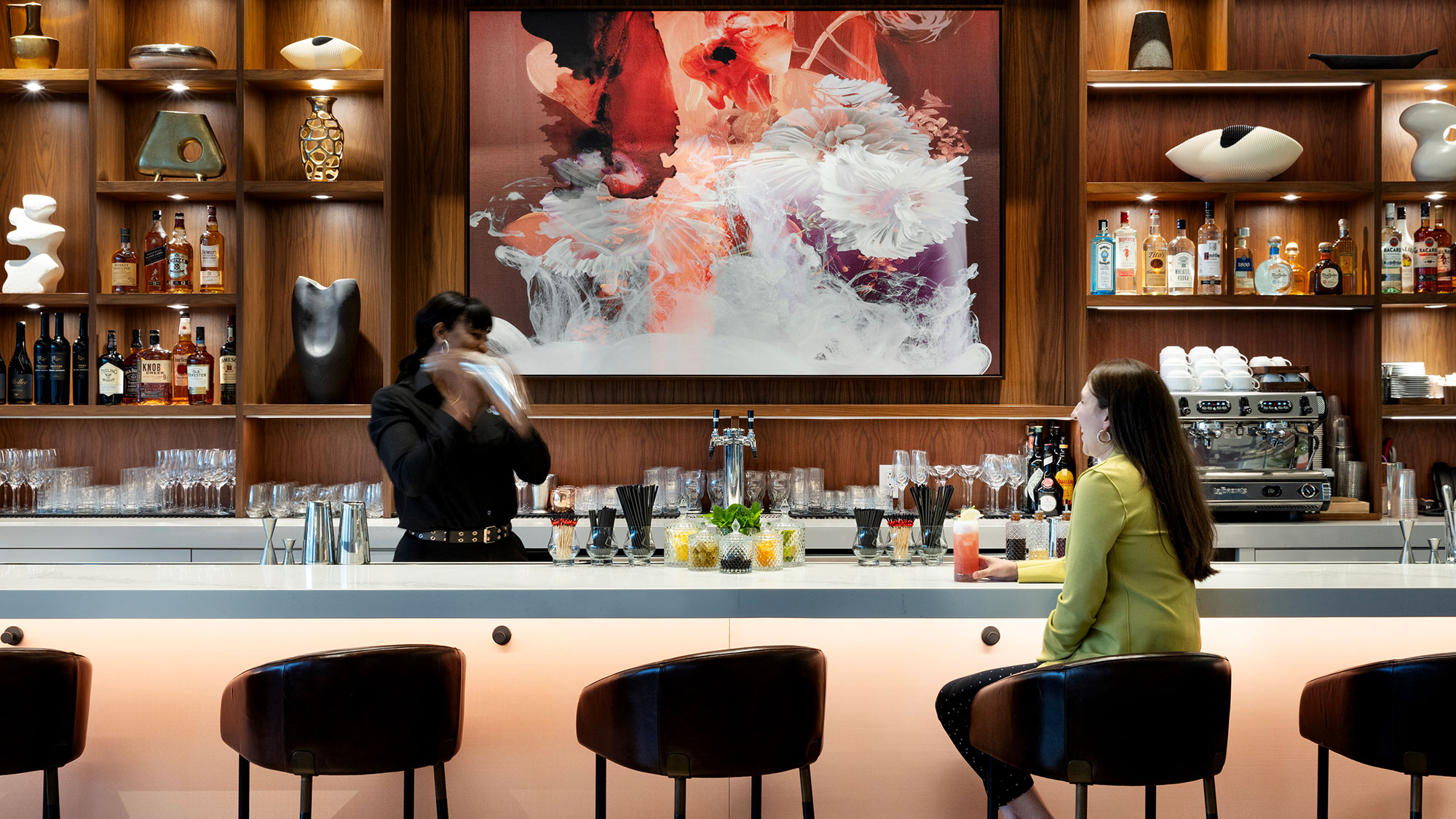
TREND 2: Offline is the new luxury.
How/why are analog experiences becoming highly sought after?
Tom Ito: There’s a really interesting statistic: 43% of Gen Z say they don’t see a difference between the virtual and the physical. Yet they want to get back to real-world spaces because digital saturation has created a growing movement to reconnect with what’s tangible, meaningful, and rooted in nature. With growing tech fatigue, human connections matter. People are drawn to hand-made work because there’s a person and a story behind it.
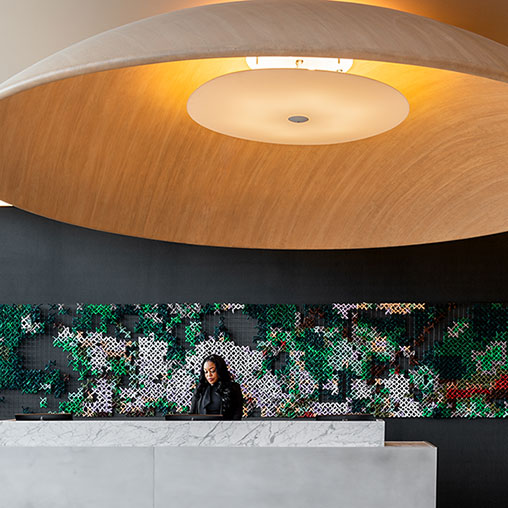
Diane Thorsen: Hotels are designing tech-free zones and spaces so that people can totally disconnect. Some are partnering with cultural groups to protect artisanal crafts and heritage. We see this in Africa, where hotels collaborate with local tribes so guests can buy handmade elements produced by local craftsmen. That links back to storytelling and narrative.
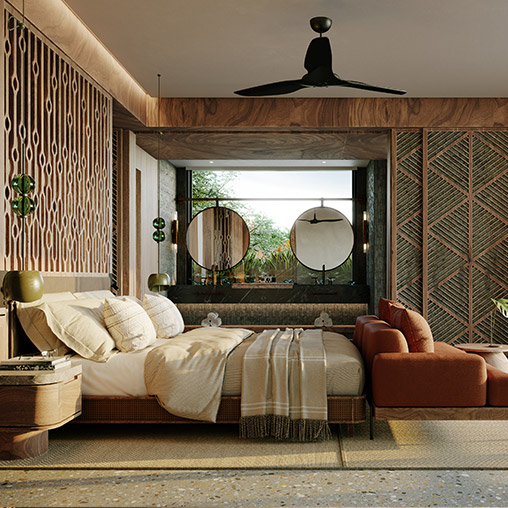
Lori Mukoyama: As travelers, especially younger generations, increasingly seek to disconnect from technology, hotels are leaning into design that creates a destination within a destination. Whether commissioning artwork or furniture from local artisans, sourcing ingredients from regional purveyors, or offering on-site programming and partnerships with local brands, hotels are becoming one-stop shops that encourage guests to meaningfully engage with local culture without ever leaving the property. The modern-day traveler can satisfy their curiosity with authentic, inimitable moments that don’t rely on virality, but on details that can only be discovered in the physical world.
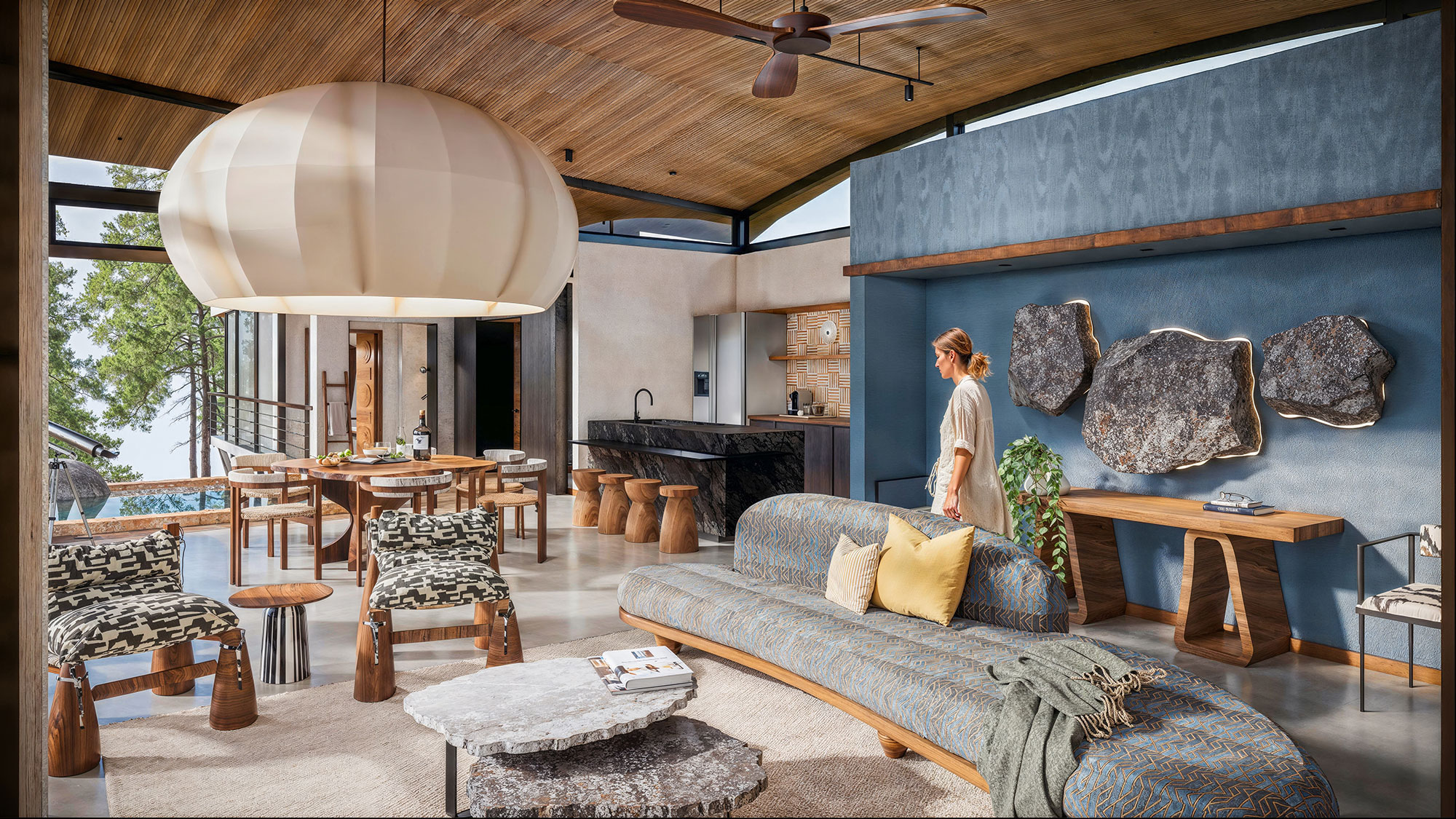
TREND 3: Hospitality is a platform for wellness and personal growth.
How are hotels supporting physical, emotional, and spiritual well-being?
Tom Ito: We’re seeing a wellness movement driven by demographics and longevity. The 65+ population is growing, and this generation is seeking a healthier, more fulfilling life. In response, hotels are creating programs that go beyond traditional services to help you extend your life in a healthy, proactive way.
David Darlington: Hotel brands are partnering with outside experts to integrate longevity-focused spas, diagnostics, and treatments. But wellness goes beyond designated zones. It’s embedded in how guests sleep, move, eat, and create space for reflection. The balance between technology and traditional practices varies by culture and place.
Tom Ito: In Asia, there’s a movement towards spirituality. There’s also a movement to understand Blue Zones — the lifestyle patterns that enable longevity. Hotels incorporate these insights through food, connection, and creating environments that prioritize how guests feel holistically.
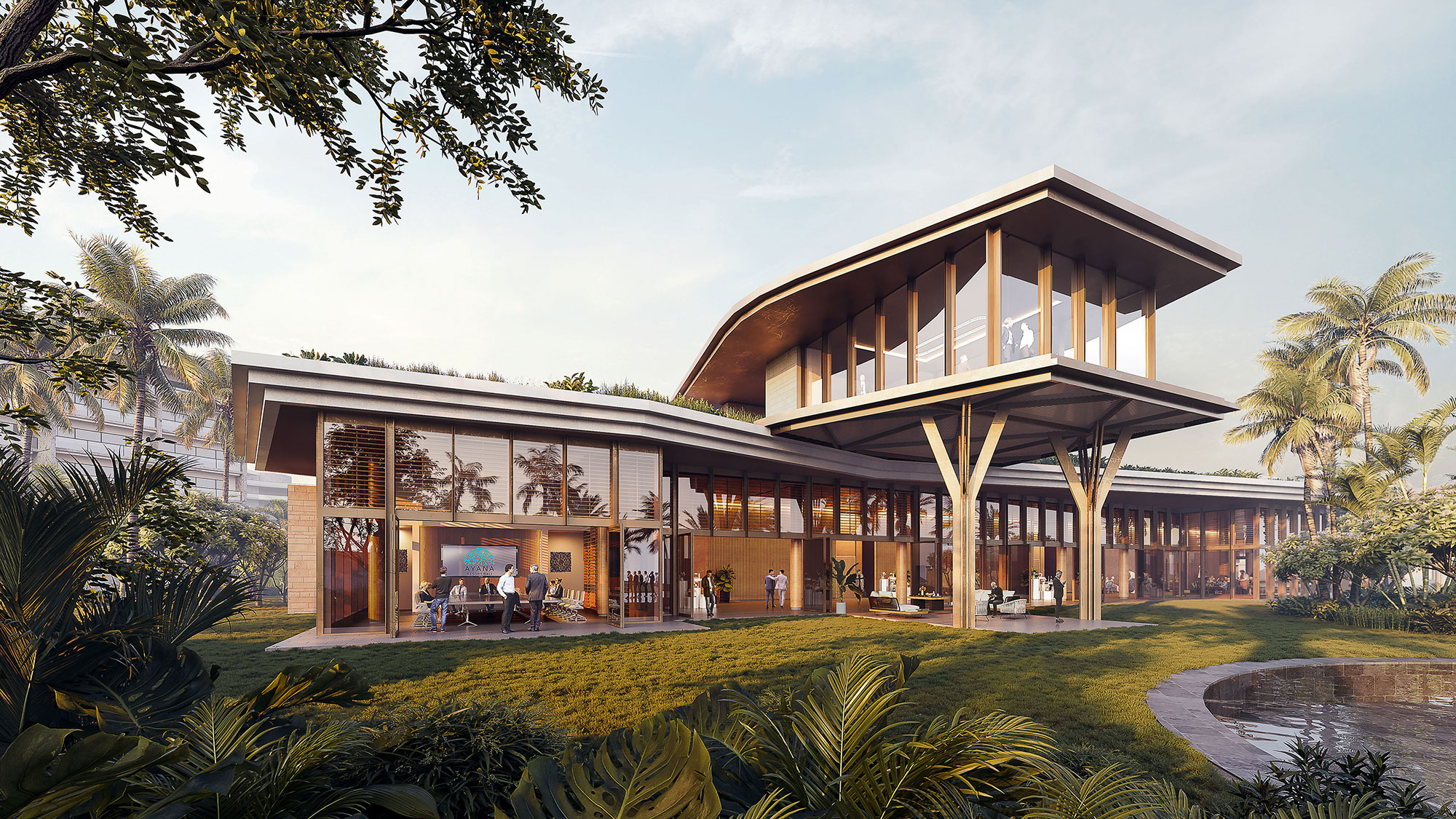
TREND 4: Hospitality becomes the next frontier for lifestyle brands.
How are lifestyle brands redefining hospitality?
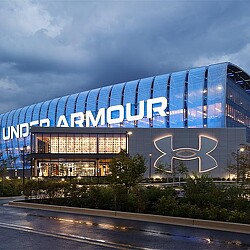
Lori Mukoyama: Hospitality is becoming the connective tissue between how people travel, live, and connect with brands. Specifically, we’re seeing a convergence between wellness, luxury, and sports brands that is redefining what lifestyle environments can be and look like.
Wellness has become a primary travel driver, with hotels shifting from traditional gym models to holistic, movement-first environments from recognizable fitness brands. Luxury fashion houses create immersive brand ecosystems — from hotels to branded residences and even cruise experiences. Sports districts evolve into year-round hospitality destinations with mixed-use neighborhoods and programming that extend the fan experience beyond the stadium.
Branded residences are the convergence point across these sectors. They blend hospitality, brand identity, and wellness-driven expectations. For designers, the opportunity is shaping environments where brand, well-being, and community are the framework, not just add-ons. As lifestyle brands push deeper into the built environment, hospitality becomes a strategy for how people want to live.
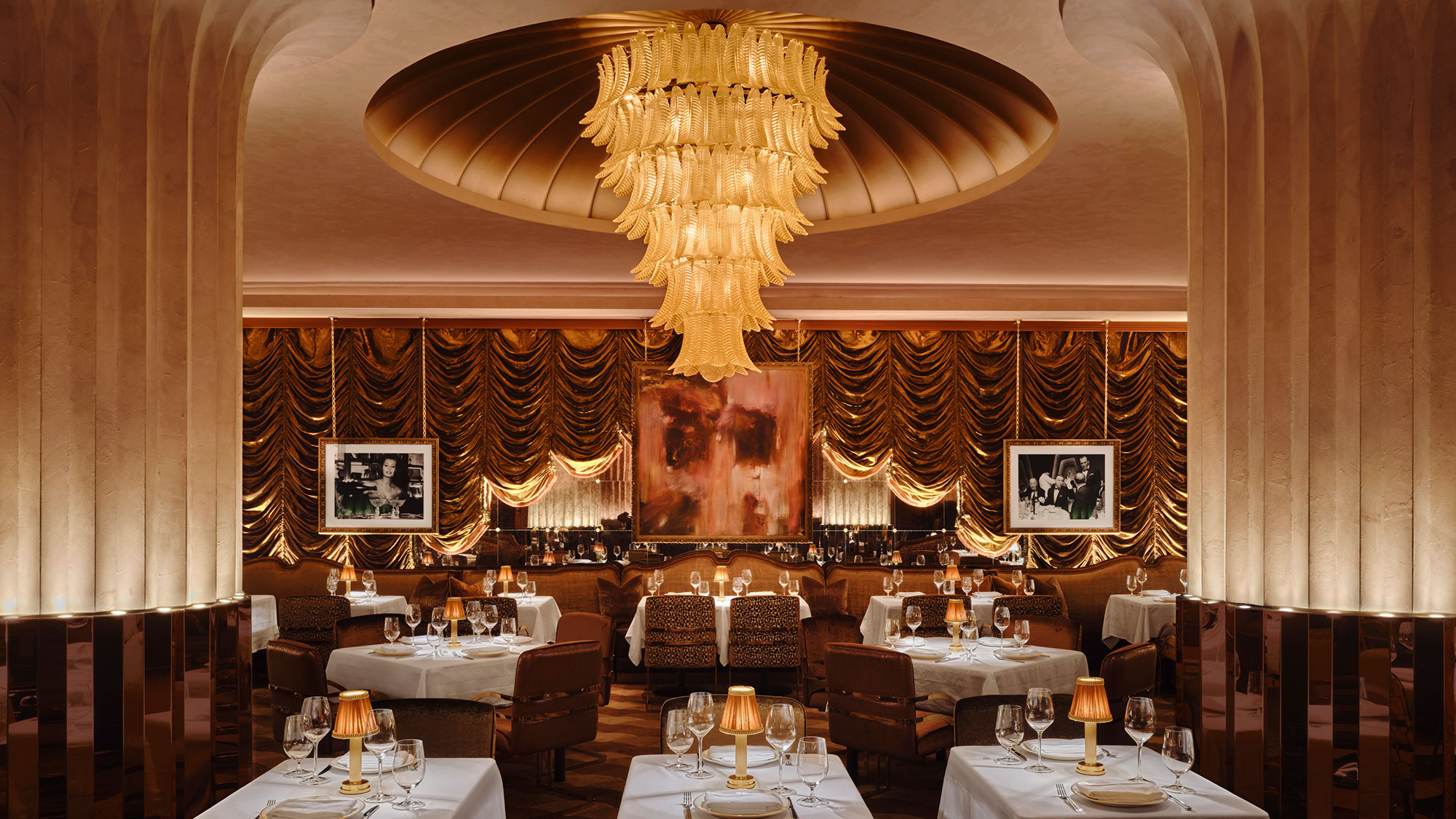
Diane Thorsen: Across Asia Pacific & the Middle East, luxury brands are entering hospitality as true lifestyle extensions. Branded residences evolve into integrated ecosystems that blend living, hospitality, wellness, retail, and private clubs. Hotel brands deliver service continuity and global credibility, while automotive, fashion, and design brands translate their DNA into spatial and social experiences. These projects offer belonging, status, and daily engagement.
In APME, brand value is measured by how deeply it shapes lived experience. This approach resonates strongly with the region’s globally mobile, high-net-worth audience, who value brand credibility, operational excellence, and long-term lifestyle value. As a result, branded developments in APME command premium pricing and are increasingly used by developers and cities as tools for differentiation, placemaking, and investment attraction.
For media inquiries, email .