How the 2026 Winter Olympic Games Challenge Assumptions About Sports Design
Milan–Cortina 2026 will be held across multiple cities and fragile landscapes, creating a new model for large-scale sporting events.
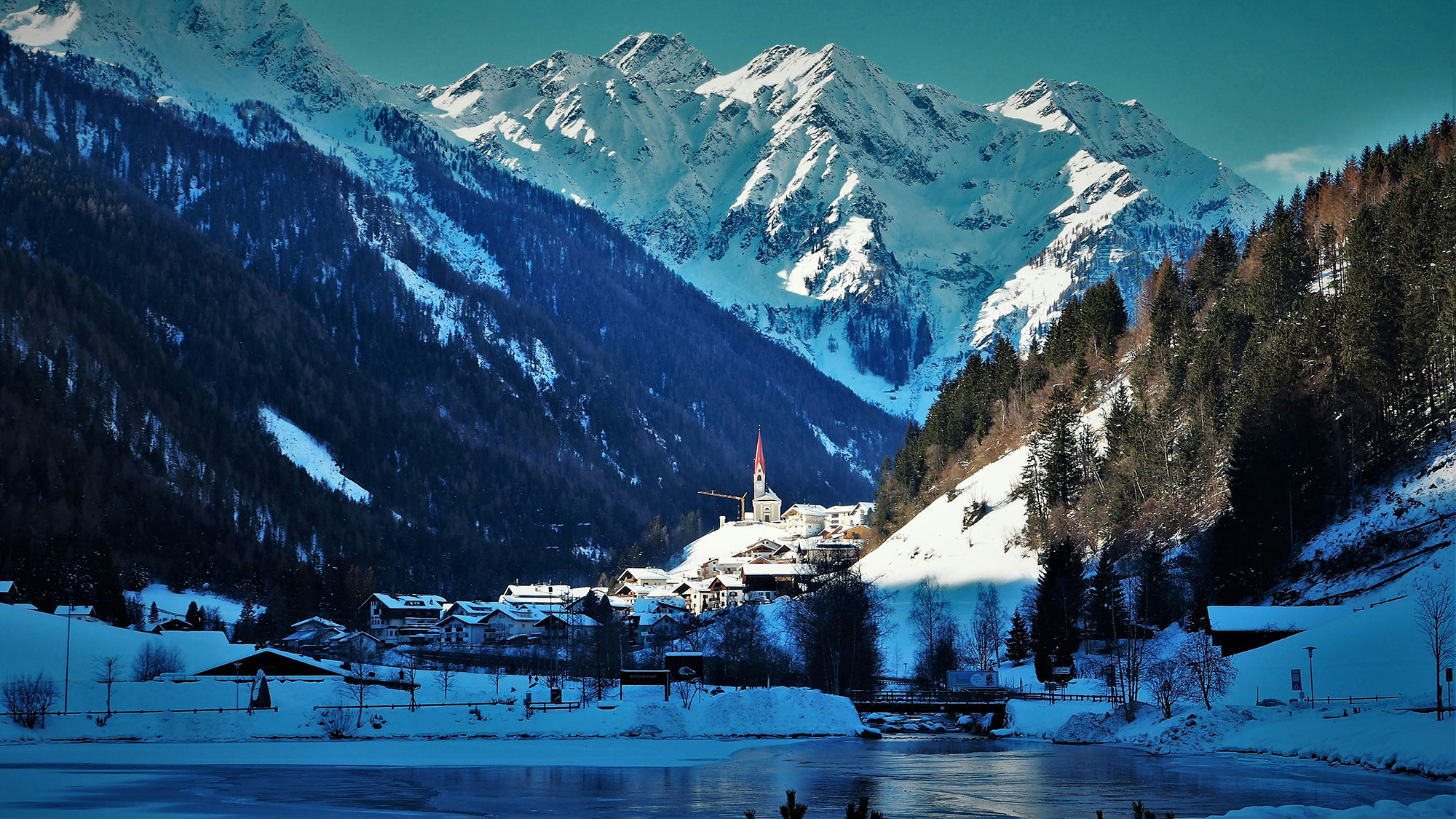
With Milan–Cortina 2026, the Winter Olympic Games are testing a fundamentally different approach to hosting a major sporting event. Rather than concentrating venues and infrastructure in a single host city, the Games will unfold across a network of cities, valleys, and mountain communities.
This is not simply a logistical choice. Winter Games operate under a unique set of constraints that fundamentally shape how they are designed and delivered. Mountains are finite environments. Access is fragile. Climate conditions are increasingly unpredictable. Unlike the Summer Games, where cities can often absorb scale and growth, winter host regions must balance global attention with environmental pressure and long-term viability.
The Milan–Cortina model embraces this reality. It accepts greater complexity — in coordination, transport, temporary works, and governance — in exchange for a stronger long-term logic. Existing alpine venues are reused where the sport already belongs, and temporary and hybrid solutions play a central role. The Games adapt to the territory, not the other way around.
We sat down with Tayomara Gama, regional Sports Leader for Europe, and Giacomo Angeletti, Venue Technical Lead in Gensler Europe, two sports architects who have worked across major international sports and Olympic projects. They spoke about how major sporting events can be delivered in a climate-constrained, socially conscious world, and what designers, cities, and institutions must rethink as the future of the Winter Olympics takes shape.
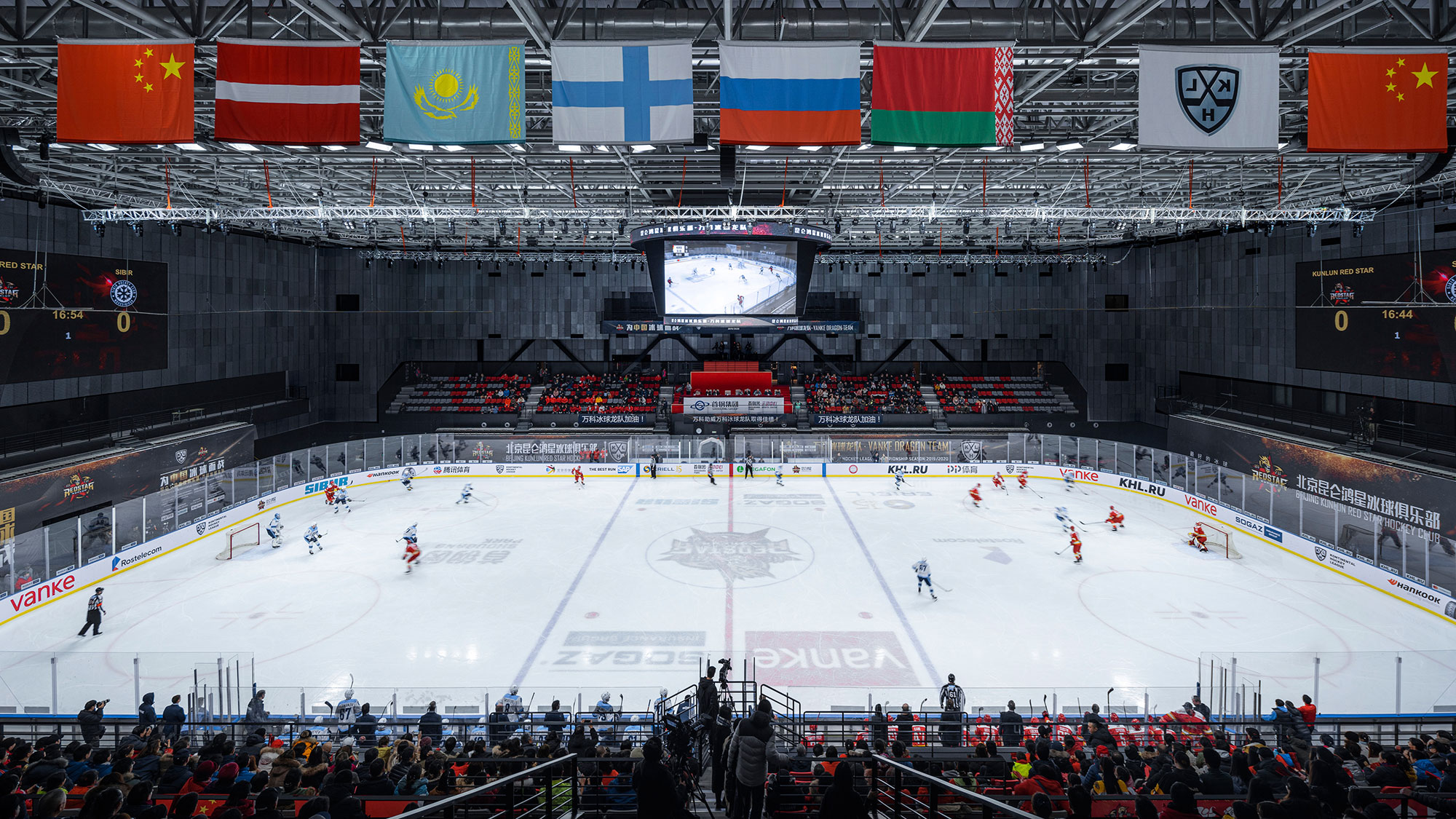
Milan–Cortina has been described as the most “distributed” Winter Olympics ever. Why is this such a pivotal moment for the Games?
Tayomara Gama: Milan–Cortina is a turning point because it challenges a long-standing Olympic assumption that success depends on concentrating venues, investment, and global attention in a single host city. Historically, that model made sense, simplifying delivery, broadcasting, and logistics, and helping to create a clear Olympic identity for the host.
But for the Winter Games, that approach has always been more fragile. Unlike the Summer Games, they are deeply dependent on geography. Mountains are not empty sites for development; they are complex, living landscapes with existing communities, cultures, and economies.
Milan–Cortina acknowledges that reality. Instead of forcing one city or region to absorb the full physical and environmental burden of the Games, it distributes responsibility and impact across a wider territorial network. That’s not just an operational adjustment, but a philosophical shift in how the Winter Olympics relate to place.
Giacomo Angeletti: From a technical point of view, it’s also a recognition of constraints. Alpine venues already exist for a reason: they are where the sport belongs. Milan–Cortina is proposing to leverage existing infrastructure, upgrade where necessary, and avoid building venues that would struggle to find purpose after the Games.
The complexity increases — coordination, transport, temporary works — but the long-term logic is stronger, with a more resilient outcome aligned with how alpine regions actually function.
How does designing for the Winter Olympics fundamentally differ from the Summer Games?
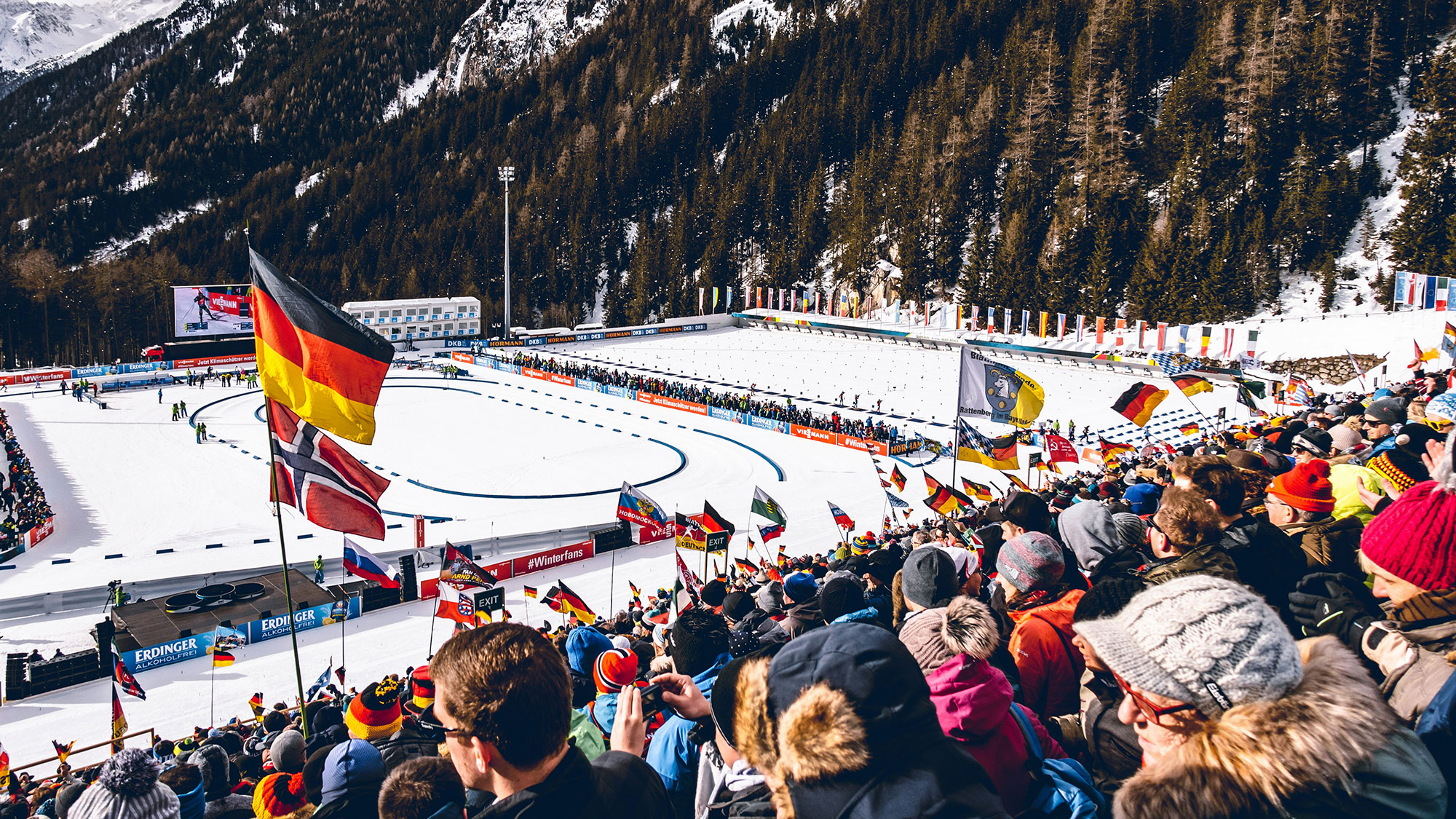
Giacomo: The biggest difference is that in winter, nature is the main stakeholder rather than simply a scenic backdrop. Space is limited. You cannot simply “add capacity” without consequences.
From a design perspective, this means temporary solutions become essential. Venues must be light, reversible, and respectful of topography. Permanent construction needs to be justified by long-term community use, not just Olympic requirements.
Tayomara: Exactly. In the Summer Games, cities can absorb crowds, fan zones, and new infrastructure more easily. In the Winter Games, mountain communities already live in a constant equilibrium with the environment. Every square metre matters.
Strategically, that forces a different mindset: fewer spectators on site, more distributed fan experiences, and more reliance on technology and broadcast. It also means a stronger emphasis on legacy that works for residents year-round, not just for 16 days.
Legacy is often cited but rarely delivered well. What lessons do past Games like Rome 1960 or Torino 2006 offer today?
Tayomara: The Rome 1960 Summer Olympics remind us that Olympic legacy can be physical, but more importantly, it is cultural, urban, and symbolic too. Many venues became part of everyday life because they were integrated into the city’s identity.
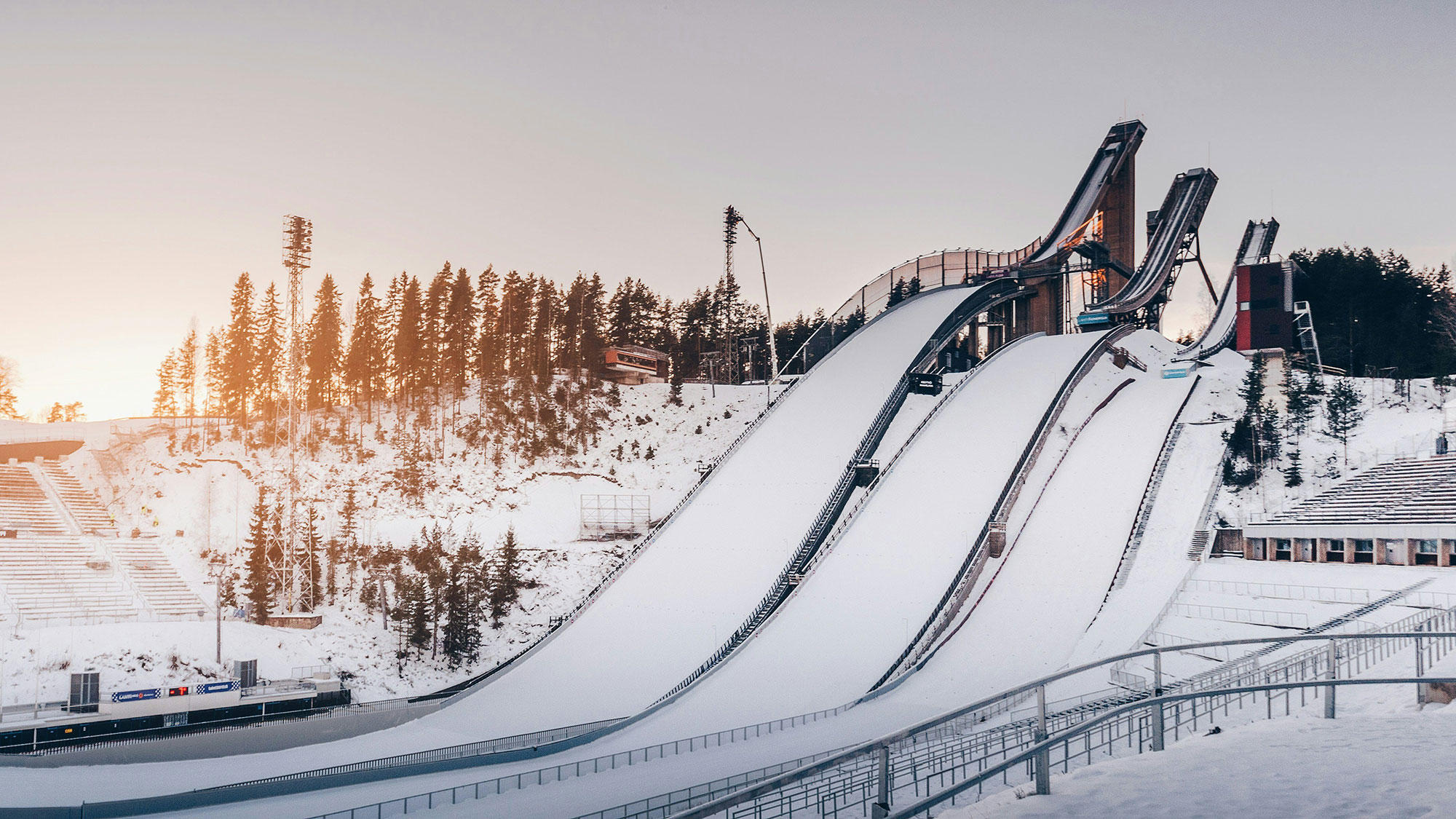
Torino 2006, as a winter event, is more complex. It delivered major regional investment across the Piedmont Alps. But it also exposed the risks of building highly specialised winter venues, such as bobsleigh and ski-jumping facilities, which proved costly to maintain and difficult to repurpose after the Games. That lesson is still very relevant.
Legacy today must be selective and honest. Not everything needs to remain. Sometimes the best legacy is knowing when to dismantle.
Giacomo: From a technical standpoint, Torino showed the risks of over-building permanent structures in sensitive environments. Today, we are much better at designing hybrid solutions — venues that combine permanent cores with temporary overlays, scaled precisely to post-Games demand.
Milan–Cortina applies this thinking far more rigorously. The goal is not iconic architecture for its own sake, but infrastructure that communities can actually sustain.
How do climate change and environmental pressure reshape the future of the Winter Olympics?
Giacomo: Climate change is no longer a future risk — it has become a very real design constraint. Snow reliability, temperature ranges, water usage, and seasonal flexibility all directly affect venue planning. Technically, this pushes innovation in snow management, energy systems, and materials, but it also limits where Winter Games can realistically be hosted in the future.
Tayomara: And strategically, it forces difficult but necessary conversations. The pool of viable host regions is shrinking. Funding is under pressure. Public support depends on trust — trust that the Games will not damage the environment or burden communities. This is why distributed models, reuse of existing venues, and reduced capital expenditure are essential to the survival of the Winter Olympics.
Fan experience is evolving. How do Winter Games engage global audiences without overwhelming fragile locations?
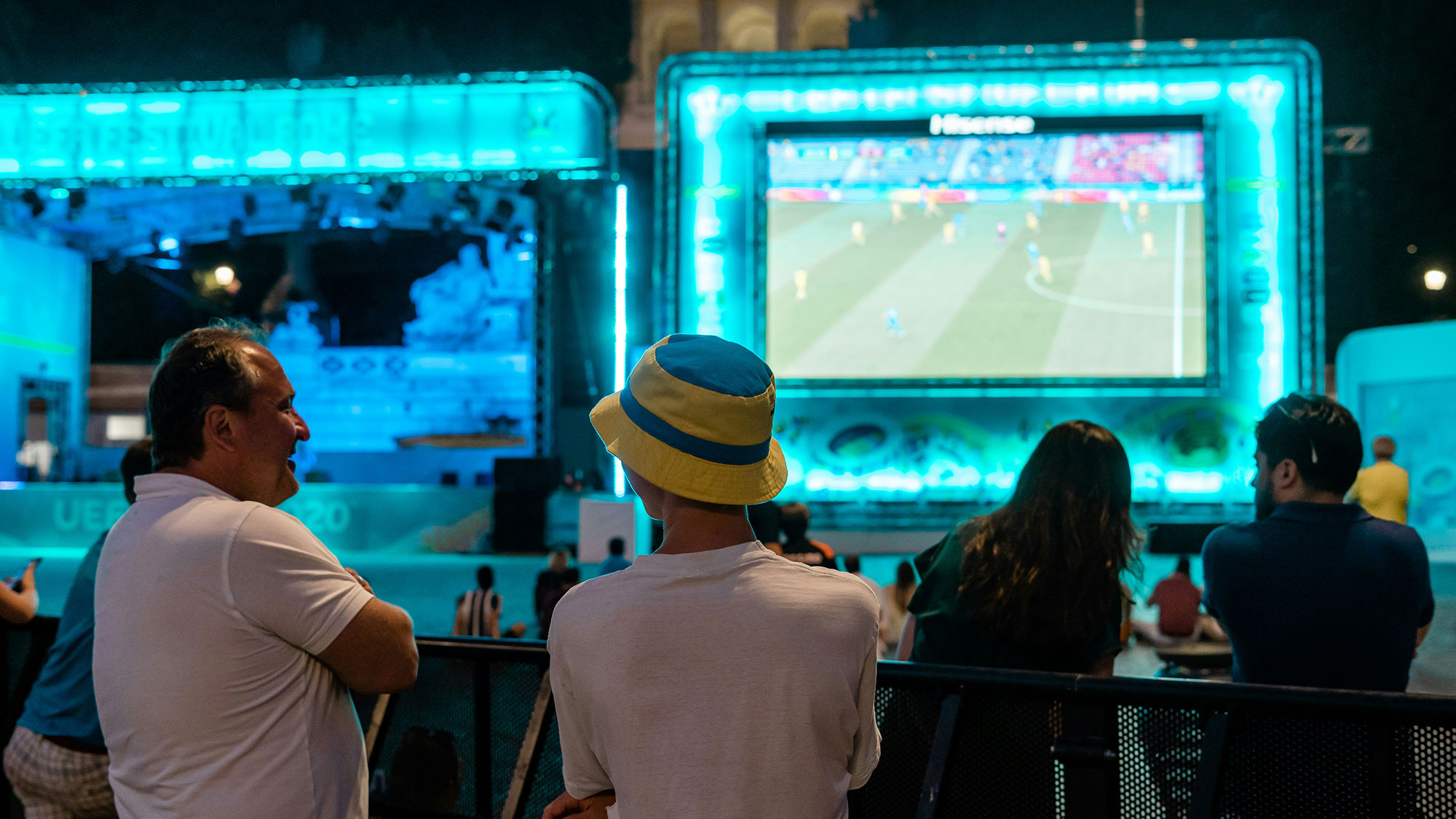
Tayomara: This is where the Winter Games can lead to innovation. You don’t need to bring everyone to the mountain. Fan zones in cities, digital platforms, immersive broadcasting, and shared community spaces allow participation without physical overload. The experience becomes more inclusive, more accessible — and often more sustainable.
Giacomo: Design plays a key role here. Temporary fan infrastructure, modular spaces, and adaptable public realms offer opportunities for celebration without permanent impact. Technology helps bring people together virtually and physically in smarter ways. It’s not about reducing excitement and hype, but redistributing it.
Looking ahead, how can the Winter Olympics remain viable and inspiring?
Tayomara: They must become lighter and more human. Less about spectacle at any cost, more about alignment with global values: climate responsibility, social inclusion, and economic realism.
If the Games can demonstrate leadership here, they remain not only relevant but necessary in the eyes of host cities, governments, and the public. These Games play an important role in advancing more sustainable, inclusive models of global sport.
Giacomo: And they must continue to respect the places that host them. Mountains will always be the heart of the Winter Olympics. Our responsibility as designers is to ensure they remain intact long after the flame is gone.
The future of the Winter Olympic Games will not be defined by scale, but by intelligence, strategic clarity, technical precision, and deep respect for place. Milan–Cortina 2026 is not just a host; it is a test case for a new Olympic era.
For media inquiries, email .