The 2026 World Cup Will Test Stadiums Built for a Different Climate
Stadiums must evolve into climate-responsive environments designed for performance and resilience in a warming, more volatile world.
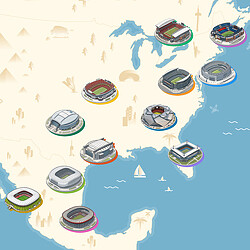
The world’s attention is on North America as the 2026 FIFA World Cup unfolds across 16 host cities in the United States, Canada, and Mexico. But alongside the excitement is a growing concern: many of the venues hosting the world’s biggest sporting event were designed for a climate that no longer exists.
According to the Pitches in Peril report, 10 of the tournament’s 16 venues are at very high risk of experiencing extreme heat stress conditions. Additional research from World Weather Attribution estimates that approximately 26 of the tournament’s 104 matches could be played in conditions that exceed recommended heat-stress thresholds for athletes, while several matches may approach conditions where postponement should be considered. Some of the tournament’s most prominent open-air venues — including MetLife Stadium in New York, Hard Rock Stadium in Miami, Lincoln Financial Field in Philadelphia, Arrowhead Stadium in Kansas City, and Gillette Stadium near Boston — face some of the highest projected heat risks.
While FIFA has implemented measures such as hydration breaks and heat monitoring protocols, the challenge extends beyond tournament operations. Extreme heat is no longer an occasional inconvenience. It is becoming a defining design condition that affects player performance, fan comfort, public health, and venue operations.
The World Cup presents an important question: Are today’s stadiums prepared for tomorrow’s climate?
Why Today’s Stadiums Aren’t Built for Tomorrow’s Climate
Many of the venues hosting the 2026 World Cup were designed decades ago using historical climate data. Shade structures, ventilation systems, and cooling technologies reflected environmental conditions that have since changed significantly.
As temperatures rise and heat waves become more frequent, many venues are relying on operational solutions to bridge the gap, such as shifting match schedules to cooler hours, adding hydration breaks, or deploying temporary cooling infrastructure. These measures are important, but they also reveal a deeper challenge: they are layered onto a stadium model built for a more stable climate, rather than sustained extremes.
For decades, the industry has often treated sustainability and fan comfort as separate priorities. Cooling systems were added to improve comfort, while sustainability initiatives focused on energy efficiency and carbon reduction. In reality, these objectives are increasingly interconnected.
Beyond simply cooling existing stadiums, the challenge is rethinking how these venues perform in a world where climate volatility is becoming the norm rather than the exception.
From Stadiums to Climate-Responsive Systems
Designing for heat resilience requires moving beyond individual building components and toward a more holistic approach that treats stadiums as climate-responsive systems.
Shaping the Environment Before Cooling It
The most effective heat mitigation strategies begin with the environment itself. Site placement, bowl geometry, orientation, and roof design can reduce temperatures significantly before any mechanical system is required. When a stadium is positioned to channel prevailing winds, its geometry shaped to draw air through the seating bowl, and its roof designed to shade the hottest hours of the day, the result is a venue that is inherently more comfortable. The goal is to design the microclimate before mechanical cooling is ever needed.
Prioritizing Passive Design
Before the widespread adoption of air conditioning, buildings relied heavily on passive design strategies to manage heat. Many of those lessons remain relevant today. Design decisions made early in the process — orientation, form, shading, and natural ventilation — often have the greatest impact on long-term thermal performance. Passive strategies reduce dependence on energy-intensive cooling systems while creating more resilient venues capable of adapting to changing environmental conditions. As heat risks continue to increase, the industry has an opportunity to rediscover and modernize many of these proven approaches.
Leveraging Material Intelligence
Materials play a critical role in thermal comfort. High-performance surfaces can reflect solar radiation, reduce heat absorption, and improve occupant comfort. Breathable seating materials can lower surface temperatures. Reflective paving and landscape strategies can help mitigate urban heat island effects that amplify temperatures around stadiums and entertainment districts. The future of climate-responsive design depends as much on what buildings are made of as on how they are shaped.
Designing for Adaptability
Today’s climate resilience is about designing for variability. Future-ready venues must be capable of responding to a wide range of environmental scenarios, from extreme heat to severe weather events. Operational flexibility, shaded circulation routes, cooling zones, emergency response planning, and adaptable event scheduling will become increasingly important components of venue design. Stadiums must evolve from fixed environments into adaptable systems capable of responding to changing conditions in real time.
Proof in Practice
Many of these ideas are already being implemented in sports venues around the world.
BMO Field, Toronto
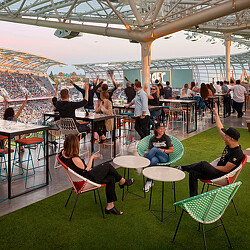
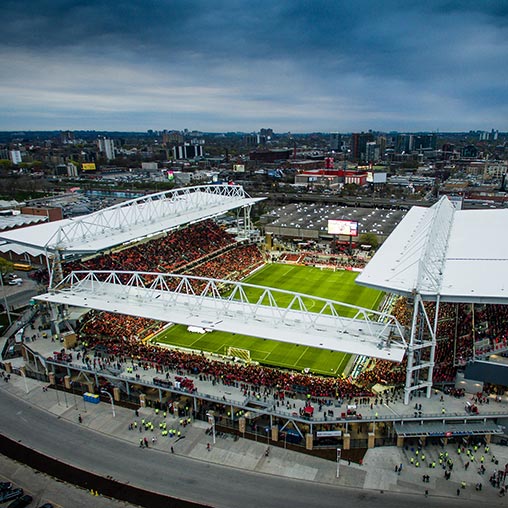
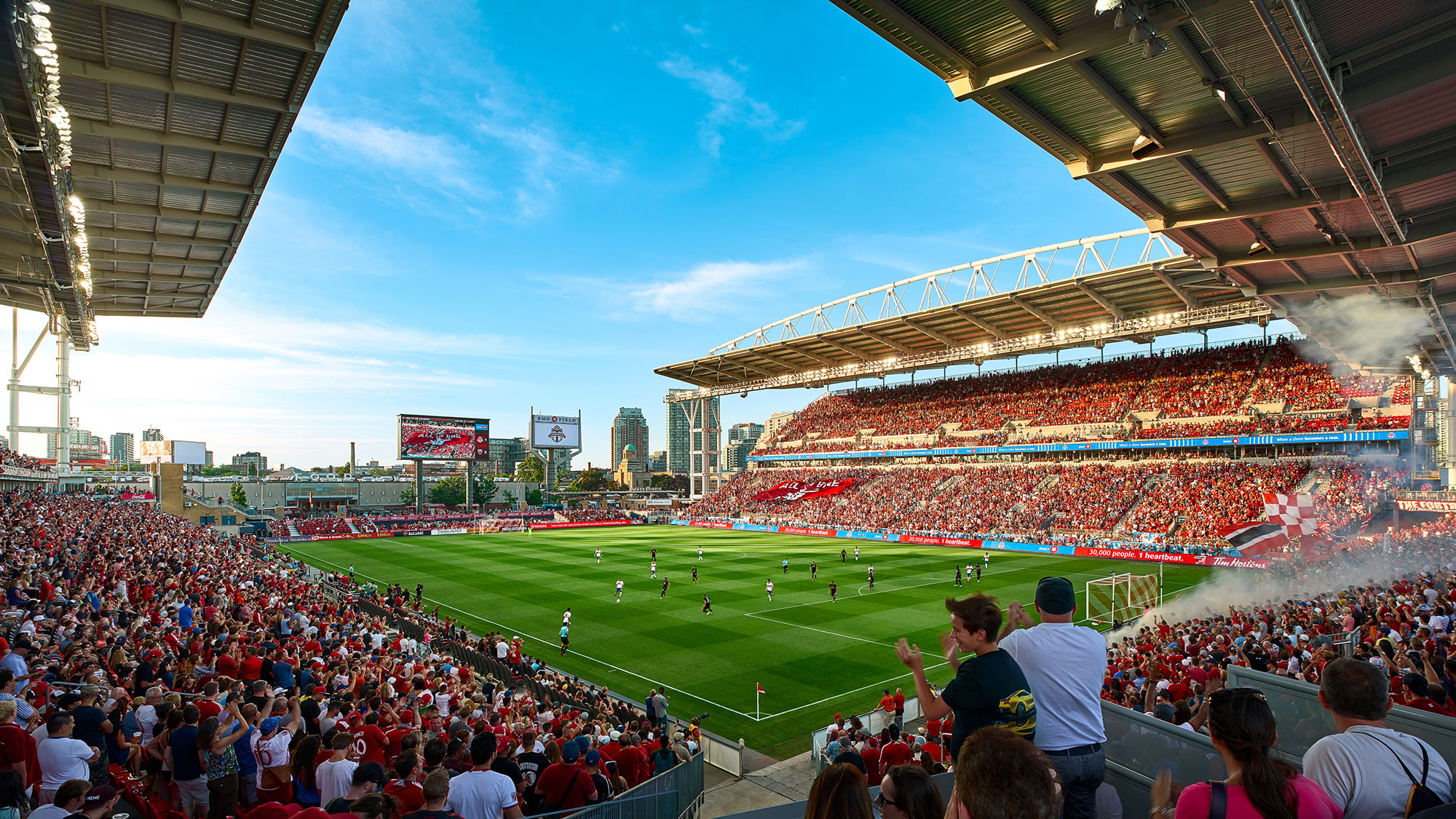
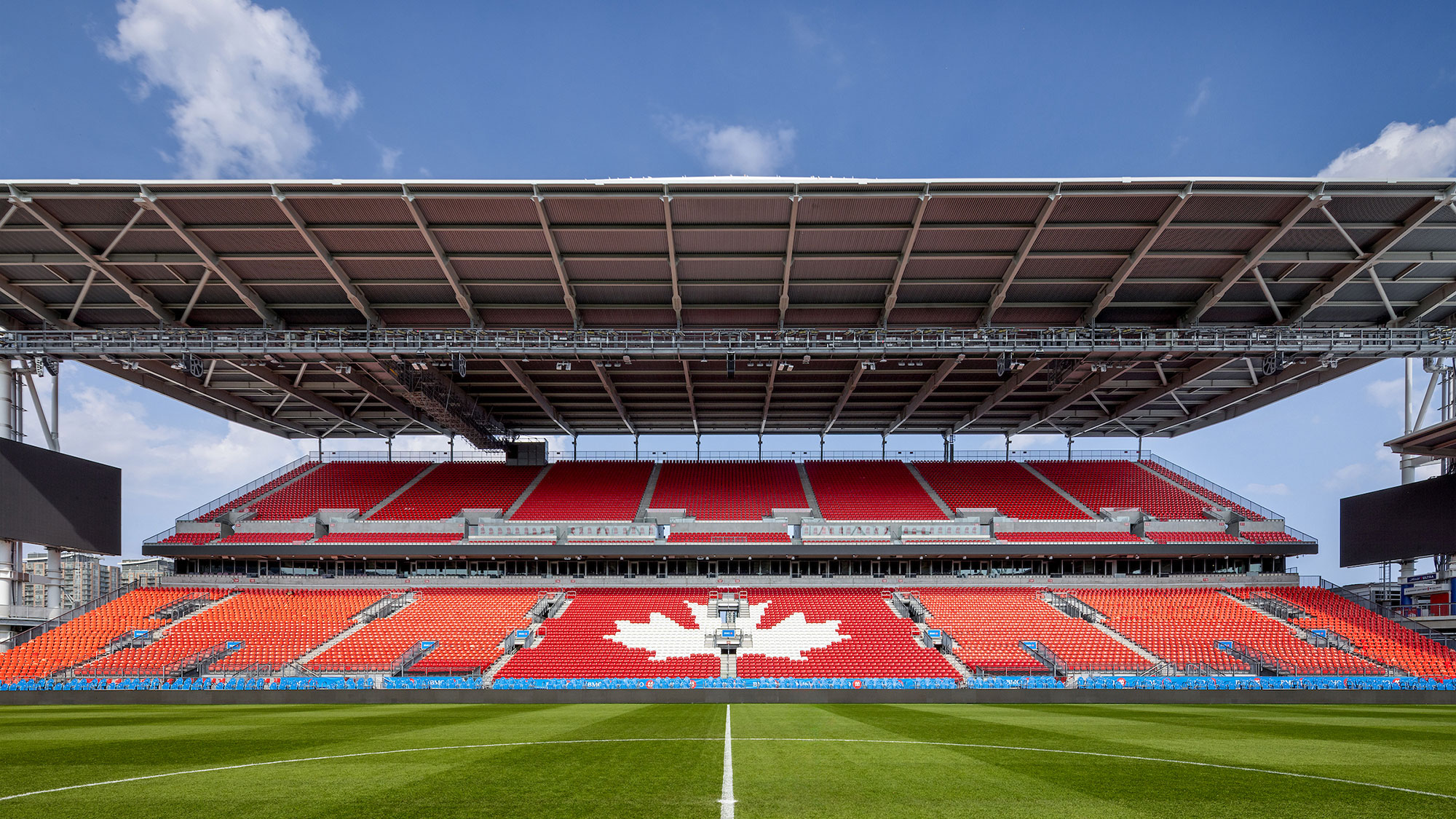
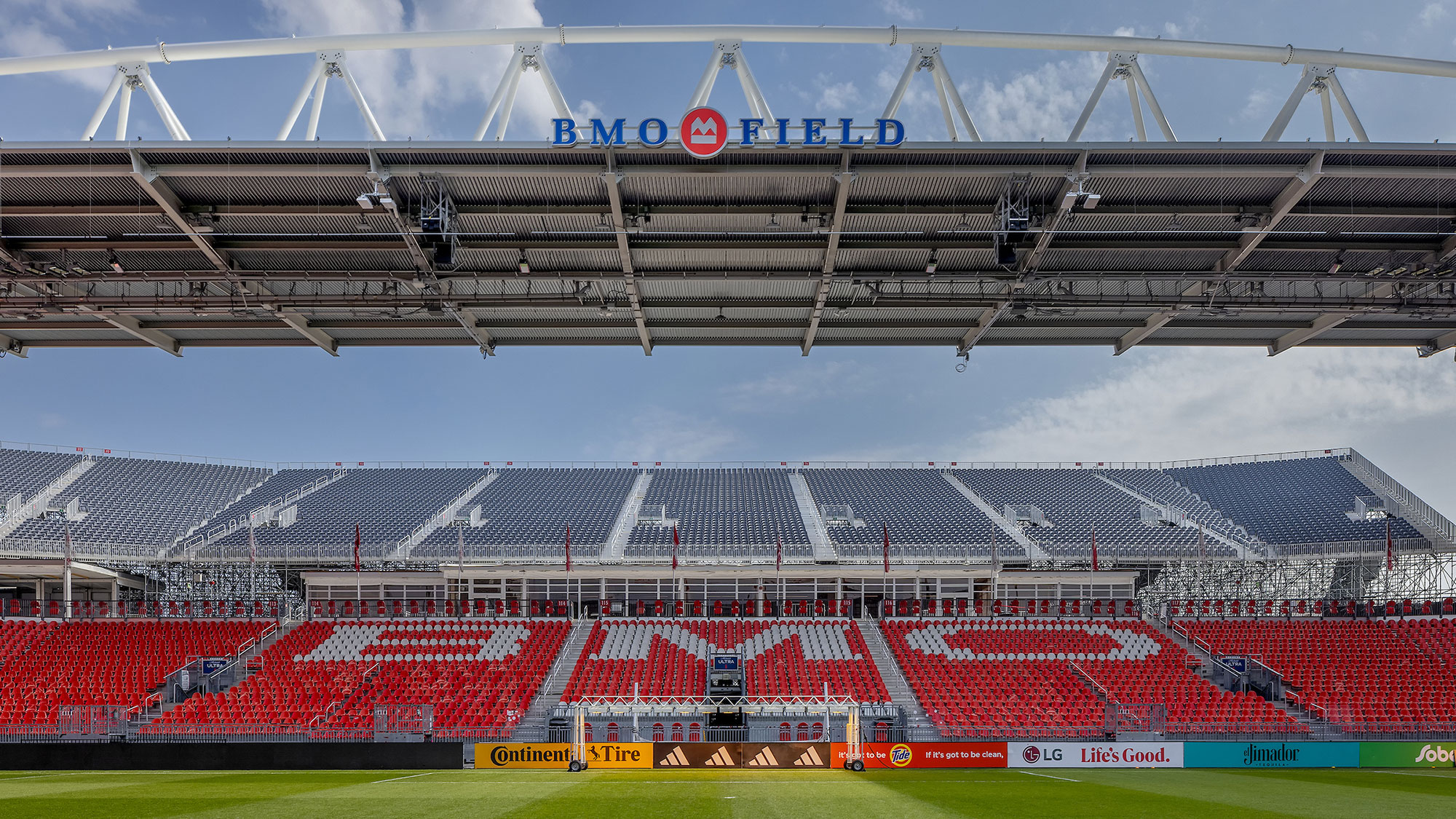
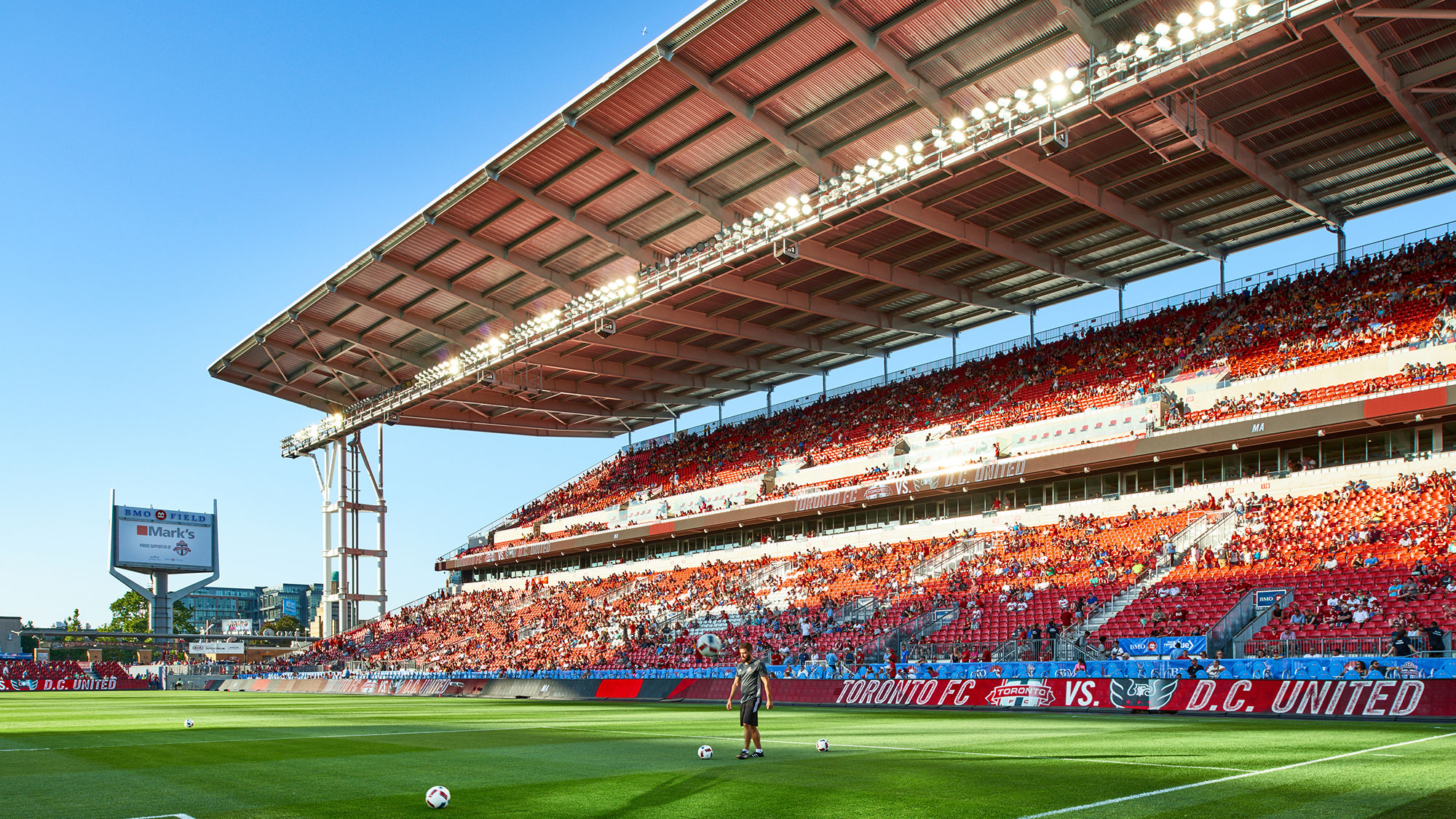
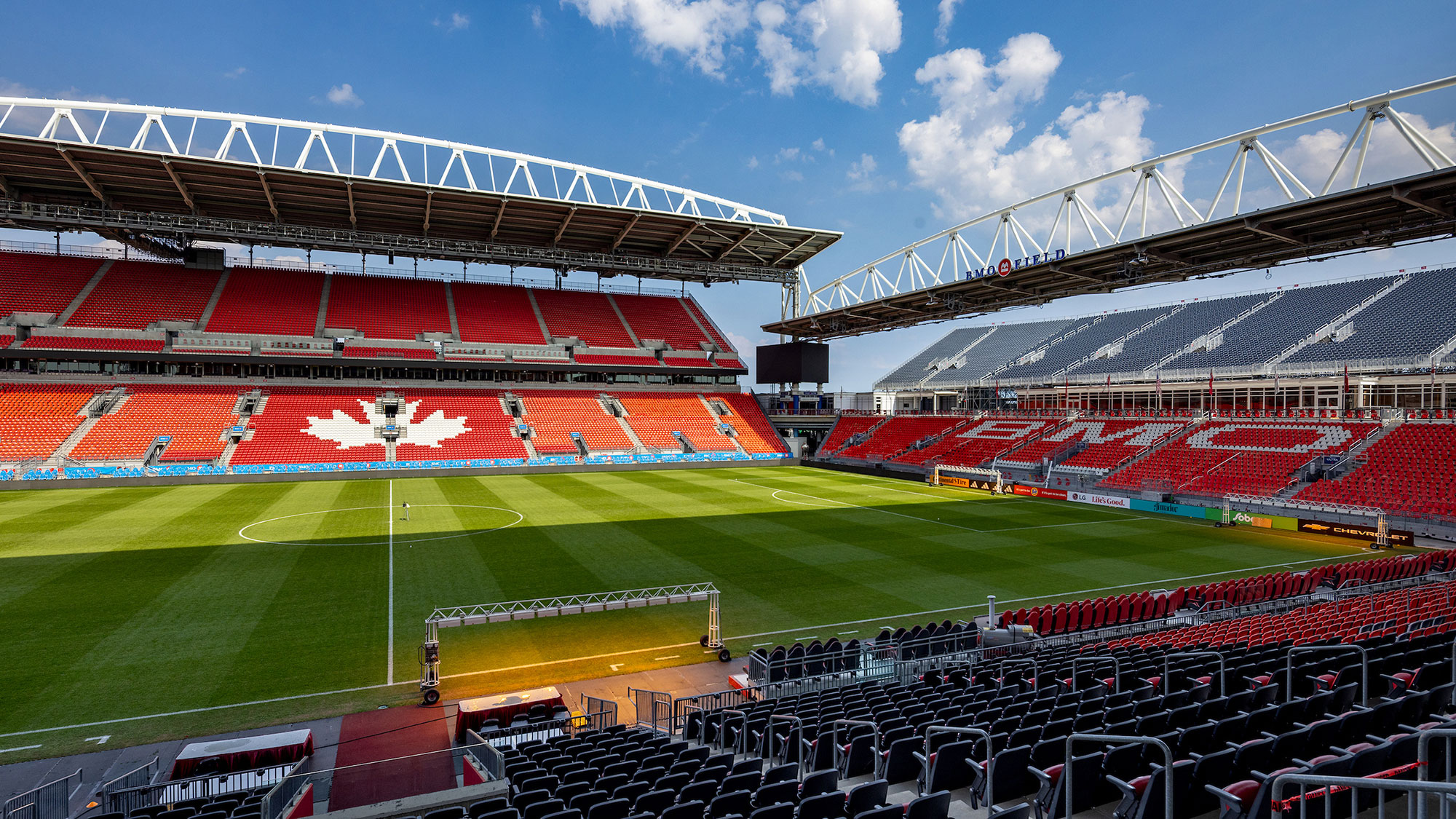
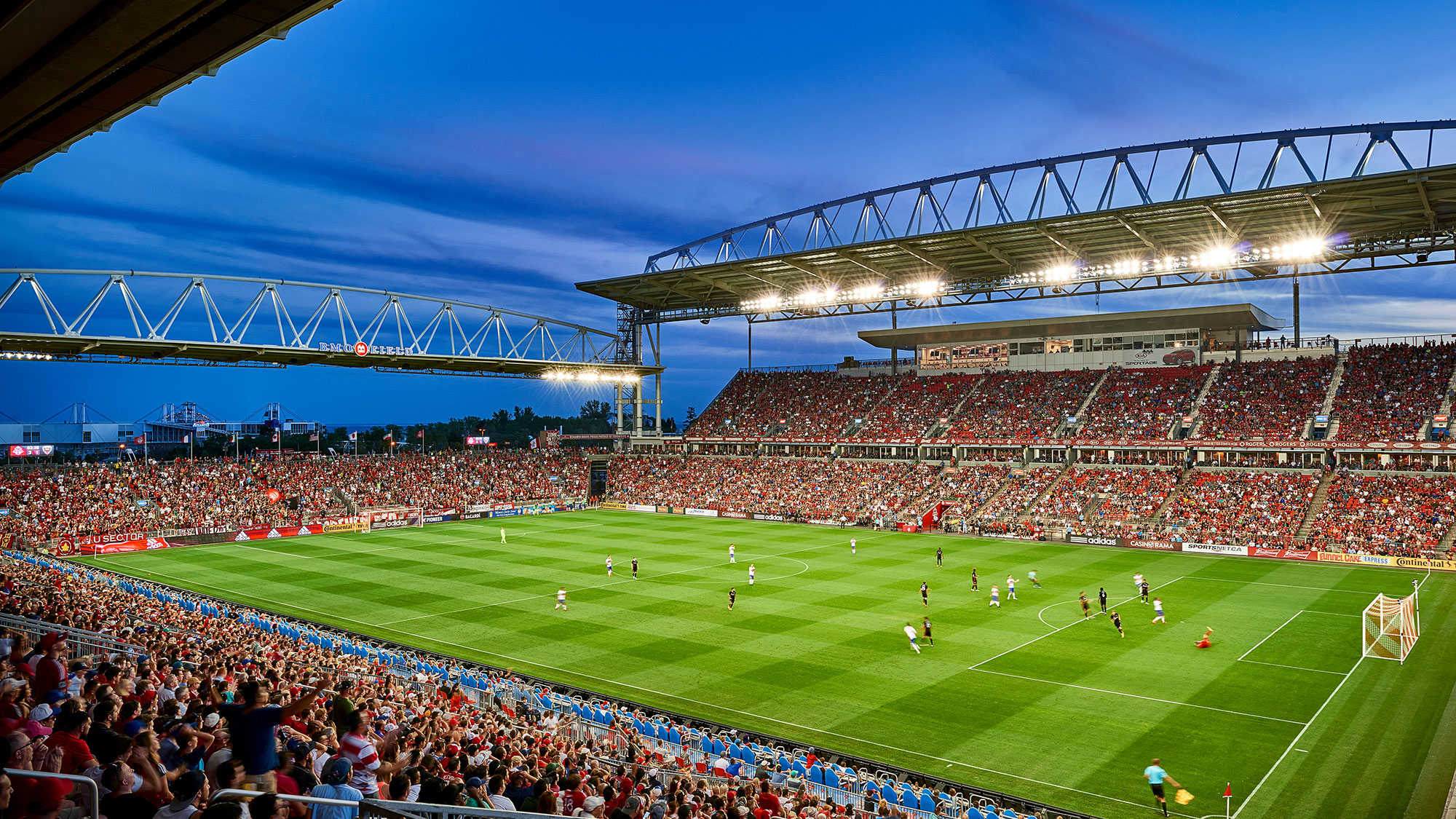
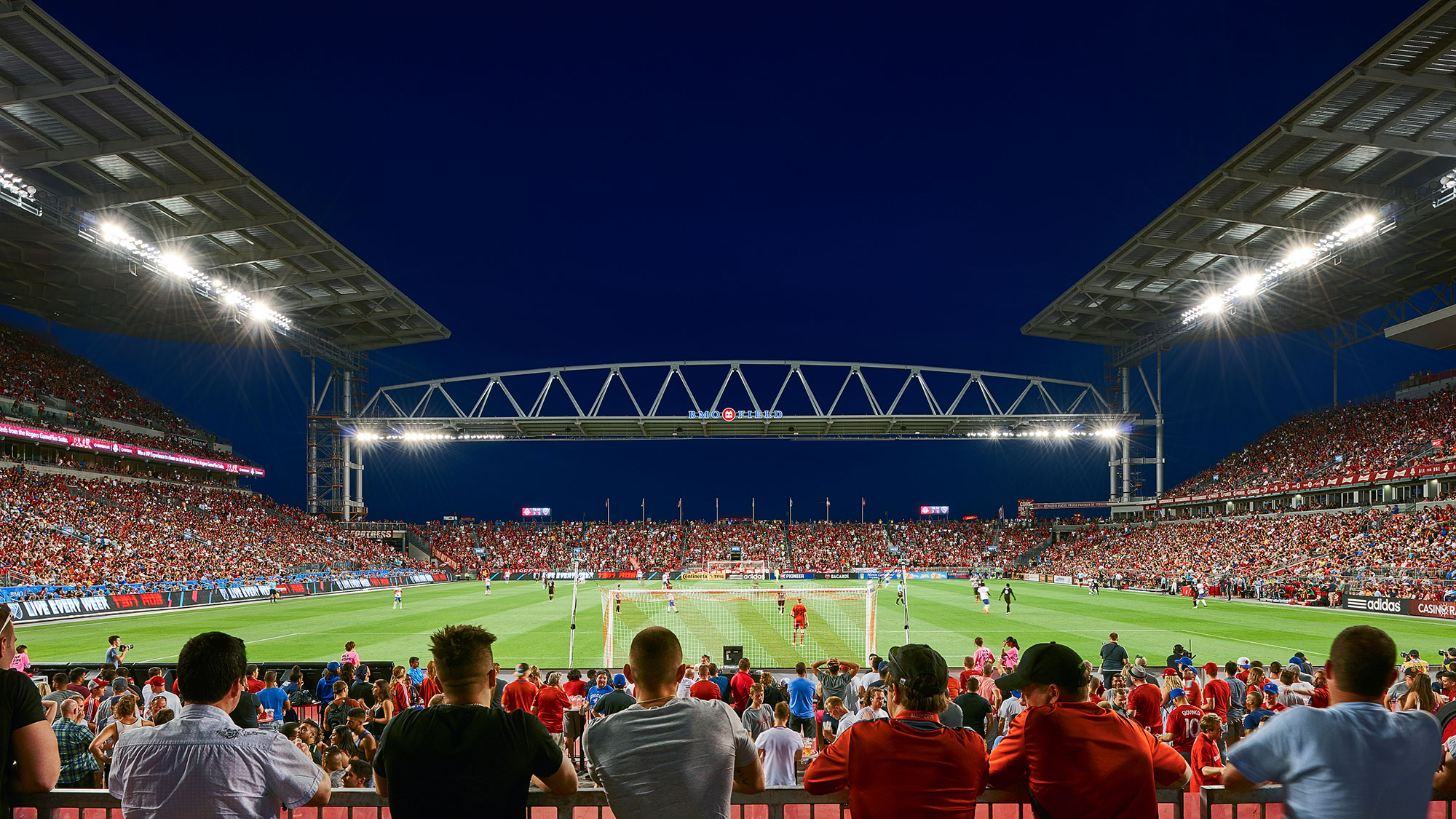
Gensler’s relationship with Toronto’s BMO Field spans more than a decade of incremental transformation. In 2016, the firm led a significant expansion that increased permanent capacity from 21,000 to around 27,000 seats and introduced a Premier League-style roof canopy. This became one of the first meaningful steps toward spectator comfort and weather protection at the venue. That canopy, designed to shelter most of the seating bowl, laid the groundwork for how the stadium would approach environmental performance going forward.
For the 2026 World Cup, Gensler returned to expand the venue again, this time to 45,000 seats in a temporary fashion, with a new semi-permanent VIP section on the north end, upgraded hospitality, new luxury boxes, and the potential for a future 1,000-person rooftop patio that will remain as a permanent legacy addition when the temporary seats are removed. Together, the two phases of work illustrate how a venue can be progressively adapted to meet evolving demands, both in scale and in climate responsiveness.
That said, BMO Field also reflects a broader truth about retrofit work: each intervention builds on what exists rather than what might be ideal. The greatest opportunity to embed resilience comes at the start of the project: to orient a bowl for airflow, to design shading from the ground up, to integrate passive strategies from day one.
Al-Ahly Stadium, Cairo
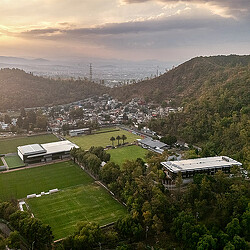
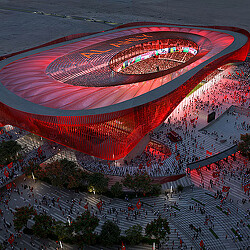
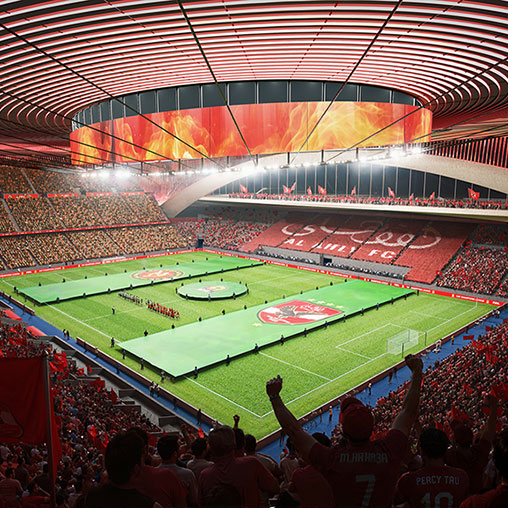
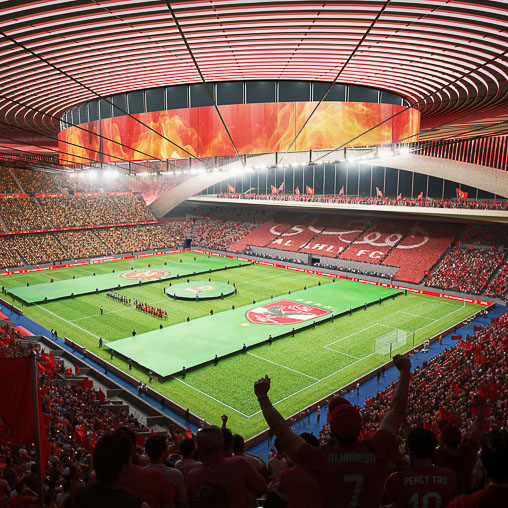
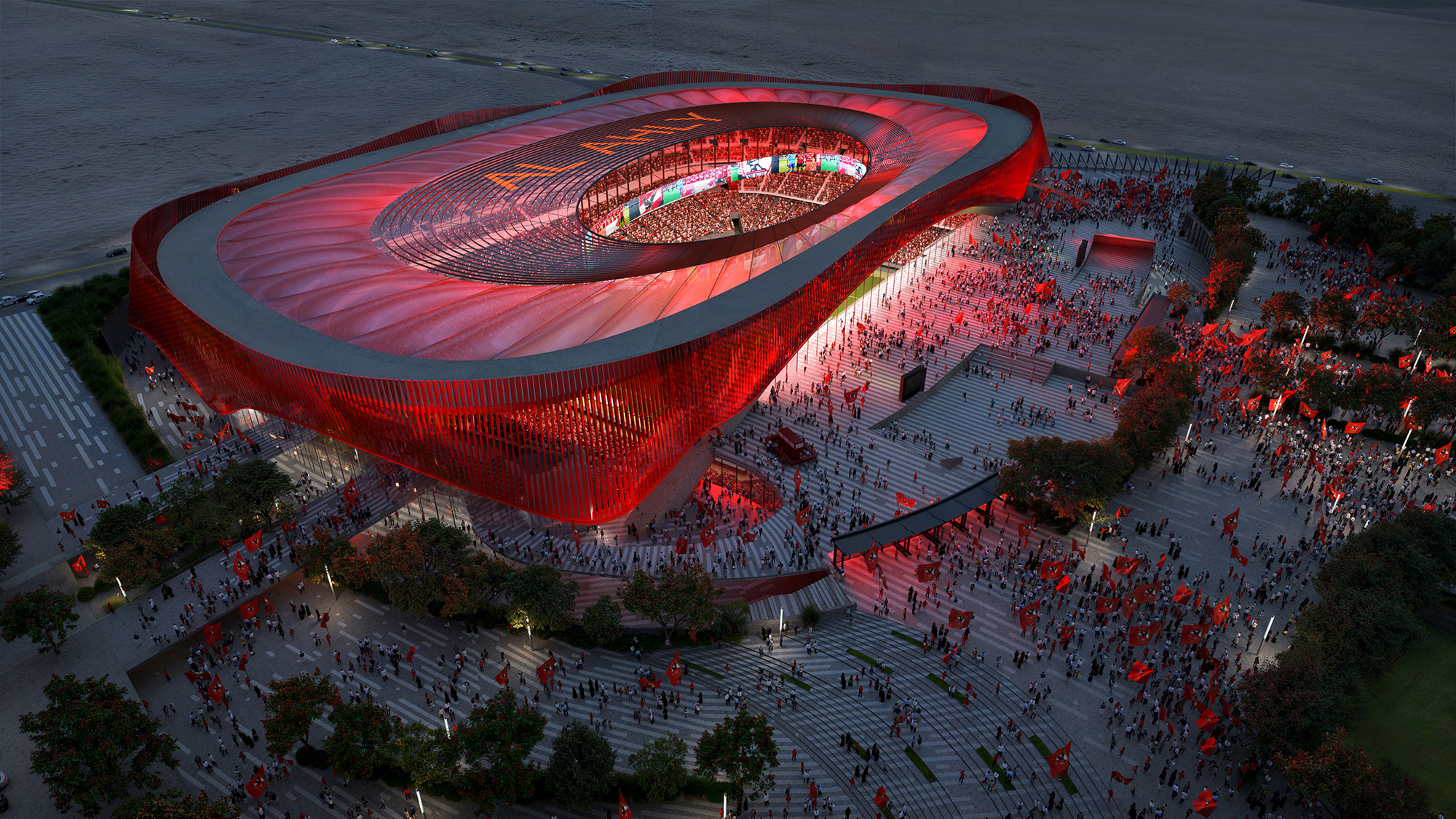
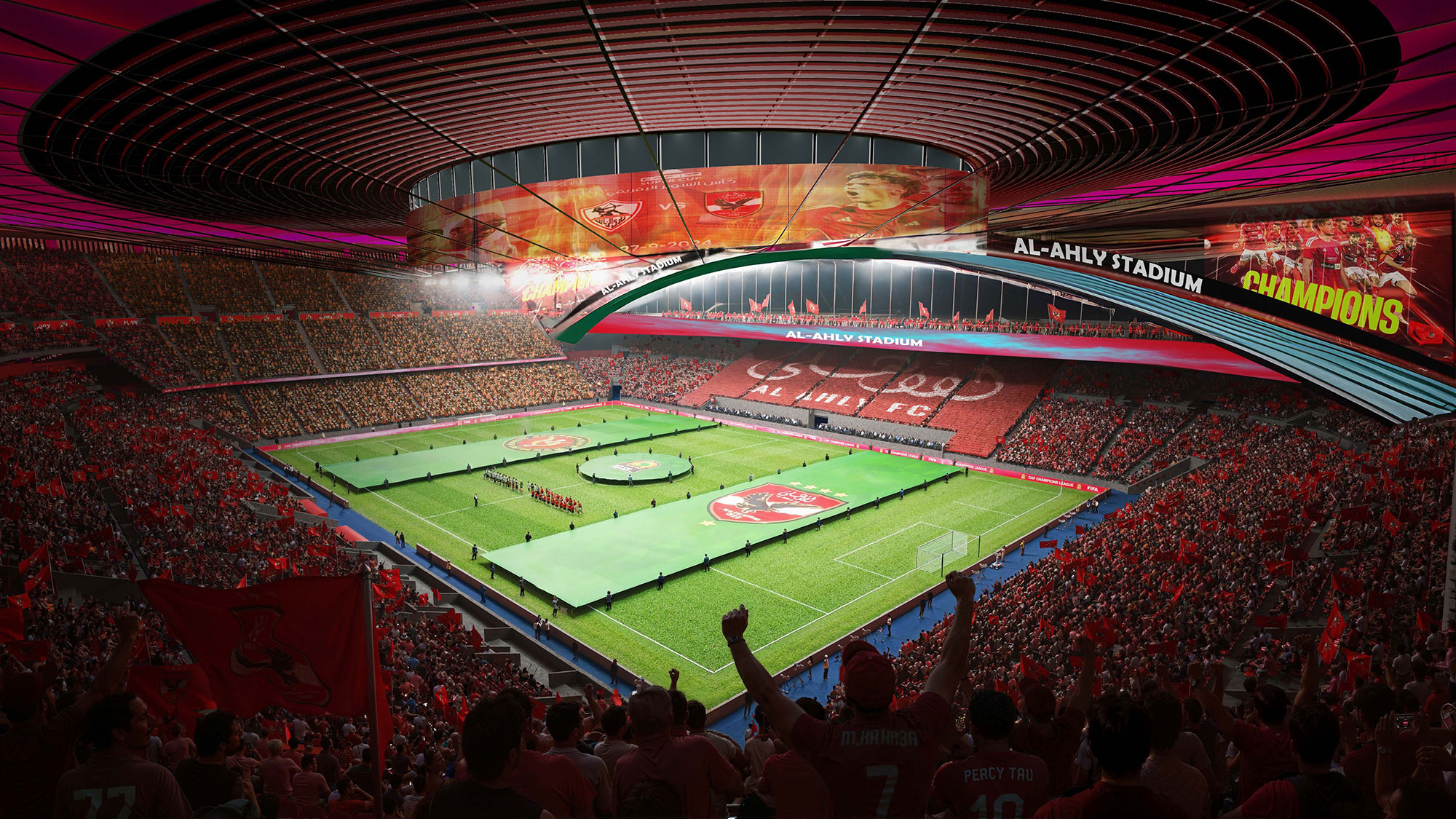
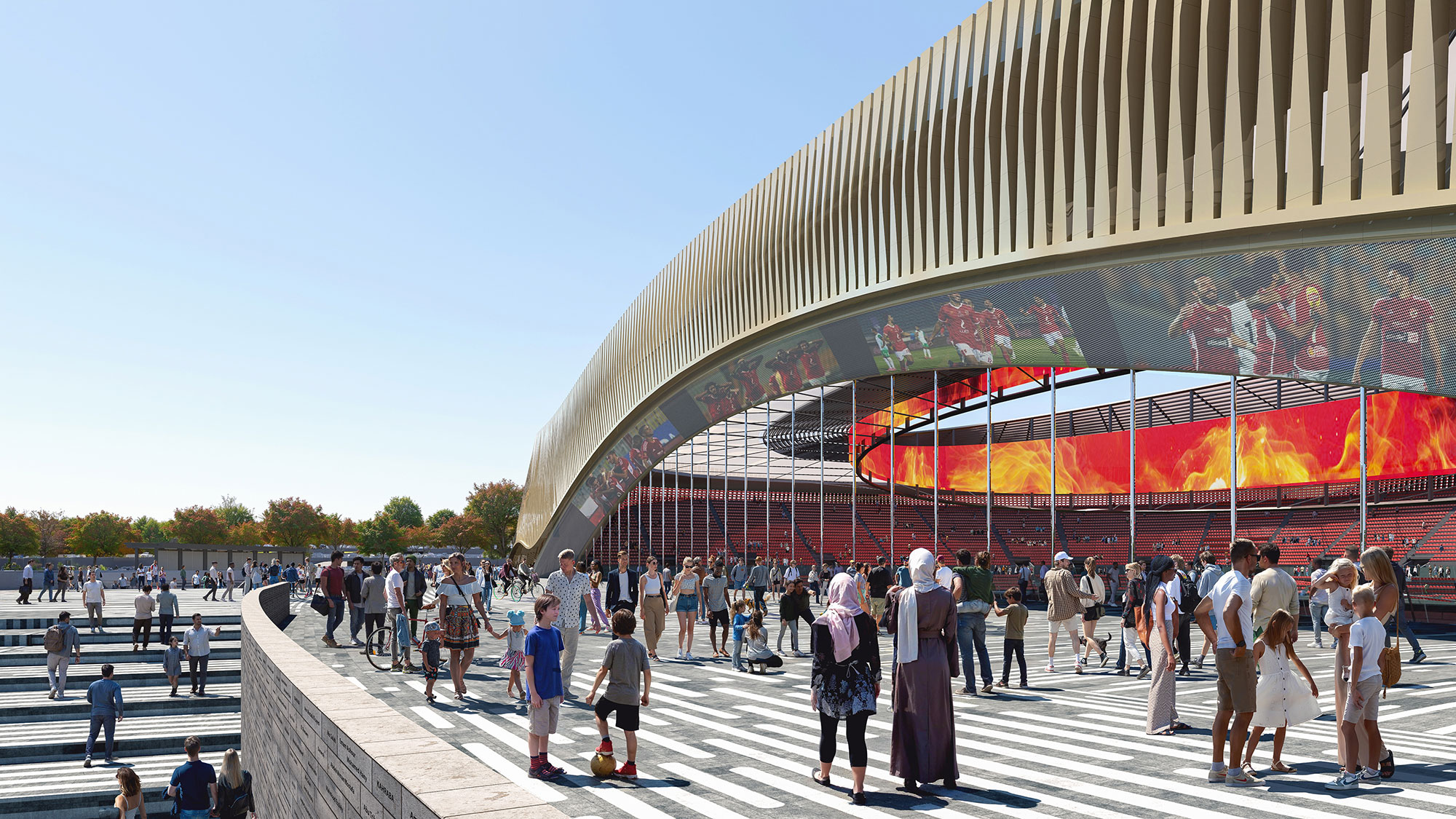
Currently under development in Egypt, Al-Ahly Stadium demonstrates how architecture itself can become a climate solution. To accommodate airport height restrictions near the site, the design team lowered the pitch approximately 15 meters below grade. The resulting partially submerged bowl takes advantage of the earth’s naturally cooler temperatures while creating a more comfortable environment for spectators.
A permeable façade promotes natural ventilation throughout the venue, reducing reliance on mechanical cooling systems. The project illustrates how geometry, section, and environmental performance can work together to fundamentally reshape the stadium experience.
Q2 Stadium, Austin
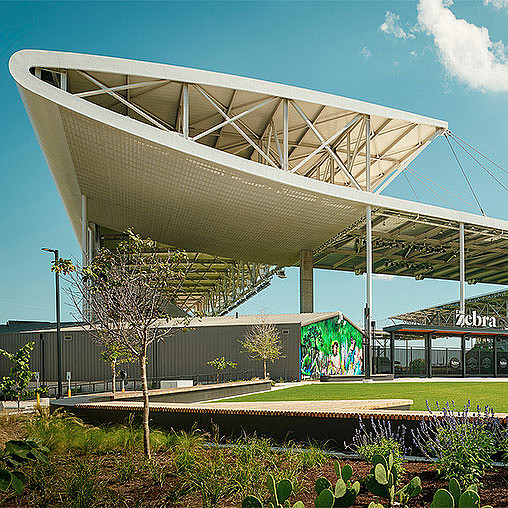
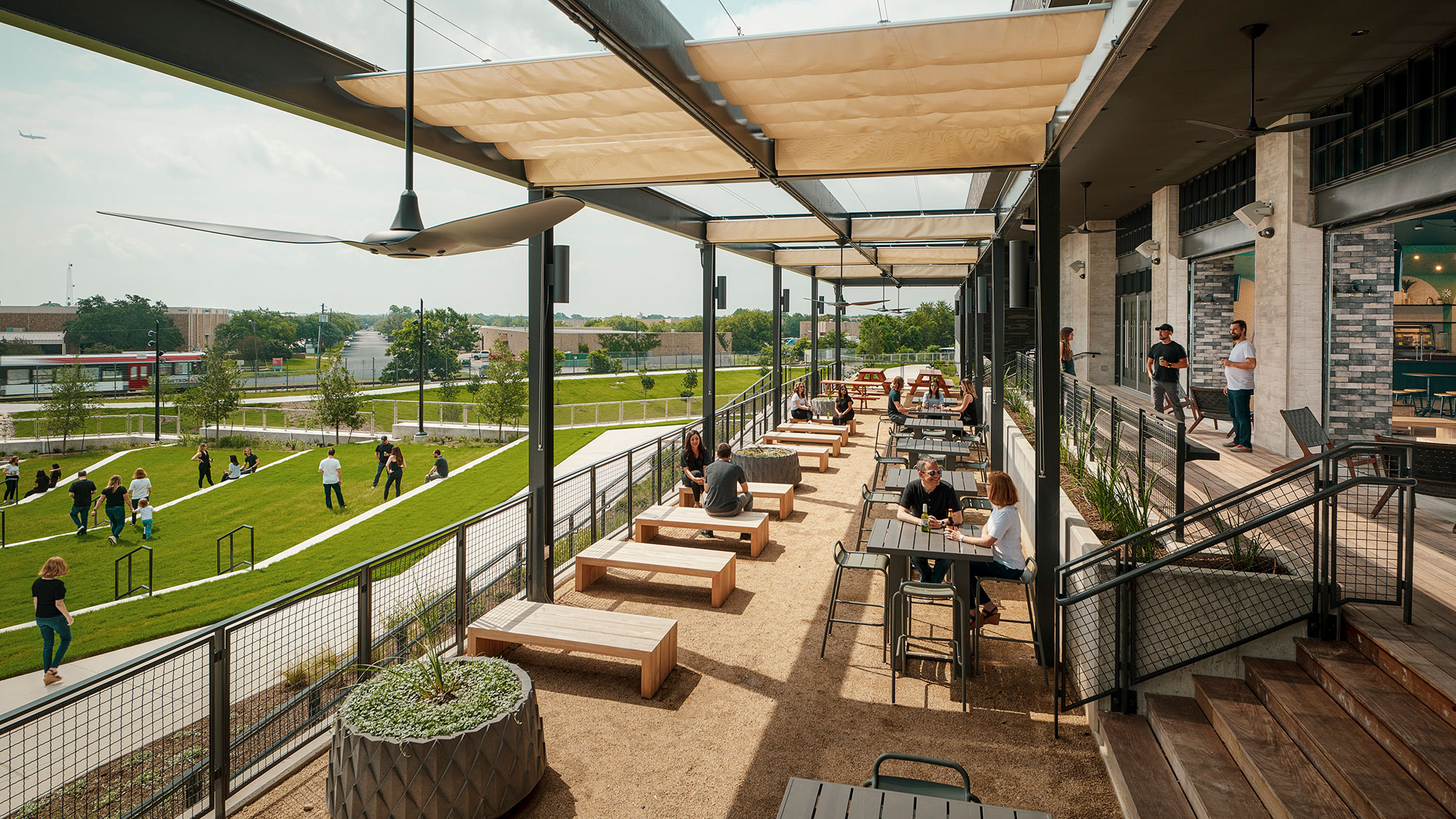
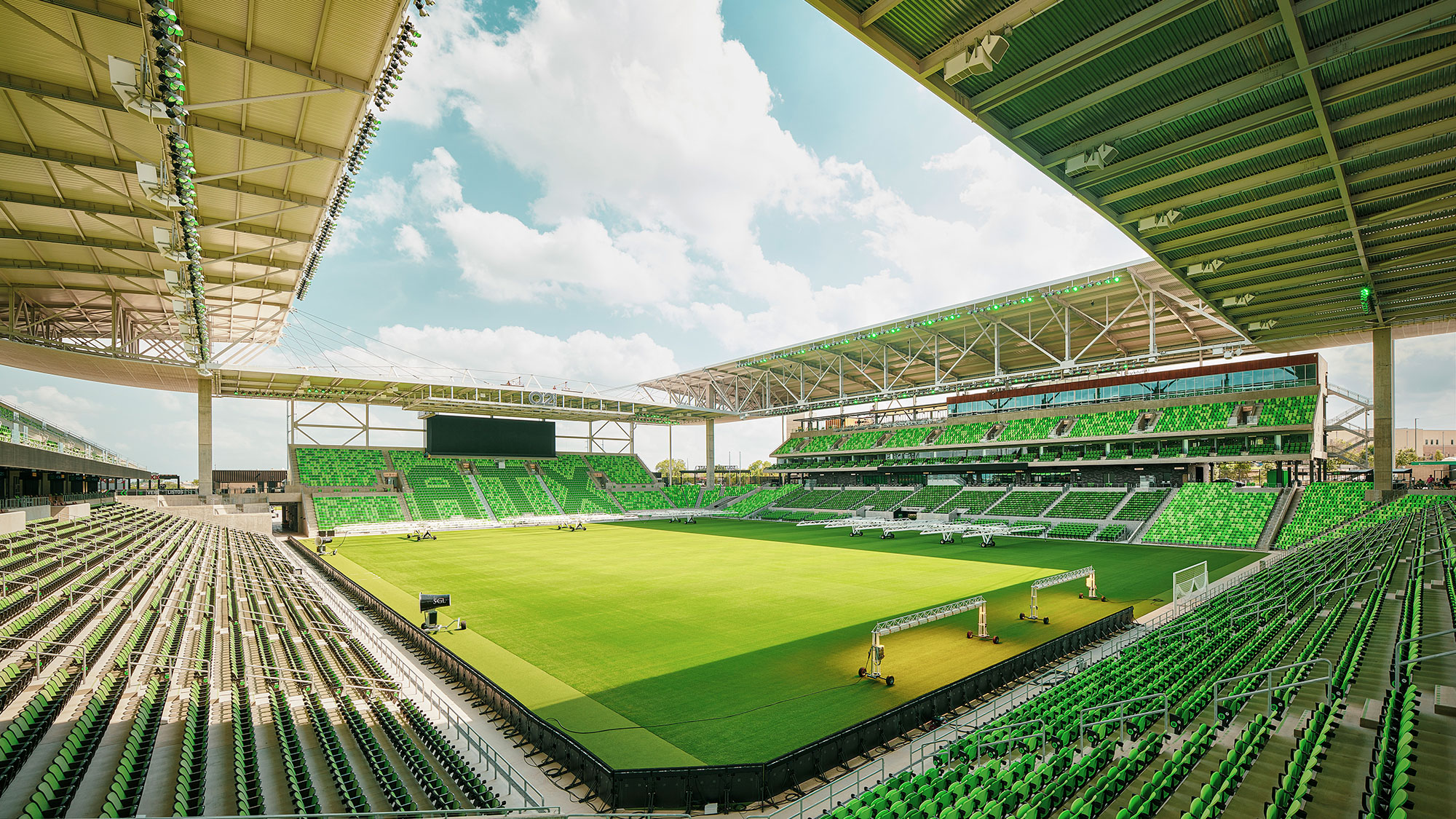
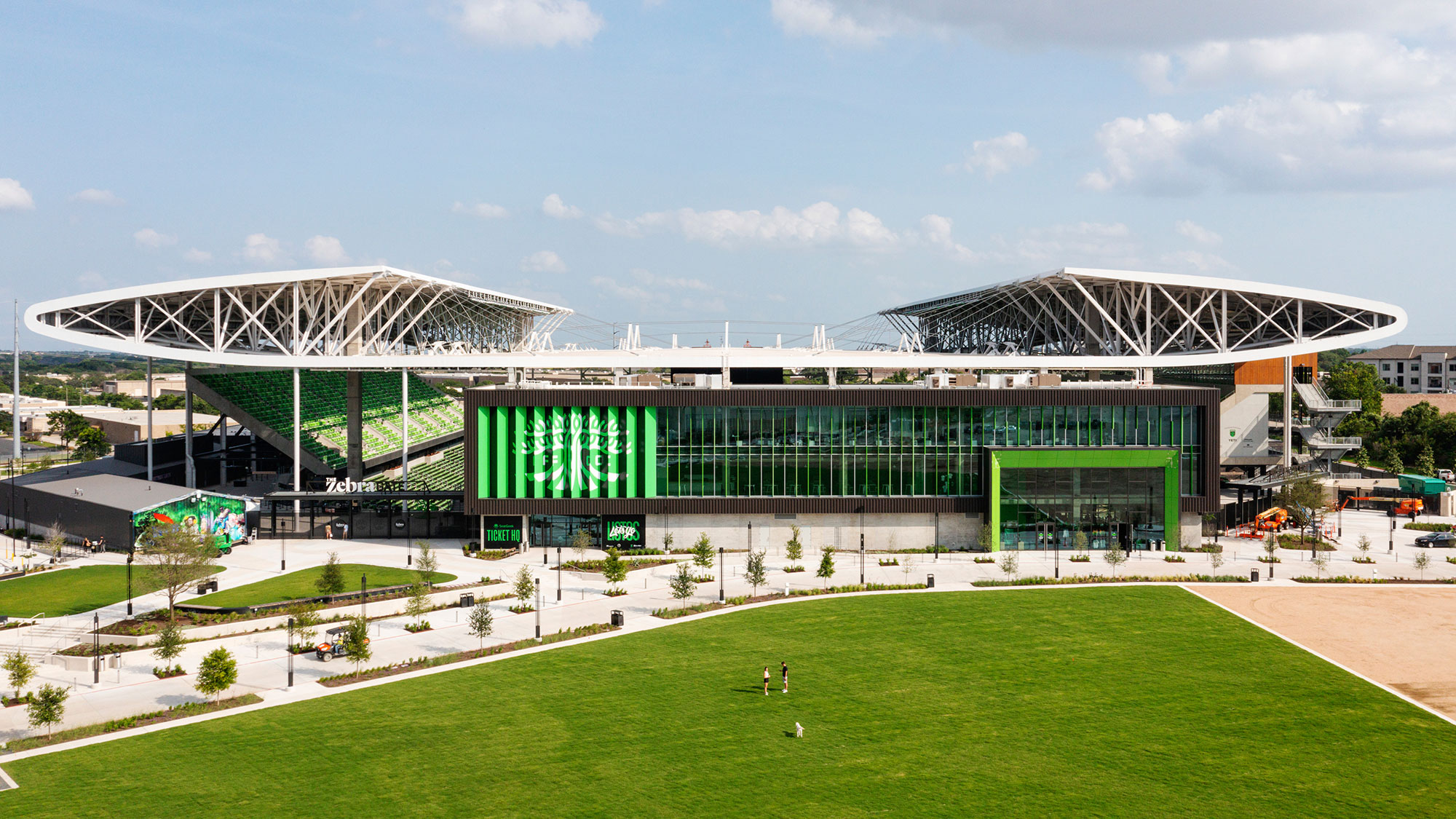
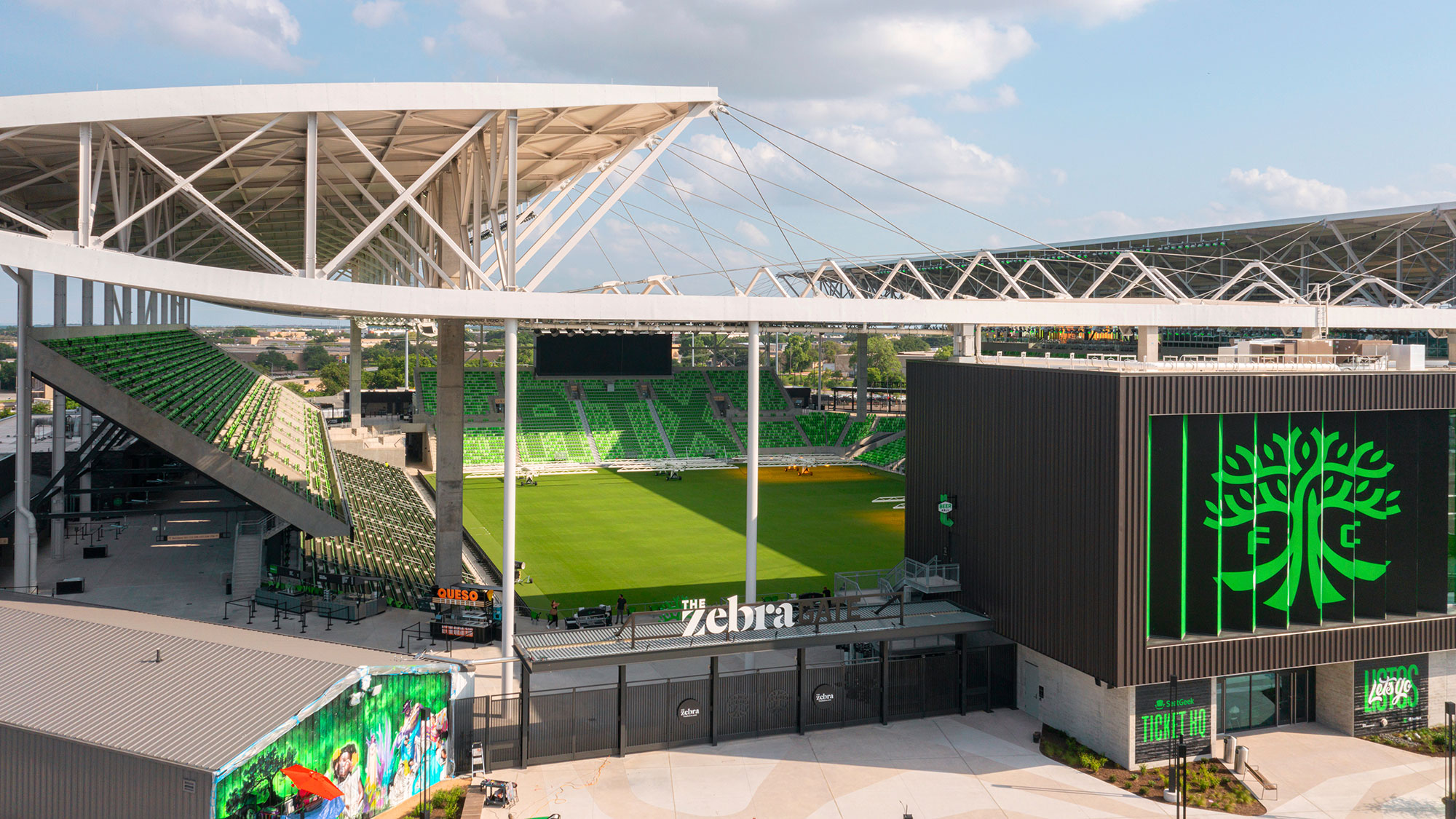
In one of North America’s hottest major cities, Austin’s Q2 Stadium demonstrates how a series of integrated design decisions can significantly improve fan comfort.
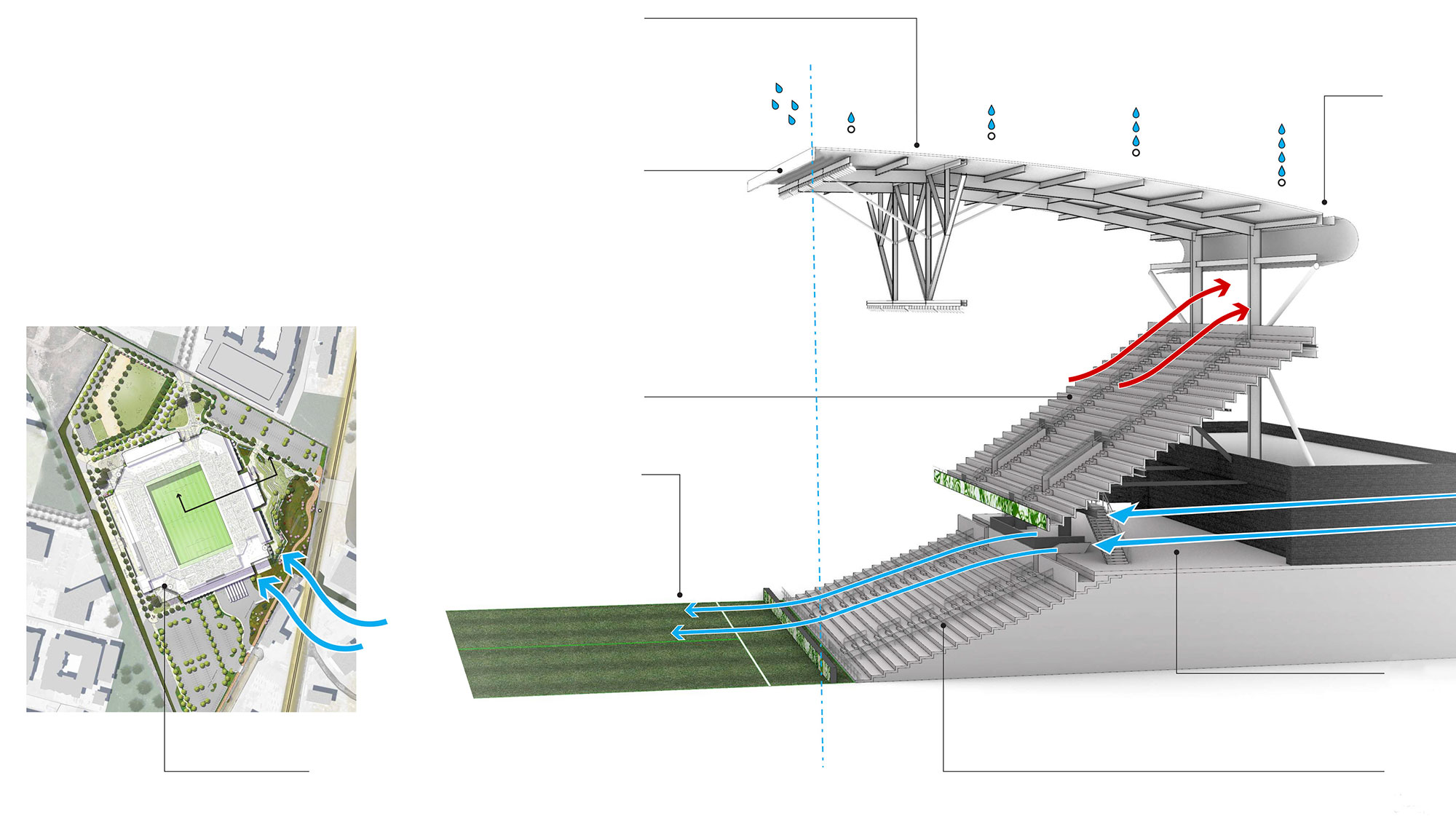
Gensler oriented the stadium to take advantage of prevailing winds, while open corners encourage natural airflow throughout the venue. Strategically positioned shade structures maximize protection during the hottest afternoon hours. Approximately one-third of the seating uses breathable mesh materials that improve comfort through increased airflow. Highly reflective paving materials throughout the site further reduce heat buildup and help mitigate the surrounding urban heat island effect.
Rather than relying on a single technological solution, Q2 shows how multiple passive strategies can work together to create a cooler environment.
Designing for What Comes Next
The 2026 FIFA World Cup will showcase the world’s most popular sport and provide a real-world stress test for the infrastructure that hosts it. As temperatures rise and weather patterns become less predictable, operations alone can no longer close the gap between existing venues and future climate conditions. Scheduling adjustments and hydration protocols can address immediate risks, but design remains the more durable answer.
The opportunity before us is to reimagine the stadium as a climate-responsive environment; one that protects people, supports performance, and strengthens communities. The lessons the 2026 World Cup offers extend well beyond sports, pointing toward a broader model for how cities can adapt public infrastructure to a warmer, less predictable future. The next generation of stadiums will actively enable events in conditions where gathering, play, and community life might otherwise be at risk.
For media inquiries, email .