Building For the Beautiful Game
Inside the training home of Mexico’s national soccer team, and what it means for the future of fútbol infrastructure in Latin America.
As the 2026 FIFA World Cup kicks off at Mexico City’s iconic Estadio Azteca, the world is watching. As the host nation of the opening match, Mexico carries the expectation of a sport that has shaped its national identity for generations.
But what the world sees on the field is only part of the story. The real preparation happens long before the opening whistle — in the systems, spaces, and infrastructure that support elite athletes as they train, recover, and represent their country on the global stage.
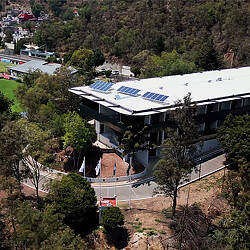
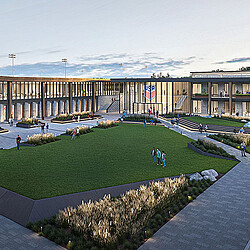
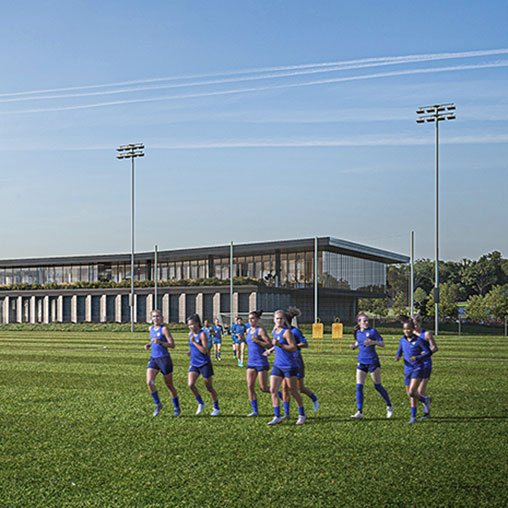
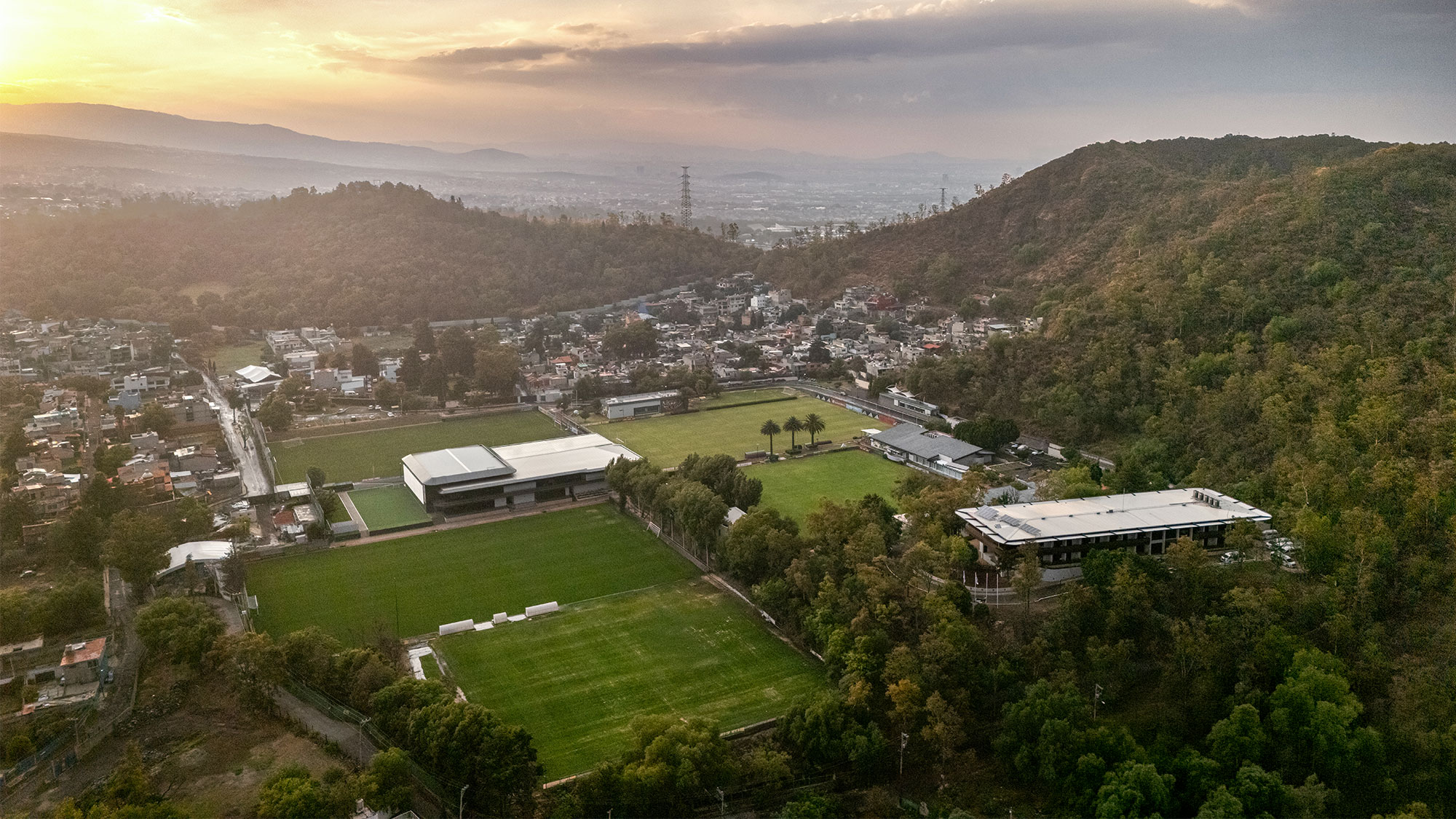
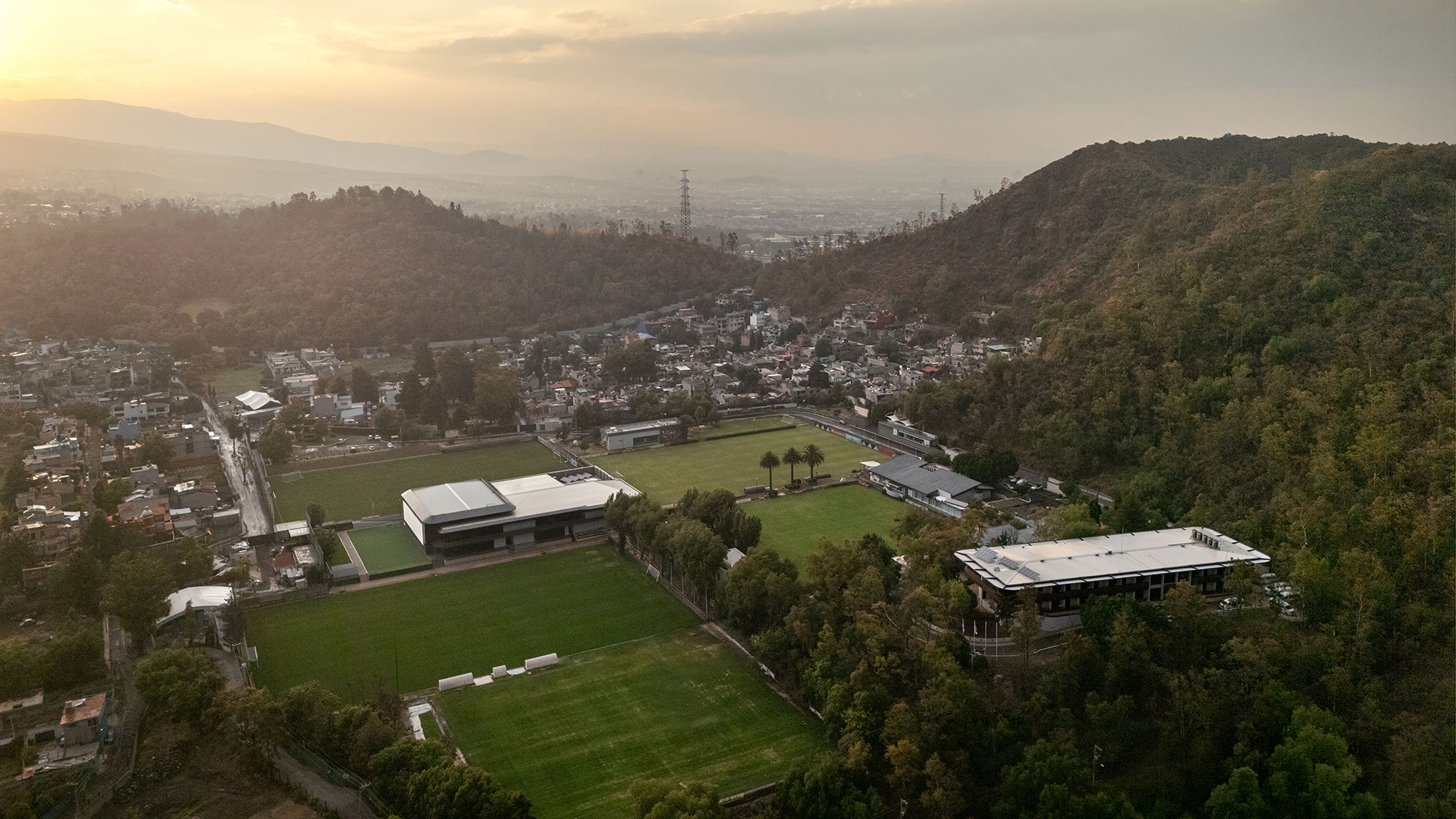
In the lead-up to the 2026 FIFA World Cup, the Mexican Football Federation undertook a comprehensive transformation of its High-Performance Center (CAR) in Tlalpan, the home and training ground for the Mexican National Team. Beyond upgrading facilities, the Federation set out to reimagine how architecture could streamline processes and create an environment that supports athletes physically and emotionally.
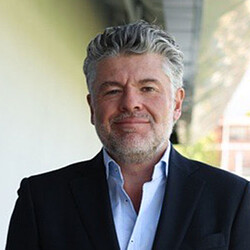
In this conversation, Luis Palma, Vice President of Operations at the Federation, and Omar Quesada, Gensler’s Regional Sports Leader for Latin America, discuss the thinking behind the redesign and what it signals for the future of soccer in Mexico and across the region.
How did the relationship between the Mexican Football Federation and Gensler begin?
Luis Palma: Our first interaction with Gensler came during the development of our corporate offices in Toluca. While another firm ultimately executed the project, that initial engagement opened the door and introduced us to their capabilities.
When the need to upgrade the CAR emerged, we immediately considered global firms with proven experience. Gensler stood out — not only for its international reach, but for its specific expertise in high-performance training facilities, including projects like The Star, the Dallas Cowboys’ complex in Frisco, Texas. We conducted a comparative process with several firms and ultimately selected Gensler for its rigor, methodology, and holistic understanding of the project.
One critical decision was to expand the conversation beyond leadership. We included middle management, technical staff, and most importantly, players — both men and women. Listening to users revealed gaps we couldn’t see from an institutional perspective. That level of candor became essential to reframing the project.
What were the limitations of the CAR prior to the renovation?
Luis Palma: The CAR was acquired in the late 1990s and had undergone incremental upgrades over time, but never a comprehensive intervention. The 2026 World Cup became the catalyst. We couldn’t host such a major event without world-class infrastructure that would support us for the next 20 years. The need was clear: the design had to be timeless, durable, and built for long-term performance.
What did the design diagnosis reveal?
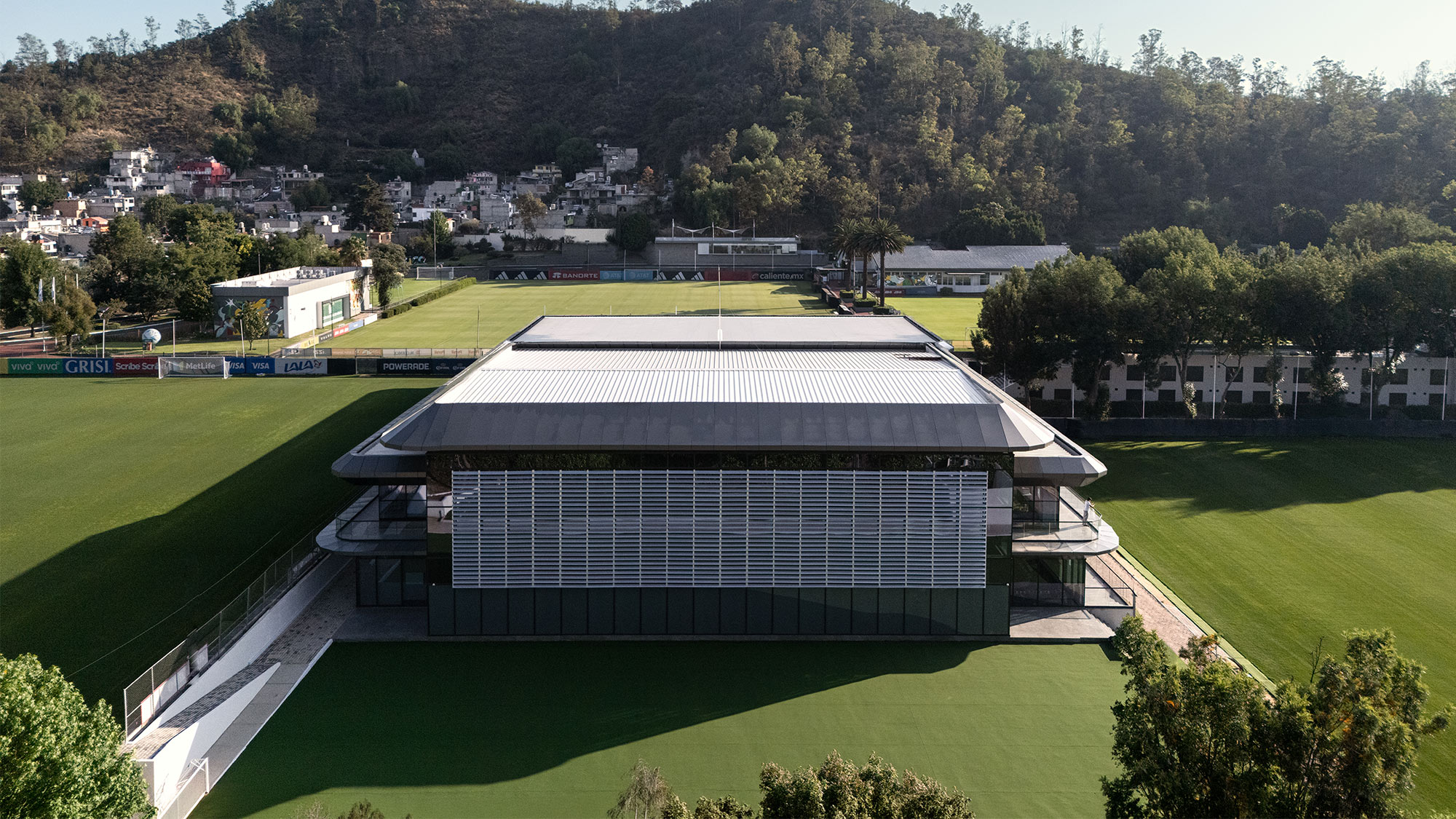
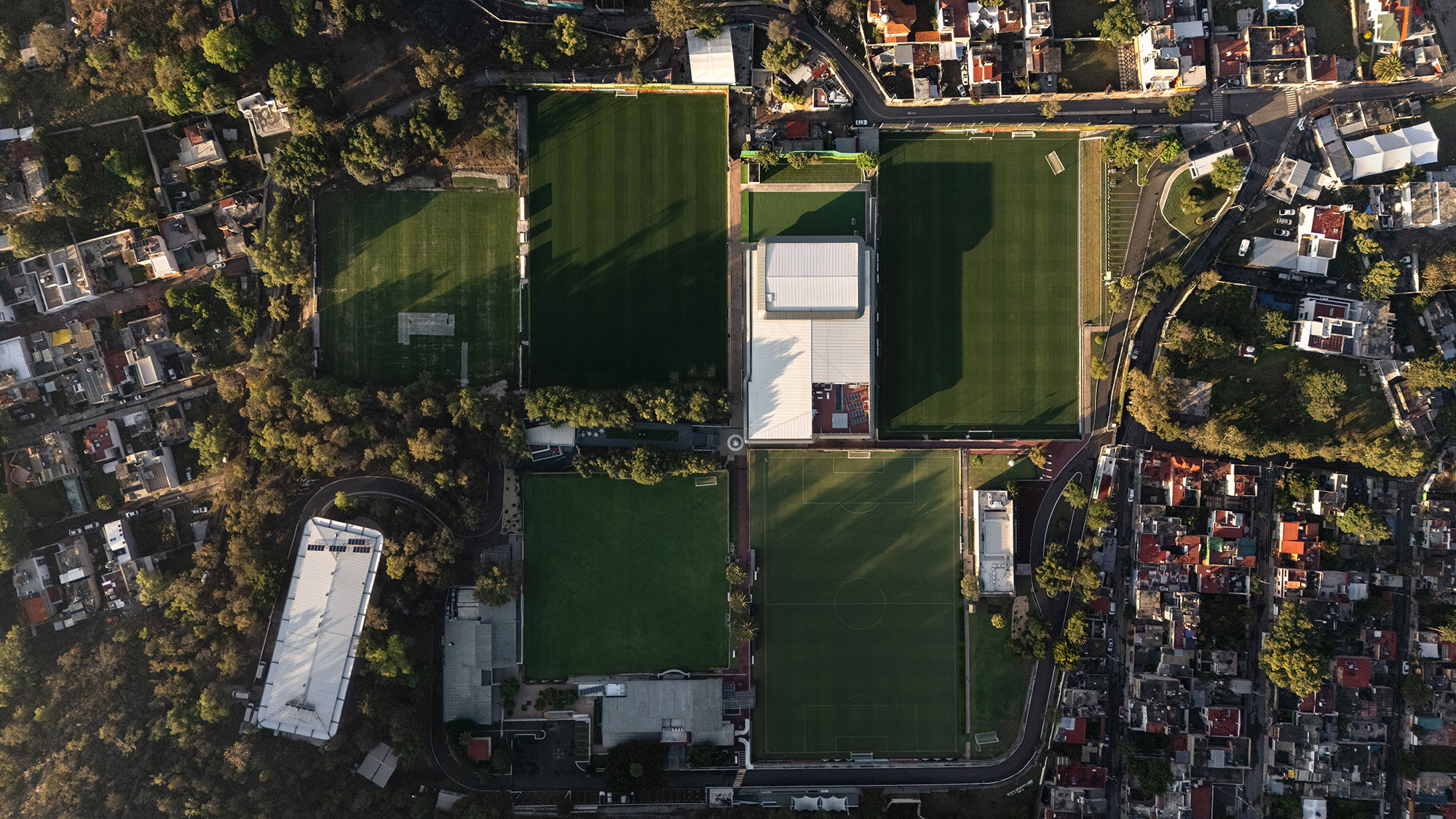
Omar Quesada: Through interviews, we identified inefficiencies in circulation. Functions were fragmented, and there was unnecessary overlap between public and private areas. A player might move across multiple buildings in a single day — creating physical fatigue. While Field One was considered the “crown jewel,” the campus lacked a unifying element to connect the entire system.
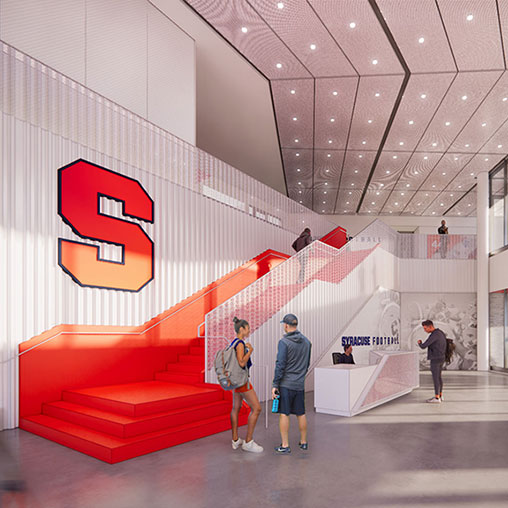
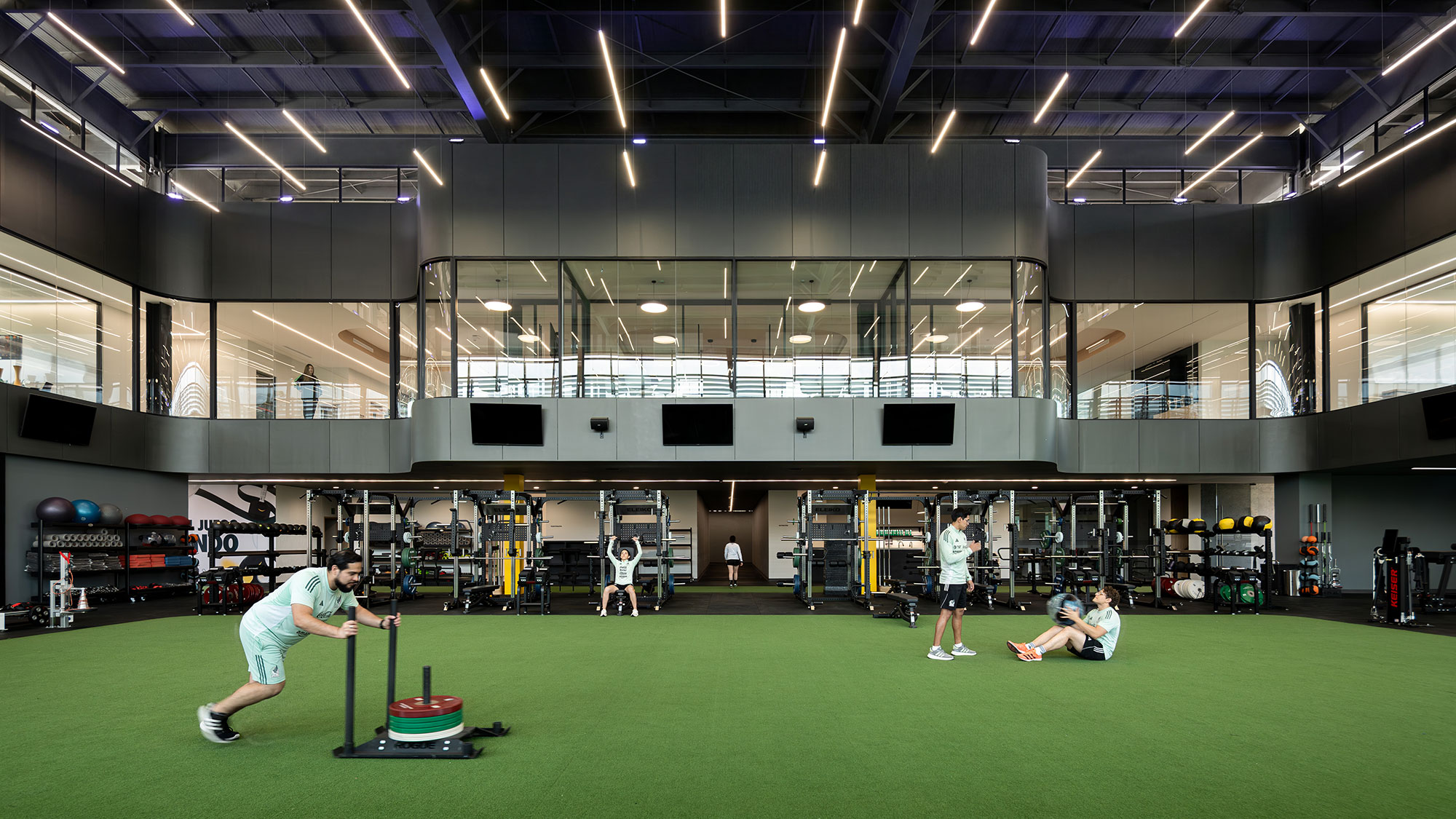
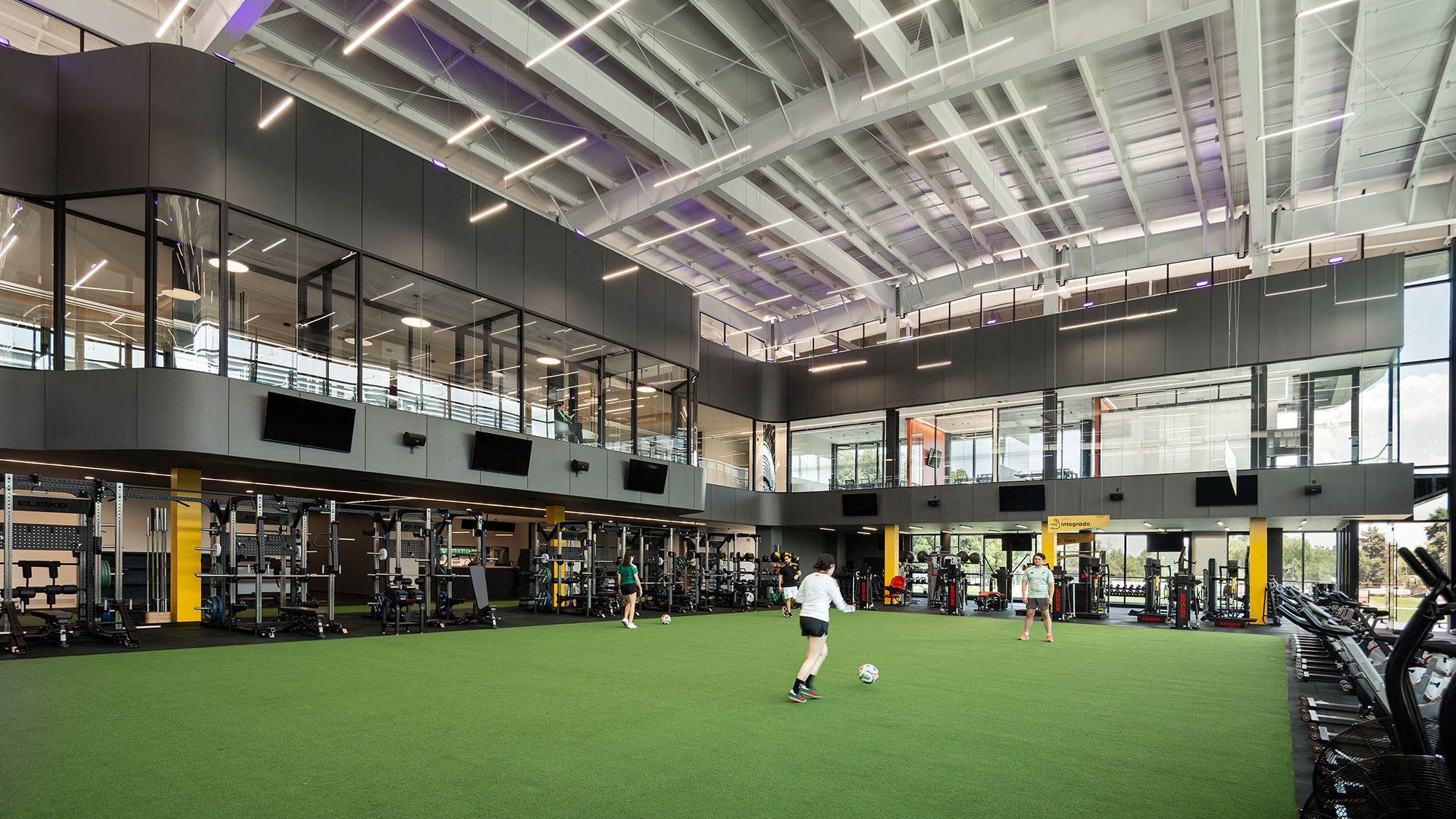
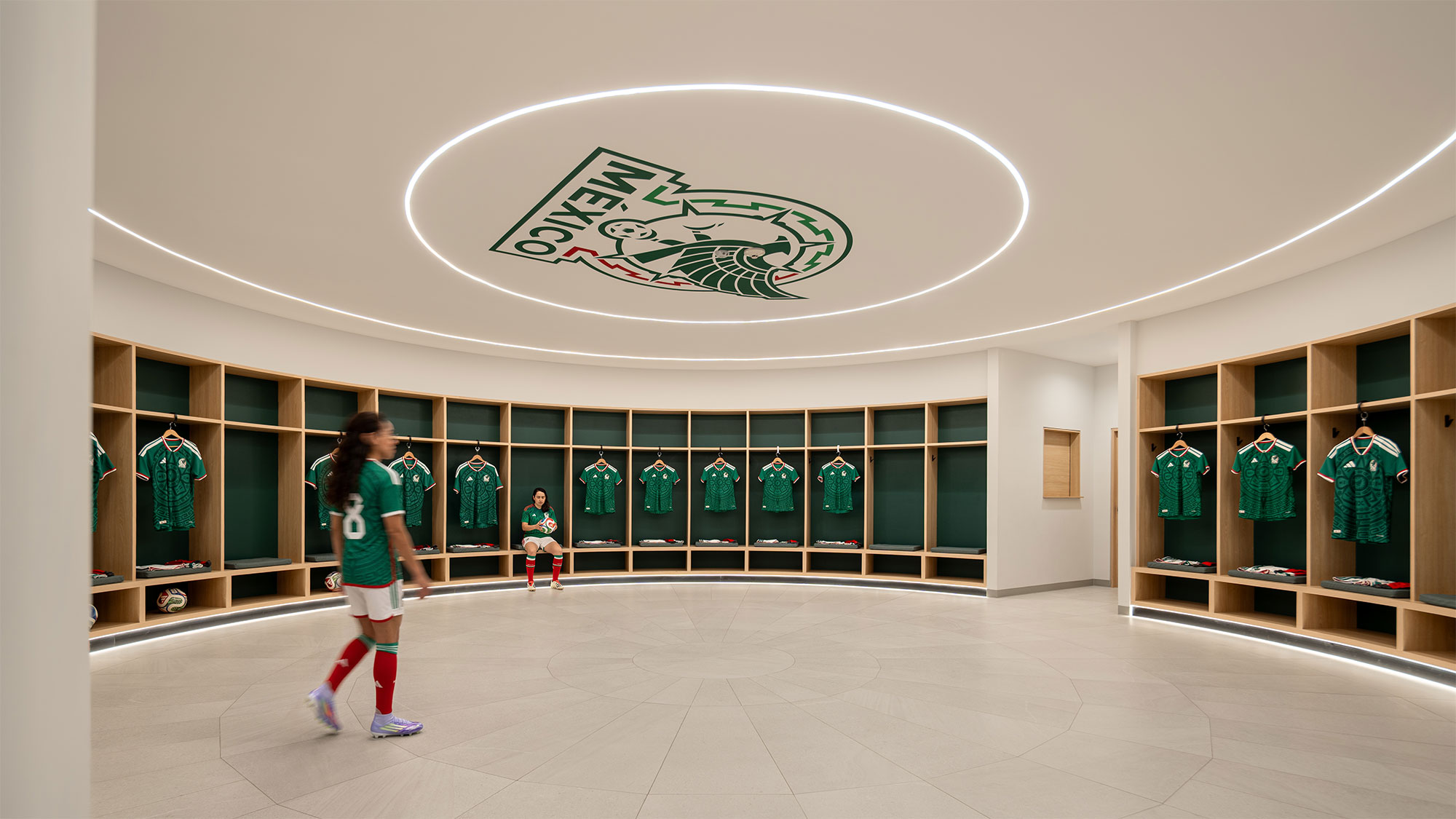
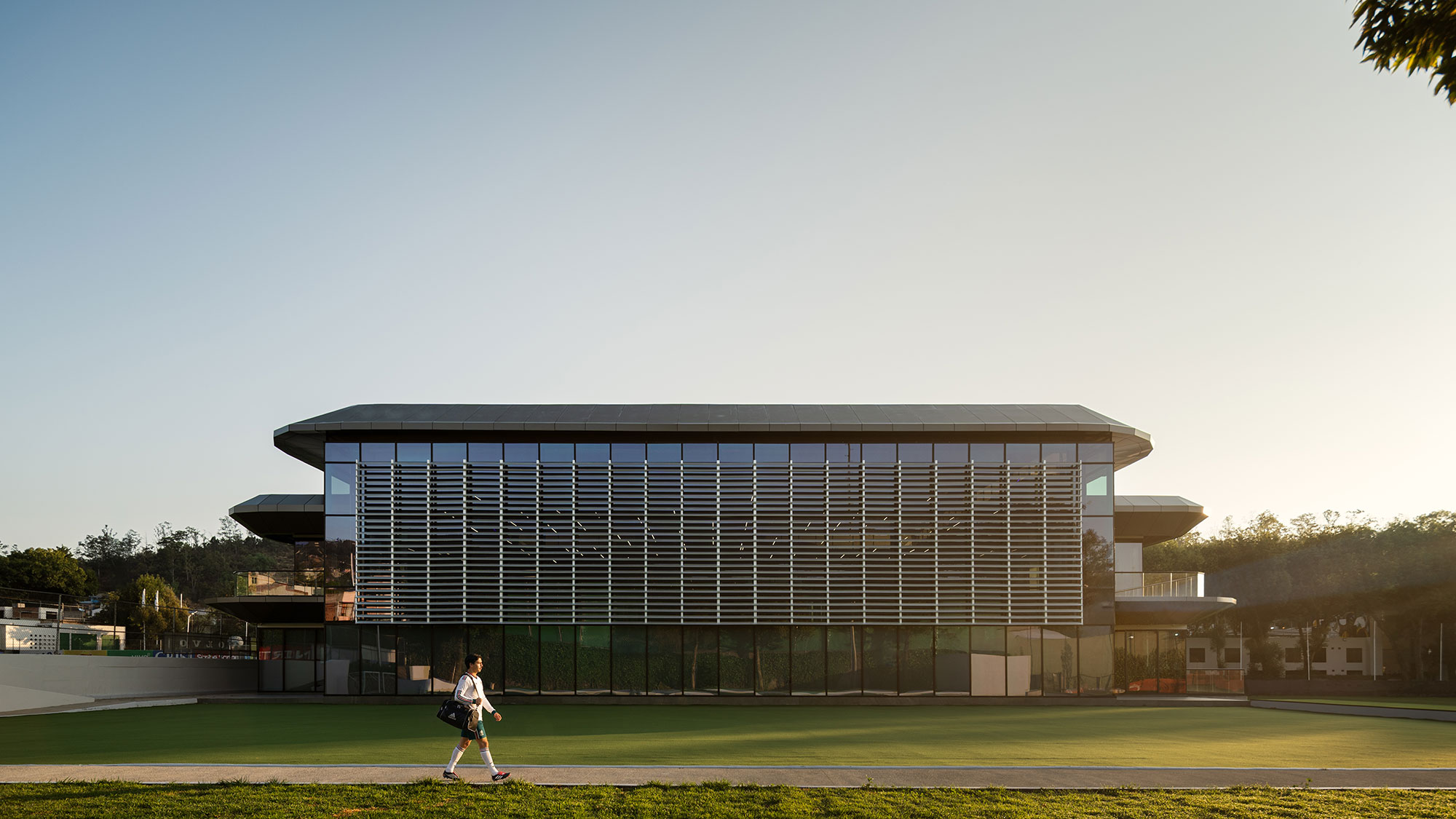
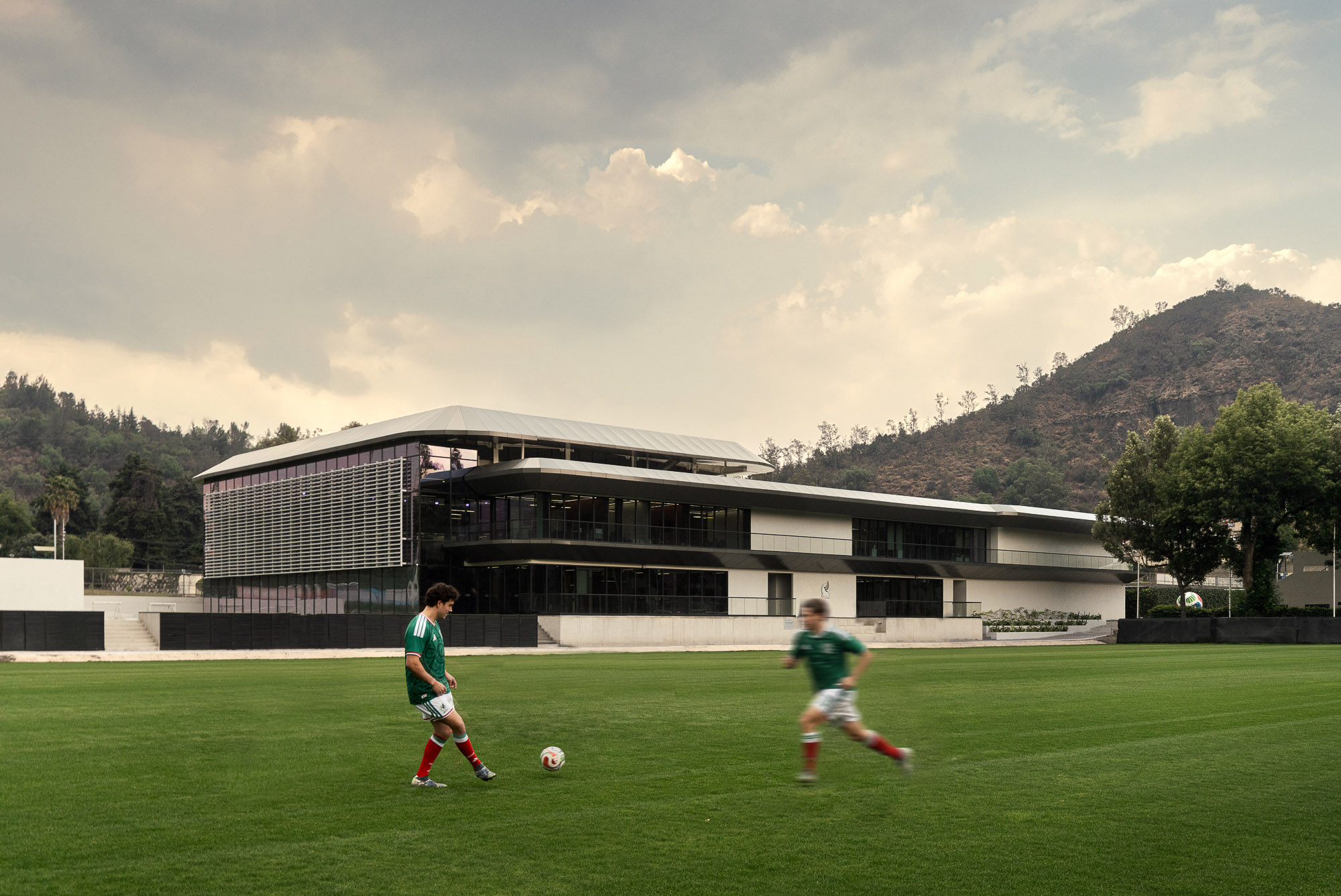
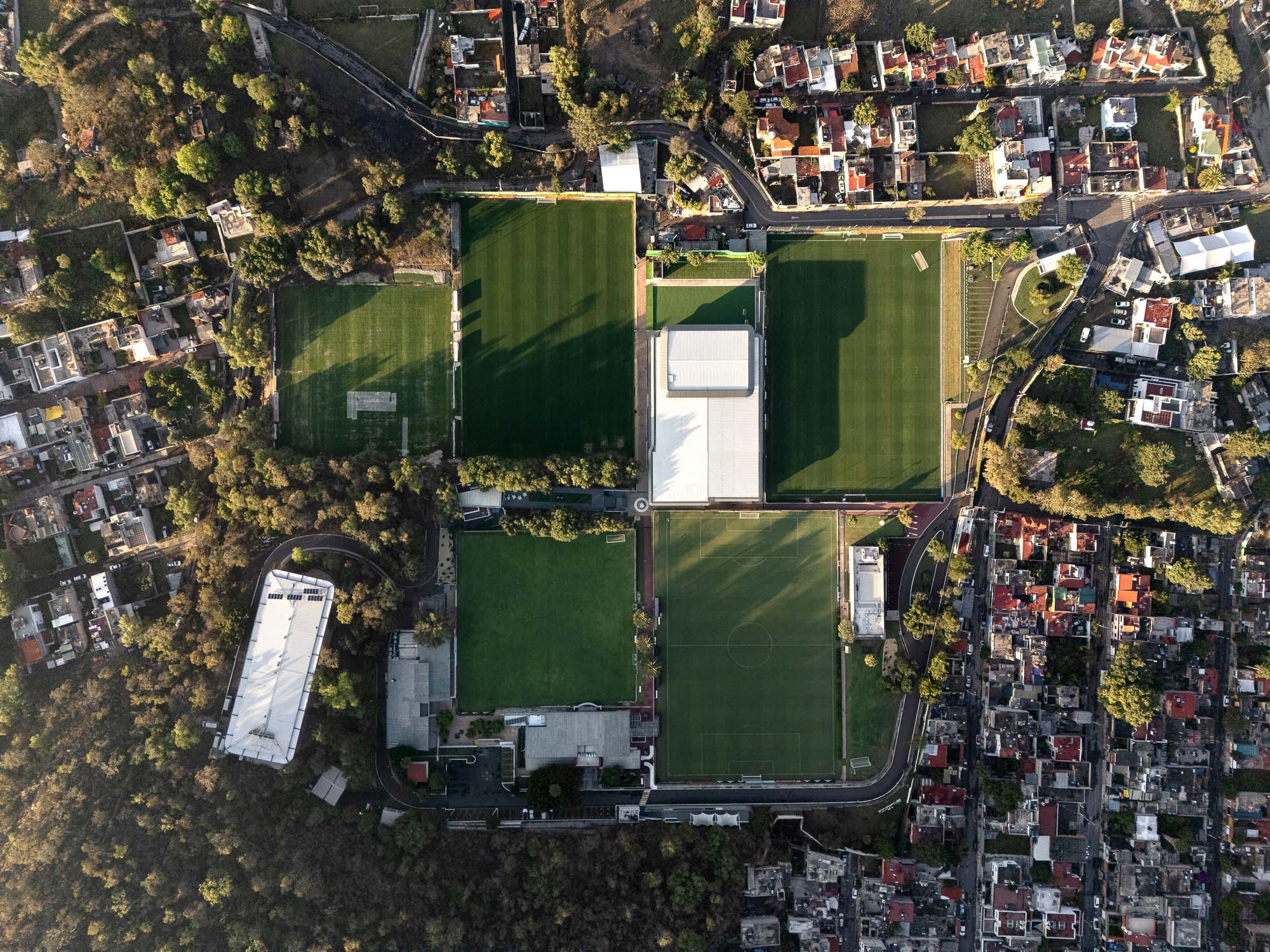
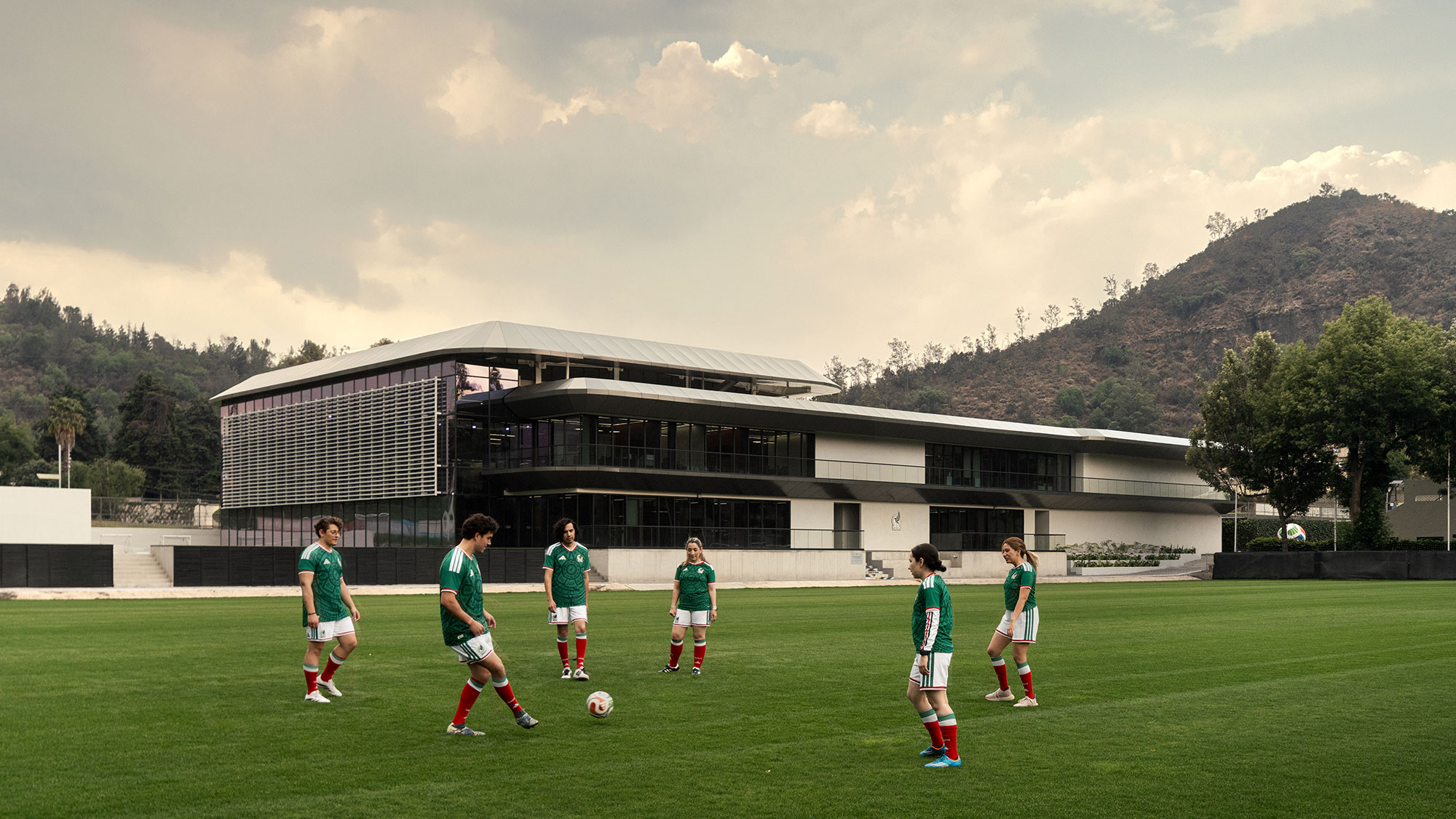
This led to the concept of a central, or “medular,” building, strategically positioned between the main fields. It consolidates the player’s active functions — locker rooms, gym, physical therapy, sports science — and creates a functional spine for the entire ecosystem.
What role does physical space play in sports culture and performance?
Luis Palma: At the highest level, focus is everything. In preparation for the World Cup, players may spend up to 50 days in residence. The environment must support that process both physically and emotionally.
It’s not just about training. It’s about personalized nutrition, sports psychology, advanced recovery, and specialized physical preparation. Thirteen years ago, the national team traveled with about 50 people; today, that number is 80 or more. The ecosystem has become far more sophisticated.
Each discipline requires dedicated space. You can’t hold a psychology session just anywhere. You can’t execute a nutrition plan without the right infrastructure and processes. The design needed to respond to that level of complexity.
Additionally, the coaching staff changed throughout the process. Maintaining a coherent vision was a significant challenge. We needed a guiding thread to ensure strategic continuity.
What was the conceptual foundation of the design?
Omar Quesada: At a macro level, the premise was clear: separate public and private spaces, and within the private realm, distinguish between active and passive zones.
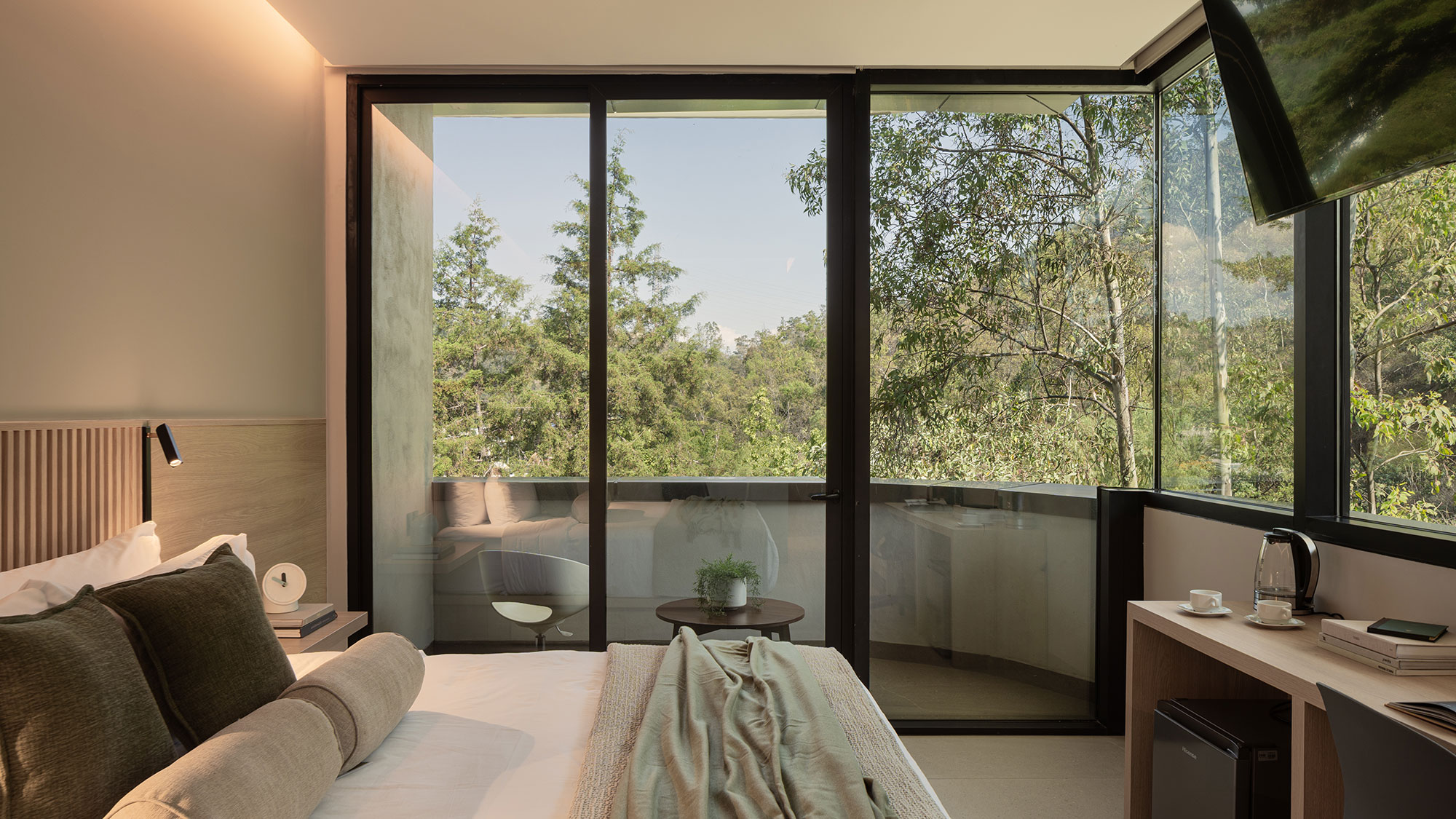
Public spaces include media, events, families, and sponsors. Passive private spaces include accommodations, rest areas, and dining. Active private spaces include the gym, locker rooms, physiotherapy, hydrotherapy, fields, and sports science.
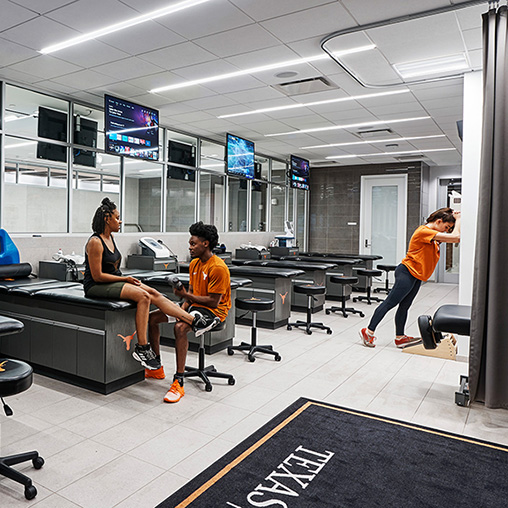
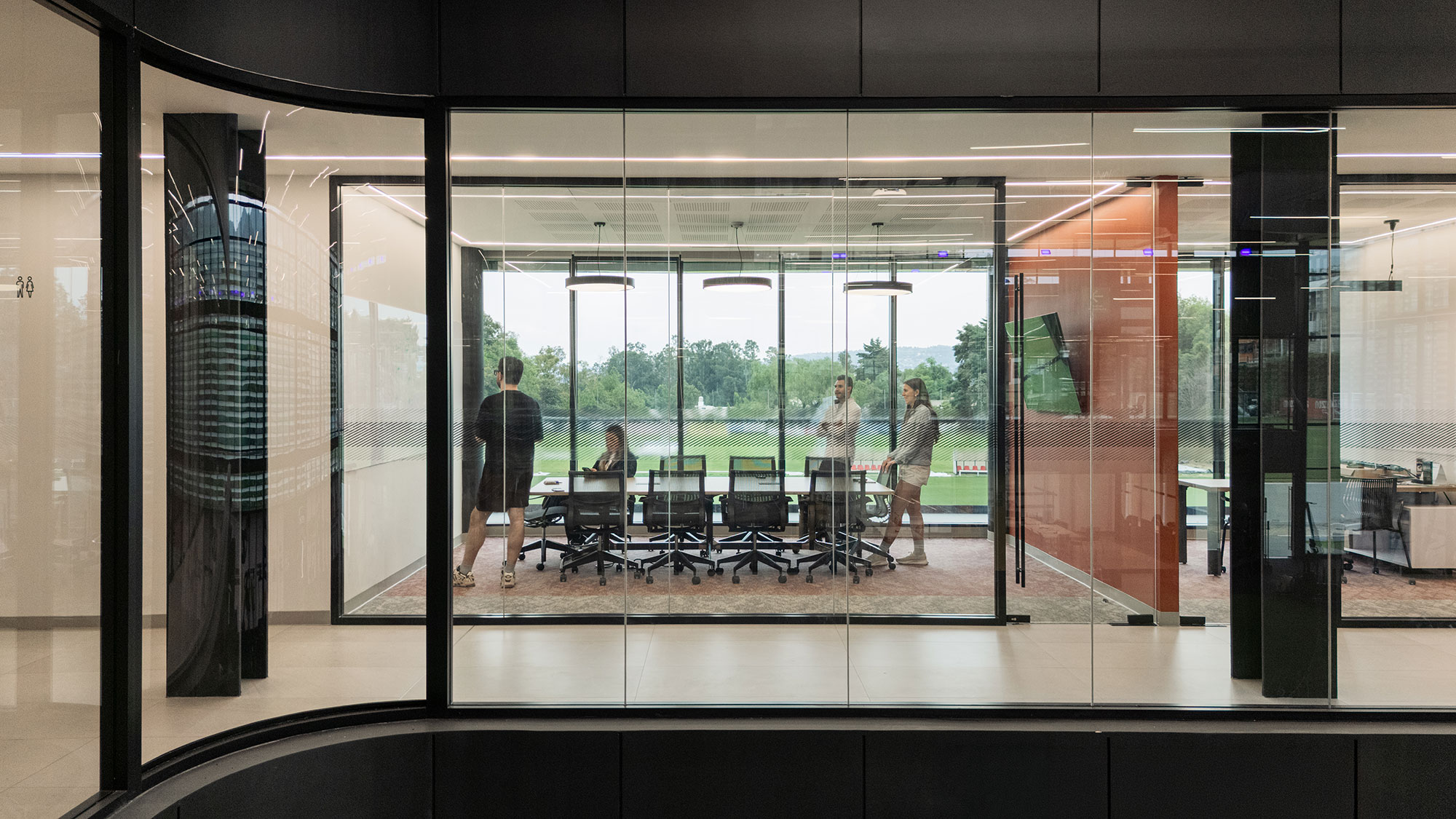
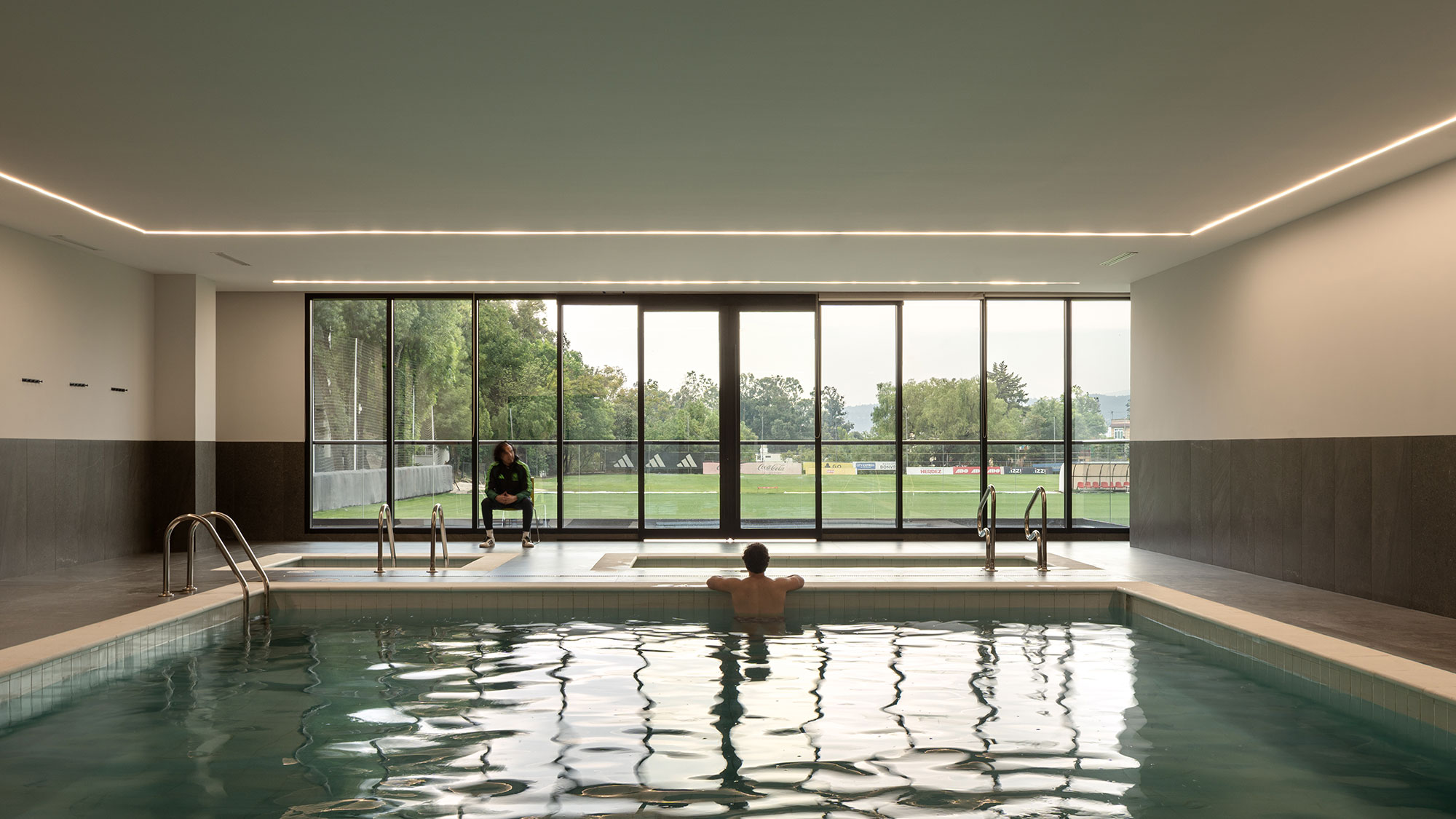
The central building orchestrates this transition. We introduced a double-height space where sports offices overlook internal circulation and maintain visual connectivity with the fields. We also integrated hydrotherapy with varying temperatures, sauna areas, cryotherapy, advanced physiotherapy technology, and spaces designed for both active players and those in rehabilitation — ensuring no one feels disconnected from the team.
What operational changes are now possible?
Luis Palma: We were able to standardize methodology across 13 national teams, both men’s and women’s. Today, we’ve centralized functions like psychology, nutrition, physical training, and performance analysis.
Everyone operates with the same equipment, processes, and spaces — from youth teams to the senior squad. That level of consistency drives efficiency and better outcomes.
What did Gensler bring in terms of global innovation?
Omar Quesada: Innovation operates on both technological and strategic levels. We designed spaces that enable staff to collaborate seamlessly and monitor performance in real time. We incorporated advanced recovery technologies and spatial configurations that optimize proximity, supervision, and flow.
We also embedded symbolism. The master plan includes a pavilion with 12 columns — a reference to the “12th player,” the fans — as an aspirational gesture toward the future.
How does this redesign position the CAR within Latin America?
Luis Palma: In Latin America — excluding the United States — this facility should rank among the top three. Globally, it could be among the top 10 to 15. But ultimately, success is measured in results. Our responsibility is to ensure there are no structural limitations preventing players from performing at their highest level.
Omar Quesada: This project raises the regional benchmark. We hope it inspires clubs and federations to invest more strategically in infrastructure. Architecture can become a driver of sports development and a generator of institutional value.
What does the new CAR represent for Mexico?
Luis Palma: For clubs, it’s a benchmark. For fans, it’s hope. For children who dream of wearing the national jersey, it’s an aspiration. The CAR is the home of the national team. Even if it’s not a permanent public space, symbolically, it belongs to everyone. It represents investment, commitment, and long-term vision.
After five years, how would you summarize the experience of working with Gensler?
Luis Palma: Gensler demonstrated strong commitment, adaptability, and a deep understanding of our needs. There were budget challenges and adjustments, but they consistently found solutions. Today, we’re telling a success story. Our stakeholders are proud, we are proud, and the result is a world-class facility that supports our sporting ambitions.
As Mexico prepares to host the 2026 FIFA World Cup, the country will not only serve as the stage for one of the world’s most important sporting events — it will also showcase the strategic vision of its sports institutions.
For executives, developers, and football leaders across Mexico and Latin America, the message is clear: infrastructure is no longer just operational support — it is a statement of ambition. When methodology, culture, and design converge, a campus becomes a platform capable of supporting and elevating generations of athletes who will shape the future of the game.
For media inquiries, email .
Construyendo para el juego más hermoso
Una mirada al Centro de Alto Rendimiento de la Selección Nacional de México y su impacto en el futuro de la infraestructura futbolística en América Latina.
Cuando la Copa Mundial de la FIFA 2026 inaugure actividades en el icónico Estadio Azteca de la Ciudad de México, el mundo estará observando. Como sede del partido inaugural, México carga con las expectativas de un deporte que ha moldeado su identidad nacional por generaciones.
Pero lo que el mundo verá en la cancha es solo una parte de la historia. La verdadera preparación comienza mucho antes del silbatazo inicial: en los sistemas, espacios e infraestructura que respaldan a los atletas de alto rendimiento mientras entrenan, se recuperan y representan a su país en el escenario global.
En el camino hacia la Copa Mundial de la FIFA 2026, la Federación Mexicana de Fútbol emprendió una transformación integral de su Centro de Alto Rendimiento (CAR) en Tlalpan, sede y hogar de entrenamiento de las selecciones nacionales. Más allá de modernizar instalaciones, la Federación se propuso replantear cómo la arquitectura puede optimizar procesos y crear un entorno capaz de sostener física y emocionalmente a los atletas.
En esta conversación, Luis Palma, Vicepresidente de Operaciones de la Federación Mexicana de Fútbol, y Omar Quesada, Líder Regional de Sports LATAM en Gensler, comparten la visión detrás del rediseño y lo que este proyecto representa para el futuro del fútbol en México y la región.
¿Cómo comenzó la relación entre la Federación Mexicana de Fútbol y Gensler?
Luis Palma: Nuestro primer acercamiento con Gensler ocurrió durante el desarrollo de nuestras oficinas corporativas en Toluca. Aunque finalmente otra firma ejecutó el proyecto, ese primer acercamiento nos permitió conocer sus capacidades y metodología.
Cuando surgió la necesidad de transformar el CAR, pensamos inmediatamente en firmas globales con experiencia comprobada. Gensler destacó no solo por su alcance internacional, sino por su experiencia específica en centros de entrenamiento de alto rendimiento, incluyendo proyectos como The Star, el complejo de entrenamiento de los Dallas Cowboys en Frisco, Texas.
Realizamos un proceso comparativo entre varias firmas y finalmente elegimos a Gensler por su rigor, metodología y comprensión integral del proyecto.
Una decisión clave fue ampliar la conversación más allá de la alta dirección. Involucramos mandos medios, cuerpo técnico y, sobre todo, jugadores y jugadoras. Escuchar a los usuarios reveló necesidades y vacíos que no eran visibles desde una perspectiva institucional. Ese nivel de honestidad fue esencial para replantear el proyecto.
¿Cuáles eran las limitaciones del CAR antes de la renovación?
Luis Palma: El CAR fue adquirido a finales de los años noventa y, aunque recibió mejoras graduales con el tiempo, nunca había pasado por una intervención integral.
La Copa Mundial de 2026 se convirtió en el detonador. No podíamos recibir un evento de esta magnitud sin contar con una infraestructura de clase mundial que nos preparara para los próximos 20 años. La necesidad era clara, el diseño debía ser atemporal, durable y pensado para un desempeño de largo plazo.
¿Qué reveló el diagnóstico de diseño?
Omar Quesada: A través de entrevistas detectamos ineficiencias en los recorridos y una fragmentación operativa importante. Existía una mezcla innecesaria entre espacios públicos y privados, además de funciones dispersas.
Un jugador podía desplazarse entre múltiples edificios a lo largo de un solo día, generando desgaste físico innecesario. Aunque la cancha uno era considerada la “joya de la corona”, el campus carecía de un elemento articulador que conectara el sistema completo.
De ahí surgió el concepto de un edificio central o “medular”, estratégicamente ubicado entre las canchas principales. Este edificio concentra las funciones activas del jugador como vestidores, gimnasio, fisioterapia y ciencias del deporte, y se convierte en la columna vertebral funcional de todo el ecosistema.
¿Qué papel juega el espacio físico en la cultura deportiva y el rendimiento?
Luis Palma: En el alto rendimiento, la concentración lo es todo. De cara a una Copa Mundial, los jugadores pueden pasar hasta 50 días concentrados. El entorno debe acompañar ese proceso, no solo desde lo físico, sino también desde lo emocional.
Ya no se trata únicamente de entrenar. Hoy hablamos de nutrición personalizada, psicología deportiva, recuperación avanzada y preparación física especializada. Hace trece años, la selección viajaba con alrededor de 50 personas; hoy ese número supera las 80. El ecosistema se ha sofisticado significativamente.
Cada disciplina requiere espacios específicos. No se puede llevar a cabo una sesión de psicología deportiva en cualquier habitación, ni implementar un plan nutricional sin la infraestructura y los procesos adecuados. El diseño tenía que responder a ese nivel de complejidad.
Además, durante el proceso hubo cambios de cuerpo técnico. Mantener una visión coherente fue un reto importante. Necesitábamos un hilo conductor que asegurara continuidad estratégica más allá de las personas.
¿Cuál fue la base conceptual del diseño?
Omar Quesada: A nivel macro, la premisa fue separar lo público de lo privado y, dentro de la esfera privada, distinguir entre espacios activos y pasivos.
Los espacios públicos contemplan prensa, eventos, familiares y patrocinadores. Los espacios privados pasivos incluyen hospedaje, descanso y alimentación. Los espacios privados activos integran gimnasio, vestidores, fisioterapia, hidroterapia, canchas y ciencias del deporte.
El edificio medular organiza esta transición y articula la experiencia diaria del atleta. Incorporamos un espacio de doble altura donde las oficinas deportivas mantienen conexión visual con la circulación interna y las canchas, reforzando una cultura de acompañamiento y supervisión continua.
También integramos hidroterapia con distintas temperaturas, áreas de sauna, crioterapia, tecnología avanzada de fisioterapia y espacios diseñados tanto para jugadores activos como para aquellos en rehabilitación, garantizando que nadie se sienta desconectado del equipo.
¿Qué cambios operativos son posibles hoy?
Luis Palma: Logramos estandarizar la metodología de trabajo para 13 selecciones nacionales, tanto varoniles como femeniles. Hoy hemos centralizado funciones como psicología, nutrición, preparación física y análisis de rendimiento.
Todos operan bajo los mismos procesos, utilizan los mismos equipos y comparten espacios comunes, desde categorías juveniles hasta la selección mayor. Ese nivel de consistencia genera eficiencia y, sobre todo, mejores resultados.
¿Qué aportó Gensler en términos de innovación global?
Omar Quesada: La innovación opera tanto en el plano tecnológico como en el estratégico. Diseñamos espacios que permiten al staff colaborar de manera fluida y monitorear el rendimiento en tiempo real. Incorporamos tecnologías avanzadas de recuperación y configuraciones espaciales que optimizan proximidad, supervisión y flujo operativo.
También incorporamos una dimensión simbólica. El plan maestro contempla un pabellón con 12 columnas, una referencia al “jugador número 12”: la afición. Es un gesto aspiracional que conecta el proyecto con el futuro del fútbol mexicano.
¿Cómo posiciona este rediseño al CAR en América Latina?
Luis Palma: En América Latina, excluyendo a Estados Unidos, esta instalación debería posicionarse entre las tres mejores. A nivel global, podría estar entre las 10 o 15 más relevantes. Pero al final, el éxito no se mide en planos. Se mide en resultados. Nuestra responsabilidad es asegurar que no existan limitaciones estructurales que impidan a los jugadores rendir al máximo nivel.
Omar Quesada: Este proyecto eleva el estándar regional. Esperamos que inspire a clubes y federaciones a invertir de forma más estratégica en infraestructura. La arquitectura puede convertirse en un motor de desarrollo deportivo y también en un generador de valor institucional.
¿Qué representa el nuevo CAR para México?
Luis Palma: Para los clubes, es una referencia. Para los aficionados, representa esperanza. Para los niños y niñas que sueñan con vestir la camiseta nacional, es aspiración.
El CAR es la casa de la selección. Aunque no sea un espacio público de acceso permanente, simbólicamente pertenece a todos. Representa inversión, compromiso y una visión de largo plazo.
Después de cinco años, ¿cómo resumiría la experiencia de trabajar con Gensler?
Luis Palma: Gensler demostró un alto nivel de compromiso, adaptabilidad y una profunda comprensión de nuestras necesidades. Hubo retos presupuestales y ajustes en el camino, pero siempre encontraron soluciones.
Hoy estamos contando una historia de éxito. Nuestros accionistas están orgullosos, nosotros estamos orgullosos, y el resultado es una instalación de clase mundial alineada con nuestras ambiciones deportivas.
Mientras México se prepara para albergar la Copa Mundial de la FIFA 2026, el país no solo será escenario de uno de los eventos deportivos más relevantes del planeta; también pondrá a prueba la visión estratégica de sus instituciones deportivas.
Para directivos, desarrolladores y líderes del fútbol en México y América Latina, el mensaje es claro: la infraestructura ya no es únicamente soporte operativo, sino una declaración de ambición.
Cuando metodología, cultura y diseño convergen, un campus se transforma en una plataforma capaz de acompañar y potenciar a generaciones de atletas que definirán el futuro del juego.
For media inquiries, email .