Zero-Waste Sports Facilities: Designing a More Sustainable Future
As resilience becomes a core expectation, many sports organizations are pursuing the ambitious yet beneficial goal of becoming zero-waste facilities.
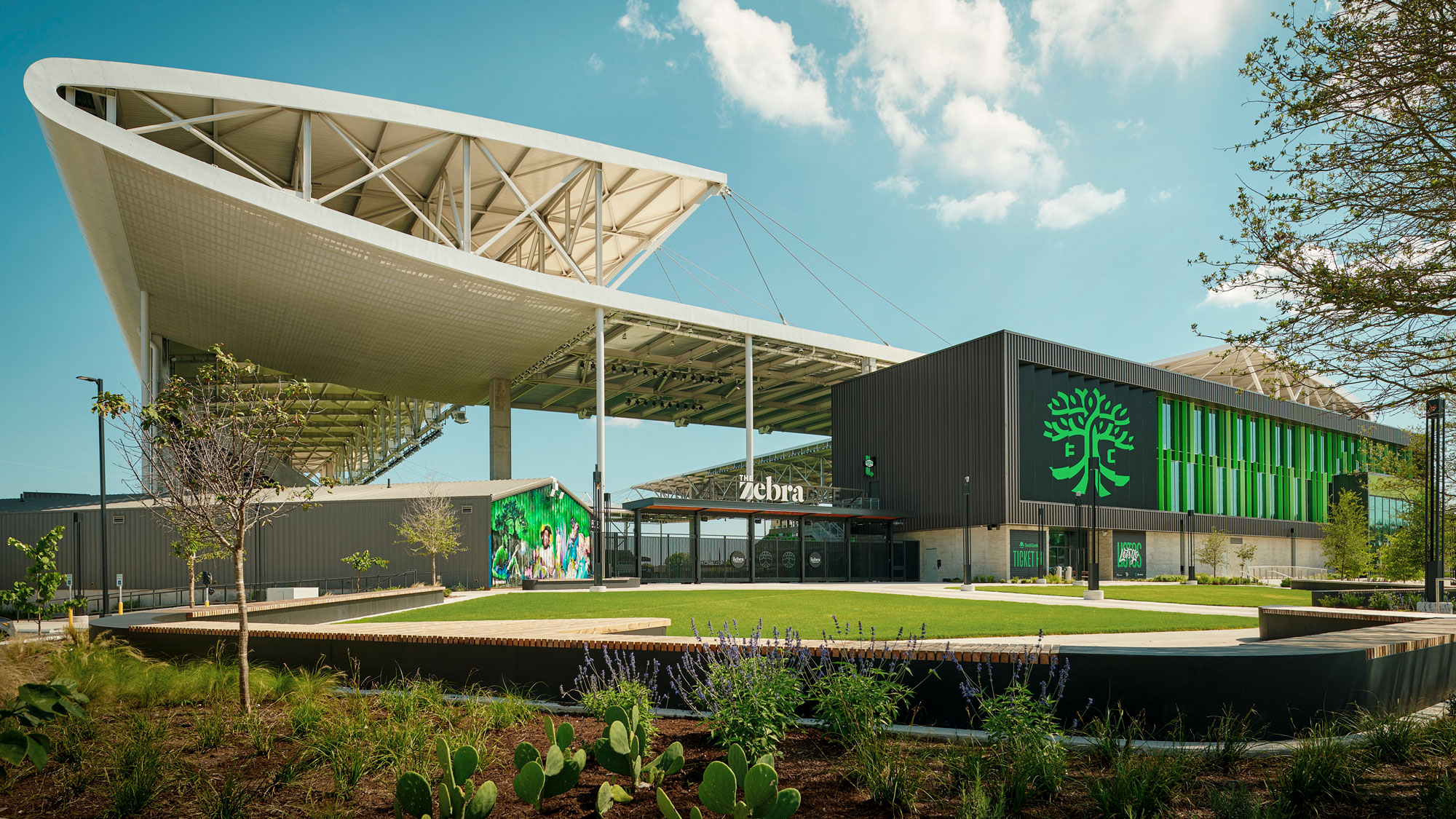
Sports venues are among our most visible gathering places, serving as a community front porch and welcoming thousands of people through their gates every week. While our facilities create unforgettable experiences, they also generate substantial waste. A single event can produce several tons of trash, ranging from food waste and beverage containers to promotional materials and packaging. Even the best waste management system can fail if guests place materials in the wrong containers.
As resilience becomes a core expectation for all stakeholders, many sports organizations are pursuing the ambitious yet beneficial goal of becoming zero-waste facilities. A zero-waste sports facility is defined as one that diverts at least 90% of its waste from landfills and incineration through strategies such as waste reduction, recycling, composting, reuse, and responsible procurement.
Rather than viewing waste management as a post-event cleanup activity, sports teams see an opportunity to incorporate sustainability into every aspect of operations, including recycling and composting programs, eliminating single-use plastics, adopting digital ticketing systems, installing waste-sorting stations, and adopting purchasing policies that prioritize recyclable or compostable materials.
While achieving net zero waste can be challenging, its success presents revenue potential through operational efficiency, cost savings, and brand partnerships. One of the most immediate and visible opportunities lies in the fan experience
Design for Fan Experience and Brand Partnerships
For fans, sustainability is increasingly an expectation rather than an added feature. Sustainability initiatives can become a visible part of the guest experience, shaping how fans interact with and perceive the venue. Reusable cup programs, gamifying waste reduction strategies, and transparent reporting of diversion rates connect fans to a broader mission, build loyalty to the team brand, and create opportunities for increased revenue through partnerships.
Many companies actively seek partnerships that align with their environmental goals. Recycling companies, compostable vendors, sustainable packaging manufacturers, and environmental organizations view sports venues as very attractive platforms for brand exposure and want to be part of the teams’ and stadiums’ programs.
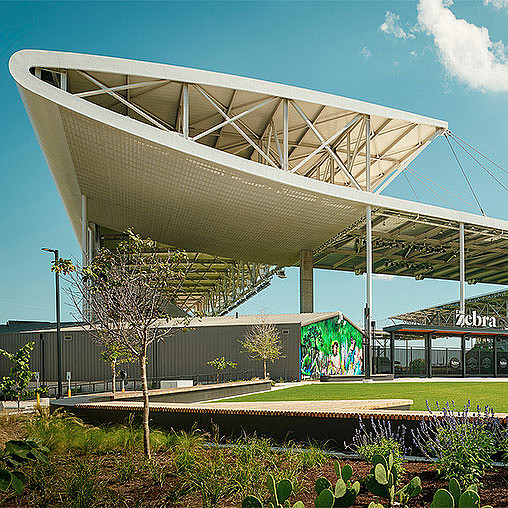
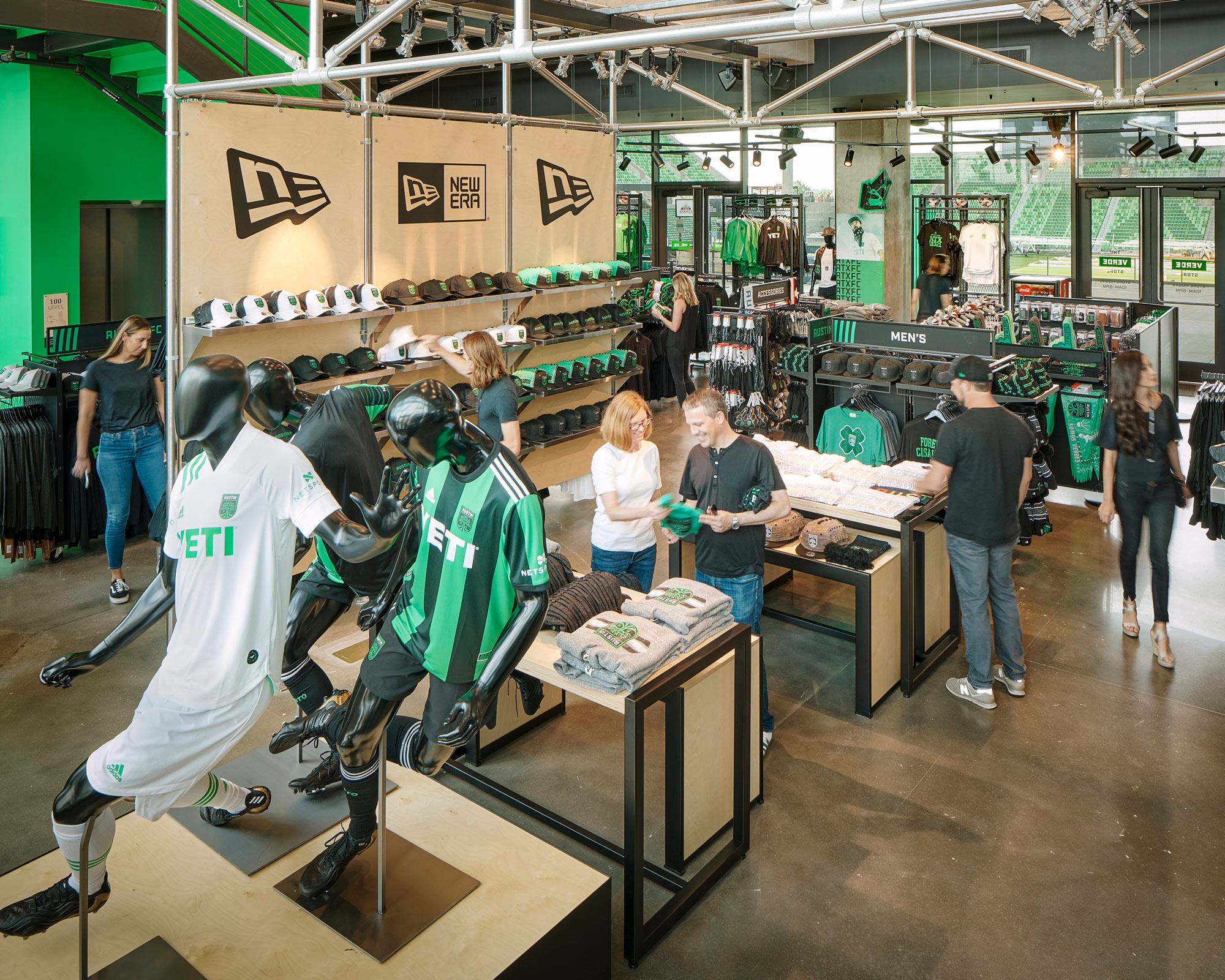
In 2024, Q2 Stadium in Austin, Texas, became the first soccer-specific stadium and fifth sports venue in the world to earn Total Resource Use and Efficiency (TRUE) Gold certification, and earned TRUE Platinum, the highest certification level offered by the Green Business Certification Inc., in February 2026. This was achieved in part through Austin FC’s partnership with YETI. Together, the two brands created a year-round platform, Evergreen, to amplify ongoing sustainability initiatives. This partnership also offers fans access to water stations inside Q2 Stadium to refill reusable bottles and cups.
With this model, sustainability initiatives can evolve from cost centers into sponsorship assets that support multiple financial objectives. Delivering these outcomes consistently, however, depends on aligning operations behind the scenes.
Alignment of Supply Chain and Operations
Developing a zero-waste facility requires alignment throughout the supply chain. Venue operators must work closely with vendors, especially concessionaires and suppliers, to ensure that products meet sustainability standards. In some cases, environmentally preferable alternatives may have higher costs, longer lead times, or inconsistent availability.
This challenge becomes particularly significant for venues hosting hundreds of events annually, where reliability and consistency are essential. Each event at the stadium may involve different vendors, sponsors, and operational requirements, which require strong policies, detailed planning, and ongoing oversight to maintain consistent zero-waste standards.
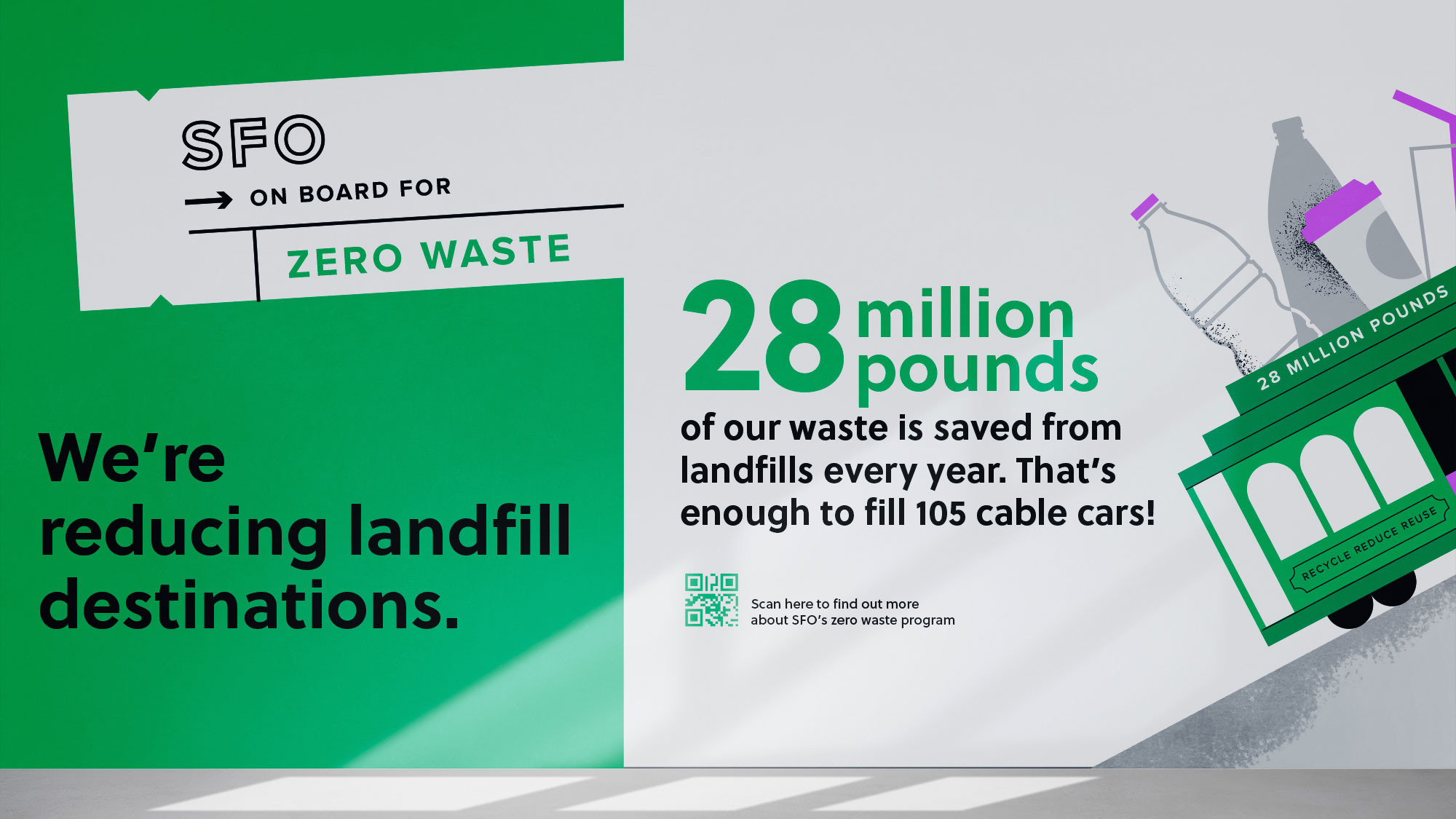
A useful parallel can be found in our work with San Francisco International Airport’s Terminal 1, where a joint venture between Gensler and Kuth Ranieri Architects helped advance a “triple zero” vision, targeting zero carbon, zero waste, and zero net energy in one of the country’s busiest transportation hubs.
Like a major sports venue, the terminal must accommodate fluctuating but consistently high volumes of people, with passenger traffic projected to grow significantly over time. The complexity mirrors that of a stadium hosting back-to-back events, where multiple tenants, concessions, and service providers align under a unified operational strategy.
To achieve its zero-waste goals, SFO implemented strict procurement standards, requiring vendors to use recyclable or compostable materials, alongside highly visible, standardized sorting systems and ongoing performance tracking.
Whether moving fans through a stadium or passengers through a terminal, success depends on designing for consistency at scale. Both environments rely on seamless coordination across stakeholders, intuitive guest-facing infrastructure, and data-driven operations to manage waste streams effectively.

Investment in Sustainability Maintenance
Many sustainability initiatives require intentional investments in infrastructure, equipment, training, and data management systems.
Waste-sorting stations, compost collection programs, associated personnel, and performance-tracking systems all represent additional costs. While these investments often generate long-term returns, venue leadership must be willing to support the transition before financial benefits are fully realized.
At the same time, some benefits can be realized much earlier in the process. One of the most immediate is lower landfill disposal expenses. As landfill tipping fees continue to rise, diverting waste through recycling and composting programs can significantly reduce overall waste management costs. Facilities that successfully minimize landfill-bound materials often see measurable operational savings and mitigate risk for uncertainties in the waste-hauling market.
The Path to Zero-Waste
Creating a zero-waste sports facility is a comprehensive approach to stadium operations requiring leadership commitment, staff engagement, supplier collaboration, and active participation from fans. More importantly, it represents a shift in how venues think about performance — not just as a measure of game-day success, but as an ongoing reflection of operational responsibility and community impact.
Achieving zero waste is less about any single initiative and more about building systems that work seamlessly at scale. When sustainability is embedded into procurement, operations, and the fan experience, it becomes part of the venue’s identity rather than an added feature.
As the sports industry considers what’s next in stadium operations, initiatives such as fully compostable single-stream infrastructure, frictionless food and beverage programs, and more intentional fan education are paving the way forward. Together, these strategies position sports facilities not only to reduce waste but also to lead by example as highly visible, high-impact models of environmental stewardship within their communities.
For media inquiries, email .