Designing Women’s Sports Facilities for New Fans and Sponsors
Gensler Sports designers explain how women’s sports facilities are evolving to serve new audiences and opportunities.
In January, Trinity Rodman signed a record-breaking $2 million per year contract extension with the National Women’s Soccer League’s Washington Spirit, making her the world’s highest-paid women’s soccer player. This milestone signals a broader shift toward valuing elite female athletes — and the clubs they play for. In fact, women’s professional sports of all kinds are experiencing a historic transformation. Surging fan interest and unprecedented public and private investment are fueling momentum across leagues.
With women’s sports reaching new highs in global viewership and investment in 2025, 2026 is poised for even greater acceleration. This momentum is attracting new fan bases and non-traditional sponsors, and leagues are reimagining what sports venues and training facilities can — and should — be.
We sat down with Kristin Byrd, design director for Gensler’s Sports practice based in Austin, and Pheba Thomas, project director and principal in Dallas, to give us an inside look at this emerging sector. We talked about how women’s sports are inspiring new experiences and driving new funding for training facilities with a deeper focus on player storylines, new sponsor categories, and fan demographics.
Pheba: Women’s professional sports are growing rapidly, reshaping how these facilities are imagined, designed, and used.
Kristin: Completely. We have moved past parity. Women’s and men’s teams do not operate the same way, and their facilities should not either. That realization is pushing us toward purpose-built design, from how spaces are programmed to the overall scale of venues.
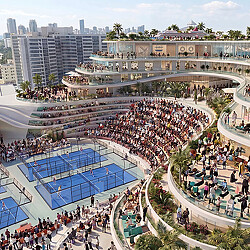
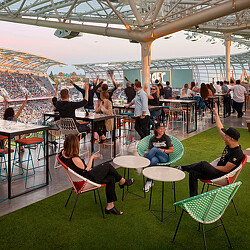
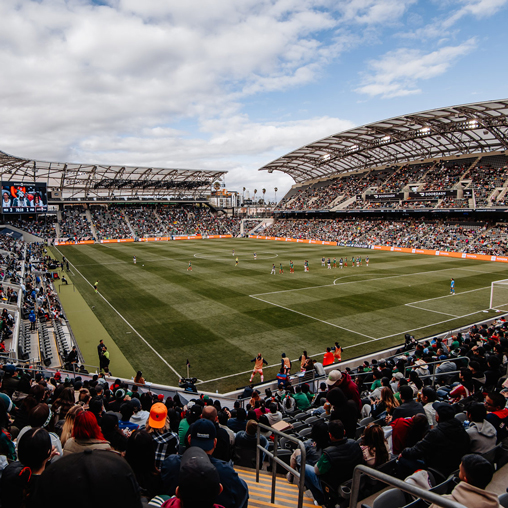
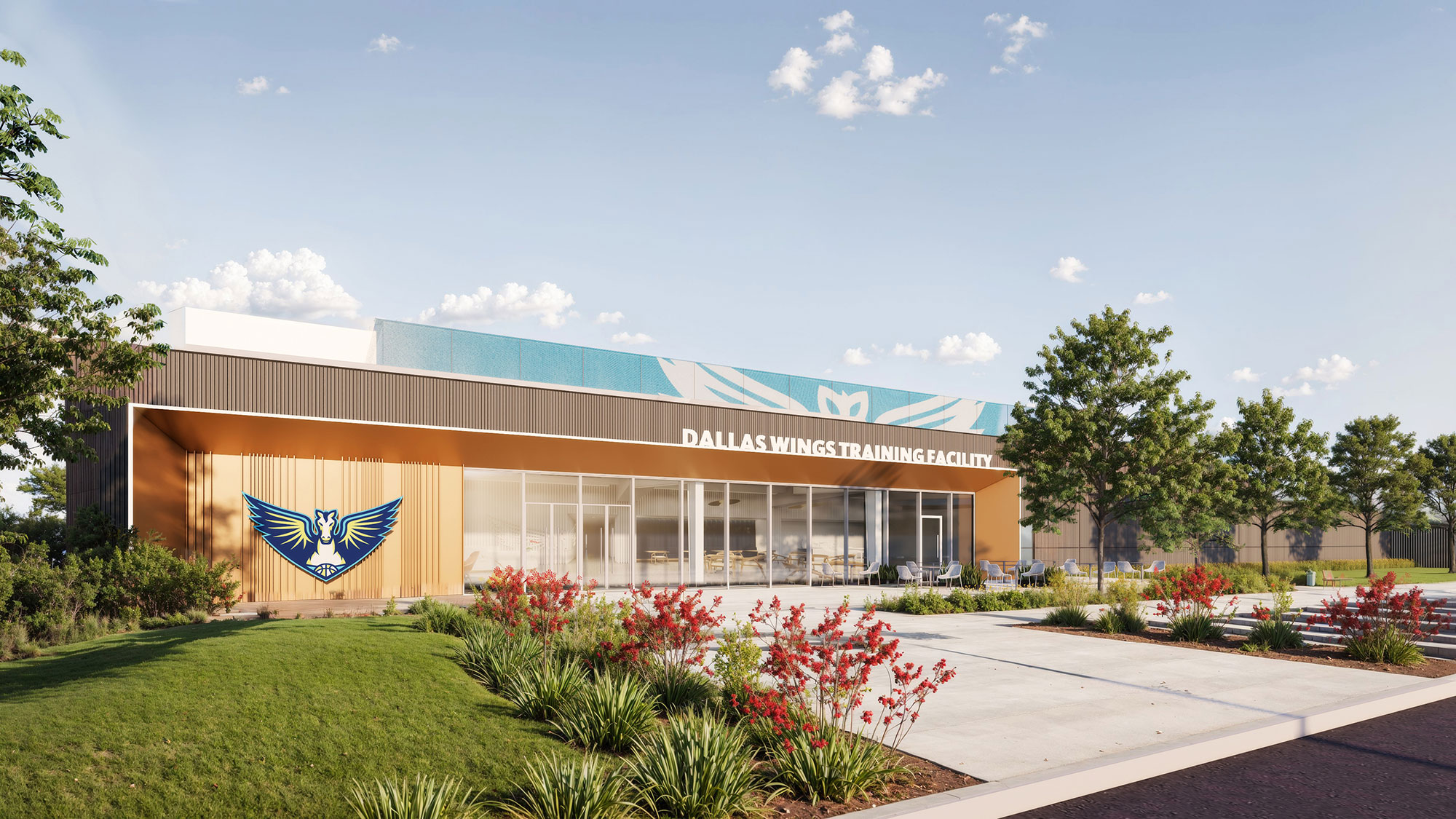
Pheba: That difference in scale really matters. Men’s teams have had decades to build tailor-made homes, but women’s teams often share facilities or step into spaces never designed for them. Take Dallas — the Mavericks play in a 20,000-seat arena, but the WNBA’s Dallas Wings may thrive in a more intimate setting. Designing for this scale creates a high-energy environment and a stronger connection with fans.
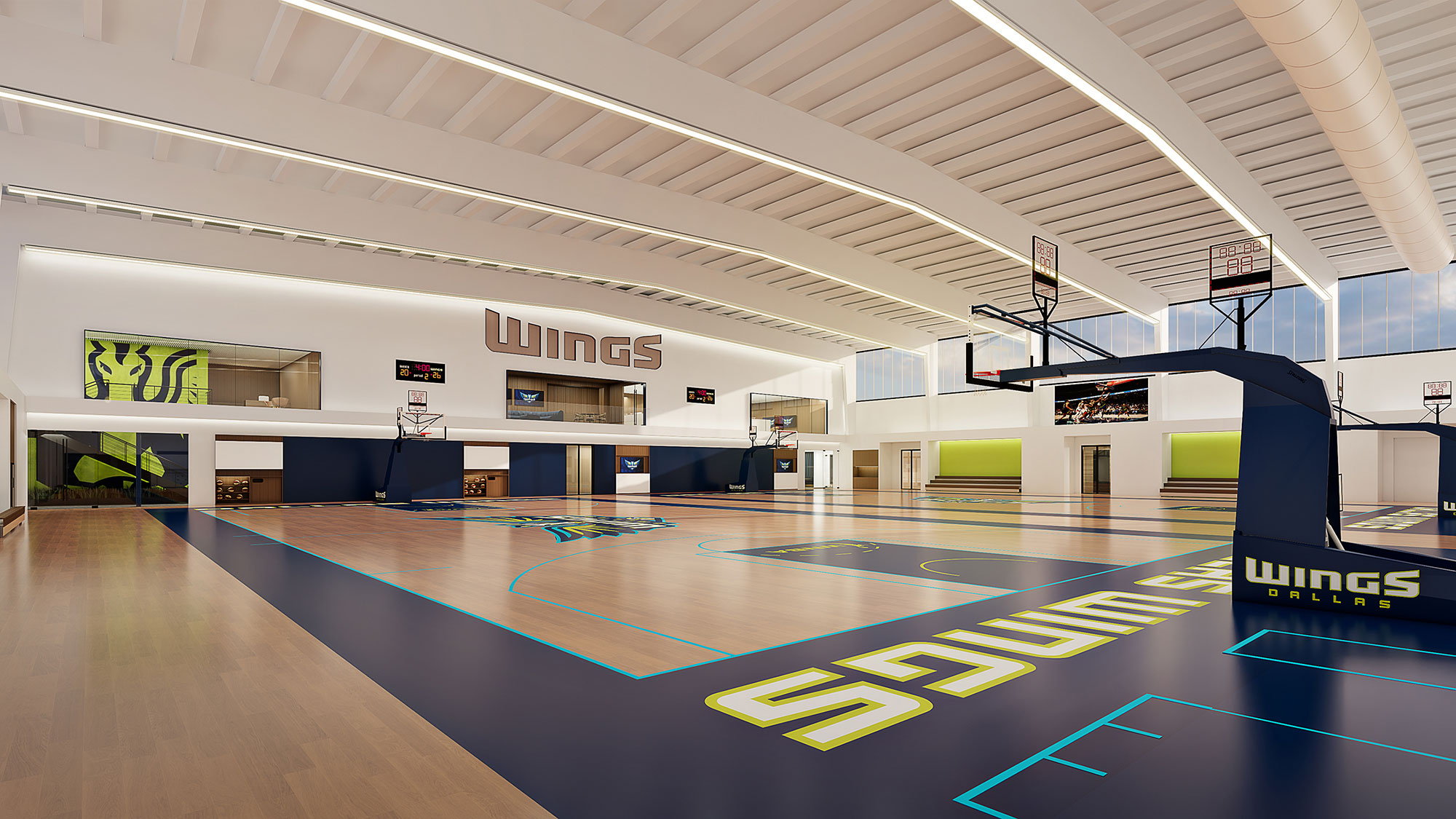
Kristin: And those fans are different, too. We are seeing multigenerational, family-oriented audiences showing up. It is a completely different demographic than what we typically see at men’s games. The fan base is also younger, and many are newer followers drawn by star power from athletes like A’ja Wilson and Caitlin Clark. Do you think this is attracting new types of sponsorships?
Pheba: Absolutely. New fan bases are shaping new types of partnerships. While men’s teams typically tie their partnerships to big brands, women’s teams are attracting new and increasingly diverse types of partnerships, including ties to the communities they serve.
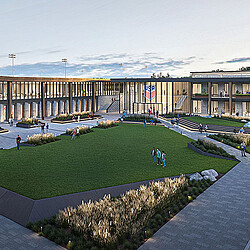
Kristin: Women’s teams are intentionally making space for the causes they support. Training facilities often double as venues for youth programs, for example. At the same time, non-traditional sponsors — such as beauty, self-care, and lifestyle brands — are activating these environments through unique retail and pop-up experiences, driving demand for flexible spaces that can be easily reconfigured and adapted.
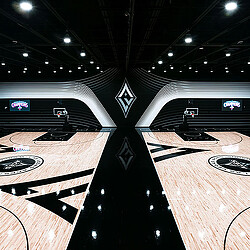
Pheba: We’re also designing facilities with more immersive, interactive zones to boost sponsorships and engage fans through technology. Today’s fans have a larger digital footprint. Thoughtful spatial and experiential design not only makes them feel like they are a part of the action but also allows them to share how they’re interacting with the space across their social networks.
Kristin: That’s exactly it. Fans do not just want to be part of the player’s story — they want the player to be a character in their story. It is pushing the boundaries of digital experience as the design helps bring players’ stories to life.
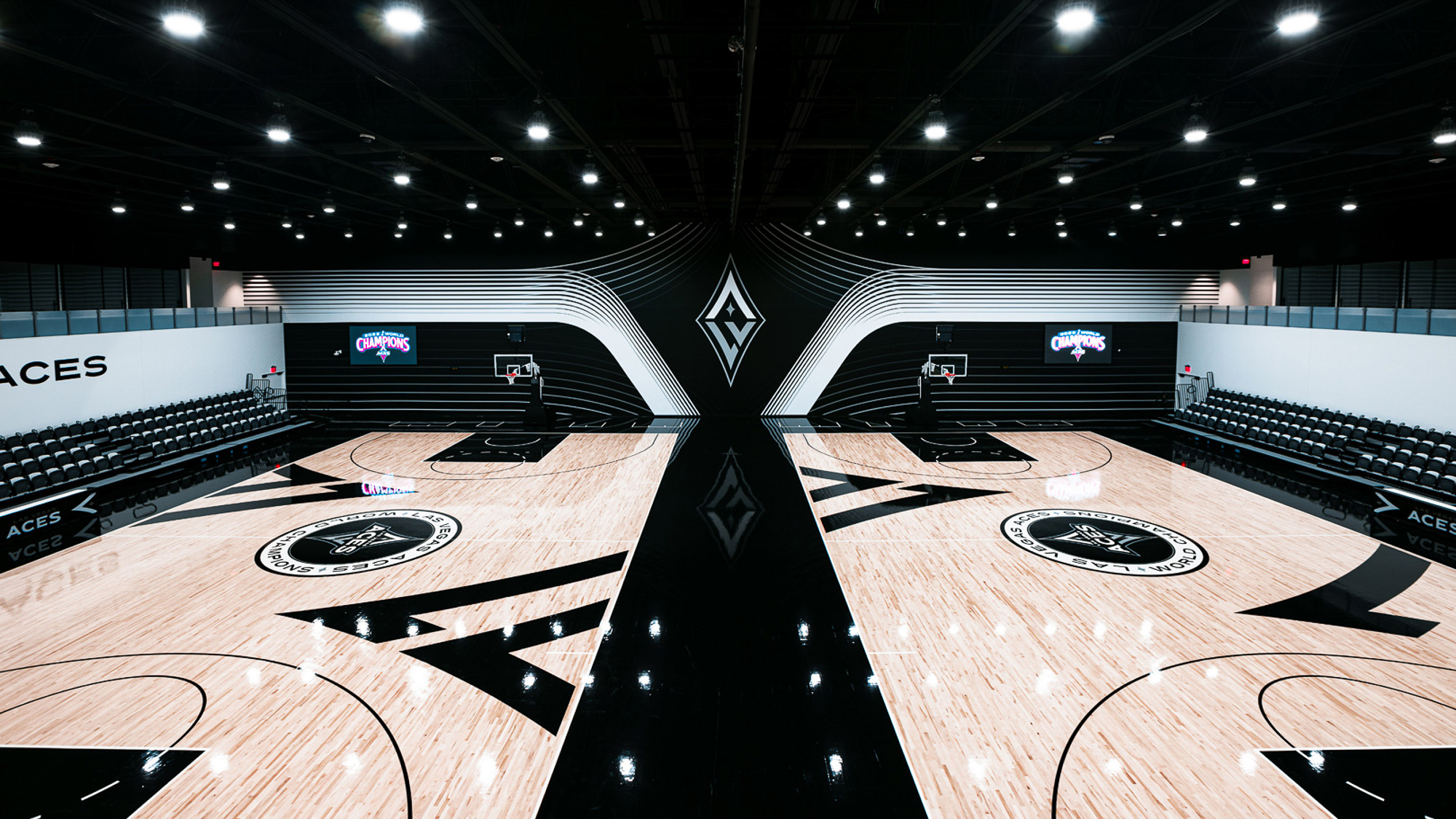
Pheba: Even beyond that experiential layer, we are seeing more facilities creating spaces that are inclusive and resonate with diverse fans. Amenities like family rooms and mothers’ rooms, as well as gender-inclusive restrooms, are becoming the baseline.
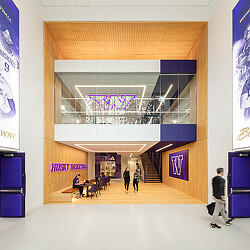
Kristin: It is important to make a player feel supported in these facilities, not just as an athlete, but also in her family, career, brand, and outside aspirations. For training facilities, we design spaces where they can build their personal brands — from podcast rooms to conference spaces where they can meet with financial planners and agents.
And all of this has to stay flexible. Leagues are evolving fast.
Pheba: Yes, flexibility is critical. Women’s sports facilities are becoming more community-based, and cities are investing in them in new ways. Teams want spaces that can support causes, events, and programming beyond game day. That means smarter, more adaptable venues, and a bigger footprint in everyday life.
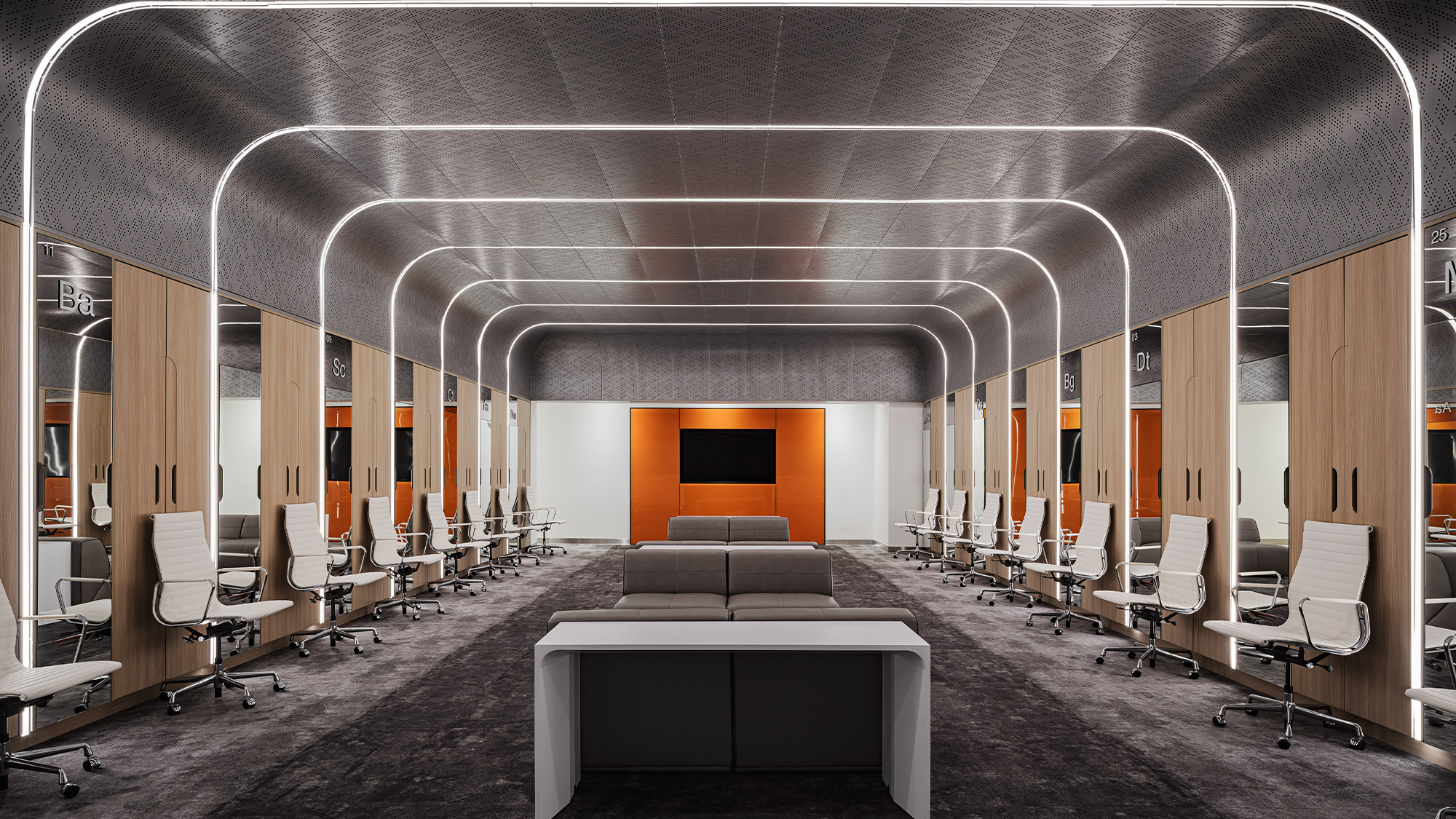
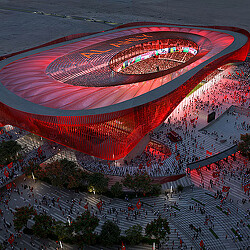
Kristin: In the next five years, I anticipate more venues and training facilities being purpose-built for women and seeing those projects being embedded in sports-anchored developments that are tailor-made for women’s teams and their fan bases. There is a huge movement in capital investment and private equity firms focusing their efforts strictly on women’s sports. They know that women’s sports teams are revenue drivers. Embedding these teams within a district that supports their diverse and inclusive fan base can create a revenue ripple effect.
Pheba: As leagues grow, facilities play a larger role in storytelling, identity, and visibility. This demands venues built to be smart, sophisticated, and flexible. These new facilities are redefining what success looks like for women’s sports.
For media inquiries, email .