Atlanta: Defining the Future of Global Sports and Entertainment Districts
A new playbook for sports and entertainment districts is emerging — and Atlanta is building it in real time.
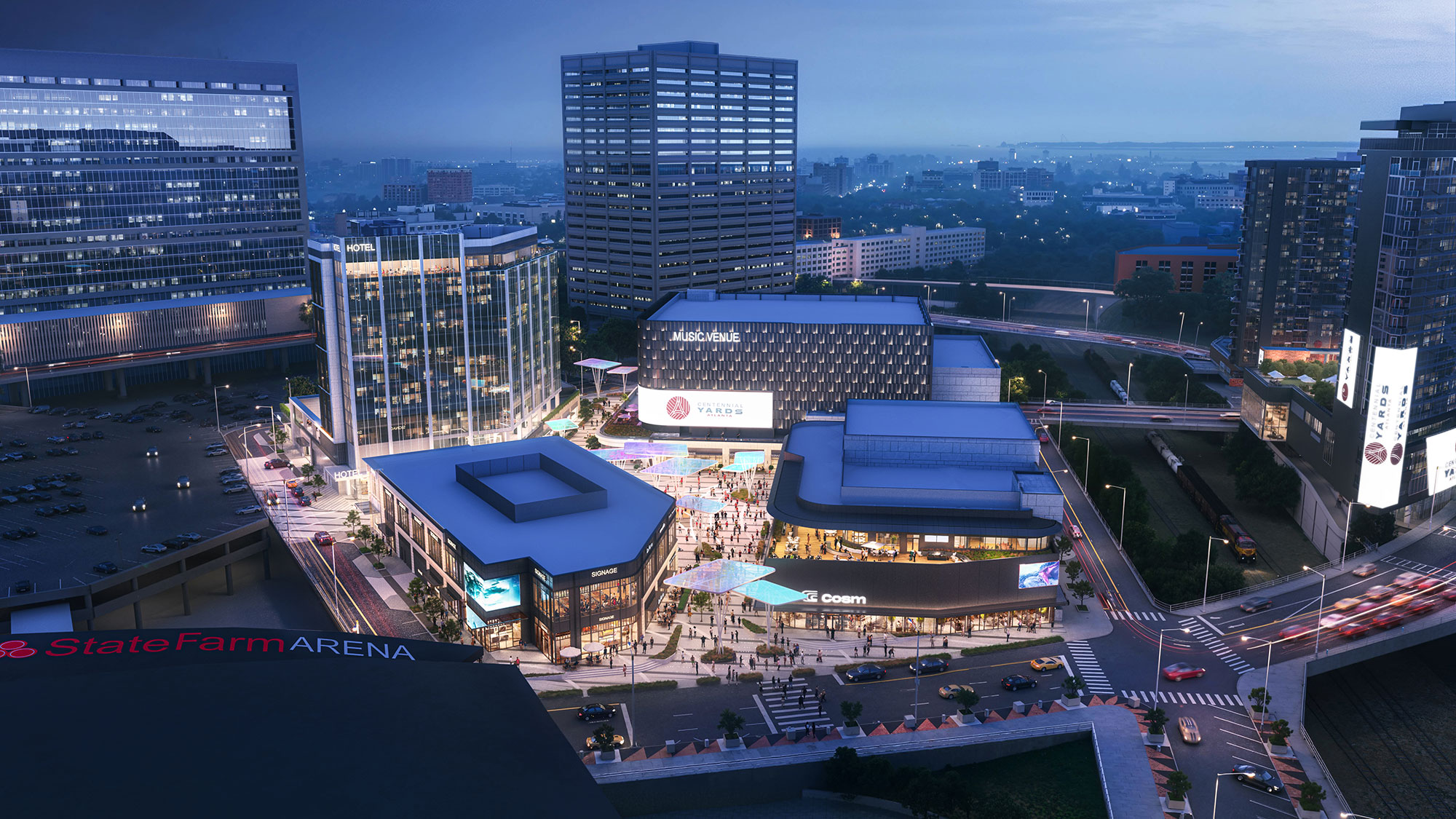
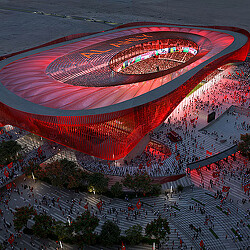
Picture this: fans from every continent pouring through Mercedes-Benz Stadium in 2026, music echoing through the Centennial Yards Entertainment District. Immersive experiences are redefining what it means to visit Atlanta. This isn’t just about sports — it’s a city at an inflection point.
The Catalyst: The Host City Moment
In just a few months, Atlanta steps into a defining global moment as a host city for the world’s largest soccer tournament. With eight matches scheduled and hundreds of thousands of visitors expected, the event will bring unprecedented international visibility and an estimated $503 million to $1 billion in economic impact. But the true significance of the tournament extends beyond the matches themselves. It accelerates the investments, strategies, and ambitions driving a downtown resurgence — positioning the city as a global model for how sports, entertainment, and placemaking converge to shape the future of tourism.
What sets this moment apart is how Atlanta is choosing to engage with it. The experience will not be confined to the stadium. Instead, it will unfold across a network of districts, fan zones, and public spaces designed to operate as immersive, distributed environments. From captivating installations to culturally driven programming, these dynamic, participatory experiences invite visitors to engage with the game — and the city — in more meaningful ways.
Decades after hosting the 1996 Olympic Games, Atlanta continues to build upon the lasting value of intentional urban investment. The city has cultivated economic resilience through sports-anchored mixed-use districts — creating year-round vibrancy and cultural identity that extends far beyond game days.
This reflects a broader shift in how global audiences experience major events and the power of placemaking. Spectators are active participants who seek immersive, emotionally resonant environments that blend sport, culture, and storytelling. More than just a host city, Atlanta functions as an experiential platform that extends beyond the pitch.
The Momentum: Building a Year-Round Destination
Today, a new generation of sports-anchored mixed-use districts is taking shape, designed for daily life as much as pinnacle moments. This momentum is strengthened by Atlanta’s ability to integrate culture directly into its entertainment ecosystem. Music venues, festivals, and local creative voices create a distinctly Atlanta experience where sports and culture intersect.
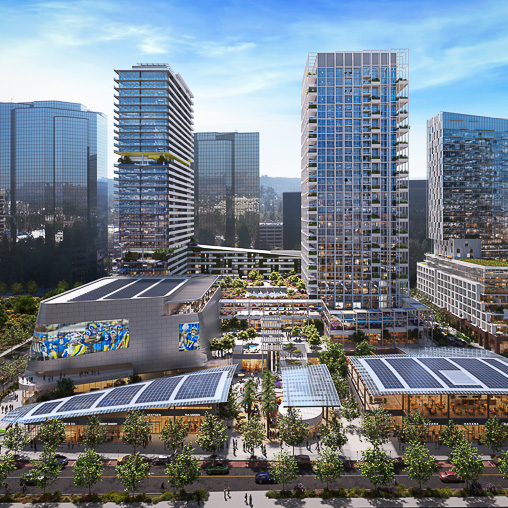
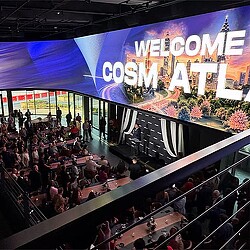
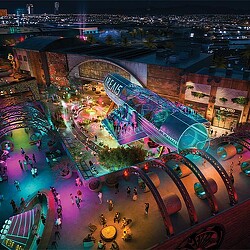
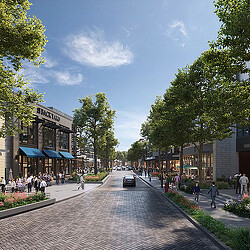
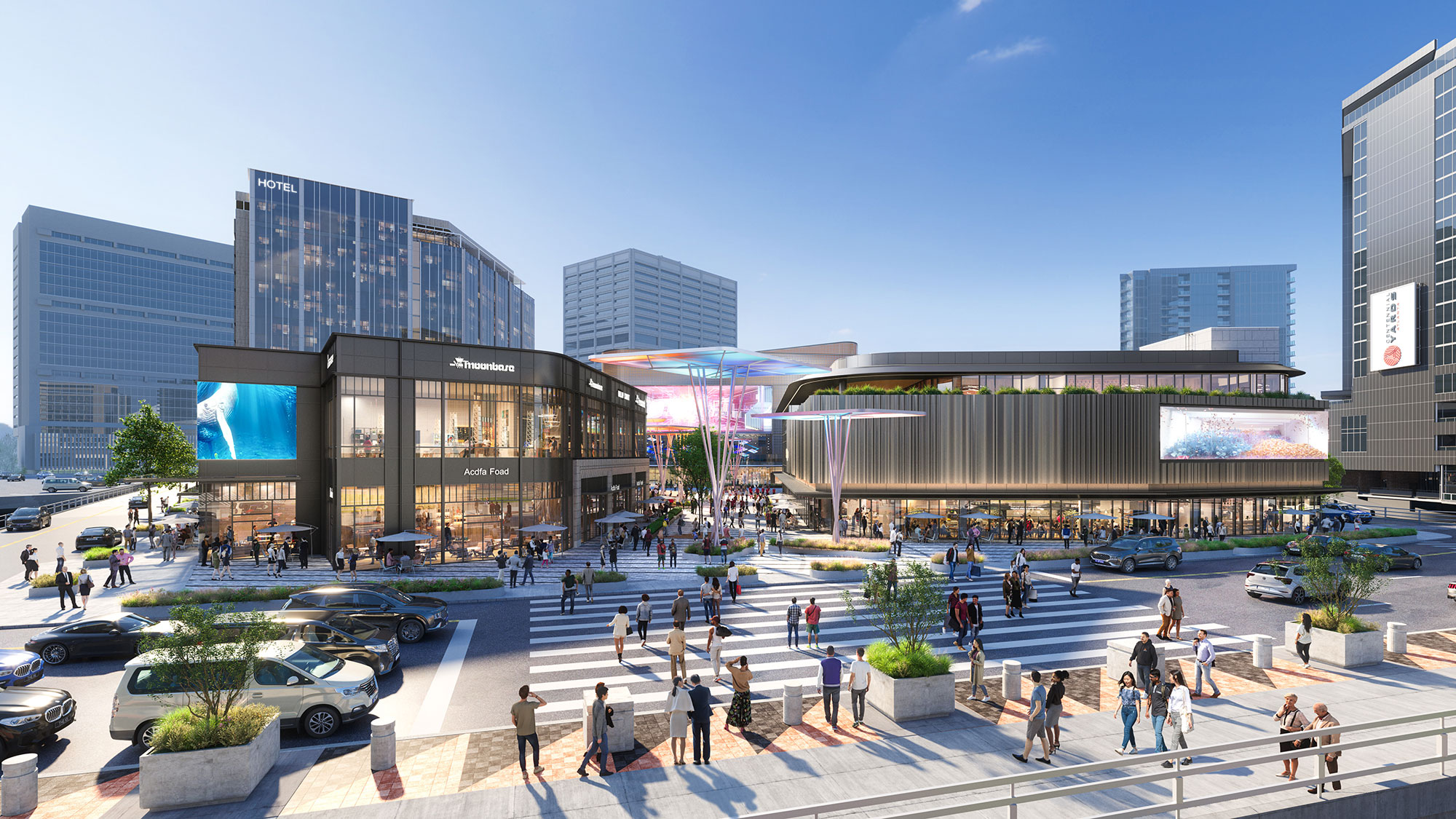
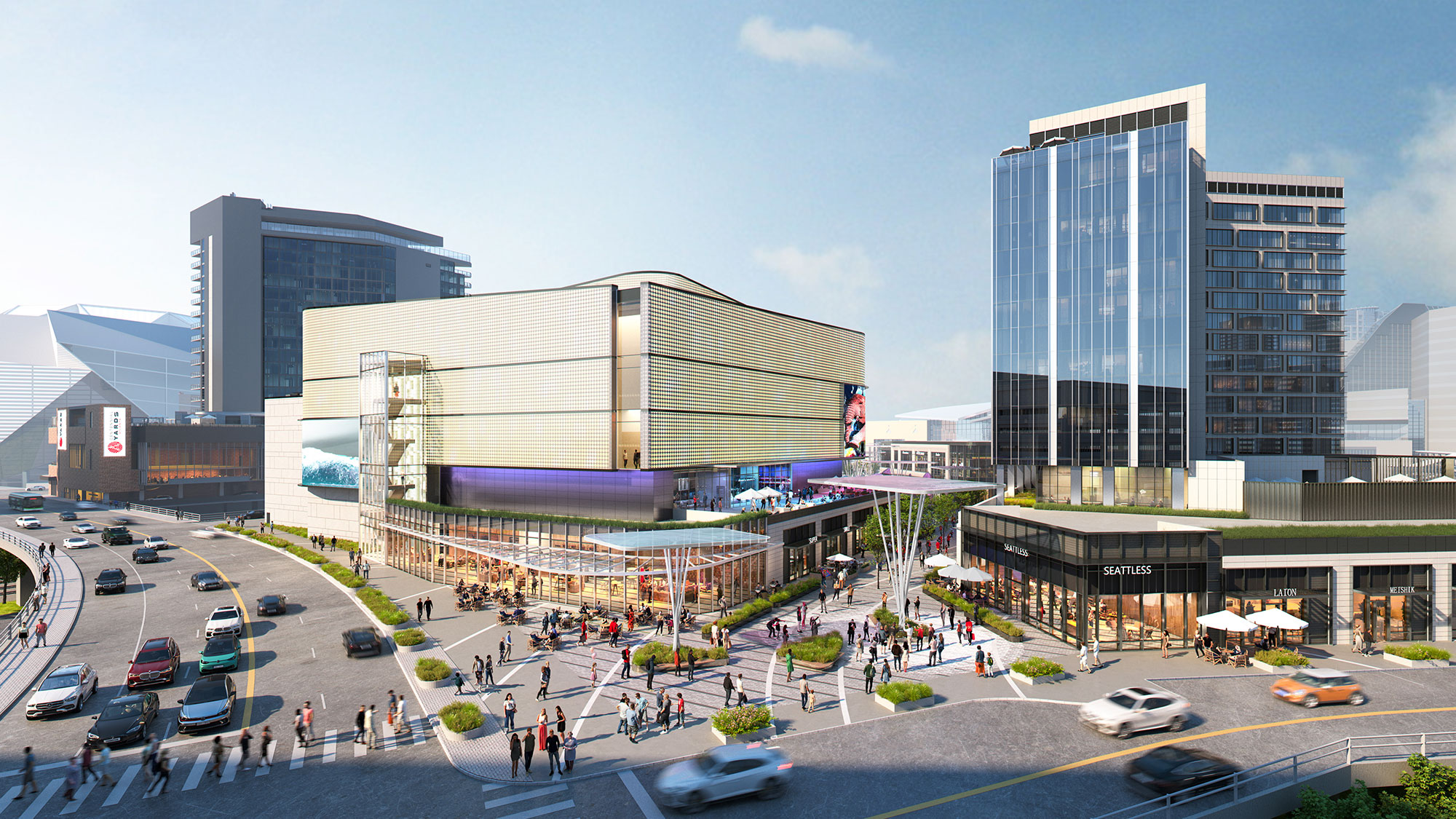
Centennial Yards plays a strategic role in reshaping downtown. The $5 billion development transforms an underutilized site into a vibrant mixed-use district that strengthens connections between east and west Atlanta. At the same time, it reactivates the urban core with new density and a renewed sense of cultural energy. Designed to operate as a 24/7 destination, Centennial Yards provides immersive fan experiences at Cosm, a new Live Nation venue, multiple hotels, retail, and residential living at scale.
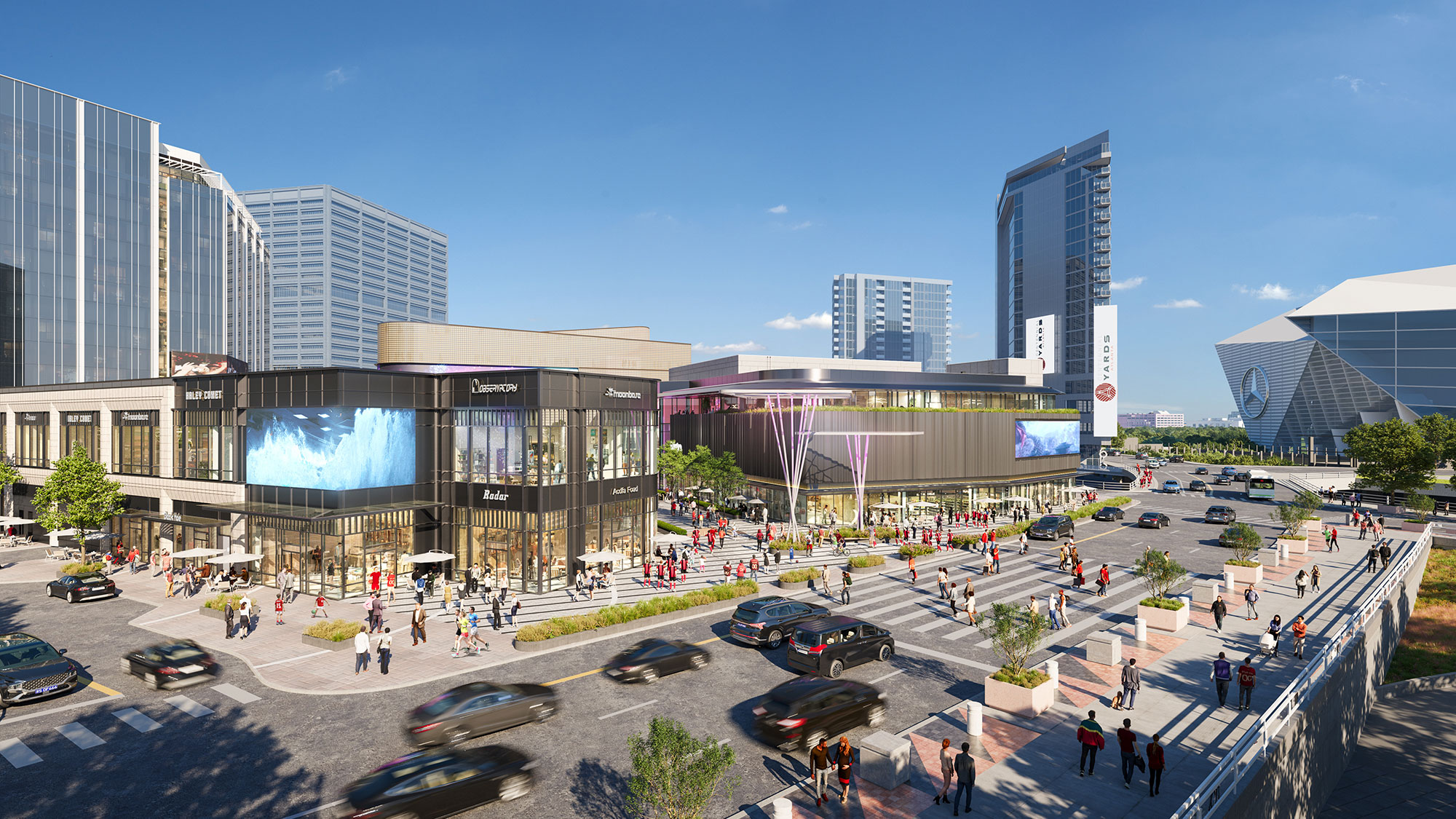
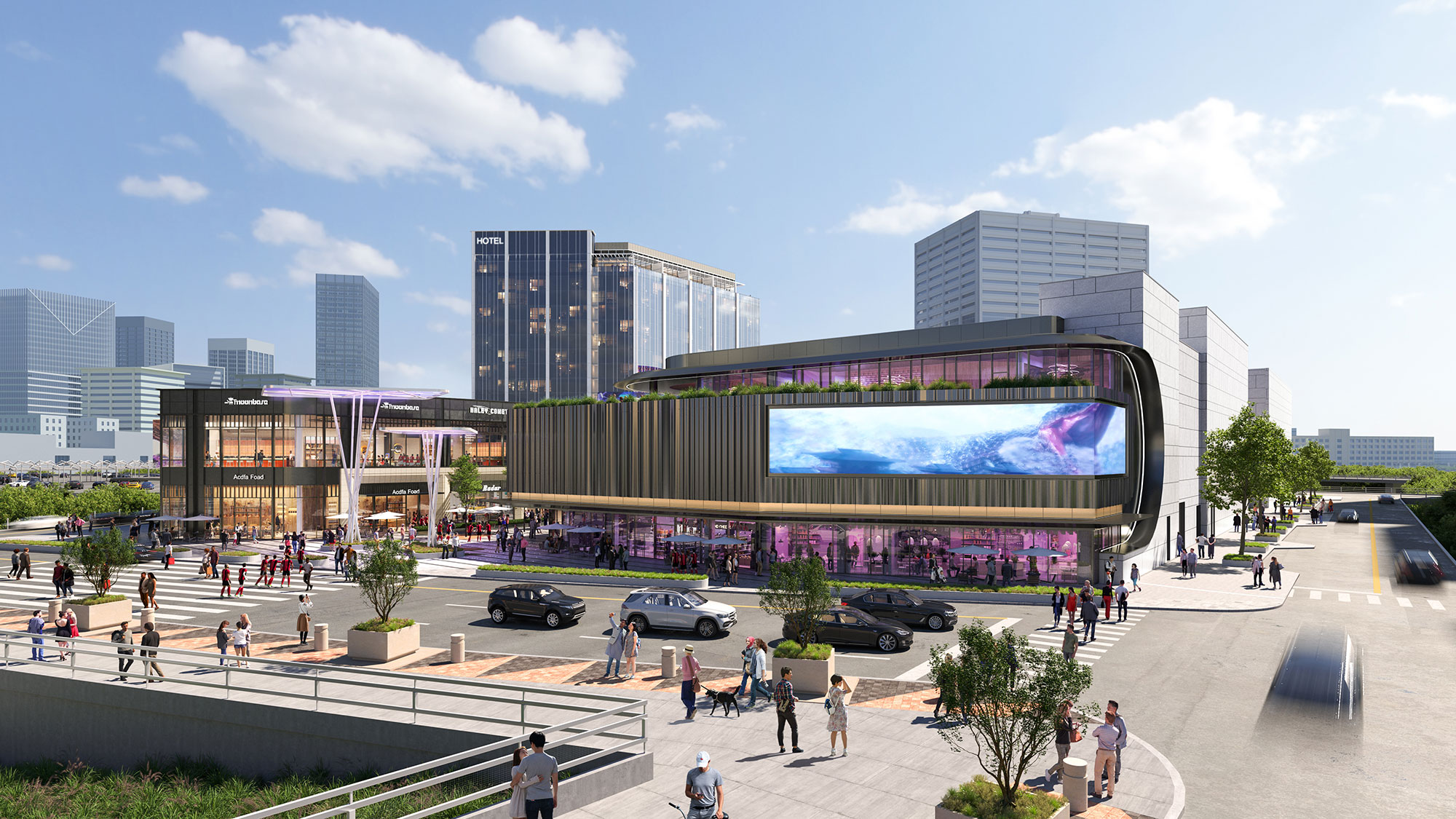
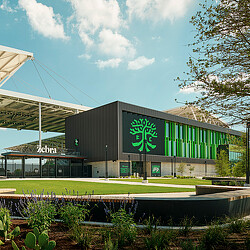
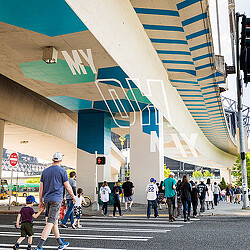
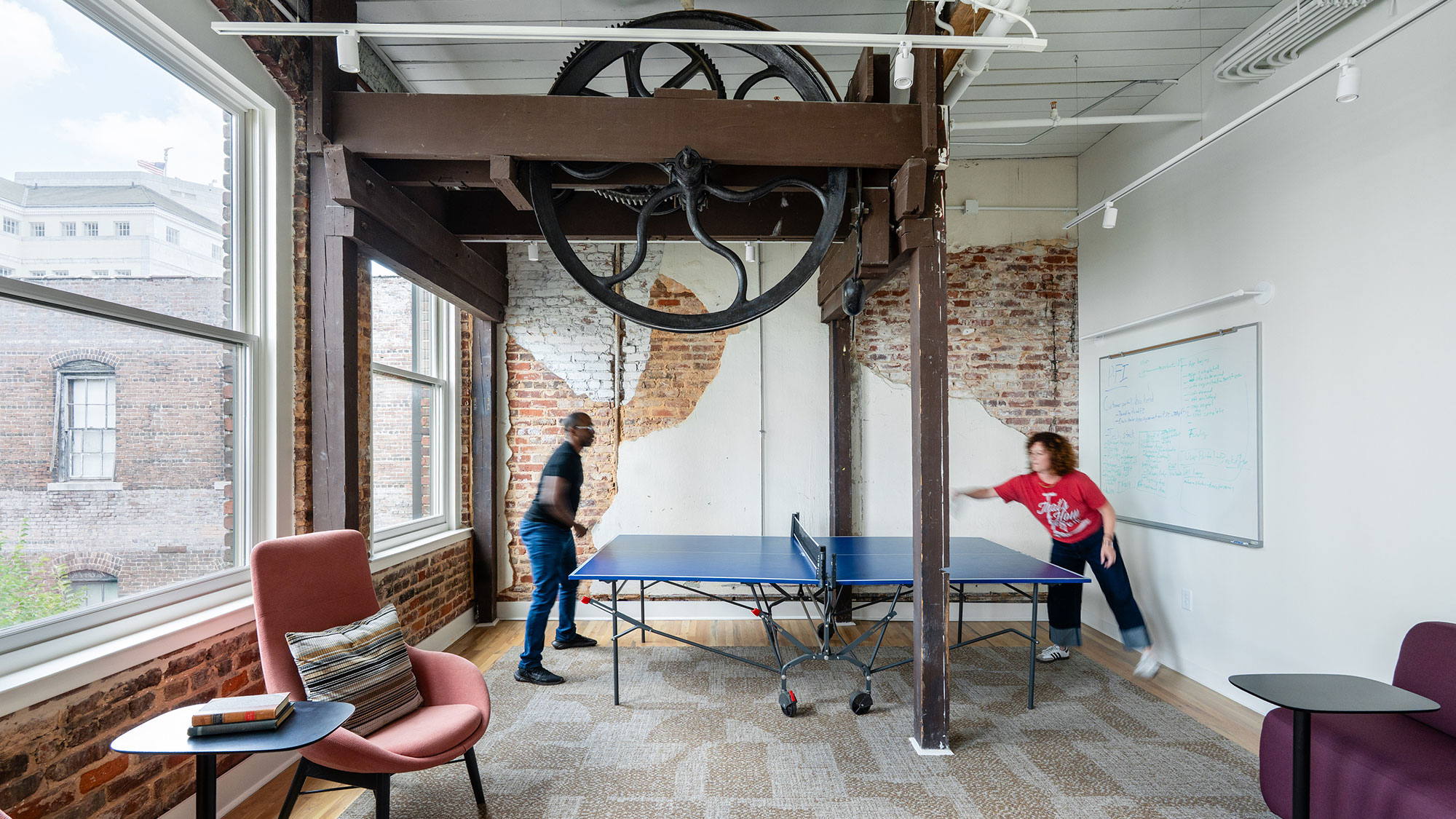
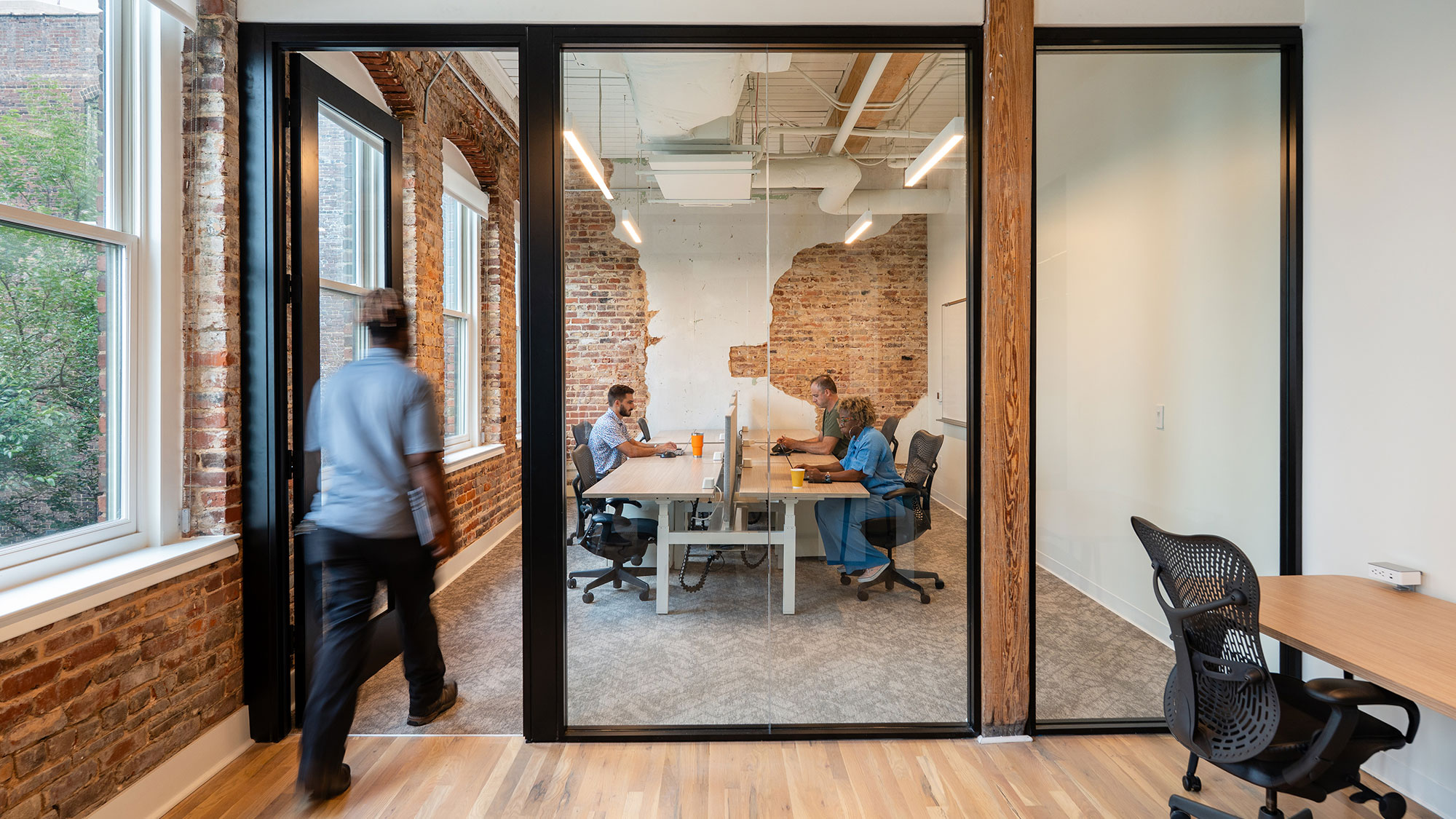
Just across the bridge from Centennial Yards, South Downtown is undergoing the revitalization of Atlanta’s largest collection of historical real estate — 58 buildings across 16 acres. Led by Atlanta Ventures and Atlanta Tech Village, the district is part of a long-term vision to build a thriving community of creative entrepreneurs and doers from across the city. Backed by an initial $150 million investment, the revitalization is well underway, and by summer 2026, the area will host immersive fan experiences that extend the excitement well beyond the stadium grounds.
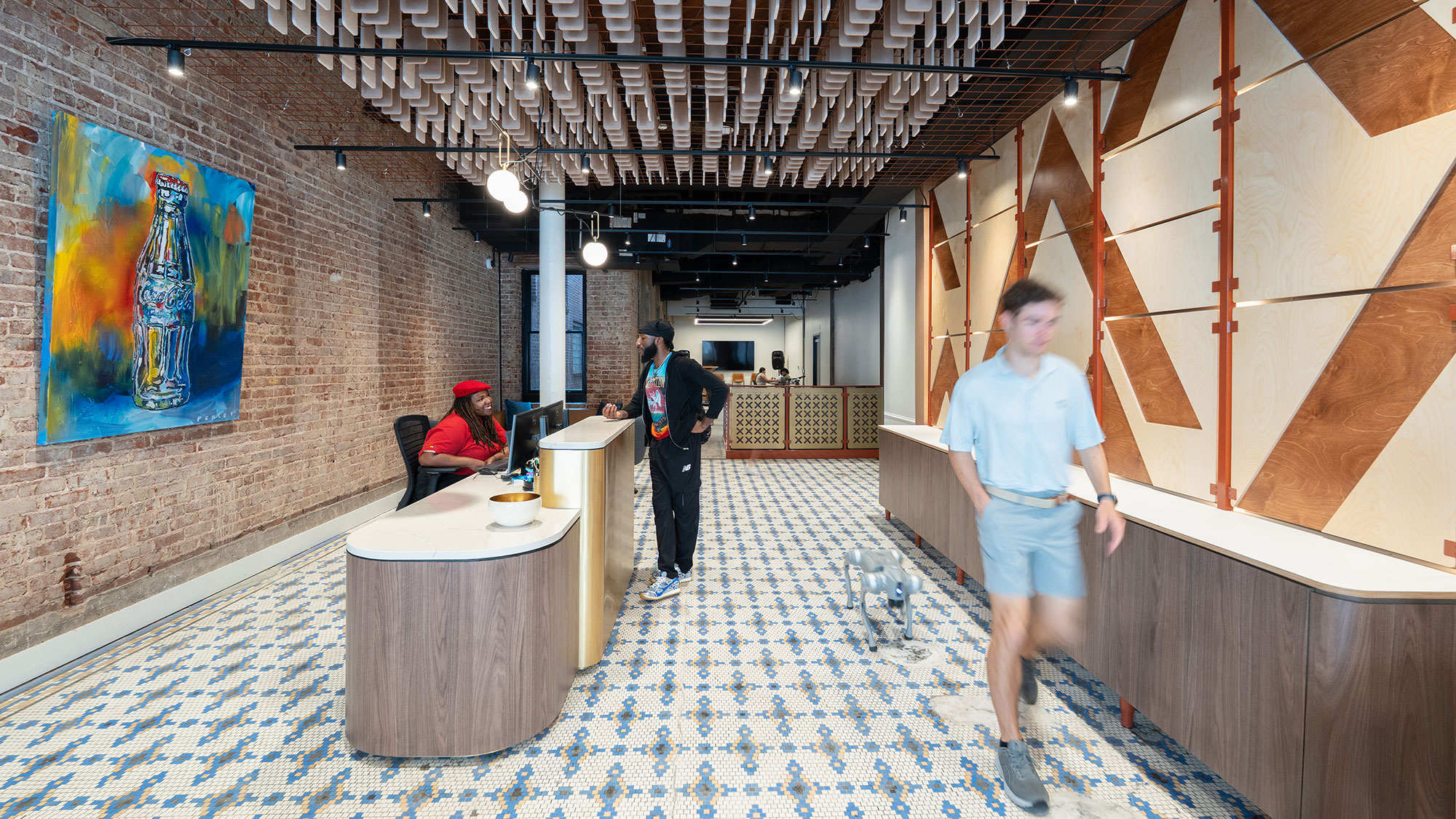
Together, these developments are reshaping the city’s physical landscape and redefining how Atlanta presents itself on the world stage. A network of destinations is emerging, designed for the days between the big moments — each building on the next to support continuous engagement and long-term economic activity.
But the real story is what happens after the world leaves.
The Legacy: Designing for What’s Next
While 2026 will capture the world’s attention, Atlanta’s ambitions extend far beyond a single summer. The city is building an ecosystem designed to sustain growth, relevance, and long-term impact.
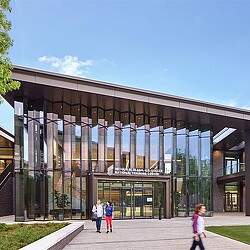
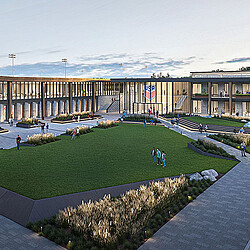
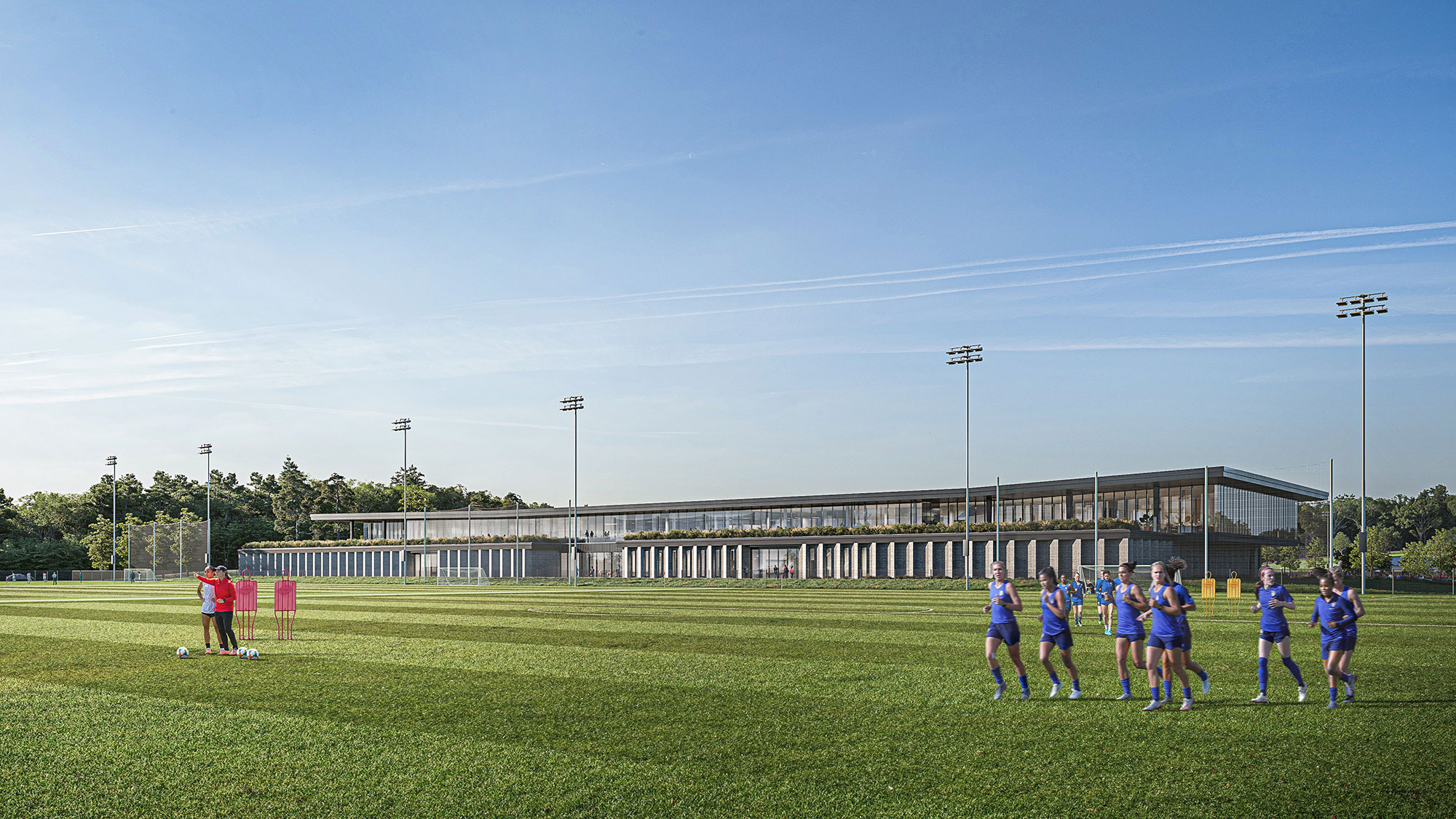
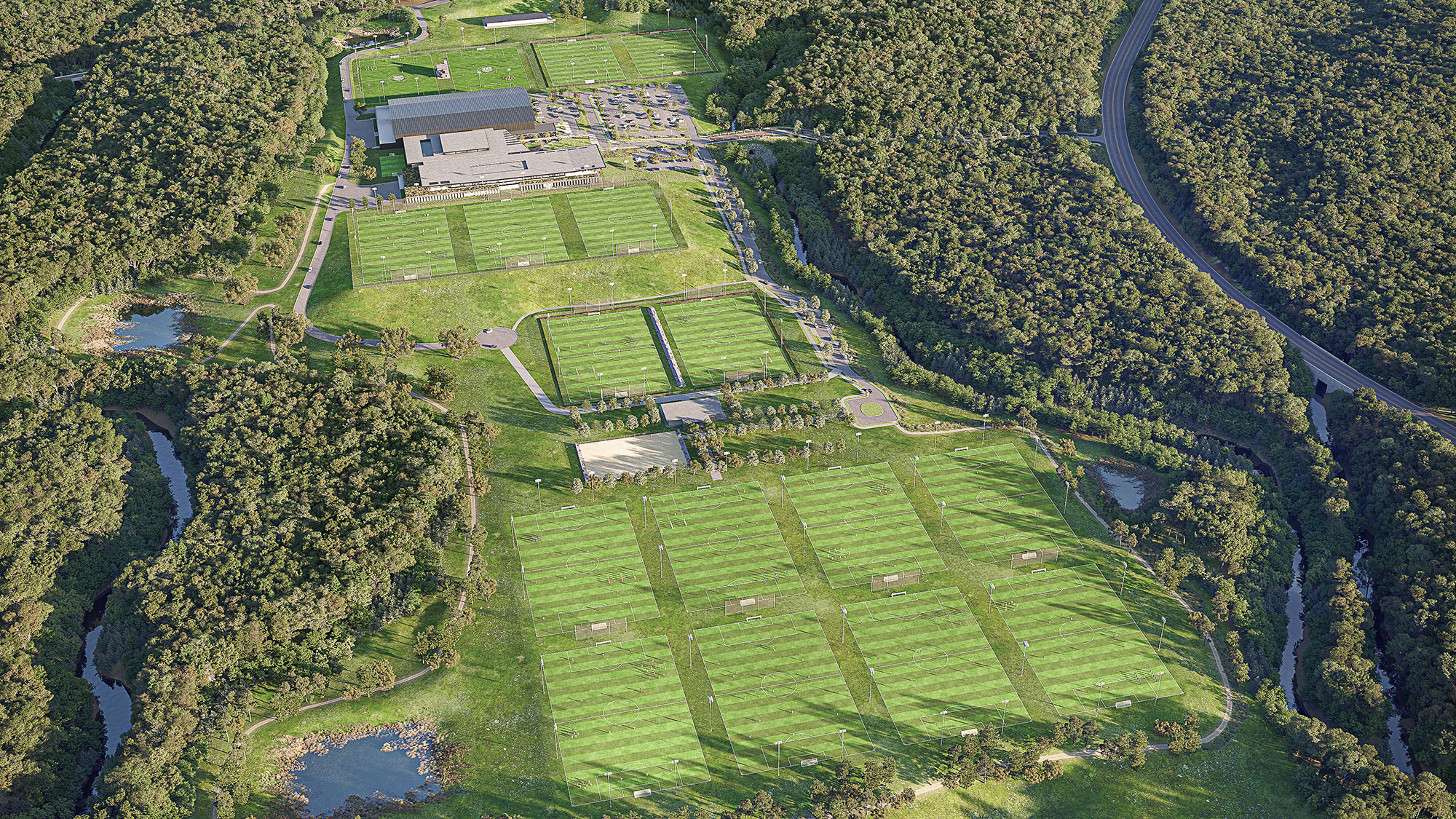
The impact of this moment is reinforced by long-term investment in the sport itself. The Arthur M. Blank U.S. Soccer National Training Center reflects the growing presence of soccer in the United States and Atlanta’s role at the center of that momentum. Spanning 200 acres, the facility will serve as the home of the U.S. Soccer Federation and all 27 national teams. Purpose-built for elite training, development, and performance, the center strengthens Atlanta’s position as a global destination for the sport at a moment when international attention is at its peak.
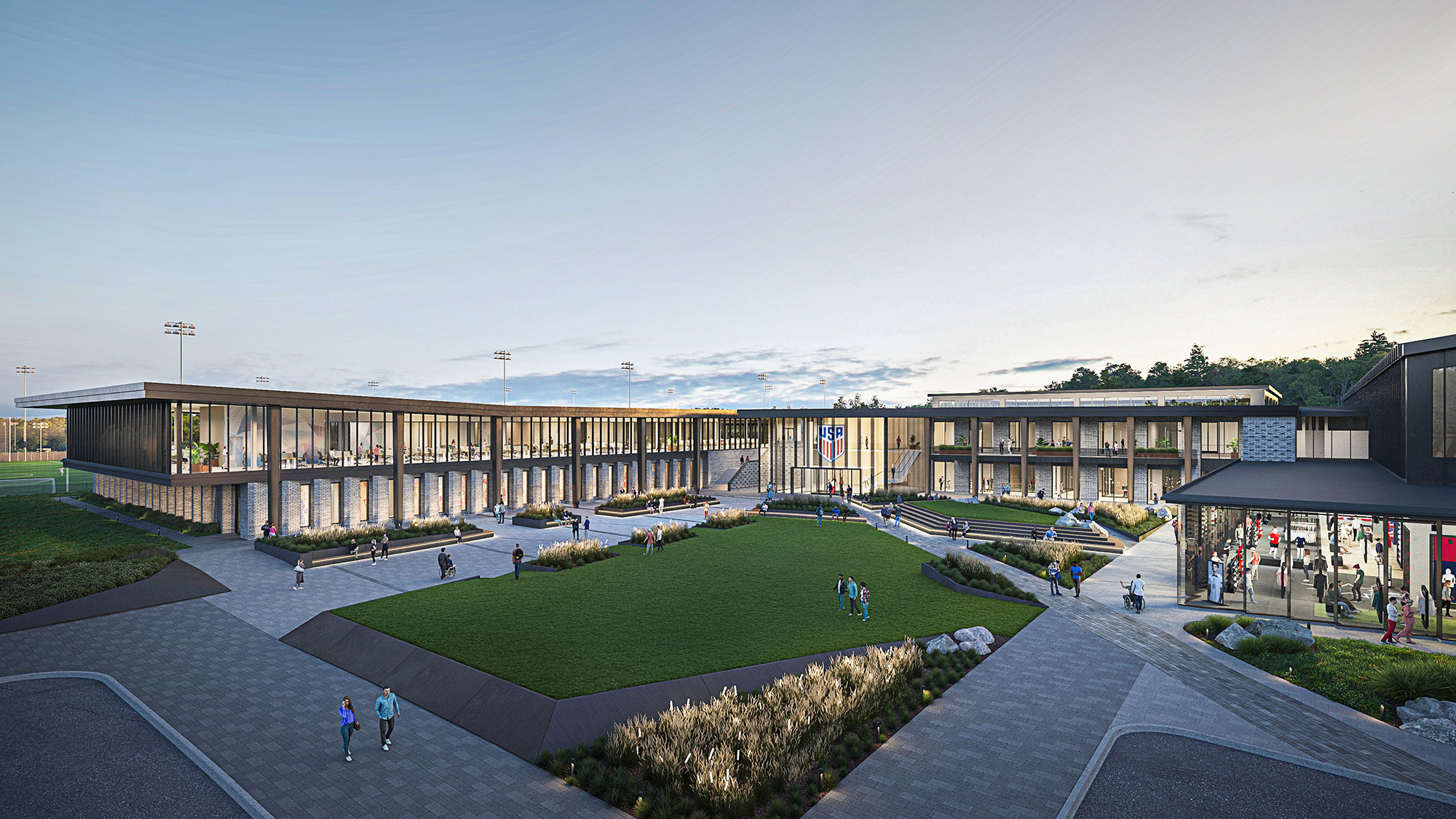
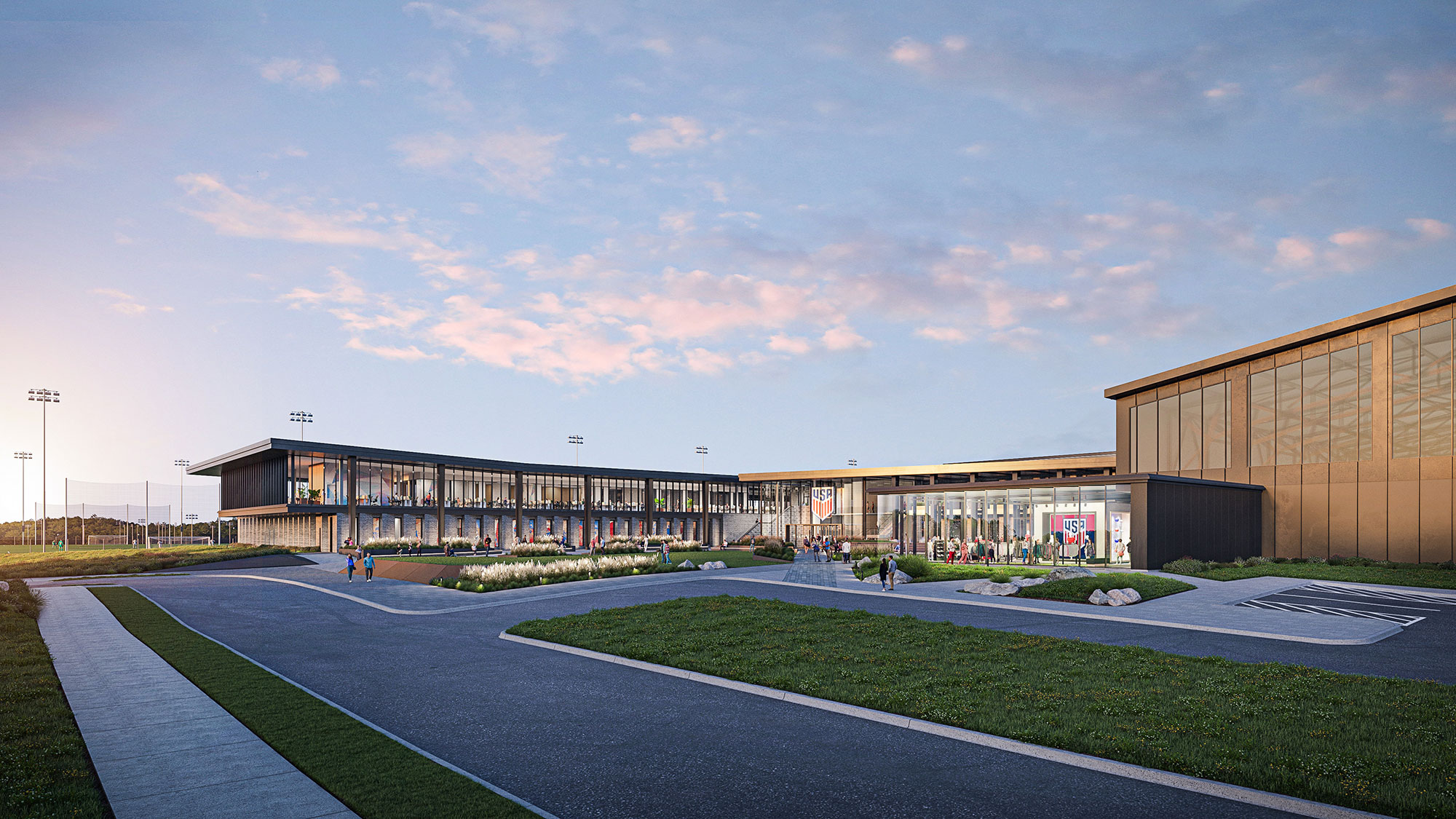
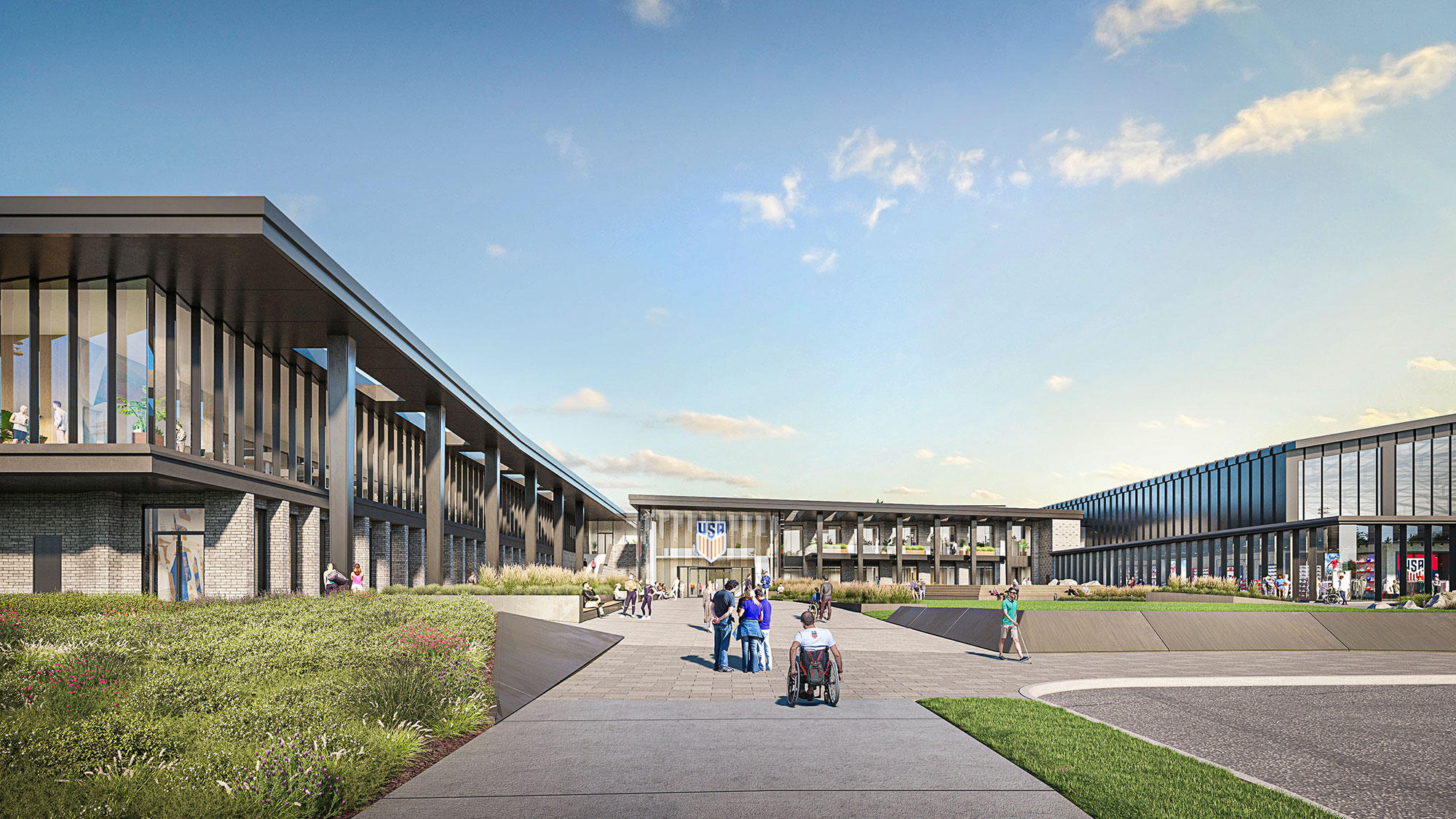
The next phase of development will bring that vision into sharper focus. The completion of Centennial Yards will introduce a new wave of programming and destinations. The continued expansion of South Downtown Atlanta and the Russell Innovation Center for Entrepreneurs will reinvigorate Atlanta’s downtown core, returning to its legacy as the entrepreneurial heart of the city. These environments are designed for flexibility, adapting to changing cultural trends while maintaining a steady drumbeat of daily activity.
Global attention will return quickly. In 2028, Atlanta will host Super Bowl LXII, reinforcing its reputation as a premier destination for major events and providing another opportunity to showcase the city’s growing entertainment ecosystem on an international stage. Each of these moments builds on the last, compounding visibility, investment, and experience.
At the same time, the definition of sports itself is expanding. The rise of women’s sports is reshaping the landscape, bringing new energy, broader audiences, and increased investment. As leagues grow and new teams emerge, Atlanta is well positioned to support this momentum, further diversifying its sports and entertainment offerings while strengthening its cultural relevance.
Taken together, these forces point to a more resilient model for urban development. Entertainment districts are no longer dependent on a single anchor or event cycle. They function as long-term economic drivers, supporting tourism, attracting investment, and creating places where people gather, connect, and return.
Atlanta is operating within a once-in-a-generation opportunity — one where global events, cultural momentum, and strategic development align. The approach taking shape here offers a model for other cities looking to translate short-term attention into lasting impact. Visitors from around the world are coming to Atlanta — and when they arrive, they’ll find a city ready to entertain, inspire, and lead.
For media inquiries, email .