Amenity Intelligence: A Smarter Approach to Office Amenities
The future of office amenities isn’t about following trends — it’s about using intelligence to anticipate what users will value tomorrow.
Too often, office amenities are an afterthought — a late response to the newest trend, rather than a strategic value driver. For developers and tenants, the question is: how can offices create trends rather than following them? How do we maximise value whilst keeping the amenities area efficient?
Imagine stepping into a building where every amenity feels inevitable — not extravagant or wasteful, but precisely tuned to place and people. This is what Gensler’s new Amenity Intelligence tool delivers. The new tool draws on our office portfolio and extensive work with occupiers to propose amenity strategies that fit their location, anticipate future needs, and give each building a distinctive identity — all with minimal area impact.
The story begins with the street. Before a single square metre is allocated, the tool enables the design team to map what’s already available within a five-minute walk across nine categories, translating local fabric into a clear score. Picture a street with queues at cafés, a bustling salad bar, and three gyms within sight. In that context, building another café or gym would be duplication, not differentiation. But in a quieter location with fewer existing options, the building itself must step in.
The mapping step doesn’t just prevent waste — it reveals gaps where on-site amenities would be genuinely valued. Context becomes the compass, ensuring amenities complement the neighbourhood rather than compete with it.
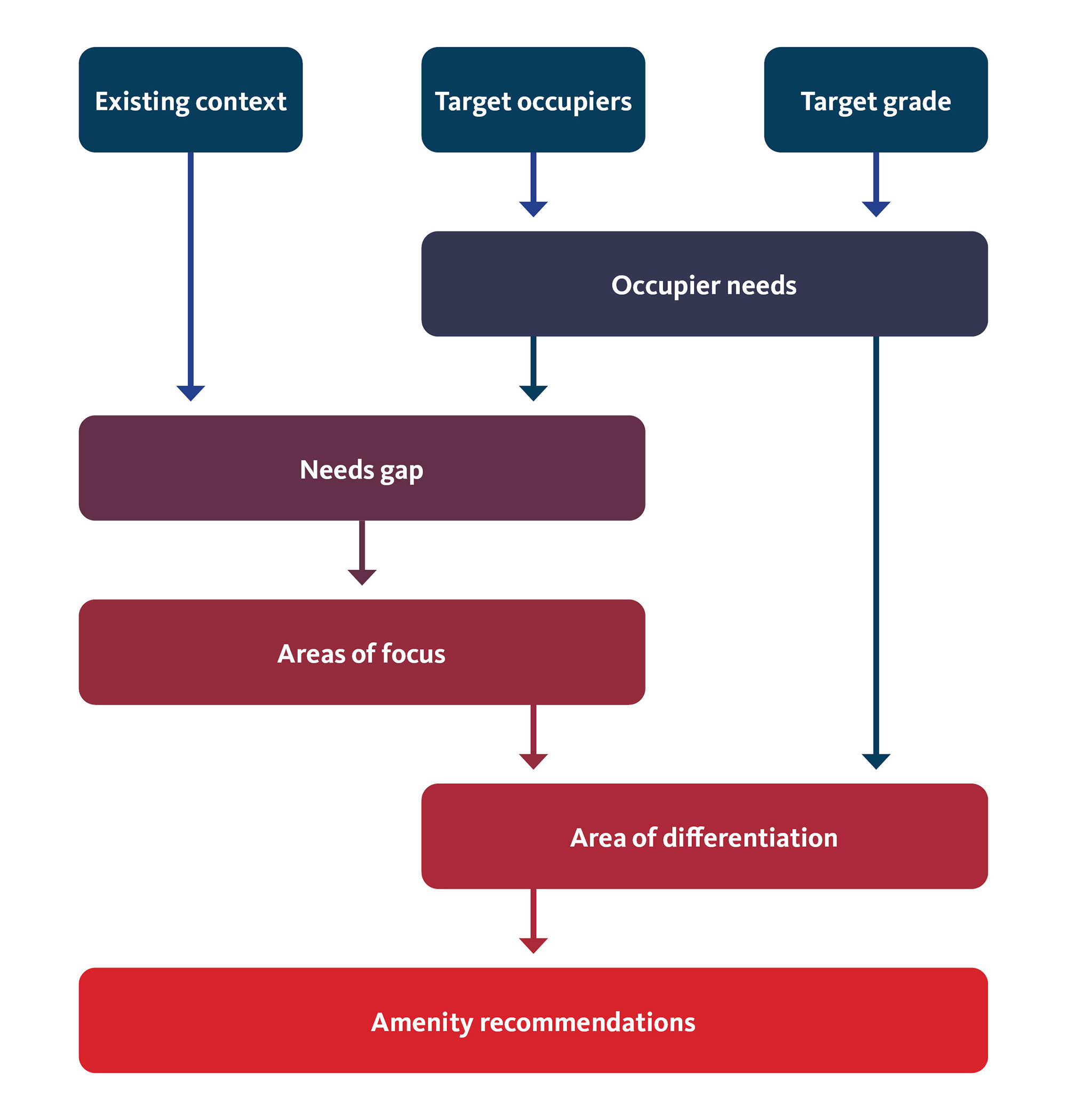
Place is the first chapter; people are the second. The tool’s next layer draws on a database of occupier requirements to surface what target tenants are likely to prioritise today and in the future, with refinement by sector and office grade.
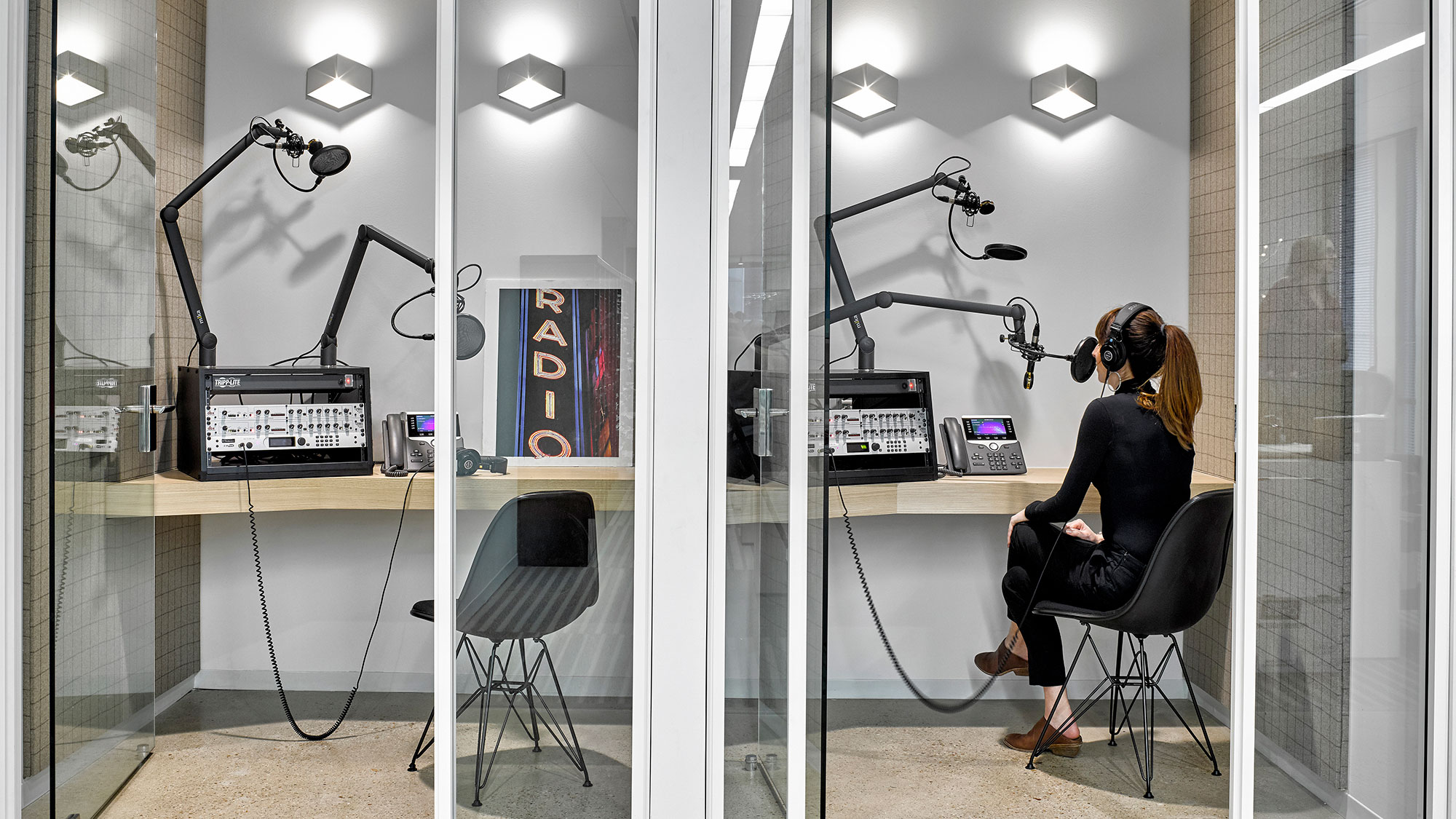
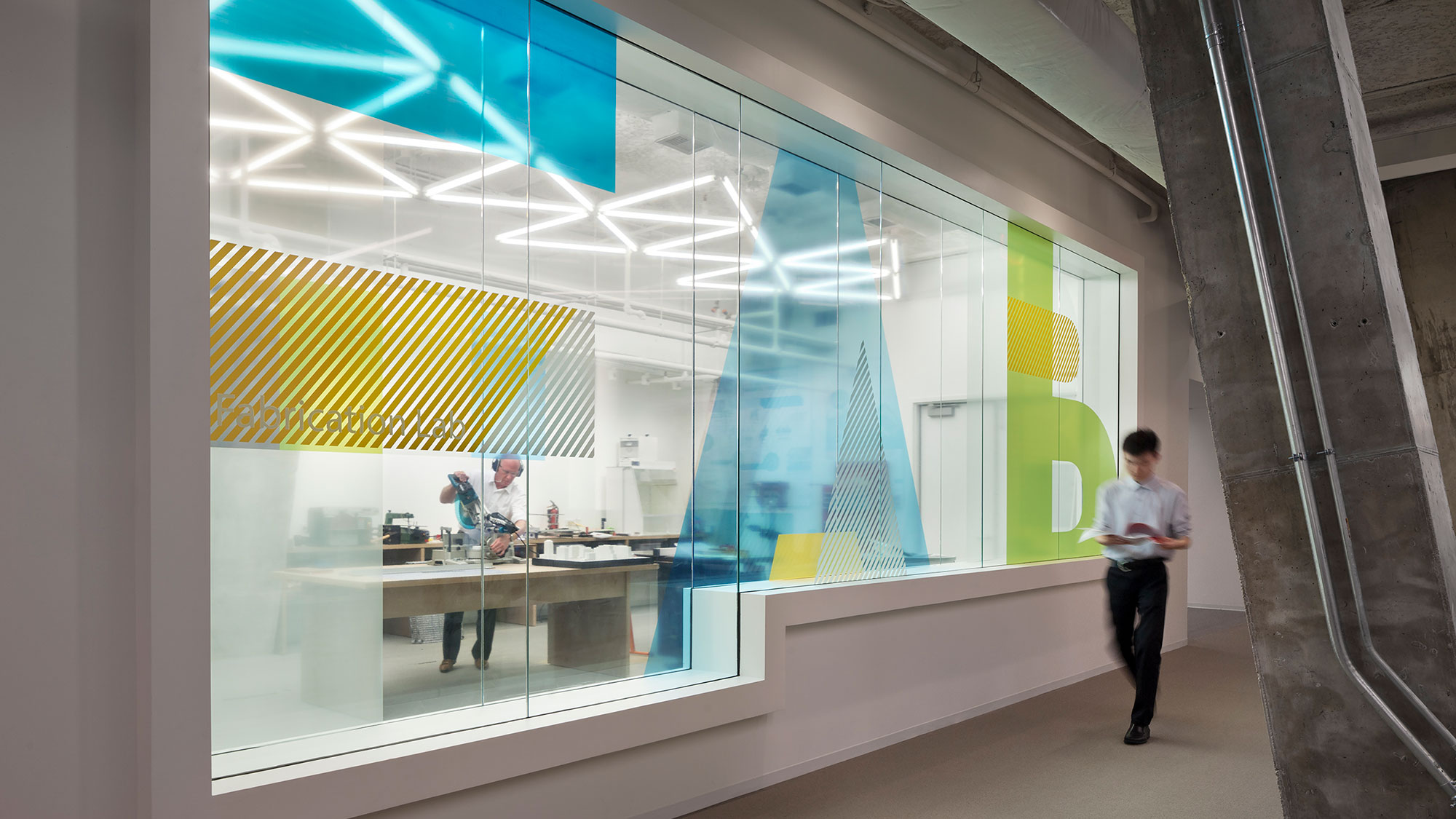
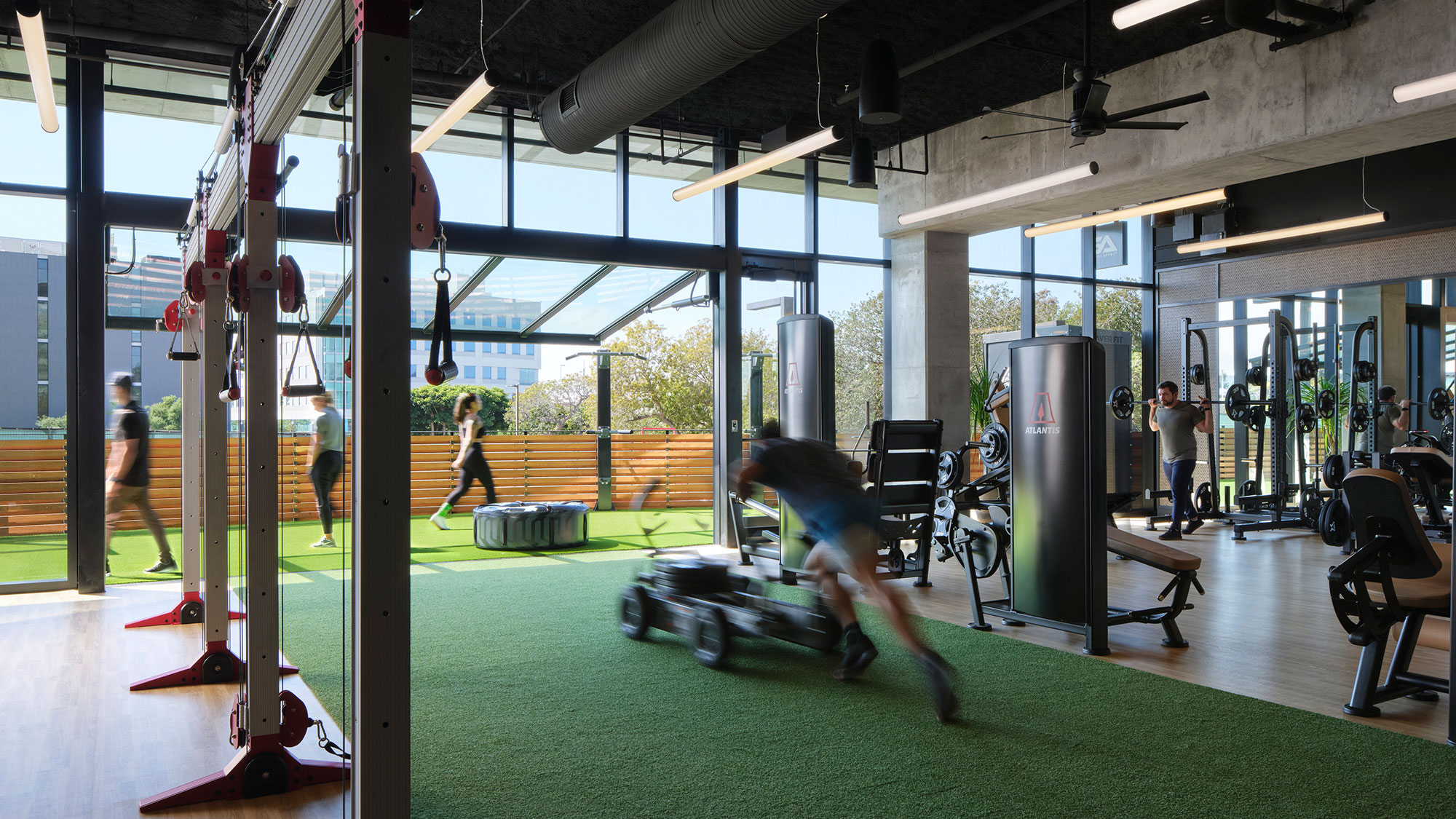
Different industries have fundamentally different needs. Consider creative spaces like podcast studios — extremely space-efficient and invaluable to a media or marketing firm, but potentially meaningless to a finance-led tenant base. A law firm might prioritise convenience features like a concierge or laundry service, while a tech company might value maker spaces and innovative fitness facilities.
By overlaying tenant demand with the amenity context, the tool identifies where investment will have the greatest pull, and how to provide it with space efficiency — through flexible, multi-use rooms, smart scheduling, and adjacency planning that maximises utilisation without expanding the footprint. This is where strategy outperforms trend. Amenities stop being a catalogue of features and become a tailored response to who will actually use the building.
Meeting needs is essential — but in today’s market, it’s not always enough to attract the most demanding occupiers. Distinctiveness is what turns a good office into a memorable one. The final layer of the tool highlights amenities that can be amplified to create a truly unique selling proposition for the building.
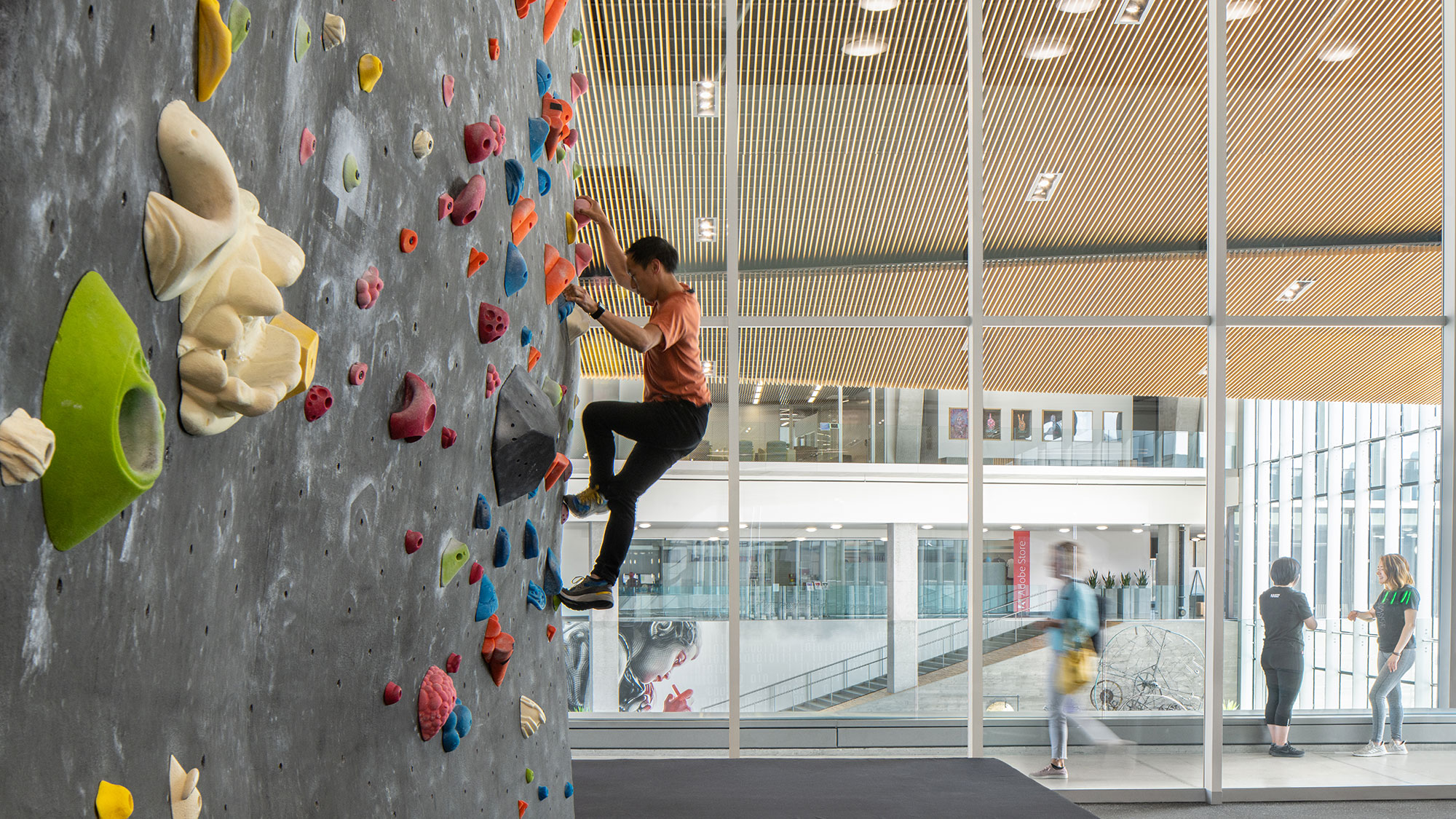
If the data suggests fitness is a major driver, that need can evolve into a brand. Imagine a climbing wall visible from reception — a bold, kinetic statement that signals energy from the moment visitors arrive. Pair it with integrated nutritionist services and thoughtful food & beverage (F&B) offerings, and wellness becomes the building’s narrative, not just a feature list. The same logic applies to learning, food, or culture — choose the right emphasis, design it to be seen and felt, and an identity begins to take shape. This is only possible when the amenity strategy can be mapped from the start of the design process.
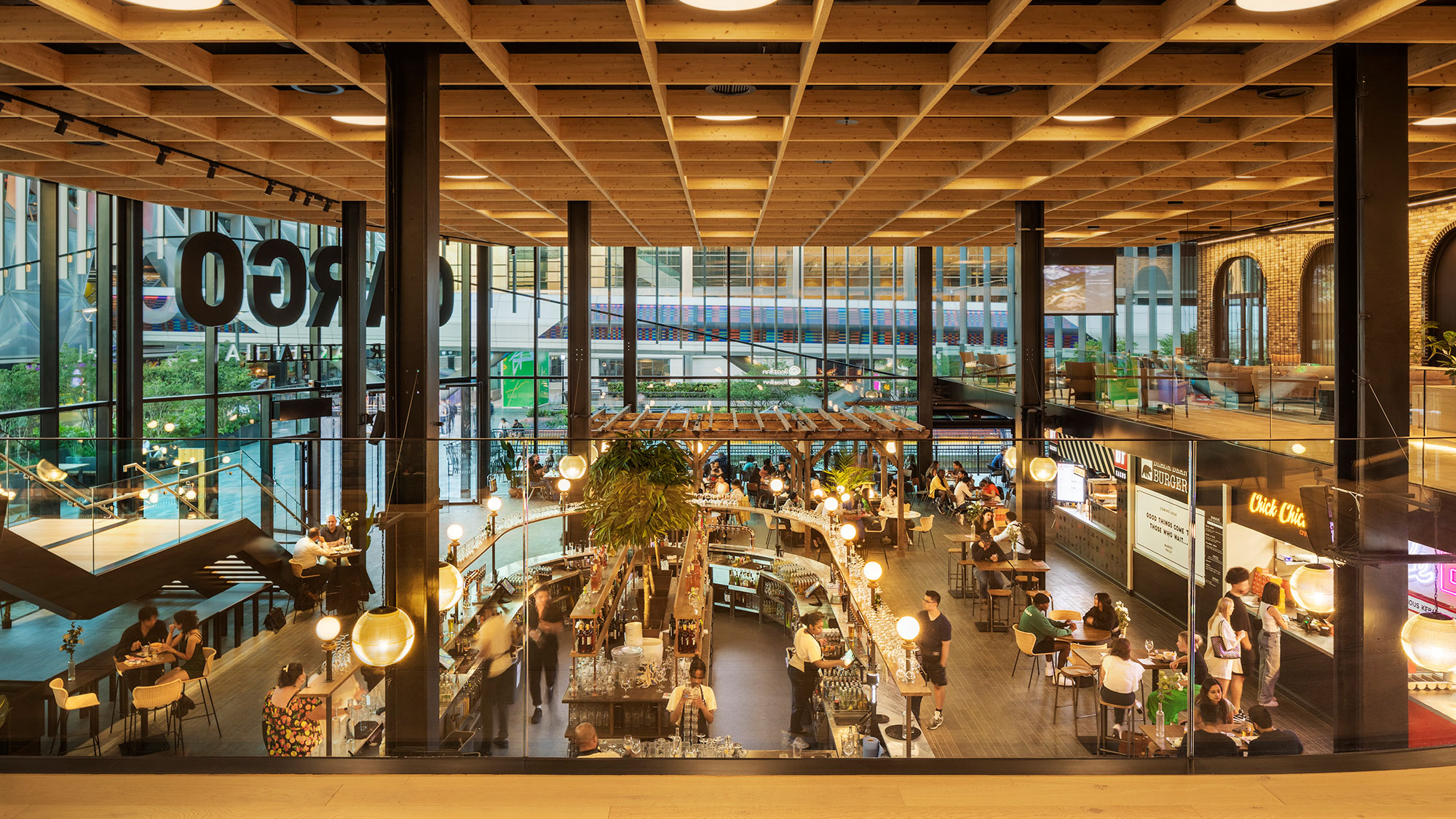
When these three strategies align — context, occupier needs, and identity — the results can be transformative. Gensler’s Cargo, Crossrail Place project in Canary Wharf is a great example. The design process began by reading the neighbourhood, with the upcoming Elizabeth Line station poised to reshape flows and effectively make the site a ‘front door’ to Canary Wharf. With that shift in mind, the team mapped amenity context and layered in target tenant requirements to meet priorities.
One gap stood out: food. Rather than defaulting to standard ground-floor F&B units, the team leaned into identity and created a food hall. This new social anchor welcomes the neighbourhood, serves the tenants, and reinforces the building’s role as a gateway. The strategy worked — Cargo gained a clear and compelling story, and the building secured extensive pre-leasing.
Staying ahead of the curve means designing amenities that anticipate behaviours, rather than mirroring yesterday’s fashions. Start with the street, design for the people, then choose the bold stroke that makes the building unmistakably itself. The result is a building that occupiers are drawn to because it feels made for them.
For media inquiries, email .