Building City Brands That Outlive the Event
Lessons from Seattle’s Unity Loop on building brand systems that extend beyond the event.
What makes a city feel alive? Moments like professional sports games, global tournaments, multi-day music festivals, and other temporary experiences do more than entertain — they ignite pride, form a shared sense of identity and belonging, and shape a city’s history. The narratives created around these moments form memories shared by participants and residents long after the crowds disperse.
The 2026 FIFA World Cup is already delivering on its promise. Spending in host cities has increased by 6.3%, driven by visiting fans exploring well beyond the stadium — into hotels, restaurants, and local businesses. Forbes reports that the tournament is generating early economic momentum across North American host cities, with the U.S. alone projected to see a $17.2 billion GDP boost. What’s fascinating is that for many international visitors, the reality of the experience — being here first-hand — is outweighing the perception created over the years in the media.
How do we flip the narrative to one in which our cities are exciting, welcoming places to be? How can we convert a first impression into a lasting relationship? The answer lies in cohesive and compelling brand positioning and storytelling — developing a point of view that translates into a verbal and visual identity that is warm, authentic, iconic, and resonant.
Strategies for Building Resonant Branding Around City Events
Focus on Data + Human ExperienceStrong place brands are grounded in both insight and empathy. Pair quantitative research with qualitative perspectives to understand market context, audience needs, and local culture. Engaging diverse voices early in the process ensures the brand reflects the community and grounds design in emotion — resulting in experiences that build on pride, joy, connection, and belonging.
Think Long-TermThink beyond the event itself by balancing immediate impact with long-term value. Build a brand that complements existing event partners while expressing a distinct identity for the host city. By creating experiences that resonate today and remain relevant tomorrow, cities can transform short-term engagement into lasting relationships with residents and visitors alike.
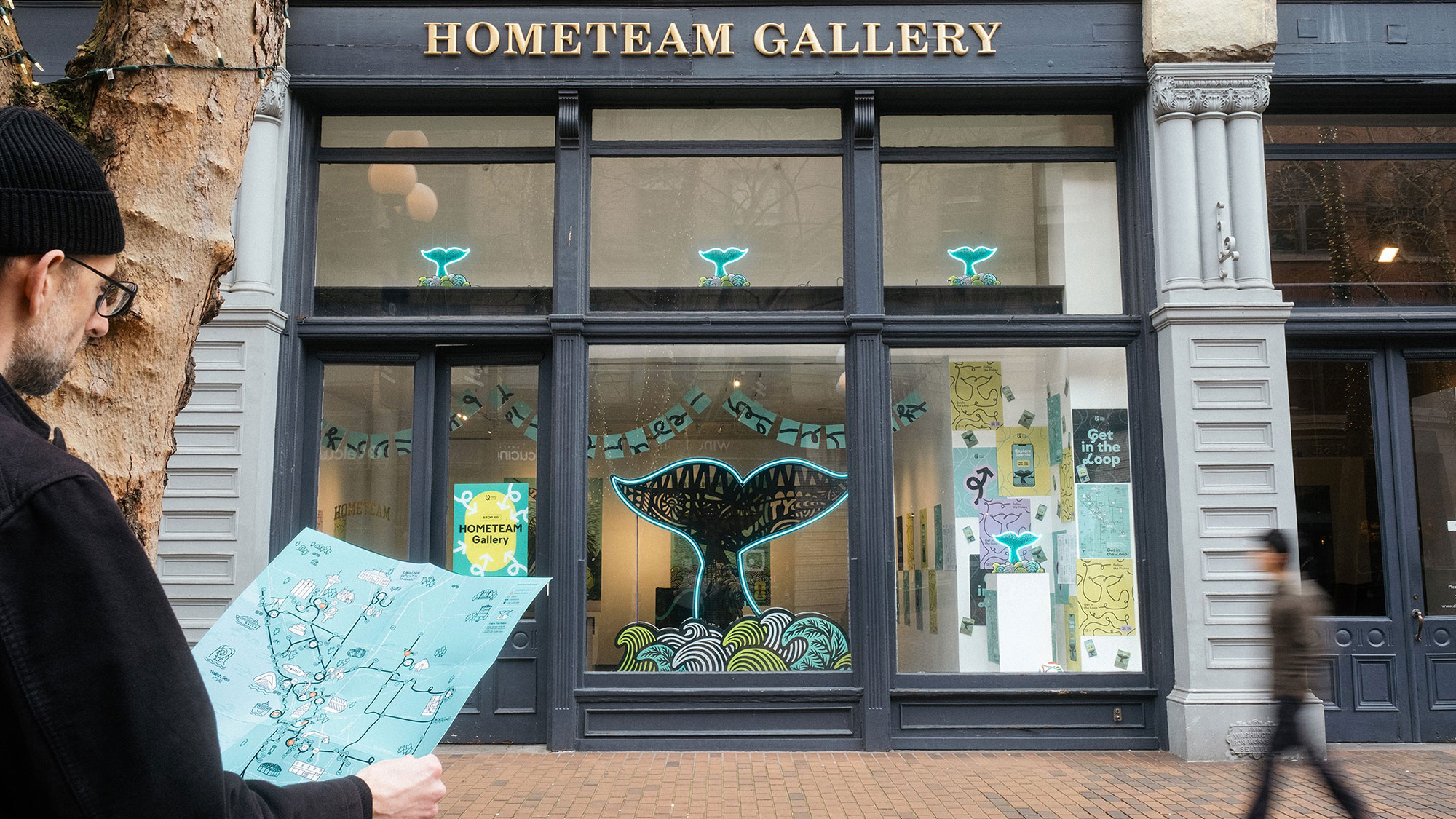
Every city has a story worth telling. Celebrate the distinctive qualities, neighborhoods, and people that make your destination unique, while defining the shared values that bring them together. By channeling the excitement and camaraderie of a citywide event into a narrative rooted in civic pride, the brand becomes a shared expression of place that is authentic, optimistic, and built to endure.
Make It ScalableThe greatest impact comes from a brand that is easy to adopt and expand. Create a flexible system that works consistently across physical and digital touchpoints while empowering partners to participate in meaningful ways. Local organizing committees, tourism agencies, downtown associations, cultural institutions, businesses, and community organizations can all become ambassadors to amplify a shared vision.
Build a LegacyA successful city brand should create value long after the event concludes. Open-source assets, adaptable toolkits, and accessible activations make it easy for communities and businesses to carry the brand forward. By extending participation beyond the event itself, cities can sustain economic activity, strengthen neighborhood identity, and leave a lasting legacy for residents and future visitors.
These Strategies in Action
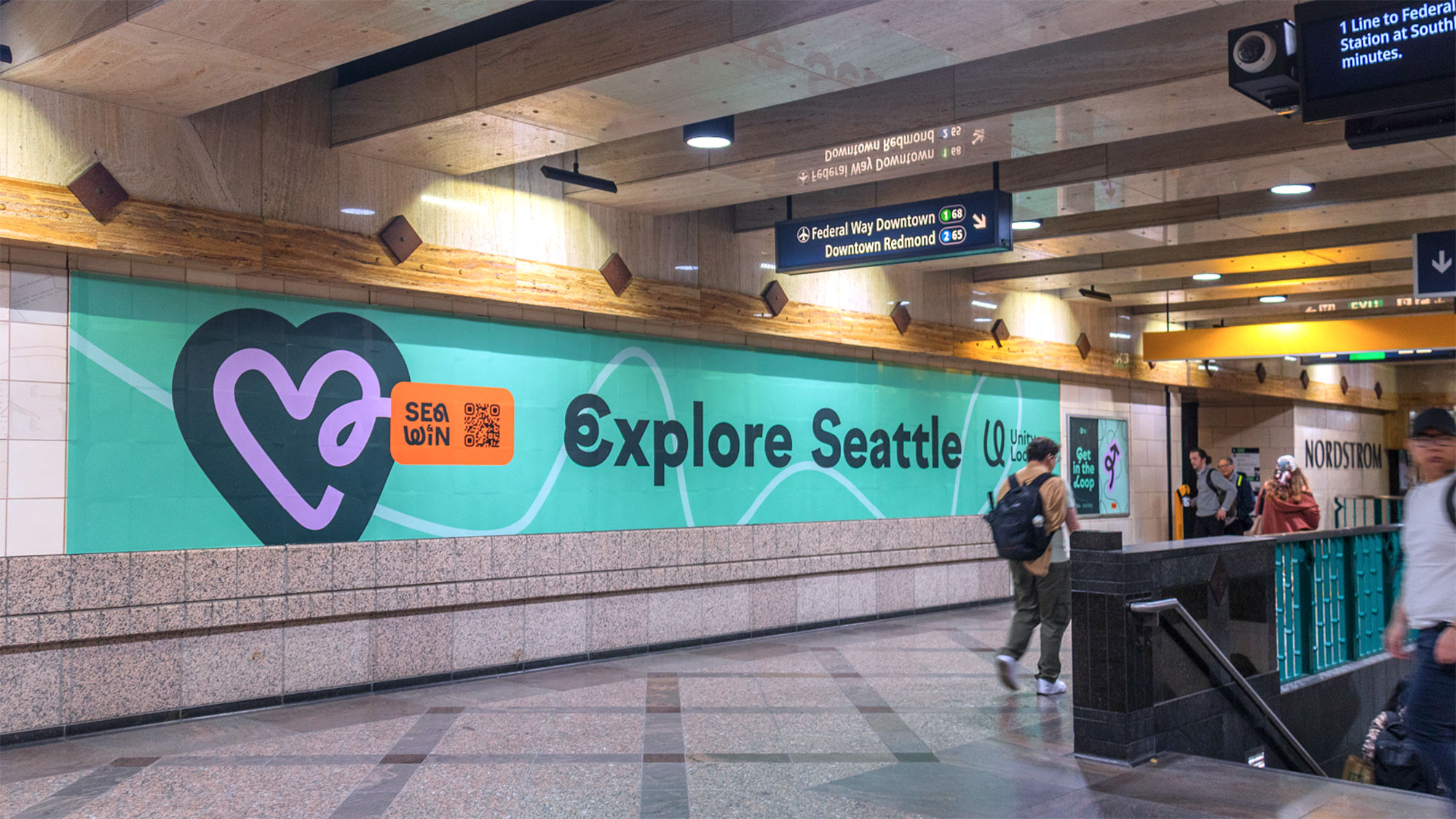
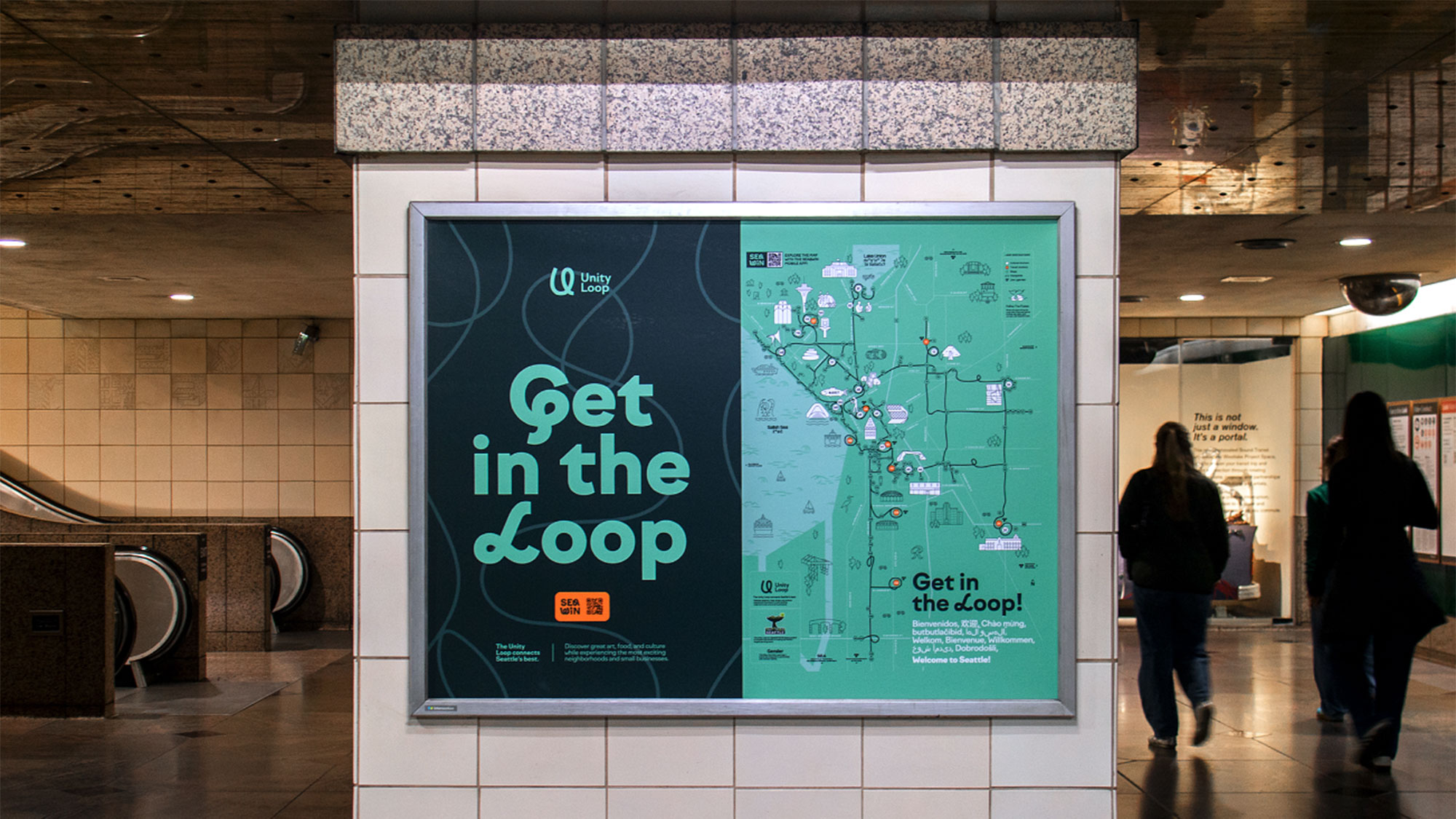
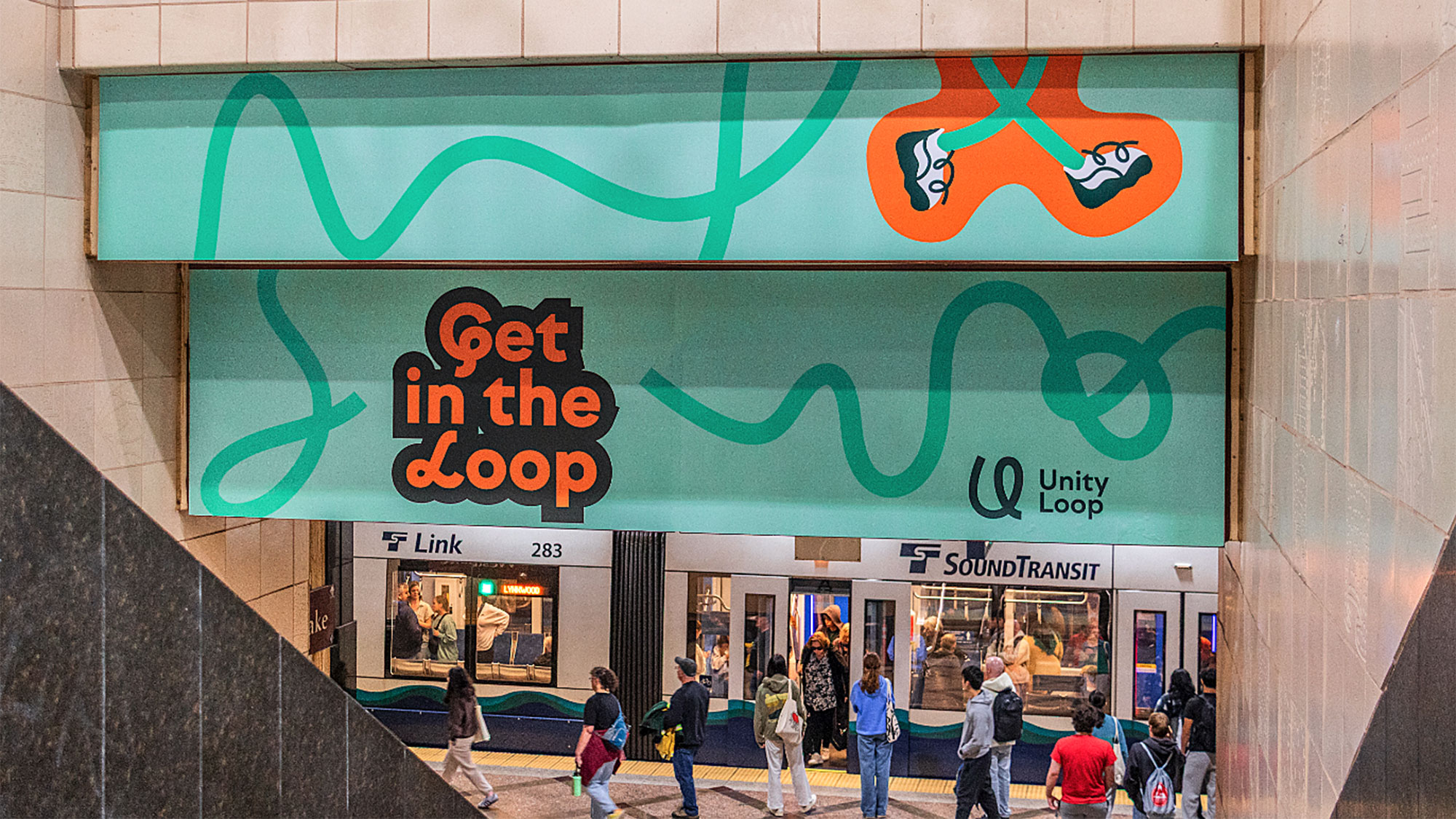
These strategies shaped Gensler’s approach to the Unity Loop in Seattle — a four-mile, pedestrian-friendly route stretching from the Stadium District to Seattle Center, linking tourist destinations to local neighborhoods. Opening ahead of the 2026 FIFA World Cup, the loop is positioned to last long after the final match as a legacy for the public to enjoy.
Gensler’s role was to develop and scale the Unity Loop brand. We brought together the local FIFA Seattle organizing committee, tourism agencies, downtown associations, cultural institutions, local businesses, and community organizations to link disparate ideas to the bigger picture. We balanced broad market research with deep community listening to understand what makes Seattle’s culture worth celebrating. Ultimately, our strategy clarified the Unity Loop’s purpose and positioned the brand to invite visitors and residents to experience Seattle’s rich cultural fabric.
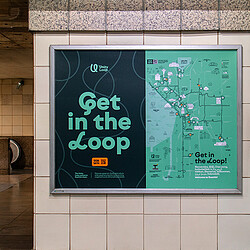
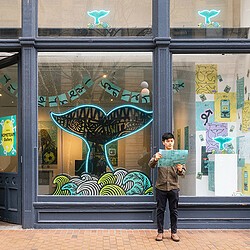
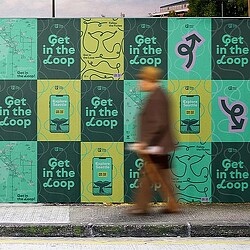
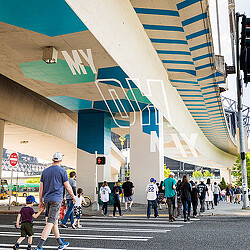
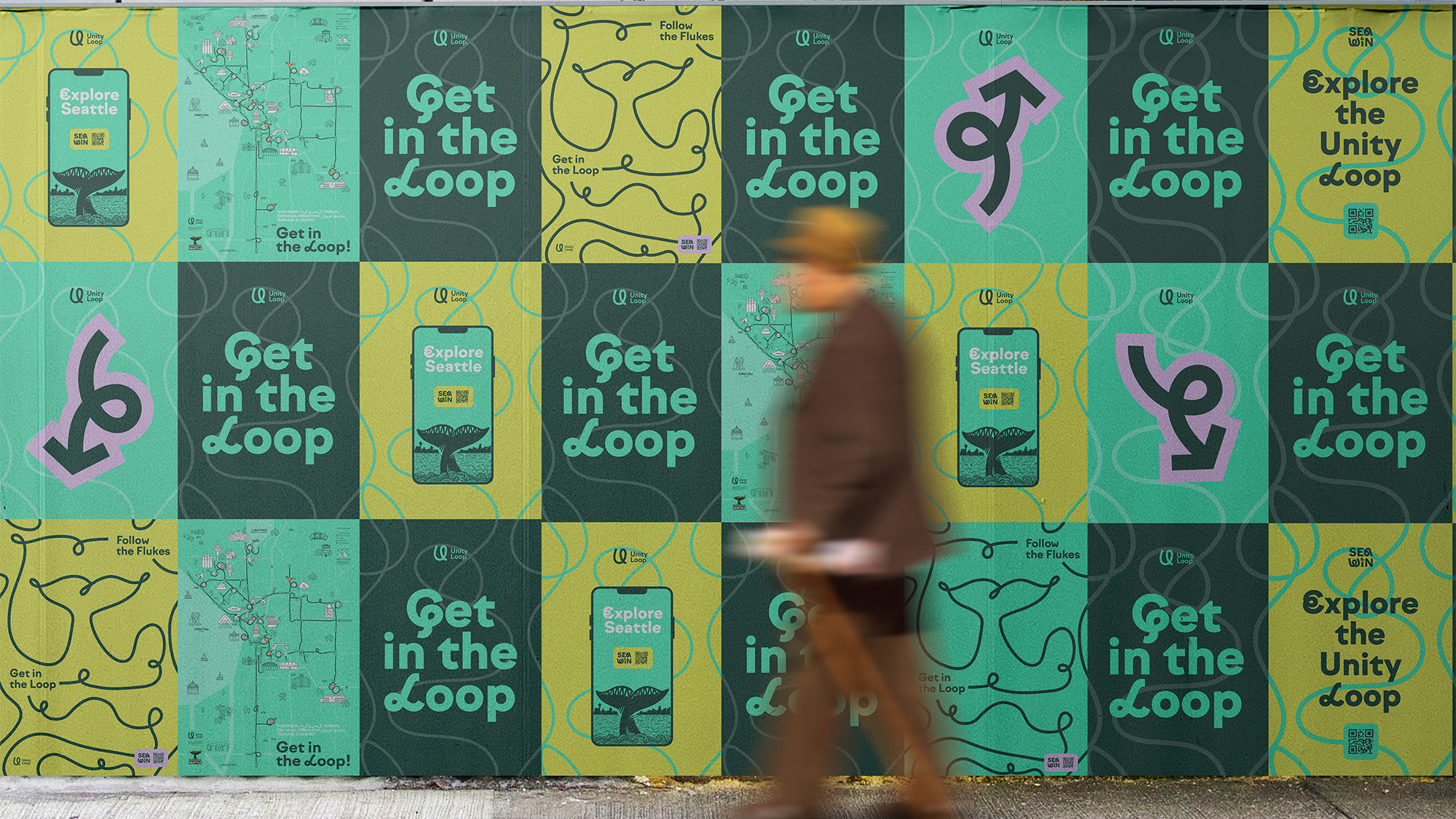
Building on this strategic foundation, our team designed a Unity Loop map to help visitors discover Seattle’s unique neighborhoods alongside promotional activations that draw foot traffic beyond the stadium — ultimately boosting our local economy. The brand identity activates existing urban infrastructure and local storefronts with a unified visual system that is clear, joyful, and easily recognizable. An open-source toolkit of easy-to-implement graphic assets (including posters, stencils, signage, digital templates, etc.) made it easy for 150+ local businesses and institutions to signal participation along a self-guided tour of the city.
The Unity Loop is proof that the right narrative at the right moment can bring a city to life. When a brand is built with intention rooted in community, designed for participation and shared pride, and scaled for longevity — the energy of a global event doesn’t dissipate when the crowds leave. It compounds.
When thoughtfully framed, large events become platforms for shared prosperity, showcasing neighborhood businesses, and creating more equitable access to opportunity. A strong narrative ties together culture, community, and commerce. In doing so, it helps cities foster inclusive growth — where economic benefits ripple outward long after the final match.
For media inquiries, email .