Can Sports Save Us? How Stadium Districts Power Belonging
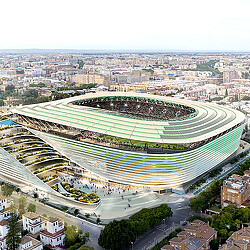
As social isolation and loneliness rage on, live sports could be the antidote. With the World Cup in full swing, we’re listening to fans to learn how the stadium and its surrounding area can become a community platform.
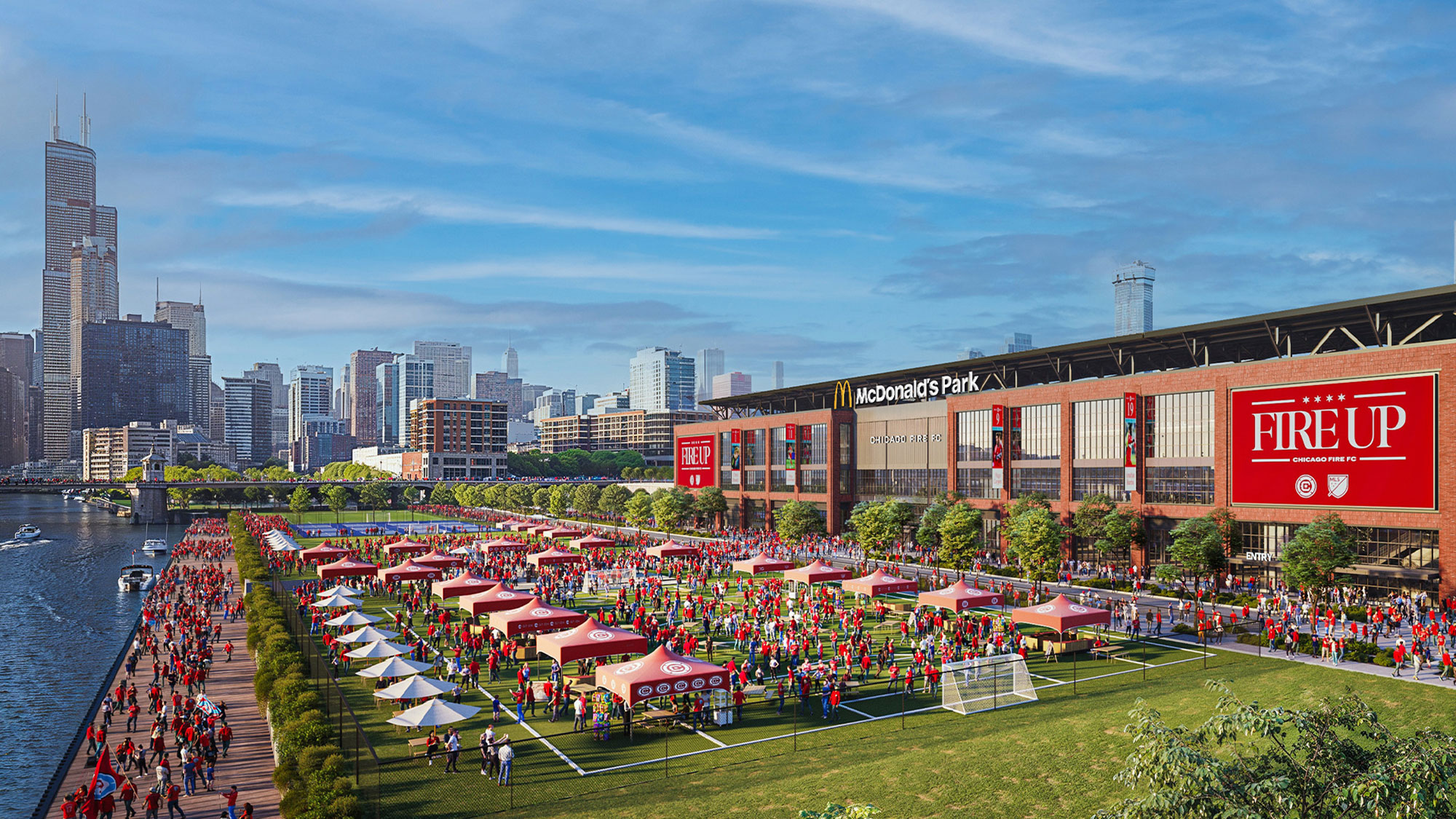
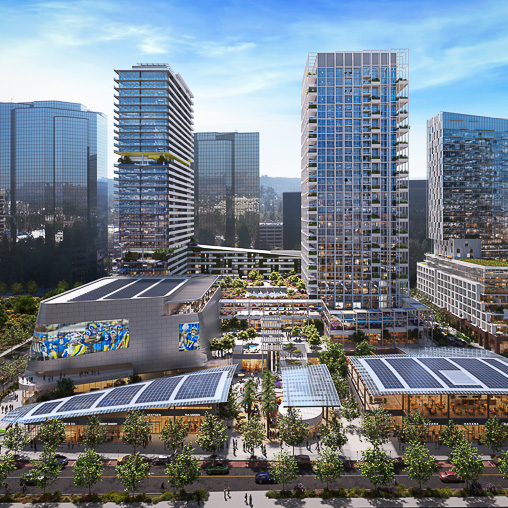
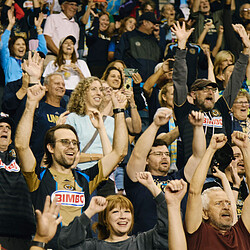
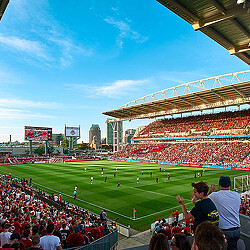
Live sporting events are a powerful force. They unify us across cultural divides. They compel us to pay attention for longer than just a few minutes. And they bring us together for heightened experiences. It’s no wonder that cities are looking to sports-anchored entertainment districts to ignite engagement. Tapping into sports fans’ passions is a great way to galvanize a community and forge a shared identity. It’s also good for business and great for people.
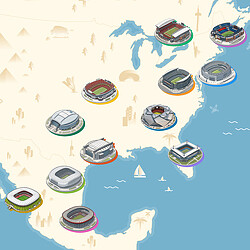
That’s why we’re going deep this summer to learn what makes the best stadium experience, what fans love, and how to win the competition with the couch. We partnered with Oxford Economics to survey nearly 6,000 people in 17 markets across the U.S. and Canada to identify opportunities to turn sports districts into pillars of our civic life. And we’re also listening to what fans are saying in-match at every World Cup venue. We’re still analyzing the survey data, but one thing is already clear: People want more reasons to get out and more places to be together.
Finding 1: The neighborhood matters — a lot.
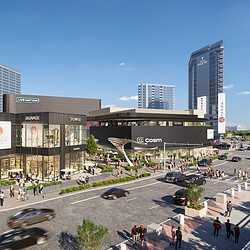
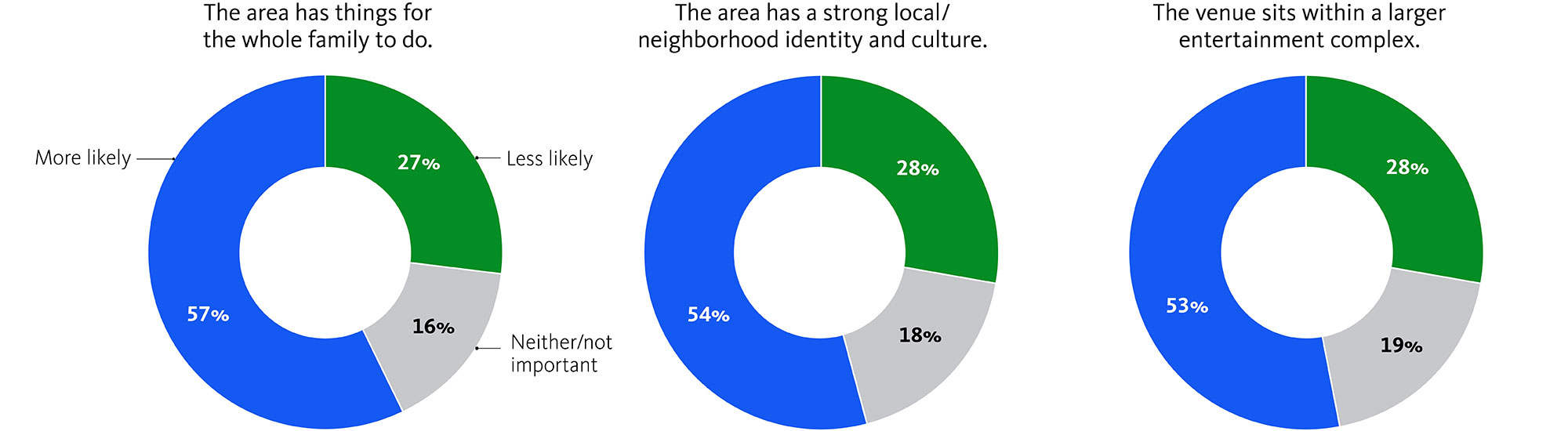
Three out of four respondents say they actively seek out events at specific venues because of the area surrounding them. Over 50% said they would be more likely to buy a ticket if the area had things for the whole family to do, offered a strong neighborhood identity, or was part of a larger entertainment district.
Takeaway: Lean into the urban experience — cultural offerings and sporting events enhance and elevate each other.
Finding 2: Casual and avid fans alike want an expanded experience around the event.
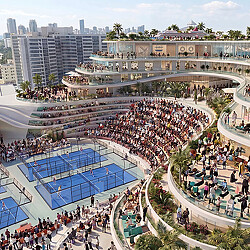
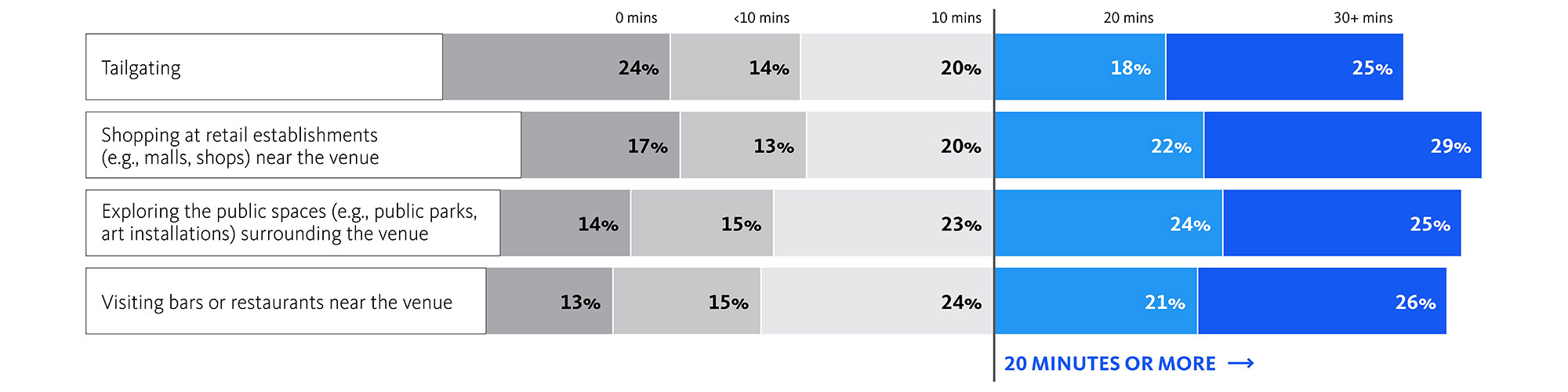
Roughly half of respondents who attended an event in the past year spent 20 or more minutes shopping near the venue (50%), tailgating (42%), or engaging with athletes or performers (46%).
Takeaway: If you can turn a two-hour event into a full-day experience, fans see more value.
Finding 3: Don’t forget the crowd that’s already there.
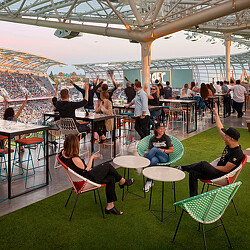
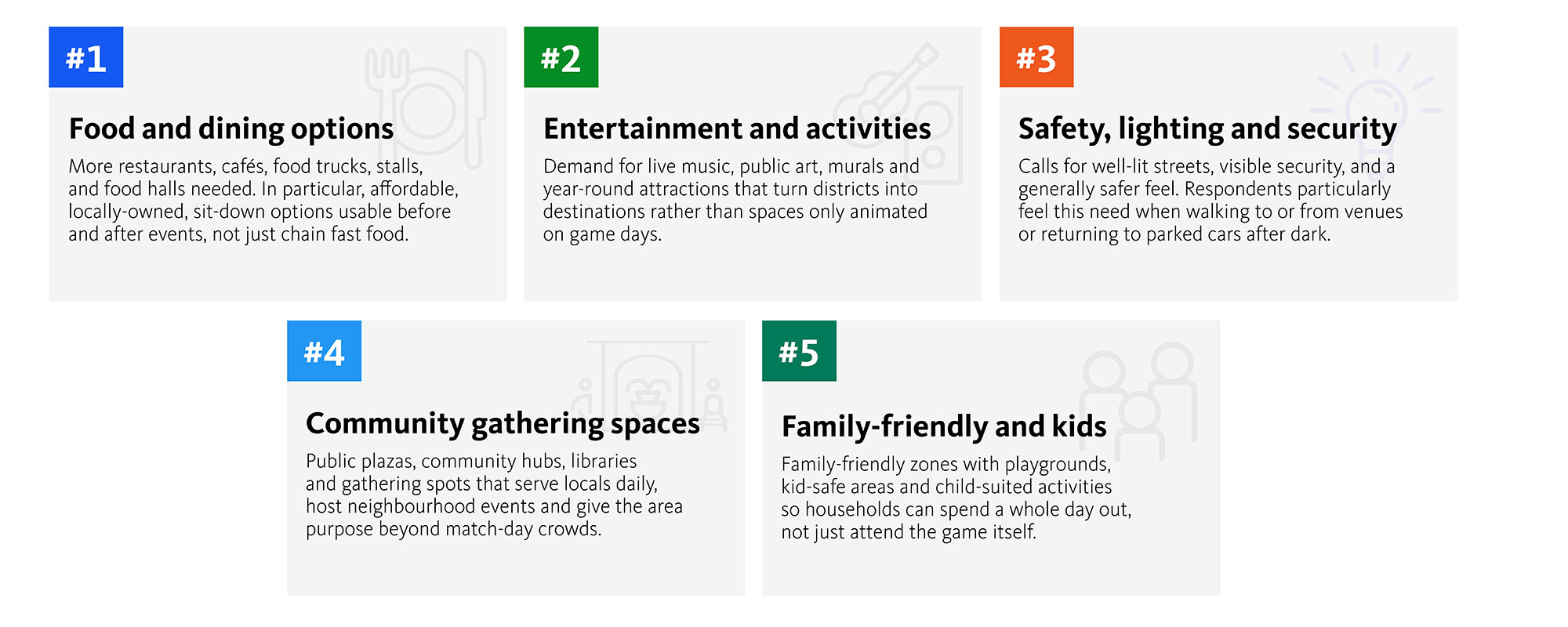
More than 9 in 10 respondents (92%) are open to visiting a venue’s surrounding area on days they’re not attending an event. When asked what would make the sports venues in their city more useful to the community, respondents cited expanded food and dining options, year-round entertainment activities, and community gathering spaces among the top five items on their wish list.
Takeaway: With 67% of respondents already living or working nearby, venues could be attracting hundreds of thousands with the right programming.
There’s been much discussion about social isolation, and even a loneliness epidemic, in the digital era. What sports give us — doing things IRL, being present, and experiencing collective joy — used to be common features of daily life. Now that the default setting is the couch, your phone, and DoorDash, they’ve become something we seek out for special occasions. We can change that by designing places compelling enough to bring people together routinely, not just for the big game, but on an ordinary Tuesday night.
For media inquiries, email .