Can One Month Change a City Forever? What Mega-Events Like the World Cup Can Teach Us
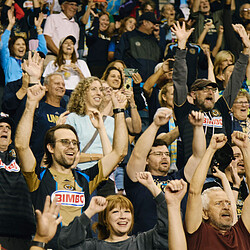
It’s been a week since the World Cup ended, and we already miss it — and we’re not the only ones. Our screens are flooded with think pieces, news articles, TikToks, and Substack posts, all proclaiming the tournament's overwhelming social success. How it gave cities a reputational shot in the arm. How it got billions of people focused on the same thing at the same time. How they can’t wait for the next big event that will bring us all together. Given how much negative press there was in the run-up to the tournament, it turned out to be something of a Cinderella story itself. In a moment where people are thirsty for collective experiences, we shouldn’t have been so surprised.
Our Voice of the Fan social listening experiment, conducted with ROAR, a Seregh Company, made one thing very clear: place matters. And when the parallel forces of collective effervescence and urban design collide, fans have a great experience with a halo effect that shines brightly on the host city. As we followed the fan conversation through the arc of the tournament, analyzing hundreds of thousands of posts, we saw emerging patterns that point to design investments cities and venues should make before they host another flagship event.
Frontload the party energy
The anticipation phase of the World Cup fan journey is ripe with opportunity. Fans displayed two distinct social modes: Global Party People and Serious Supporters. They began the tournament in a celebratory mood and were hungry for cultural connection, generating the most fan experience content during the group stage. From the round of 32 through the final, fan experience content shrank in direct proportion to the importance of the match, as the conversation refocused on the competition itself. To maximize the fun, activations and events should be programmed for the lead-up to the tournament, when fans are most receptive.
Make the afterglow permanent
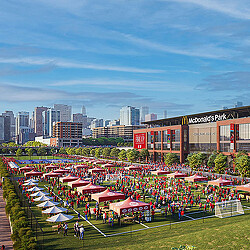
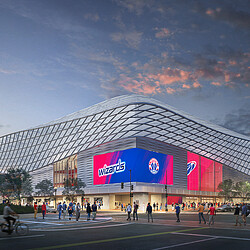
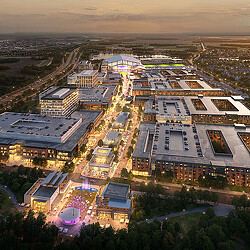
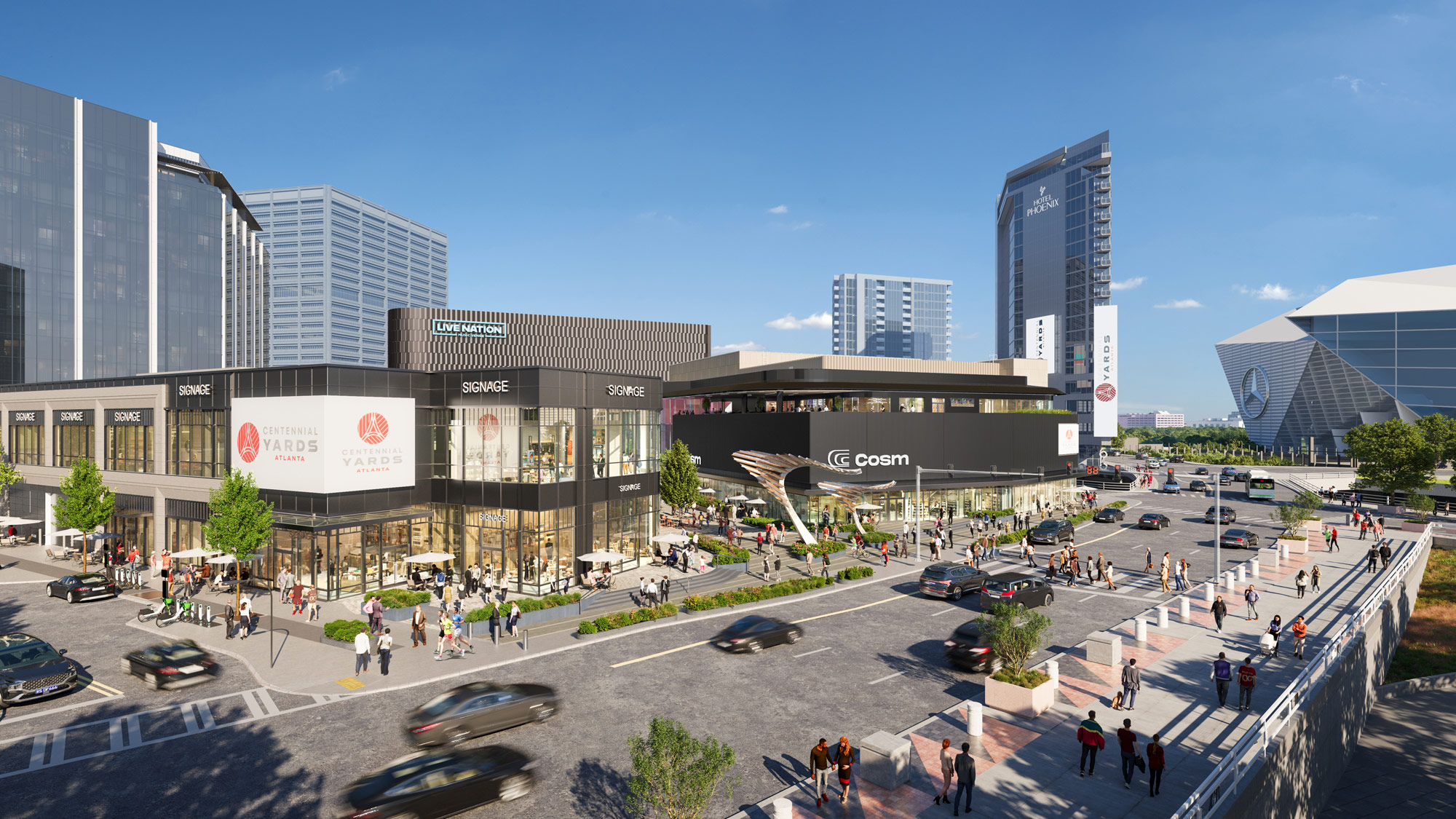
We saw extended post-match dwell times in venues with districts or on-site gathering areas designed for fans to continue the celebration. In host cities with well-loved public spaces, the post-match parties erupted there, outperforming designated fan zones. So, here’s a crazy idea: what if the stadium WAS the place people already gather? Our survey data shows that respondents are open to the prospect of sports venues and districts playing a greater role in community life. Adding urban elements to the areas surrounding stadiums and connecting them to the fabric of the city multiplies the possibility that they can become good neighbors and everyday hosts.
Bring joy to the front door
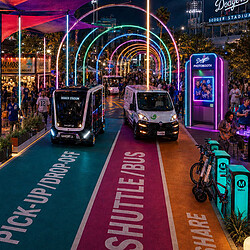
The only persistently negative signal from the fan conversation was about access: getting to the matches, waiting in the (often unshaded) queue, and going through onerous security screening. Even with years to prepare, venues did not do enough to address these predictable pain points. When we look at the emotions attached to each touchpoint, the arrival/entry/ticketing experience is the clear epicenter of frustration and anger. It’s also the one element of the fan journey where a sense of awe is almost entirely absent. The bowl and the surrounding district own the wonder and the joy; the gateway that’s meant to welcome you in owns the friction. It’s the highest-leverage, lowest-cost place to design better, because everything else is already working emotionally.
A few weeks ago, we asked: can sports save us? If the 2026 World Cup is an indicator, the answer is a resounding yes — and we’re here for it. That’s why we’ve spent the spring and summer nerding out on fan urbanism: to learn how we can bring the feeling of peak cultural events like the World Cup to everyday life. Our full research report will be published in September, including insights from three data sets: a pre-tournament survey of districts and venues; the Voice of the Fan social listening; and a post-tournament survey that’s currently in the field. Sign up here to get it delivered to your inbox.
For media inquiries, email .