More Than a Venue: Designing Sports Assets for 365-Day Value
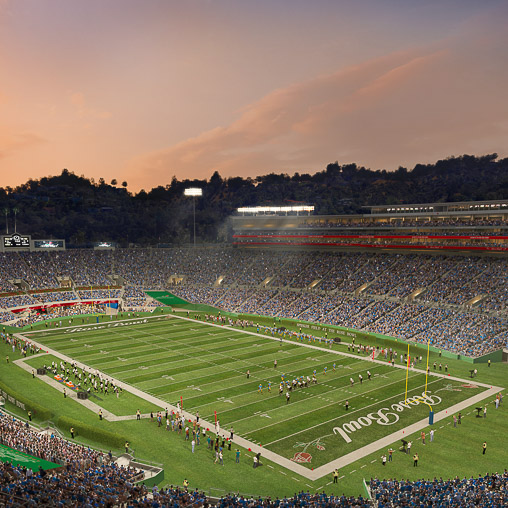
Sports venues have always been powerful engines of energy, identity, and civic pride. On game days, they concentrate emotion into a few unforgettable hours, anchor franchises, and bring cities together in ways few other spaces can. That role still matters. What is changing is the scale of value surrounding the organizations they serve.
Professional sports franchise values are rising at an extraordinary pace across all leagues and countries. According to Forbes, the average NFL franchise is now worth more than $7 billion, and valuations across basketball, baseball, soccer, and the rapidly expanding women’s sports landscape continue to climb. Teams are increasingly viewed not just as local clubs, but as powerful regional and global brands. That intrinsic value is built through every aspect of the organization’s identity and experience. For owners and investors, the physical environment where that brand comes to life has become a strategic driver of value.
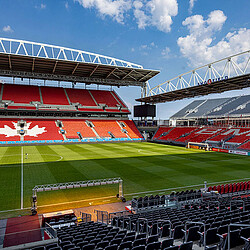
As investment in sports and entertainment platforms grows in scale and ambition, venues no longer simply host games. They are being designed as engines of economic growth, brand expression, and long-term relevance. The venues that outperform are conceived as always-on operating assets capable of serving multiple audiences and uses throughout the year. Game days remain foundational, but they are no longer the sole measure of performance.
From Event Venue to Operating Asset
The most valuable sports assets today are defined not only by what happens during the season, but by how they perform year-round and over decades. These projects sit at the intersection of complex forces. Owners are balancing rising costs and capital constraints. Cities are evaluating public benefit and long-term return. Neighborhoods want to understand how these investments contribute to daily life, not just peak moments. Voters want to understand the impact of their tax dollars on public infrastructure. All of this unfolds under public scrutiny and across political cycles.
Design plays a critical role in navigating that complexity. When venues are conceived narrowly as single-purpose buildings, friction emerges quickly and operations struggle to scale beyond event days. When they are designed from the outset as integrated operating platforms, alignment becomes possible. When design shapes that conversation early, it clarifies public benefit, coordinates phasing across partners, and gives stakeholders a shared understanding of how the asset works year-round.
When the Venue Drives the District
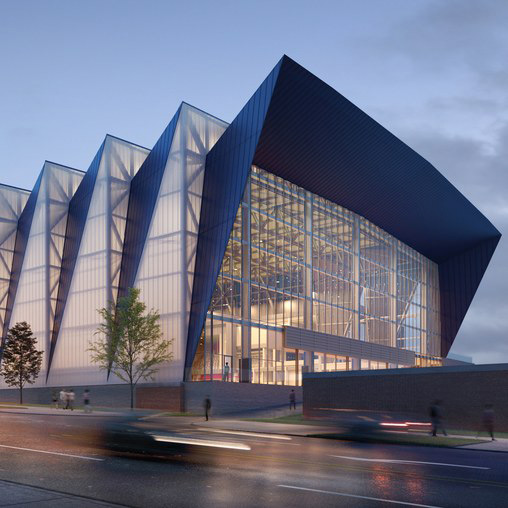
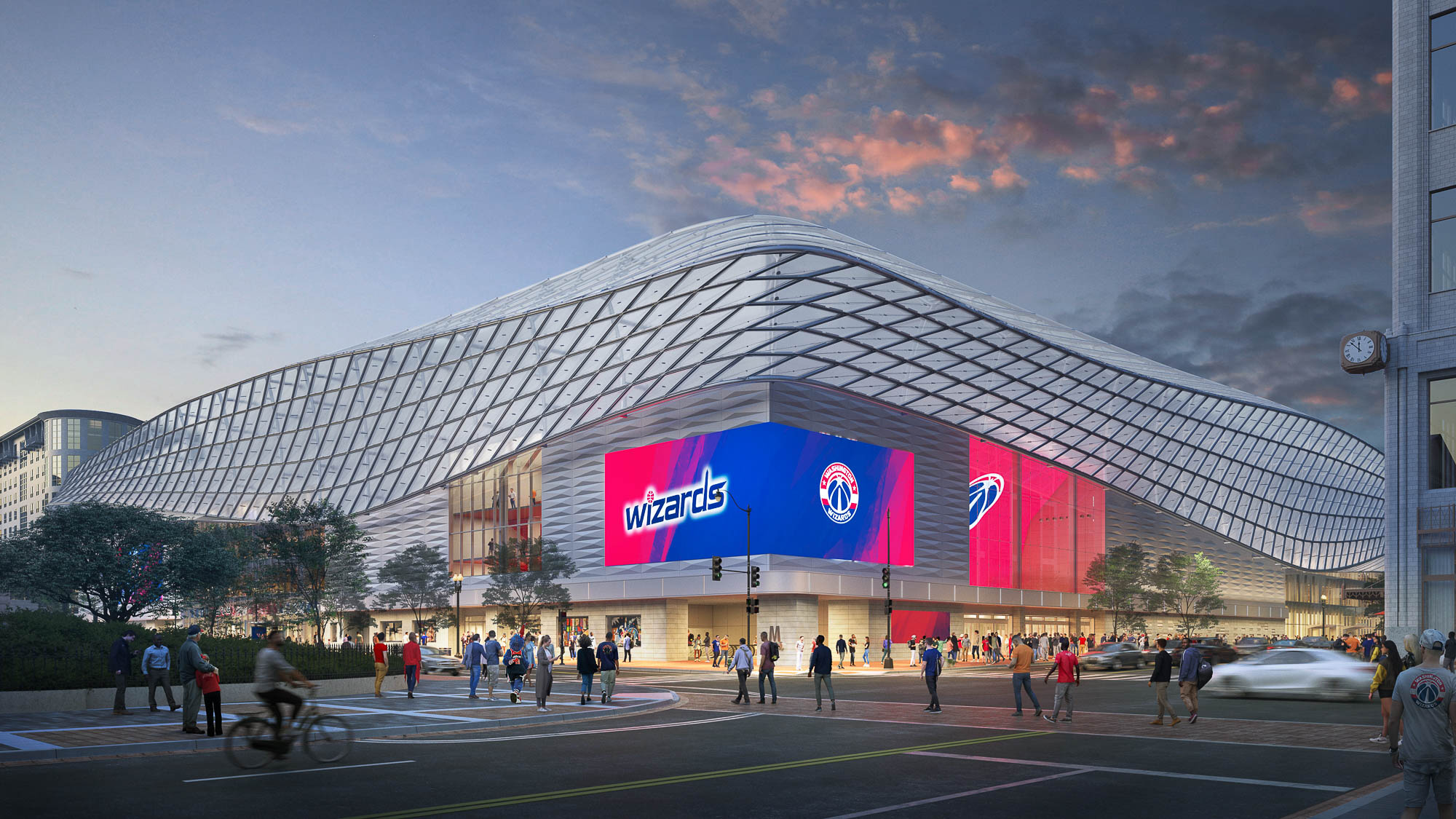
At Capital One Arena, sustained reinvestment has transformed the building from a game-day destination into a year-round civic engine that is actively revitalizing downtown Washington, D.C. The redevelopment was anchored by the successful repositioning of adjacent real estate, which unlocked additional opportunities within the venue itself. By rethinking how the arena engages its streets, public spaces, and surrounding neighborhoods, the asset will support a broader mix of uses that extend activity well beyond events. That approach strengthens the arena’s role as an anchor for economic activity and reinforces long-term performance by tying the venue’s success directly to the vitality of the city.
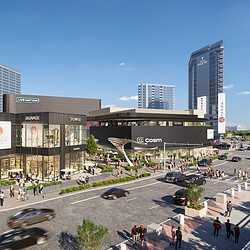
The strongest sports investments do not stop at the front door. They extend into the surrounding district. Sports-anchored, mixed-use developments consistently outperform standalone venues because they activate sites every day, not just on event nights. Projects like Fifth + Broadway in Nashville and The Hub on Causeway in Boston show how venues can anchor districts that blend retail, dining, hospitality, workplaces, and public space into destinations that are integral to daily city life.
For cities, this integration strengthens the case for public participation by tying sports investments to broader goals around economic development, mobility, and downtown vitality. For owners and investors, districts diversify revenue, reduce reliance on a single tenant or season, and introduce flexibility as markets evolve.
Designing an Experience Ecosystem
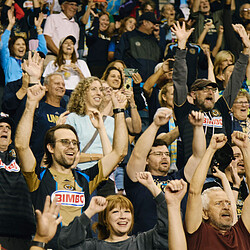
As venues take on broader roles, the audience they serve expands. Designing for a single "typical" fan is no longer sufficient. Today’s sports assets must work for multiple stakeholders at once: fans, sponsors, corporate partners, operators, civic partners, and the surrounding community. The opportunity is to create environments that flex across audiences, price points, and moments while maintaining authenticity and operational clarity.
Understanding what those audiences actually value requires more than intuition. Through our Voice of the Fan research, we are analyzing millions of social media conversations across 2026 FIFA World Cup host cities and venues to identify the elements that drive a world-class sports experience. What we are finding reinforces a consistent theme: fans care deeply about what happens around the venue, not just inside it. The surrounding district, the arrival experience, and the sense of being part of a city all shape how people remember and return to a place. That insight has direct implications for how owners and cities should be thinking about venue investment.
From an ownership perspective, this is less about individual venue components and more about adaptability. Spaces that convert easily between public, private, and commercial uses increase utilization and long-term value. Partner-ready environments allow sponsorships and hospitality to feel embedded rather than bolted on. Clear circulation and strong public realm design ensure the asset performs as well on a weekday as it does on game night. Gensler’s Experience Index research reinforces the point: places designed to accommodate a wide range of activities consistently produce the strongest experiences and the deepest emotional attachment. For sports venues, that means designing activations that welcome a broad public audience, not just ticketed fans.
The Executive Decisions Design Can De-Risk
At scale, design is a strategic decision-making tool that helps executives manage risk and protect return. Many of the most consequential ROI decisions are made early in the design process, when leaders shape how capital is deployed, how approvals move, and how public benefit is communicated. Early alignment reduces friction with cities and communities, shortens entitlement timelines, and limits downstream cost escalation that can undermine project economics.
Design also drives long-term performance. It resolves mobility and operational challenges on both event and non-event days, avoids costly retrofits, and enables projects to be delivered in phases, allowing owners to adjust investment timing as markets shift. It also creates partner-ready environments where sponsorships and hospitality are integrated from the outset, increasing utilization and revenue over the life of the asset. Addressing these decisions early is what separates resilient assets from short-term wins.
Always On
The venues that succeed today are not defined by how many games they host. They are defined by how well they operate over time, how deeply they connect to their cities, and how effectively they adapt as conditions change. A great venue should feel alive even when no one is watching a game. It should generate economic impact, social connection, and opportunity continuously. Designing for 365-day value means planning for uncertainty and building assets flexible enough to endure it. When owners take this approach, they build operating platforms positioned to perform, evolve, and increase value for decades to come.
For media inquiries, email .