What Happens After the Final Whistle? Designing World Cup Venues That Last
The 2026 FIFA World Cup is rewriting the playbook for mega-event infrastructure — prioritizing long-term community value over short-term spectacle.
The world’s attention has been focused on North America for the 2026 FIFA World Cup. We’ve seen packed stadiums, vibrant fan festivals, and cities transformed into global stages for the world’s most popular sport. What many won’t see is perhaps the tournament’s most important design story.
For decades, cities and organizers have measured mega-events like the World Cup and Olympics by what they built: new stadiums, new infrastructure, and new districts designed to accommodate a temporary surge of visitors. While these projects can create memorable moments, they have also left behind a long list of underutilized venues and costly infrastructure that struggles to find purpose once the crowds leave.
The 2026 World Cup offers a different model. Across North America, host cities are relying largely on existing sports infrastructure, transportation networks, hospitality assets, and entertainment districts rather than building entirely new venues from the ground up. In doing so, they are demonstrating a more sustainable and fiscally responsible approach to hosting global events that prioritizes long-term community value over short-term spectacle.
The most important question facing any host city is what remains valuable after the final whistle.
Learning from the White Elephant Problem
History offers plenty of examples of what can happen when host cities build for a moment rather than a legacy.
Major sporting events have often produced venues that struggle to find a meaningful purpose once the tournament ends. In some cases, cities have invested billions of dollars into infrastructure designed to serve a few weeks of activity, only to be left maintaining facilities that far exceed local demand. The challenge is building permanent infrastructure for temporary needs.
A venue designed to accommodate a global event may host tens of thousands of visitors for a few weeks. When cities and organizers treat long-term community needs as an afterthought, even the most impressive facilities can become burdens rather than assets. As cities continue to compete for global events, the focus must shift from maximizing capacity for a single moment to creating infrastructure that remains relevant and valuable for generations.
Designing for longevity also means reconsidering how we build. Too often, cities and developers treat major civic investments as assets with relatively short life cycles, requiring significant reinvestment or replacement within a few decades.
Why the 2026 World Cup Is Different
One of the defining characteristics of the 2026 World Cup is that it is being hosted in a region with an extensive network of existing infrastructure.
North America already possesses world-class stadiums, transportation systems, hotels, entertainment districts, and public spaces capable of supporting an event of this scale. Rather than constructing an entirely new layer of infrastructure, many host cities are focusing on strategic upgrades that enhance existing assets while preserving their long-term utility. This represents a significant evolution in how cities think about mega-events.
Cities increasingly measure success by how effectively existing infrastructure can be adapted to meet temporary demands while continuing to serve residents after the tournament concludes. The result is a model that is both more resilient and more responsible.
A Blueprint for the Future
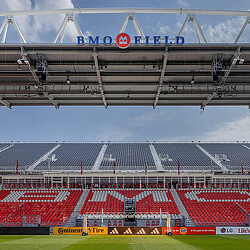
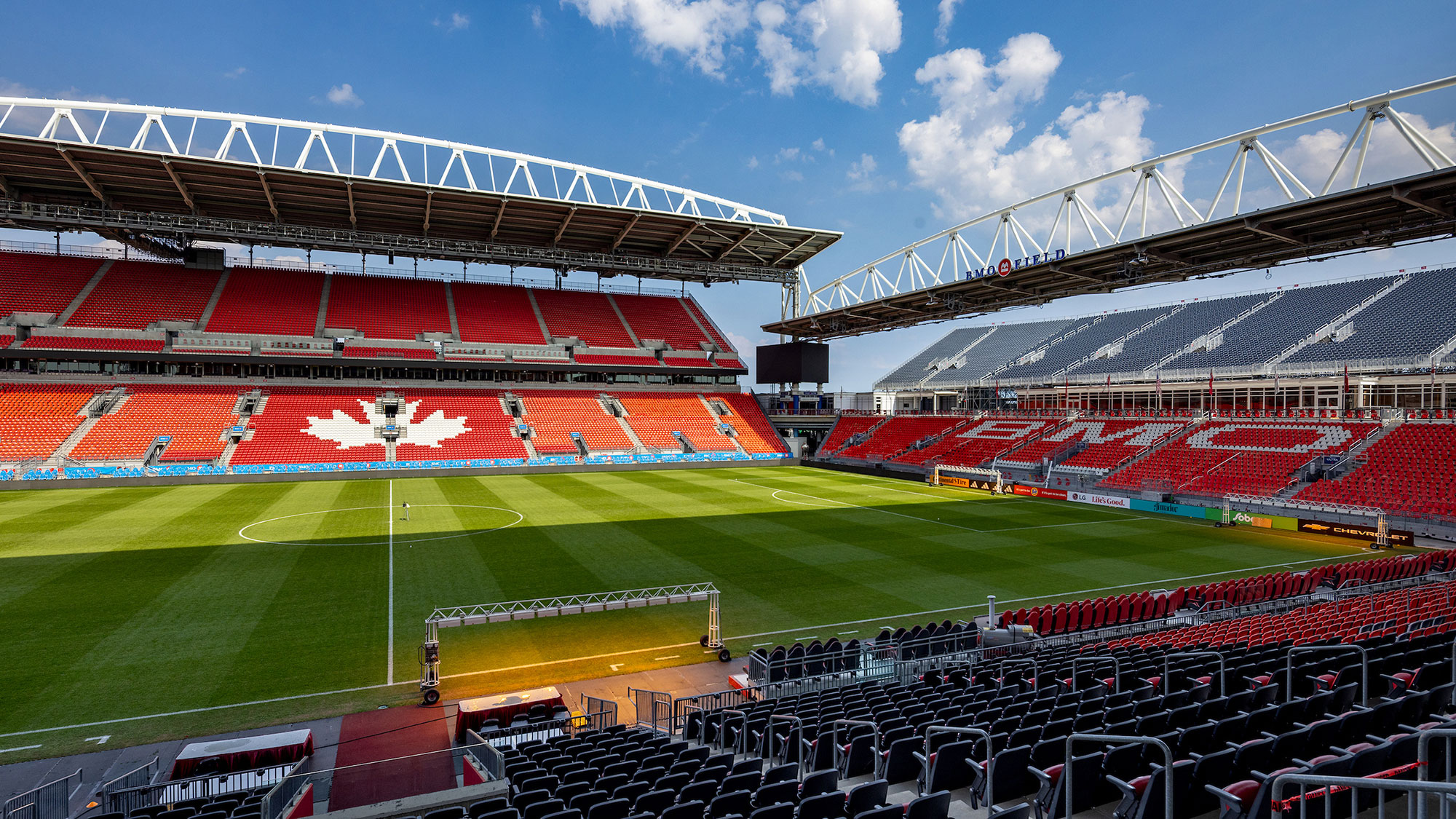
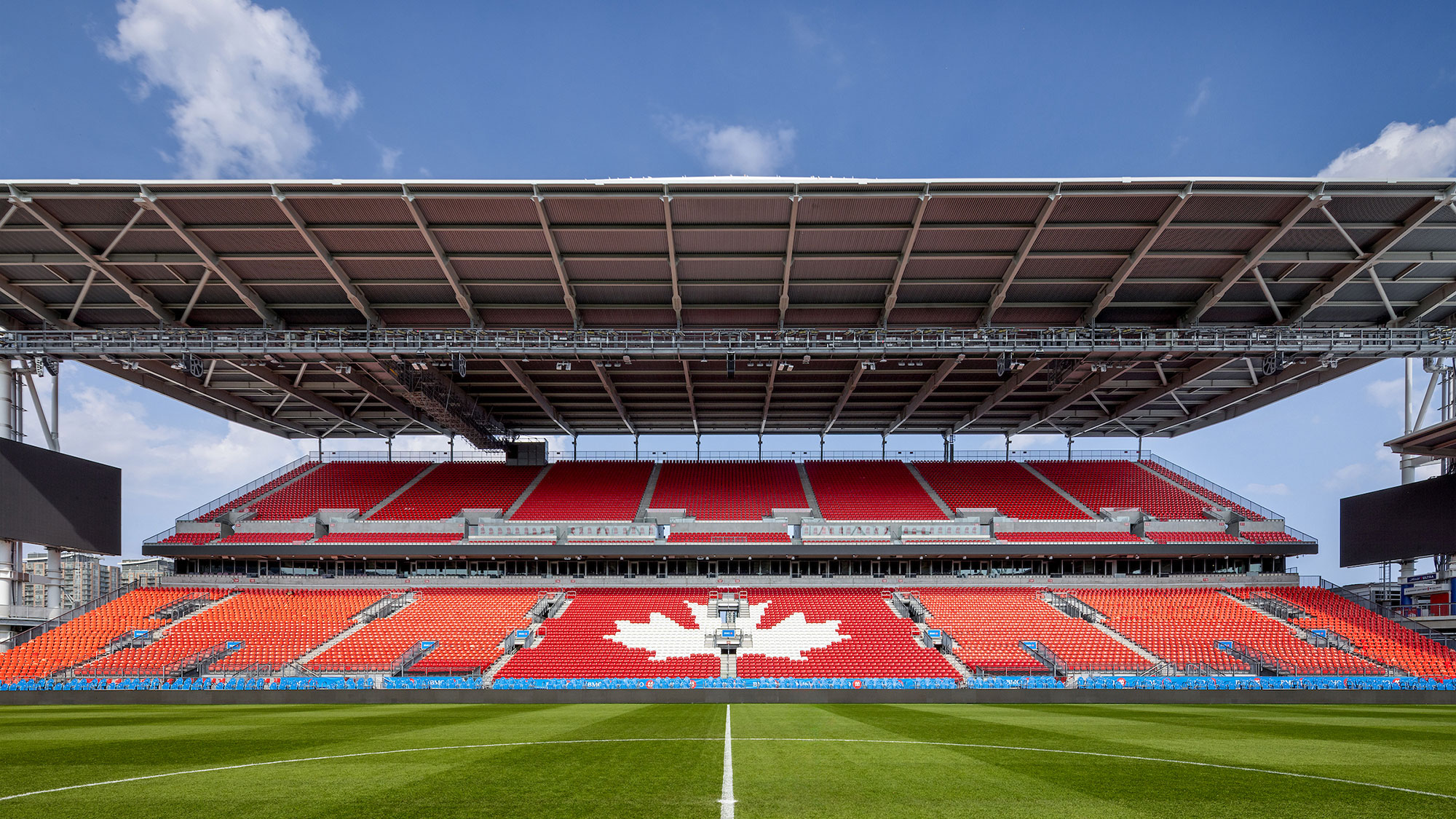
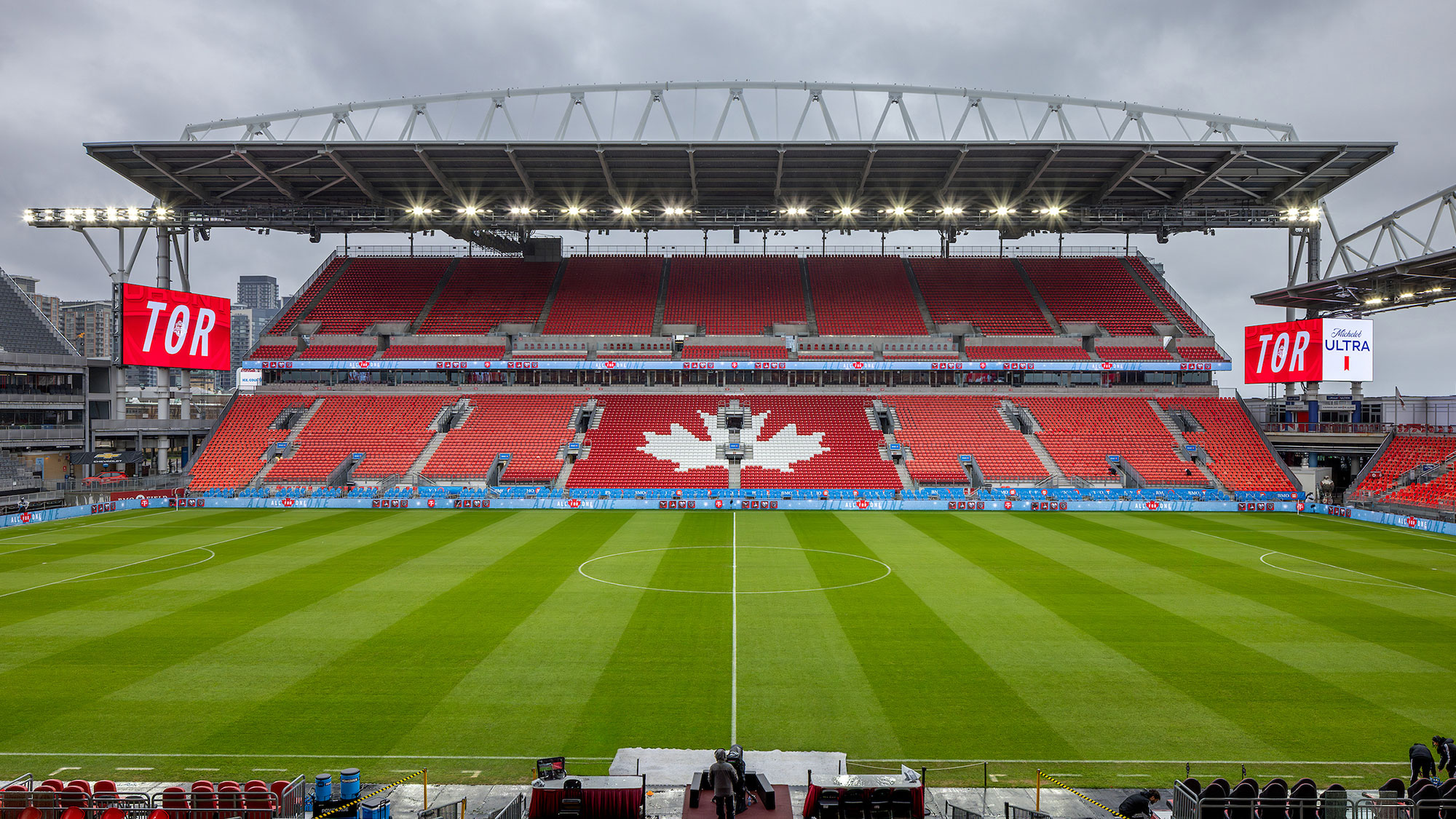
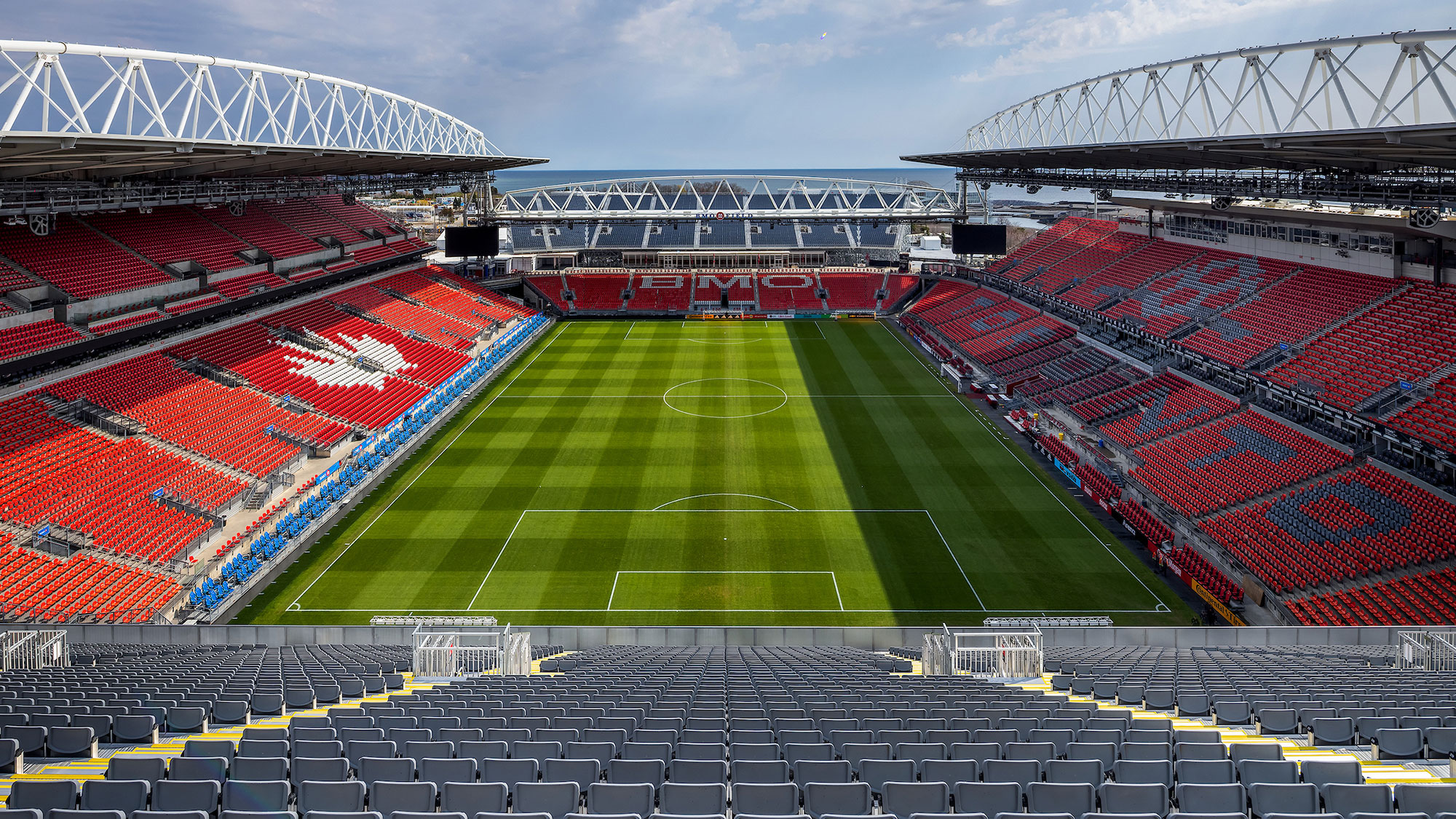
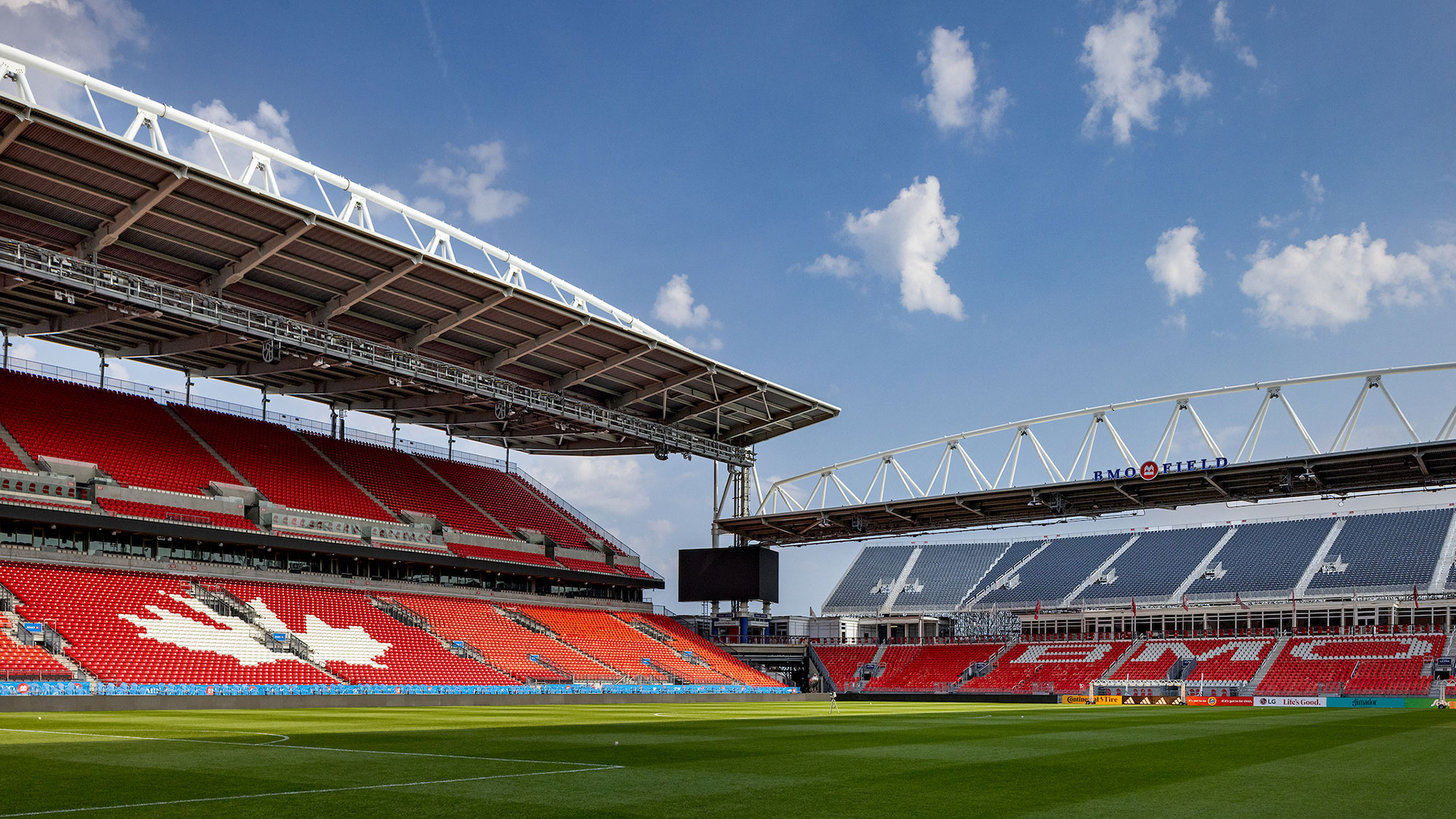
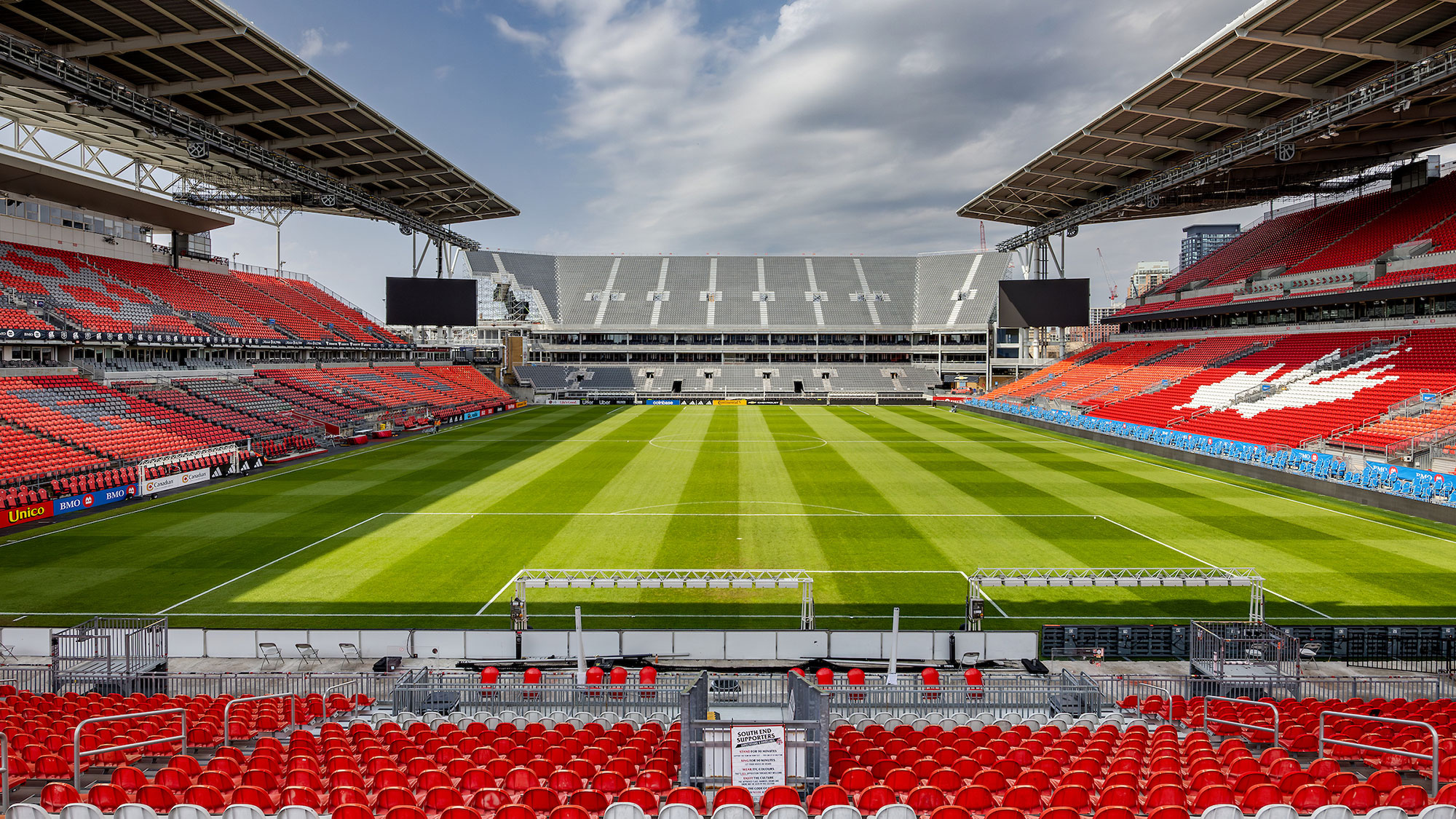
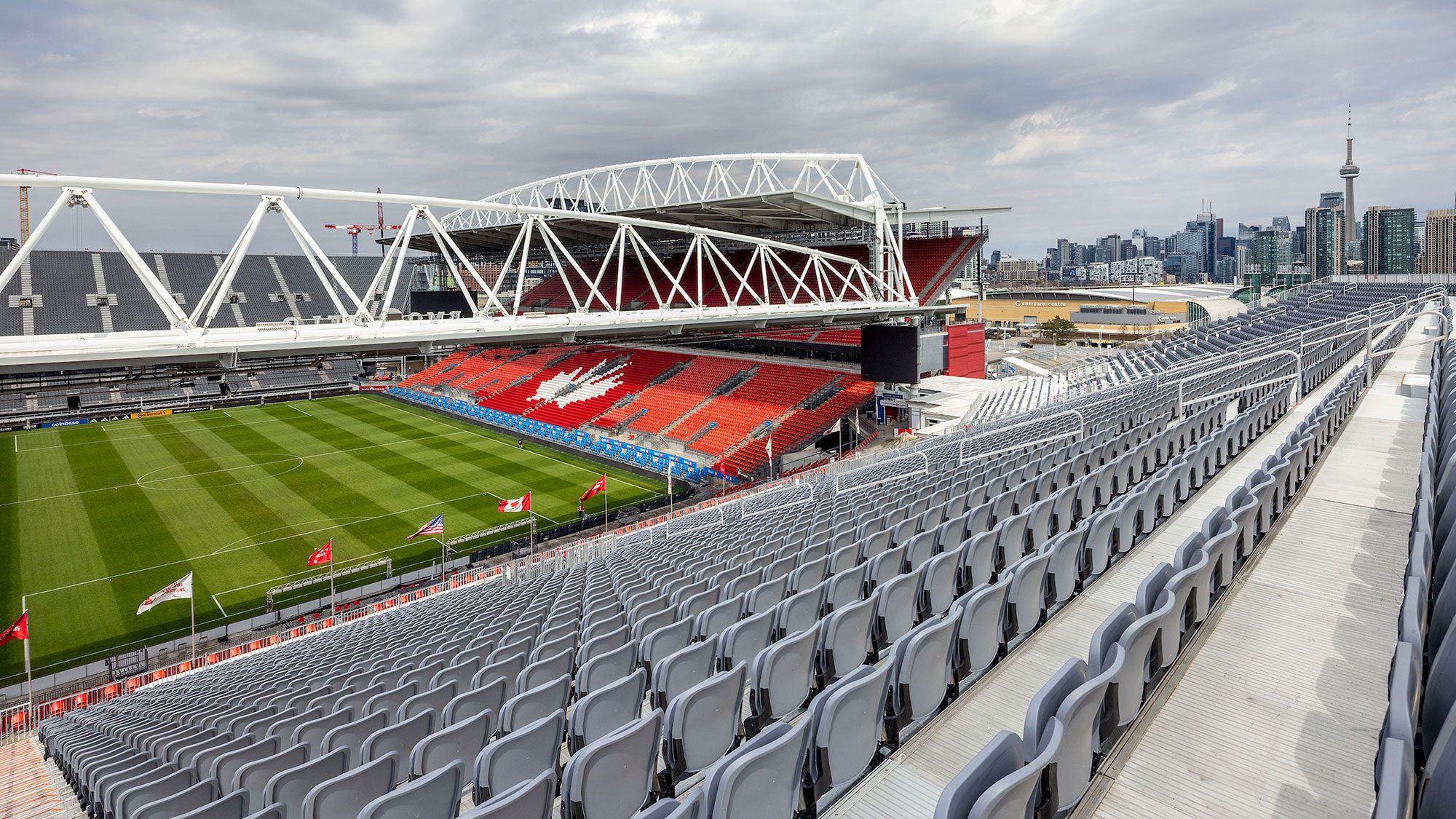
Toronto’s BMO Field exemplifies this approach in action. To meet FIFA’s requirements, the stadium’s capacity will expand from approximately 29,000 seats to 45,000 seats during the tournament. However, the additional seating is designed as a semi-permanent system that can be removed after the World Cup concludes.
The strategy recognizes a simple reality: Toronto FC and the Toronto Argonauts do not need a 43,000-seat venue year-round. Instead of permanently oversizing the facility, the stadium will accommodate the World Cup’s temporary demands, then return to a scale that better serves its long-term users.
At the same time, permanent improvements to premium hospitality spaces and fan amenities will remain in place, creating lasting value for the venue and its community. This approach strikes a balance between hosting a global event and preserving operational efficiency. Temporary infrastructure can accommodate short-term demand, while permanent investments should be designed to serve communities for decades to come.
In many ways, it represents a blueprint for how future World Cups and Olympics can be delivered.
Designing Cities, Not Stadiums
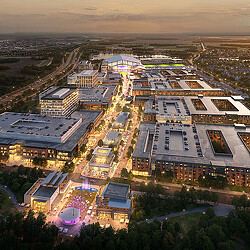
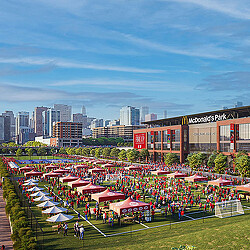
Today, the most successful sports developments are integrated districts, not isolated stadiums surrounded by parking lots.
As designers, we increasingly think about stadiums as part of a larger urban ecosystem. That means considering how transportation, hospitality, retail, public space, parks, housing, and entertainment work together to create value for residents every day on game days, and everything in between.
Cities should begin by identifying community needs and designing solutions that support those needs well beyond the tournament. When approached this way, the World Cup becomes a catalyst for investments that improve the city regardless of whether a match is being played. The benefits should last decades.
The Next Generation of Community Assets
Recent history has shown that stadiums can function as critical community resources during times of need. During the pandemic, venues across the United States served as vaccination centers, food distribution sites, and emergency response hubs. As climate challenges become more frequent and cities face increasing pressure to provide resilient public infrastructure, sports venues have an opportunity to evolve further.
Restaurants, gathering spaces, shaded concourses, public plazas, and mixed-use amenities can transform these facilities into year-round destinations. Future venues can become more porous, accessible, and integrated into the daily life of their communities.
Designing for July 20
The success of the 2026 FIFA World Cup will be measured not only by attendance figures or television audiences, but by what host cities are left with after the event ends. When temporary seating is removed, visitors return home, and the global spotlight shifts elsewhere, the tournament’s real legacy will begin to emerge.
The venues we build today should be judged by how well they continue serving their communities 30, 50, or even 100 years from now.
For media inquiries, email .