How NIL Is Reshaping the College Sports Campus
As roster costs soar and donor expectations shift, universities are reimagining the campus as a revenue engine.
The rise of Name, Image, and Likeness (NIL) has fundamentally reshaped the economics of college athletics, turning campuses into complex, evolving ecosystems of brand building, revenue generation, and athlete empowerment. At the same time, “NIL” has become something of a catch-all term. Ask 10 people to define it, and you will get 10 different answers, but at its core, it reflects the growing reality of student-athlete compensation and the expanding financial pressures that accompany it. Donor expectations are shifting, and the lines between athletics, entertainment, and commercial enterprise are increasingly blurred.
At the center of this shift is the rapid escalation of roster costs, with some programs now relying on donor support for $20M+ basketball rosters and $40M+ football rosters. While these investments can create immediate excitement and competitiveness, they are also reshaping expectations around performance and return.
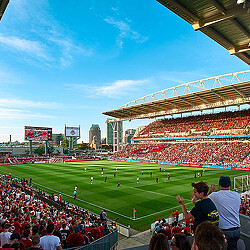
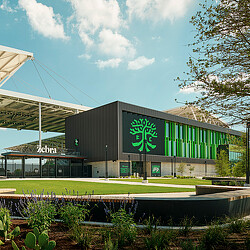
In response, institutions are rethinking how the physical campus, including athletic facilities, can generate new revenue in creative ways to meet the demands of the moment. From maximizing event calendars to exploring sports-anchored mixed-use developments, schools are expanding their vision beyond game day to create destinations that drive engagement and income and decrease donor fatigue.
Every Facility is a Revenue Engine
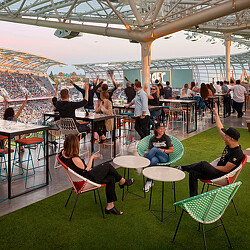
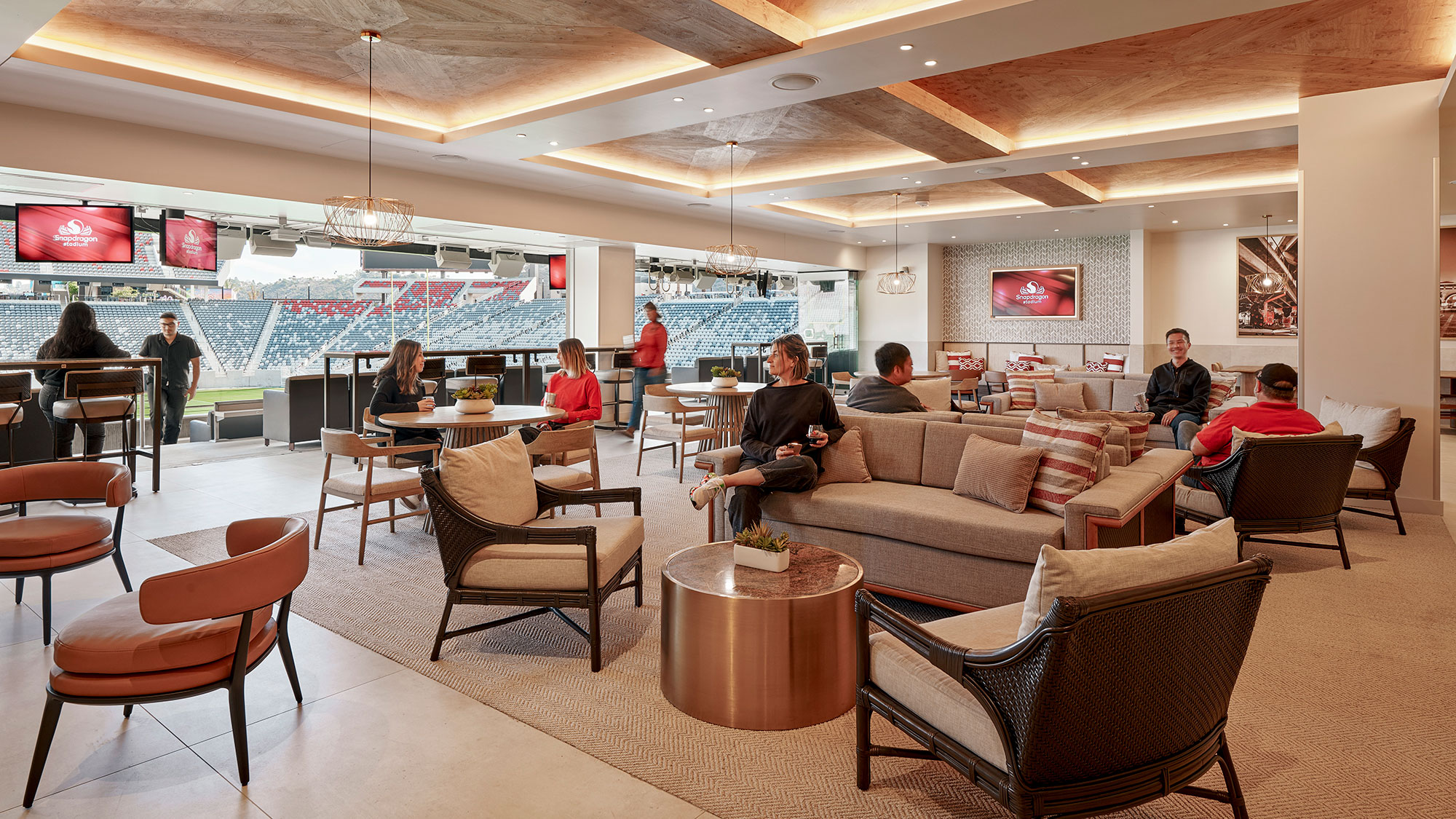
One of the most significant shifts is the need to view every athletic facility as a revenue engine rather than a single-purpose venue. New investments are justified by both competitive performance and the ability to generate ongoing returns. This is driving a more intentional integration of premium hospitality, exclusive access programs, and sponsorship opportunities directly into the design of each project.
This shift is also driven by the reality that roster construction in the NIL era is increasingly short-term. In many cases, rosters are assembled on one-year timelines, and student-athletes may leave for professional opportunities, transfer to new programs, or renegotiate for higher-value agreements. As a result, the competitive window tied to any one roster can be brief, even as expectations for championships remain high.
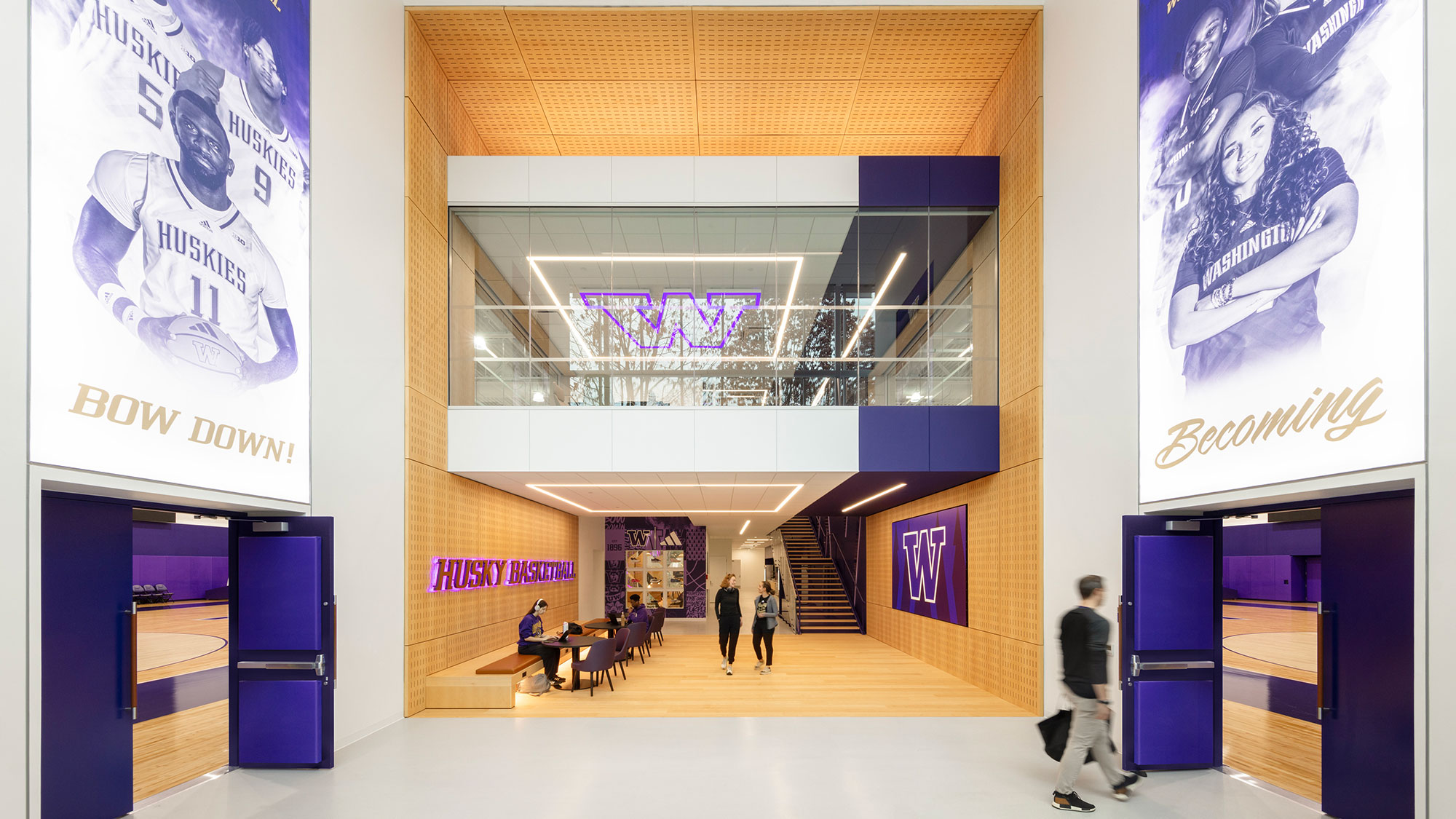
One example defining the next generation of athletics investments is the evolving role of the indoor practice facility. With more than 80,000 square feet of conditioned space often situated on some of the most desirable real estate on campus, indoor practice facilities present significant opportunities for multi-sport programming, community events, rentals, and revenue-generating activities.
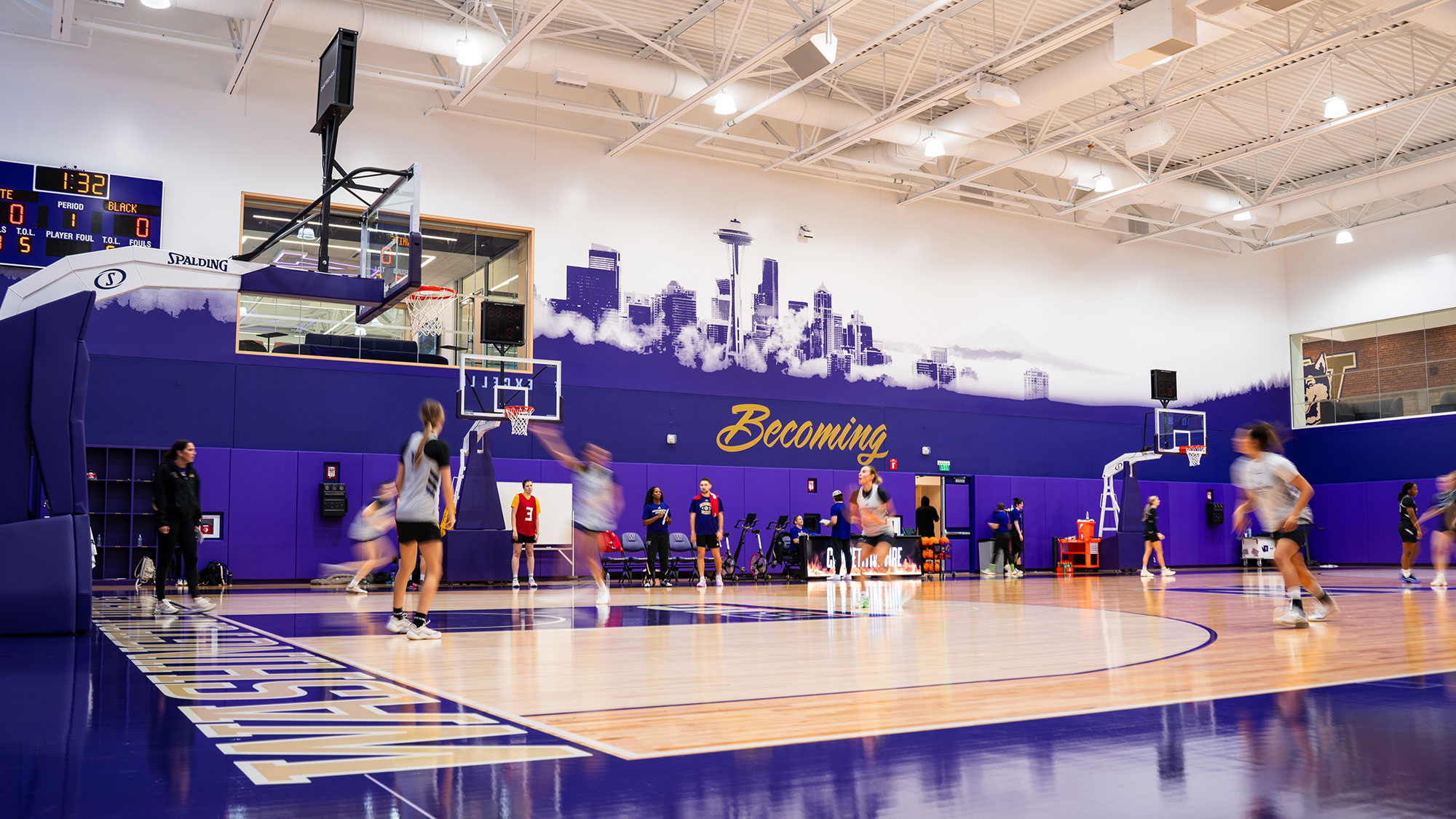
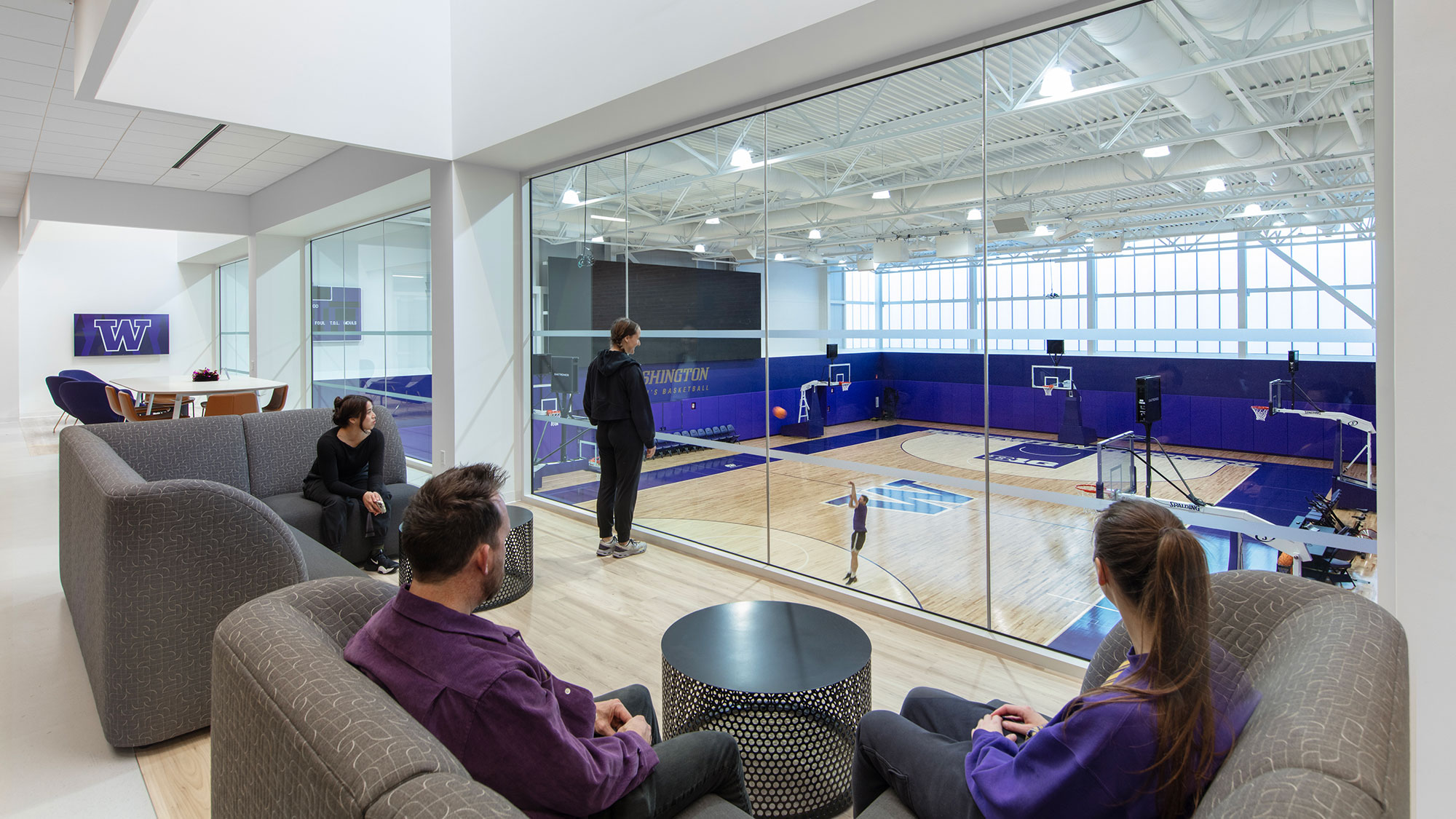
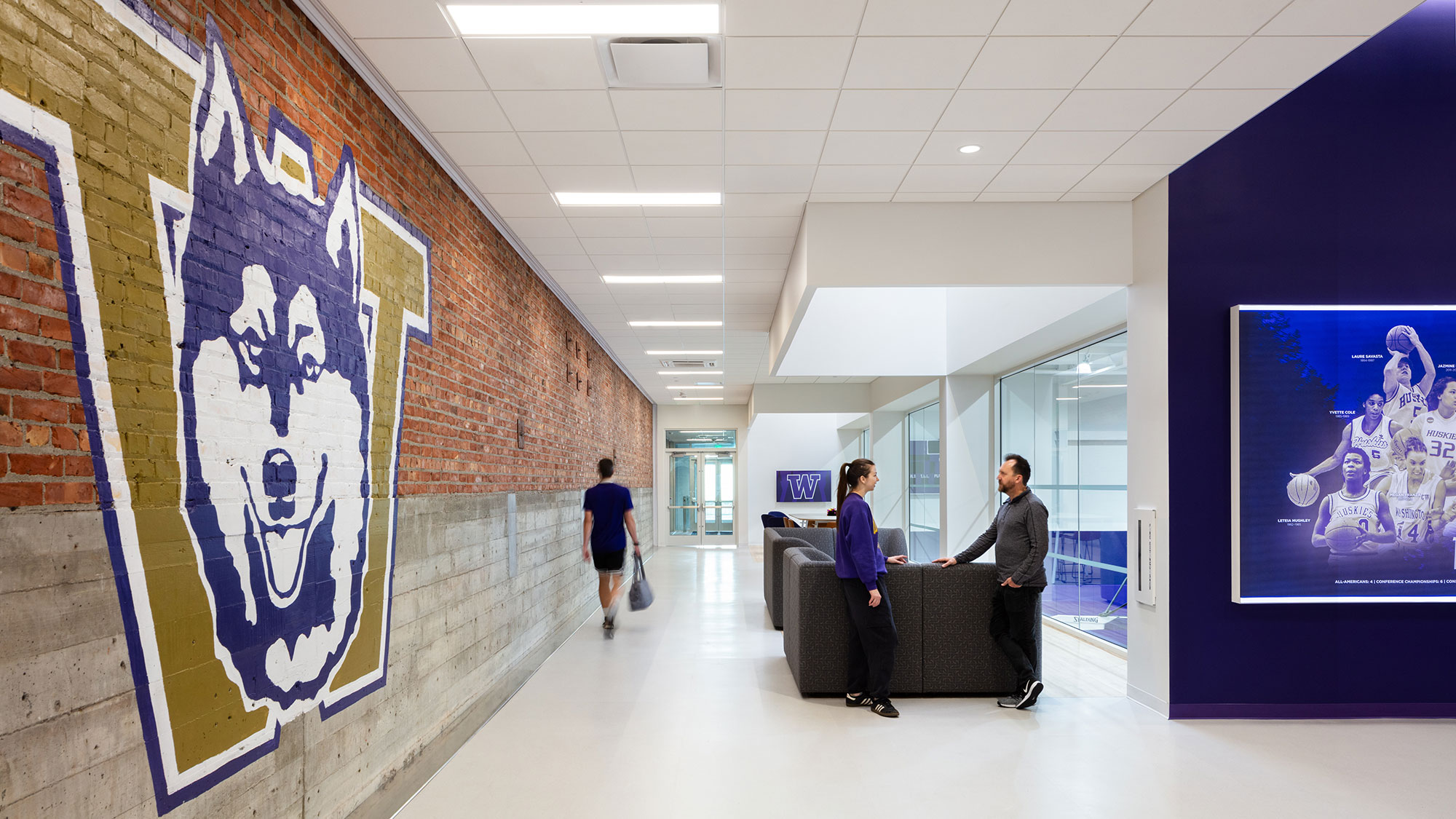
On game days, they can transform into premium hospitality venues, indoor tailgating destinations, or sponsor activation spaces. As athletics departments seek stronger returns on capital investments, these highly flexible facilities can evolve from underutilized practice spaces into dynamic event venues that support athletic success and long-term revenue generation.
This strategy of maximizing event calendars has led to the rise of sports entertainment experiences, like the Savannah Bananas’ Banana Ball games, and the growth of the summer concert series. Many universities are already leveraging athletics administrators to help manage concerts, festivals, community events, and other non-athletic programming hosted within athletic venues.
Though the benefits of expanded venue use are tangible, institutions are carefully balancing event opportunities with the needs of their athletic programs. Football stadiums remain one of the most attractive event venues on any campus, but concerns are growing around event timing and field preservation. Many schools are establishing blackout periods near the start of the football season, while others are incorporating field replacement costs directly into event agreements to protect the quality of the student-athlete experience.
In today’s collegiate athletics environment, virtually every major capital project must demonstrate a clear financial return. Facilities are increasingly evaluated not only on their recruiting and performance benefits, but also on their ability to generate new revenue streams and become community and campus assets.
Creative Partnerships and Developments
While every campus context is unique, institutions are increasingly exploring creative partnerships across campuses, within the private development community, and with corporate partners to advance capital projects.
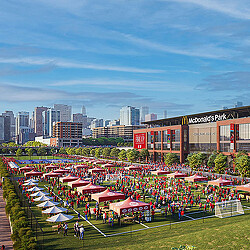
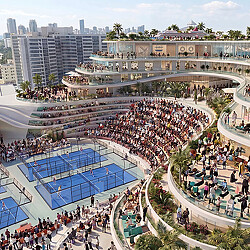
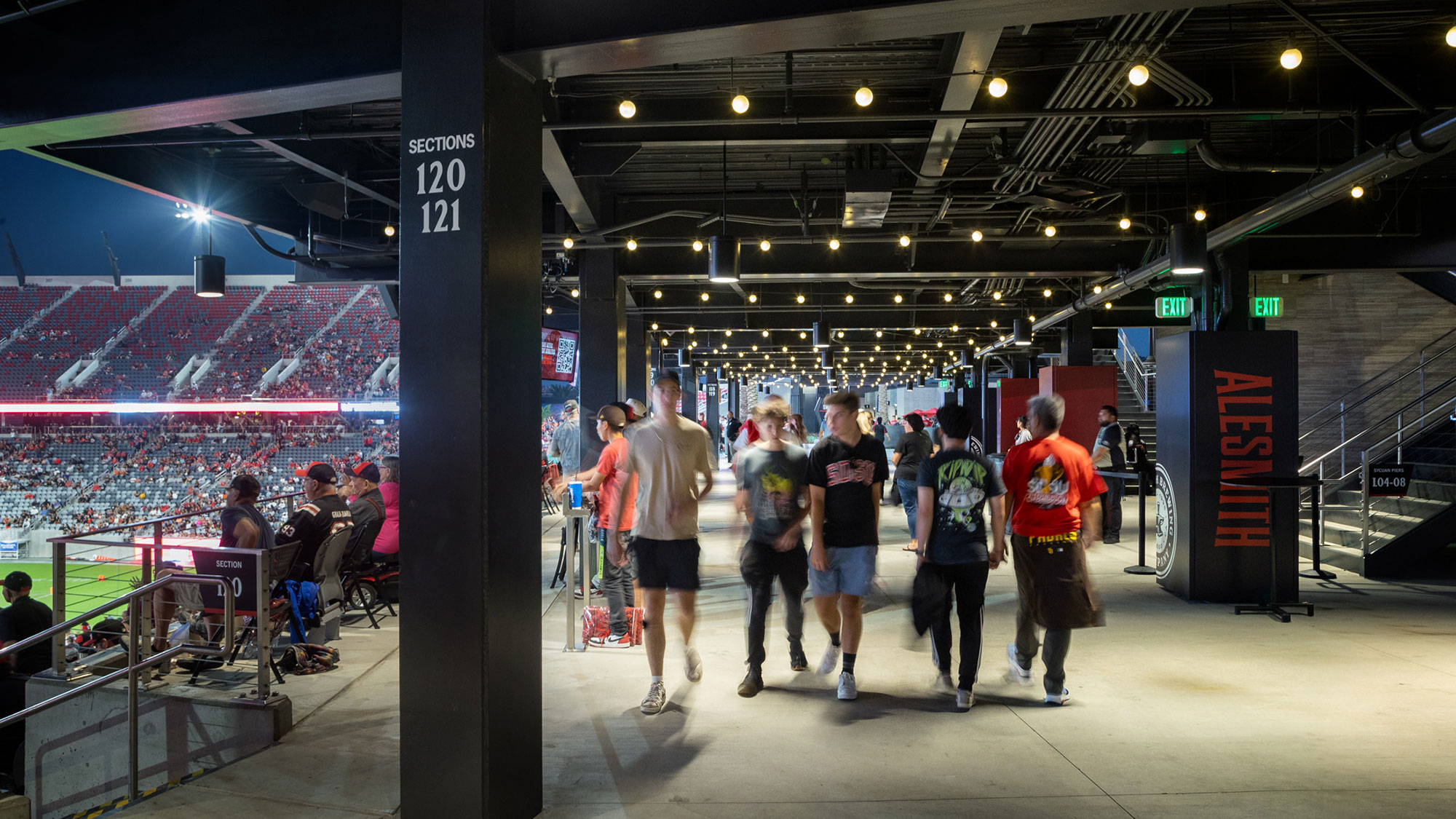
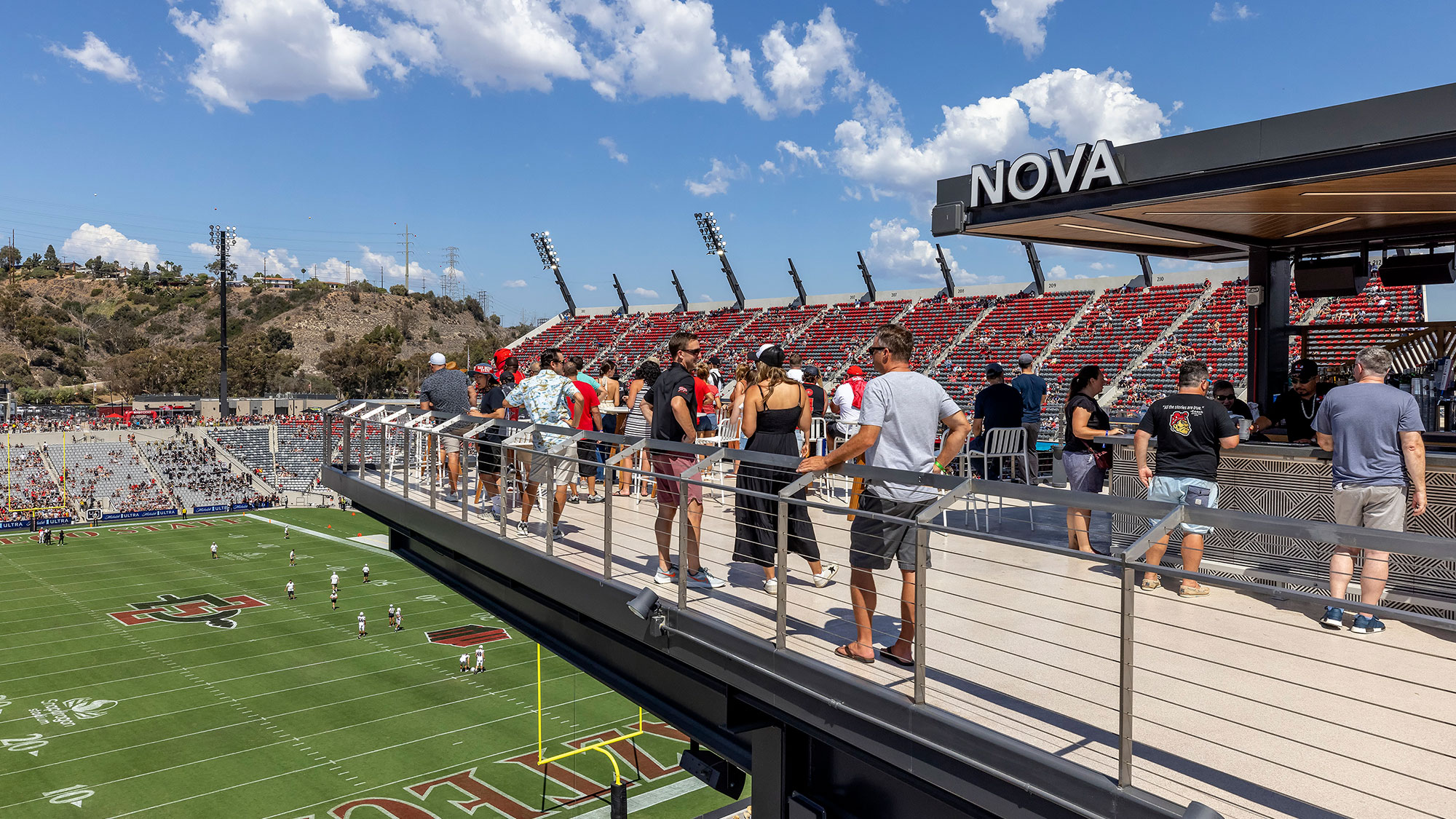
The lessons from decades of city-scaled sports-anchored mixed-use developments are shaping campus settings. Athletic departments are expanding game-day footprints and atmospheres more than ever before. Deep, emotional connections to brands now drive interest, activity, and engagement in new ways. Commercial development partners that once viewed “college towns” as lacking scale, density, and vibrancy are now knocking on campus doors with new enthusiasm.
Partnerships that blend commercial, residential, and athletics venue programs are taking shape at an accelerating pace.
Addressing Donor Expectations and Creating Revenue Longevity
The current cycle of roster investment highlights both the opportunities and challenges of the NIL era. Donor-backed rosters are often assembled with championship expectations, yet performance outcomes can fall short of those increasingly ambitious goals. When those results do not materialize over one, two, or three seasons, donors may begin to reassess what they are funding and the overall value of repeated short-term investments.
In many cases, this dynamic creates a “reset” cycle, in which donor funds are tapped year after year to rebuild or maintain a roster on short timelines. While this approach can sustain competitiveness, it also breeds fatigue and a growing interest in more durable, long-term impact.
Funding rosters and making legacy investments in athletics aren’t mutually exclusive. However, early signs point to a broader correction, one that emphasizes investments that can generate value over decades rather than a single season. Pursuing projects that can both aggressively drive new revenue and meet the needs of the modern-day student-athletes, coaches, and fans can create stability in what increasingly feels like a volatile moment.
The institutions best positioned for long-term success are those that view facilities not simply as capital projects, but as strategic assets. When thoughtfully planned, athletic venues can become year-round destinations that generate revenue, strengthen community connections, elevate the student-athlete experience, and enhance recruiting efforts.
In an era defined by rapid change, the most resilient investments will create lasting value on and off the field, supporting today’s competitive demands while building a sustainable foundation for the future.
For media inquiries, email .