The Women’s Sports Hub: A New Model for Community-Driven Sports Venues
As investments in women’s sports grow, teams have a prime opportunity to rethink how venues create value for fans, communities, and partners.
Women’s sports are experiencing unprecedented growth in investment, but much of the infrastructure supporting them was not designed with women’s teams, athletes, or communities in mind. For decades, professional sports facilities have followed a familiar model: maximize event-day revenue, prioritize premium seating, and activate surrounding districts primarily around game schedules. While that approach has proven successful in many men’s sports, it does not fully reflect the values, audiences, and community connections driving the rise of women’s sports today.
Women’s teams are building fan bases that often extend beyond traditional sports audiences. Their supporters increasingly engage around shared interests in health, education, equity, youth development, and community impact. Yet many venues still operate as event-driven destinations rather than year-round community assets.
One reason is that many women’s professional teams have limited control over the venues they call home. According to NWSL Commissioner Jessica Berman, fewer than 40% of NWSL teams either own their venue or share ownership with the entity that controls it. As tenants, teams often have limited ability to shape the fan experience, prioritize community programming, or adapt facilities to their specific needs. As Berman noted, “It makes running a business really hard when virtually the whole league are tenants.”
As women’s sports continue to grow, teams have an opportunity to think beyond access to venues and consider what purpose-built environments could achieve for athletes, fans, and communities alike.
At Gensler, we believe the next generation of women’s sports facilities should do more than host games. They should serve as cultural infrastructure; places where sport, community, wellness, and civic life intersect every day of the year. This thinking is shaping our early vision for the Women’s Sports Hub, a model that reimagines how women’s sports teams connect with their communities through design.
A Different Model for Women’s Sports
Historically, sports venues have been designed to maximize attendance and event-day revenue. While those priorities remain important, women’s sports organizations have an opportunity to create environments that serve a broader purpose. Many teams are already deeply connected to issues such as youth development, health and wellness, education, and community empowerment. The next generation of facilities can strengthen those connections by embedding them into the physical environment.
Fan expectations are evolving as well. Women’s sports organizations are increasingly building communities around shared experiences rather than game-day attendance alone. From the PWHL’s emphasis on inclusivity and community to initiatives like the Washington Mystics’ and Seattle Storm’s “Brunch & Basketball” events, teams are creating opportunities for fans to connect before, during, and after games. These experiences suggest that many fans are seeking a deeper sense of belonging and engagement that goes further than the competition itself.
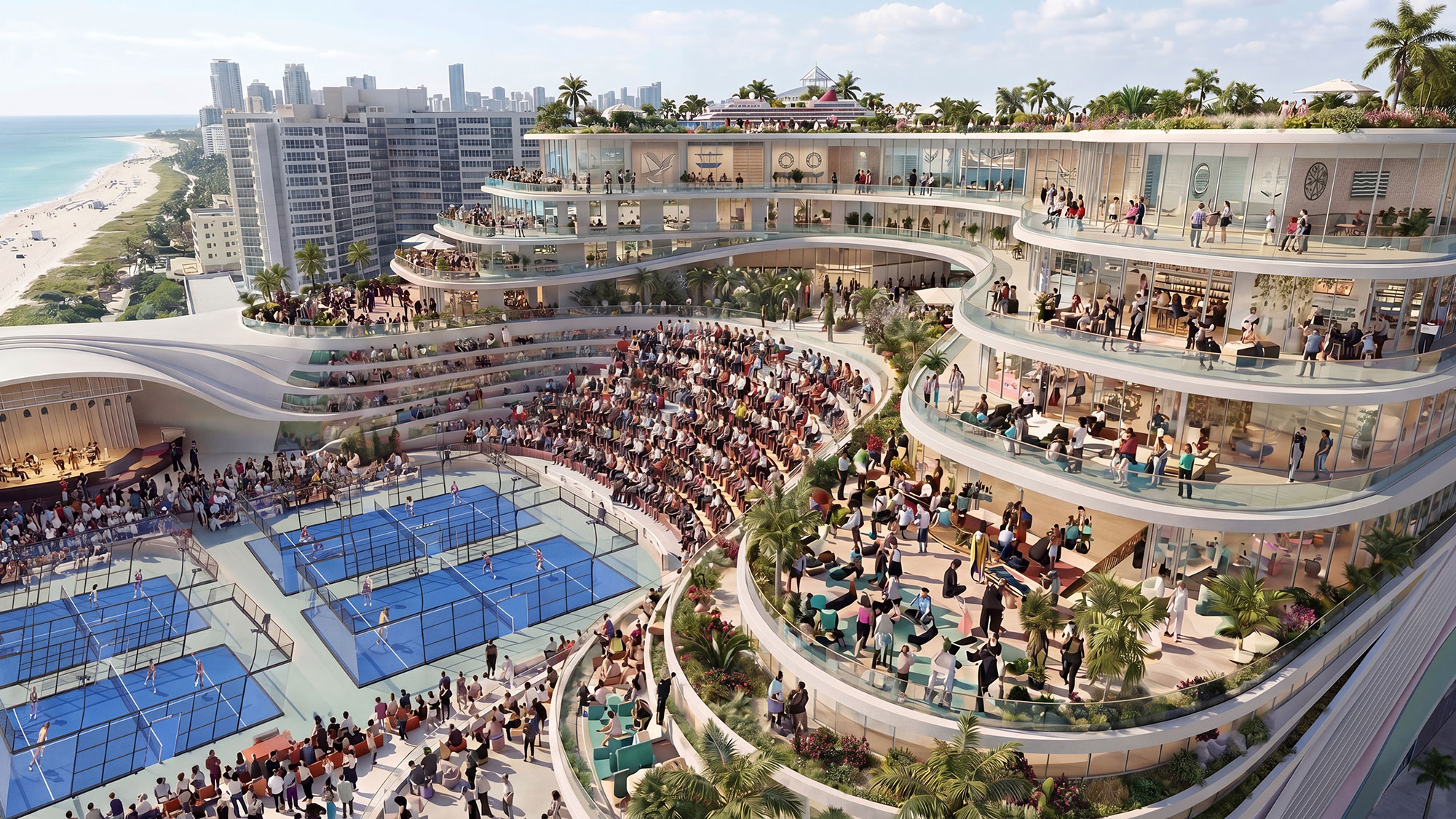
At its core, the Women’s Sports Hub treats the venue as part sports facility, part community asset, and part cultural destination. Rather than functioning primarily on game days, the Hub is designed to support year-round activity and engagement.
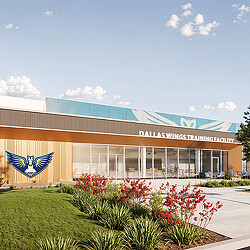
Training environments aren’t just for athletes — they’re designed with greater visibility, so youth athletes and community members can witness the preparation and dedication behind elite performance. This reflects a growing trend in women’s sports, where teams increasingly use open practices as intentional fan engagement opportunities. Rather than separating athletes from their communities, these environments can create meaningful points of connection that strengthen fandom and inspire future generations.
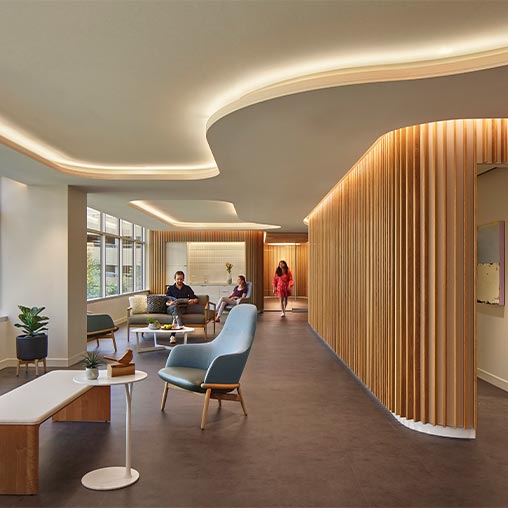
Public-facing amenities can support daily programming that extends beyond sports. Flexible gathering spaces can host everything from educational workshops and wellness initiatives to community events and sponsor activations. The result is a venue that remains active and relevant long after the final whistle.
Equally important is a commitment to athlete experience. Women’s sports facilities have an opportunity to prioritize resources that have historically been secondary in many sports environments, including recovery spaces, childcare support, and mental wellness amenities. These investments benefit athletes directly while reinforcing the values that many women’s sports organizations already champion.
What Could This Look Like?
Because every city has its own identity, the Women’s Sports Hub is not a single prototype. It is a framework that can be shaped by local needs, partnerships, and aspirations.
In Washington, D.C., a Women’s Sports Hub could bring together community-focused organizations, advocacy groups, sponsor offices, and public programming spaces. Inspired by successful civic gathering places such as Franklin Square, McPherson Square, and Farragut Square, the venue could function as a year-round destination where sport intersects with public dialogue, education, and community engagement.

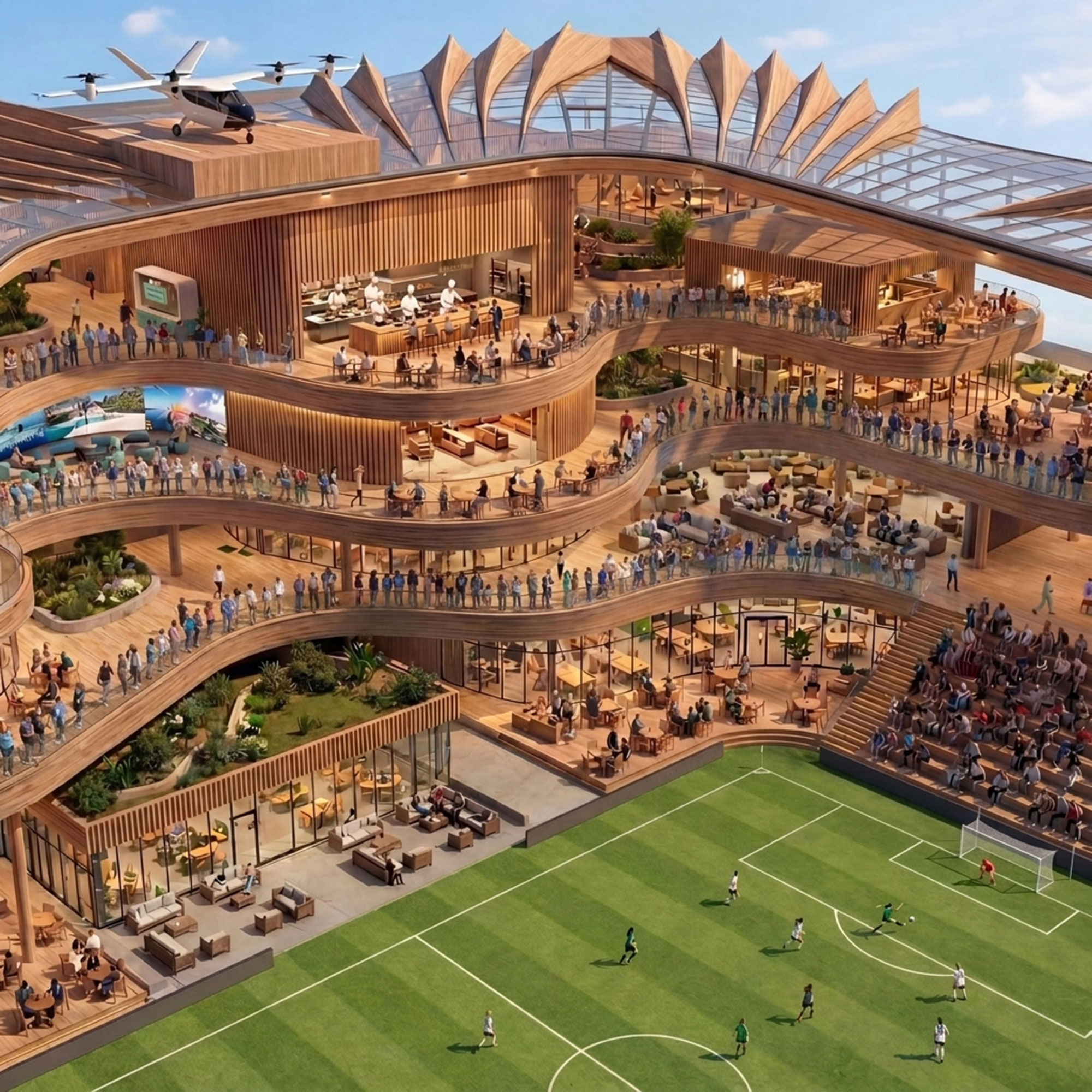
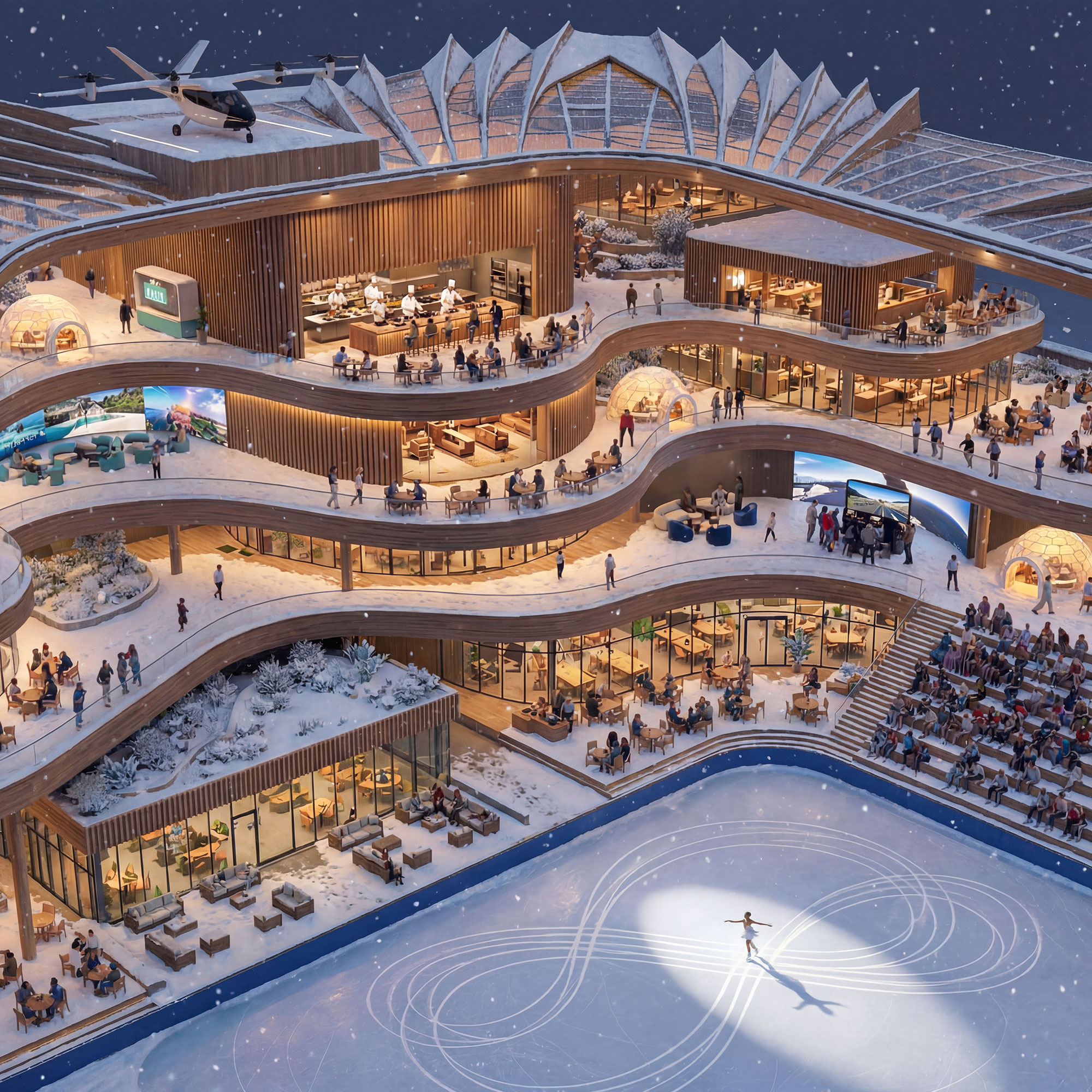
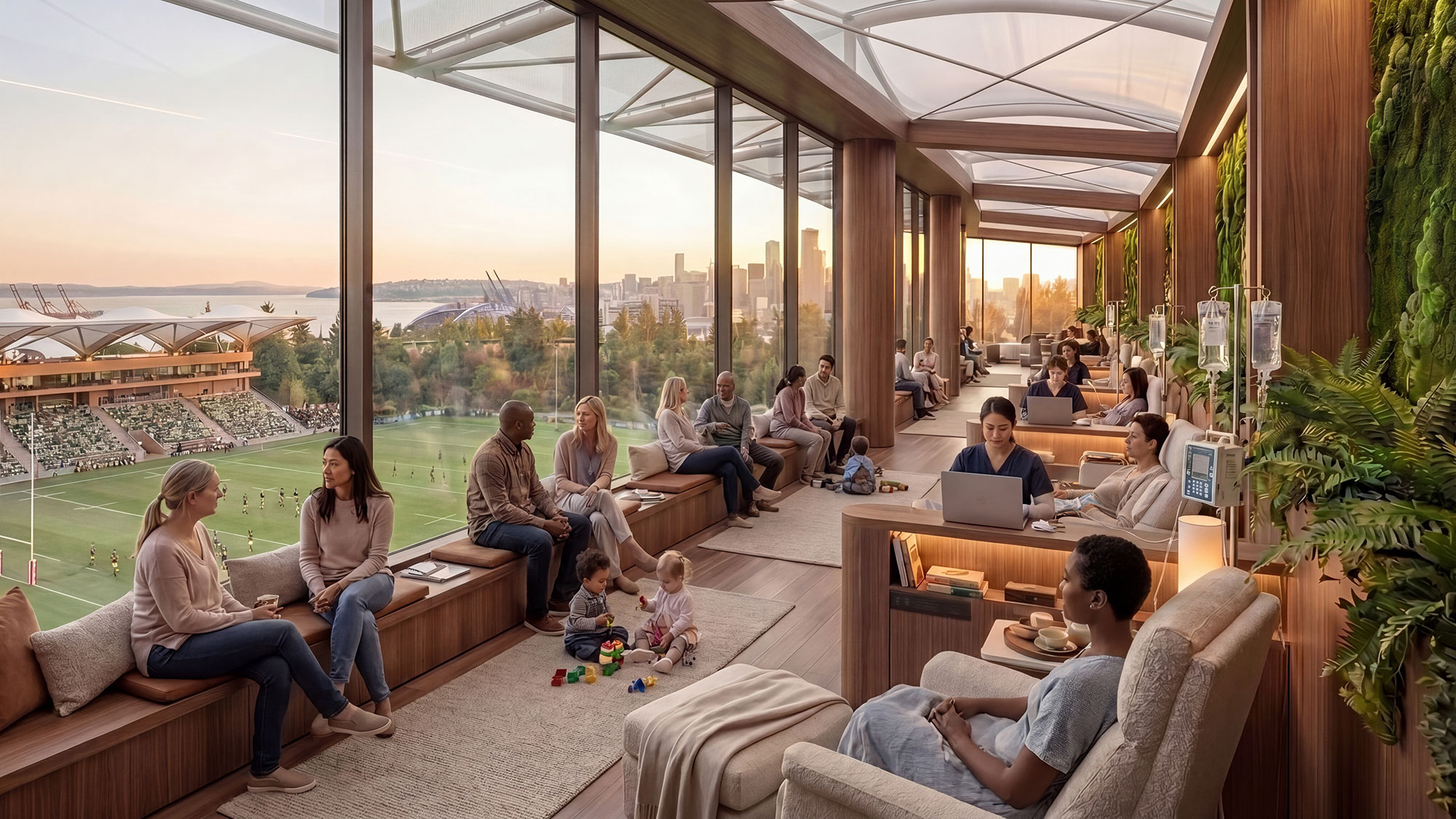
In Seattle, the model could center on women’s health and scientific innovation. Partnerships with healthcare providers, research institutions, and wellness organizations could create opportunities for treatment, recovery, education, and research programs that directly support the community while reinforcing the team’s mission.
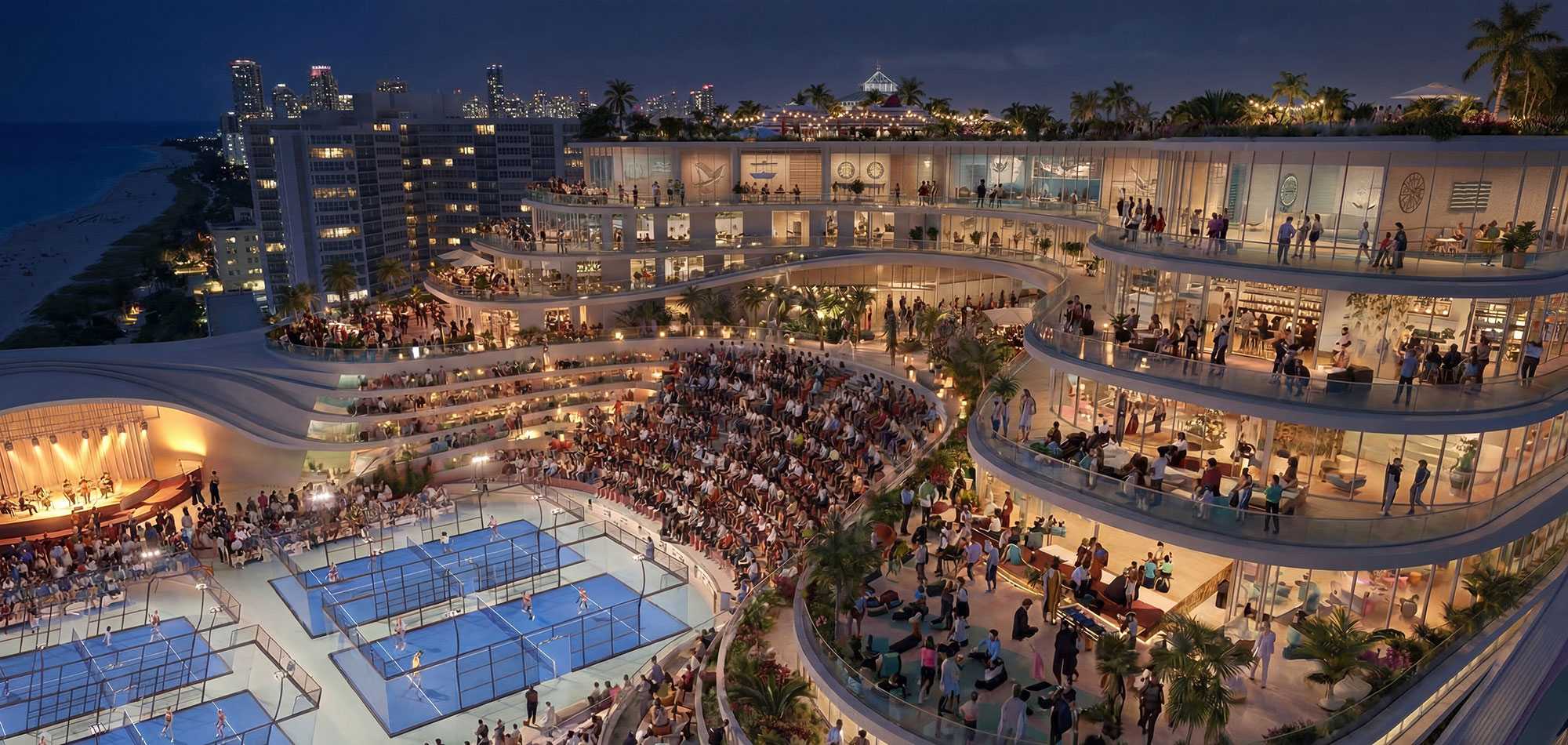
In Miami, the Hub could emphasize intergenerational connection. Community spaces designed for families, seniors, and youth programs could create a welcoming environment that reflects the city’s diverse population and ensures the venue remains active throughout the week.
While each example is different, the principle remains the same: the venue becomes more than a place to watch a game. It becomes a platform for advancing the goals that matter most to the team and the community it serves.
This approach also creates new opportunities for partnerships. Instead of limiting sponsor engagement to signage and naming rights, organizations can align around shared community goals and invest in programs, spaces, and experiences that create measurable impact. For example, healthcare providers, educational institutions, and mission-driven brands could support programming that aligns with both the team’s values and the community’s needs, creating year-round engagement opportunities that extend beyond traditional sponsorship models. In doing so, teams can unlock non-traditional revenue streams while building deeper relationships with partners and fans.
An Infrastructure Moment for Women’s Sports
Women’s sports have a prime opportunity that few professional leagues have ever enjoyed: the chance to build infrastructure after understanding what their communities actually value.
Rather than adapting models created for a different era, women’s teams can help define new venues that are measured not only by attendance, but by their impact on health, education, economic development, and community connection.
The Women’s Sports Hub is an early exploration of what that future could look like. Through a series of salons with women’s sports organizations, Gensler is seeking to understand how teams want to serve their communities and how design can help turn those ambitions into physical reality.
As momentum builds toward the FIFA Women’s World Cup 2031, the opportunity transcends a single tournament. The decisions made today will shape the places where future generations experience women’s sports, not just on game day, but as part of everyday life.
For media inquiries, email .