Built to Last: How the 2026 World Cup Is Rethinking Sports Infrastructure
The 2026 World Cup is setting a new standard for sustainable sports infrastructure by reducing carbon emissions and creating lasting value.
The 2026 FIFA World Cup is a story of adaptation, reinvestment, and renewal. Across the United States, Canada, and Mexico, host cities have prepared for the tournament largely by upgrading existing facilities rather than building new ones from the ground up. This approach represents a significant shift in how cities think about major sporting events.
Historically, global tournaments have often been accompanied by extensive new construction intended to showcase the latest architectural achievements. While these projects can create memorable venues, they can also leave cities with facilities that struggle to find long-term purpose after the final whistle.
The 2026 World Cup offers a different model — one that recognizes the value already embedded within existing sports infrastructure. By modernizing and repurposing venues that have served communities for decades, host cities are creating facilities capable of delivering a world-class fan experience while extending the life of assets that continue to generate value long after the tournament concludes.
The result is a powerful reminder that the future of sports infrastructure depends on how effectively we adapt what already exists.
Renovation as a Long-Term Investment Strategy
Sports venues are among the most significant civic investments a city can make. They serve as homes for teams, economic anchors for surrounding districts, and gathering places for surrounding communities. As fan expectations evolve and technology advances, venue owners face an important question: how can existing facilities remain competitive without starting over?
Across the sports industry, owners and operators are increasingly recognizing that strategic renovation can deliver many of the same benefits as new construction while preserving the value of existing assets. Modern arena and stadium renovations extend far beyond cosmetic upgrades, often including enhanced hospitality spaces, upgraded suites, improved concourses, modernized building systems, and expanded public gathering areas that help venues remain relevant for decades to come.
Renovation also allows facilities to adapt to the changing nature of sports and entertainment. Today’s venues are expected to host everything from athletic competitions and concerts to conventions, esports tournaments, and community events. Preserving the core structure while modernizing the fan experience helps venue owners increase flexibility, improve operational performance, and create new year-round revenue opportunities.
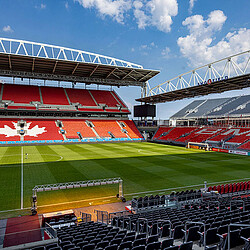
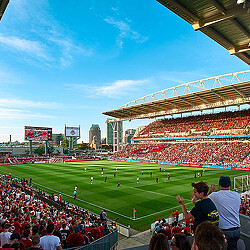
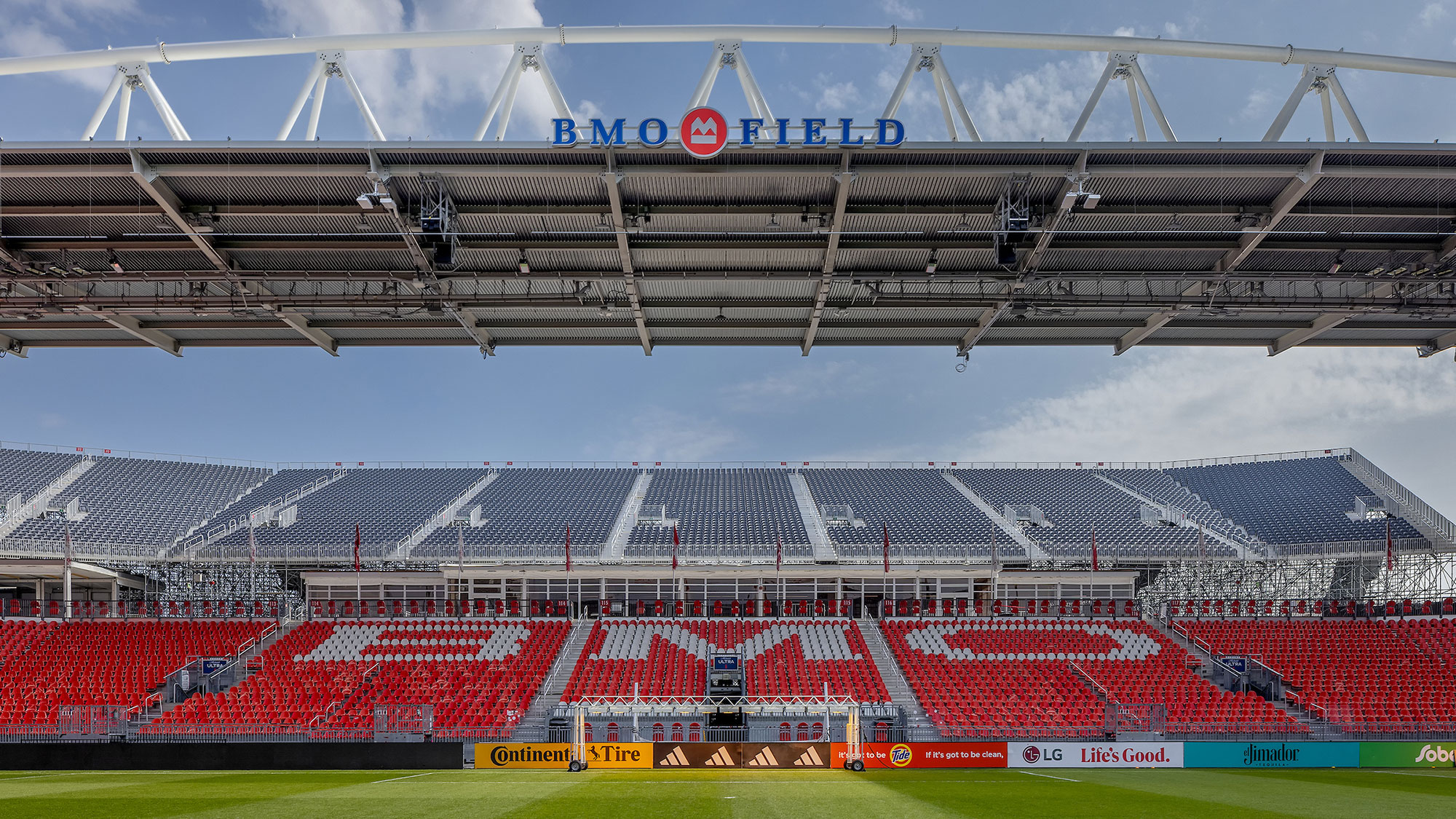
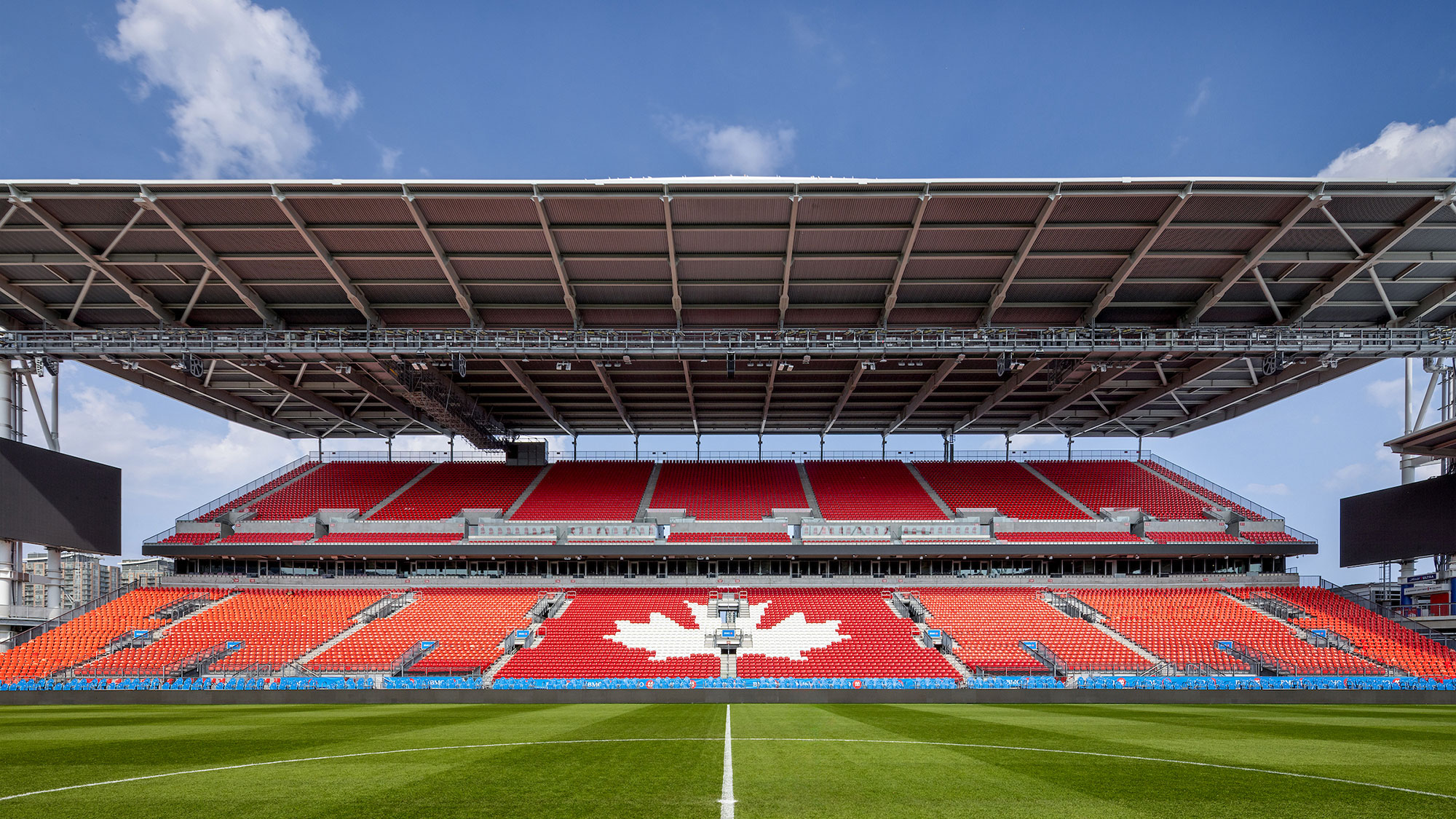
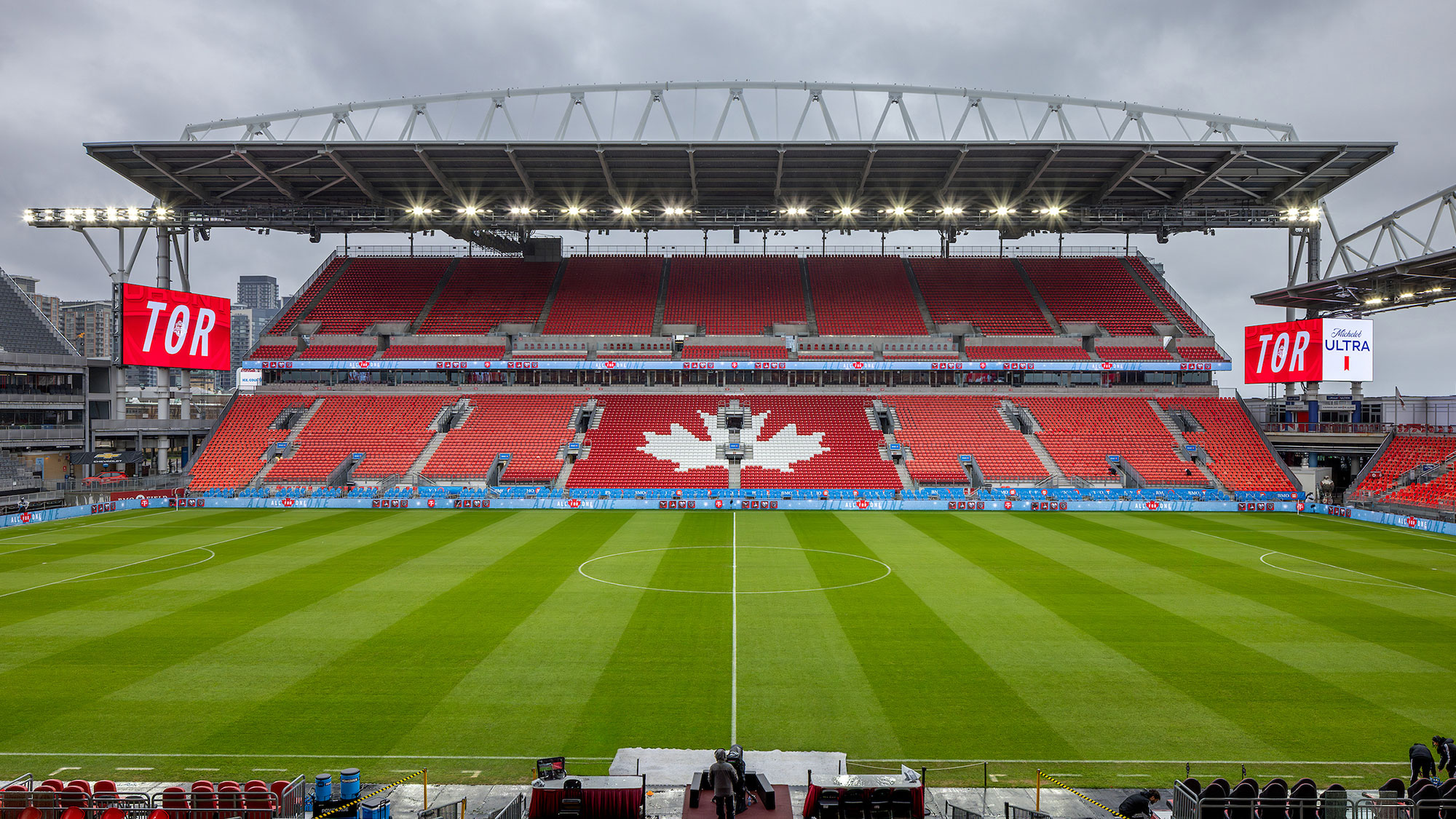
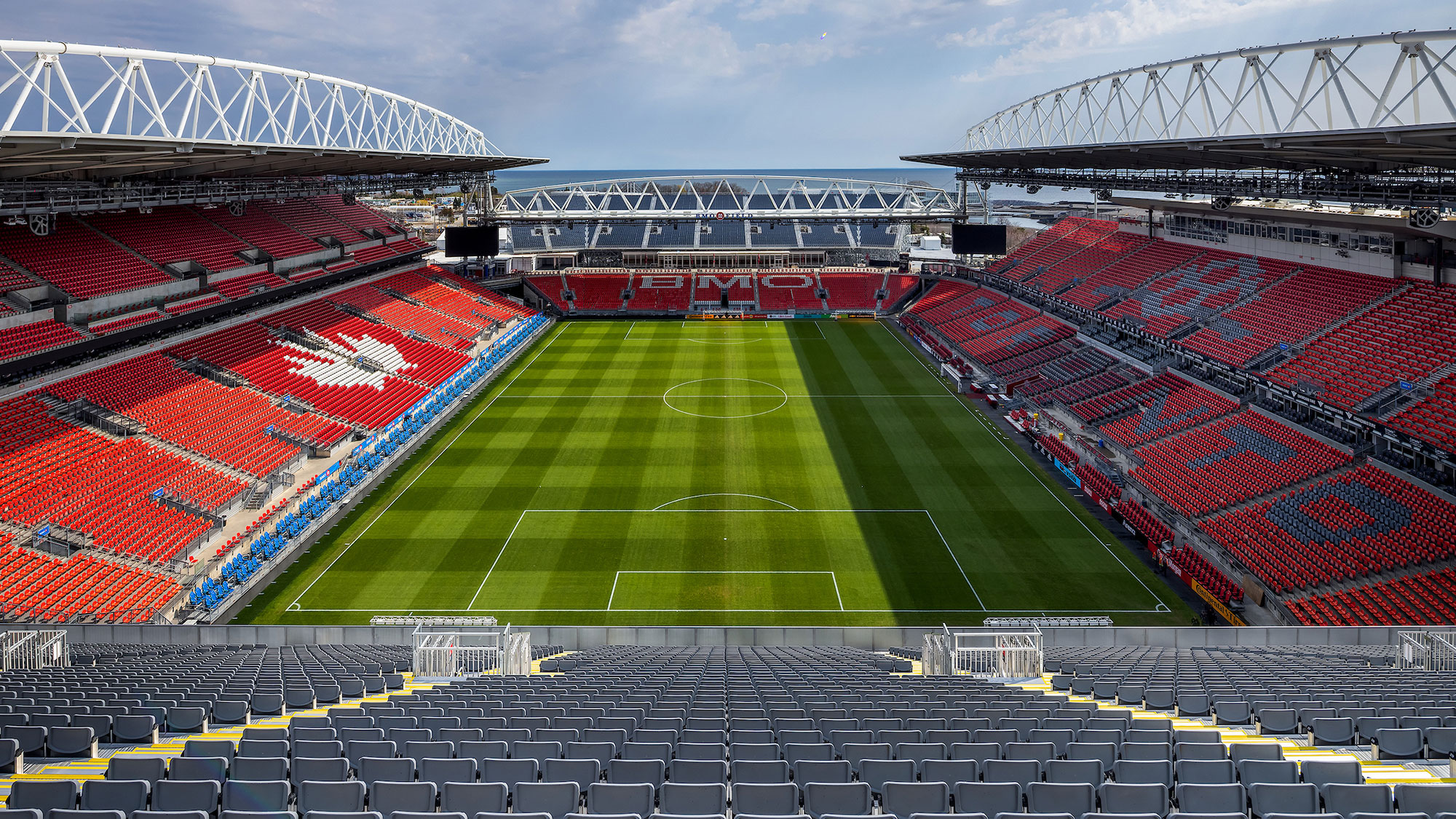
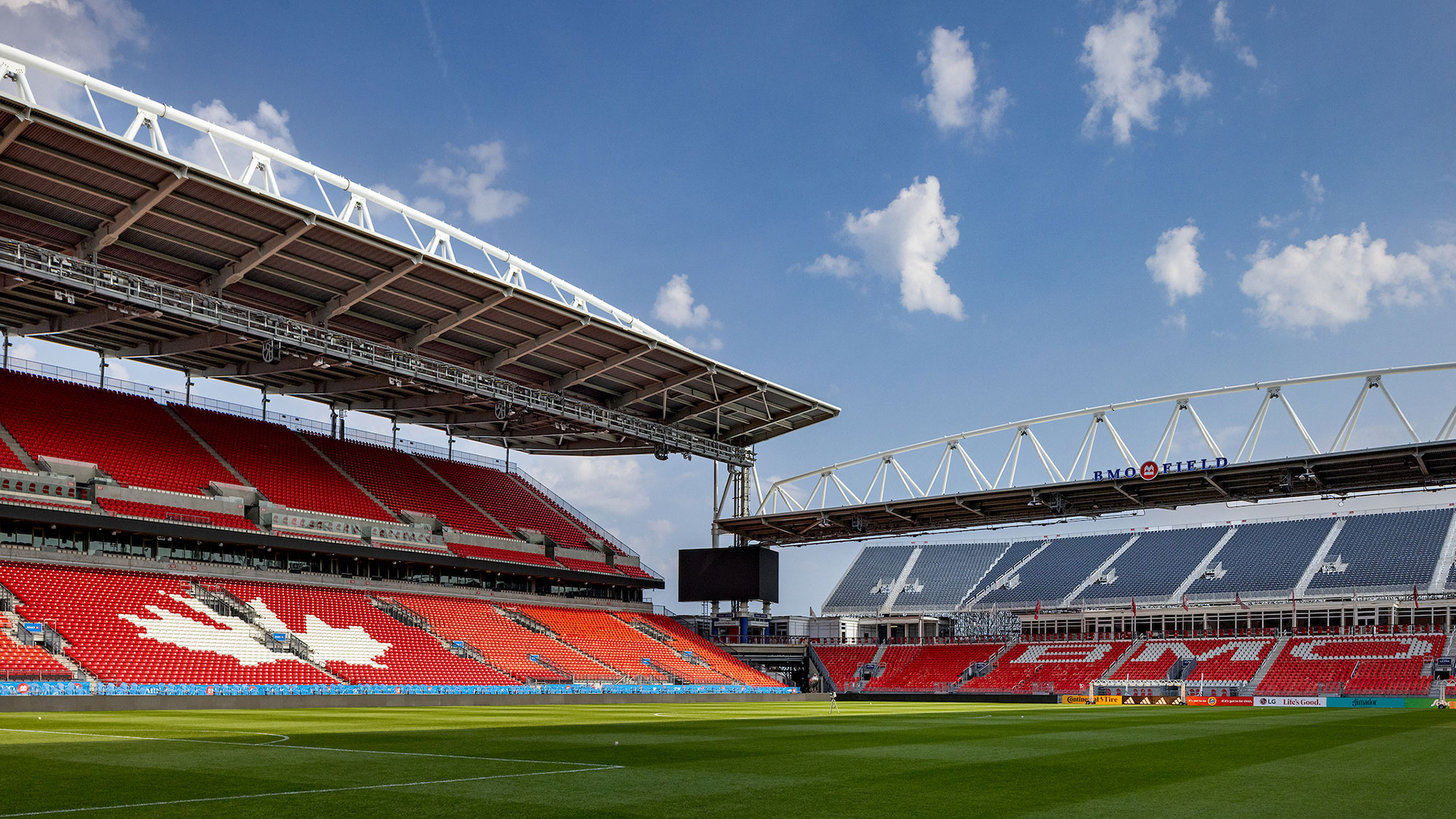
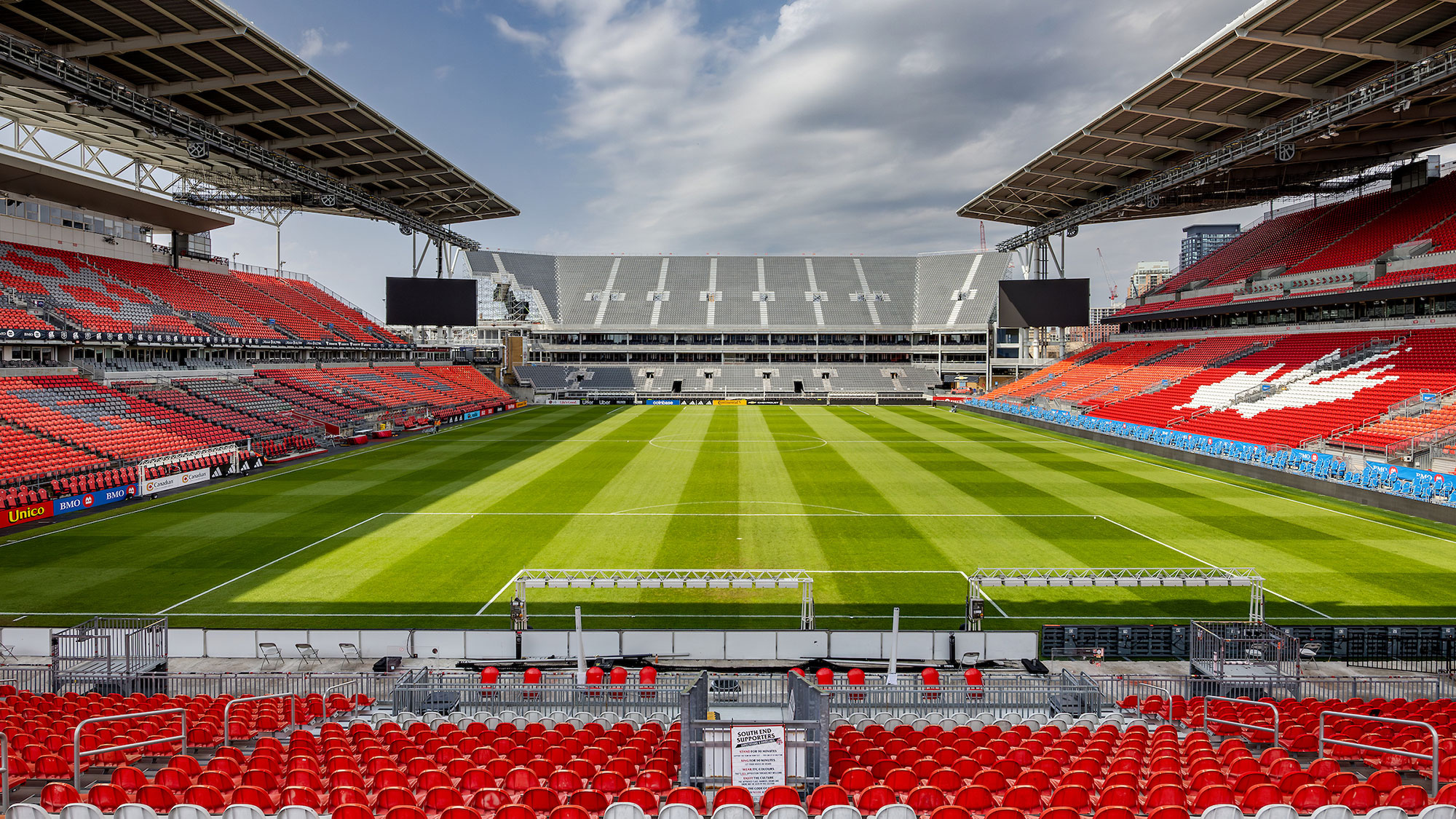
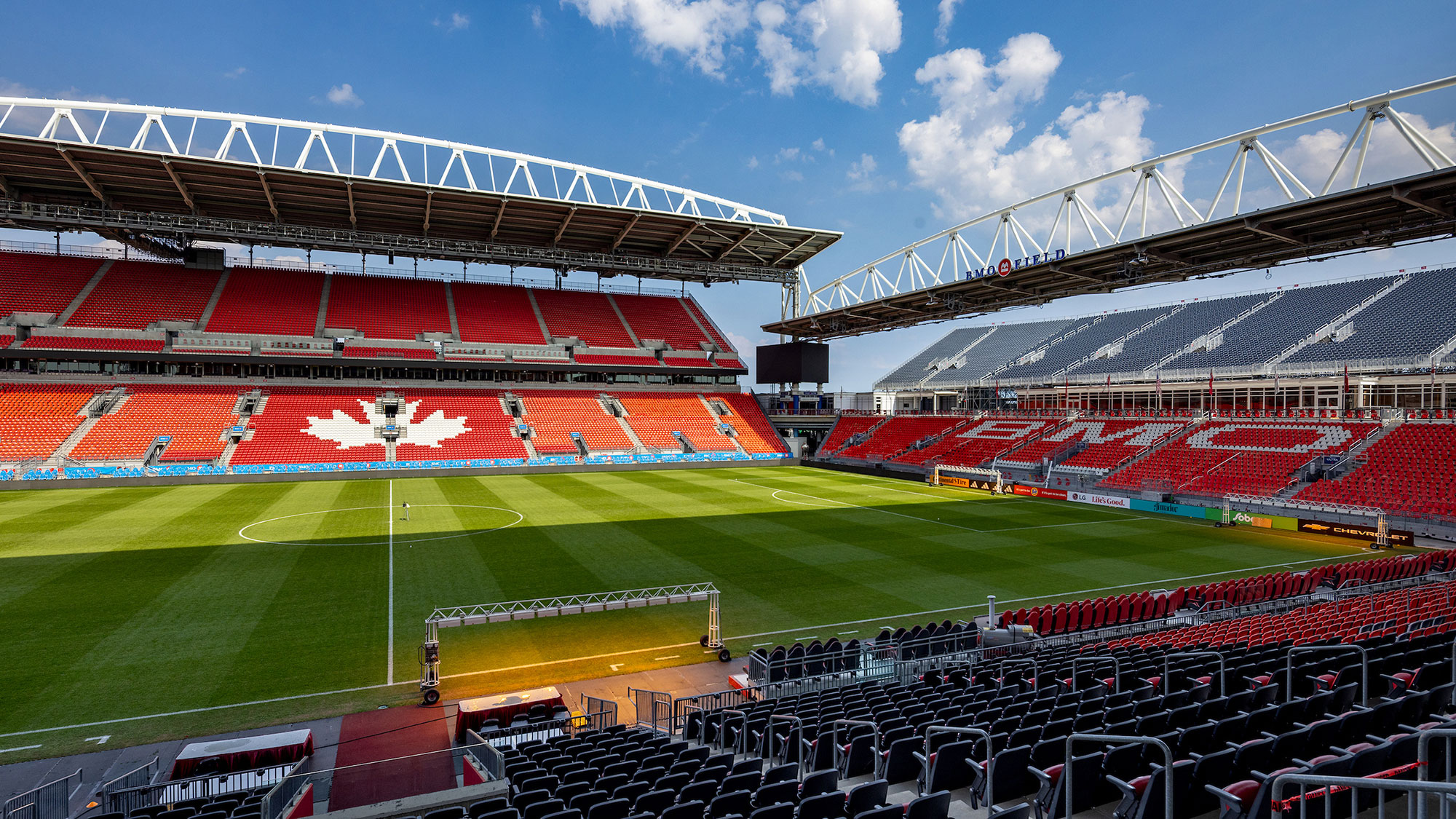
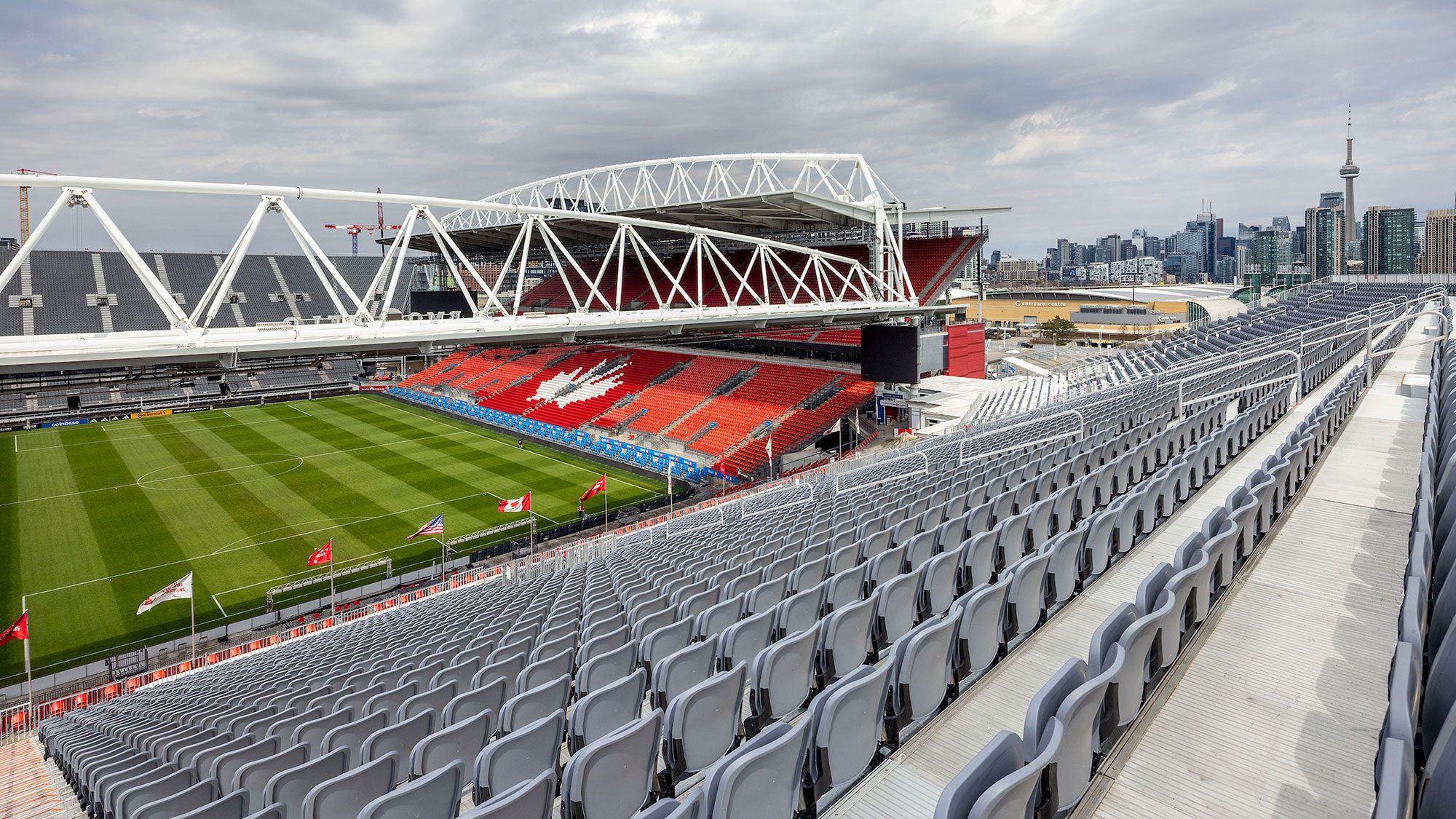
Toronto’s BMO Field provides a compelling example. To prepare for the 2026 FIFA World Cup, the design team retrofitted the venue to accommodate tournament requirements while preserving its existing foundation. The project includes upgrades to suite and club seating, improvements to the concourse experience, and an increase in capacity from approximately 29,000 to 45,000 seats for matches. The additional seating is designed as a semi-permanent system that can be disassembled and reassembled for future use — creating flexibility and long-term value.
Perhaps most importantly, renovation challenges the misconception that a venue must be rebuilt to feel modern. Thoughtful reinvestment can deliver the amenities and experiences fans expect while preserving the history, accessibility, and community connections that make these venues meaningful. As cities prepare for mega events like the 2026 World Cup, these projects demonstrate how strategic reinvestment can strengthen existing assets and create lasting value long after the tournament concludes.
The Hidden Carbon Cost of Building New
While the business case for renovation is compelling, the environmental benefits can be even more significant. When people think about sustainable buildings, they often focus on operational performance, such as energy-efficient lighting, improved HVAC systems, and reduced utility consumption. While these measures are important, a substantial portion of a building’s environmental impact occurs long before it opens its doors.
Every material a building consumes carries a carbon cost — from extraction and manufacturing to transportation and installation. For large sports venues, that embodied carbon cost is enormous. The concrete and steel that form the structure of an arena or stadium require significant amounts of energy to produce, making sports facilities among the most carbon-intensive building types in the built environment.
Concrete is particularly important to decarbonizing the built environment. The production of cement alone is responsible for a significant share of global carbon emissions. Demolishing a concrete-heavy arena or stadium effectively discards substantial embodied carbon, only to replace it with new emissions from rebuilding.
Renovation offers an alternative path. Retaining existing structural systems while selectively upgrading key components can prevent millions of kilograms of carbon emissions that would otherwise result from new construction. In many cases, the greatest sustainability strategy is not introducing a new technology or material — it is finding ways to preserve and extend the life of what already exists.
This perspective is increasingly shaping how owners, cities, and design teams approach sports infrastructure. The decision to renovate extends beyond cost or schedule — it can dramatically reduce environmental impact while still delivering the modern amenities, performance, and flexibility today’s venues demand.
Translating Carbon Savings Into Human Impact
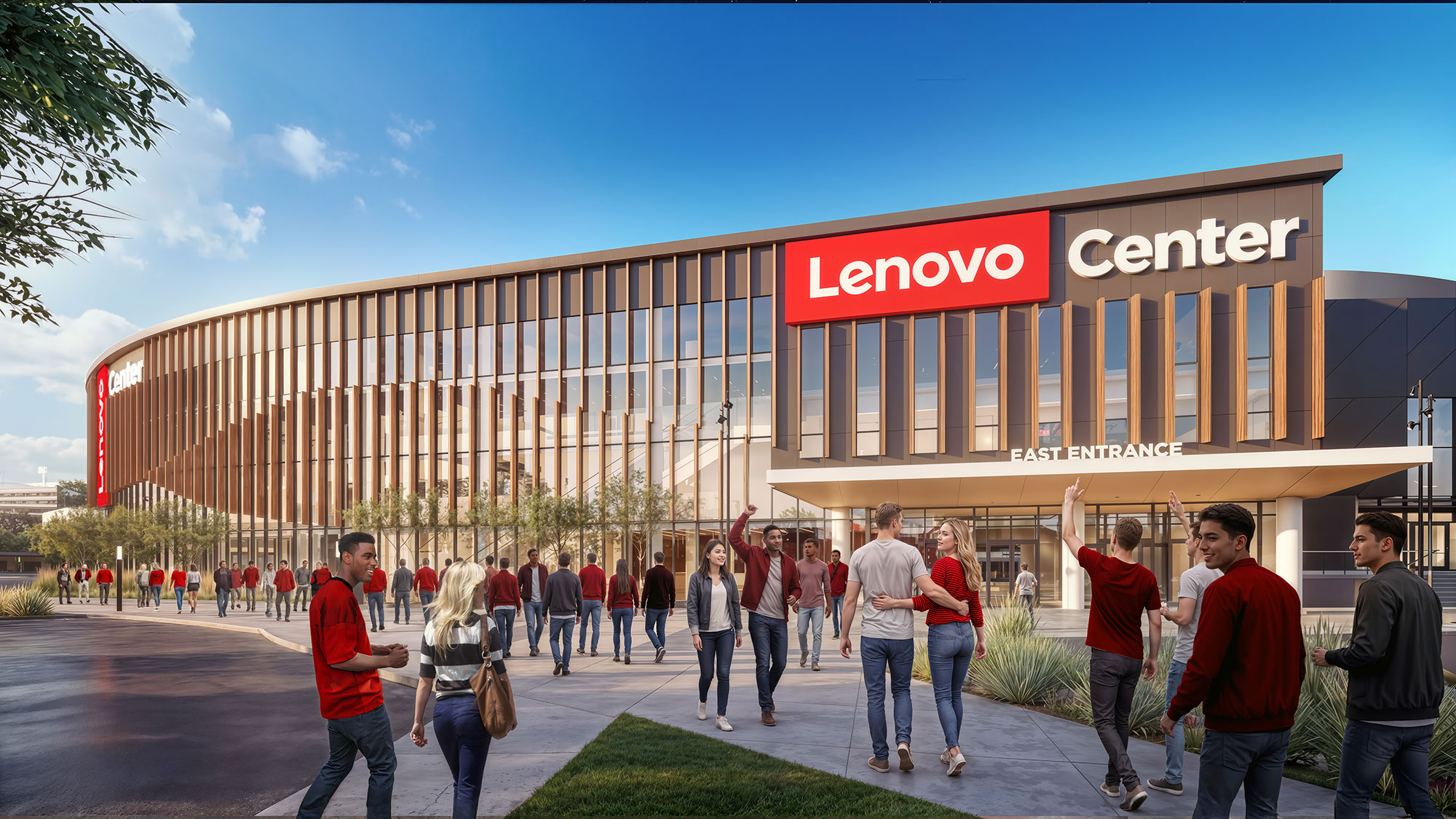
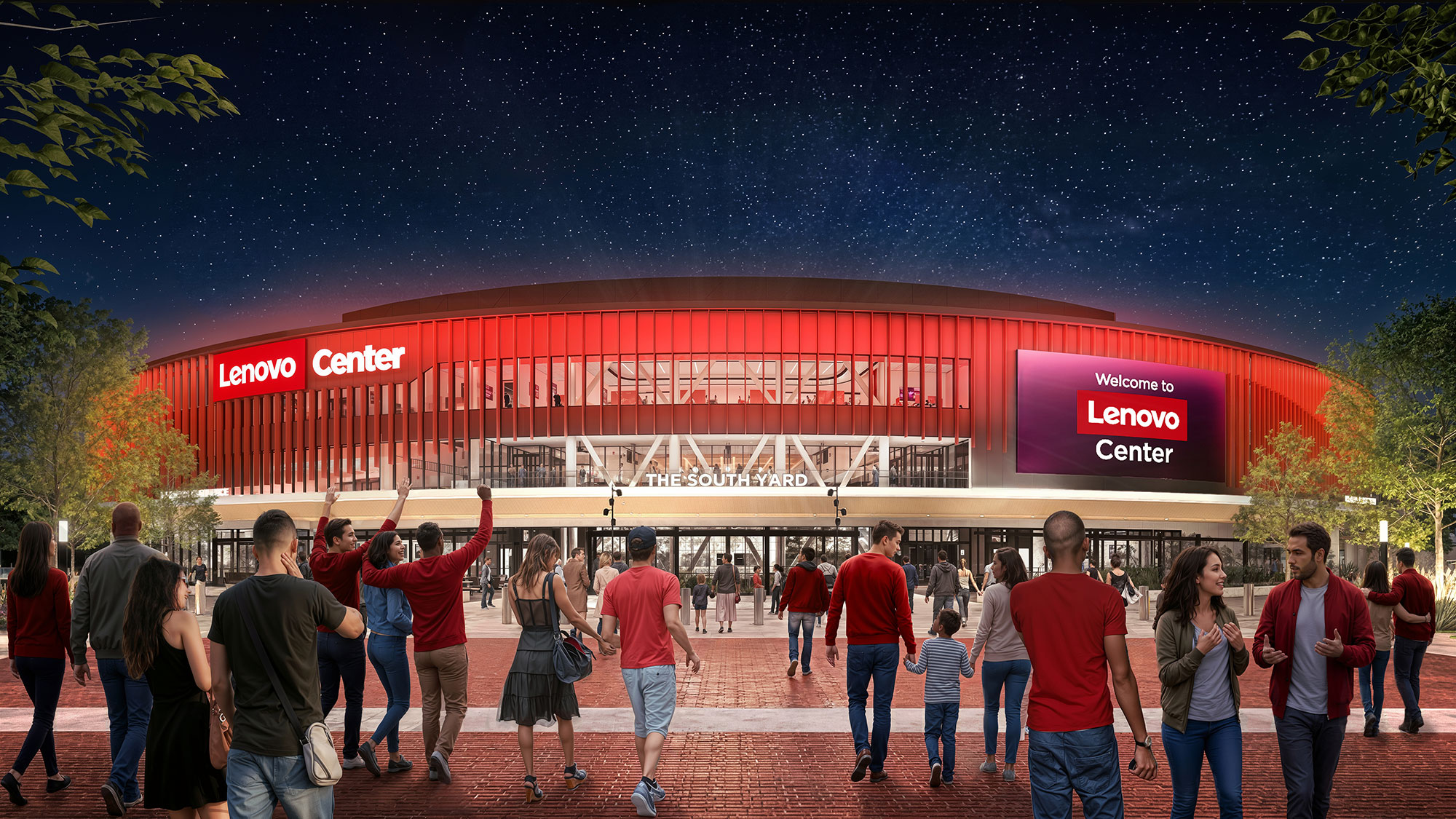
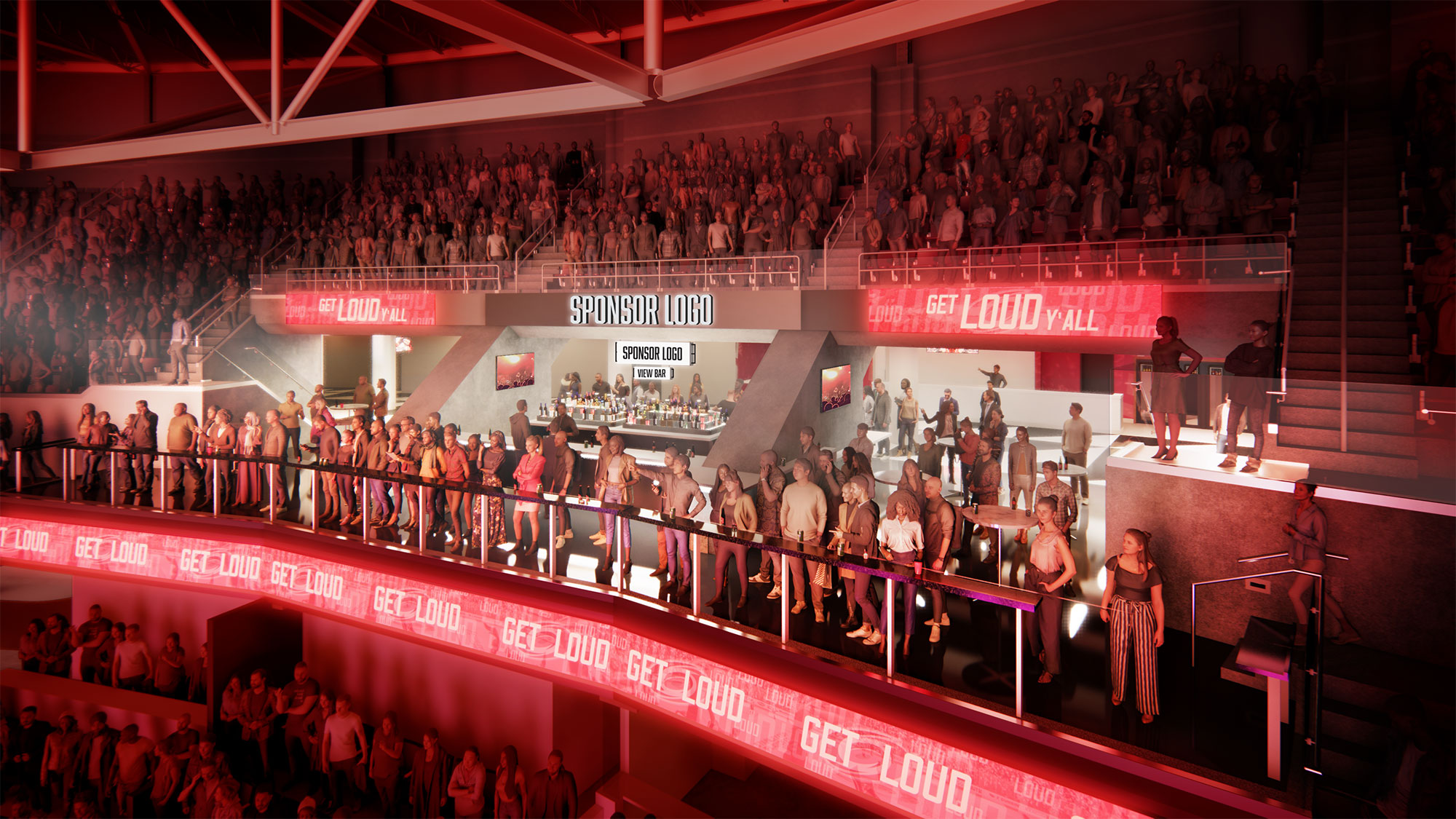
One challenge with conversations about embodied carbon is that the numbers can feel abstract. In a recent renovation of the Lenovo Center in Raleigh, for example, retaining and reusing the existing structure resulted in approximately 35 million kilograms of avoided embodied carbon emissions compared to the emissions that would have been generated from a new build.
Translated into more familiar terms, that carbon savings is equivalent to:
- The greenhouse gas emissions produced from approximately 90 million miles driven by an average gasoline-powered vehicle.
- The CO₂ emissions produced from powering roughly 5,000 homes for an entire year.
- The annual carbon sequestration of approximately 35,000 acres of U.S. forests.
As the building industry continues searching for ways to reduce emissions, adaptive reuse provides one of the clearest opportunities for meaningful progress.
For sports venues, where structural systems represent such a massive share of embodied carbon, reuse has the potential to deliver environmental benefits at a scale that few other design strategies can match.
For media inquiries, email .