Sports Urbanism and the Return of Civic Joy
World Cup celebrations could be the template to solve for a lack of fun in our cities.
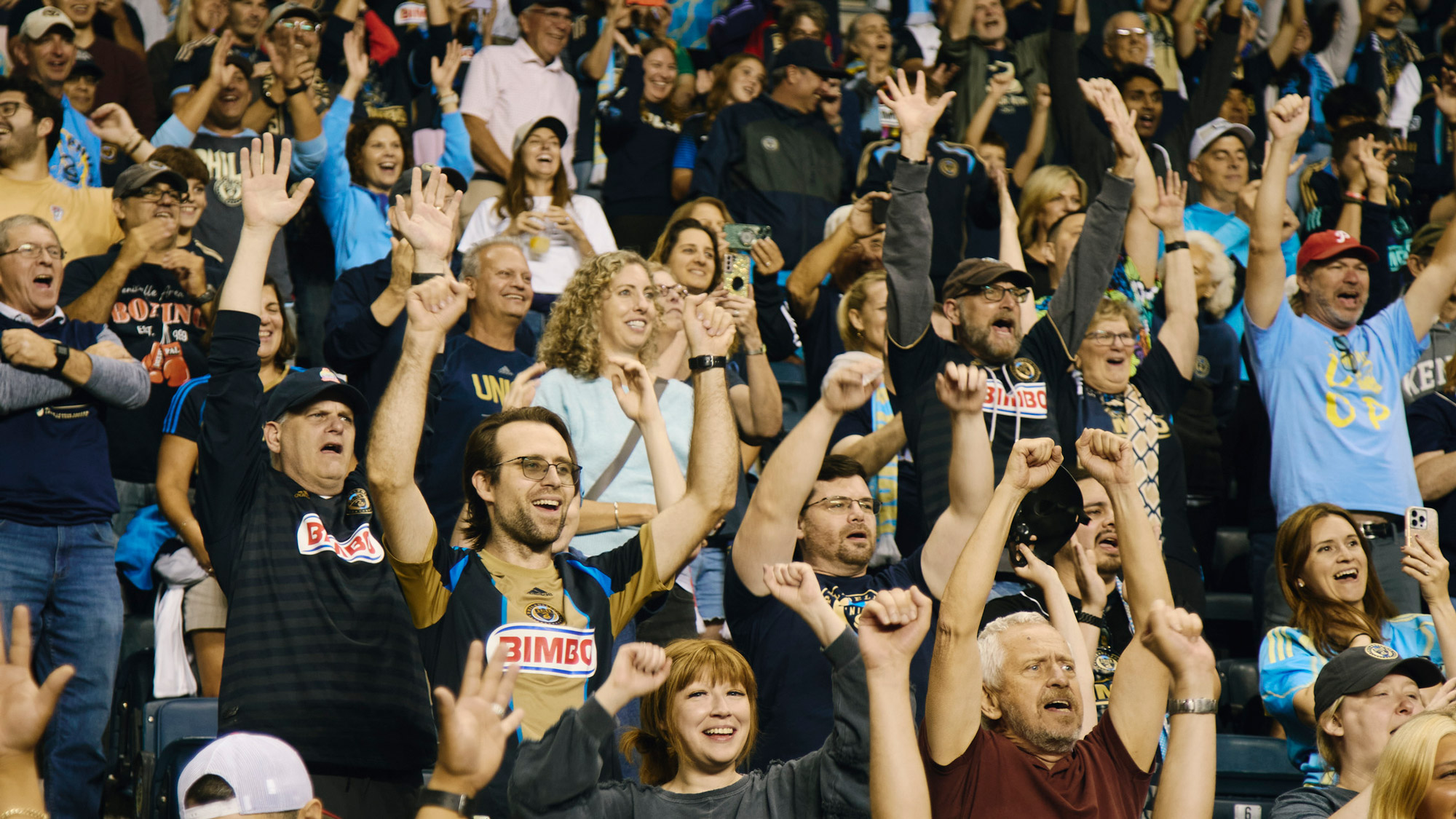
Being a New Yorker is fun again.
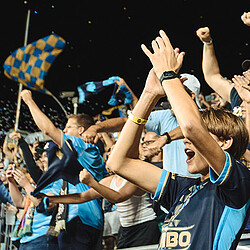
First, it was the Knicks winning the NBA Championship, kicking off a days-long public celebration. Then the World Cup came to town, and our streets were flooded with enthusiastic tourists, bringing their jerseys, chants, and group memes from around the world. The city is on an extended high, experiencing a sports-fueled case of collective effervescence. We needed it.
Visitor numbers, office visitation, and hotel occupancy may have returned to pre-pandemic levels over the past year, but something has been missing: public joy, an esprit de corps, the sense that something awesome was happening, and everyone could participate. Host cities throughout North America are reporting the same positive vibe-shift as they welcome fans and celebrate together, with or without a ticket to a match.
It looks like this mass celebration is the reflection of a crisis that’s hiding in plain sight. Ben Steverman at Bloomberg reports that the U.S. is suffering from a “fun deficit,” bringing hard data to support something we’ve been feeling intuitively: We’re not having as much fun as we used to. As screen-based entertainment hoovers up time and capital, the number of physical places to have fun is decreasing, triggering a choice-time doom loop, and with it, an overall depression in happiness and connections.
This is not to say that no one is having fun. It just hasn’t been evenly distributed. There have been plenty of investments made in leisure amenities, but they tend to follow the contours of the K-shaped economy. It’s expensive to have a good time. Christina Lourosa-Ricardo at The Wall Street Journal talks about “funflation,” where consumers of higher means elevate the costs of entertainment experiences overall, leaving many unable to participate in the burgeoning experience economy. The opportunity is ripe for designers and innovators to harness the power of place and imagine new, affordable ways for everyday people to connect through real-life activities that bring them joy.
In my years as a designer and strategist, many clients were uncomfortable with the word fun. It wasn’t something to build a program around, or measure as a KPI — even after our research clearly showed that having fun was the thing respondents wanted most from an experience. It’s refreshing to see serious reporters for serious business publications articulate — with receipts — just how important fun is. For people and society to thrive, we must engage with each other and the world. Fun gets us off the couch.
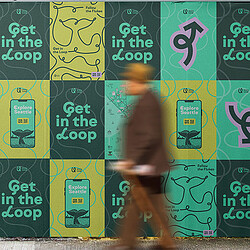
The civic and social success of the World Cup shows that a template exists. In their ranking of all 16 venues, The Athletic says that when the stadium fully engages the city, the good vibes reverberate for longer and touch more people. Number-one-rated Lumen Field earned its spot at the top because its location “means the city feels alive wherever you are on matchday,” and results in “independent bars, pubs and restaurants embracing and benefitting from Seattle being a host city.” (You can see how Seattle leaned into that synergy with their In The Loop campaign). In other words, the World Cup made Seattle more fun for everyone, sports fan or not.
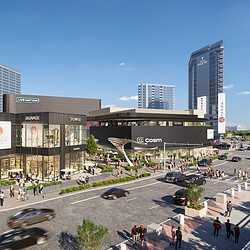
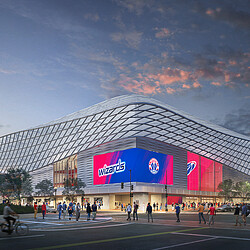
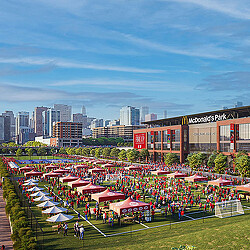
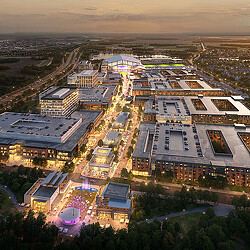
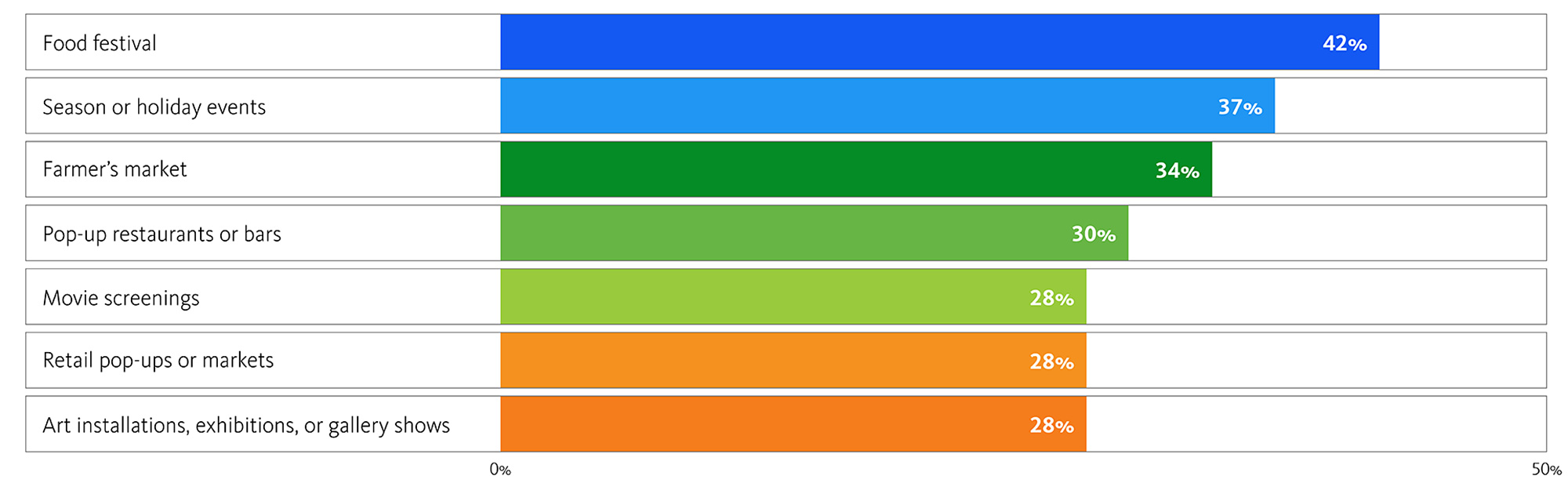
It’s time to ride this wave of World Cup momentum and turn stadiums and their adjacent districts into permanent fun-generators that go beyond the game, match, or fanbase. Early analysis of our Fan Urbanism study, which surveyed 6,000 people across 17 markets in the U.S., shows that non-fans are eager for stadiums to serve a pro-social community function, citing farmers markets, food festivals, family-friendly programming, and seasonal events as the top activities that would drive visitation beyond gameday.
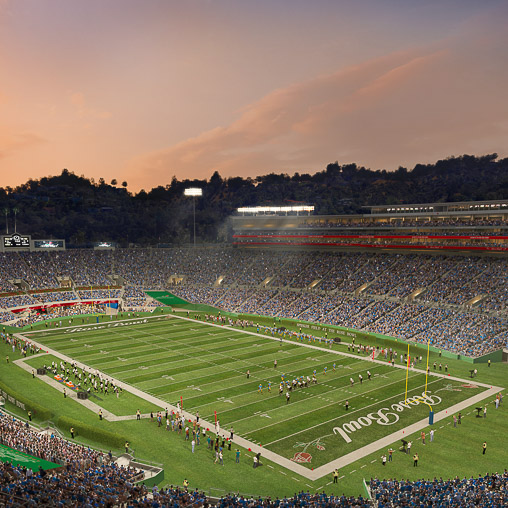
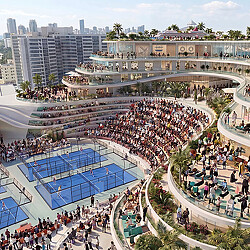
We should start here. But we can dream bigger, inventing new ways to have fun that people don’t yet know they want. The LA Olympics are in 2028. We have two years to act on the lessons we’re learning today, so the next time we welcome the world, we’ve created an infrastructure designed to amplify joy.
For media inquiries, email .