You Had to Be There: What the World Cup Taught Us About How Fandom Shapes Cities
Gensler’s sports urbanism research reveals what six months of World Cup data tells us about design, belonging, and the future of sports districts.
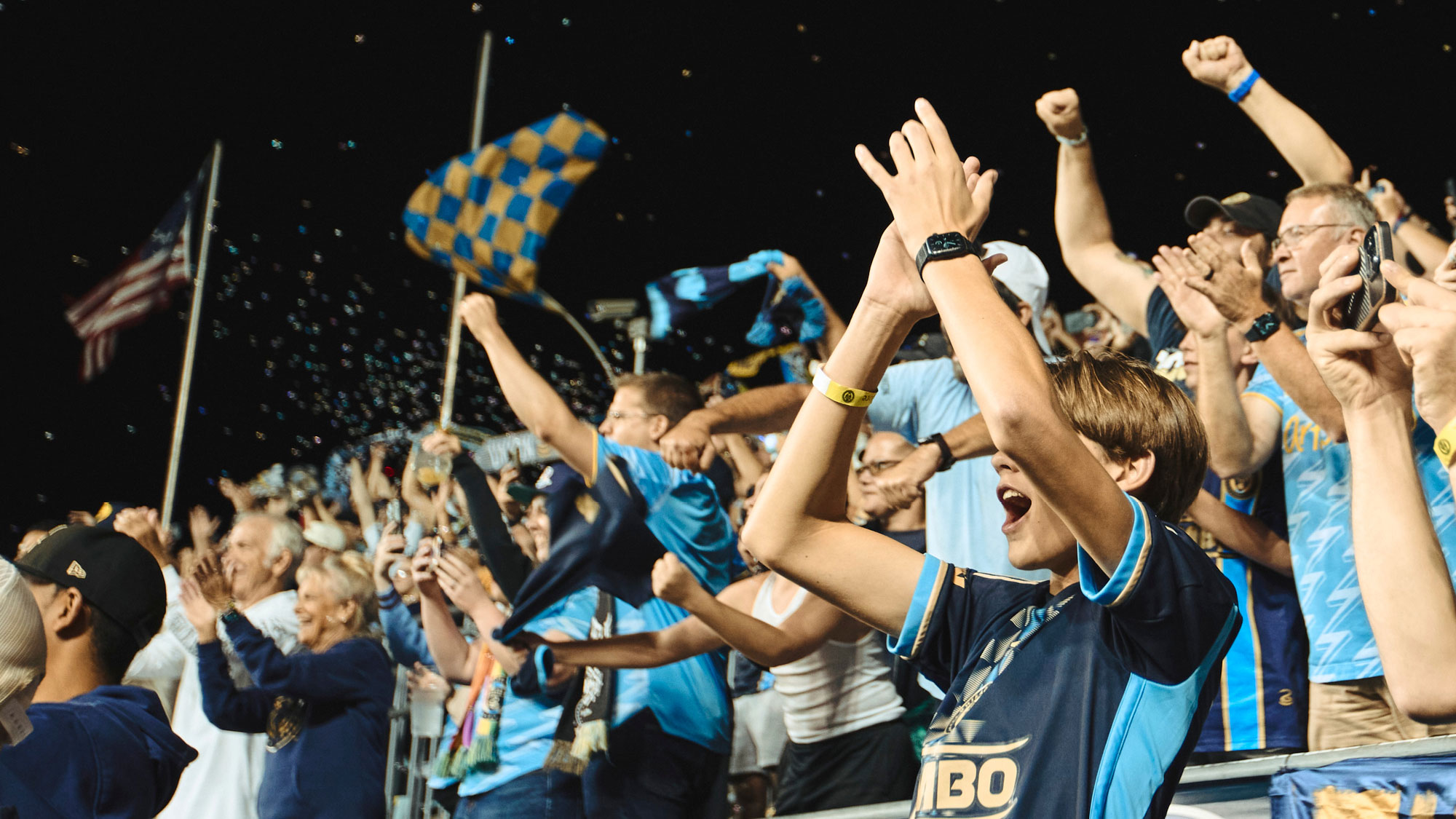
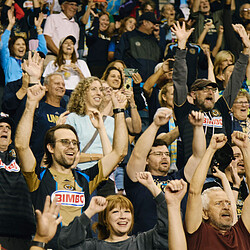
As people seek belonging in a culturally fragmented world, fandom has become the engine of the experience economy. From record-setting concert tours to the rise of immersive entertainment venues to the growing popularity of flagship global tournaments, fans aren’t just influencing our spending patterns. As we create the IRL infrastructure to support their hunger to connect, they’re even shaping our cities.
We’ve long hypothesized that the combination of fandom and place is powerful, that when you purpose-build spaces for fans to come together, you can galvanize a community. Pro teams, universities, developers, live entertainment brands, and even streamers are so bullish on this idea that they’re poised to spend over $100 billion on new venues and districts in the next decade. Before another golden shovel goes in the ground, we needed to know: are we right?
The 2026 FIFA World Cup gave us a unique opportunity to find out. For six months, we plumbed the fan psyche in a three-part research study. Before the World Cup, we worked with Oxford Economics to survey North American fans on how they use the stadiums and districts in their communities. During the World Cup, we partnered with ROAR, a Seregh Company, to follow and analyze the fan experience conversation on social media. And after the tournament, we surveyed people in all 16 host cities to measure its impact. Our hypothesis was correct. Design matters, in more ways — and in different ways — than we anticipated.
Districts attract — or grow — superfans.
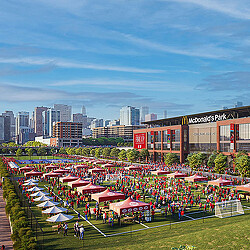
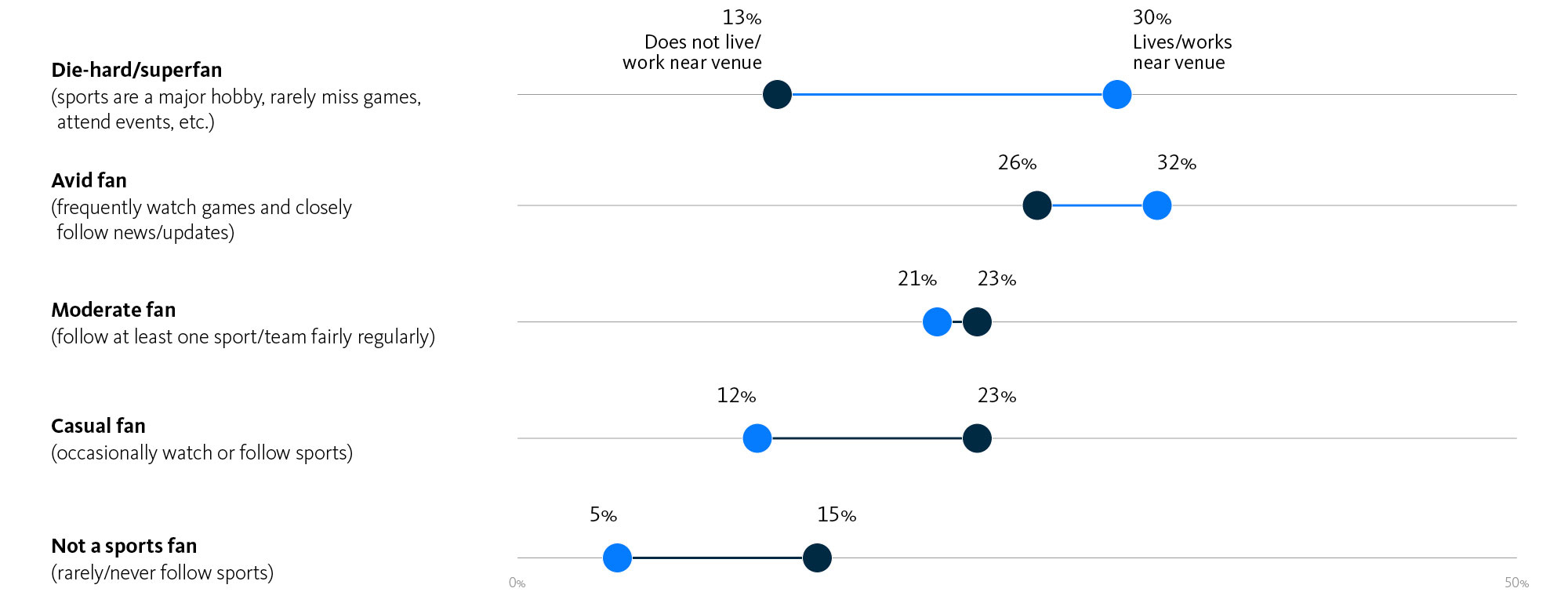
Our research uncovered that people who live or work near a sports venue are more than twice as likely to describe themselves as superfans as those who don’t. Whether proximity creates fanhood or fans are actively choosing to live near the home team, the stadium can be an epicenter of community. It’s a win-win situation, and one that has major implications for the composition of a mixed-use district.
How would you describe your level of fandom?
Community is created in the public realm.
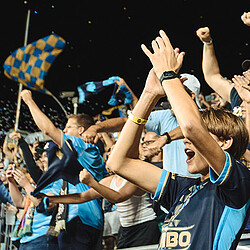
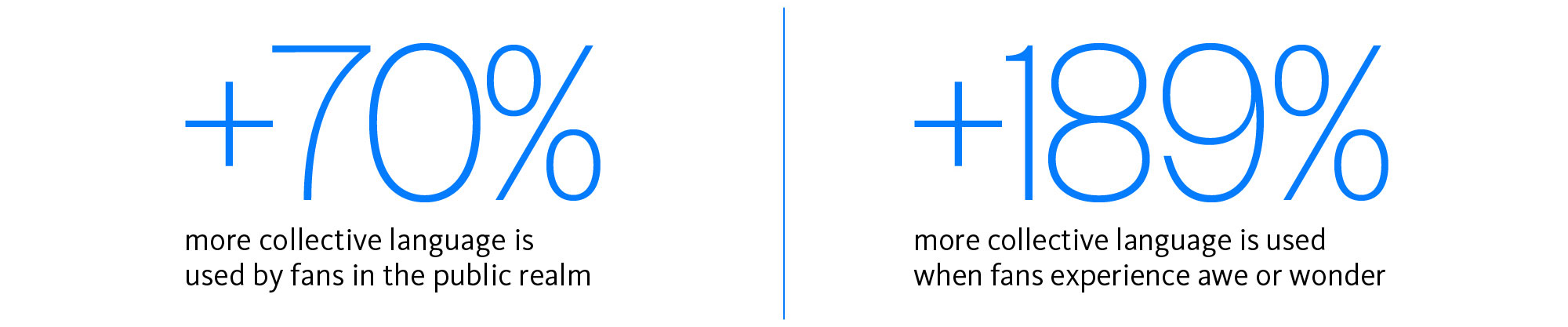
During the World Cup, our Voice of the Fan social listening analysis revealed that fans used collective language (“we,” “our,” “us”) 70% more often when posting from the public realm than from inside the bowl. When posts included language like “goosebumps,” “unreal,” or “electric,” collective language rose 189%, regardless of where fans posted. In other words, when awe meets public space, the result is belonging. This pinpoints exactly where and how design can bond people to place and to each other by creating collective effervescence, the bigger-than-yourself energy generated when a group shares an intense experience.
Collective effervescence creates demand.
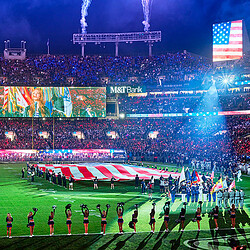
Our post-tournament survey showed that the World Cup atmosphere was a powerful force. It enlivened host cities. It was the top reason for attending a match. It attracted people who aren’t soccer fans, and it inspired interest in attending future sporting events. The feeling created by participating in a collective experience was so strong that it even caused FOMO: 51% of respondents who did not watch in a group setting wished they had. People loved what it did for their cities, and now they want more.
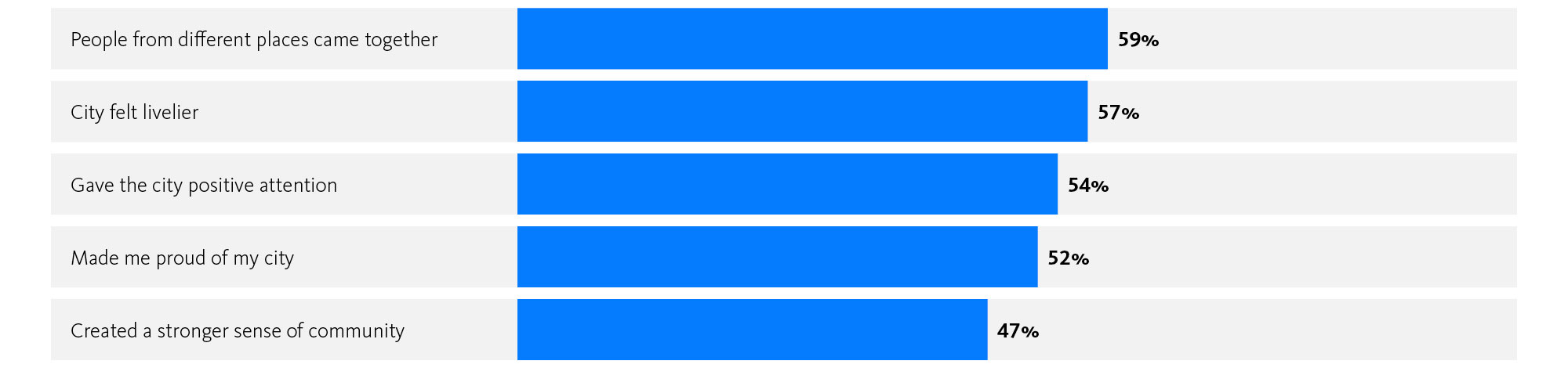
What made the event feel positive?
We started this experiment with a lot of questions: How do we win the competition with the couch? Can stadiums become the new town square? Did the World Cup have an impact? Underneath it all, we were really asking the biggest question of all: Does design matter? The answer is yes, and we have the data to prove it.
Download our report, The Fandom Effect: Sports Urbanism 2026, to see how sports, cities, and design work together to create the shared experiences that keep people coming back, on game days and beyond.
For media inquiries, email .