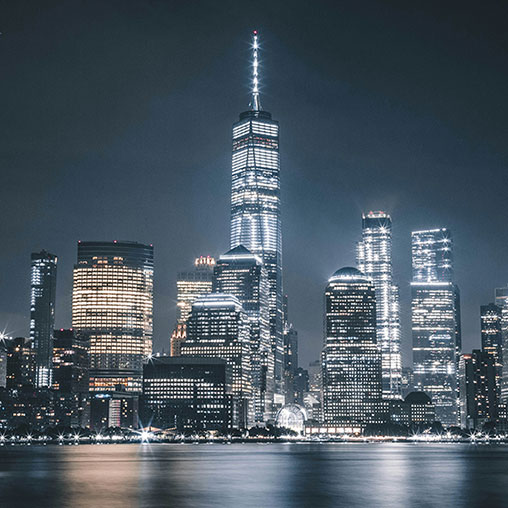
The Rise of the Nighttime Sports Economy
Sports are moving later, creating new opportunities for stadiums and surrounding districts to extend the fan experience, activate public space, and capture value after dark.
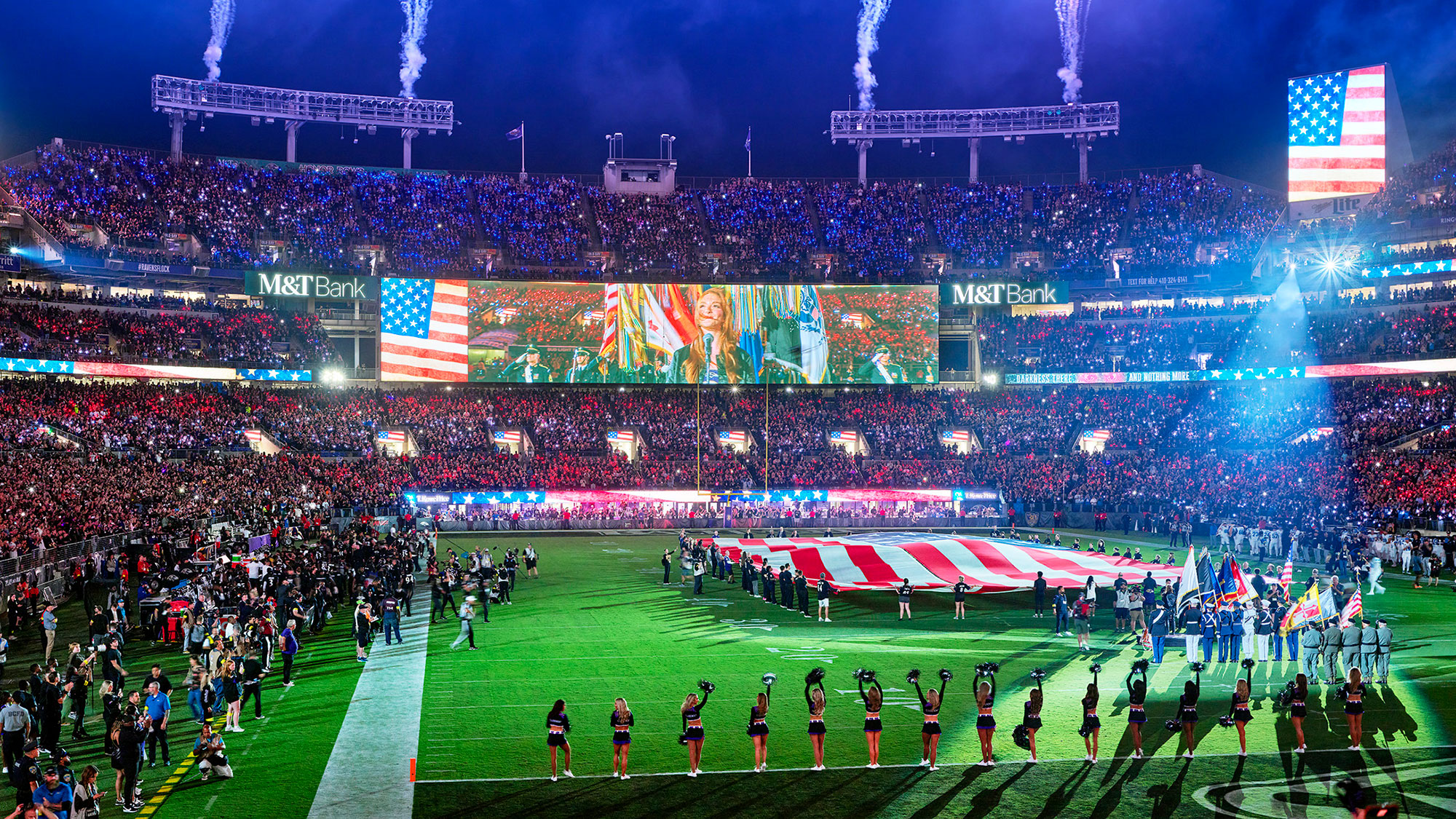
The final whistle is coming later, and the opportunity around it is growing.
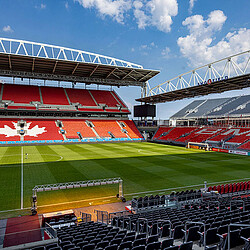
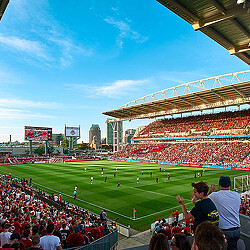
At the 2026 U.S. Open, evening sessions began at 7 p.m. throughout much of the tournament, with some matches stretching well into the night. From tennis to soccer, major sporting events are increasingly moving into the cooler evening hours, changing not only when fans experience the game, but how they experience the places around it.
As sports move later, the hours before and after competition become increasingly valuable. Fans arrive early to eat and socialize, gather in public spaces, watch other events, and explore the surrounding district. When the final whistle or match point arrives later at night, there is less reason for that activity to end with it.
When the game moves later, the value of the place around it extends later, too. Stadiums, arenas, and their surrounding districts are becoming destinations after dark, creating a new nighttime sports economy built around activity before, during, and after the event.
Why Sports Are Moving Later
Several forces are pushing sports into the evening. In many markets, rising temperatures are making cooler nighttime hours more attractive for athletes and fans. At the same time, global competitions are serving audiences across multiple time zones, making scheduling a consideration for both live attendance and viewership. During the 2026 FIFA World Cup, for example, FIFA distributed matches across evening and late-evening kickoff windows in cities like Dallas, Houston, and Miami to reduce heat stress on players and fans, while optimizing broadcast reach across North America. Fans also increasingly expect sporting events to offer more than the competition itself.
Gensler’s research reinforces the value of extending that experience. Our 2026 City Pulse study found that after-hours activation is the strongest predictor of perceived downtown vibrancy, while time spent in a district is a stronger indicator of a great experience than visit frequency.
Sports are particularly well-positioned to capitalize on this shift. A major event already gives a district something cities and developers often struggle to create: a powerful reason for people to gather at the same place at the same time. Gensler’s 2026 sports research found that three out of four respondents seek out events based on the area surrounding the venue, while more than half said a strong neighborhood identity, family activities, or a larger entertainment district could make them more likely to purchase a ticket.
As competition moves later, the design challenge becomes clear: how can the stadium and its surrounding district turn more hours of activity into more reasons to stay?
Designing for the Hours Around the Game
Before the game: Make arrival a part of the event.
The stadium should not be the first destination of the evening. Restaurants, cafés, retail, public plazas, and entertainment can turn arrival into part of the experience, giving fans reasons to come early and spend more time in the district.
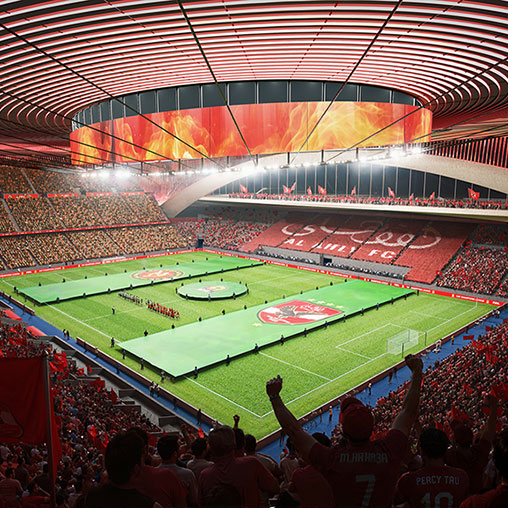
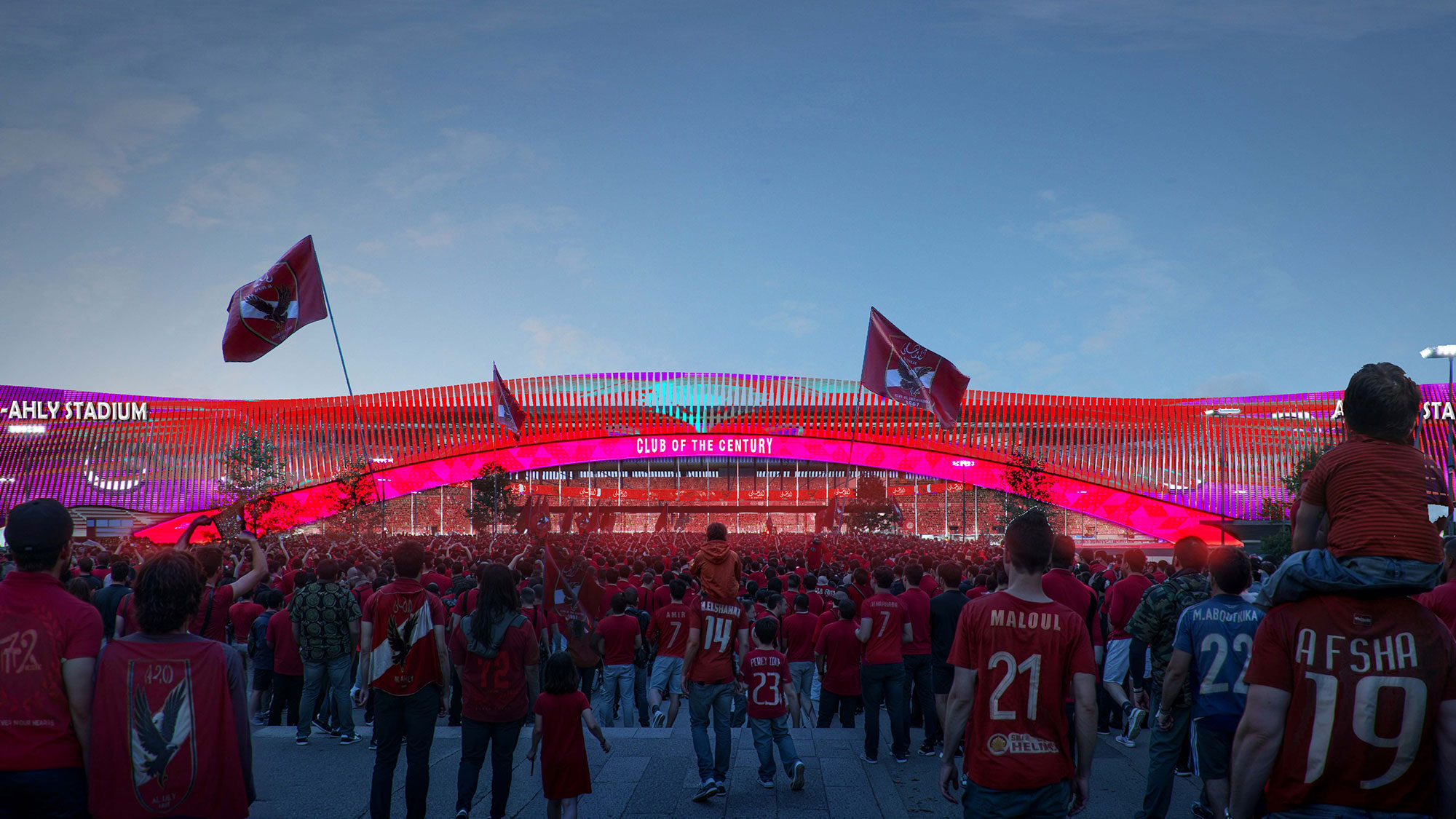
At the Al-Ahly Stadium in Cairo, Egypt, the Owners’ Plaza extends the experience beyond the bowl with cafés, social spaces, a team shop, and the Al-Ahly Museum. The plaza is designed as a year-round fan destination, generating activity and revenue on non-matchdays through retail, food and beverage, and cultural programming.
During the game: Let the venue perform after dark.
Once the event begins, the stadium itself becomes part of the nighttime experience. Architecture, lighting, digital media, hospitality, and views all take on greater importance after dark. The strongest nighttime venues use these elements together as part of the experience itself.
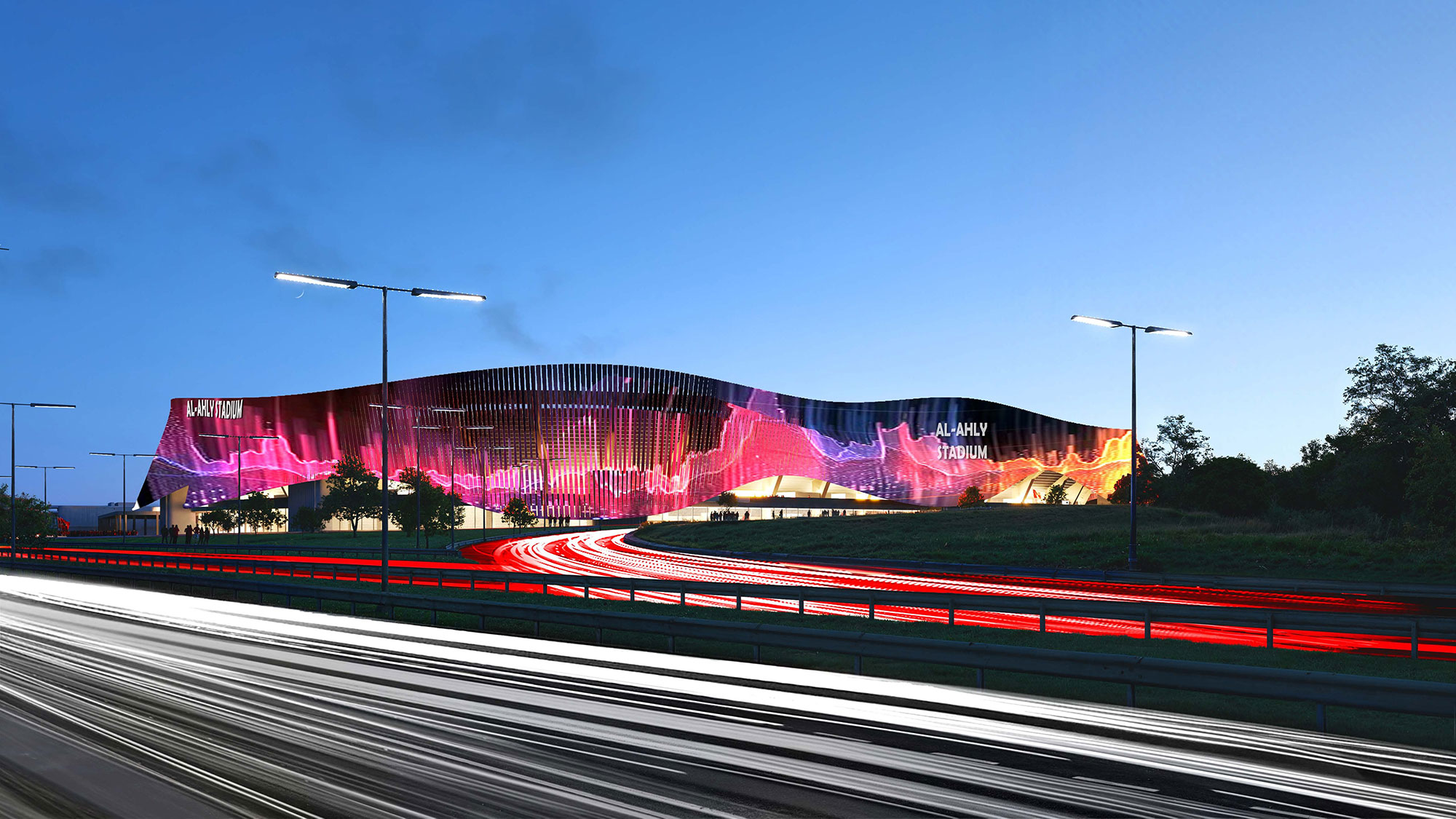
At Al-Ahly, an illuminated roof and digital façade create opportunities for projections, graphics, and other nighttime displays, transforming the venue into both a place to watch the competition and a visual landmark within the city.
After the game: Extend the experience.
The final whistle should mark a transition, not a closing time. When restaurants, entertainment venues, public spaces, and pedestrian connections remain active, patrons have reasons to linger rather than immediately head home.
That extended dwell time can have an economic effect well beyond the venue. A fan who stays for dinner, meets friends for a drink, watches another game, or explores the surrounding district represents a longer and potentially more valuable visit.
The opportunity is to design the sports district as an ecosystem, where each experience supports the next and the energy of the game carries into the surrounding city.
Four Design Considerations for the Nighttime Sports Economy
Extending the sports experience into the evening requires more than keeping the lights on.
- Lighting is infrastructure: Lighting establishes identity, guides movement, highlights architecture, and helps create a sense of safety across the district. The strongest nighttime environments use lighting to make the journey between the stadium, public spaces, restaurants, and transit feel like part of the experience.
- Public space becomes economic infrastructure: Plazas and gathering spaces can absorb crowds, host programming, support surrounding businesses, and give fans somewhere to continue the experience after leaving their seats. Rather than treating public space as an amenity around the stadium, nighttime sports districts can use it as an active part of the event ecosystem.
- Mobility becomes part of the experience: When a game ends late, getting home becomes part of the fan experience. Well-lit pedestrian routes, intuitive wayfinding, transit connections, rideshare areas, and micromobility options can help move people safely and comfortably through the district. The experience should not end at the stadium exit or become a bottleneck at the curb.
- Programming sets the rhythm: Architecture establishes the framework, but programming creates the rhythm. Live music, watch parties, food and beverage, cultural events, esports, and other activities can give people reasons to stay longer and return on non-game days. The goal is to create an environment where sporting events are one part of a broader nighttime destination.
From Stadium to District
The nighttime sports economy ultimately shifts the focus from the stadium to the district. A venue may anchor the experience, but the surrounding mix of uses determines how long it lasts.
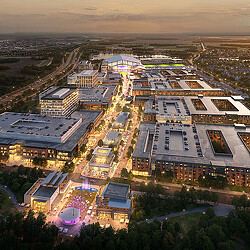
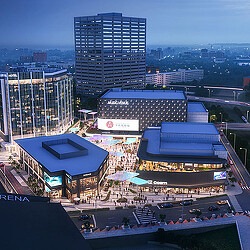
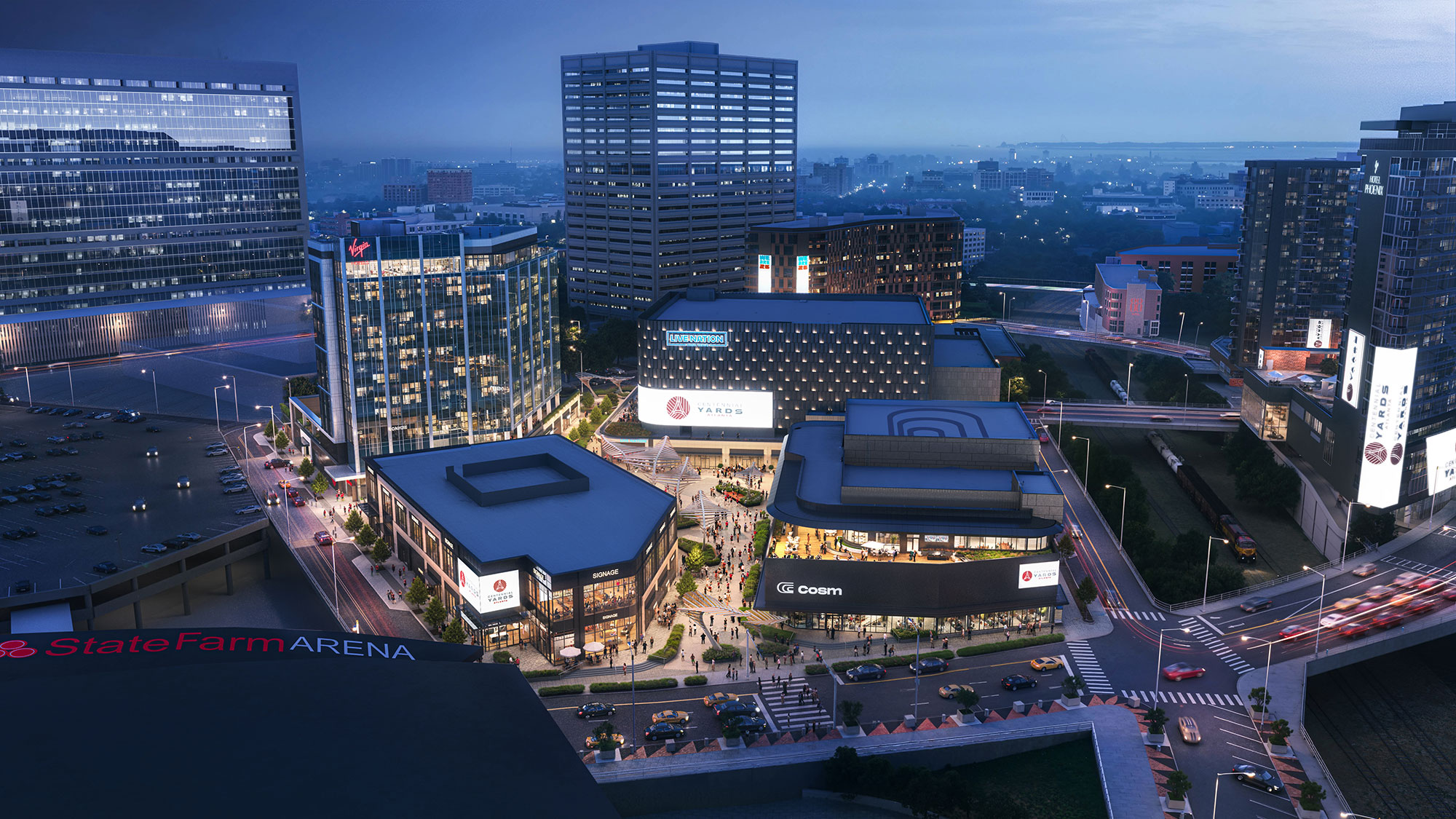
Centennial Yards Entertainment District in Atlanta shows the model at work. The mixed-use entertainment district brings together public spaces, hospitality, residential, retail, and entertainment uses around a pedestrian-centered environment. Its Cosm venue — featuring an 87-foot, 12K+ resolution LED dome display — uses immersive technology to bring audiences closer to live sports and entertainment without requiring a traditional stadium experience. Together, the district and venue create multiple reasons to visit and return, extending activity beyond individual game days.
Not everyone in the district needs a ticket. A fan might watch a game at Cosm, meet friends for dinner, continue to a concert, or simply gather in a public space. The game creates the draw; the district creates the reasons to stay.
The Game May End, but the Economy Doesn’t Have To
Warmer climates, global audiences, shifting broadcast schedules, and changing expectations for live events are all pushing sports later into the night. That shift is an opportunity to rethink what surrounds the game.
The sports destinations of the future will be defined by more than what happens inside the stadium. The anticipation before the game, the energy around it, and the reasons to stay after it will be equally important. When the game moves later, so does the value of everything around it. The final whistle may end the competition, but in a well-designed district, it starts the next chapter of the night.
For media inquiries, email .