How Design Can Advance Diverse Nonprofit Missions
Nonprofits can use architecture and design strategies in campus development to amplify their mission impact and operational excellence.

In recent years, a growing number of nonprofit organizations have begun investing in campus-style developments — multi-building environments that support both their mission and operational needs. This shift has been spurred by a combination of heightened service demands prompted by rising costs and lack of affordable housing, the need for long-term financial sustainability, and a desire to create more inclusive, community-focused spaces. Yet nonprofits face significant challenges. Limited funding, evolving program models, and pressure to do more with less create a complex environment for development.
Architectural and interior design for nonprofits in these contexts becomes a tool for healing, growth, and inclusion. It’s not just about form and function; it’s about mission alignment. Through thoughtful architecture and tailored methodology, design can help meet nonprofits’ evolving needs and amplify their mission impact.
Empathy in Practice: A Shared Design Approach
Visioning sessions and inclusive campus planning establish a powerful starting point for nonprofit projects. They help align design decisions with the organization’s mission, ensure stakeholder voices are heard early, and lay the foundation for spaces that truly support impact and community. Engaging participants in the planning process and listening to stakeholders is essential to shaping spaces that feel safe and empowering.
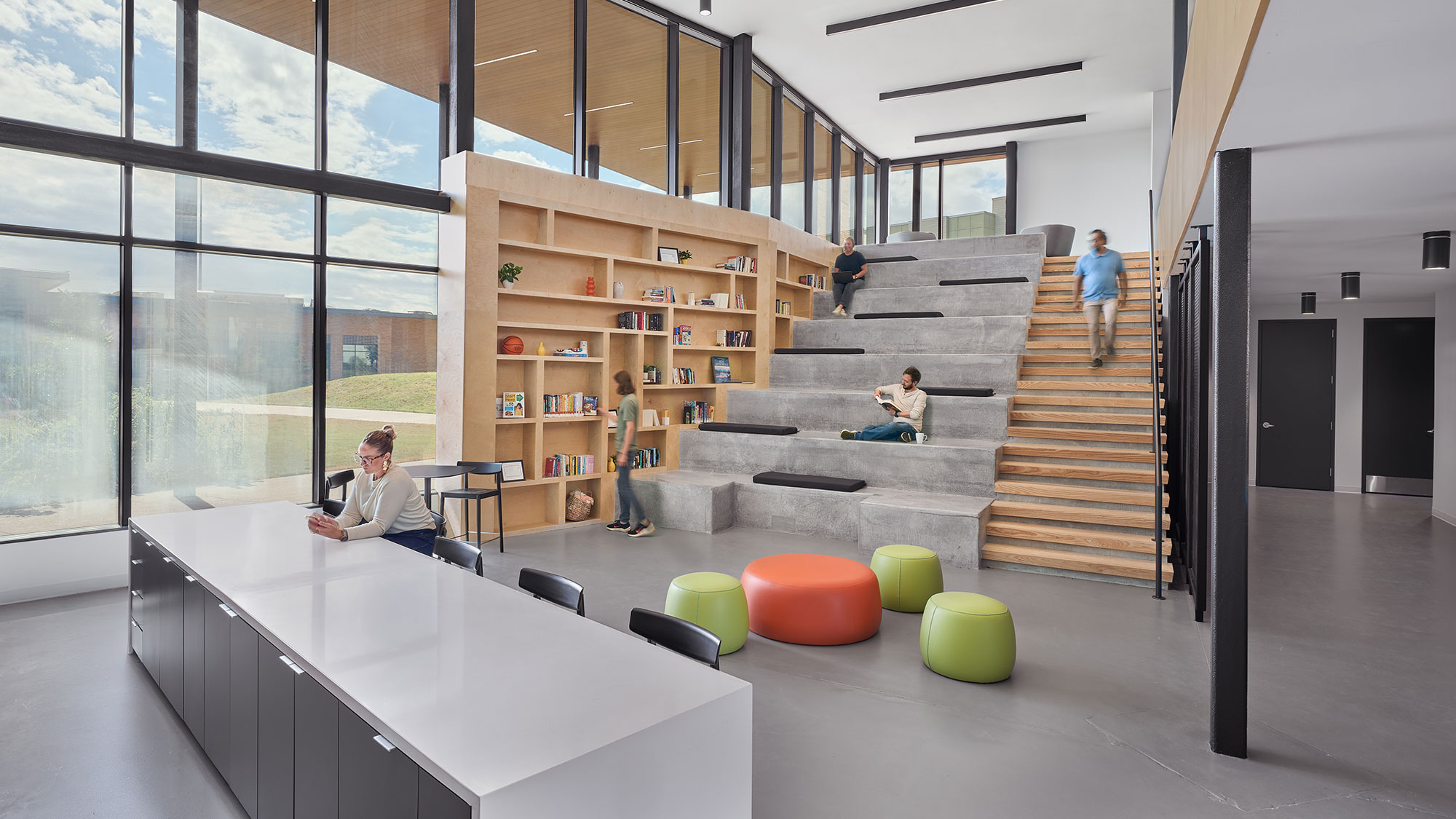
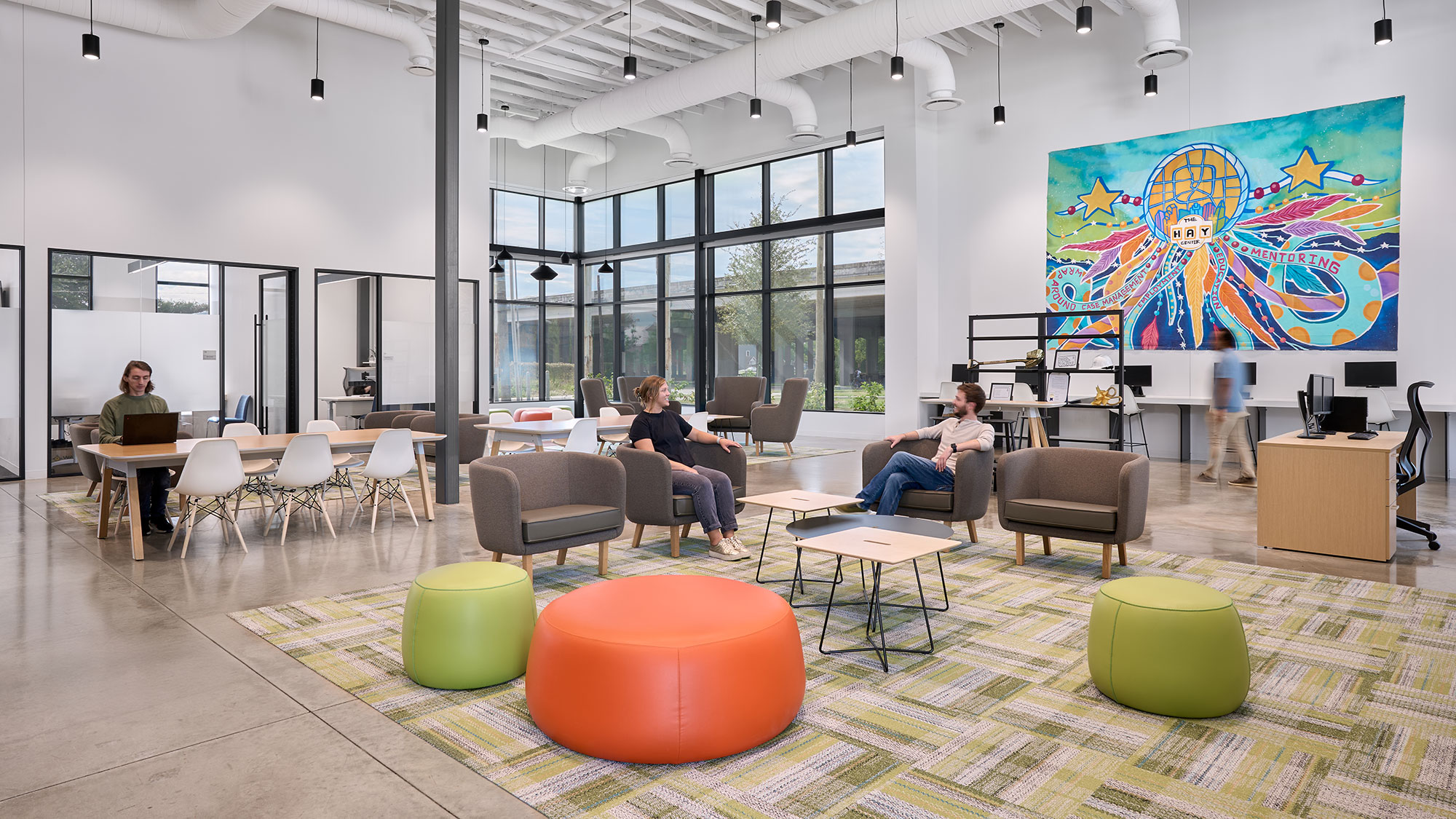
At The HAY Center in Houston, which serves foster youth transitioning into adulthood, the design process began with listening. Youth participated in visioning sessions, sharing what “home” meant to them. Their input shaped everything from the layout of residential units to communal spaces. The design team discovered valuable insight when a young person described receiving a key to their own apartment as a symbol of independence. That knowledge led to a design that emphasized personal agency. Private entries, flexible furnishings, and shared amenities encourage community without compromising privacy.
Community Integration and Connectivity
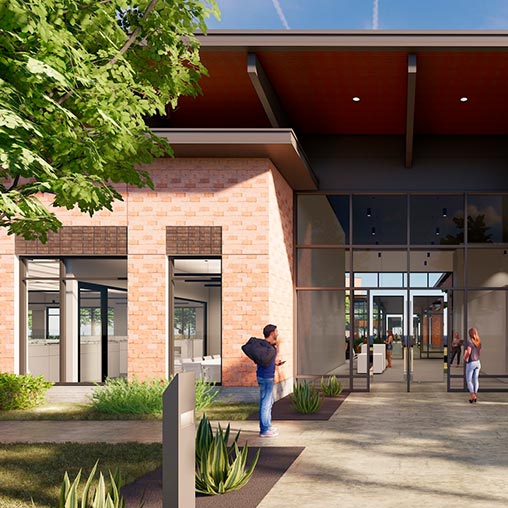
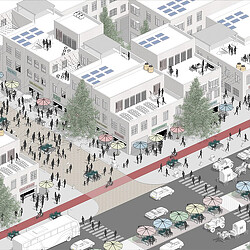
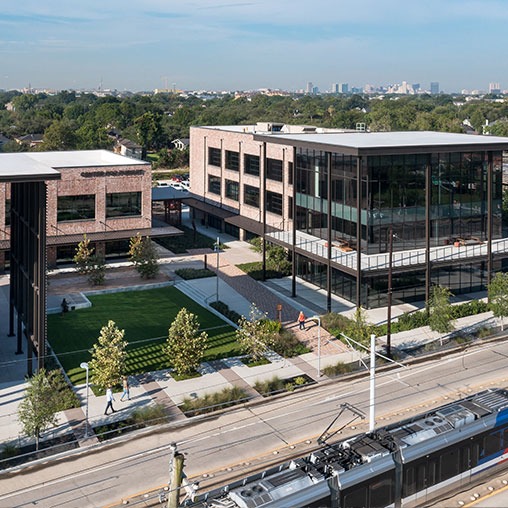
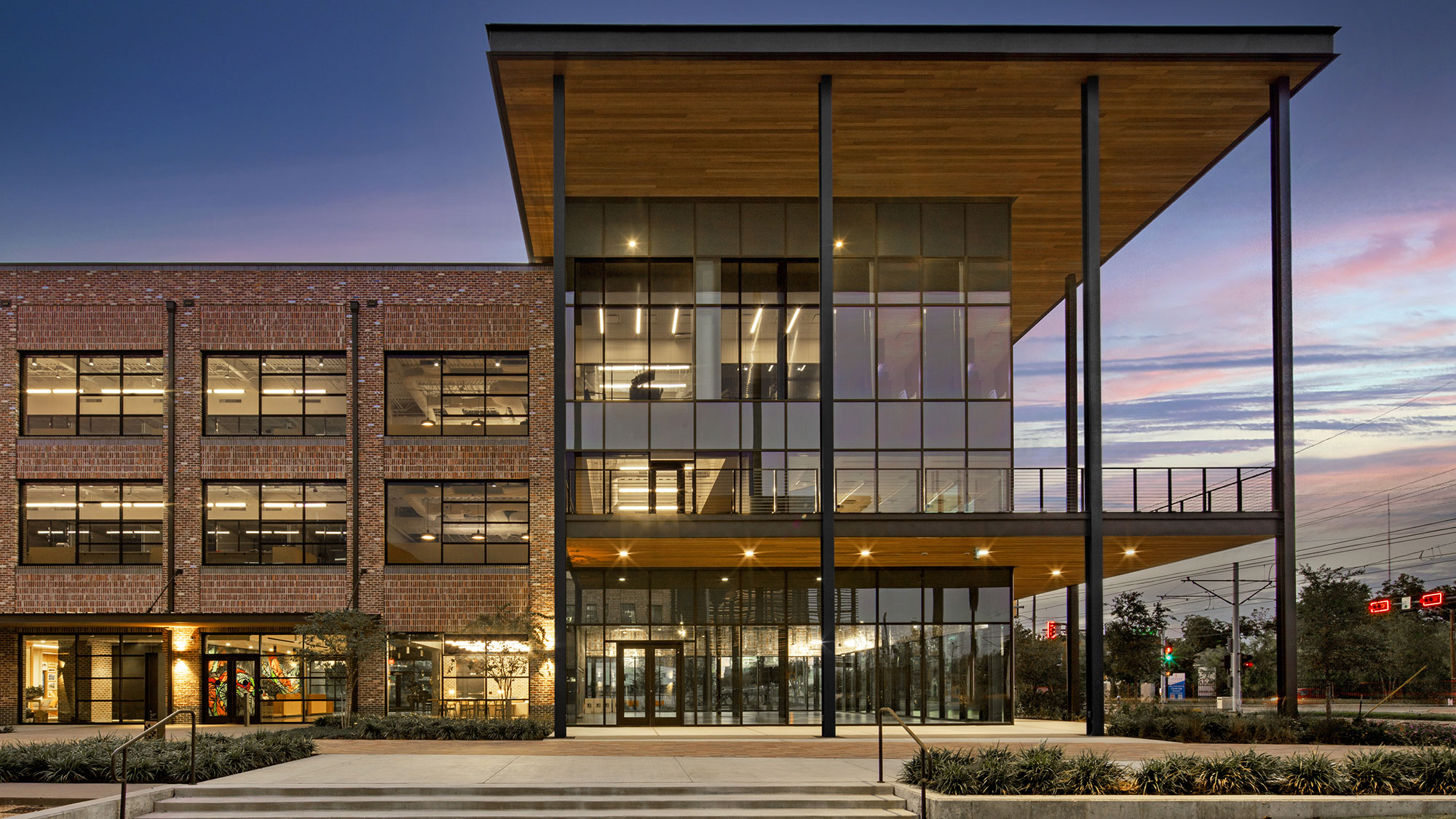
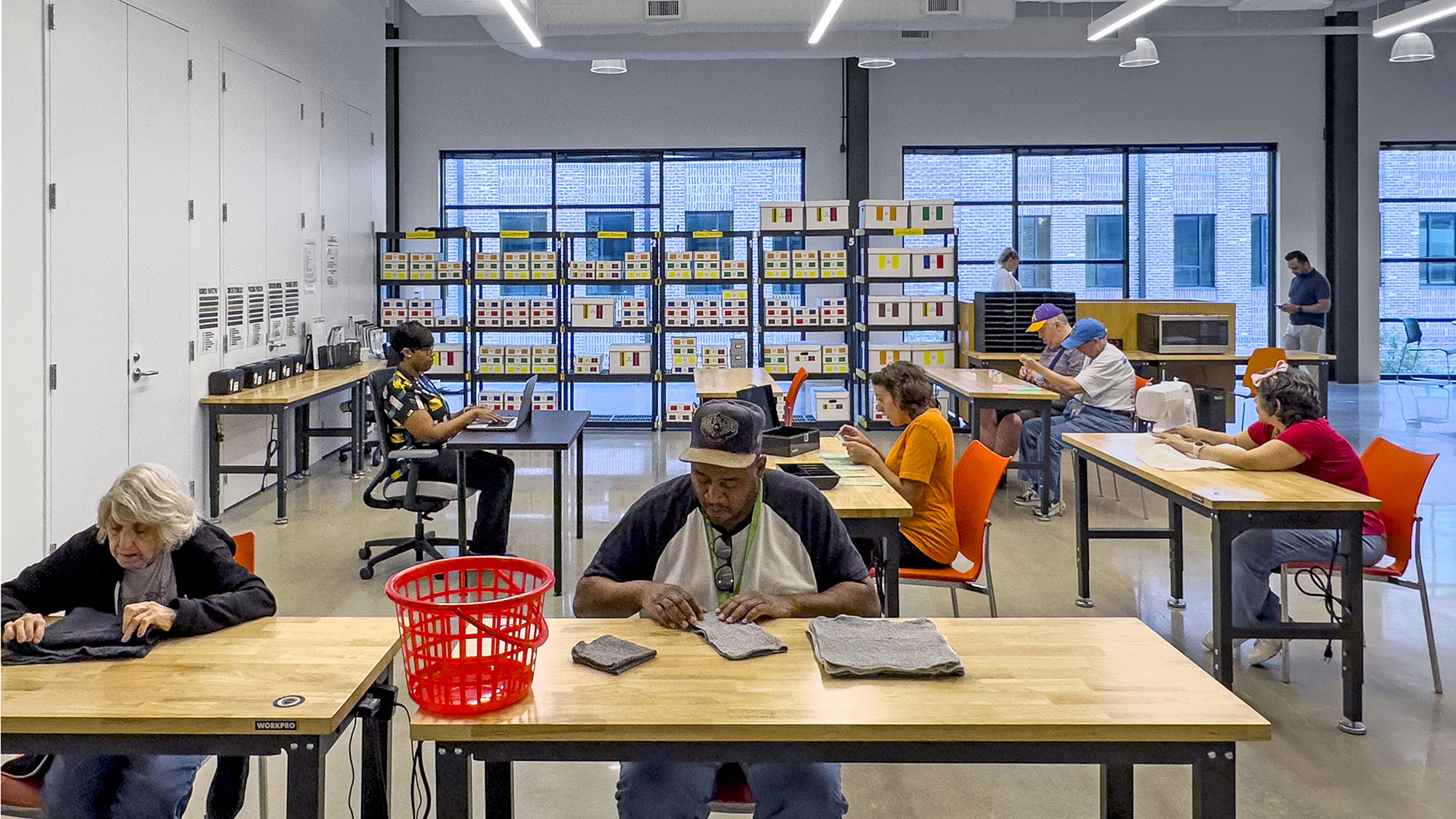
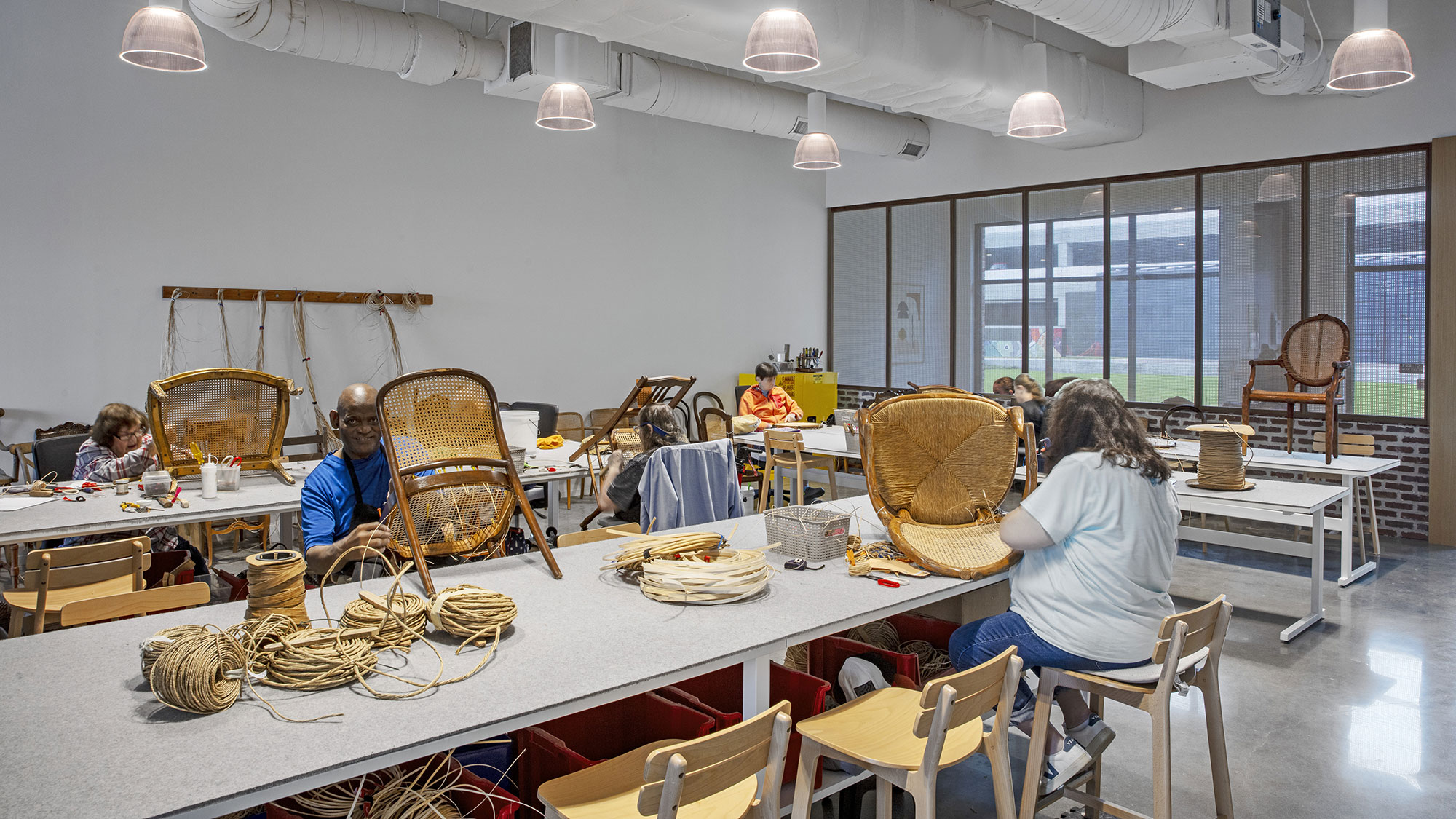
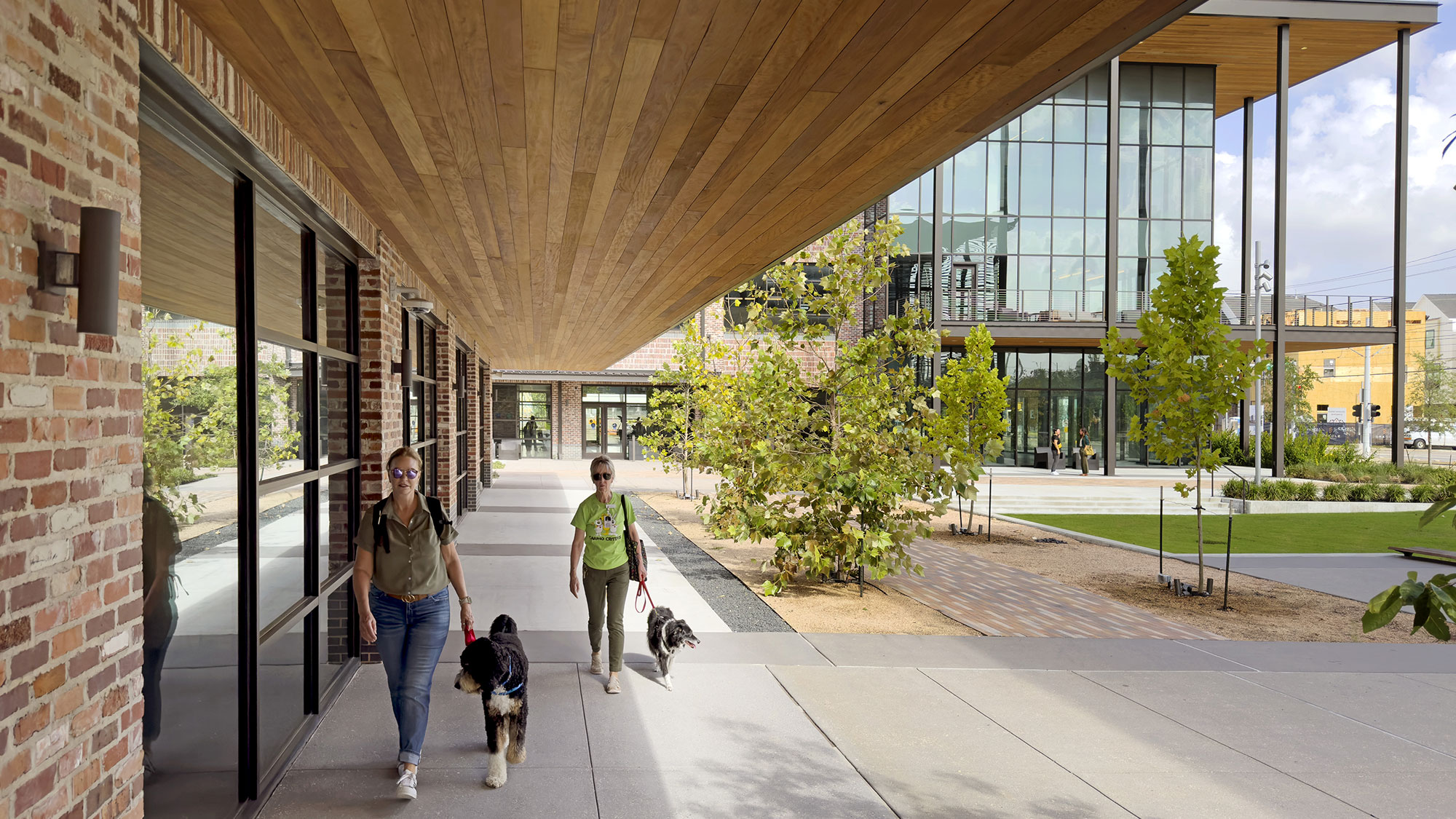
Nonprofit campuses thrive when they connect with their surrounding communities. At the Pursuit Center in Houston, which supports individuals with intellectual and developmental disabilities (IDD), the design embraced mixed-use programming to foster inclusion. Public green spaces, retail storefronts, and vocational training facilities invite neighbors to engage with the campus, not just as visitors, but as participants.
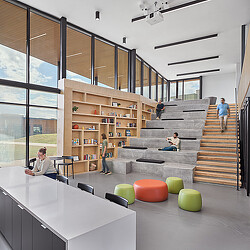
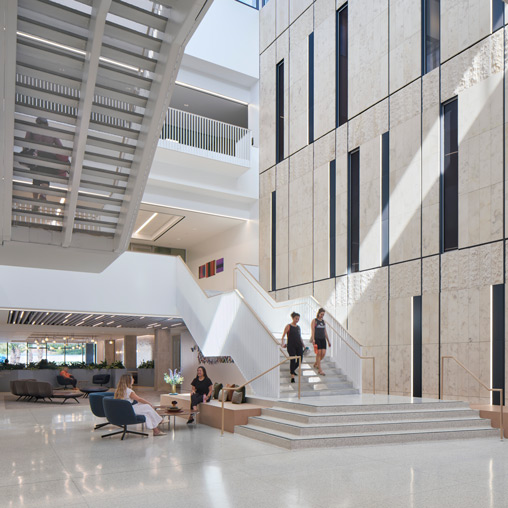
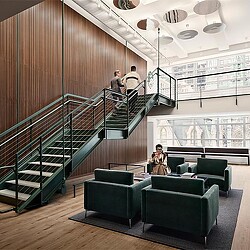
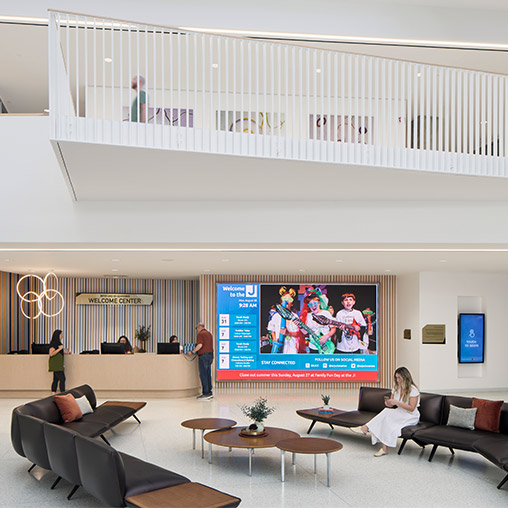
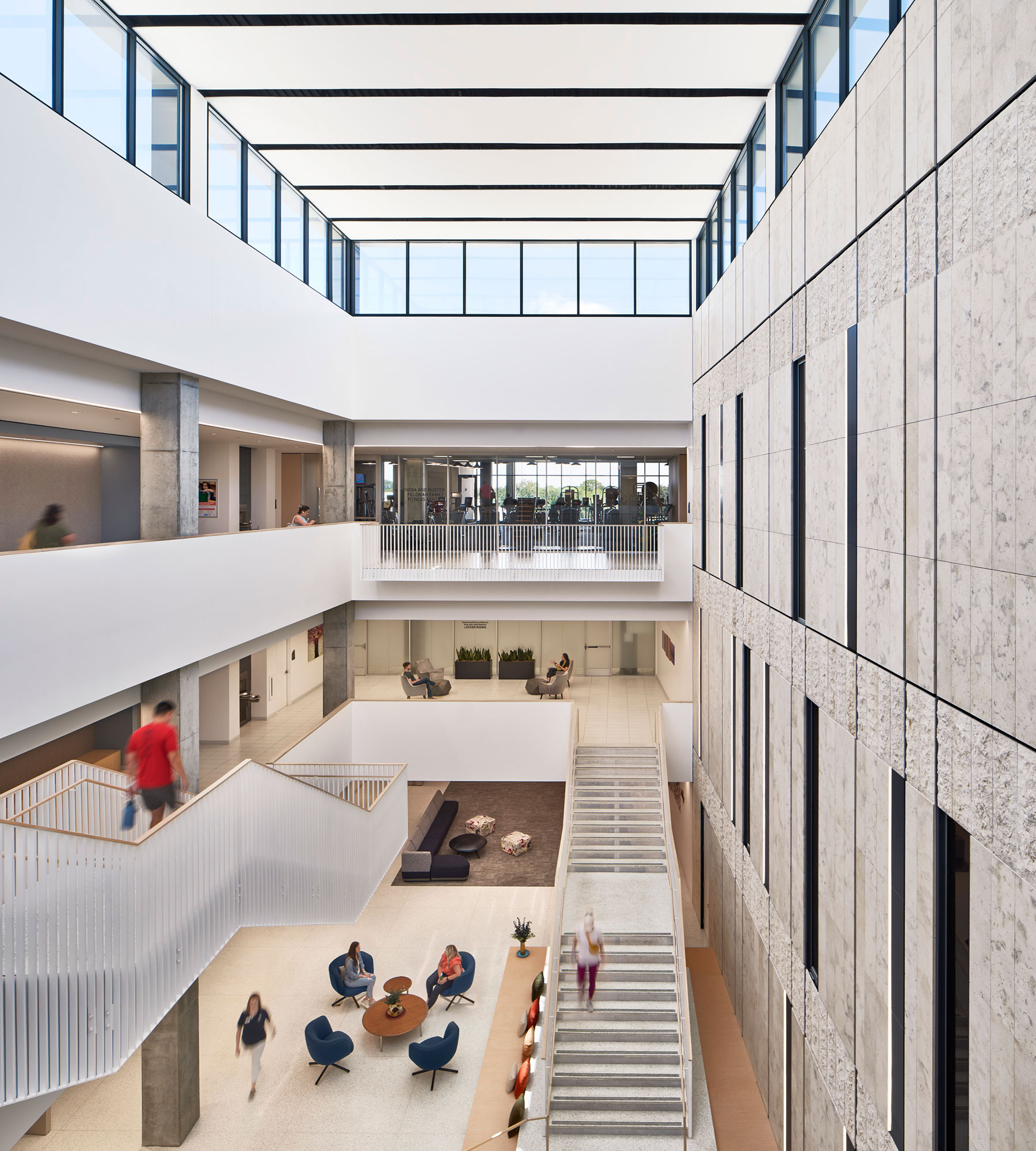
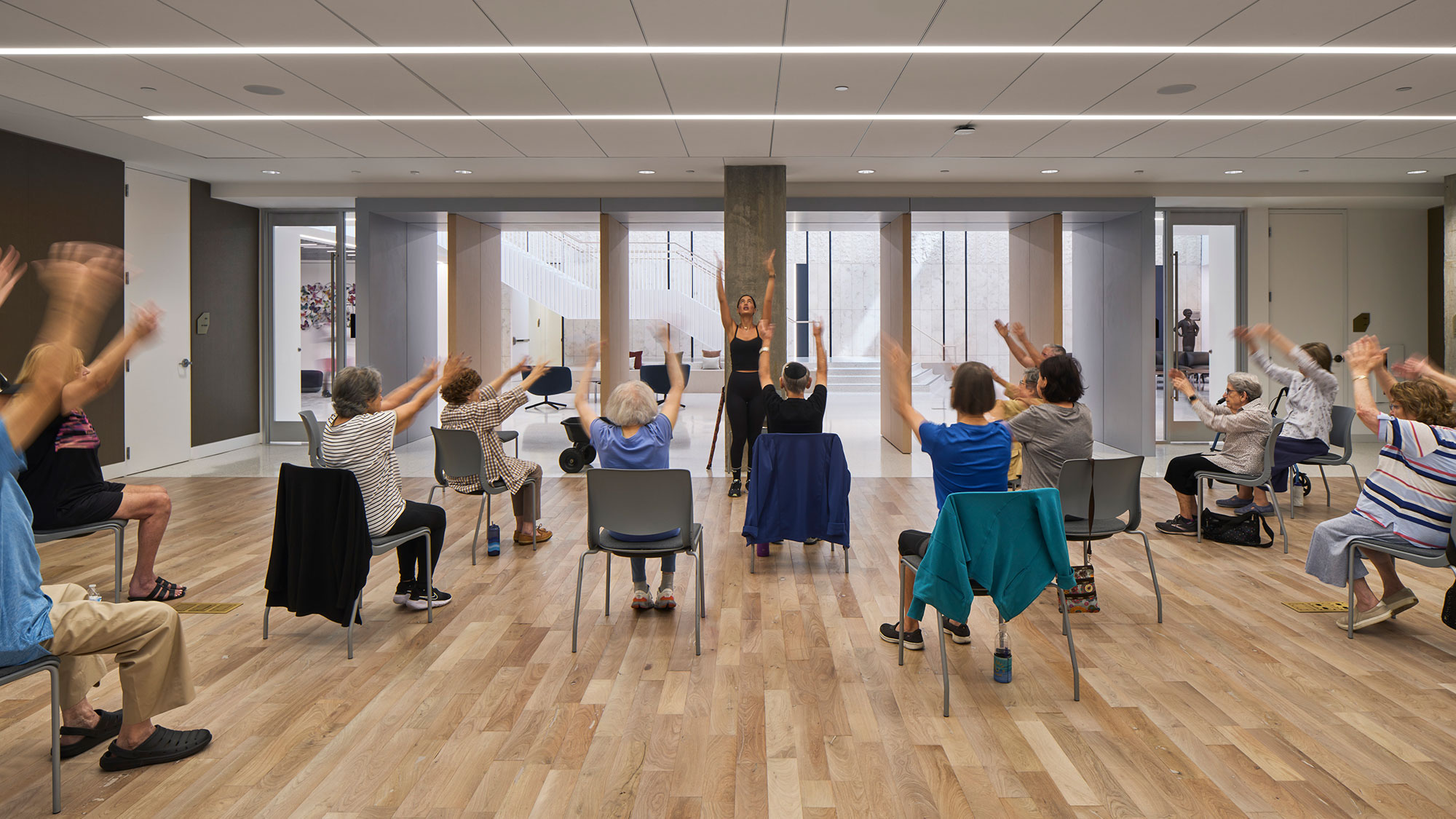
The Evelyn Rubenstein Jewish Community Center (JCC) of Houston exemplifies this approach through its recent campus transformation, which reimagined a fragmented and outdated facility into a cohesive, welcoming environment. By integrating features like a light-filled atrium and versatile learning and gathering spaces, the JCC created a campus that fosters inclusivity, wellness, and lifelong learning. These design choices not only reflect core community values but also led to measurable outcomes, including 1,300 new household memberships, a 20% rise in facility rentals, and nearly double (1.9x increase) new guests.
This case illustrates how thoughtful, community-centered design can enhance engagement, reinforce identity, and strengthen a nonprofit’s bottom line.
Research-Based Design Strategies Amplify Change
Nonprofit organizations increasingly rely on research-based design strategies to create environments that are not only functional but also transformative. These strategies are grounded in behavioral science, stakeholder engagement, and spatial analytics, ensuring that every design decision supports the mission and enhances user experience.
Trauma-informed design considers how space can support healing through privacy, intuitive wayfinding, and calming materials. At Covenant House Texas, which provides shelter and services for homeless youth, the design team prioritized elements that reduce stress and promote trust. Single-occupant restrooms offer privacy and dignity. Open sightlines in common areas allow staff to monitor activity without being intrusive. Natural light, warm textures, and soft acoustics create a welcoming environment that feels more like a home than an institution.
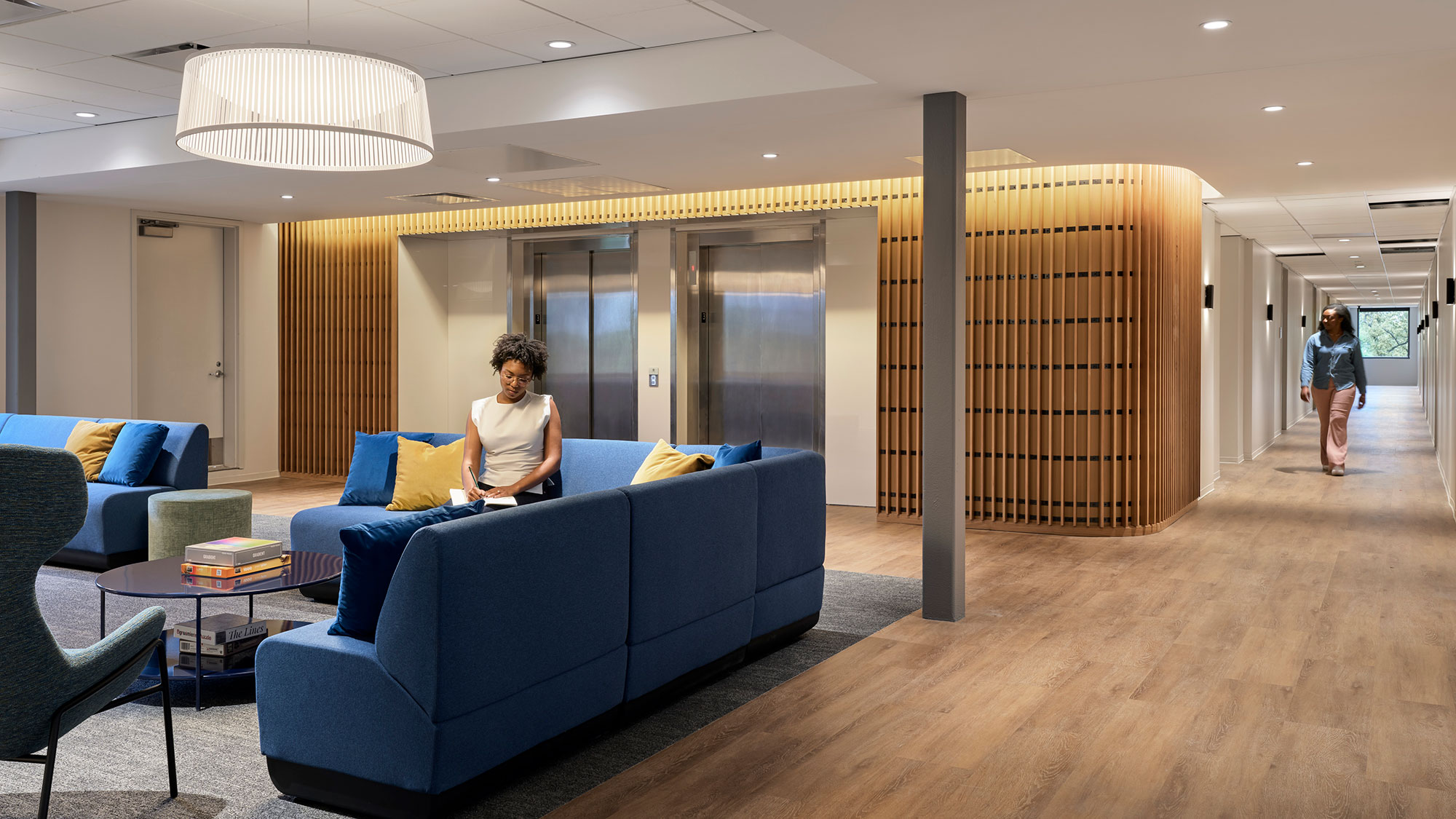
All three projects prioritize holistic wellness integration through spatial design. The JCC’s fitness center is located on the top floor of an expansive staircase to promote movement and physical health, while The HAY Center includes walking trails, fitness rooms, and mental health services. Pursuit Center’s health and wellness building offers medical services to both clients and the public, reinforcing the importance of accessible care.
Research supports the value of flexible, multi-use environments. The HAY Center features multipurpose rooms and flexible classrooms that accommodate changing needs. The Pursuit Center includes pop-up markets, galleries, and vocational training areas that serve both clients and the broader community.
Biophilic design elements, such as courtyards, green spaces, and natural materials, are used to reduce stress and foster connection. The JCC’s redesign enhances natural light and flow, while The HAY Center and Pursuit Center incorporate outdoor courtyards and public greens to promote social interaction and community integration.
Designing for nonprofits requires more than technical expertise; it demands listening, empathy, and a deep understanding of the mission. These projects showcase how architecture can be a powerful tool for social change, especially when it reflects the voices of those it serves.
As we continue to work with mission-driven organizations, we must keep asking: How can design help people feel safe, seen, and supported?
The answer lies not just in the buildings we create, but in the relationships we build, and the stories we honor, through design.
For media inquiries, email .