How Outdoor Living Is Rewriting High-Rise Housing Across Asia and the Middle East
Across the region, a new residential typology is emerging — one that integrates outdoor space as a core driver of performance.
For decades, developers across Asia and the Middle East optimized high-rise housing around a single priority: efficiency. In rapidly urbanizing regions, this model delivers scale, speed, and access to city centers — but often at the expense of a critical dimension of residential life: meaningful outdoor space.
Today, that equation is changing.
The demand for larger, more usable outdoor spaces reflects a structural shift in residential expectations across high-growth urban regions.
The Balcony as Infrastructure
In China and across Asia-Pacific, the rapid expansion of high-rise housing in the 1990s and 2000s prioritized unit yield and construction efficiency. While most apartments technically included balconies, these were often minimized, enclosed, or relegated to service functions.
At the same time, these markets retain deep-rooted traditions of outdoor-adjacent living. Courtyard houses, shaded verandas, and semi-open domestic spaces historically supported daily life through access to light, air, and greenery. As cities densified, this relationship compressed. Over time, this created a disconnect between the provision of housing and residents’ lived experiences.
This shift is redefining one of the most overlooked elements of residential design: the balcony.
In conventional towers, balconies have typically been treated as residual space — an edge condition shaped by façade articulation or regulatory requirements. In contrast, new high-rise models position outdoor space as essential infrastructure, integrated into the building’s architectural and environmental performance.
Designers now embed double-height terraces, sky courtyards, and shared vertical landscapes into the structural and spatial logic of residential towers. These spaces support passive design strategies, such as cross-ventilation, solar shading, and heat mitigation — aligning with broader sustainability and wellness goals.
A Market Shift Driven by Experience
For developers, this transition represents both increased complexity and significant opportunity. Sky courtyard towers require more sophisticated structural systems, environmental coordination, and design integration. Yet they also respond directly to a growing segment of buyers who are seeking quality of life.
Developers increasingly position outdoor space as an “expanded living area,” enhancing perceived value while differentiating projects in competitive urban markets. More importantly, it aligns with a broader shift toward experience-driven housing, where the success of a residential product is defined by how it supports daily life.
This evolution reflects a larger industry shift. As identified in Gensler’s Design Forecast, residential design is moving toward human-centric performance, where buildings are evaluated by how they support physical health, mental well-being, and connection to nature at scale.
Global Typology, Local Expression
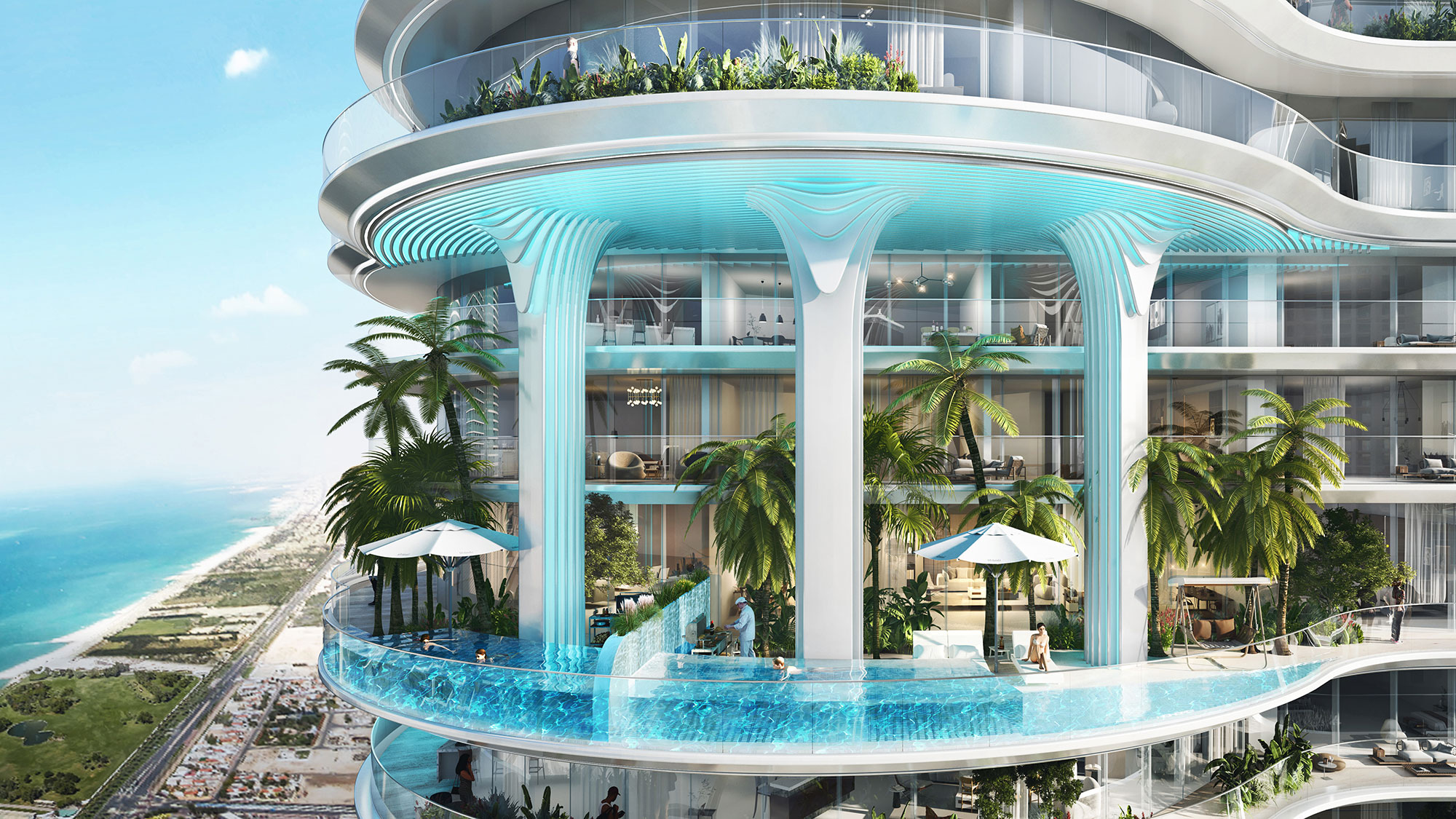
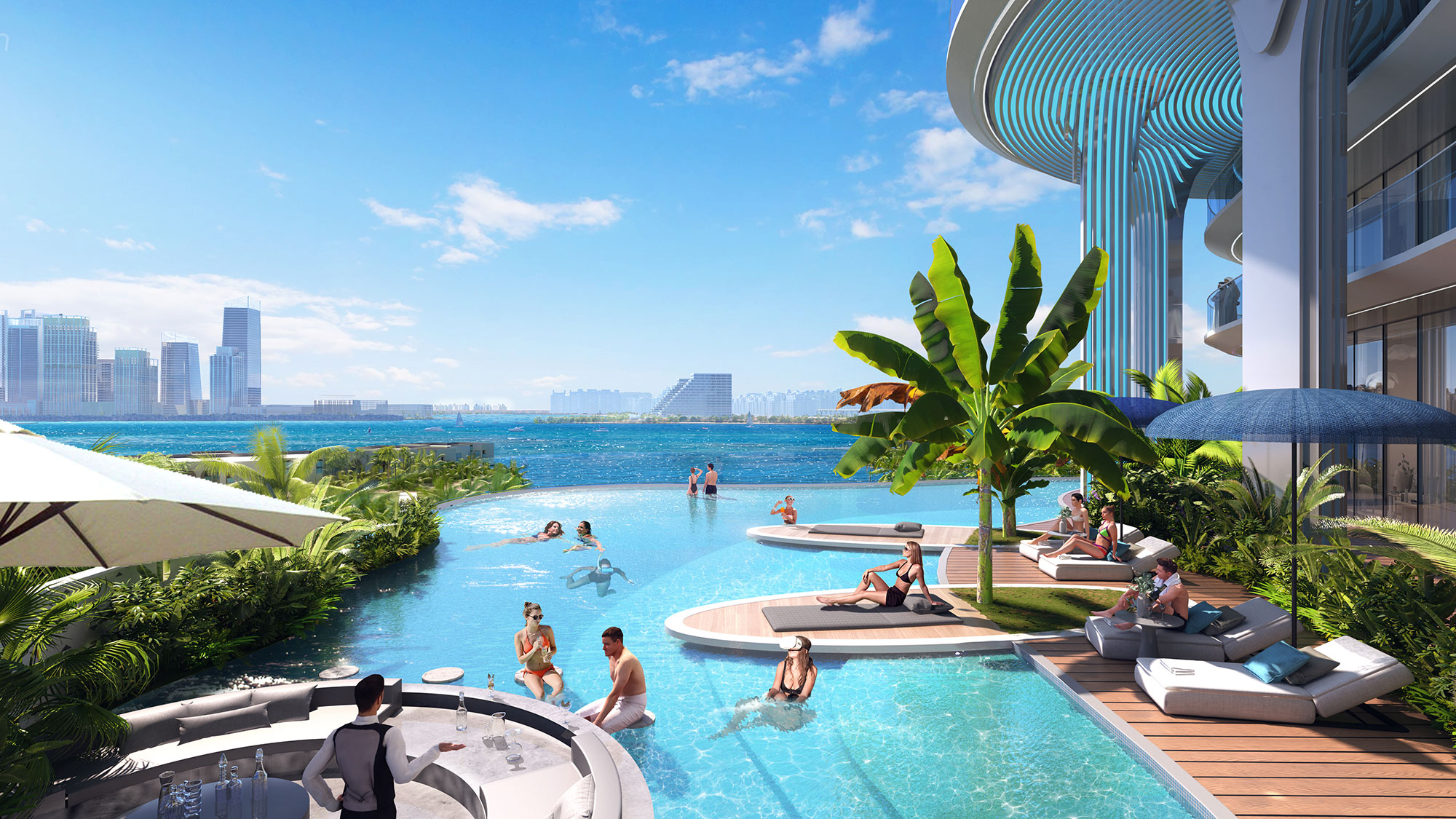
In Asia, sky terraces and vertical gardens respond to dense urban conditions and favorable climates, enabling year-round usability and passive environmental performance. In the Middle East, similar strategies are reinterpreted through the lens of luxury, hospitality, and climate adaptation — integrating water, shade, and landscape into vertical living environments.
Traditional residential typologies in the region are inherently climate-responsive, integrating shaded courtyards, terraces, and passive cooling strategies to enable outdoor living even in extreme conditions. However, many contemporary high-rise developments have shifted toward sealed glass towers, where outdoor space is visually present but functionally limited.
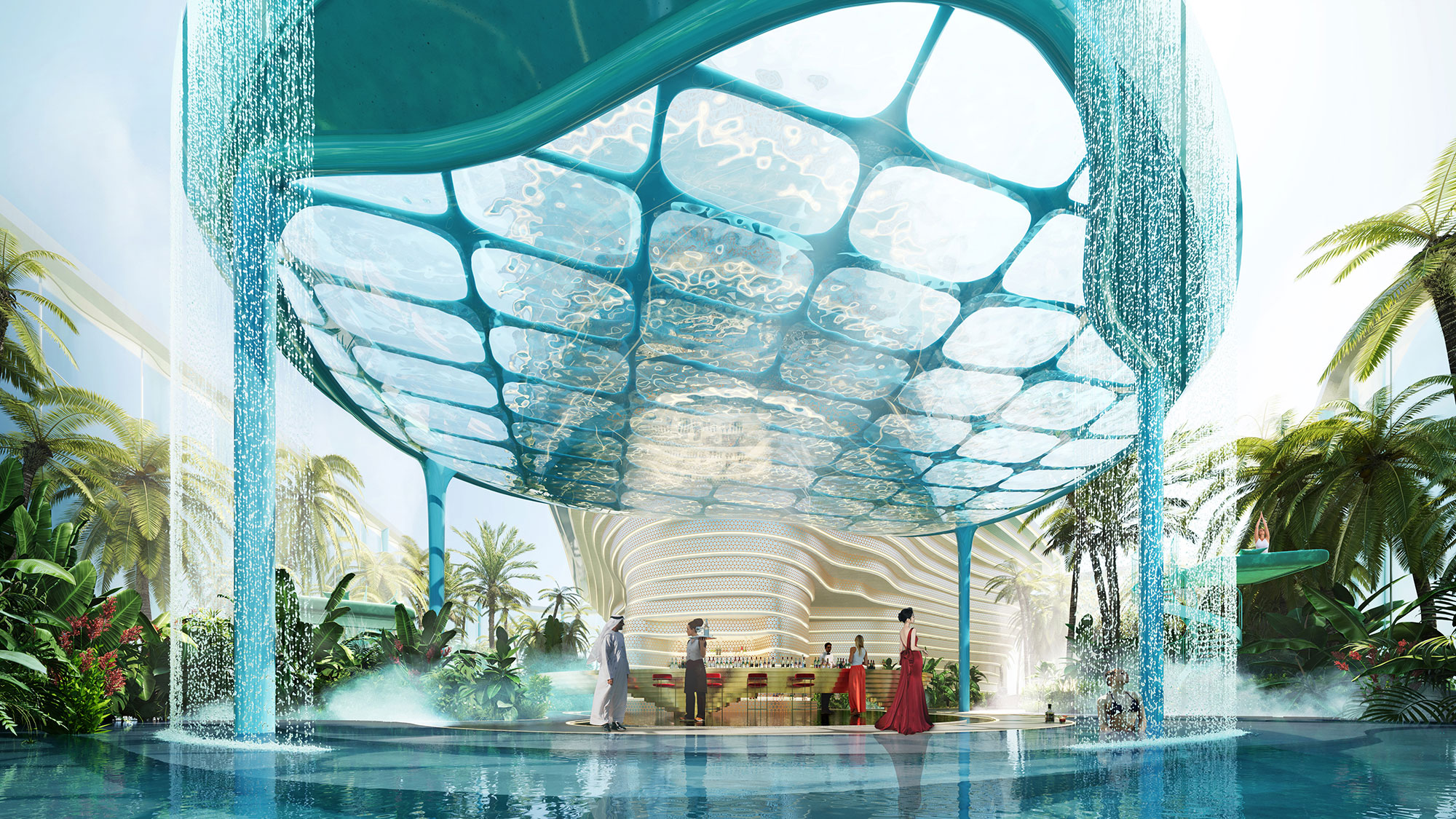
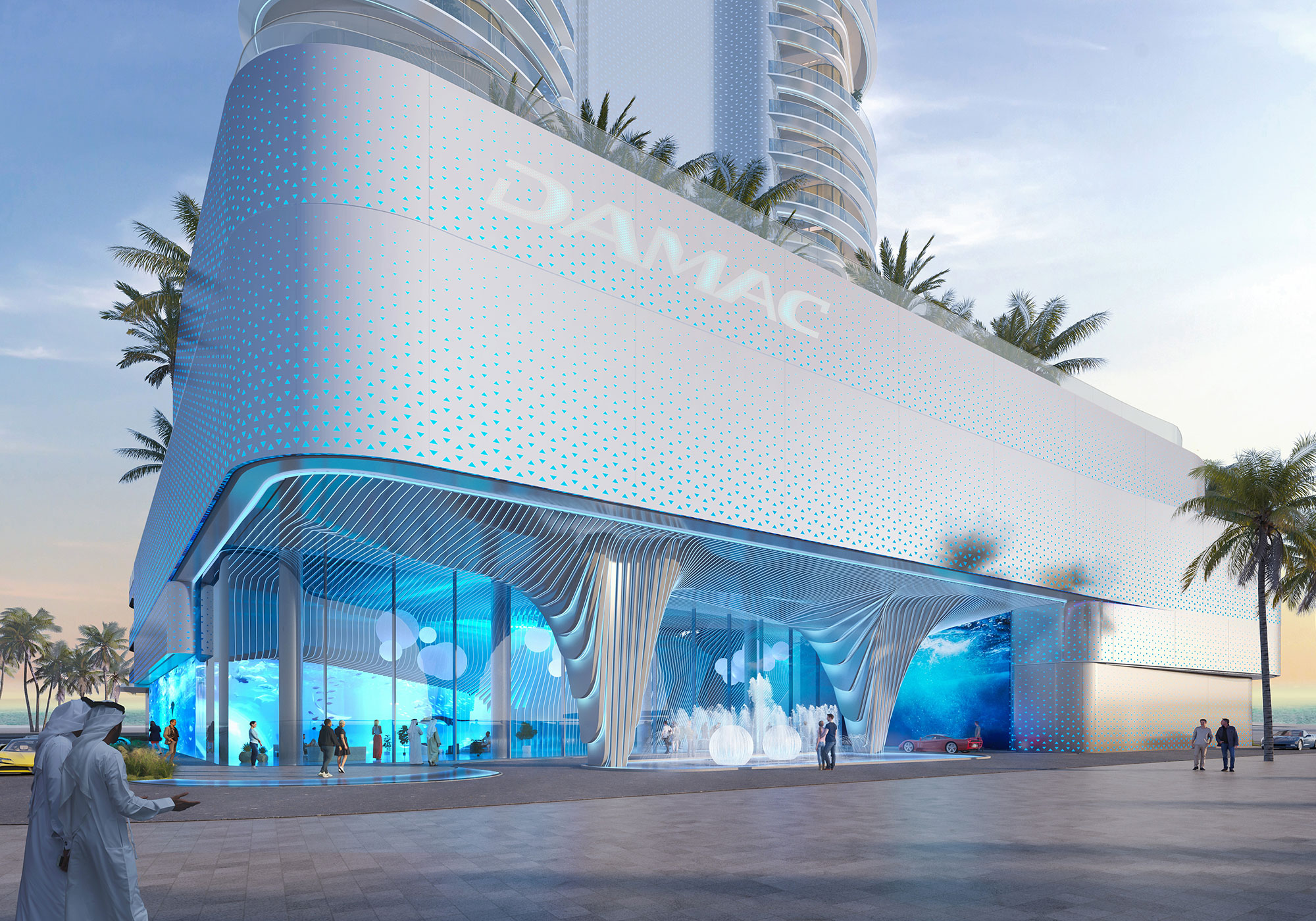
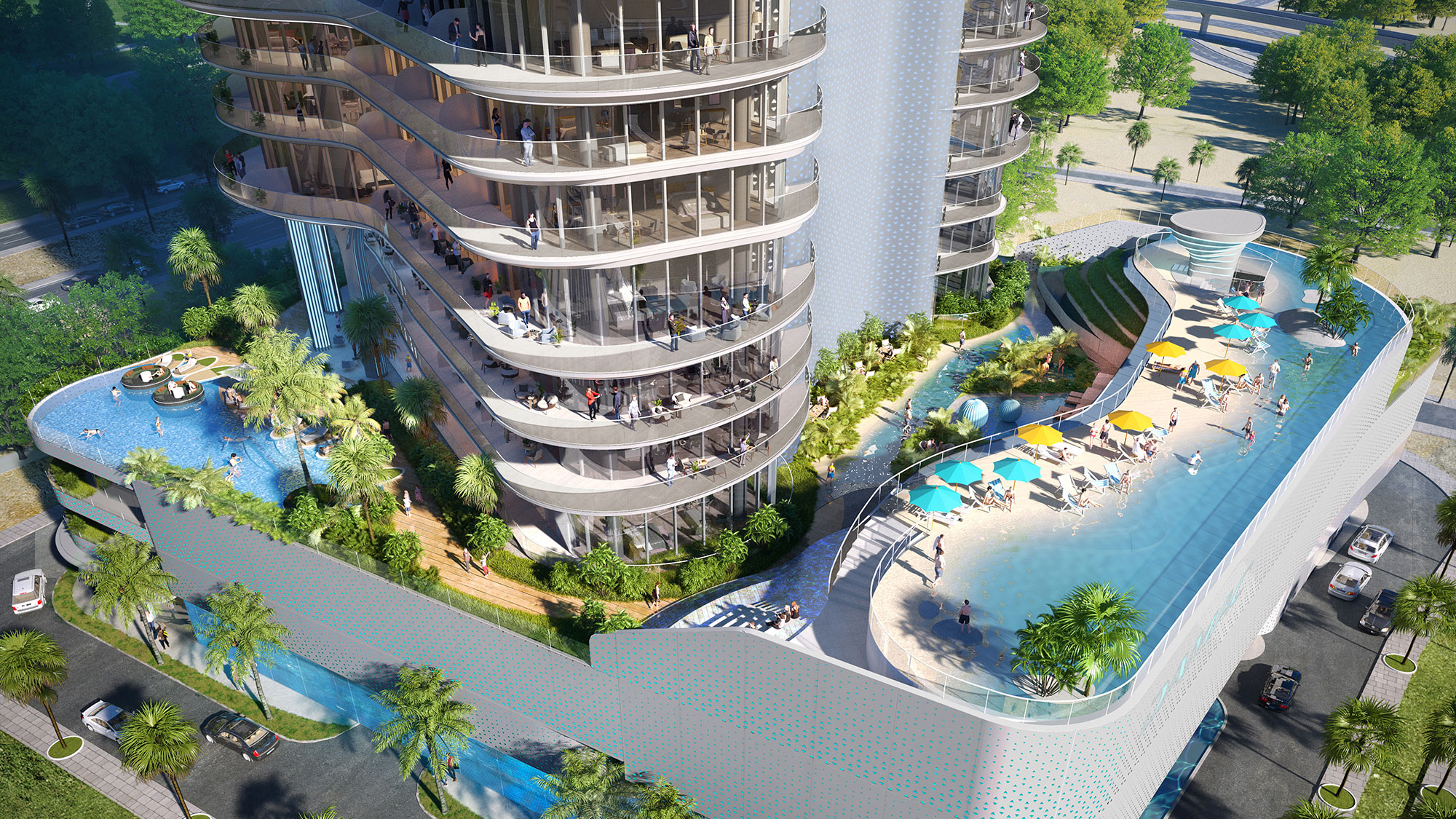
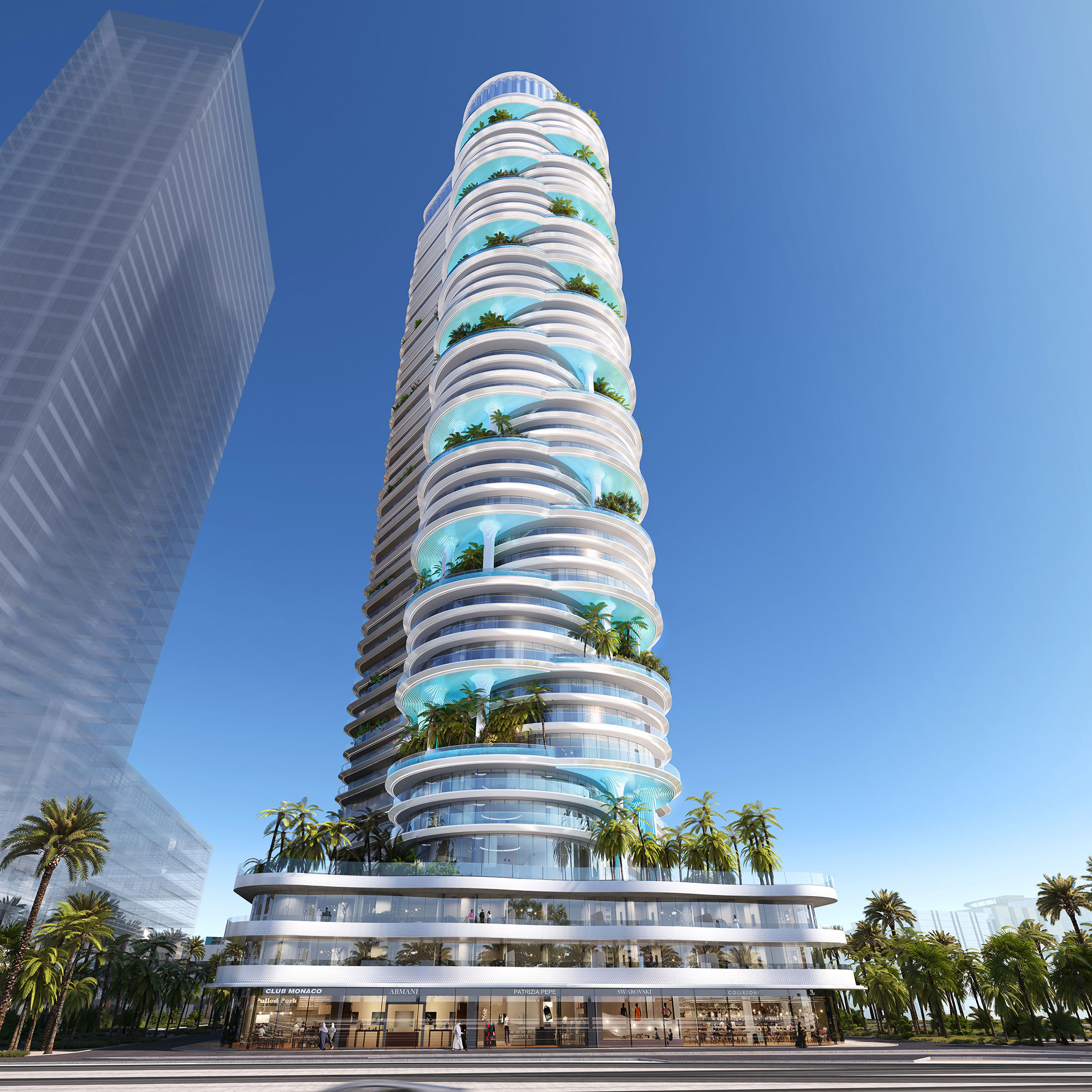
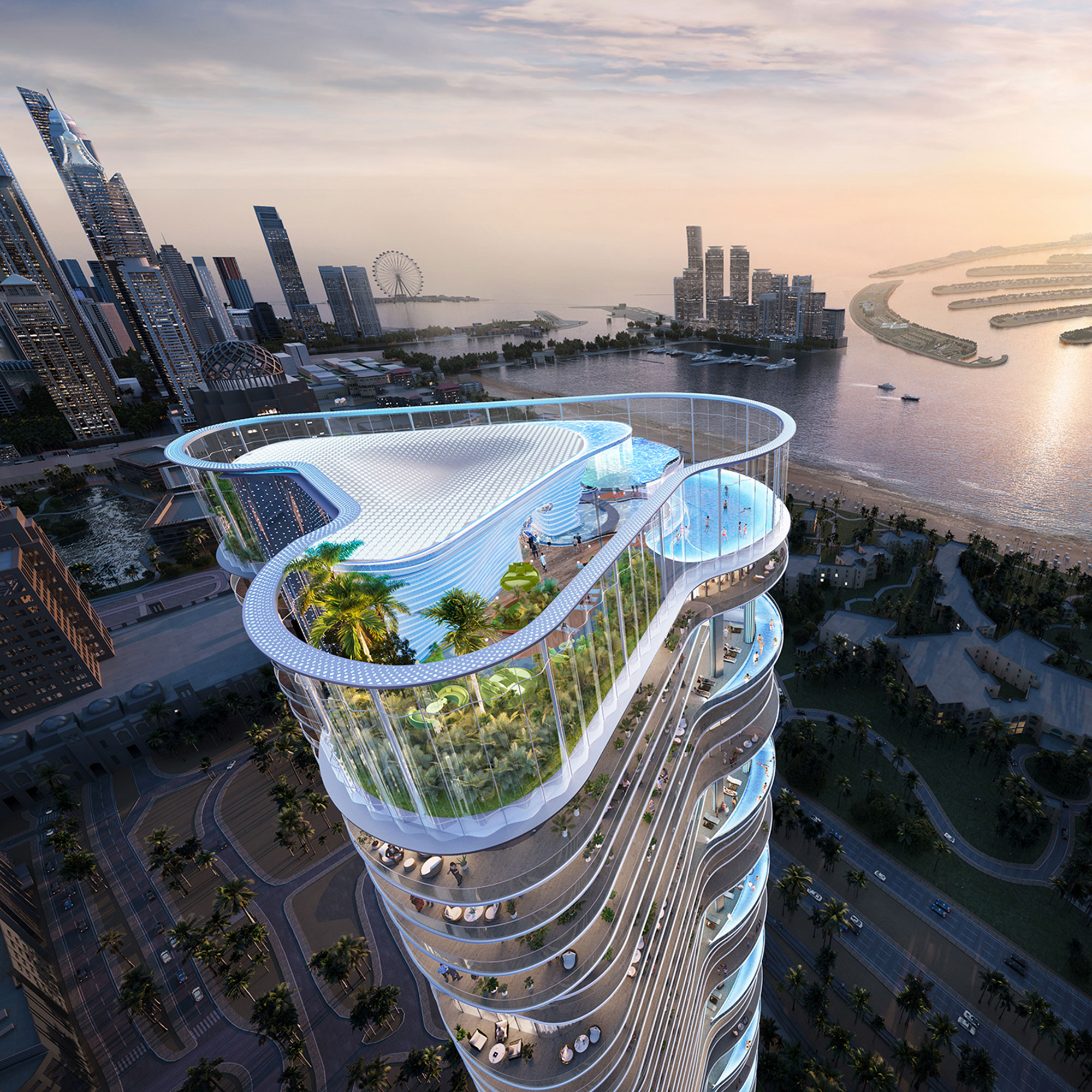
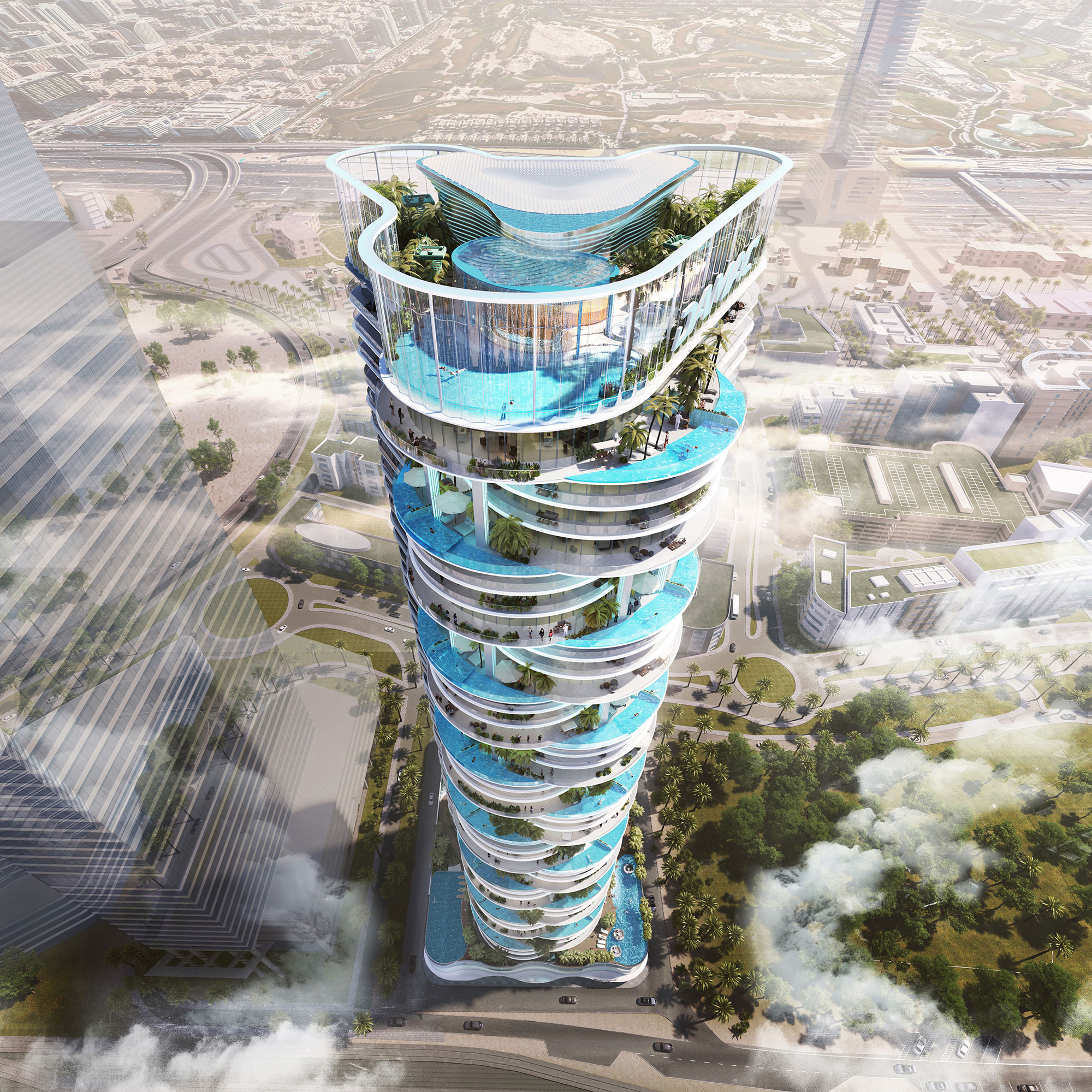
A compelling example is DAMAC Casa, where the high-rise is conceived as a “vertical oasis.” Rather than relying on conventional stacked floorplates, the building introduces interlocking forms and multi-level garden terraces distributed throughout the tower. Outdoor space operates as a continuous system — enhancing cross-ventilation, moderating heat, and creating a layered residential experience that extends beyond the unit itself.
Redefining the High-Rise
Across Asia and the Middle East, a new residential typology is emerging — one that integrates outdoor space as a core driver of performance and livability.
This is a fundamental repositioning of outdoor space as a core component of residential performance. As highlighted in Gensler’s residential research and Design Forecast insights, homebuyers are increasingly prioritizing wellness, access to nature, and experience-driven value over purely quantitative measures like unit size or location alone. The implication is clear: livability is defined by how effectively a home connects to the outside.
The rise of sky courtyard towers signals a broader transition in residential design — from buildings that maximize density to those that optimize performance.
As cities continue to grow, the question shifts to how high-rise living can meet the needs of urban populations more effectively — for people, climate, and long-term urban resilience.
Designers and developers will define the next phase of high-rise housing by how far they can push the integration of nature, wellness, and livability into the vertical city.
For media inquiries, email .