Why the Most Memorable Hotels Are Designed for All the Senses
How multisensory design drives differentiation, loyalty, and long-term brand value.
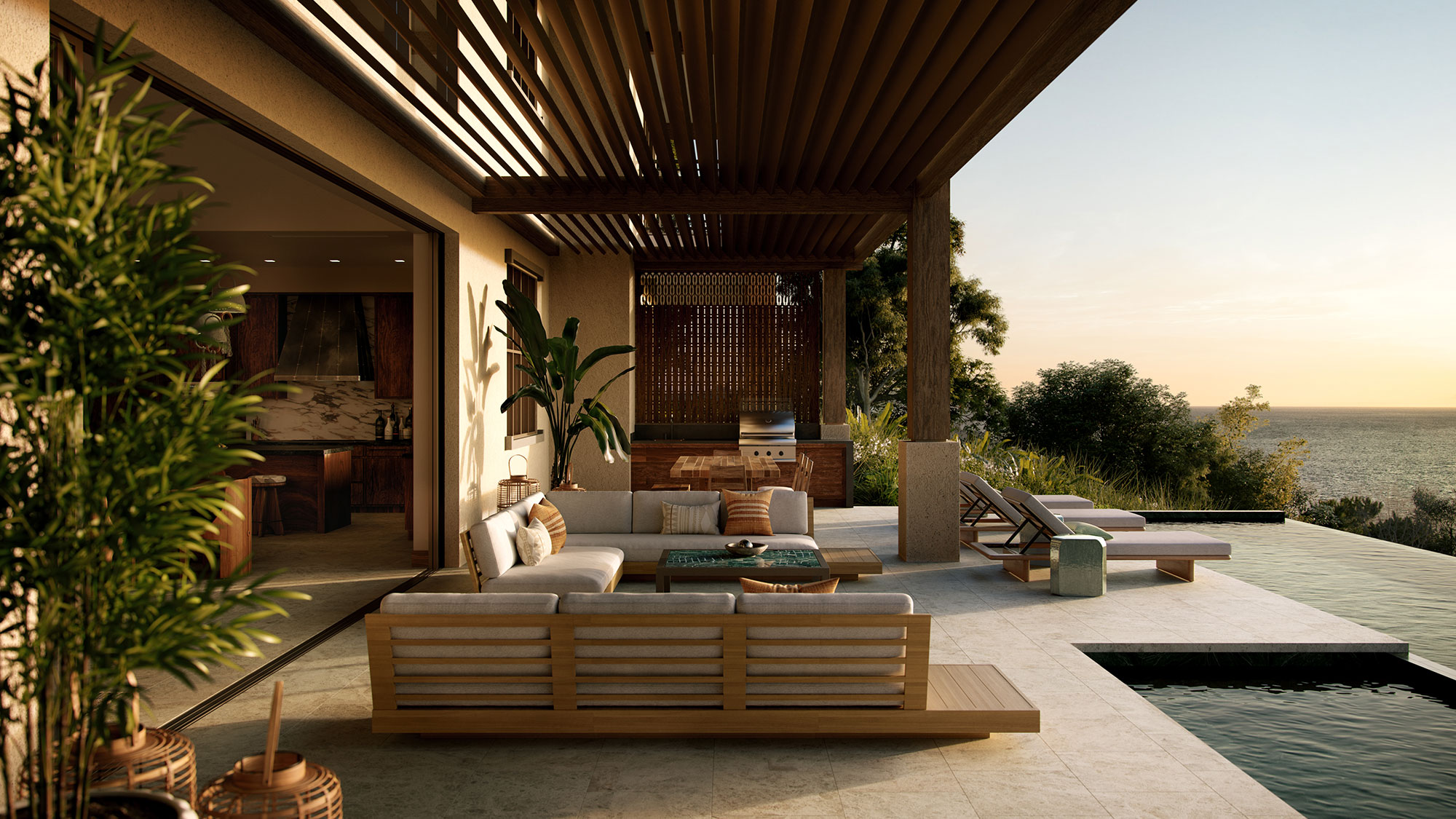
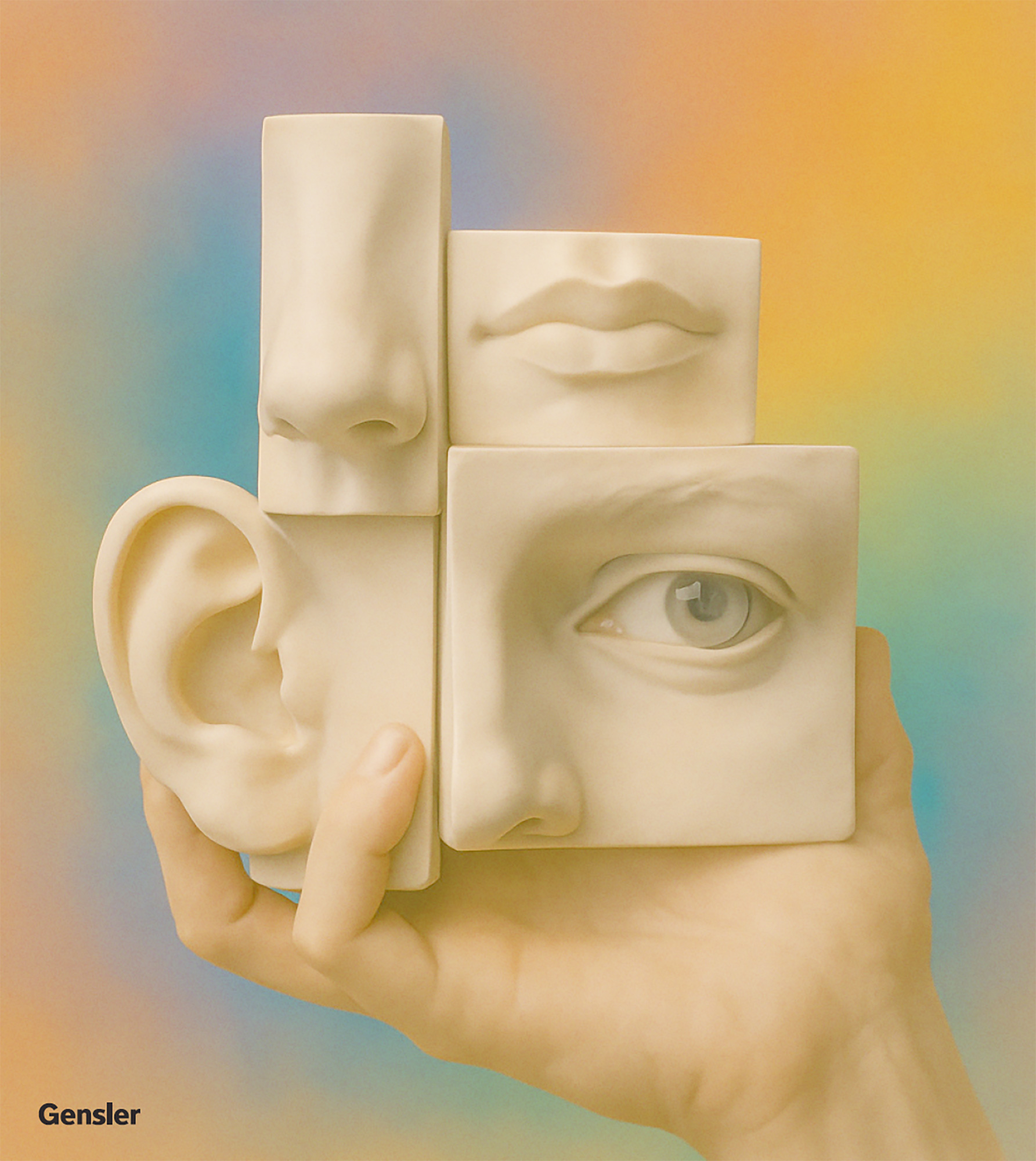
When a guest walks into a hotel lobby, they form an opinion before they’ve consciously registered a single design detail. The air temperature, the acoustics, the subtle scent near the entrance, and the feeling of a surface all register in the body. These sensory signals shape comfort, stress, and memory in ways that are immediate and often unconscious. By the time they’ve checked in, they’ve already formed a lasting first impression.
And yet most hospitality design still prioritizes what a space looks like over what guests actually experience. While compelling photography drives Instagram, press coverage, and booking decisions, visual-first design has its limits. Many guests leave with only a vague impression; pleasant, but not lasting. It explains why so many beautifully rendered hotels feel oddly flat in person, and why guests struggle to articulate why the experience fell short.
By primarily focusing on visual appeal, hotels often fail to create sensory coherence: an environment where materiality, sound, scent, and light work together to reinforce a single emotional experience, rather than competing for attention.
For competitive hospitality brands, owners, and developers, multisensory design cannot remain an afterthought. It must become an integral part of programming and conceptual design.
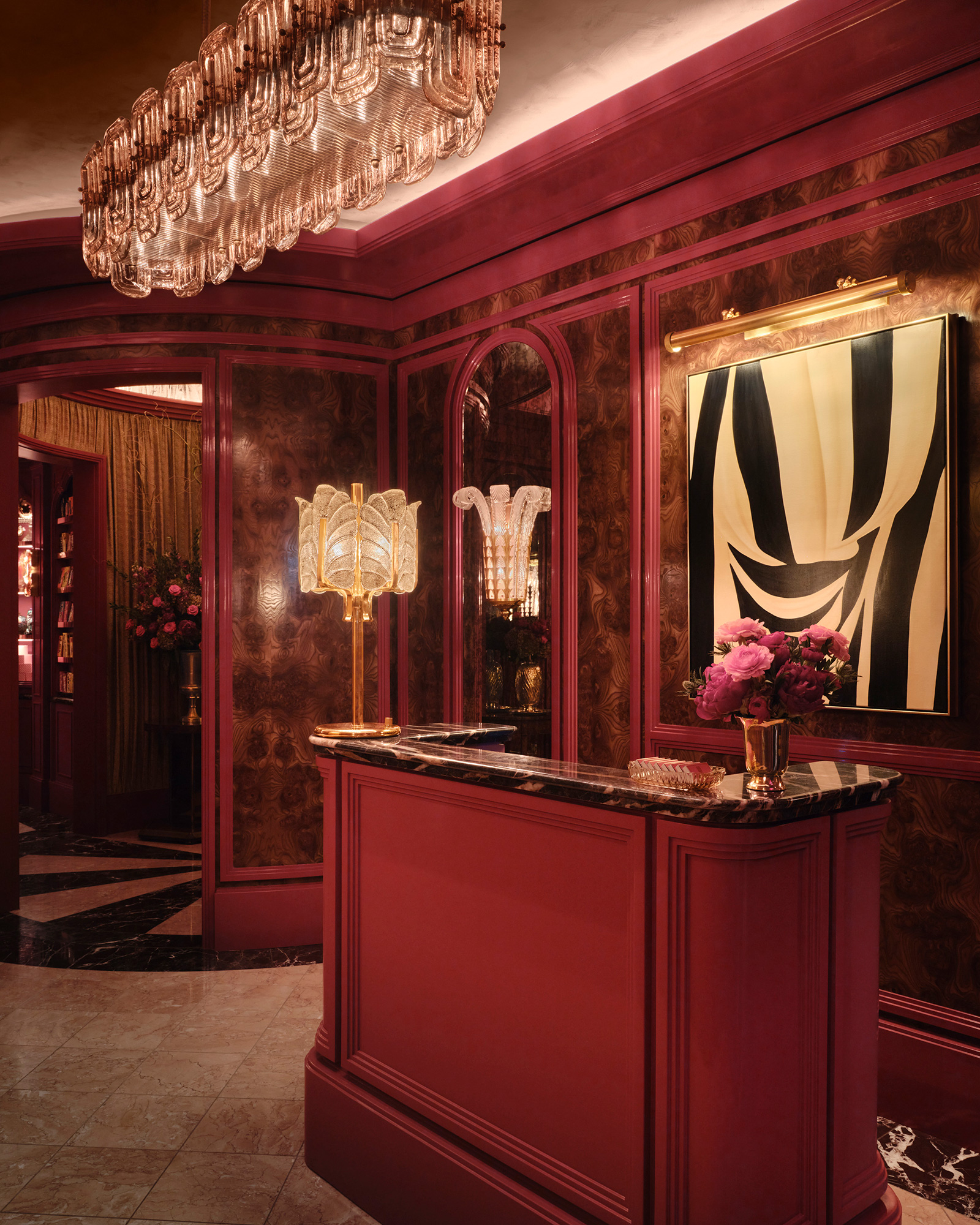
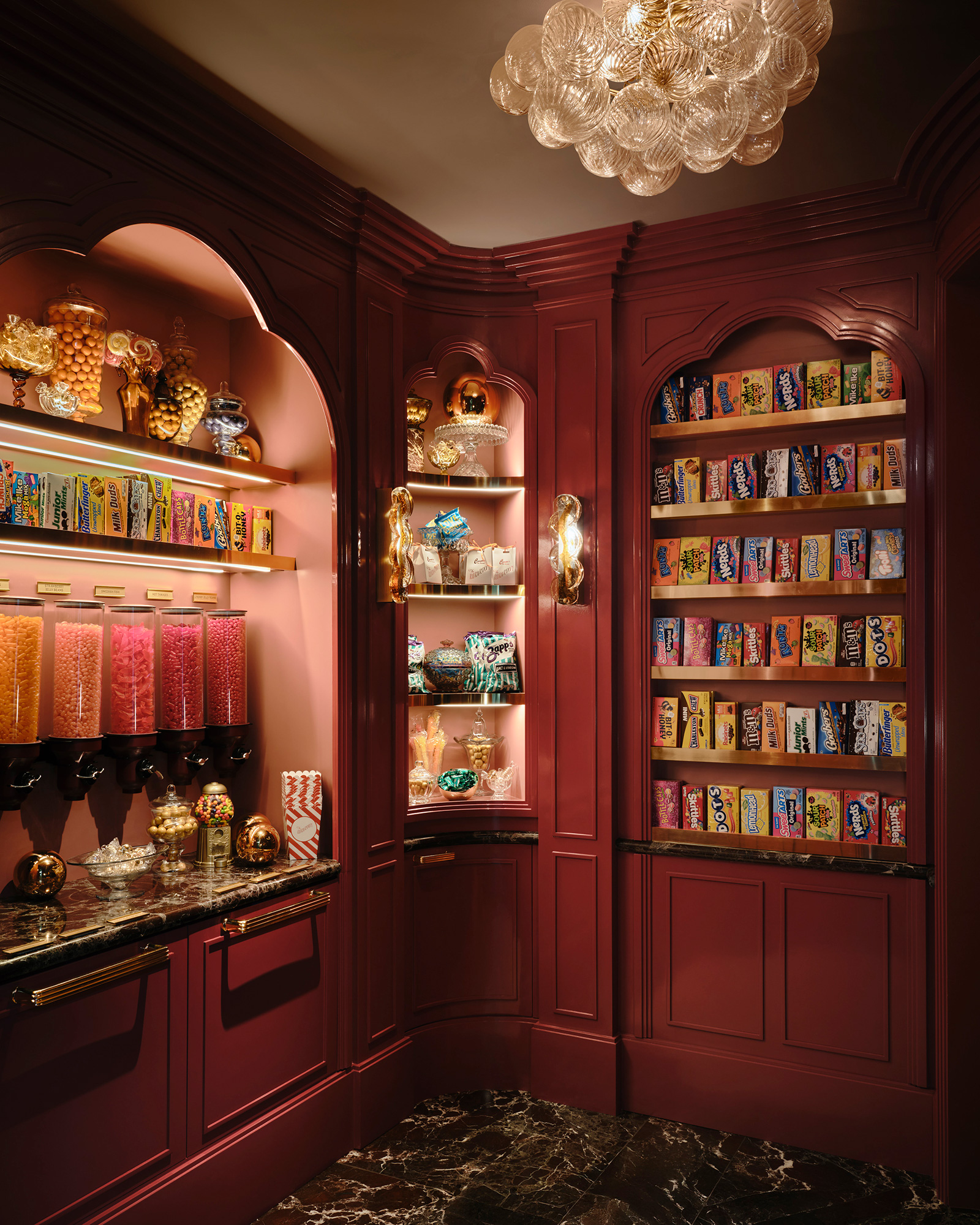
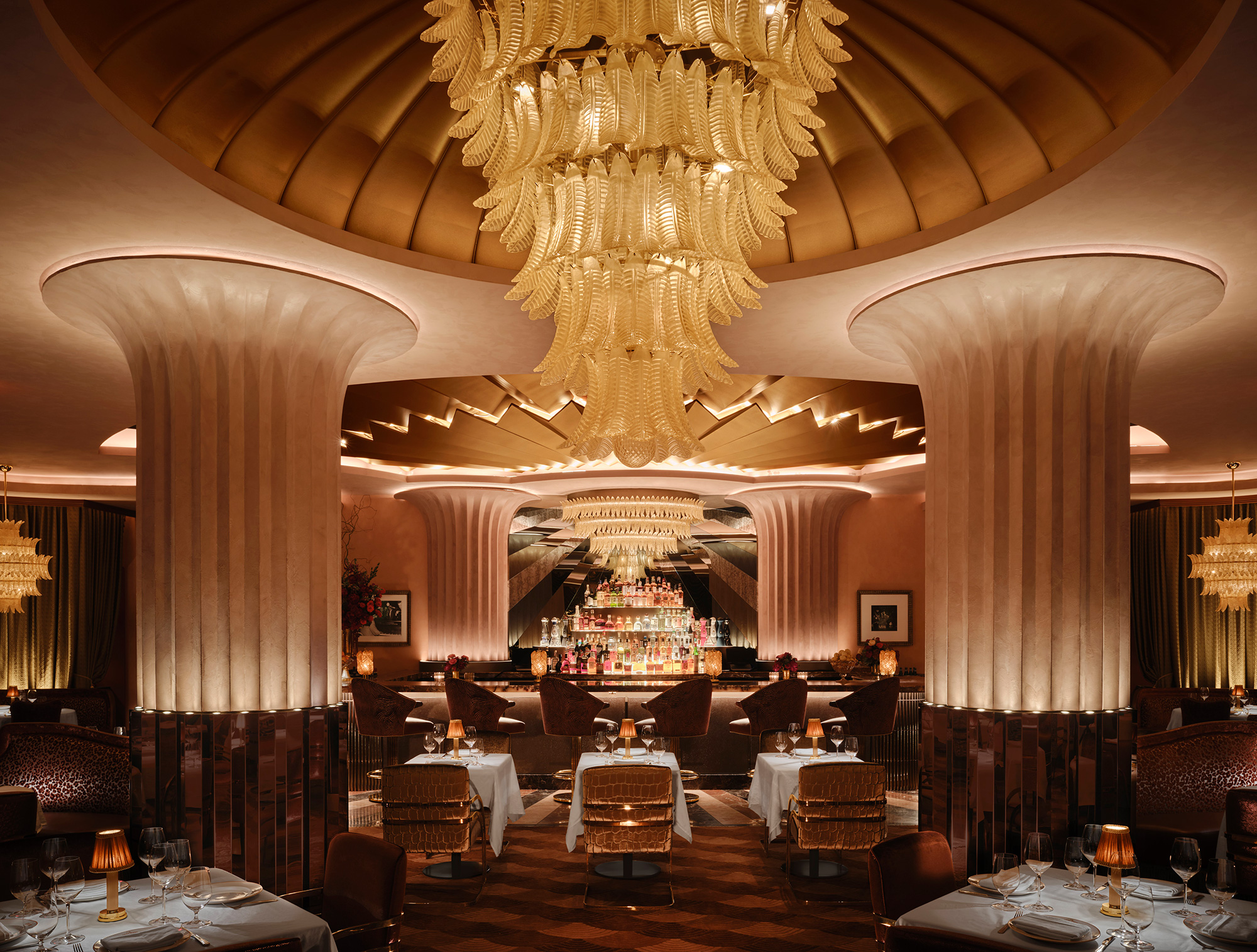
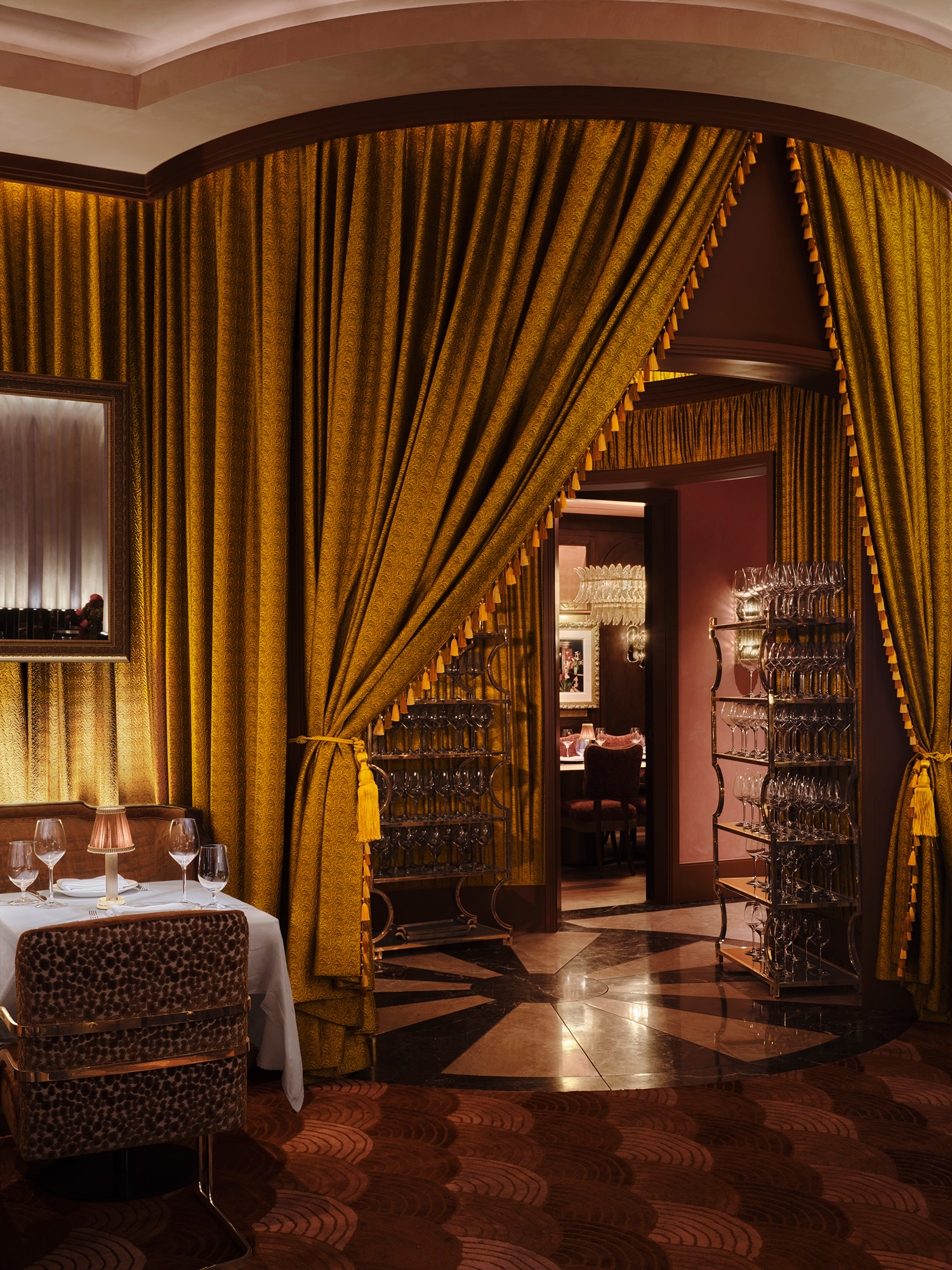
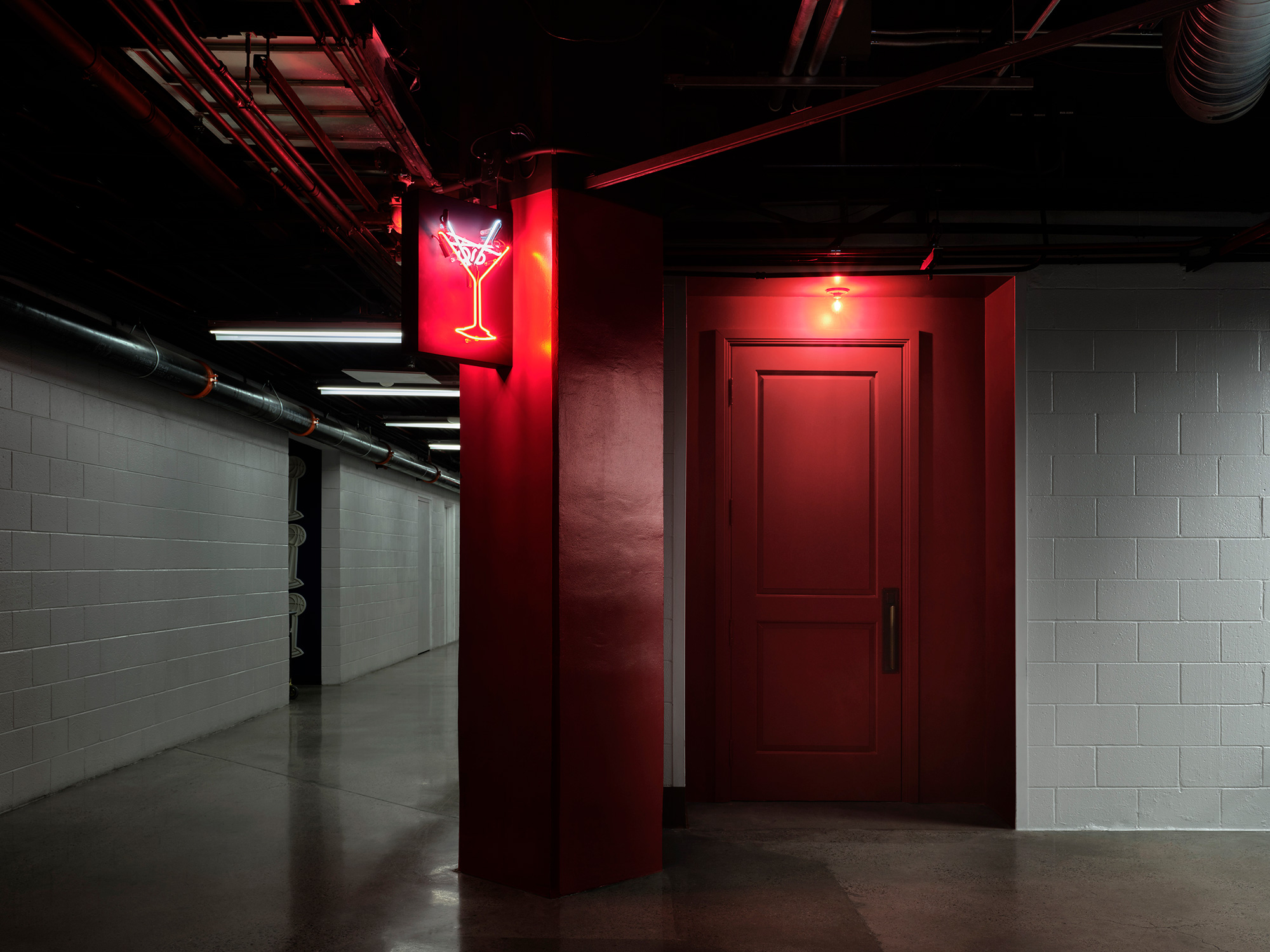
The gap between “visually impressive” and “memorable”
The Gensler Research Institute’s Designing Emotion Through the Senses in Hospitality, developed across Paris and London, examined this gap. Drawing on cognitive neuroscience, case study analysis, and interdisciplinary interviews across gastronomy, light design, textiles, acoustics, inclusive design, and branding, the research reaches a conclusion that should matter to every hotel developer and brand owner: truly memorable guest experiences emerge from the deliberate orchestration of the full sensory journey.
However, multisensory design should not be confused with sensory accumulation. The goal is not to add more texture, scent, or sound just for the sake of it. What matters is the way sensory cues are composed into a perceptual whole.
Among the sensory dimensions the research explored, smell stands out as the most underused and the most powerful. Because scent is so intimately linked to the brain’s emotional and memory systems, it can evoke a sense of place with unusual immediacy and intensity that visuals simply can’t replicate. A signature scent can remind guests of your hotel property months after their visit.
For hotel brands, the challenge is therefore not to heighten every sensation, but to compose them with enough precision that a stay becomes legible, memorable, and distinctly their own.
The business case for multisensory design
For hotel brands competing on experience, this is where the strategic value of multisensory design becomes especially clear.
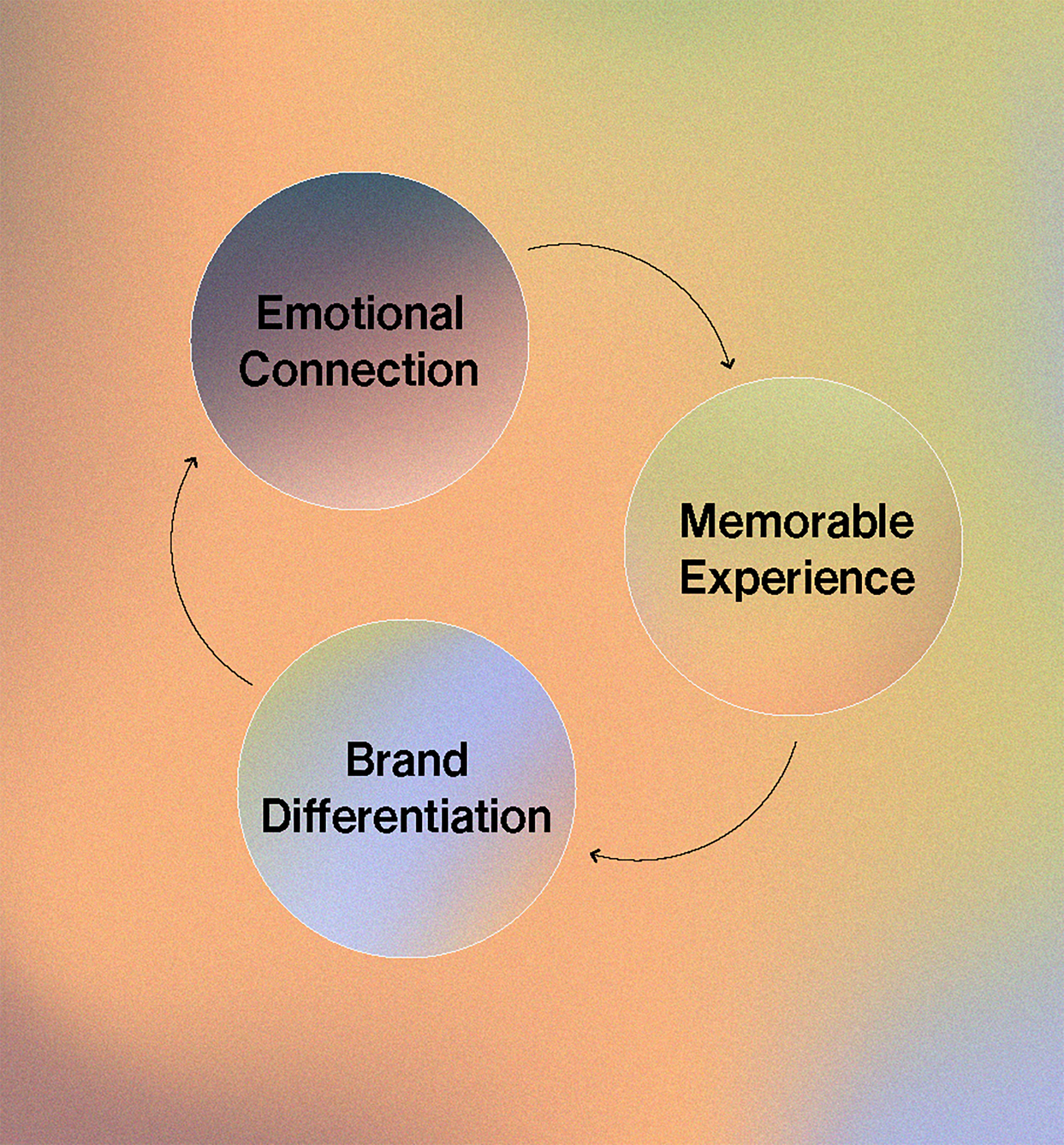
First, it opens a new dimension of differentiation. Visual identity, like finishes, furniture, or a visually recognizable signature moment, can be easy to replicate. A multisensory identity is far more complex. Warmth, trust, conviviality, calm, refinement, or energy are not purely visual qualities. They are sensed. When these dimensions are considered earlier in the design process, they can move beyond surface recognition towards creating deeper forms of memorability and brand fidelity.
Second, it addresses one of the industry’s persistent review problems. When guests leave three-star feedback for a five-star property, the complaints often circle around the atmosphere. An acoustically loud lobby that undercuts a luxury brand promise. Materiality that looks premium but feels cold. These reactions may seem vague, but they often point to a clear sensory dissonance within the environment.
Third, it expands the definition of inclusion. Designing Emotion Through the Senses in Hospitality also shows that everyone’s individual sensory experience varies significantly. What soothes one guest may overwhelm another. What feels vibrant and sociable to one person may feel chaotic and exhausting to someone else. A multisensory framework recognizes that bodies and minds do not inhabit environments in the same way.
Rather than assuming a universal ideal experience, multisensory design can offer gradients of intensity with moments of retreat alongside social activations, clearer sensory transitions between zones, and greater autonomy over light, sound, privacy, and exposure.



What this means for your next project
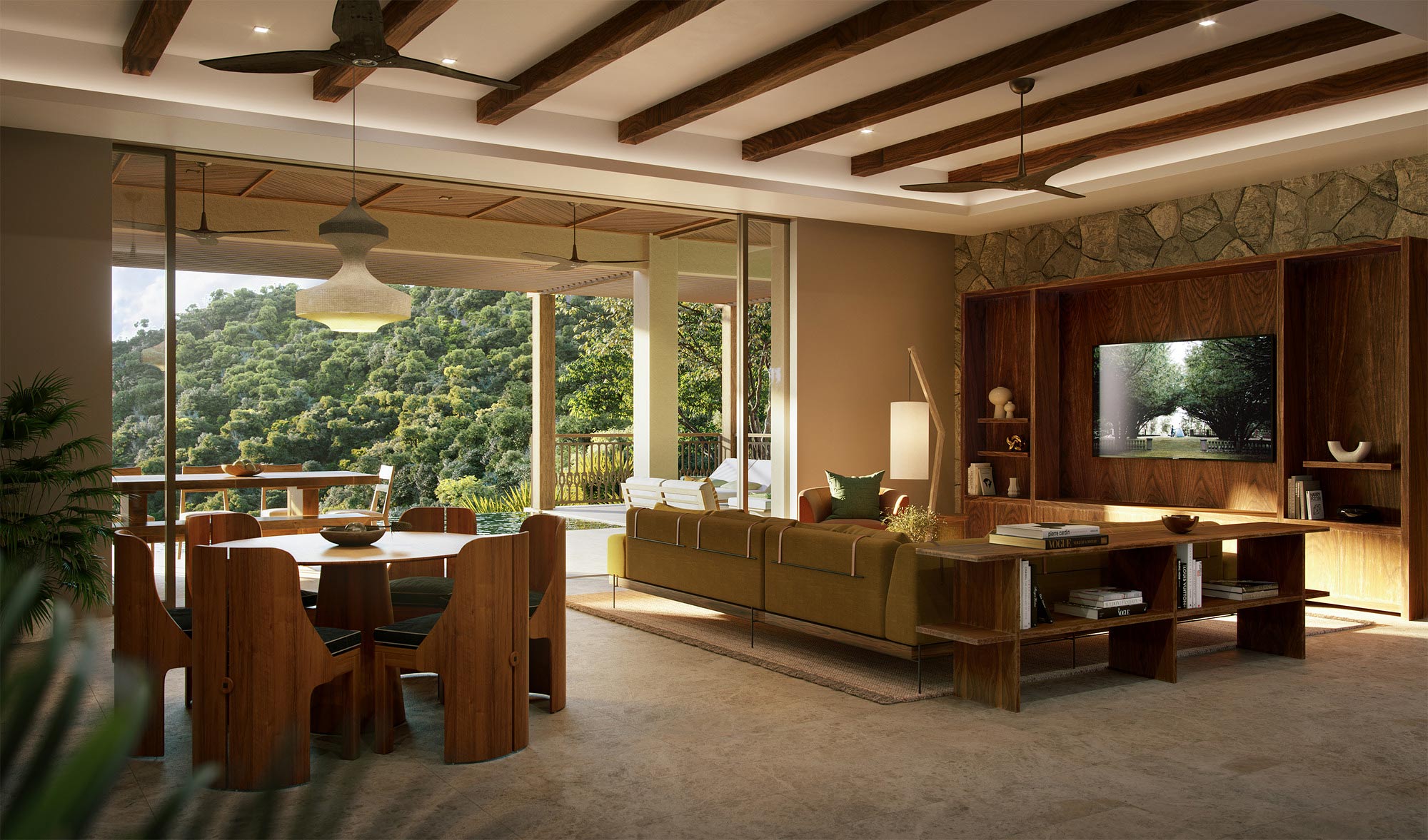
Multisensory design isn’t a premium add-on or finishing layer to be considered once the concept is locked. It’s most effective when it enters the process at the programming and concept development stage, when decisions about spatial sequence, materiality, acoustic zoning, and brand atmosphere can be made in concert. These early decisions reduce costly revisions, late-stage fixes, and surface-level sensory gestures.
The question for owners and developers isn’t whether your guests will experience your hotel through all their senses. It’s whether that experience engages all their senses through environments that feel calming, energizing, or distinctive, creating lasting memories that bring guests back again and again.
Download the report to learn more.
For media inquiries, email .