Hotel Design Is No Longer About Escape. It’s About Transformation.
The most compelling hotels and resorts offer guests curated paths to physical, emotional, and experiential transformation.

For decades, hospitality has focused on where guests are going — and where they stay once they arrive. Today, the more important question is who they are becoming.
Guests now seek environments that reflect their evolving identities and support moments of personal change. In response, hotels and resorts are shifting from places of escape into platforms for personal growth. Gensler’s Hospitality Experience Survey, drawing on a survey of more than 4,000 respondents, confirms that guests want far more than a place to sleep.
As people seek to live more meaningfully, travel becomes an opportunity to experiment with new routines and perspectives. These explorations thrive in destinations that offer layered experiences built around choice, discovery, and participation. What restores one guest may energize another, and the most compelling hospitality environments embrace diversity rather than trying to standardize it.
This shift isn’t about adding more experiences. It’s about designing the relationships between them.
Redefining Wellness in Hospitality
Wellness, once confined to the spa or fitness center, has expanded into something far more human. These amenities still matter, but they no longer define the experience. Today’s travelers see wellness as a spectrum that includes physical rejuvenation, emotional reset, creative expression, and social connection.
What’s emerging is a new approach to experience design. Hospitality environments are becoming flexible systems that allow guests to shape their own journeys, moving between energy and calm, solitude and community, and activity and reflection.
Leading destinations now offer multiple pathways to well‑being. A guest might spend the morning outdoors, the afternoon in a spa or studio, and the evening immersed in music or performance. When spaces are layered with opportunities to energize, reflect, or create, wellness becomes less about scheduled treatments and more about meaningful moments.
Instead of guiding guests through the same narrative, the most engaging destinations provide a spectrum of experiences that support different moods and identities throughout a stay. Quiet retreats coexist with vibrant social spaces. Family‑friendly attractions sit alongside intimate lounges or cultural venues.
Transformation often happens through contrast — a serene afternoon followed by an evening of laughter and shared experience, or a family trip punctuated by moments of personal retreat. By encouraging exploration rather than prescribing behavior, hotels create destinations that feel alive. Guests become participants, not observers.
Immersive Experiences That Spark Emotion
Across the hospitality industry, immersive environments play a growing role in sparking curiosity and emotional connection. These spaces move beyond traditional hospitality programming to create theatrical, memorable, and culturally engaging moments.
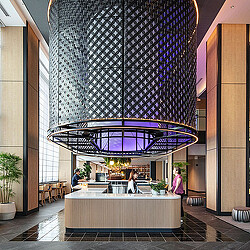
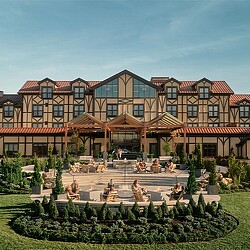
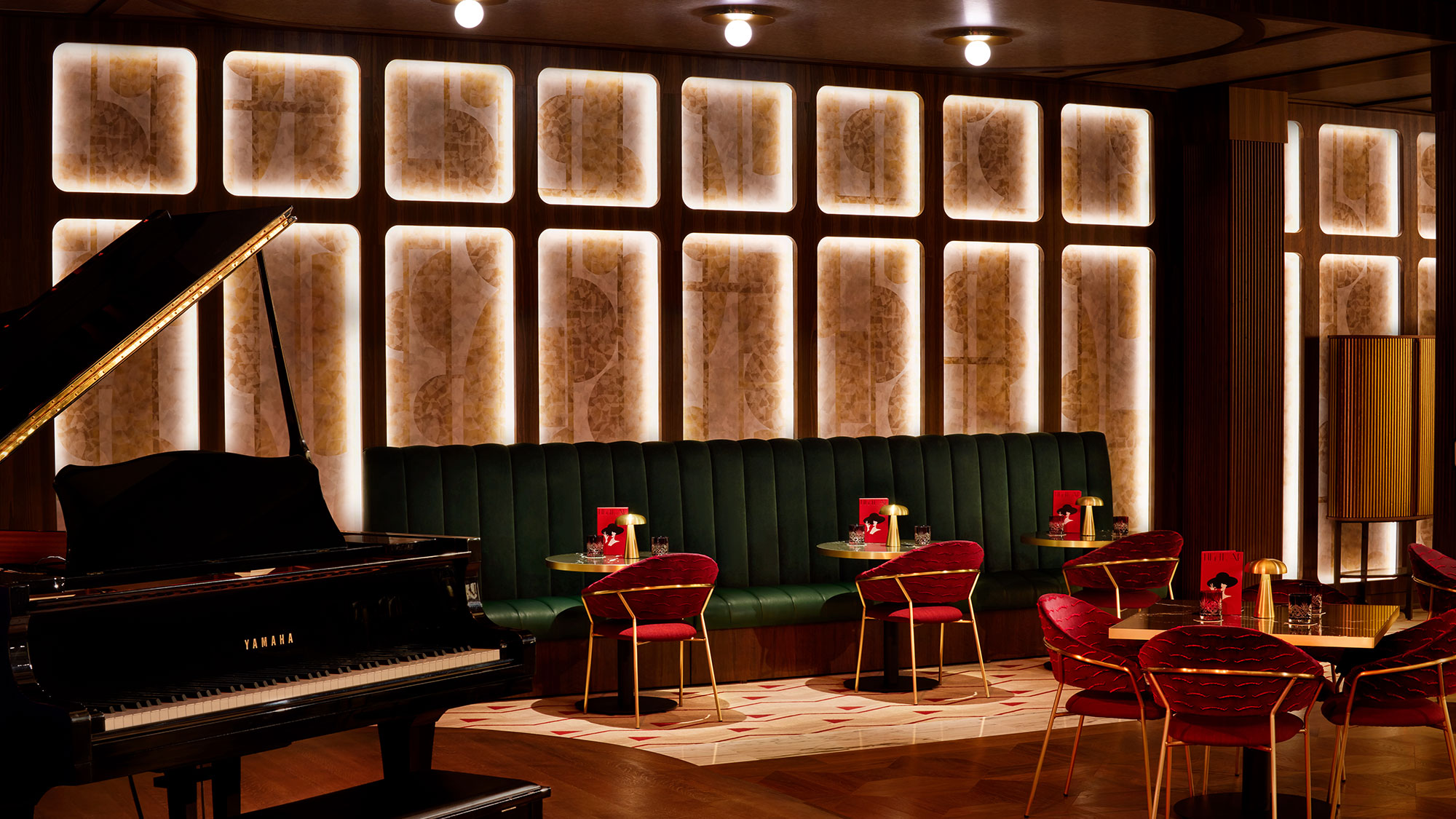
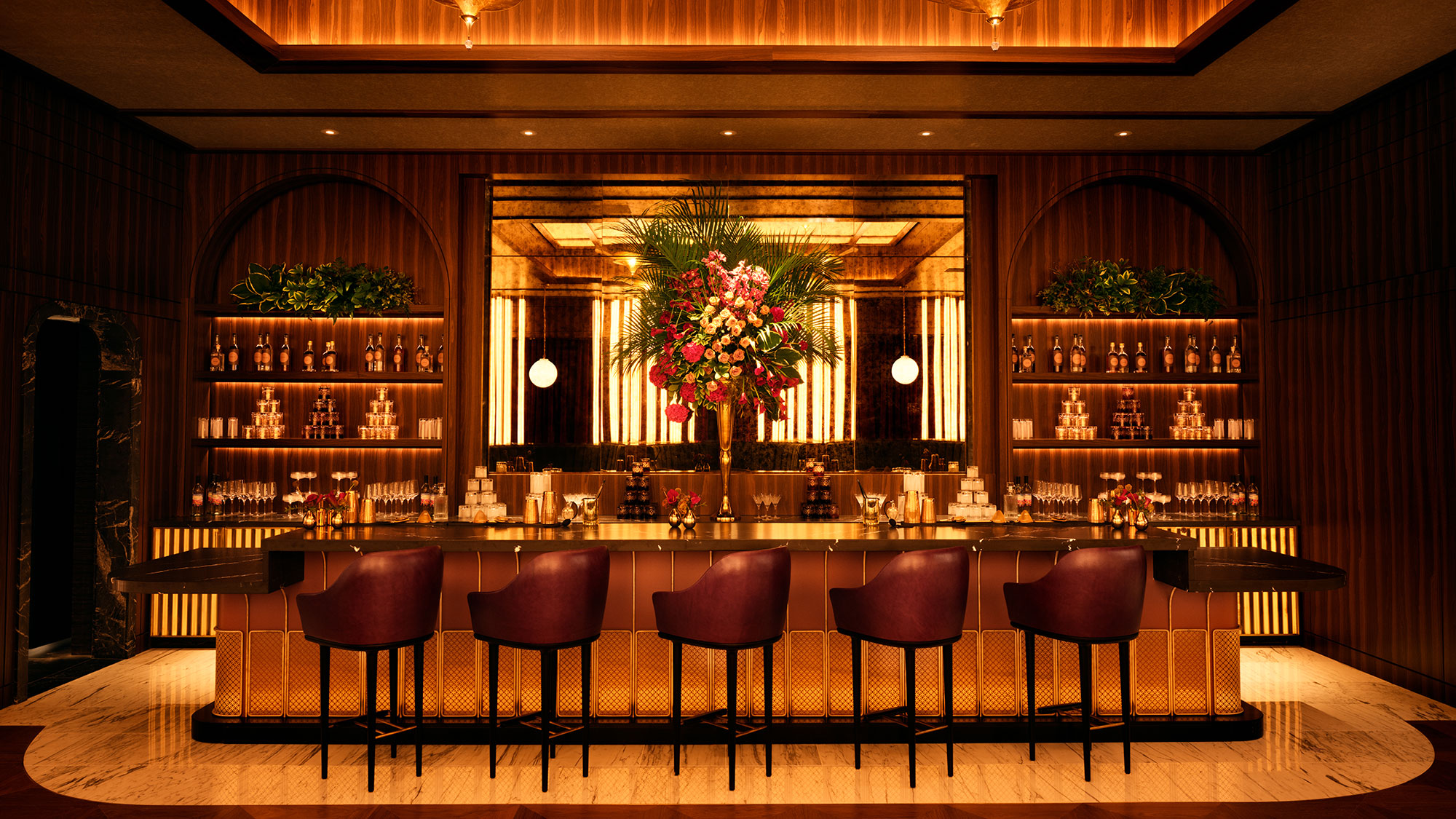
At Nemacolin, Gensler transformed a former sports bar into an intimate upscale live music venue within a premier, luxury four-season resort spanning more than 2,200 acres in Farmington, Pennsylvania. The experience unfolds through a sequence of atmospheric spaces, each layered with its own mood and sensory cues. Guests enter through an atrium anchored by a dramatic aquarium, then transition into a richly textured bar and performance space where lighting, color, and materiality evoke a sense of discovery.
Family‑oriented environments are evolving under the same principle. Interactive art studios, nostalgic gaming spaces, and playful attractions invite creativity and connection across generations. These experiences reinforce a broader truth: wellness isn’t limited to quiet reflection. For many guests, transformation happens through joy, discovery, and shared experience.

Hybrid Destinations and Expanding Identities
As experiences grow more layered, resorts are becoming multidimensional destinations.
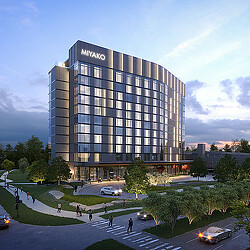
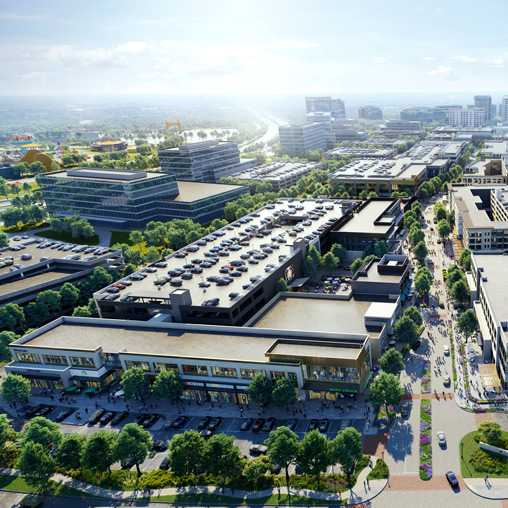
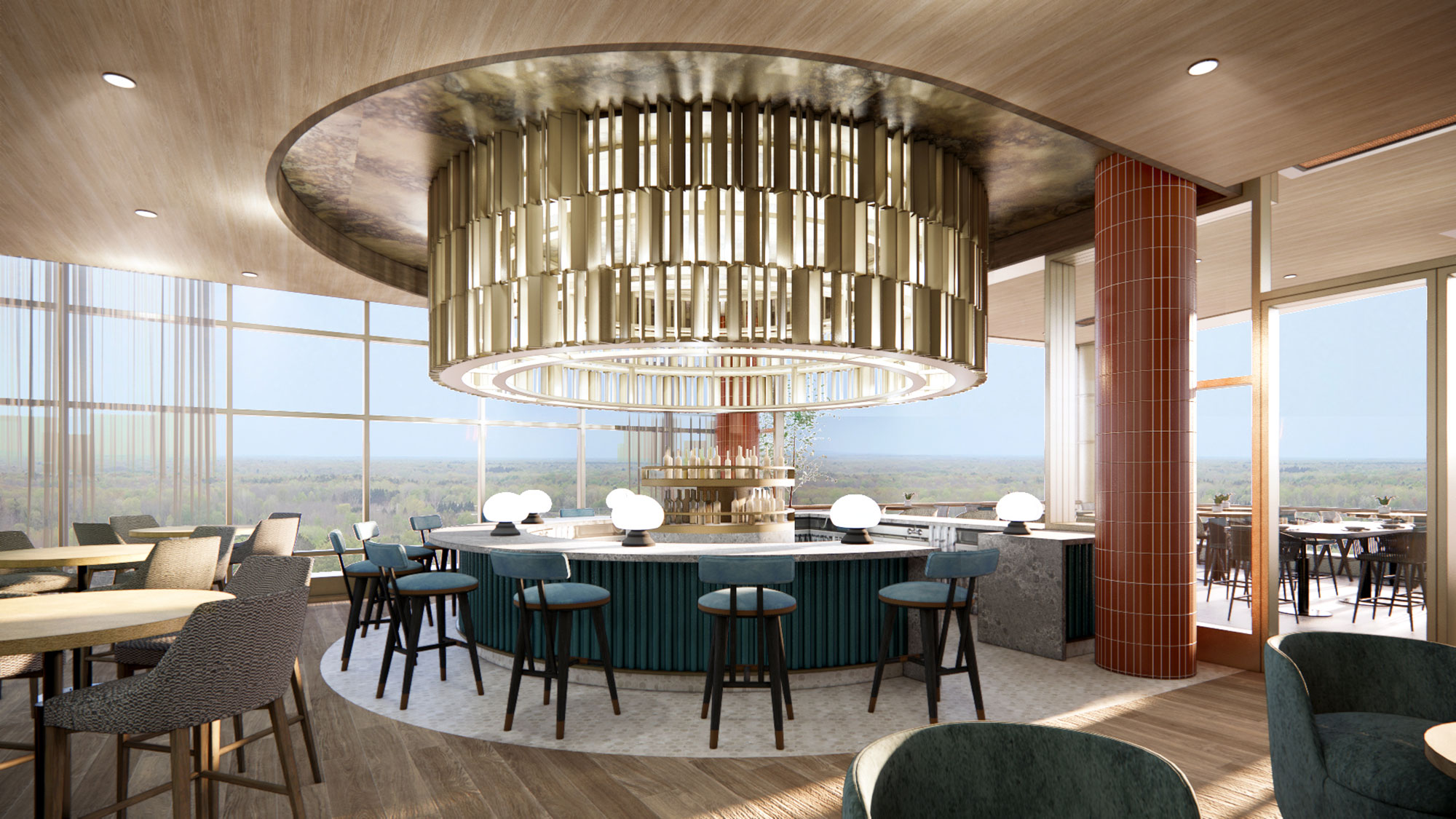
At Turning Stone Resort & Casino, which is undergoing a major Gensler-led expansion, the vision blends high-energy entertainment with the surrounding natural landscape. A new hotel tower, large-scale conference facilities, and an elevated dining venue introduce vibrant social experiences, while nearby outdoor amenities encourage exploration of the region’s natural environment, nestled between the Finger Lakes and the Adirondacks.
This hybrid model allows guests to move seamlessly between different types of experiences. One visitor might spend the morning hiking and the evening enjoying fine dining or gaming. Another might attend a conference during the day and immerse themselves in entertainment at night.
The destination functions less like a scripted itinerary and more like a platform for personal exploration. Guests define their own version of transformation, whether that means adventure, connection, or escape.



Designing for Transformation
Transformation doesn’t come from a single amenity or experience. It emerges from an ecosystem of environments that together support discovery, joy, reflection, and connection. Designers and operators play a pivotal role in shaping these ecosystems. By layering immersive entertainment, restorative retreats, and cultural programming, each guest encounter becomes an opportunity for personal meaning.
In this new model, hospitality becomes something more profound than a temporary getaway. It becomes a space for personal growth where people can reconnect, experiment, and explore who they are becoming.
The destinations that will resonate most in the future are those that embrace hospitality as a platform for transformation. For hospitality owners and operators, that’s the opportunity that will define hospitality’s next decade.
For media inquiries, email .