How Quiet Activities Speak Volumes: The Rise of Soft Socialising
From silent reading clubs to hands-on brand workshops, slower social experiences give brands new ways to build community.
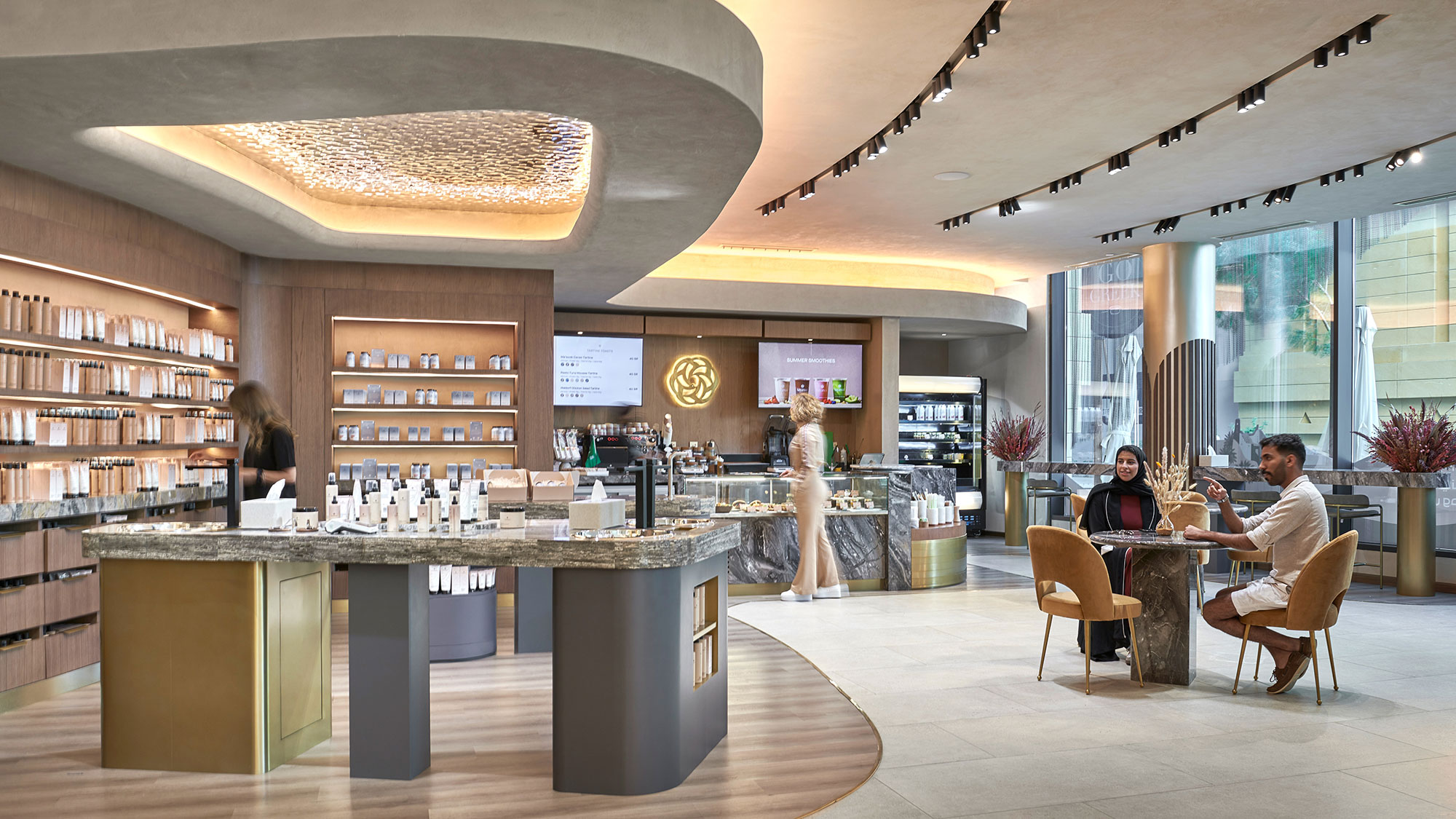
A quiet shift in how people connect is underway. Traditionally associated with energy and spectacle, socialising now centres on engagement and intentional participation. As many consumers move away from high-energy nightlife and sensory-rich entertainment, they are embracing activities that prioritise quality time and meaningful connection.
Known as “soft socialising,” this movement reflects a growing desire to connect through slower, more focused experiences. Mahjong nights are popping up in hotels, book clubs are moving into unexpected venues, and craft raves are appearing alongside traditional dance floors. While many view this trend as a response to digital fatigue and the pressure to stay constantly connected, its appeal runs deeper.
Participants are not simply stepping away from screens. They are stepping toward experiences with purpose. Whether learning a skill, creating something with their hands, or joining a community built around a shared interest, people want social experiences that offer tangible outcomes and genuine human connection.
This trend cuts across industries. Soft socialising is changing how people use their time and reshaping expectations for how physical spaces foster belonging, participation, and community. As someone who always chooses a quiet evening over a busy night out, I find the implications exciting. I see three areas where this shift could take hold.
Creator Brands Invite Participation
Competition for consumer attention continues to intensify, and physical space is one of the most powerful ways to earn and deepen engagement. The brands best positioned to succeed create experiences rooted in who they are and give consumers a reason to participate.
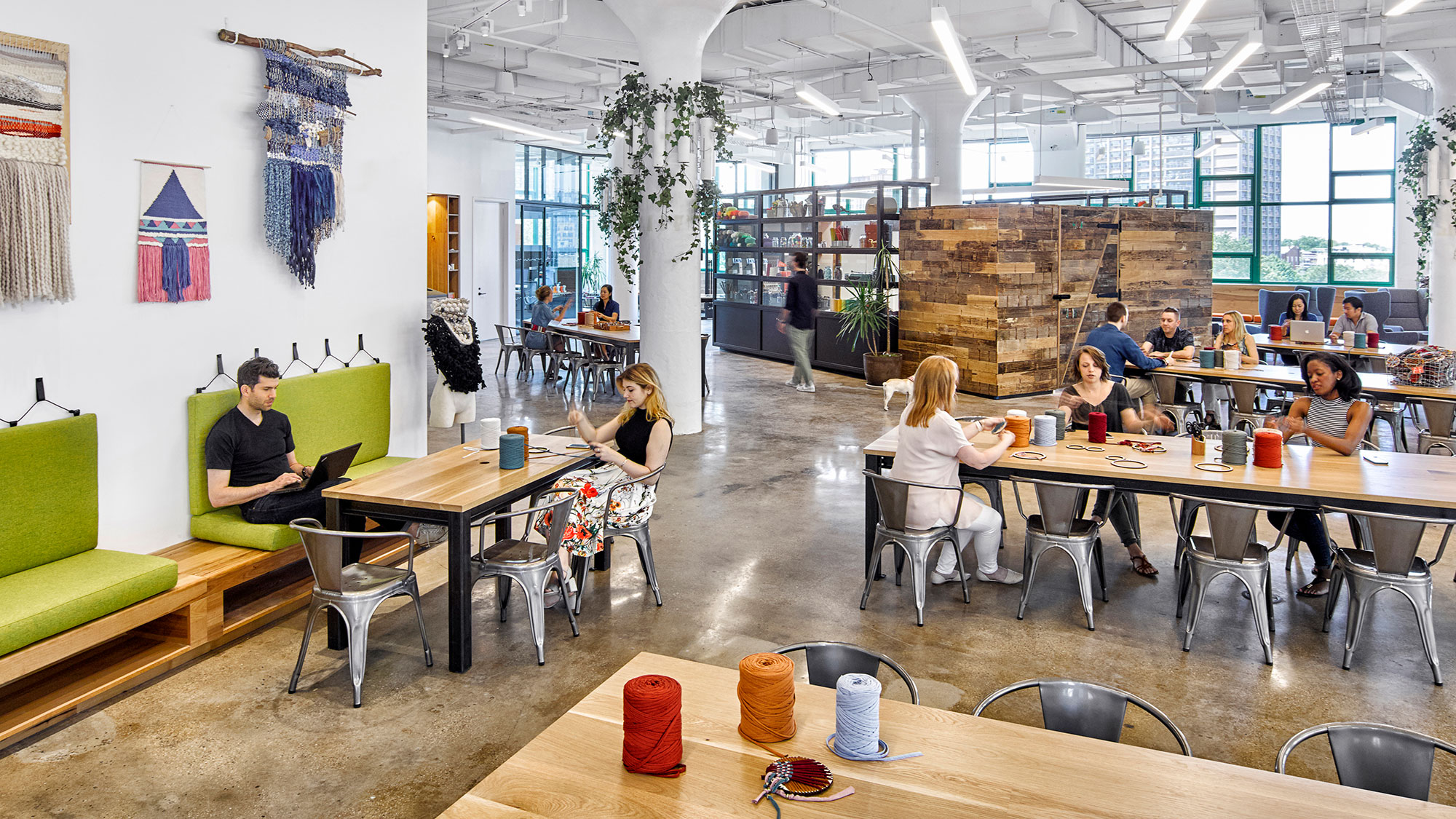
Creator brands built around a distinct craft, skill, or creative output have a unique opportunity to invite consumers into the making process itself. This is not entirely new. Visitors to the Maker’s Mark Distillery queue up to dip their own bourbon bottles in the brand’s iconic red wax. Bakeries offer sourdough workshops. I once travelled four hours to create a custom purse using Scottish wool tartans. The appeal of these experiences comes from participating in the story behind the product rather than simply purchasing it.
What may change is how far brands embrace participation as a core component of the customer experience. Brands such as Liberty London or Lilly Pulitzer could transform their design heritage into hands-on pattern-making workshops. Beauty brands such as Lush could expand into dedicated spaces where visitors create their own natural beauty products. Publishers like Penguin might explore immersive bookmaking experiences that teach traditional printing techniques and celebrate the craft behind the written word.
The design implications are significant. As participation becomes a differentiator, spaces need to accommodate making and learning. Flexibility, instruction, and even the productive messiness of creation are critical design considerations.
Creator brands can deepen relationships with consumers and support a broader revival of heritage crafts and hands-on learning.
Quiet Spaces Earn Priority
Recently, I came across the concept of a reading club. Where a traditional book club centres on discussion, reading club members gather and read together in shared silence.
While reading clubs may seem unusual, they reflect a broader pattern. Knitting circles, sketching groups, and other activity-based gatherings are gaining popularity because they offer a sense of companionship without constant interaction. The value comes from doing something meaningful alongside others.
What does this mean for public space? I believe places designed for silence will earn renewed appreciation. Libraries are perhaps the strongest example. Long valued for their resources and accessibility, they may evolve further into destinations that support a variety of quiet activities, from focused work and reading to skill-building workshops and group learning experiences.
Designing for silence matters as much as designing for activity. Acoustic performance, sensory comfort, and thoughtful zoning can define a successful public space.
This shift may also reshape third spaces. For example, coffee shops, which have traditionally thrived on ambient energy and conversation, could emphasise acoustic quality and designated quiet hours for concentration and reflection.
Entirely new models could take shape, such as social clubs where quietness is part of the culture and etiquette. In each case, the quality of focus a space supports would determine its success.
Learning Is a Luxury
As artificial intelligence becomes increasingly embedded in daily life, the value of human expertise and interpretation can only grow.
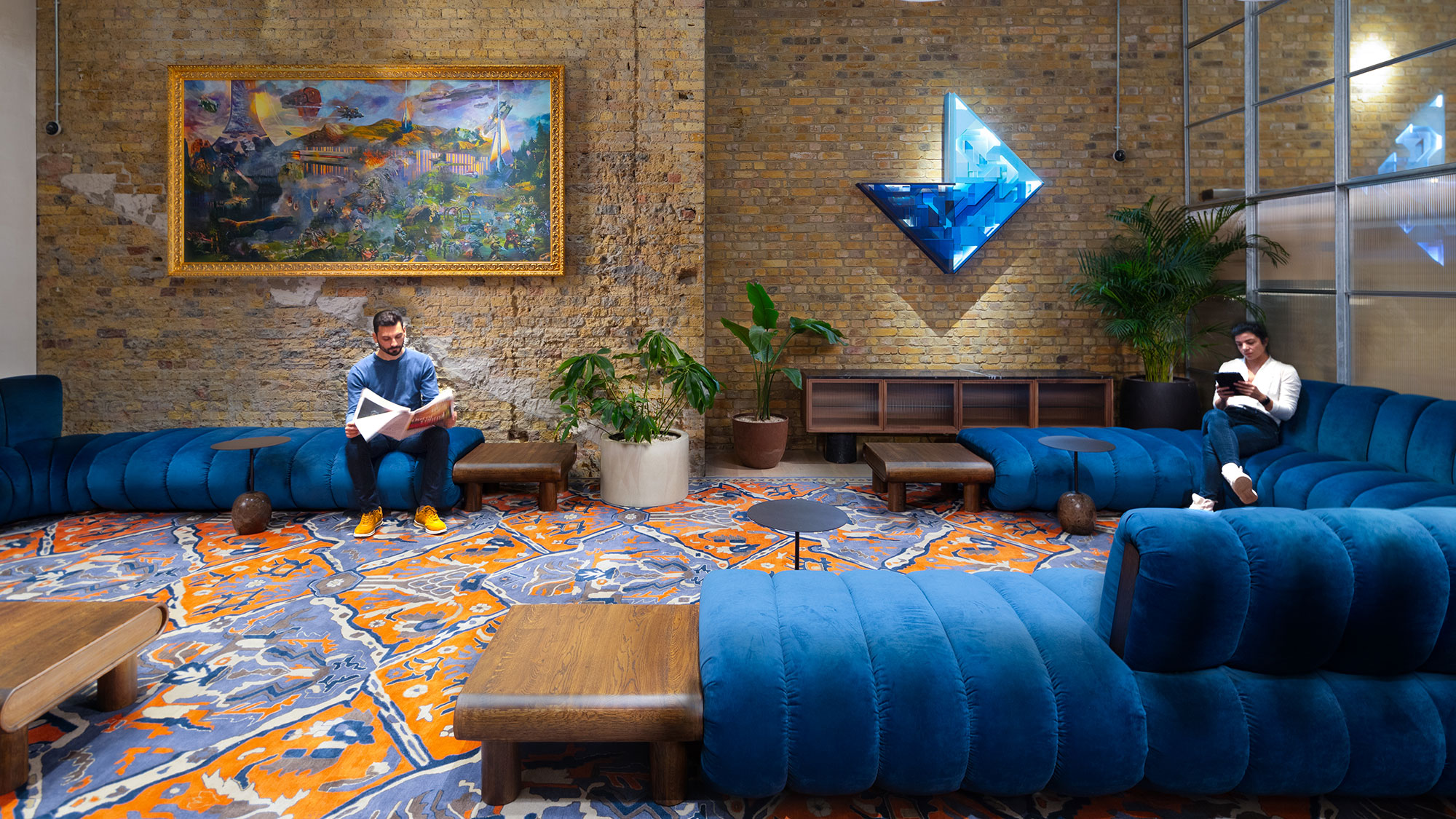
This helps explain the rising popularity of learning clubs: gatherings organised around exploring a topic. Imagine a Friday night, a room full of seats, and a PowerPoint presentation on identifying local birds. This may sound like an unconventional night out, but it reflects an emerging desire to leave with new knowledge and richer conversations.
Learning clubs already exist, but their potential is much broader. As consumers seek trusted sources of information and authentic expertise, access to learning opportunities outside traditional educational institutions could be a premium experience. Retail stores, cultural institutions, and hospitality venues could all expand their role as places of knowledge exchange.
I would happily attend a Burberry session exploring the history of British fashion. Likewise, a music-focused brand such as Third Man Records could offer workshops that share trade secrets in songwriting or vinyl pressing.
As brands continue to evolve beyond their products and into media, culture, and community, education is a natural next frontier. The value of these experiences will be measured by what participants learn.
A Quieter Future, with a Bigger Impact
Soft socialising reflects a broader shift in how people define connection and value their time. As everyday life becomes increasingly fragmented by competing demands and constant digital stimulation, experiences that encourage participation and shared purpose have growing appeal.
For brands and designers alike, the opportunity lies in creating environments that support meaningful engagement rather than passive consumption. Whether that leads to dedicated spaces for quiet reflection, hotels centred around hobby communities, or entirely new formats for learning and making, the direction of travel feels clear: people seek experiences that are intentional, enriching and participatory.
The future of socialising may be quieter, but its impact could be louder than ever.
For media inquiries, email .