The Mall is Changing: Rethinking Retail for a New Generation
Retail today is less about what you buy and more about how you feel, how long you stay, and what you choose to share.
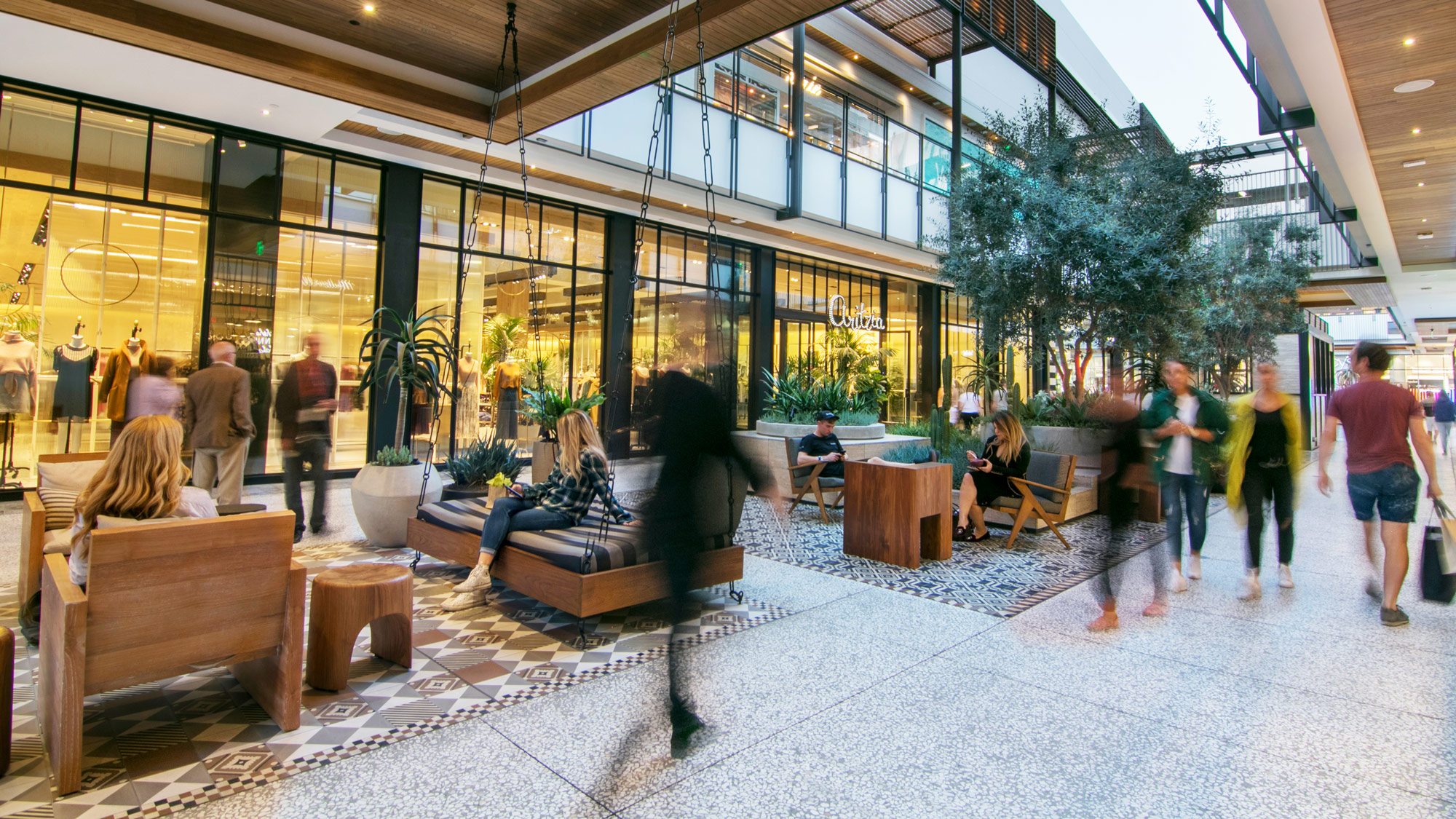
Modern shopping centers have adapted to survive today's battle for attention. The traditional malls of the 80s and 90s were rigid spaces, more like corridors for consumption than a space for exploration or discovery. Today's successful shopping center can be thought of as a series of stages and multiple channels for participation — a clear signal that retail today is less about what you buy and more about how you feel, how long you stay, and what you choose to share.
The Participation Economy
For decades, retail spaces followed a predictable formula. Shoppers entered a mall, walked a linear path past storefronts, made a purchase, and left, treating shopping as a transactional act. This typology is ripe for evolution as it no longer reflects how people, particularly younger consumers, interact with retail environments. Shopping has evolved into a collective experience where participation matters more than the purchase.
As digital natives, this generation — myself included — approaches physical space from a completely different perspective. Our relationship with today's brands may start through social channels or targeted advertisements, but we know trust is built through in-person experience. This entry point for brand awareness has fueled a resurgence of participation in physical retail, but it is not the same as it once was. It evolved, experienced through an entirely new lens. Demand for immersive live experiences reflects this shift, with 52% of people now attending six or more immersive experiences each year, according to the Gensler Research Institute's Evolving Immersive: The 2025 Immersive Entertainment & Culture Industry Report.
A telling departure from a traditional shopping experience is Westfield Century City. With its seamless indoor-outdoor connection, curated dining, layered brand activations, and thoughtfully programmed public spaces, it exemplifies a leisure-first entertainment approach to retail. Visitors arrive to shop, linger, eat, explore, and experience the space together. It is the kind of place where the boundaries between shopping and socializing dissolve, reflecting a broader trend where brands are creating environments that people can emotionally connect with.
Mall as a Stage
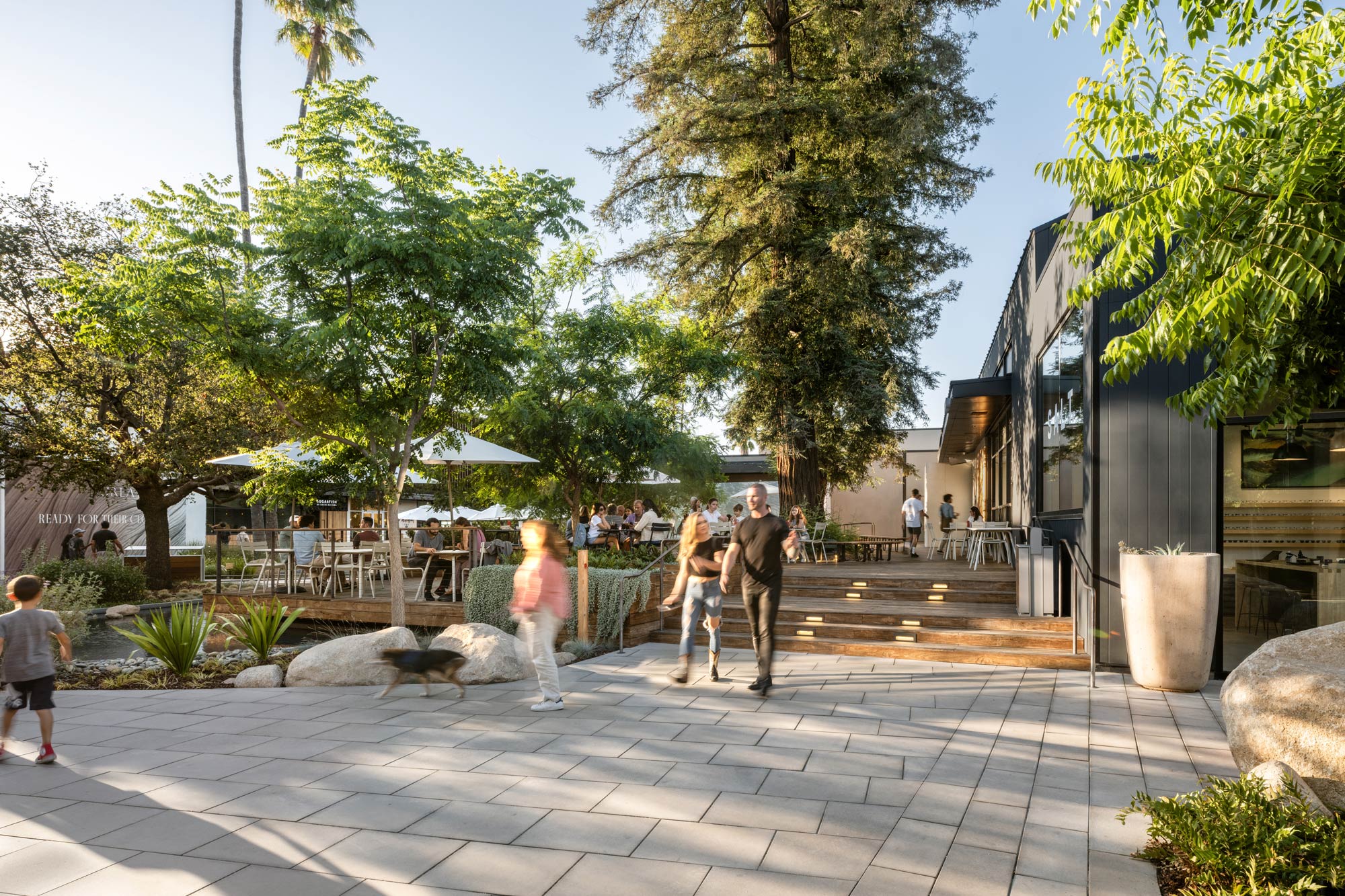
These younger audiences represent a new kind of visitor who discovers spaces online through individual influencers or brand storytelling. When they arrive, they are not just consumers but performers, aware of how spaces frame them and how they will appear on a feed.
To stay current, spaces now incorporate experiential elements that can be photographed and posted. Increasingly, a shopping center functions more like a stage, inviting visitors to step into a curated scene and be transported to a new reality. The new shopping center creates a continuous feedback loop between the digital and physical worlds.
Physical space discovery often begins online, which motivates people to visit physical space. Once there, they touch, feel, and experience the environment firsthand. They document it and share it back online, completing the loop.
In this model, retail spaces that incorporate new elements are treated as backdrops for social interaction and social media documentation, supporting personal storytelling.
The New Success Metrics
This cycle changes how success is measured. Traditional metrics, such as sales per square foot, no longer capture the full value of a retail environment. Instead, time, engagement, and human connection have emerged as key metrics. How long do people stay? How deeply do they interact with space? How often do they share it with others? And ultimately: what keeps people engaged, excited, and fully present in the moment?
Spaces can still be considered successful even if visitors do not buy anything. Presence itself has value. It builds brand recognition, emotional connection, and increasingly, trust, something brands are working harder than ever to establish with younger consumers in a landscape full of noise.
Ultimately, new customers vote through participation, and retail, as part of an expanding ecosystem, is driven by a sense of belonging. Spaces benefit from considering how people feel, move, and connect people to something real. They are, after all, a generation that grew up online and is now choosing to show up.
For media inquiries, email .