What the Wellness Boom is Really Telling Us About People
The seven motivations turning wellness into cultural infrastructure.
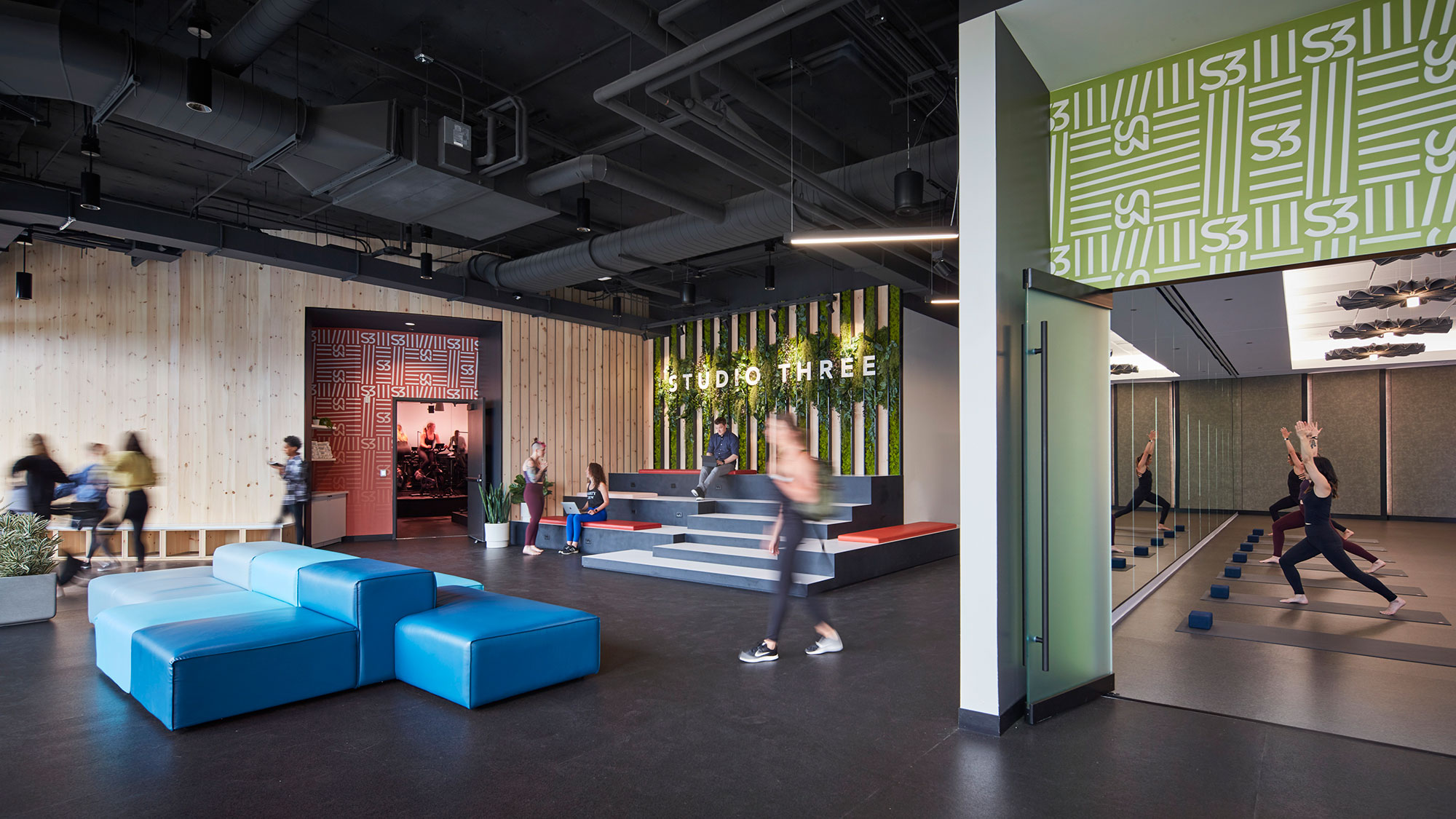
Saturday morning is the new Friday night. People are trading late nights at the bar for early morning run clubs, sauna sessions, and padel matches. What looks like a shift in routine is actually something much bigger: a multi-trillion-dollar reallocation of time, money, and identity — and it is a signal every brand, developer, and designer should be paying close attention to.
Let’s start with the numbers: the global wellness economy hit a record $6.8 trillion in 2024 and is projected to reach $9.8 trillion by 2029, growing 7.6% annually according to the Global Wellness Institute — nearly four times the size of the pharmaceutical industry. But here’s what matters: this is happening while consumers cut back almost everywhere else. McKinsey’s 2025 research shows spending intent falling across discretionary categories and income groups, yet people are less likely to cut wellness than clothing, entertainment, or home décor. Fifty-six percent say they prioritise wellness more than a year ago. McKinsey now describes wellness as a baseline priority rather than a splurge.
The categories people protect in uncertain times reveal what they value most. And after two decades studying why people show up to places, I’d argue that today’s wellness concepts are providing solutions to seven deeply human motivations, and in doing so, offering a powerful brief for how we need to design places differently.
Control in a world that feels uncontrollable.
Economic precarity, climate dread, political volatility, algorithmic everything: when big systems feel unmanageable, the body becomes one of the last domains we can control. Sleep, gut health, and routine become proxies for agency. The personalised medicine market has reached $147 billion and is forecast to grow 9.3% annually through 2029 as consumers seek diagnostics that put their own data in their hands. For example, Neko Health’s physical centres capture millions of personal health data points in a one-hour scan, then put the results and an action plan directly into the customer’s hands before they leave. There is an opportunity to design spaces that turn action into visible progress, because people no longer just want service; they want evidence that what they do has an impact.
Distrust of institutions, especially medicine.
Strained healthcare systems, long waits, rushed appointments, and symptoms dismissed for years have created a gap between what science can do and what systems deliver, and innovators are stepping in, particularly for people historically underserved. Menopause, a $131 billion “ghost market” of 63 million U.S. women, is moving out of specialist channels and onto the mainstream shop floor. Ulta’s new Wellness shop-in-shops bring menopause skincare and supplements into one curated environment, supported by trained wellness advisers and education around issues that have historically been difficult or taboo to discuss. Meanwhile, the Confess Project is training barbers as mental health advocates across 31 U.S. states, because men are more likely to open up to their barber than their doctor. It is clear: where traditional systems have fallen short, trust is being rebuilt through attentiveness.
Identity and status signalling.
The right gym, supplement stack, or sauna-and-cold-plunge routine now signals discipline, income, and time-wealth much as luxury goods once did. Soho House is rolling out Soho Health Clubs across its estate and converting its Miami Pool House into a wellness club, while Clinique La Prairie’s medically supervised programmes increasingly attract guests in their 30s and 40s. Sneering misses the point; status has always shaped consumption. The opportunity is to design status around participation, commitment, and progress rather than simply the price of entry.
Burnout and nervous-system depletion.
People are exhausted by always-on work and digital overstimulation, and much of the wellness spending is nervous-system-seeking. Rituals has embedded Mind Oasis sanctuaries into stores from Amsterdam to Oxford Street and Schiphol Airport, offering “brain massages” for people with 20 minutes and a frayed nervous system. Six Senses opened its first U.K. property inside London’s former Whiteleys department store, anchored by a 2,300-square-metre spa. A department store reborn as a place to down-regulate says a lot about where value has migrated in physical space.
Loneliness and the search for community.
The appeal of padel courts, run clubs, and sauna culture often isn’t the health outcome at all, but the fact that they offer socially sanctioned ways to build community as an adult. Padel — a doubles sport you literally can’t play alone — is now among the world’s fastest-growing sports, with nearly 5,000 new clubs opening globally in 2025 and U.K. participation more than tripling in a year. Bathhouse concepts like Othership position themselves as alcohol-free, phone-free social venues. The sauna has become the new nightclub, and brands designing for the gathering as deliberately as the health benefit are building loyalty that money can’t buy.
Longevity is the new aspiration.
The goal is no longer simply to live longer, but to stay capable for longer. For many, the emotional trigger is watching a parent lose strength, independence, or cognitive sharpness. Wearables have given longevity a scoreboard, making progress visible long before the real outcome arrives. That is fuelling experiences spanning longevity clinics, performance tourism, and health span-focused real estate, while strength training is being reframed as preventive medicine. There is an opportunity to move longevity out of specialist clinics and into everyday life, designing places that help people preserve strength, autonomy, and independence for longer.
Self-worth tied to self-improvement.
For younger generations, especially, wellness has absorbed some of the meaning-making role once played by religion and civic institutions. Showing up for a workout now carries a whiff of moral goodness alongside the physical benefit. HYROX has turned everyday gym training into a competitive identity, almost tripling participation in a single season to 1.5 million, while LVMH-backed L Catterton has reportedly explored a stake valuing it near $1 billion. Gen Z is also spending on fitness over dating, with 30% planning to spend more in 2026, according to Strava. Underneath it sits a deeply human need: discipline, community, and a sense of becoming.
These motivations begin in challenging mindsets — anxiety, distrust, exhaustion, loneliness — but that is exactly what makes them such a powerful design brief. Each is an invitation to give people something they are actively seeking: agency, peace of mind, belonging, progress, and a longer, more capable life.
So, two questions are worth asking of every space being planned right now. Which of these seven human motivations is this place fulfilling? Will it be somewhere people simply visit, or somewhere they feel their time, ambitions, and needs are genuinely valued?
For media inquiries, email .