Why the Spaces Where People Thrive Are Also the Ones That Outperform
How designing for well-being drives measurable returns across every industry.
Wellness design now commands a premium across every major asset class. The global wellness real estate market reached $548 billion in 2024 and is projected to reach $1.1 trillion by 2029, according to the Global Wellness Institute. Those numbers reflect a fundamental shift in how developers, investors, and tenants evaluate the built environment.
Wellness-oriented residential properties achieve 10 to 25% higher resale values, according to the National Association of Realtors. Commercial buildings with wellness positioning command 4.4 to 7.7% higher rents per square foot. In hospitality, hotels with major wellness offerings generated 108% higher total revenue per available room in 2024 compared to properties with no wellness services. The market is telling a clear story: spaces designed for human well-being perform better.
Across residential, commercial, healthcare, and aviation, the clients who are filling units, attracting talent, and growing asset value are the ones who treat wellness as a holistic design philosophy. Here’s how four sectors show what that looks like in practice.
Aviation and Travel
In airports and terminals, wellness is shaped by stress, time, movement, and disruption. Long-haul travel can mean sitting for many hours, crossing time zones, and arriving physically and mentally depleted. Wellness looks different for every user, from the traveler seeking calm before a red-eye to the crew member managing a 14-hour shift. Operators are paying closer attention to staff as the long-term effects of stress and demanding schedules become clearer.
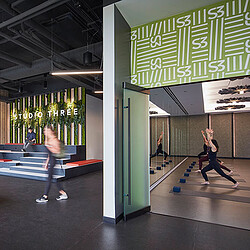
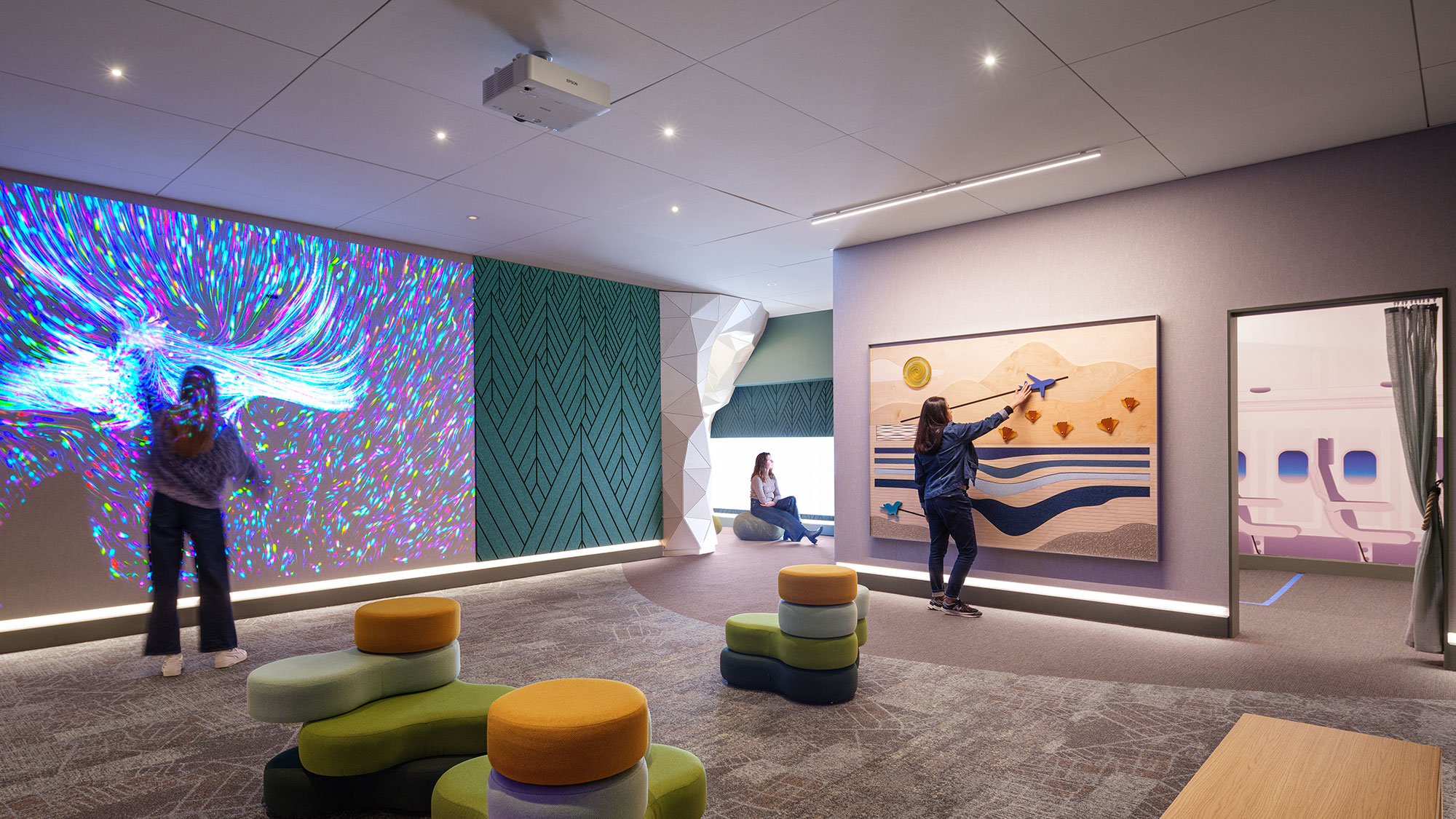
At San Francisco International Airport’s Harvey B. Milk Terminal 1, the design team prioritized natural light, biophilic elements, and intuitive wayfinding to reduce the ambient anxiety that most terminals amplify. The design incorporates a variety of seating types and zones, including a recompose area, a yoga room, and a new sensory room for neurodiverse travelers, giving people opportunities to move or retreat from the terminal’s activity.
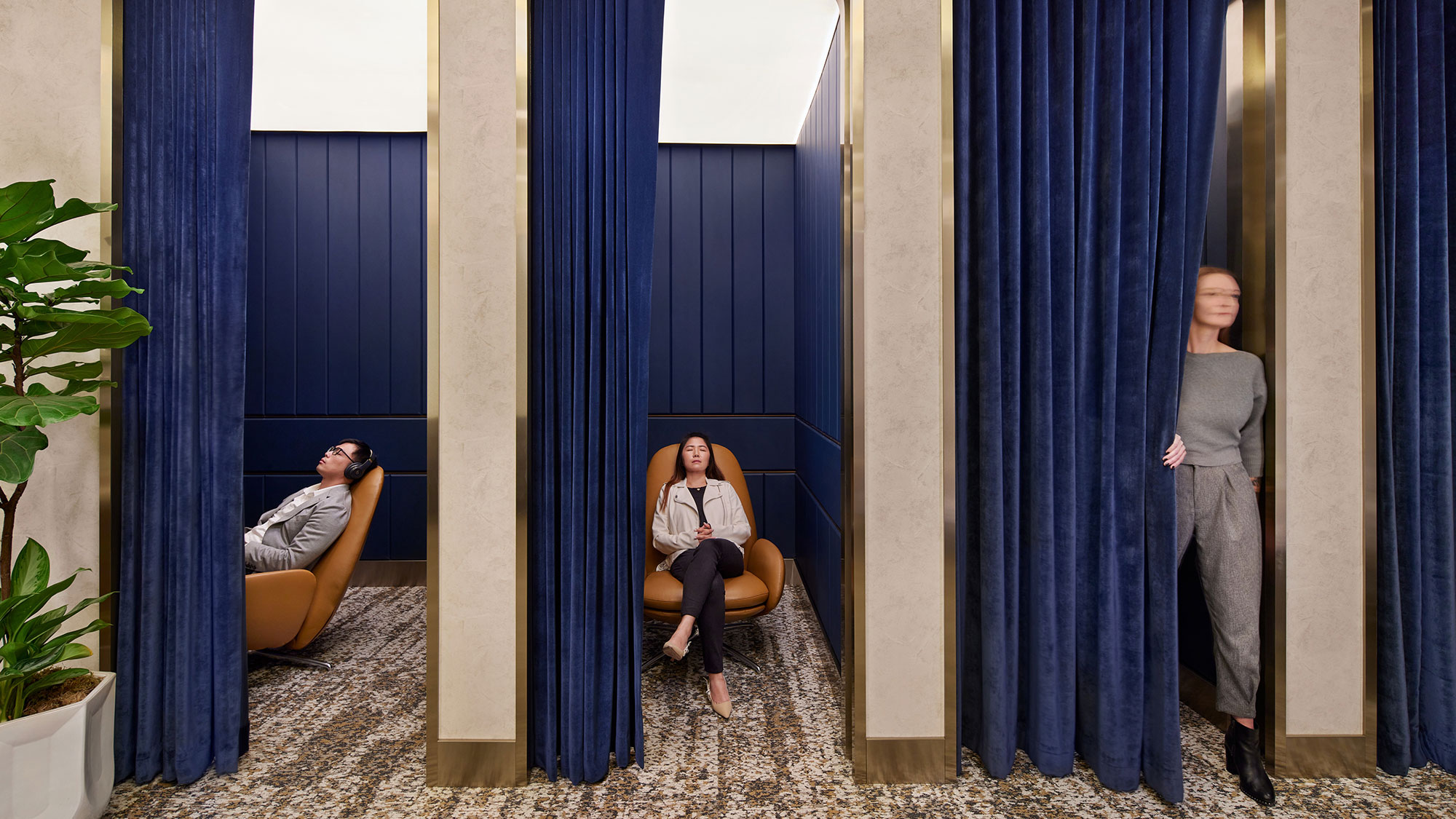
The Delta One Lounges in New York, Boston, and Los Angeles take a similar approach, offering travelers genuine respite through relaxation pods, spa services, quiet work booths, lush greenery, and enclosed outdoor spaces.
Both projects demonstrate that aviation wellness is about removing friction and restoring a sense of agency to people who have temporarily surrendered much of it.
Residential Developments
Multifamily residential developers are integrating wellness beyond certifications and amenities. The projects doing it well start with healthier materials and intentional planning, considering the neighborhood context and residents’ lifestyles. That integration requires a deep understanding of who the residents are, what their daily rhythms look like, and what needs go unmet within their units, buildings, or neighborhoods.
Wynwood Plaza in Miami, a mixed-use development, extends wellness into the public realm through shaded gathering spaces and ground-floor retail. The result is a more connected, welcoming experience that supports this burgeoning neighborhood’s continued growth. By treating restoration, social connection, access to nature, and work-life integration as core components of the mixed-use environment, the one-million-square-foot Wynwood development becomes an active daily ecosystem.
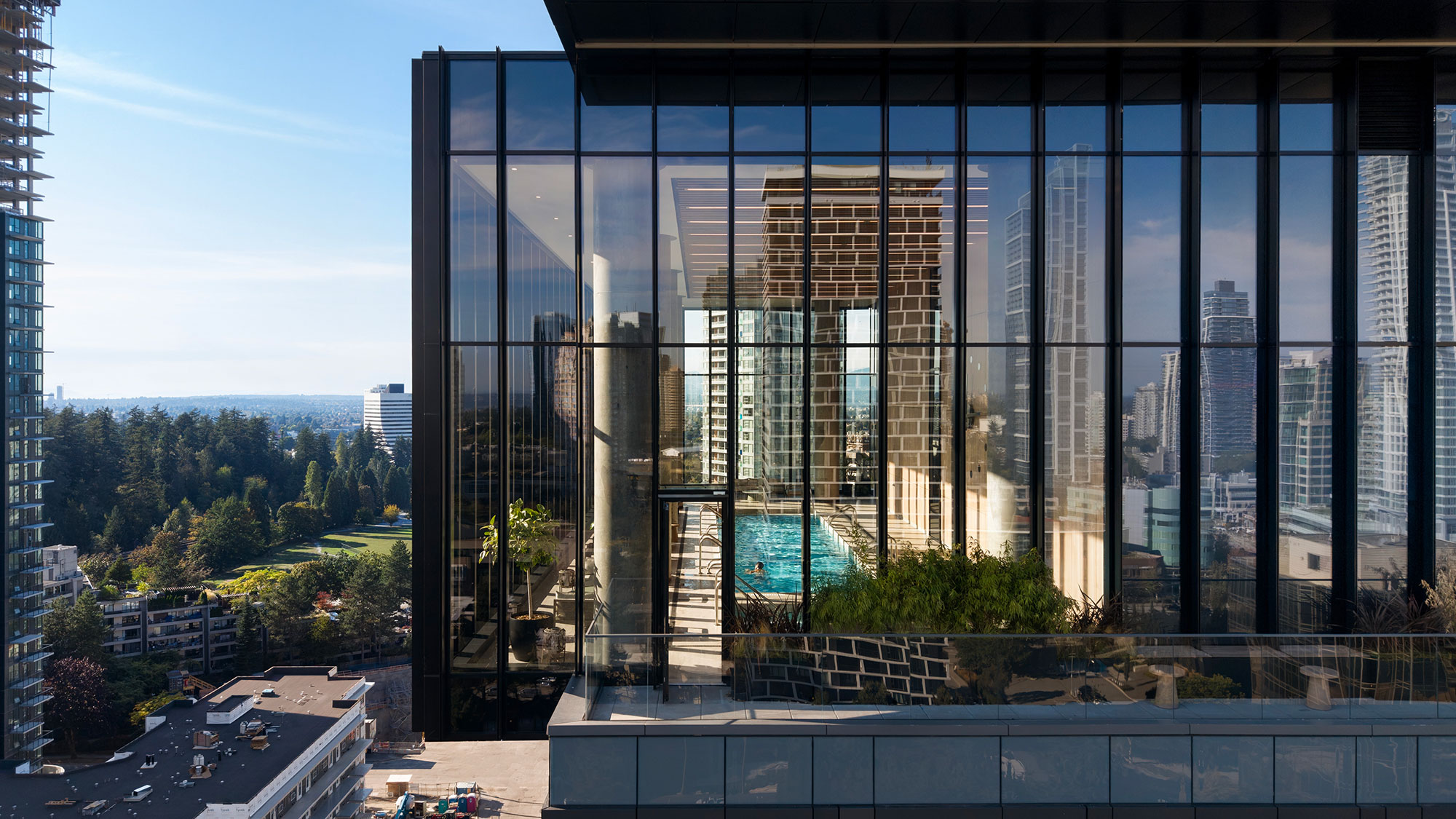
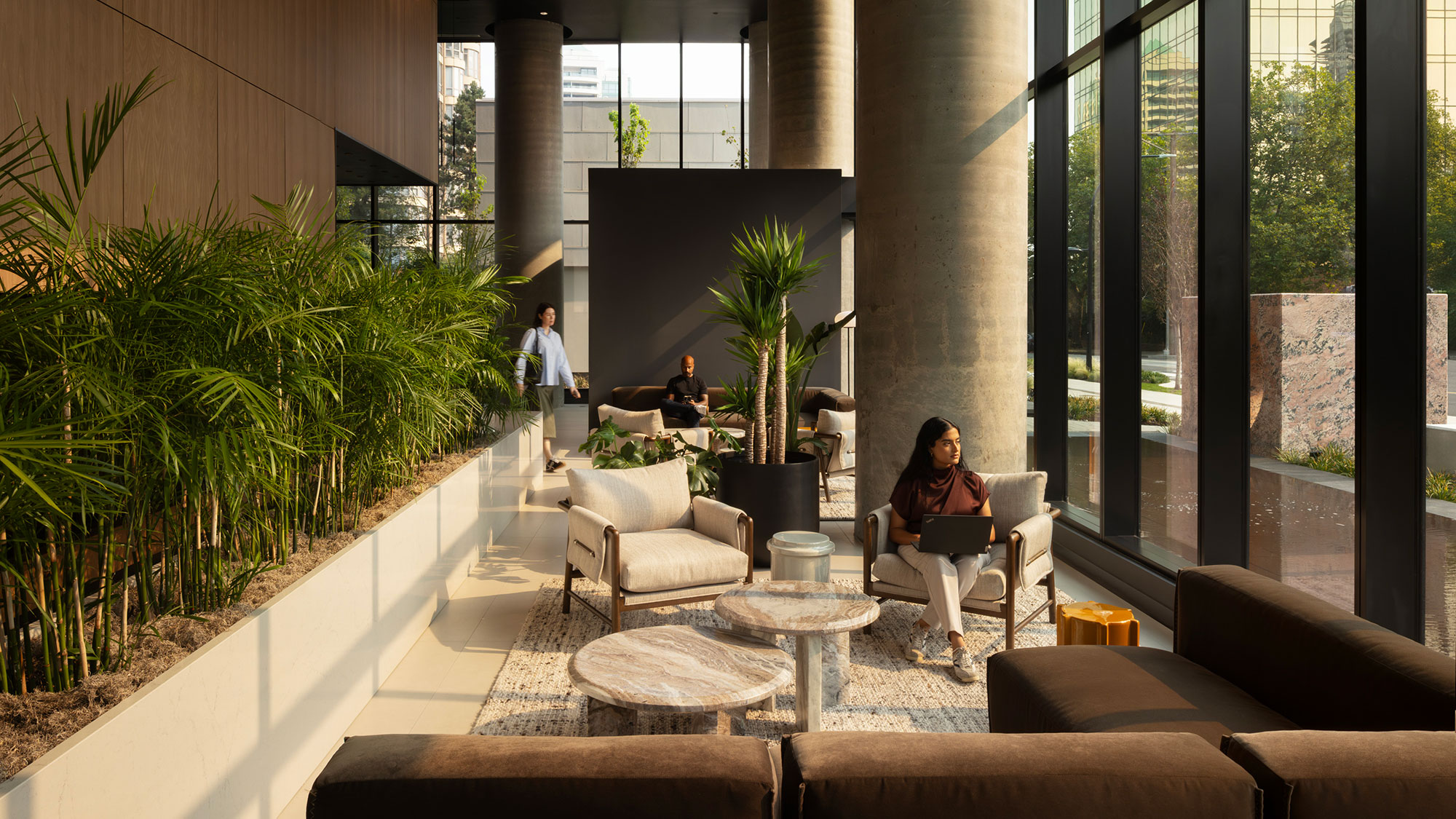
Central Park House, just outside Vancouver, responds to the need for both social and natural connection in dense city environments. Residents move between private terraces, landscaped outdoor spaces, and shared amenities designed to encourage solitude and connection.
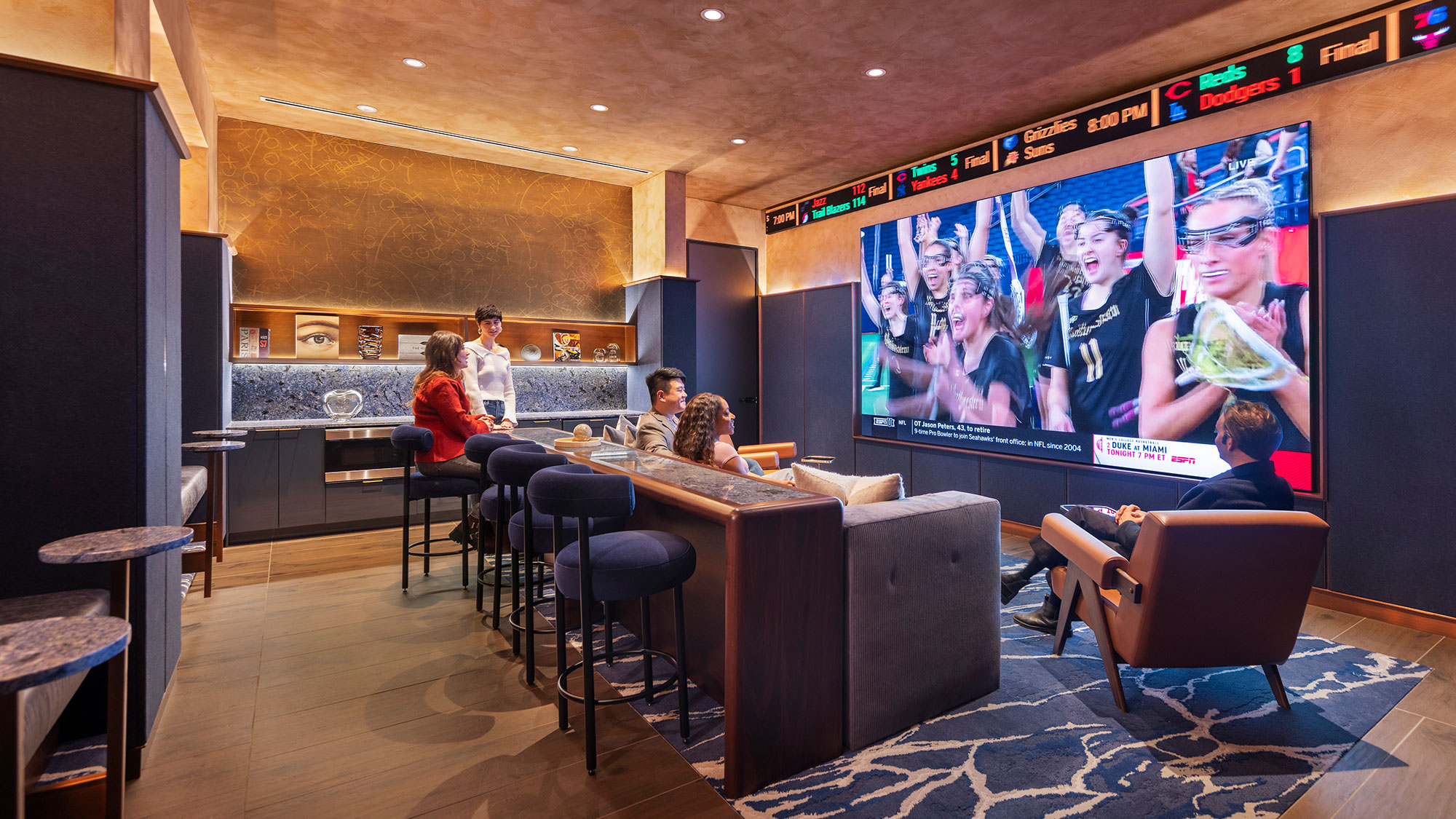
Pearl House, an office building converted into residences in downtown Manhattan, treats social infrastructure as a wellness amenity, with a children’s playhouse, bowling alley, and a wide range of social spaces for adults.
The underlying principle across all three projects is the same: wellness at the residential scale supports how people actually live.
Healthcare Facilities
Healthcare design has traditionally prioritized clinical outcomes and operational efficiency. That is shifting. Forward-thinking facilities understand that a facility designed to reduce stress and connect staff and patients to nature and light produces measurably better outcomes.
Montefiore Einstein Comprehensive Orthopedic & Spine Centerin Nyack, New York, illustrates what this looks like at an institutional scale. A hospitality-inspired care model prioritizes patient autonomy, comfort, and caregiver well-being while improving patient flow and reducing stress on providers. The project integrates daylight, clear circulation, and spaces for family members to wait and recover alongside patients, recognizing that healing is rarely a solitary experience.
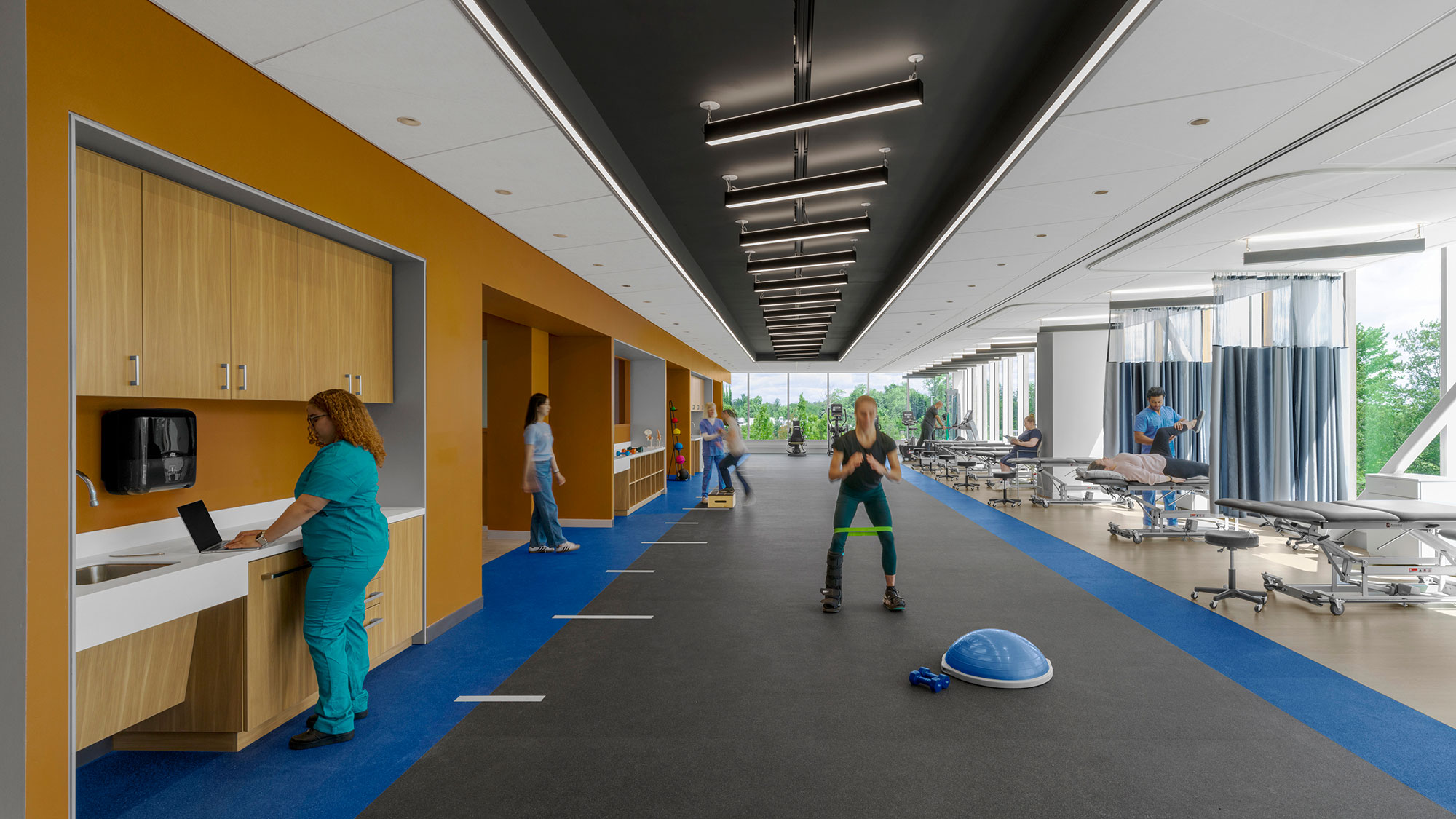
Summit Health’s Multispecialty Hub takes a different approach. The adaptive reuse of a former office building creates a more supportive experience for patients, companions, and staff. A central courtyard brings natural light, calming views, and opportunities for respite into the building, while spacious waiting areas, efficiently planned exam rooms, and co-located primary and specialty care encourage provider collaboration and more efficient workflows.
In the Workplace
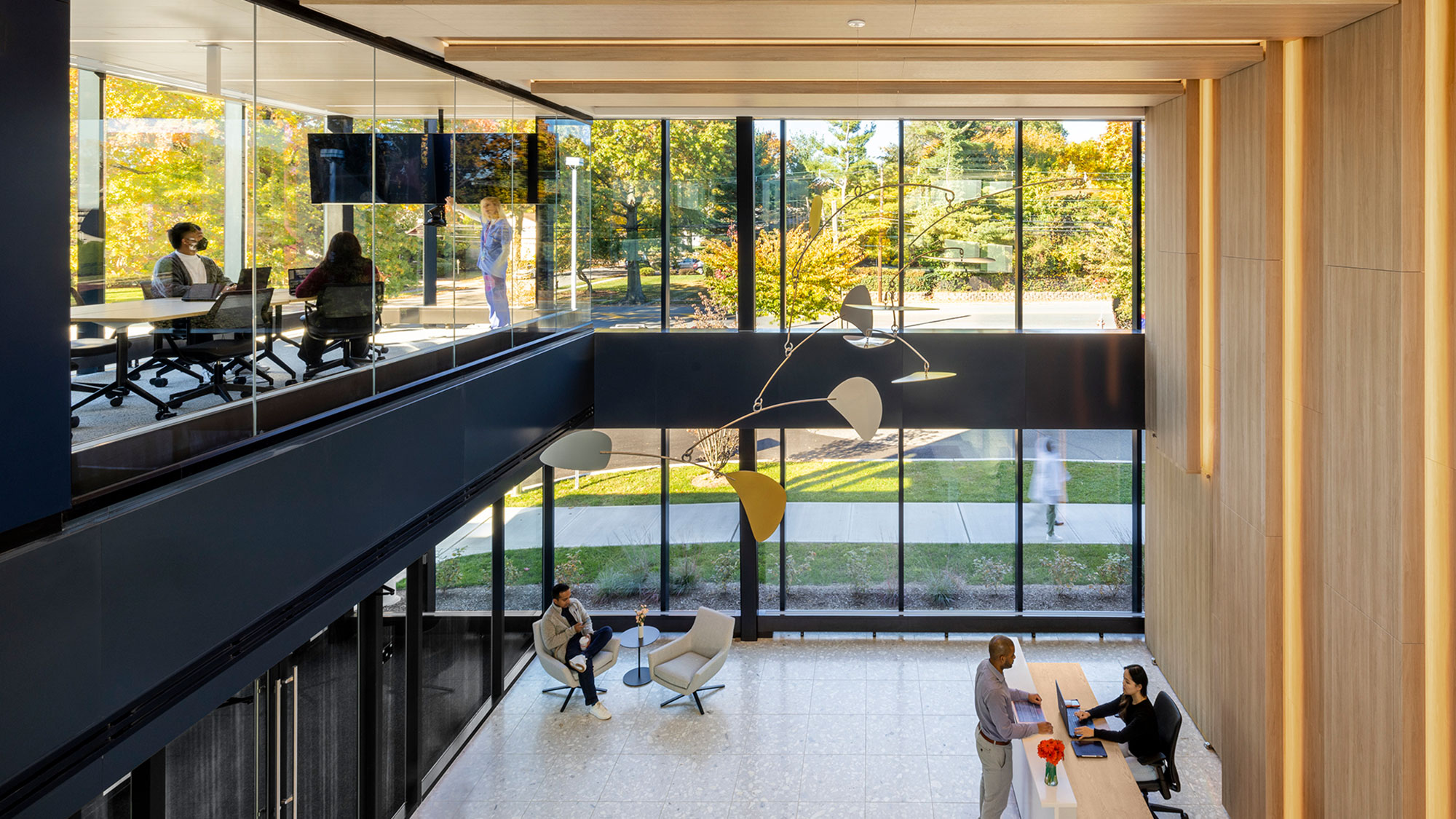
Leading companies have moved beyond isolated wellness perks to embed well-being into company culture and the everyday work experience. Hybrid work has made that challenge more complex: workplaces must support demanding routines while providing the flexibility, connection, and sense of purpose that make coming together valuable.
JPMorganChase’s new global headquarters integrates wellness throughout the workplace rather than confining it to a single amenity or room. Each neighborhood integrates biophilic principles, natural light, and diverse work settings, creating opportunities to recharge and connect.
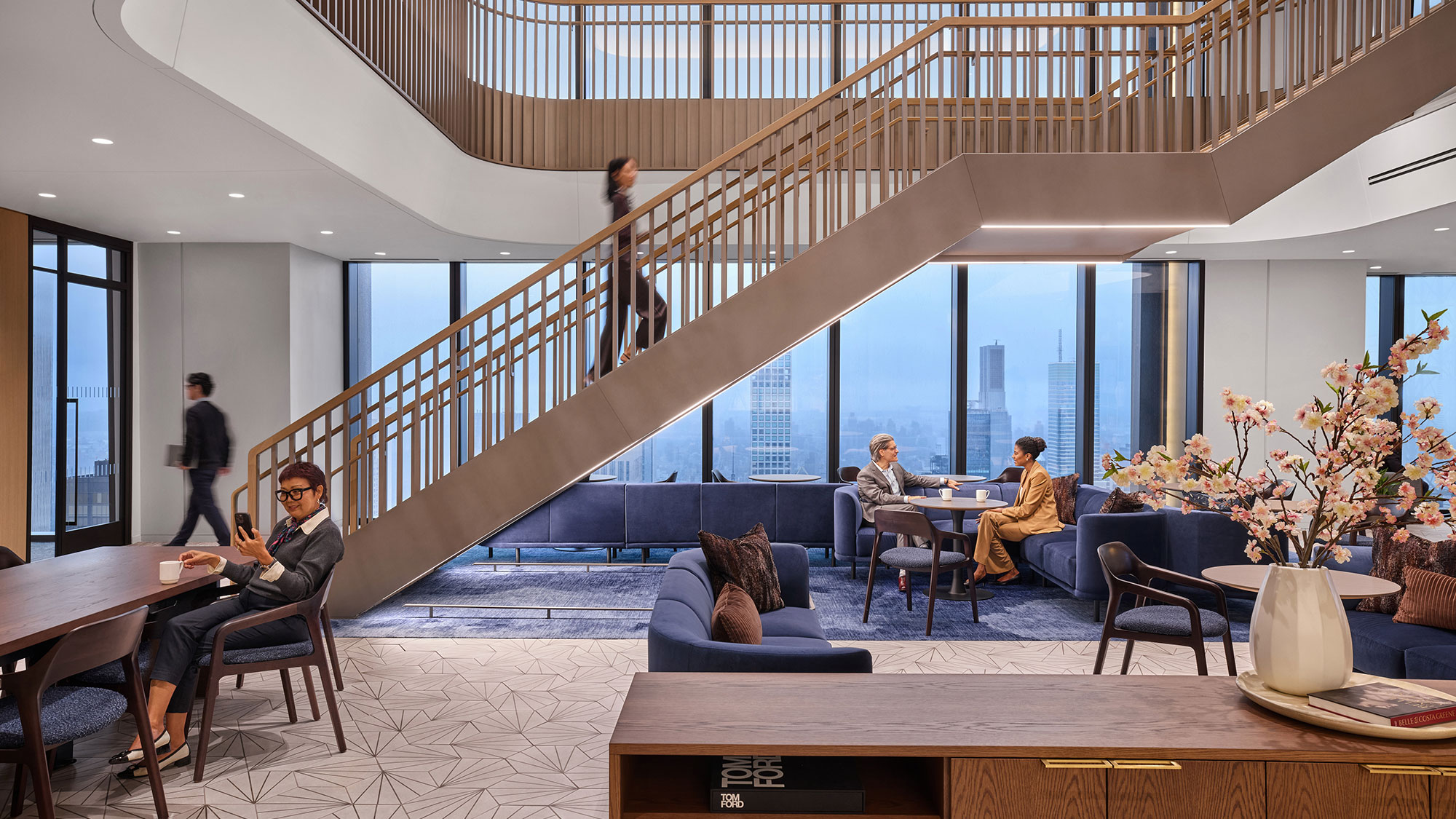
AllianceBernstein’s New York office treats wellness as a design consideration at every scale, incorporating elevated work cafés on every floor, flexible and unassigned work settings, active circulation, and adaptable gathering spaces. The three-star Fitwel-certified office embeds opportunities for movement and social connection into employees’ daily routines.
At AllianceBernstein’s Nashville headquarters, feature stairs connect all eight floors and encourage movement throughout the workday, while natural light, healthy eating options, and flexible social and gathering spaces support a broader culture of well-being.
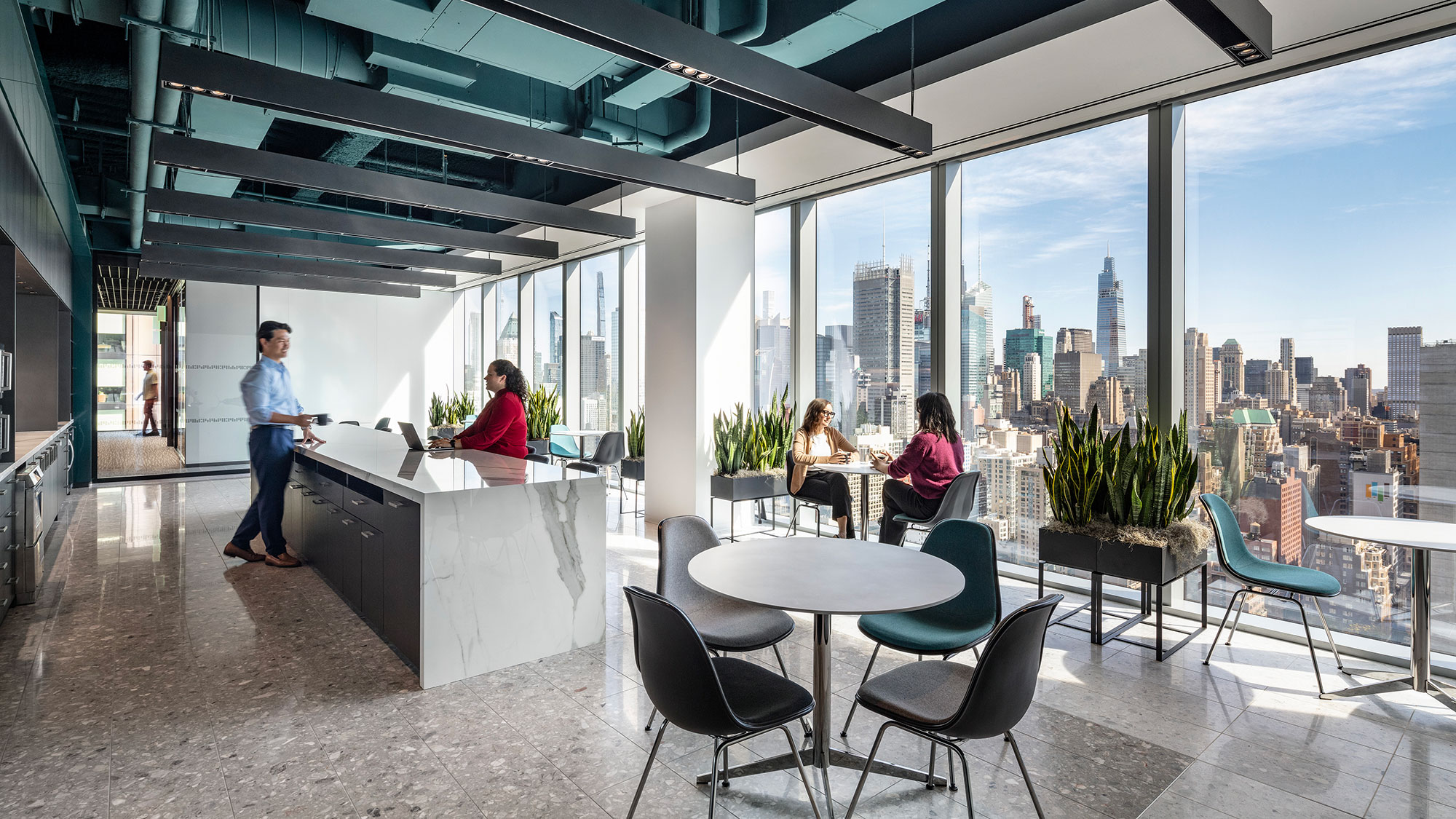
Both projects reinforce the idea that wellness is an ongoing process of evaluating and improving how a workplace supports its people.
Wellness Drives Value
Across aviation, residential, healthcare, and the workplace, wellness drives measurable returns. Airport terminals that reduce stress move passengers more efficiently and generate stronger retail revenue. Residential buildings that support daily wellness fill faster and hold value longer. Healthcare facilities that treat the environment as part of the care model see better patient outcomes. Workplaces that embed well-being into the physical experience attract and retain the people organizations most want to keep.
Spaces designed for human well-being perform better, for the people who use them and for the owners and operators who invest in them.
For media inquiries, email .