- 1.7 Million Square Feet of Workplace and Client Spaces
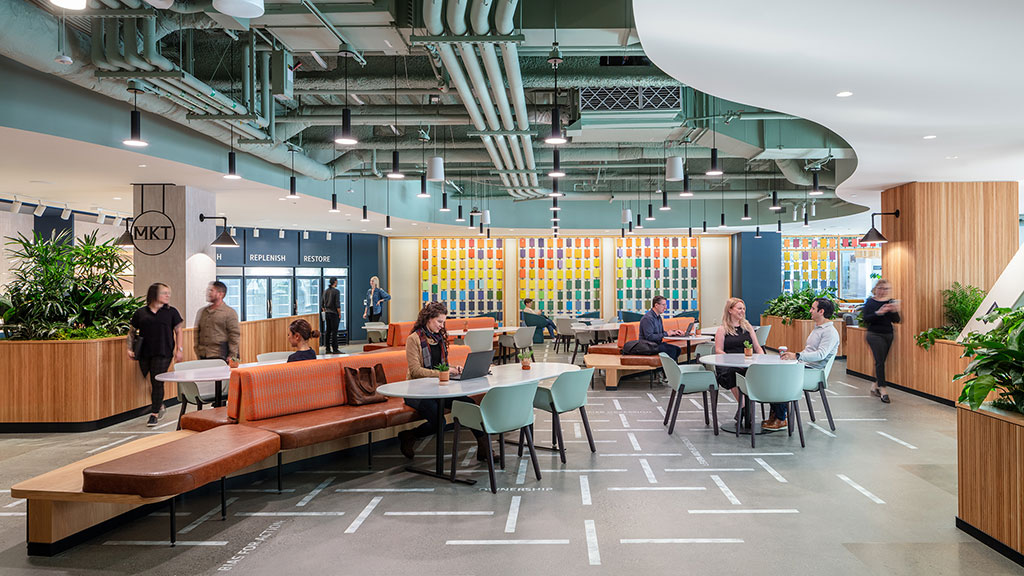
- 20 Work Floors Connected by 11 Work Cafes
- Home to up to 10,000 Employees
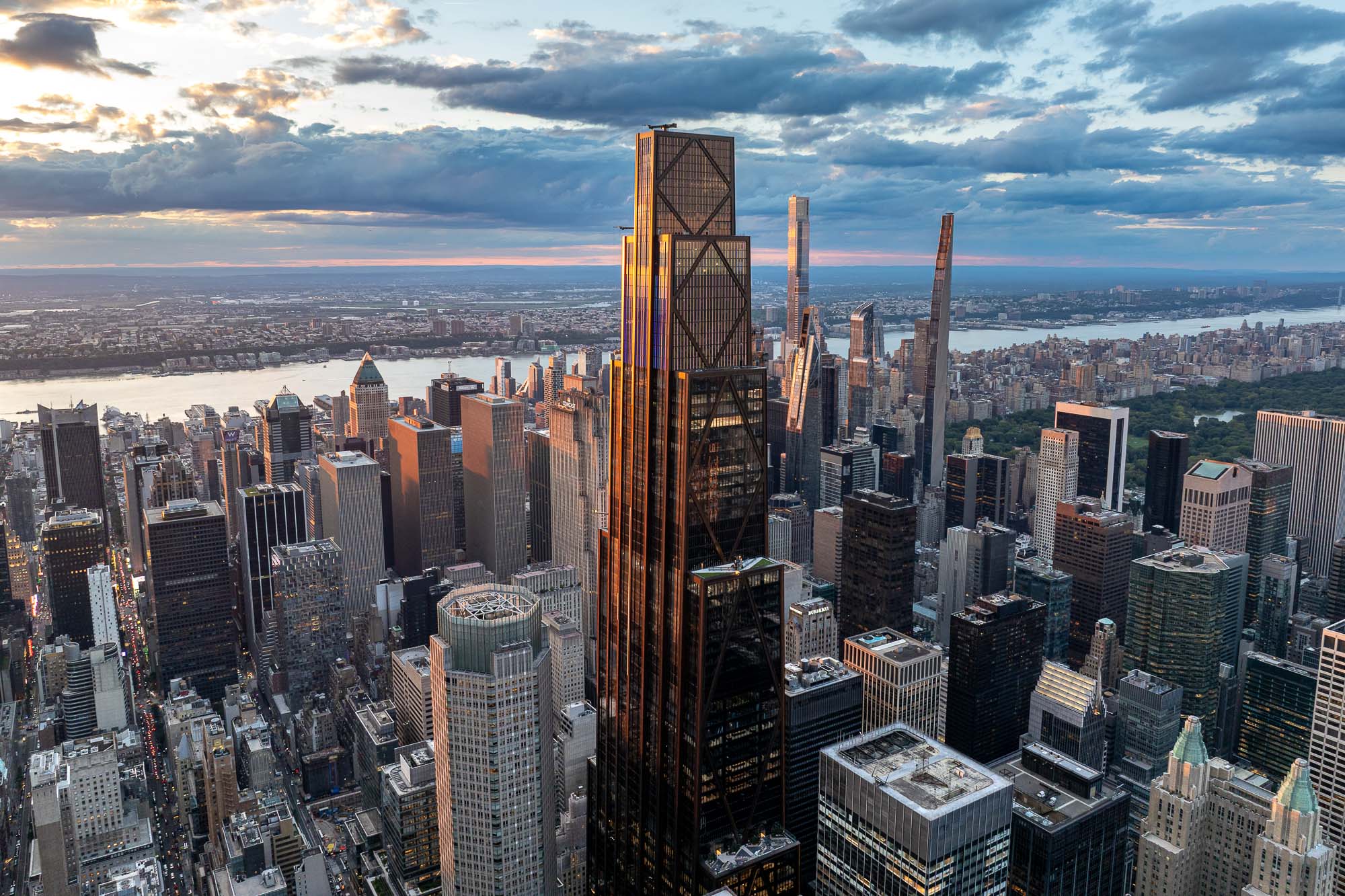
- 100% Electric Office Tower
- 285,000 Square Feet of Dedicated Client Entertainment Space
- Powered by Smart Technology and Advanced Infrastructure
- Higher Ceilings Exceed Typical Office Standards
- 50% More Communal Spaces, and 25% More Volume of Space per Person
In today’s rapidly evolving business landscape, corporate headquarters are becoming strategic tools to inspire purpose, productivity, and collaboration. Especially in cities like New York, where competition for talent is fierce, headquarters must reflect a company’s values and vision while empowering employees to do their best work. For its global headquarters in New York City, JPMorganChase sought to create a world-class headquarters that would bring up to 10,000 employees, clients, and guests together in a flexible and dynamic office that supports how people work today and anticipates how they’ll work tomorrow.
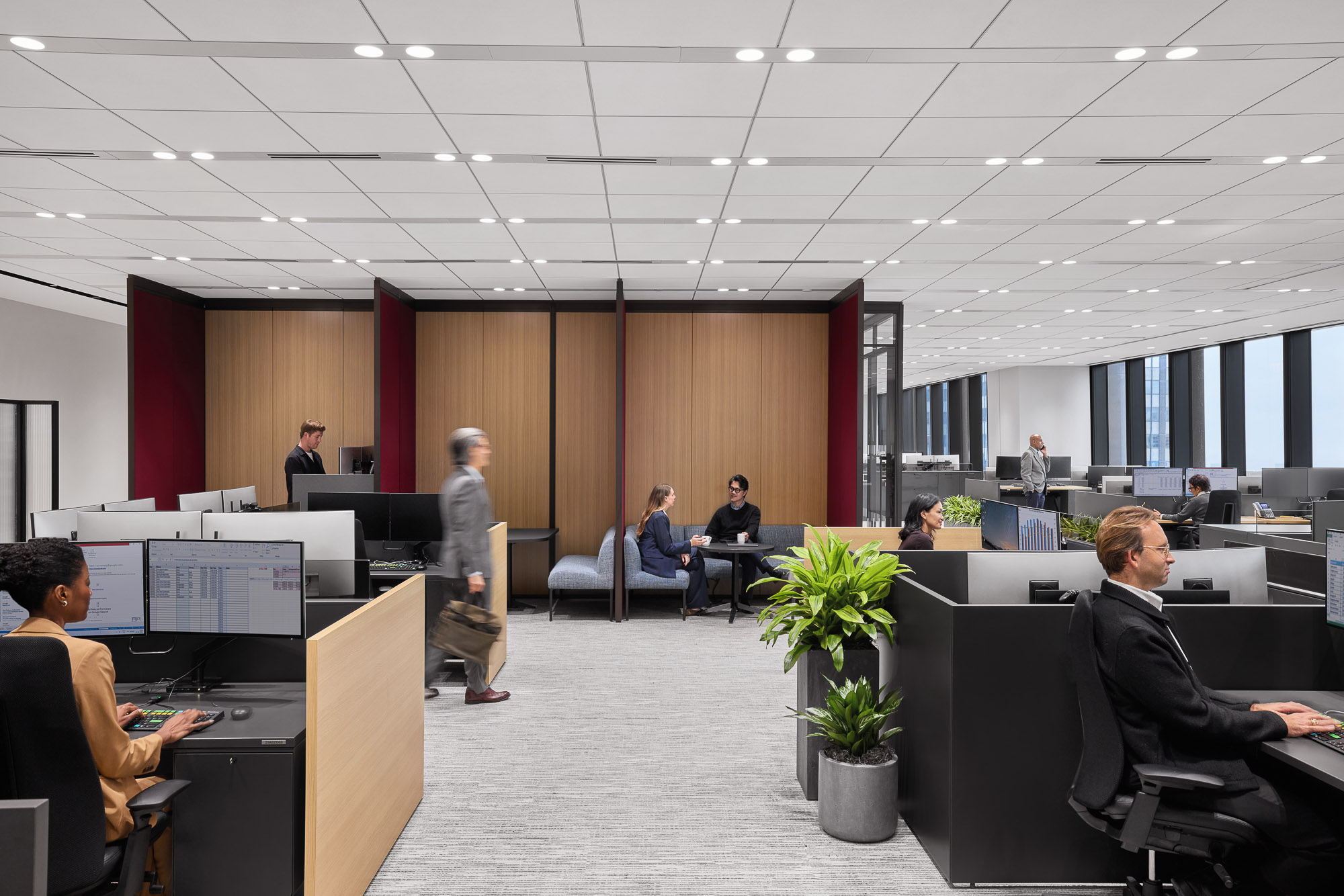
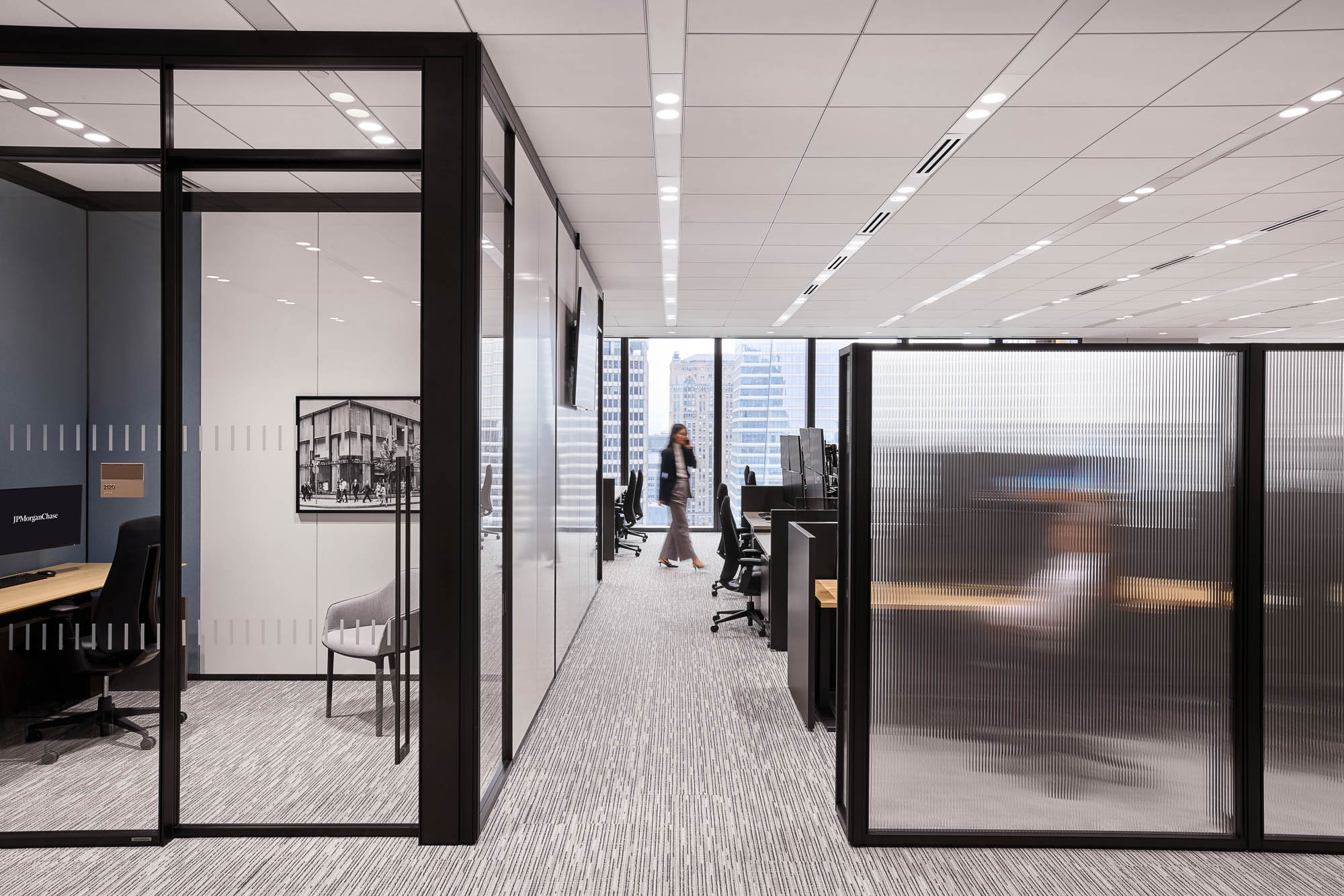
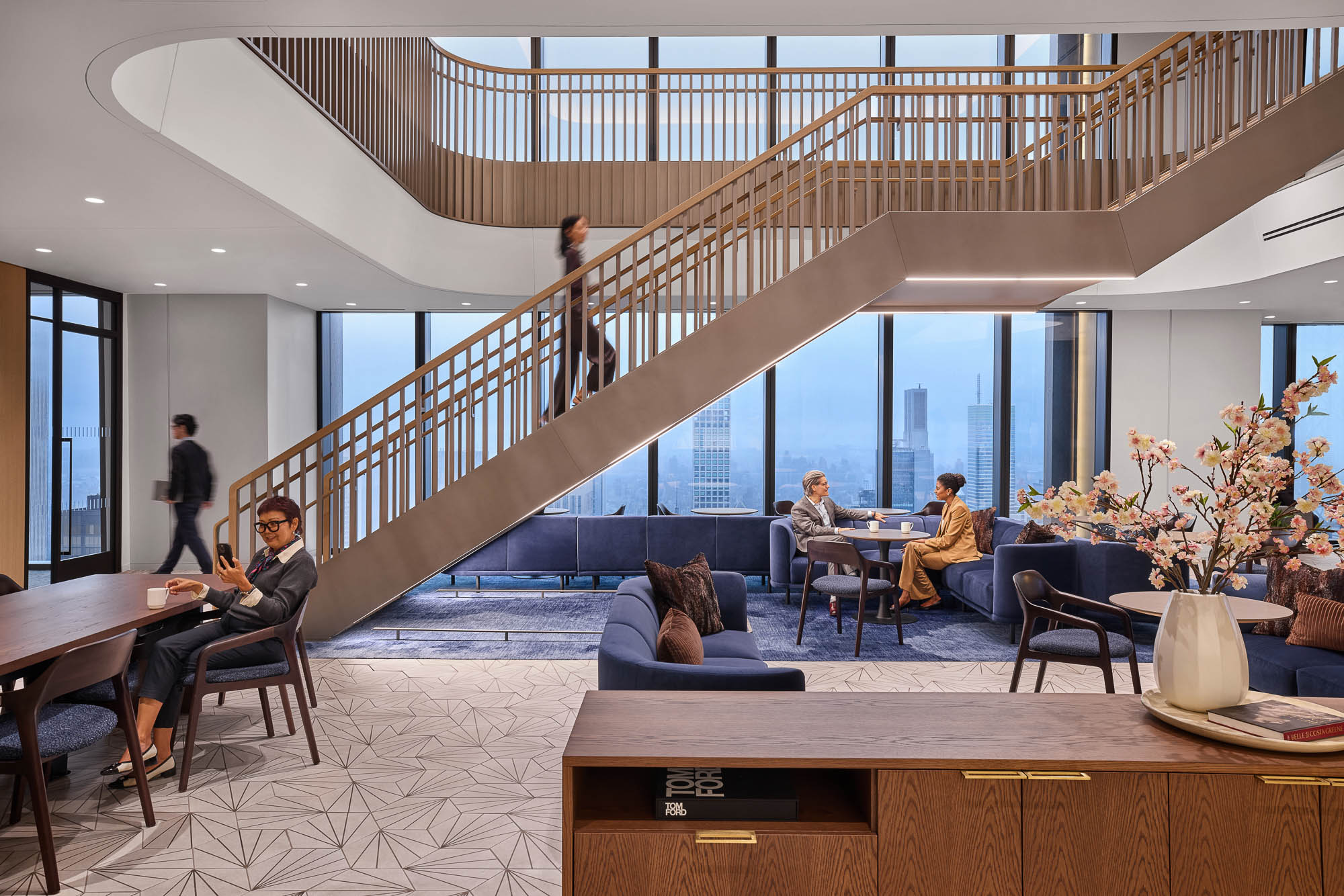
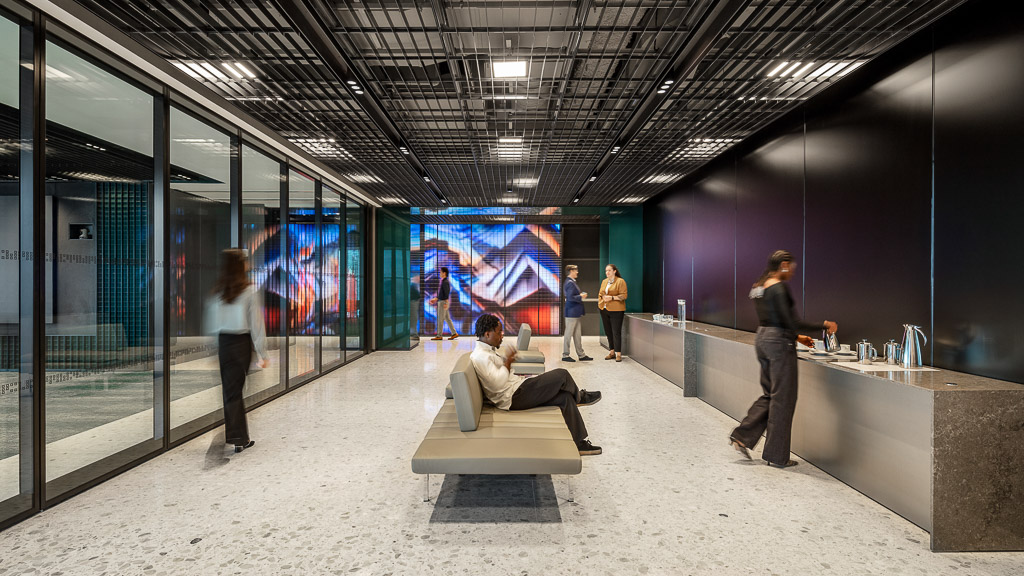
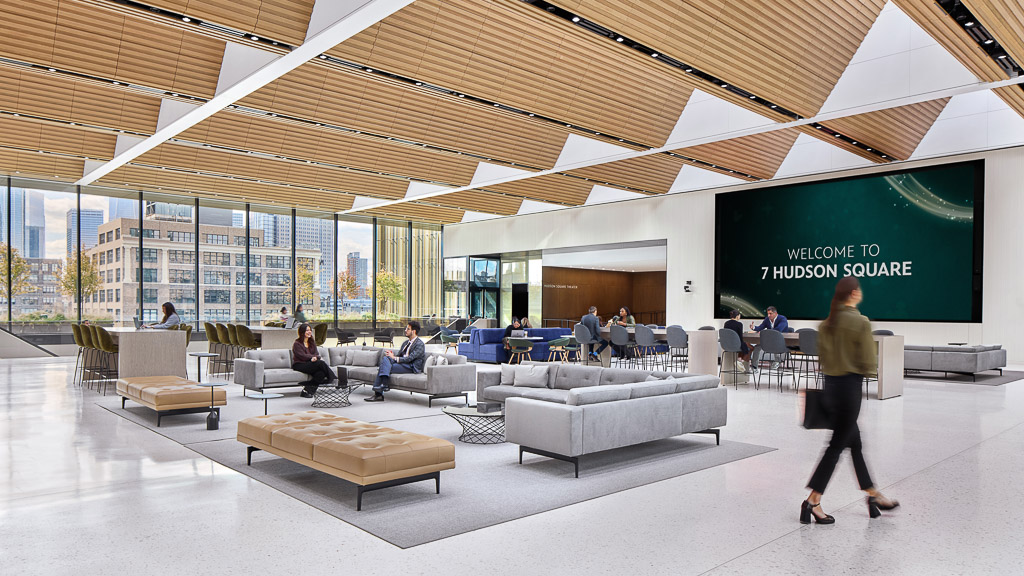
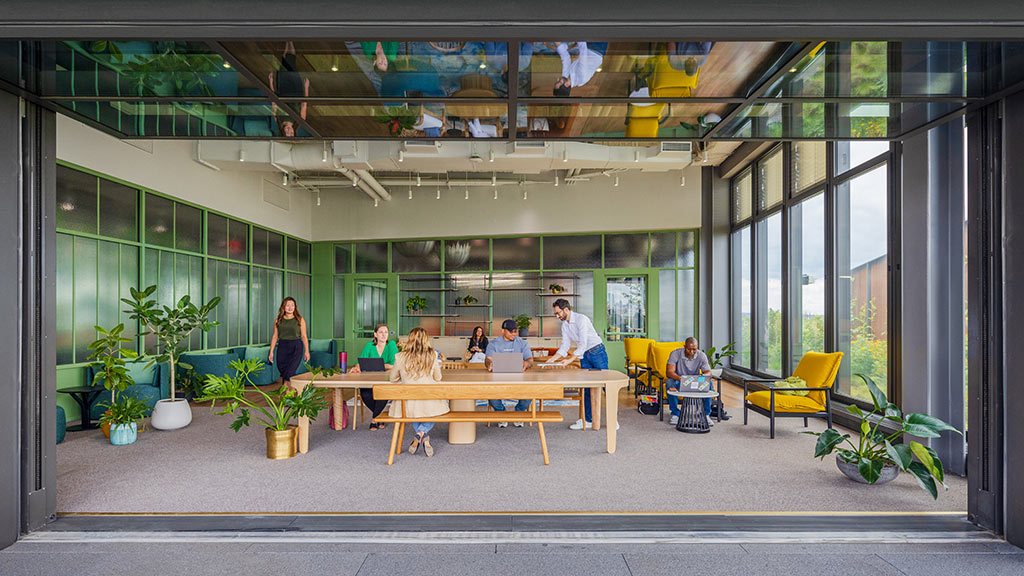
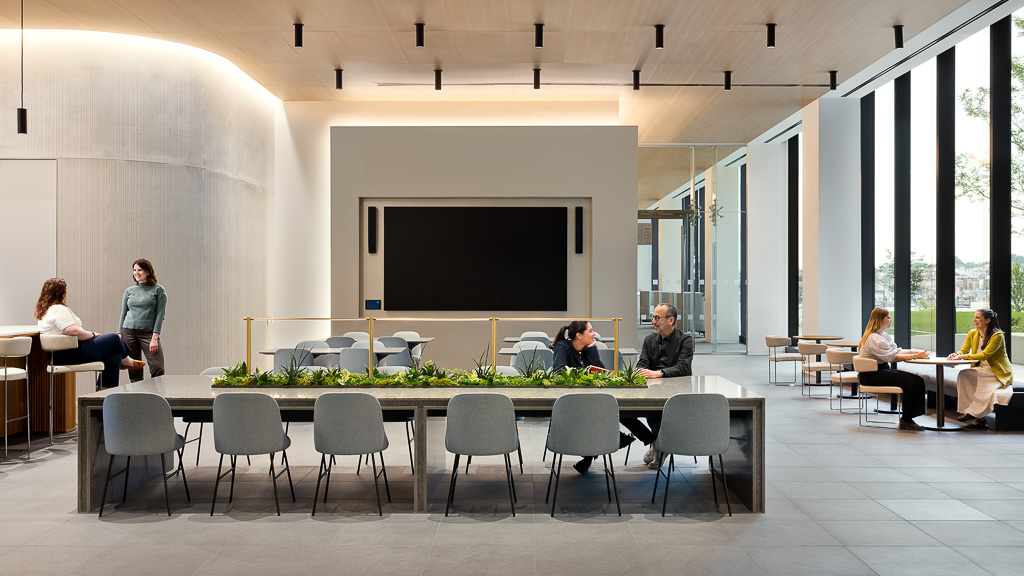
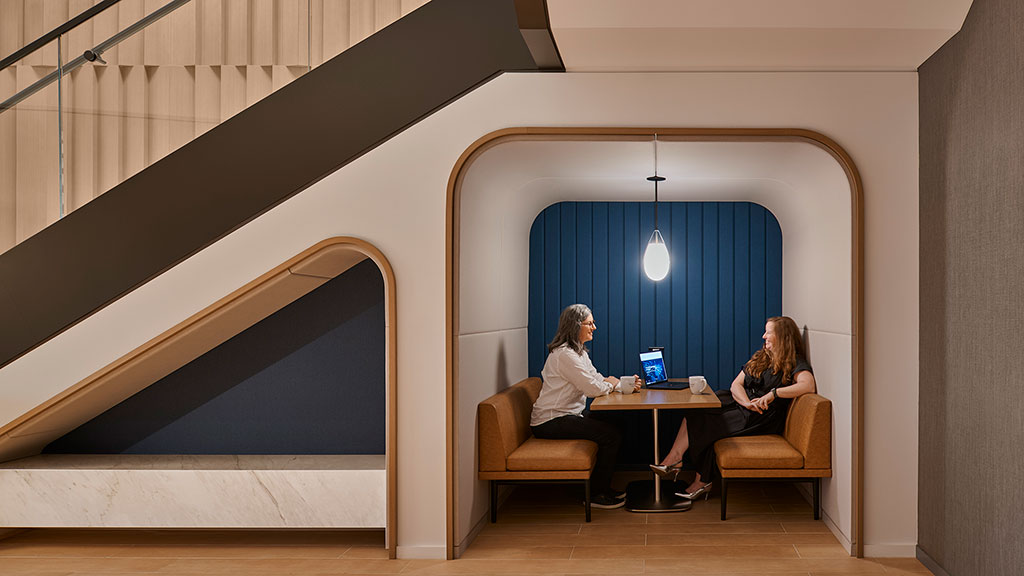
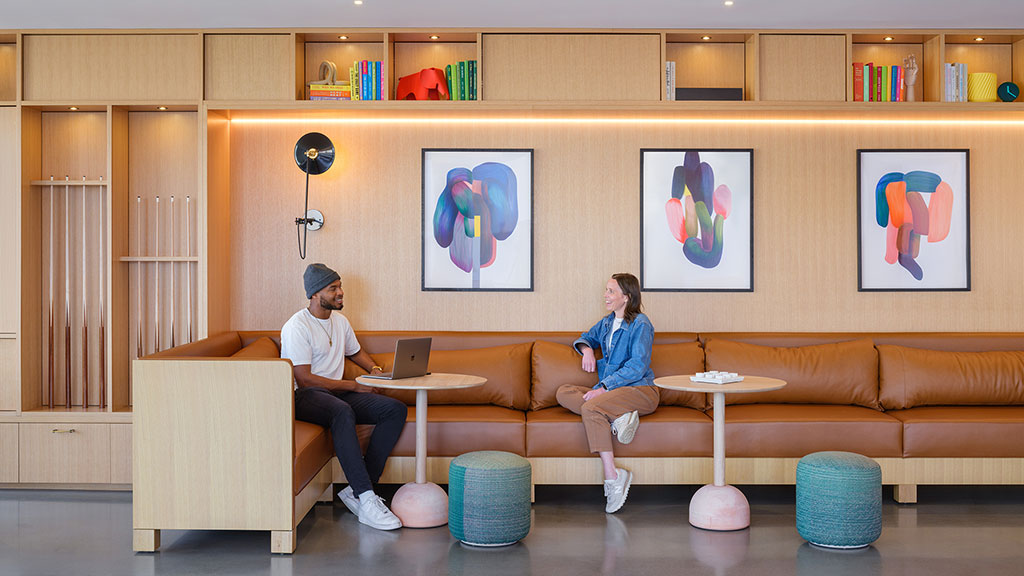
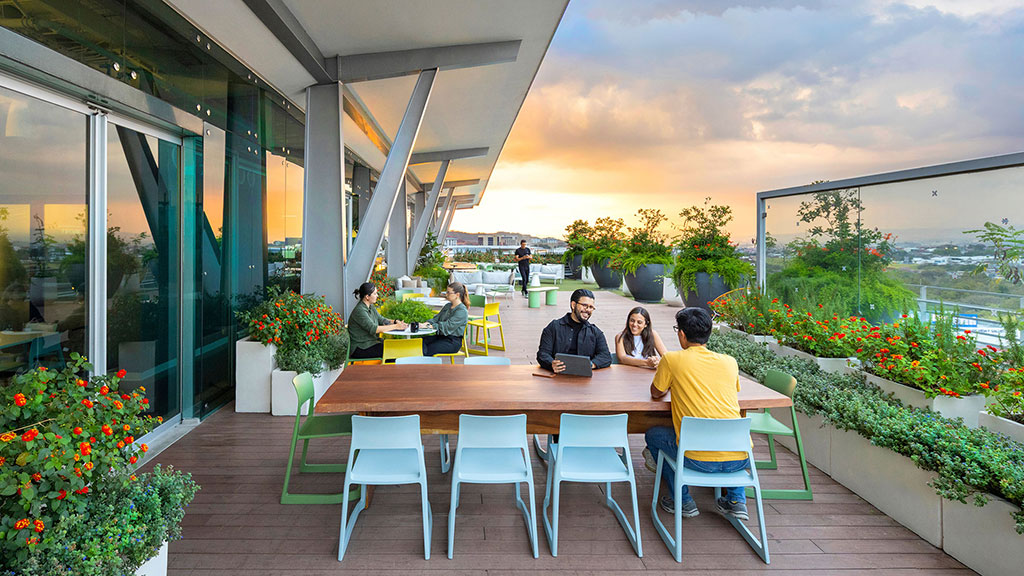
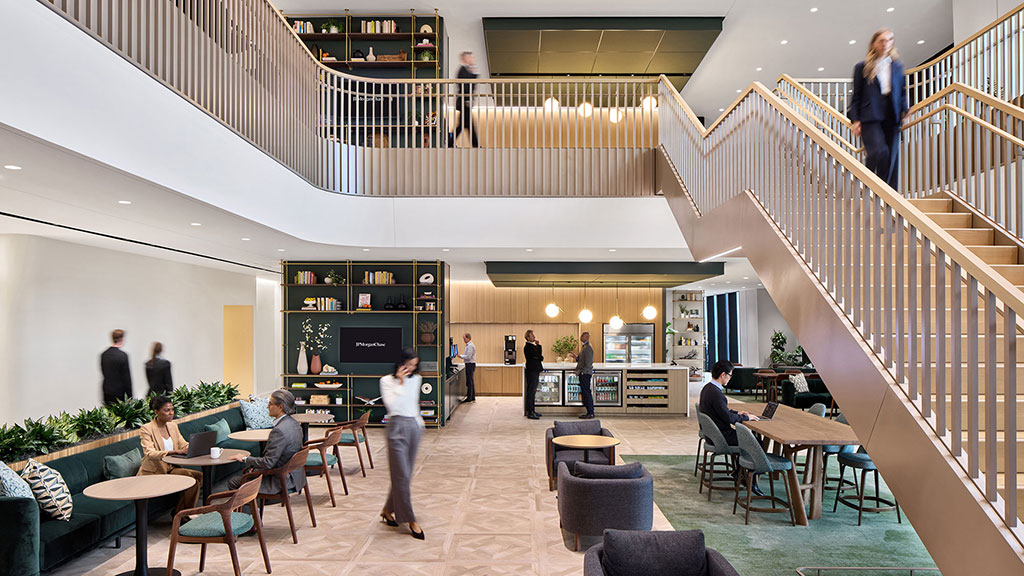
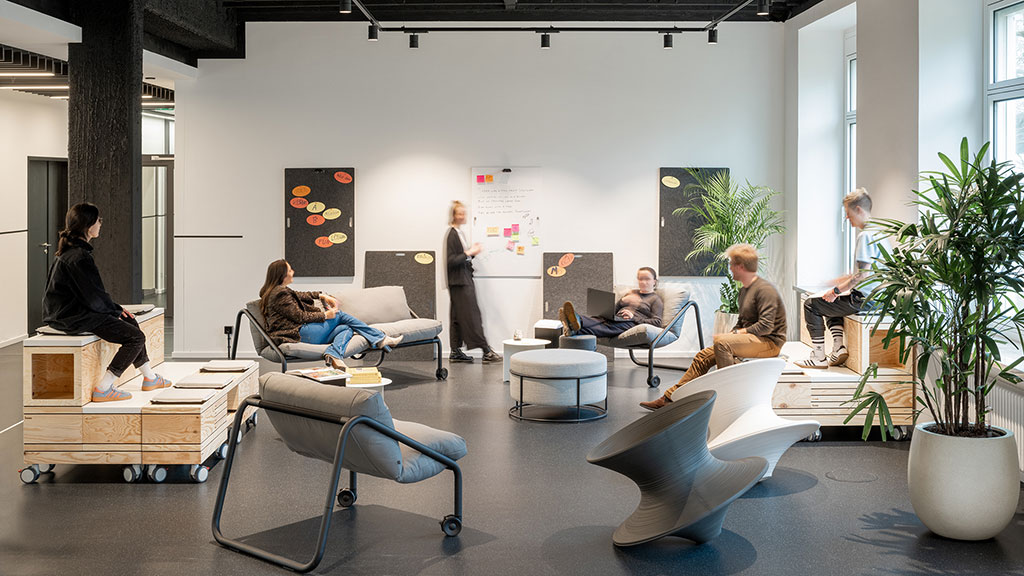
The JPMorganChase Tower reimagines the workplace as a vertically connected ecosystem organized around neighborhood-based floors. Twenty workplace levels are linked by two-story cafes that function as social anchors, fostering cross-team connections and culture. Each neighborhood integrates biophilic principles, natural light, and diverse work settings. The innovative “un-cubicle” workstation provides privacy without isolation, while adaptable layouts, embedded smart systems, and modular partitions ensure the workplace can evolve with organizational needs. Complementary amenities — from wellness and dining spaces to a leadership training center — support physical, mental, and professional growth.
The tower sets a new benchmark for employee-centered design, democratizing access to light and views while enhancing flexibility, collaboration, and well-being. The diverse work settings and robust suite of amenities empower employees and teams to break through organizational silos with greater ease and convenience, while creating opportunities to recharge and connect. Seamlessly blending architecture, technology, and culture, JPMorganChase Tower redefines the modern headquarters — empowering 10,000 people each day to connect, perform, and thrive.
-
Engineering News-Record named JPMorgan Chase Tower on its New York Best Projects list in “Interior/Tenant Improvement”. Gensler designed 1.7 million square feet of interiors across 20 workplace floors, creating a human-centered environment to foster flexibility, connection, and a sense of belonging.
-
Human Resources Director Magazine covered findings from Gensler’s Global Workplace Survey, featuring insights from Global Director of Workplace Research Janet Pogue McLaurin on how AI is fostering more collaboration amongst workers, contrary to previous reports.
-
Semafor interviewed Gensler Co-CEO Elizabeth Brink in an article on how organizations are adapting to the AI-enabled work revolution by reimagining physical spaces to embrace new technology and also provide tech-free zones.
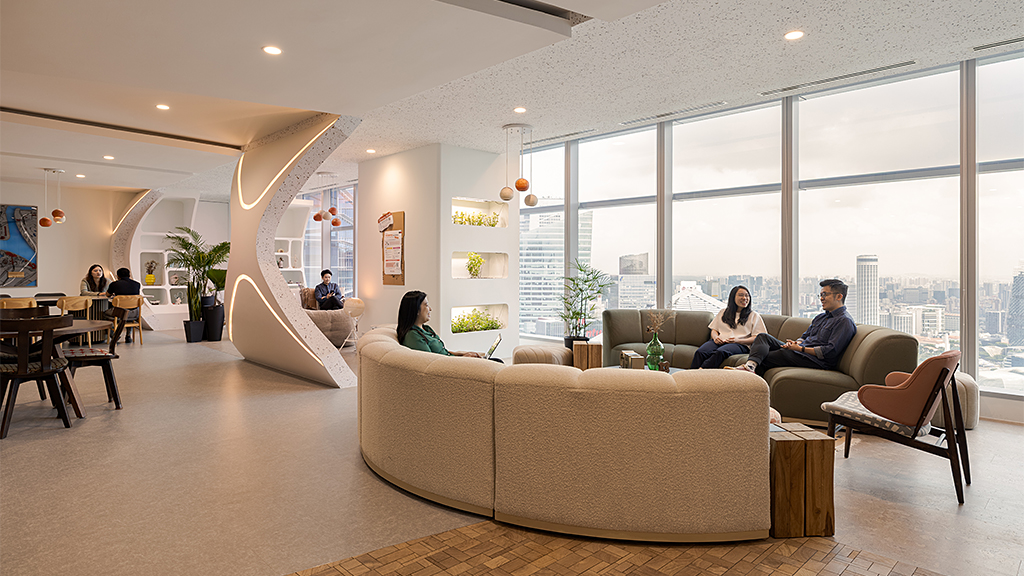
DBS Social Hub
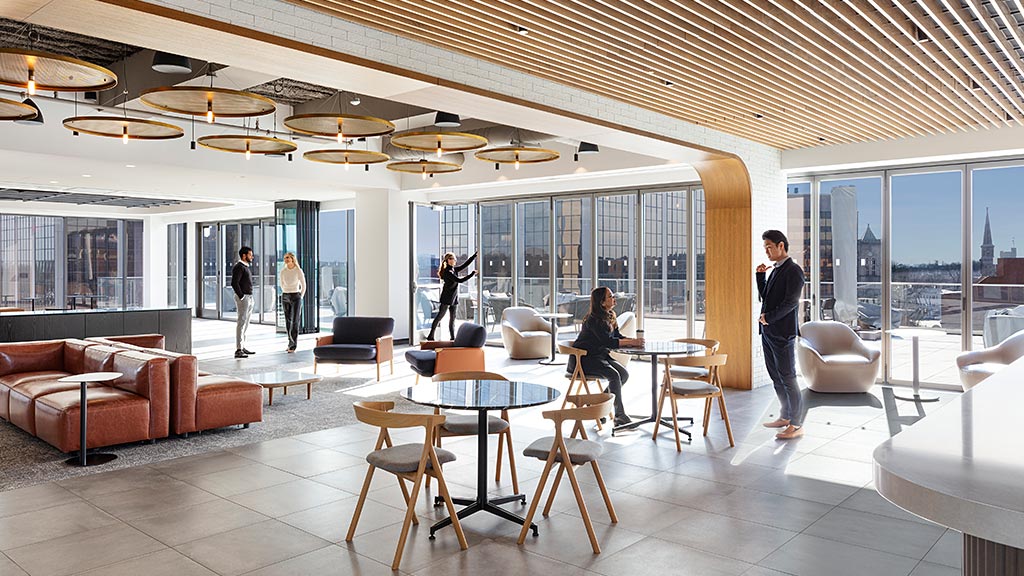
Valley Headquarters and Ethan & the Bean

Corsair Capital
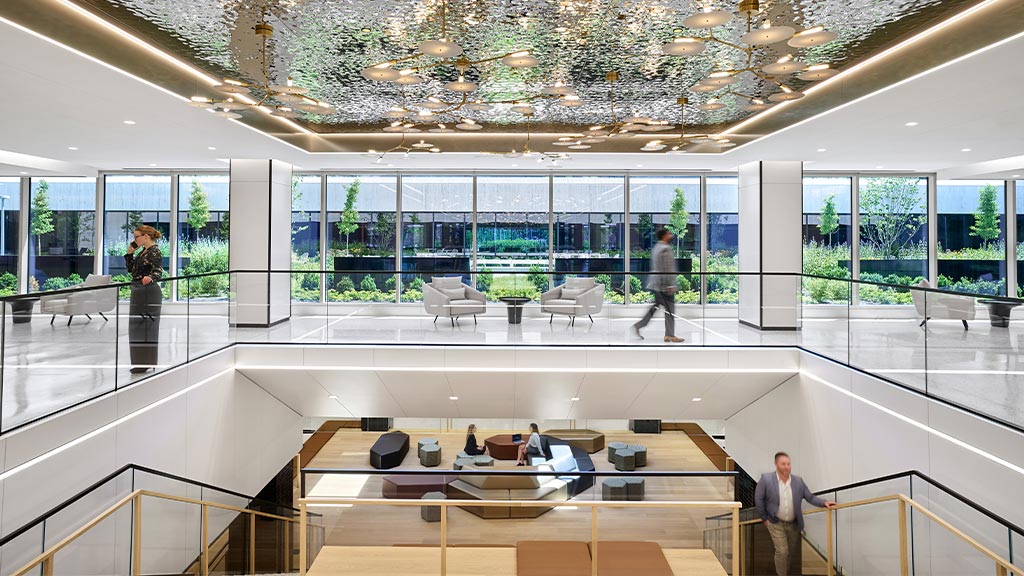
Confidential Financial Services Campus
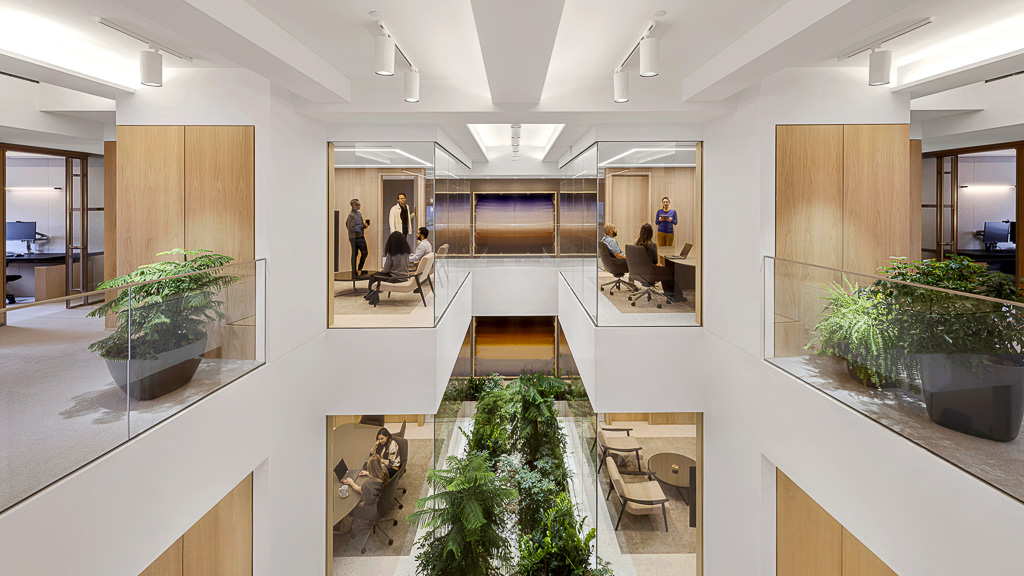
Investment Firm at Rockefeller Center
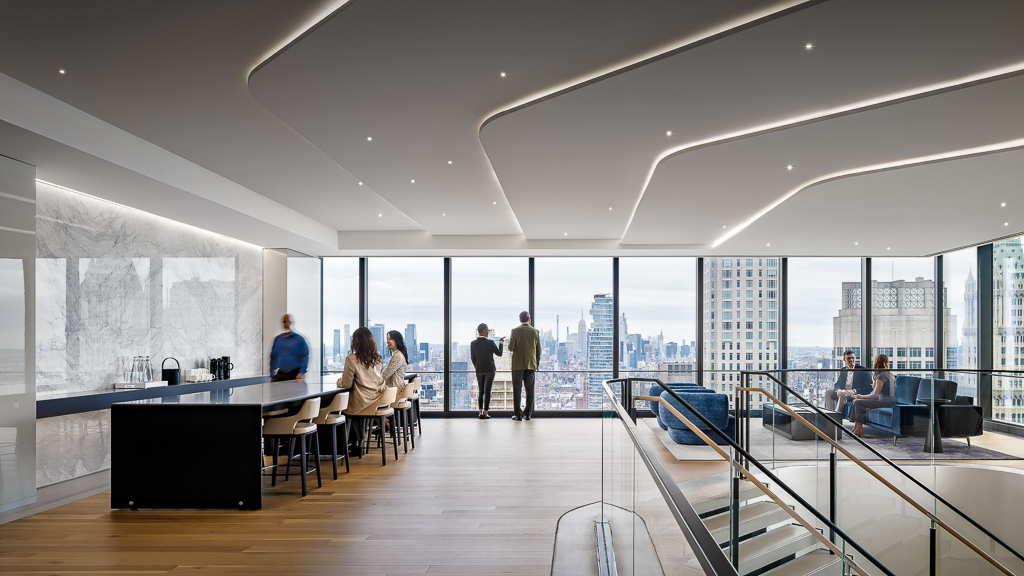
Freshfields New York
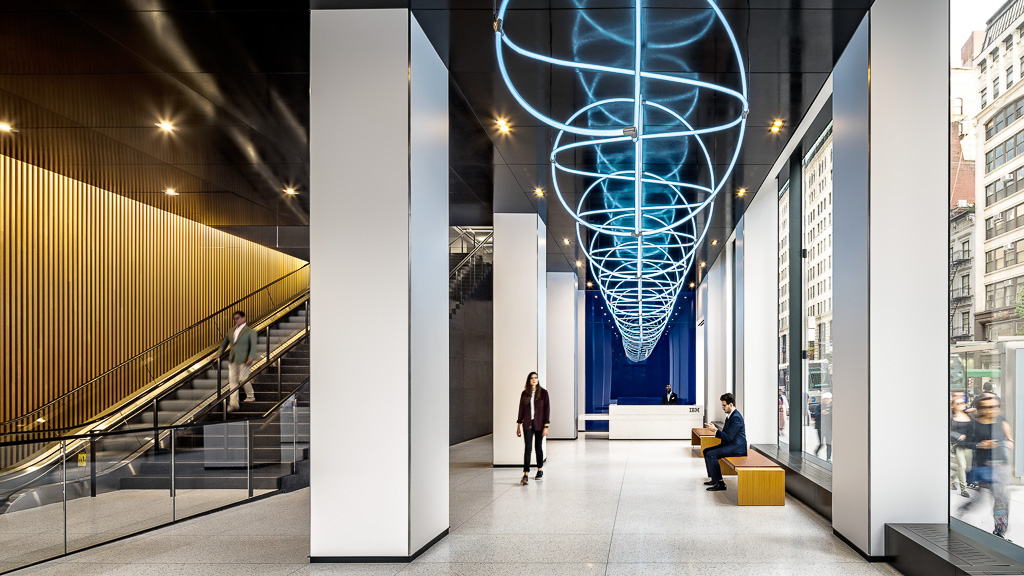
IBM Flagship Office at One Madison Avenue
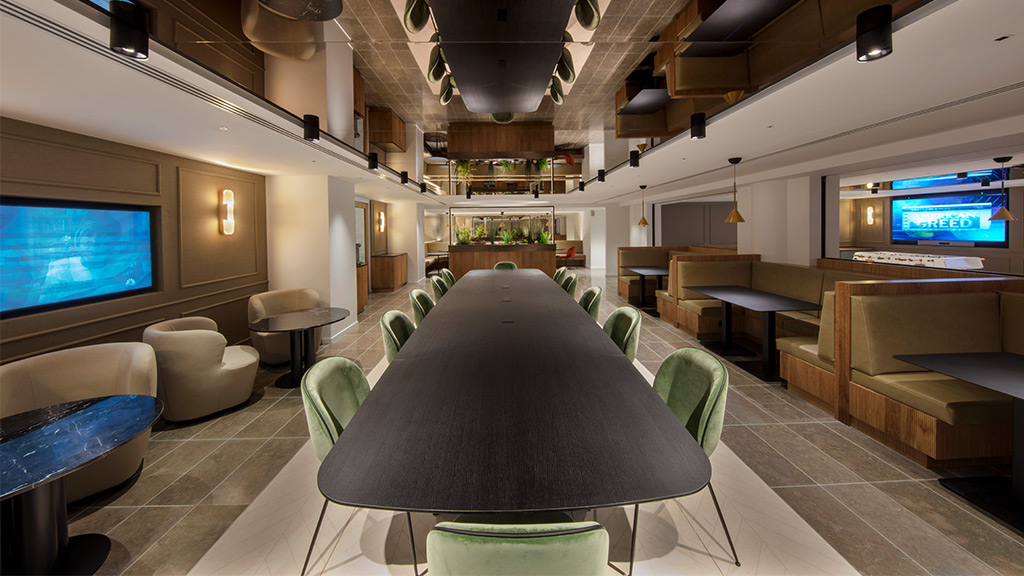
Confidential Global Financial Client
AllianceBernstein at Hudson Yards
The Walt Disney Company NYC Headquarters
Google at St. John’s Terminal
T. Rowe Price | Harbor Point Headquarters
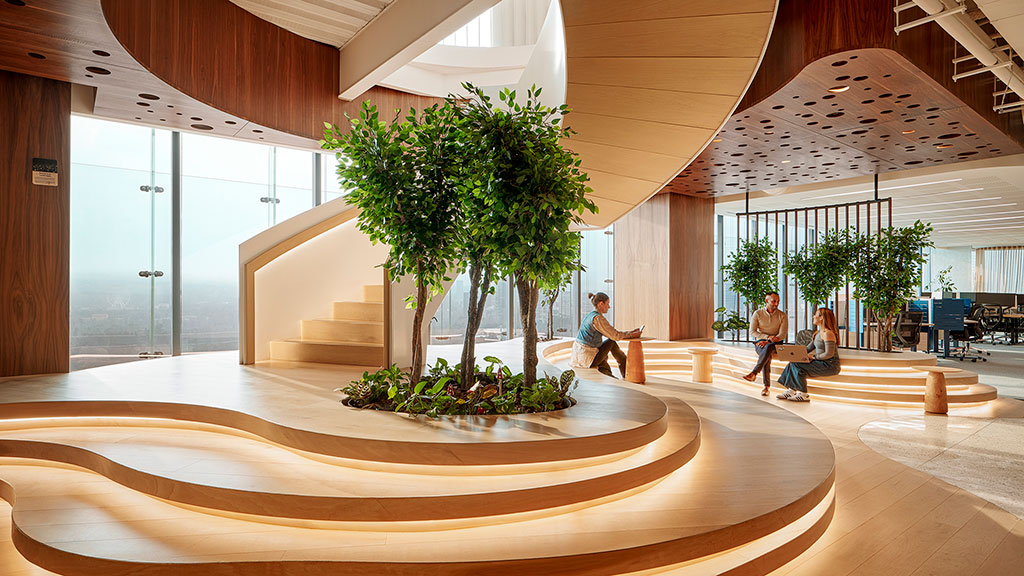
A Field Guide to Workplace Microdiversity
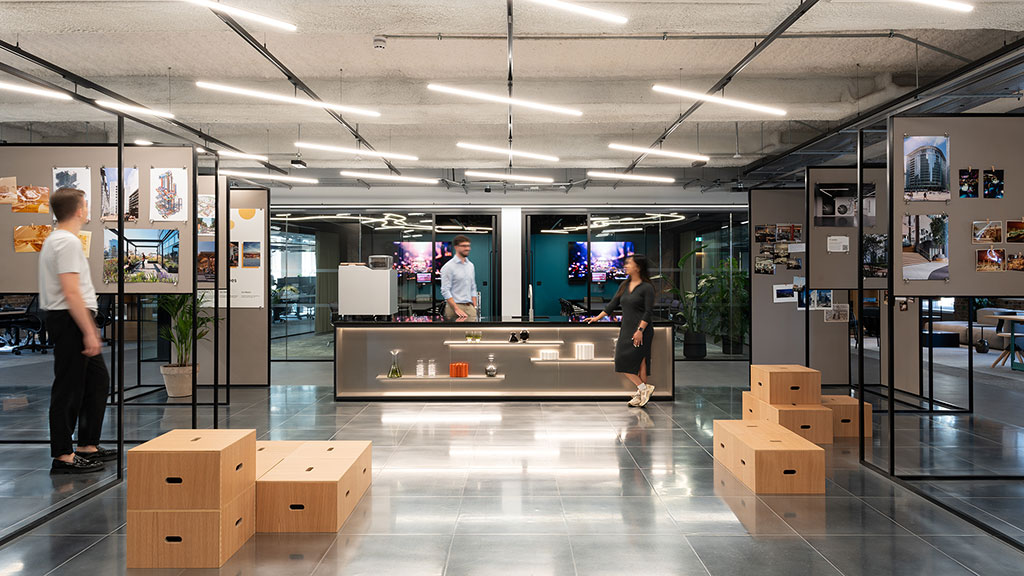
Built to Flex: The Case for the Portable Office
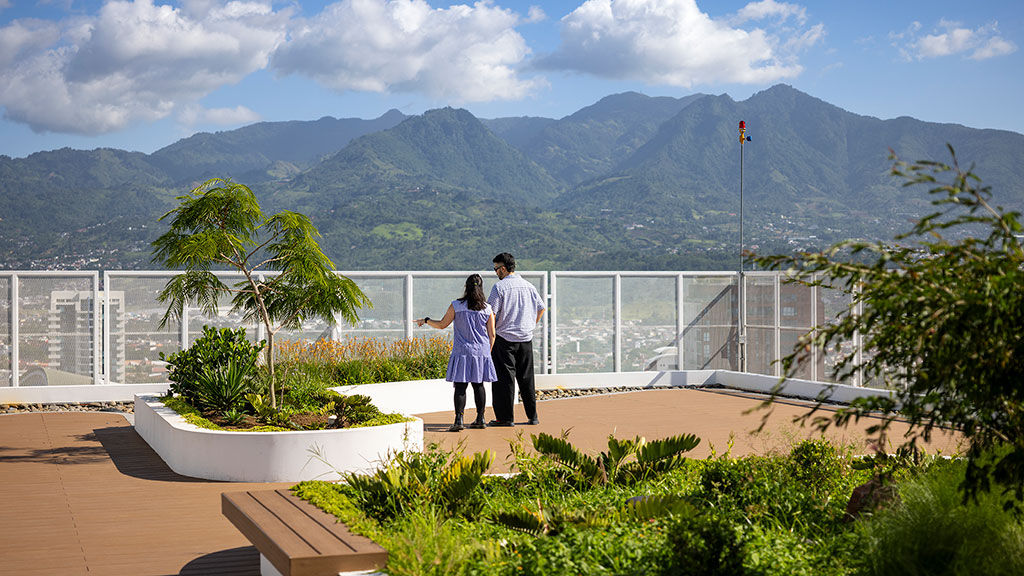
Why Latin America’s Offices Must Become Urban Sanctuaries

City Pulse 2026
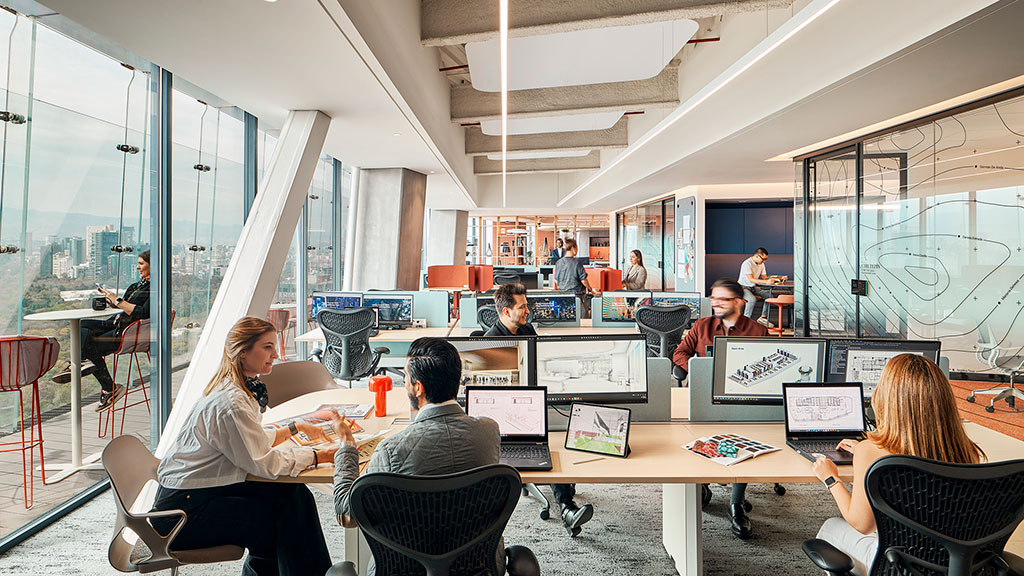
Hot-Desking Was Supposed to Save Money. It May Be Costing You Your Culture.
Neurodiversity in the Workplace: Why the Experience Gap Matters
What’s Working (and What’s Not) in Today’s Workplace
What Do Employees Hope for in the Future of Work?
The Human Side of AI: What Power Users Are Telling Us About the Workplace
A New Value for the Workplace in an Era of AI

How to Build a Future-Ready Workplace for Every Generation