The Top 10 Things Employees Value Inside and Beyond the Office
Two decades of research reveal what workers need to do their best work.
Note: This is the fourth blog of a series unpacking the detailed findings of Gensler’s Global Workplace Survey 2026. Read part one here, part two here, and part three here.
If the past few years have taught us anything, it’s that the workplace isn’t just a place — it’s an experience. When employees share what matters most, they rarely start with desks or space plans. They talk about how spaces make them feel, how well they support their day, and how naturally work fits into their broader lives.
Two decades of workplace research surveying nearly 125,000 respondents across 16 countries reveal a striking consistency in what workers need to do their best work. Across industries and roles, employees prioritize the places that help them connect, focus, restore, and move through their day with ease.
Here are the top 10 things employees value most today, both inside the office and beyond it:
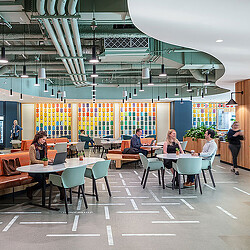
1. Cafés
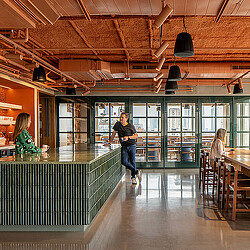
Whether it’s a work café, a buzzing food hall, or the local spot that knows your order, coffee and food have become the heart of connection. Inside the office, cafés anchor community; outside the office, coffee shops and restaurants offer choice and belonging.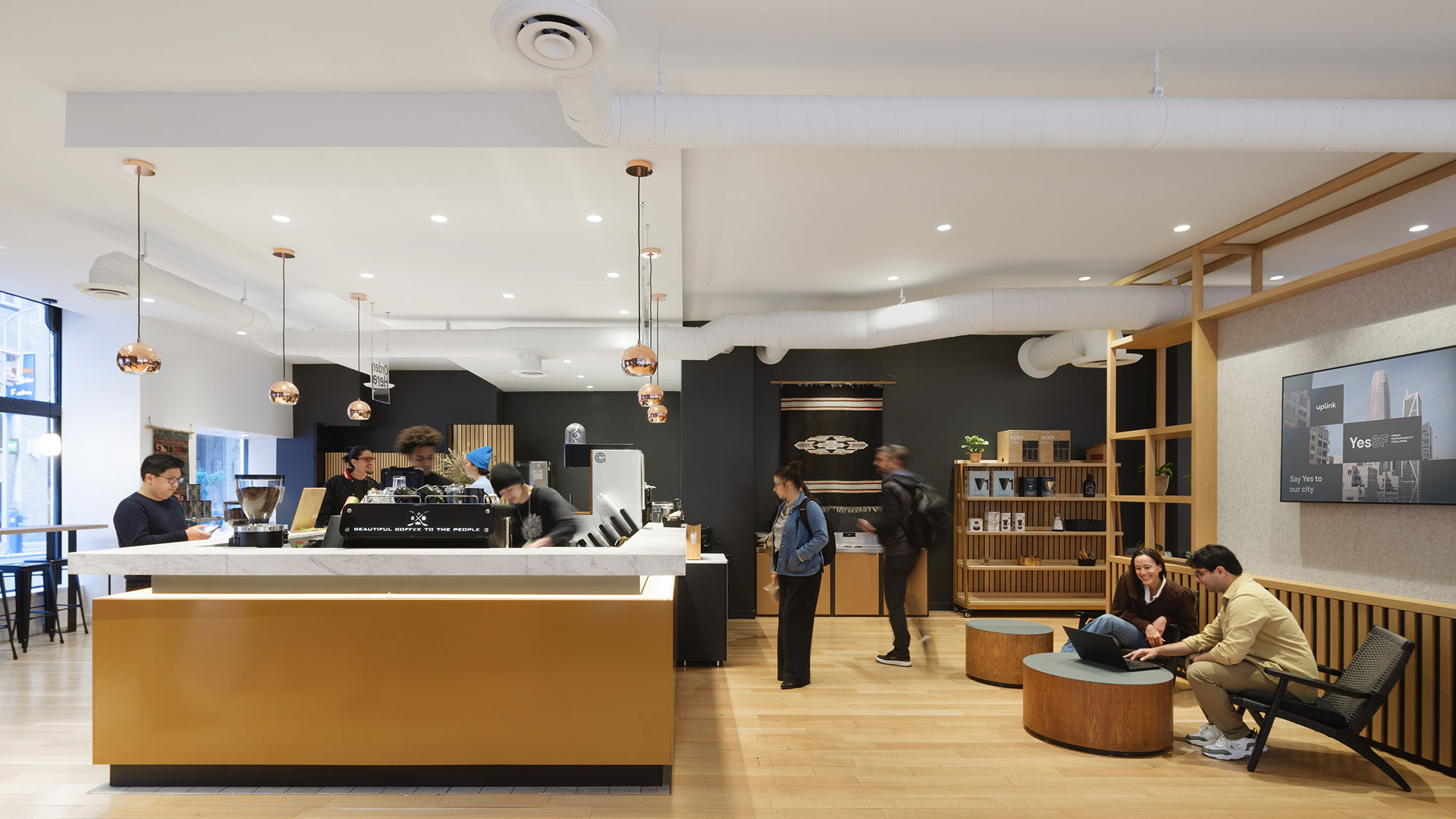
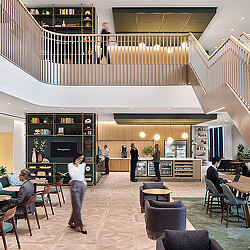
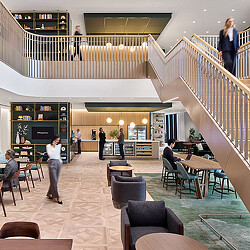
2. Lounge and Hub Spaces
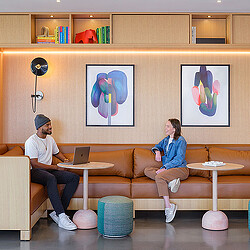
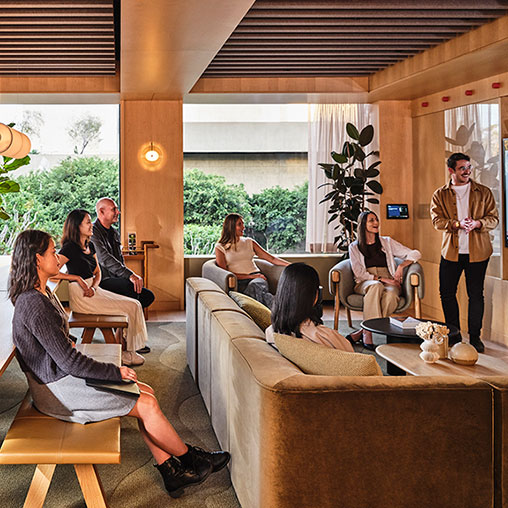
Lounge areas operate like the living rooms of the workplace. They’re where people relax, recharge, and reconnect, especially as our days become increasingly digital. These spaces foster human connections, which are essential to great work.3. Dedicated Team Room
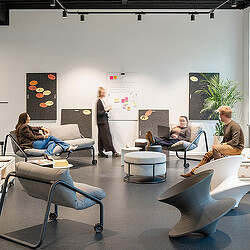
Teams need a home base. Project rooms provide a place for collective focus, where groups can immerse themselves in shared work, pin things up, leave ideas visible, and maintain momentum. The ability to rearrange furniture and adjust the space to the task supports a kind of shared memory, where decisions and progress stay visible over time. This often leads to greater clarity and better outcomes.4. Quiet/Deep Focus Area
With constant communication and open environments, deep focus has become a precious commodity. Employees value easy access to spaces designed for heads-down work that allow them to pursue complex thinking without interruption.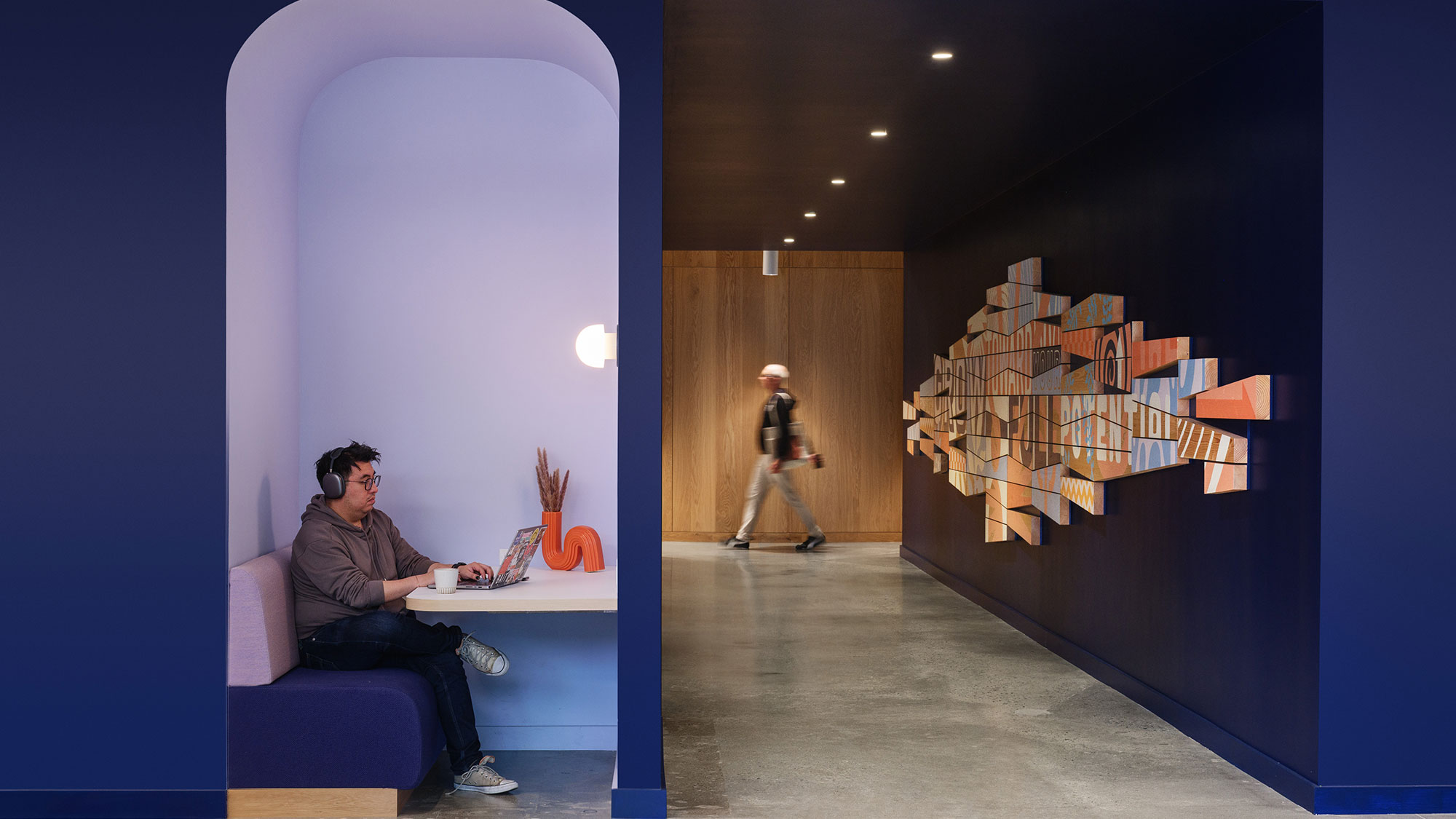
5. Rest and Recharge Spaces
People need space to pause. Whether for reflection, decompression, or just a moment of quiet, rest spaces support well-being and help sustain energy throughout the day. Access to these spaces is no longer a luxury but now a baseline expectation.6. Outdoor Spaces
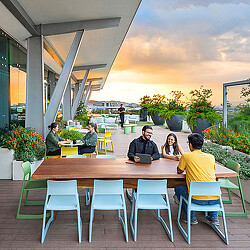
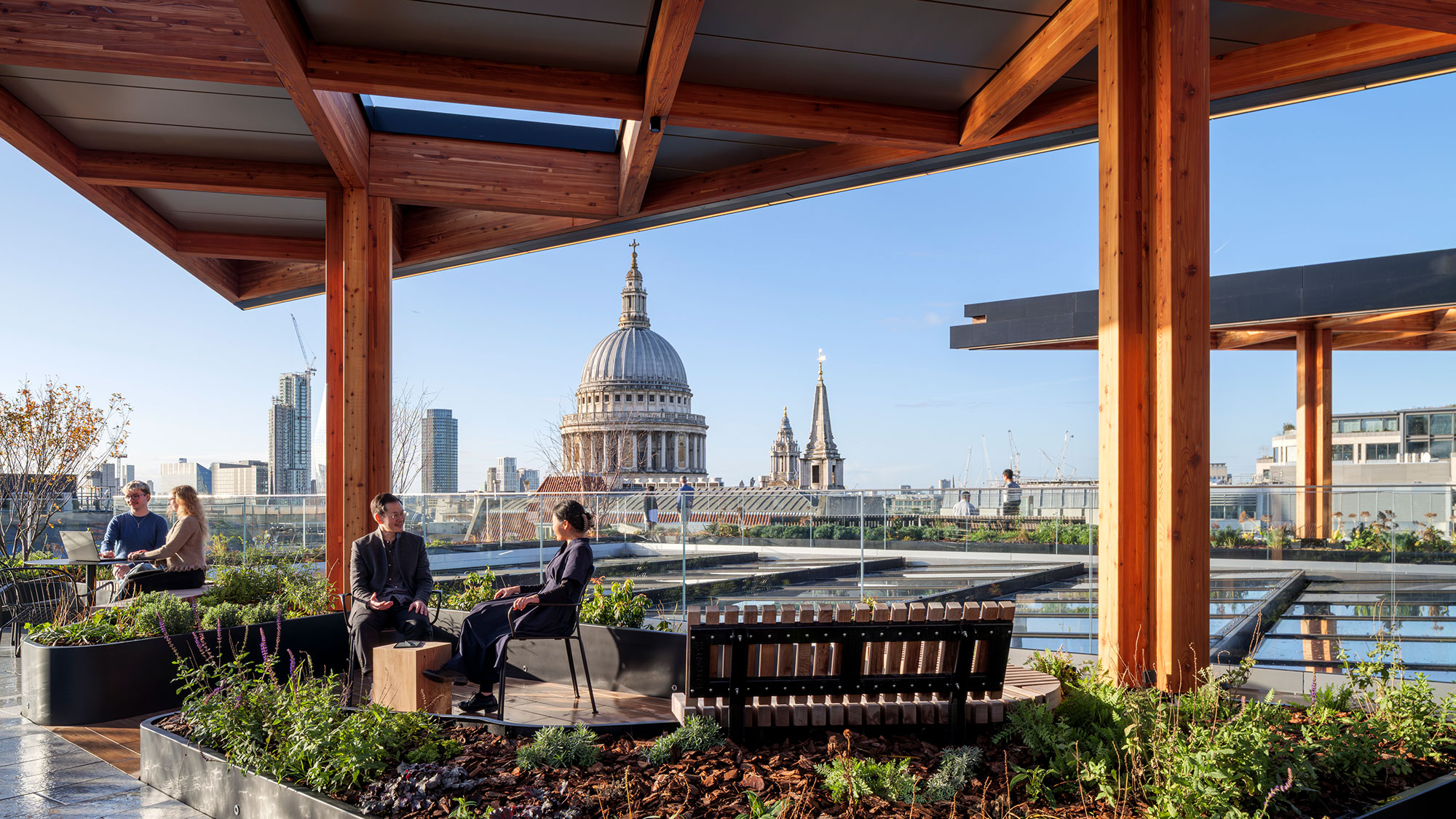
Fresh air matters. It boosts creativity and rebalances our circadian rhythms. Terraces, courtyards, rooftops, and shaded outdoor areas give people more choice in where they work and how they reset and recharge. Natural light and open air do more than enhance mood; they support our sense of mental and physical well-being.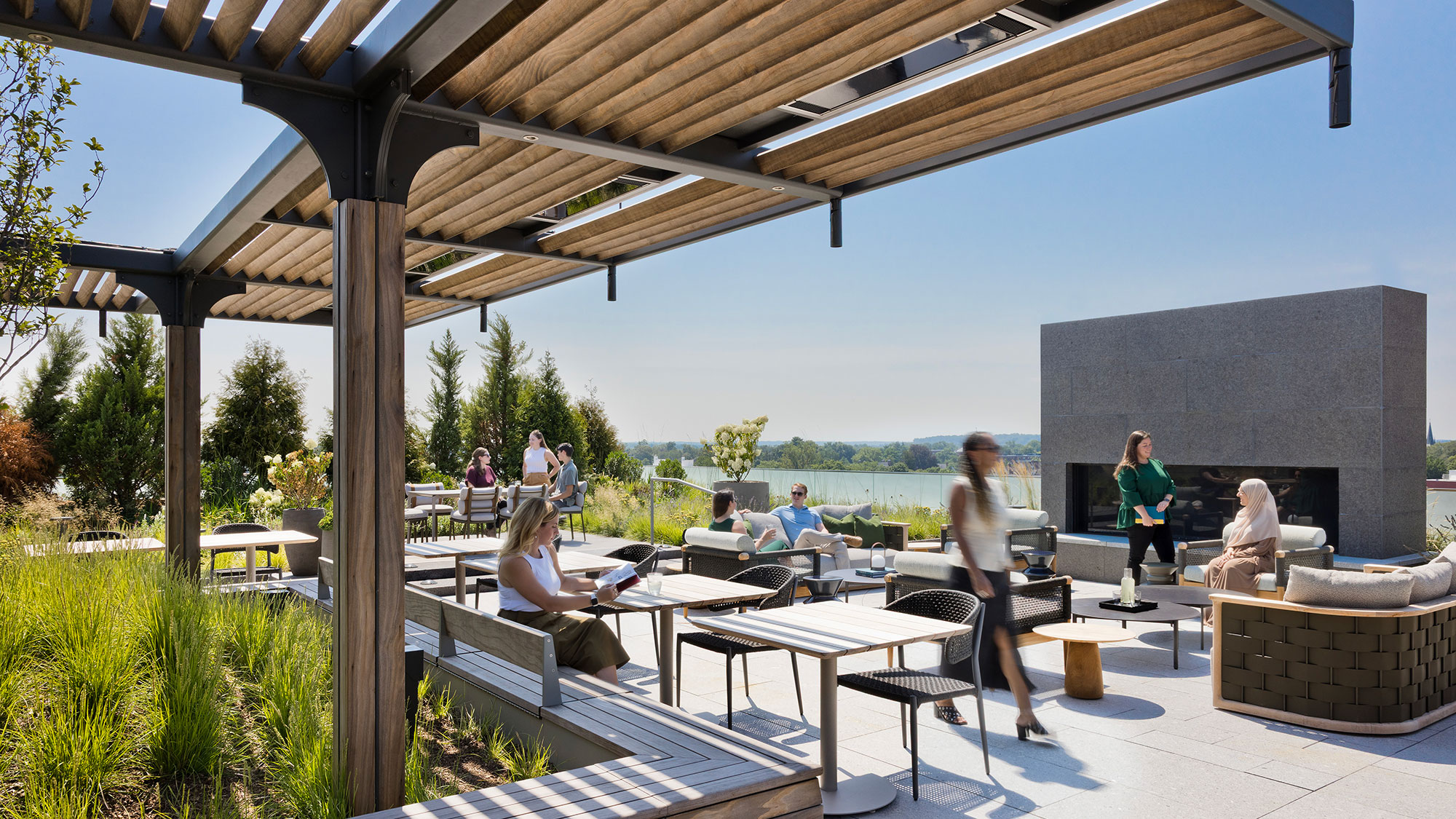
7. Mass Transit
When it comes to the commute, employees think about the whole journey, not just the destination. Easy access to mass transit, seamless multimodal options, walkability, and bike-friendly routes all contribute to a frictionless workday. A great workplace experience extends beyond the workplace into the neighborhood and the city.8. Grocery Stores
Convenience is currency. Having a grocery store, shopping, and retail options nearby helps employees integrate daily life with the rhythm of work. It’s one less stop on the way home and one more way that workplaces can support the whole person.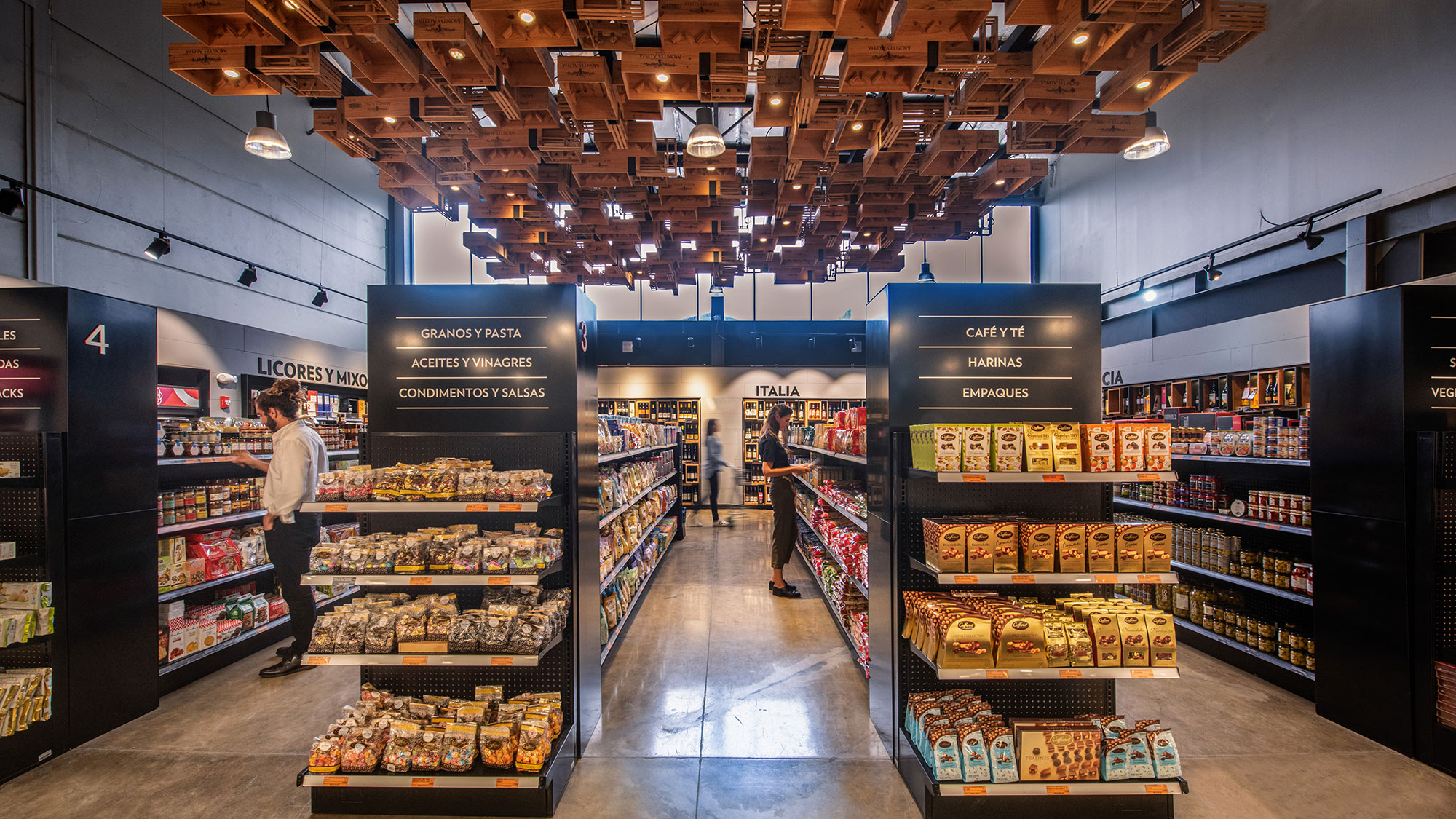
9. Medical and Health Services
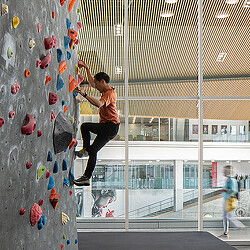
From doctor offices to health clinics to pharmacies, people value quick access to care. Life doesn’t pause during the workday, and having essential services nearby reduces stress and increases peace of mind.10. Well-Being Amenities
Whether a gym, a meditation space, or a yoga studio down the street, well-being amenities reflect a growing expectation that workplaces should support both productivity and personal health. Movement, restoration, and self-care aren’t extras; they are core elements of a healthy workday.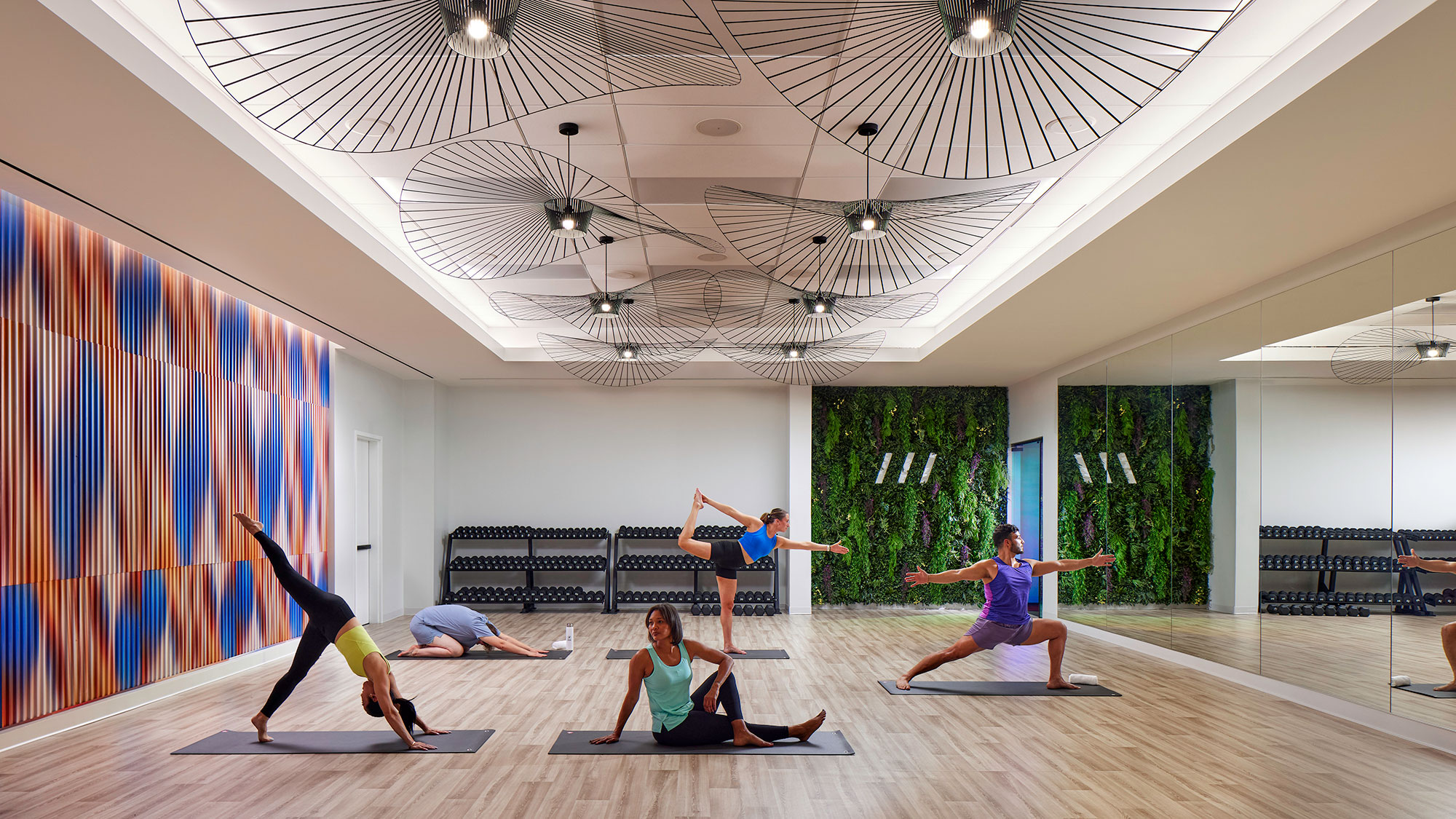
What This Tells Us
When you look across these top 10, a pattern emerges: employees want spaces that respect their time, support their well-being, and make life just a little easier.
Inside and beyond the office, people value connection, choice, convenience, and care. A thriving workplace integrates all of these, not just within its walls, but through the amenities and services in the surrounding neighborhood and city.
The workplaces that truly resonate are the ones that make people feel valued — where the environment supports how they work and live. When organizations design for the whole person, the workplace becomes more than a destination. It becomes a place people choose.
For media inquiries, email .