A Workplace That Adapts and Improves: A New Model in the Age of AI
In an era of rapid change, the best workplace investment is one that improves over time.

The future of artificial intelligence in the workplace is creating both excitement and anxiety. According to the World Economic Forum, AI and automation will transform 86% of businesses by 2030. Uncertainty in the labor market is expected to continue as roles change and work processes are redefined.
Scenario planning helps forecast future needs, but the only way to truly future-proof your workplace is to allow for it to adapt, flex, and grow as the business does. This requires a pivot in thinking that will be crucial in the coming era of workplace planning and real estate.
Today, successful businesses consistently plan and implement improvements in many areas, including replacing and upgrading technology as needed, and upskilling talent so human capabilities improve over time. Office space, on the other hand, is viewed as a depreciating asset, rather than one that can improve in functionality or value over time. In a time of accelerating change, architecture, planning, and design can respond with long-term vision.
So, how do you create an appreciating workplace that is more relevant 5 or 10 years from move-in than on Day 1?
1. Invest in Adaptability Where it Matters
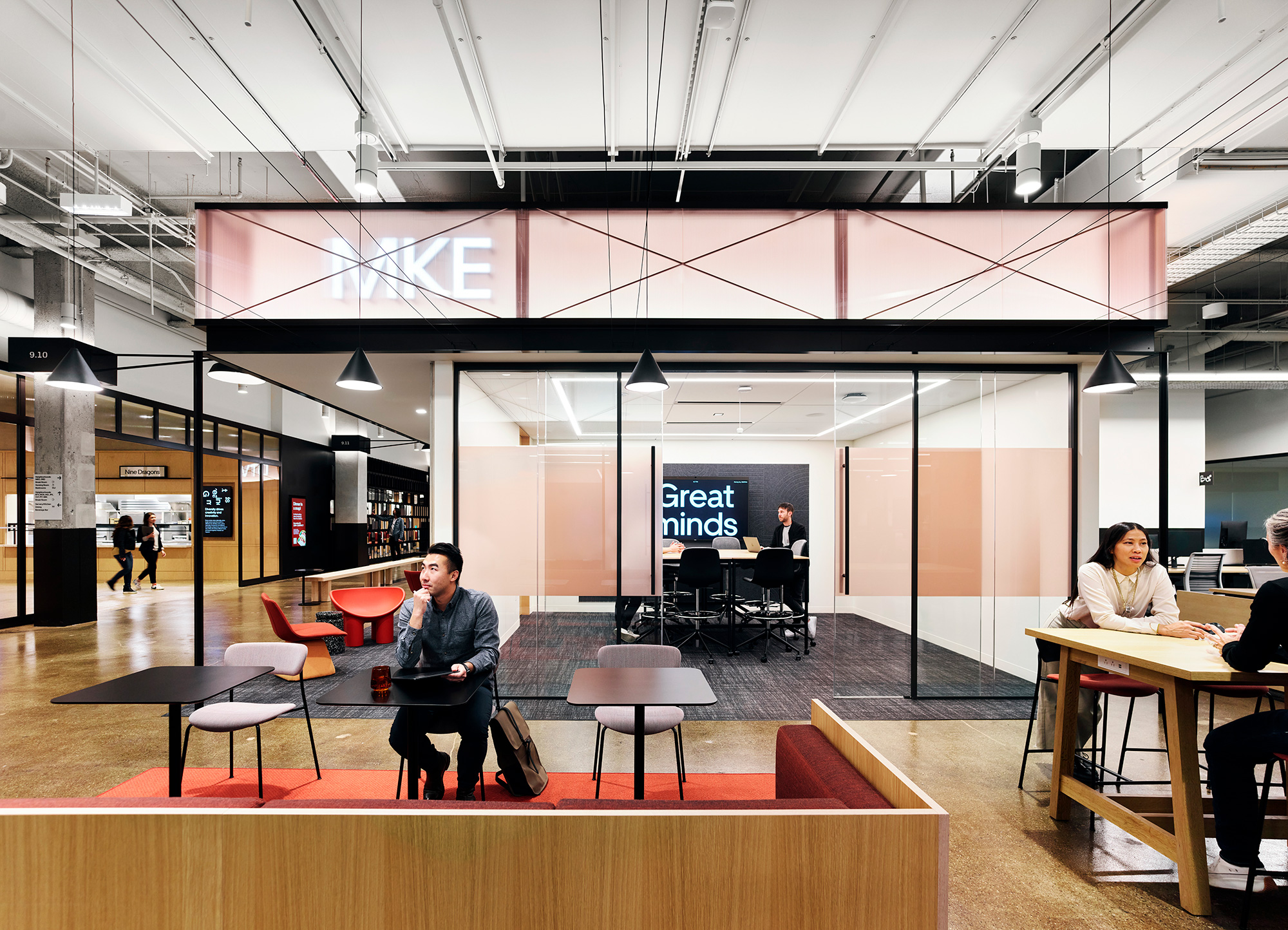
The concept of adaptability isn’t new, but it is more relevant than ever. Embracing modularity, utilizing movable furniture, and incorporating shape-shifting elements such as demountable partitions is a must in a future-forward workplace. You don’t need these elements everywhere, but they can be strategically included in the areas of your workplace that are most likely to transform over time. This includes evaluating the quantity and mix of offices, the variety of spaces in open work areas, and the types of collaborative spaces. Other elements, such as support spaces, more formal conferencing, and executive areas, tend to be more static.
Recently, we unpacked how AI-enhanced workflows have spurred the next evolution of collaboration. To identify which areas to prioritize, consider the likelihood of multiple changes in the short and/or longer term. This means evaluating the cost differential between fixed and flexible elements and performance trade-offs, such as acoustics, tech integration, or aesthetics. The good news is that for your most agile areas, there are better products than ever — from super-thin raised floors to demountable partitions to furnishings that allow an office to flip into a team room in a matter of hours.
2. Use Data to Understand Workplace Performance
Over time, connecting data sources is the key to understanding how your workplace is performing and when it needs to evolve. Beyond badge swipes, a wide range of existing data can provide insight into how employees and guests are using (or not fully using) the space. This existing data encompasses everything from conference reservations to anonymized cell phone locations, log-in data, and food consumption metrics. For example, one tech client has linked their lobby badge swipes with their food consumption data to better predict daily demand, thereby reducing food waste.
Gensler incorporates this ‘Portfolio Intelligence’ into projects to ensure existing data is leveraged and, when beneficial, supplemented with sensors or other data sources. The result is a new level of real-time insight into which spaces in your workplace are performing well, or conversely, those that are ready for their next evolution.
3. Embrace an Always-in-Beta Mindset
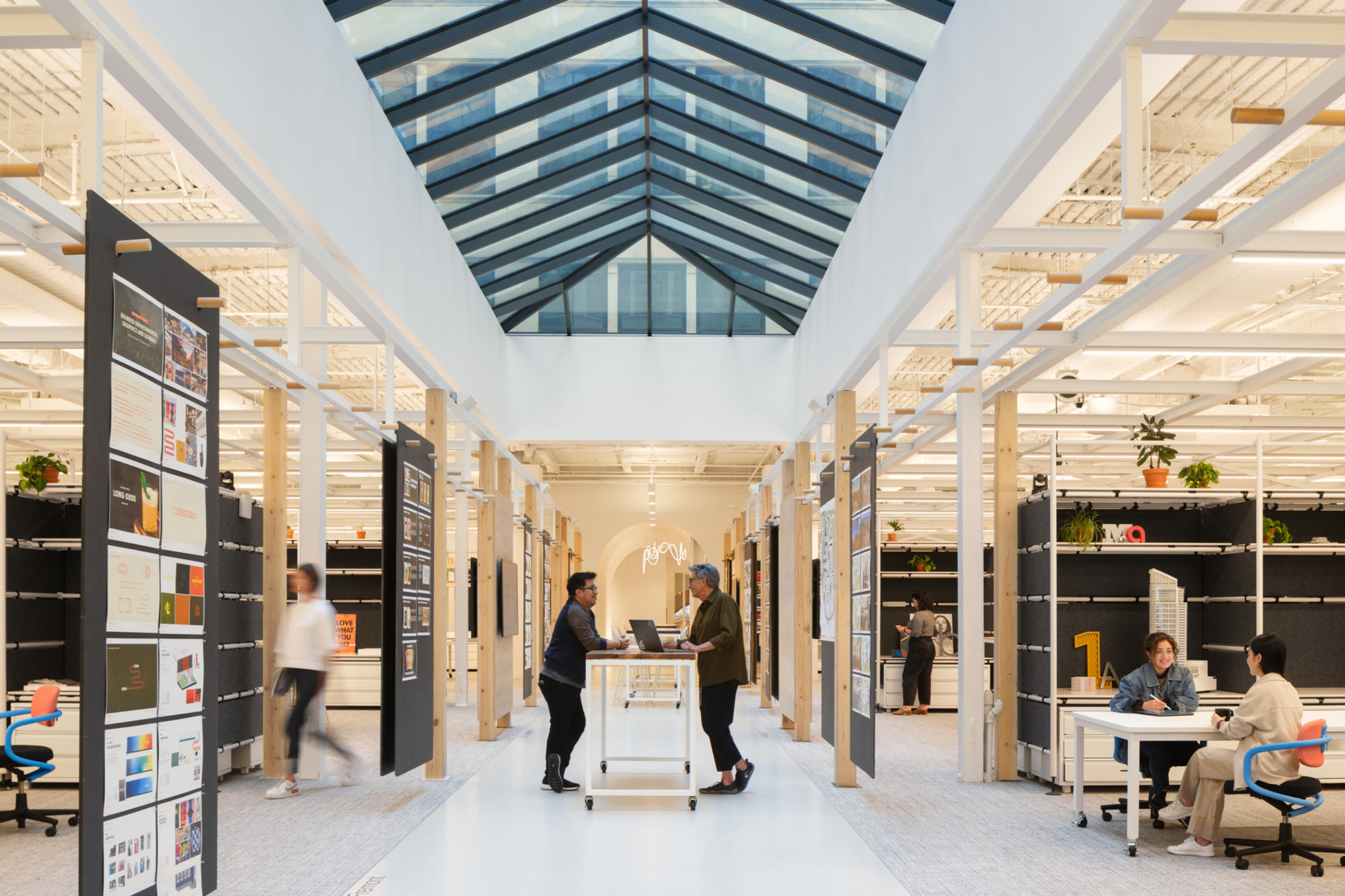
Pilots test ideas effectively, but we often move on too quickly to permanent workplace solutions when the pilot is complete. Creating enduring environments requires accepting the idea that your workplace is never finished; it’s always evolving. Shifting to an always-in-beta mindset means designing for change from the start, monitoring the ongoing relevance of spaces to refine and test new use cases.
The payoff of embracing an appreciating workplace can be huge: a higher return on your workplace investment and fewer costly renovations. Perhaps most importantly, the workplace remains relevant even as your workforce and work practices are refined — or even redefined. It’s the best insurance you can design for.
For media inquiries, email .