10 Workplace Trends for 2026: What’s In and What’s Out?
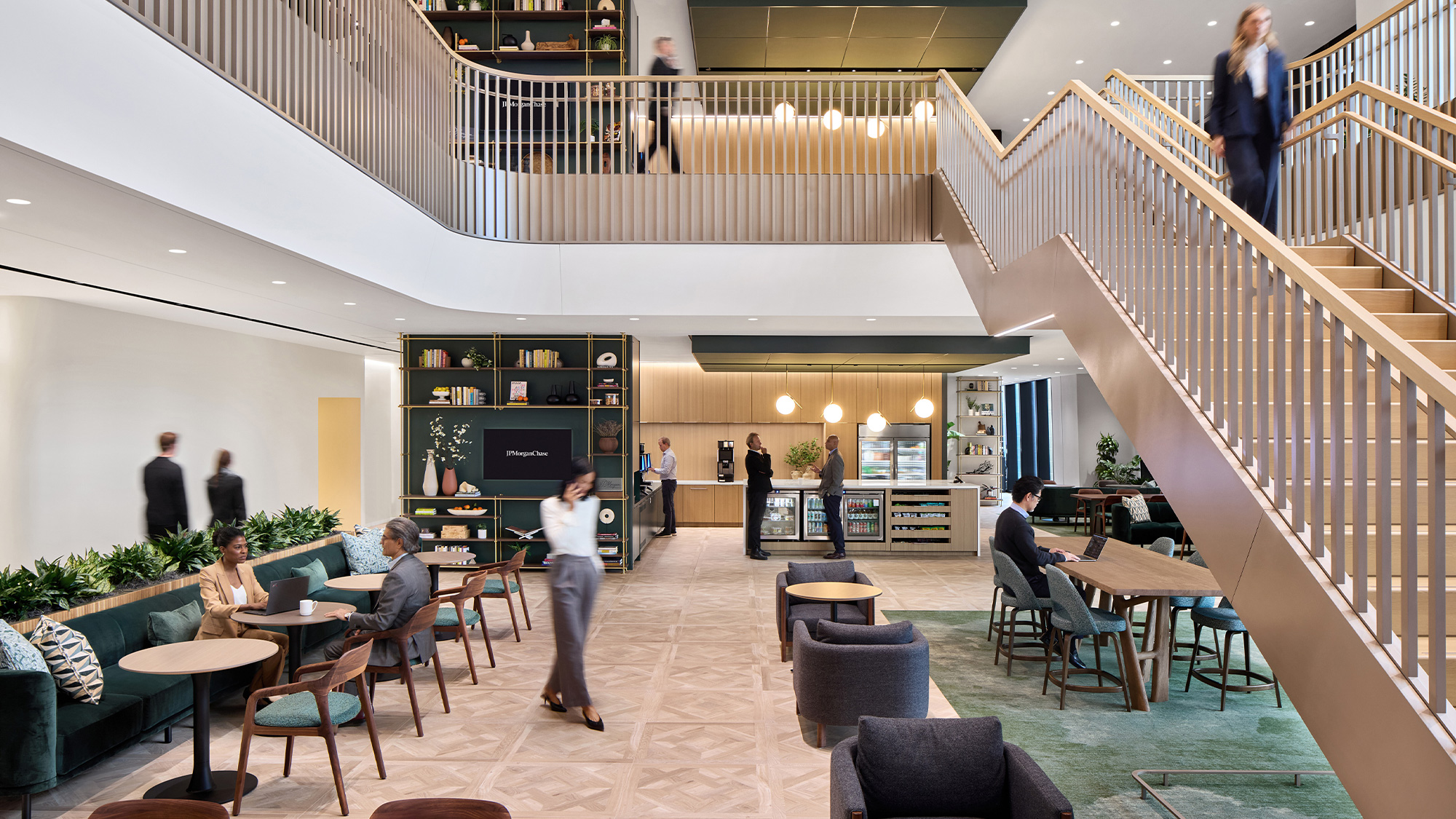
If 2025 was the year of hybrid harmony, 2026 is the year when workplaces stop playing it safe. Forget the buzzwords and beige predictions — this is the year of bold moves, human-first thinking, and AI that doesn’t just answer questions but joins the team.
Here’s what’s IN and what’s OUT as we step into the next chapter of work.
In: Working with AI | Out: Using AI
Gone are the days when AI simply acted like a glorified search engine. AI agents are contributing team members, and companies are contemplating how they show up in the workplace. Is your AI teammate portable? Are they free to move around the office, join meetings, and take part in conversations? Or do they live in a project room and keep track of project-related notes, files, and research, all while suggesting how the team can better meet the project goals? Spoiler alert: The answer is “Yes.”
In: Human Connection | Out: Occupancy Metrics
Counting heads is so RTO. The real question isn’t “How full is the building?” but “How well is it working for the people inside?” As real estate shifts from a static asset to dynamic experiences, user sentiment, amenity engagement, and well-being replace occupancy rates. Connection — not capacity — is the new value driver. If your workplace doesn’t spark serendipity and make people feel like they belong, you’re not just behind, you’re irrelevant.
In: Insights | Out: Data Proliferation
Drowning in dashboards? You’re not alone. People need clarity and insights, not more information. The winners will be those who turn data into actionable insights. The new workplace metrics that matter measure how people really use space (not just occupy it), what experiences they crave, and what they value most. Understanding how working in the office can positively impact employee engagement, strengthen team relationships, and foster a culture of innovation can unlock new insights. Those who connect the dots will unlock future workplace potential.
In: Career Stage | Out: Generational Stereotypes
Forget the clichés. All generations cite the same top reason for in-office work: the ability to focus on getting their work done. The real story is about career stage. Early-career talent craves professional development and coaching. Mid-career pros value teamwork and connection. Late-career leaders value socializing and sitting with their teams. Designing for career stage means creating spaces and experiences that flex with evolving priorities, such as learning and creativity, as careers progress. Careers evolve, and so should the workplace.
In: Mocktails | Out: Cocktails
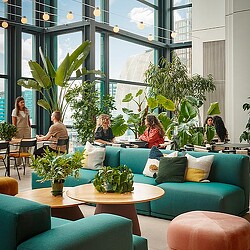
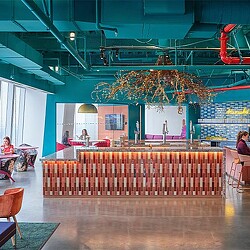
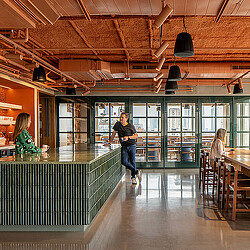
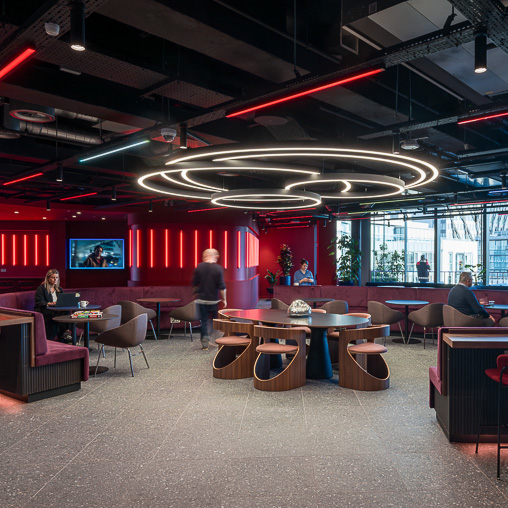
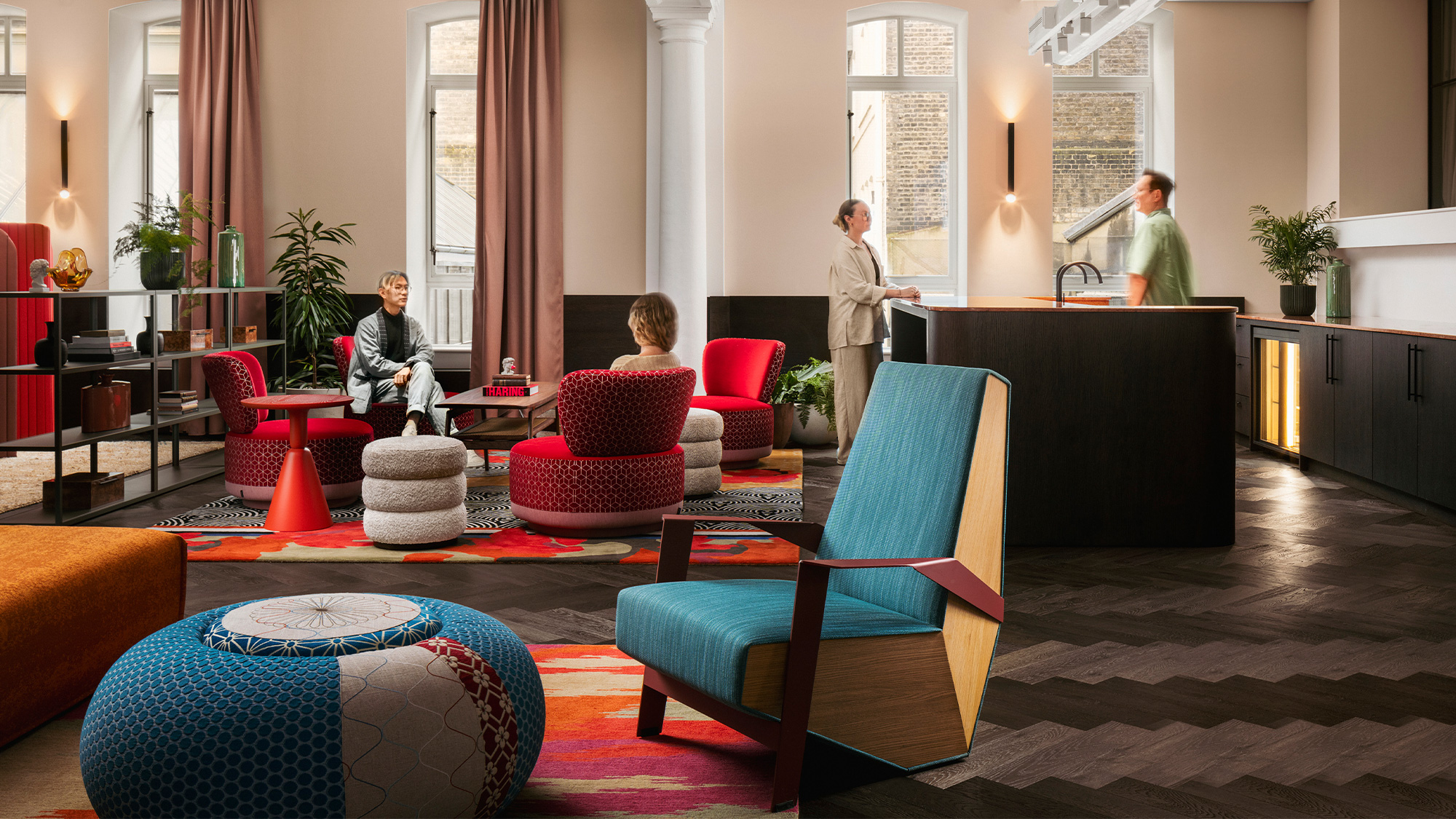
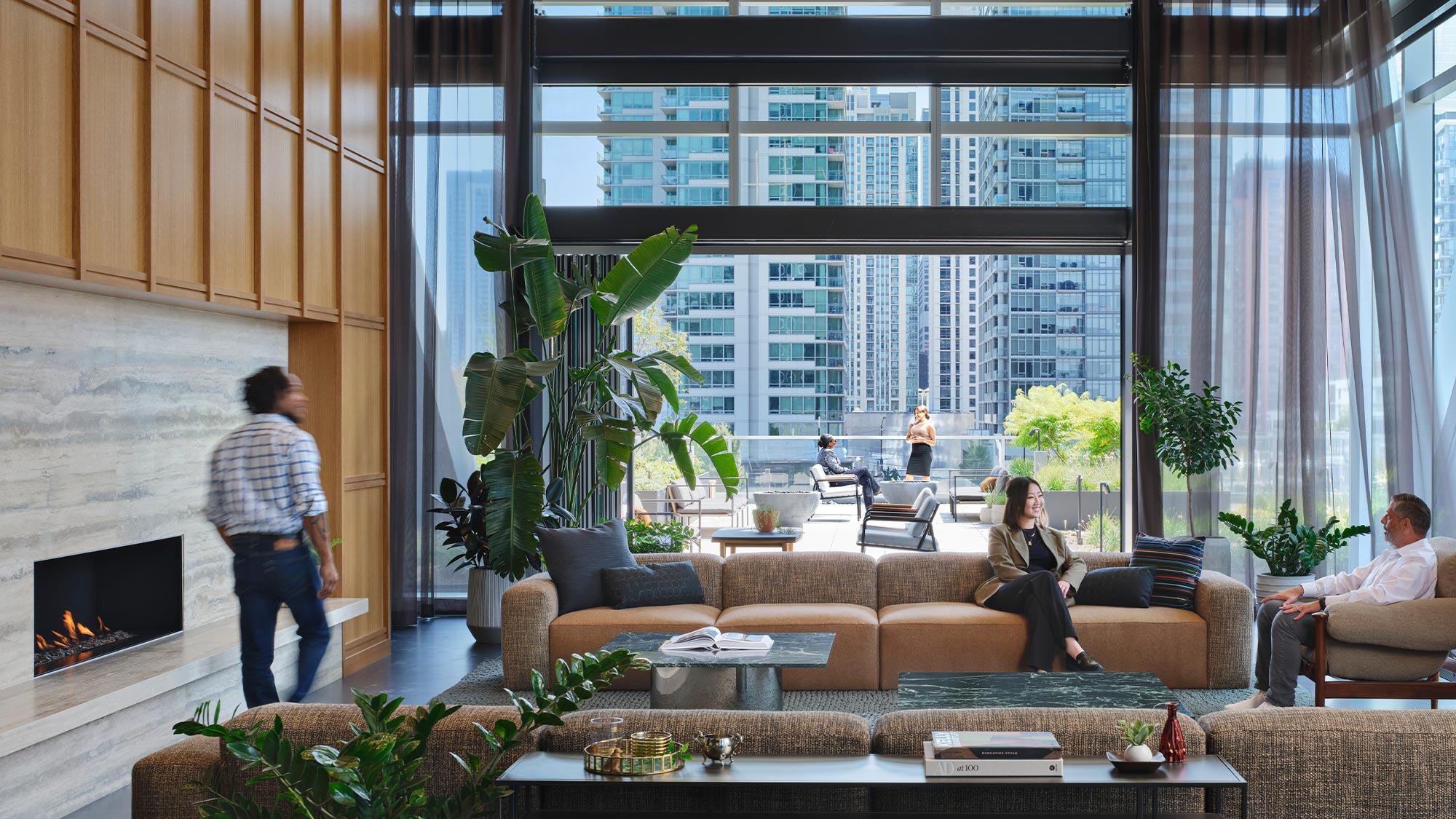
The three-martini lunch is history — and good riddance. Today’s workplace is designed for clarity and multisensory experiences. Enter the mocktail: vibrant colors, layered flavors, and aromatic garnishes that turn a simple drink into a social moment. It’s not just skipping the booze — it’s creating spaces where wellness and interaction thrive. Think hospitality-inspired cafés, social hubs, and nature retreats that invite people to linger, collaborate, and recharge without the haze. These zero-proof creations deliver something priceless: a sensory experience that makes the workplace feel vibrant. Designing for well-being and authentic connection isn’t a perk anymore — it’s the blueprint for a thriving workplace culture.
In: Phygital | Out: Tech Hype
Employees don’t want a scavenger hunt of apps and platforms. They want a single, fluid experience that connects space, people, and technology. Alexa who? Technology is no longer center stage, but it still plays a support role. The workplace is now a seamless blend of physical and digital. Sensors, platforms, and wearables create experiences that anticipate workers’ needs so smoothly, they’ll forget about the underlying technology.
In: Purposeful Abundance | Out: Musical Chairs
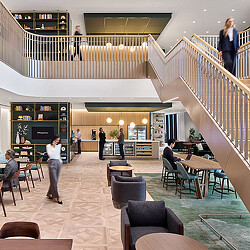
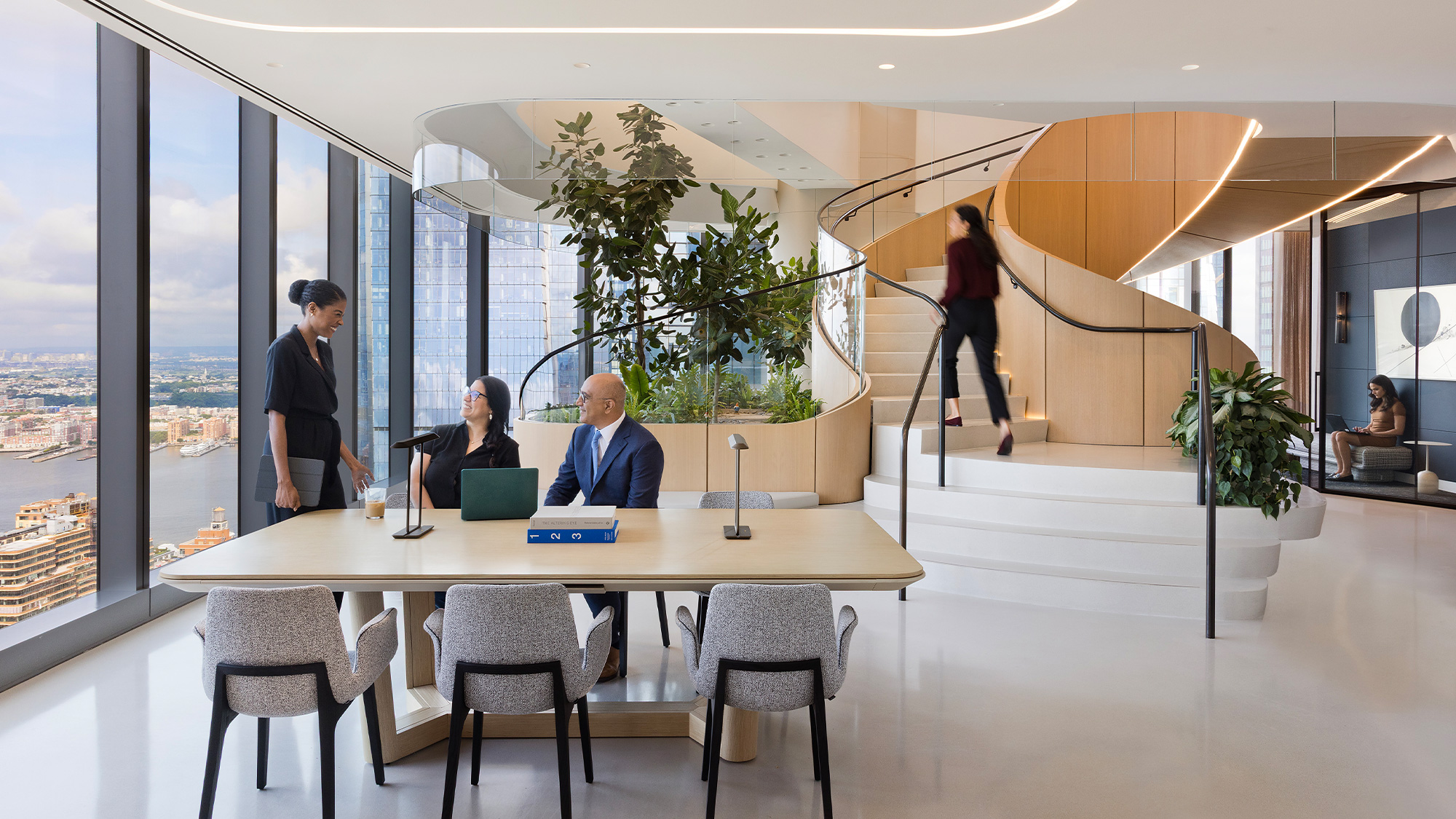
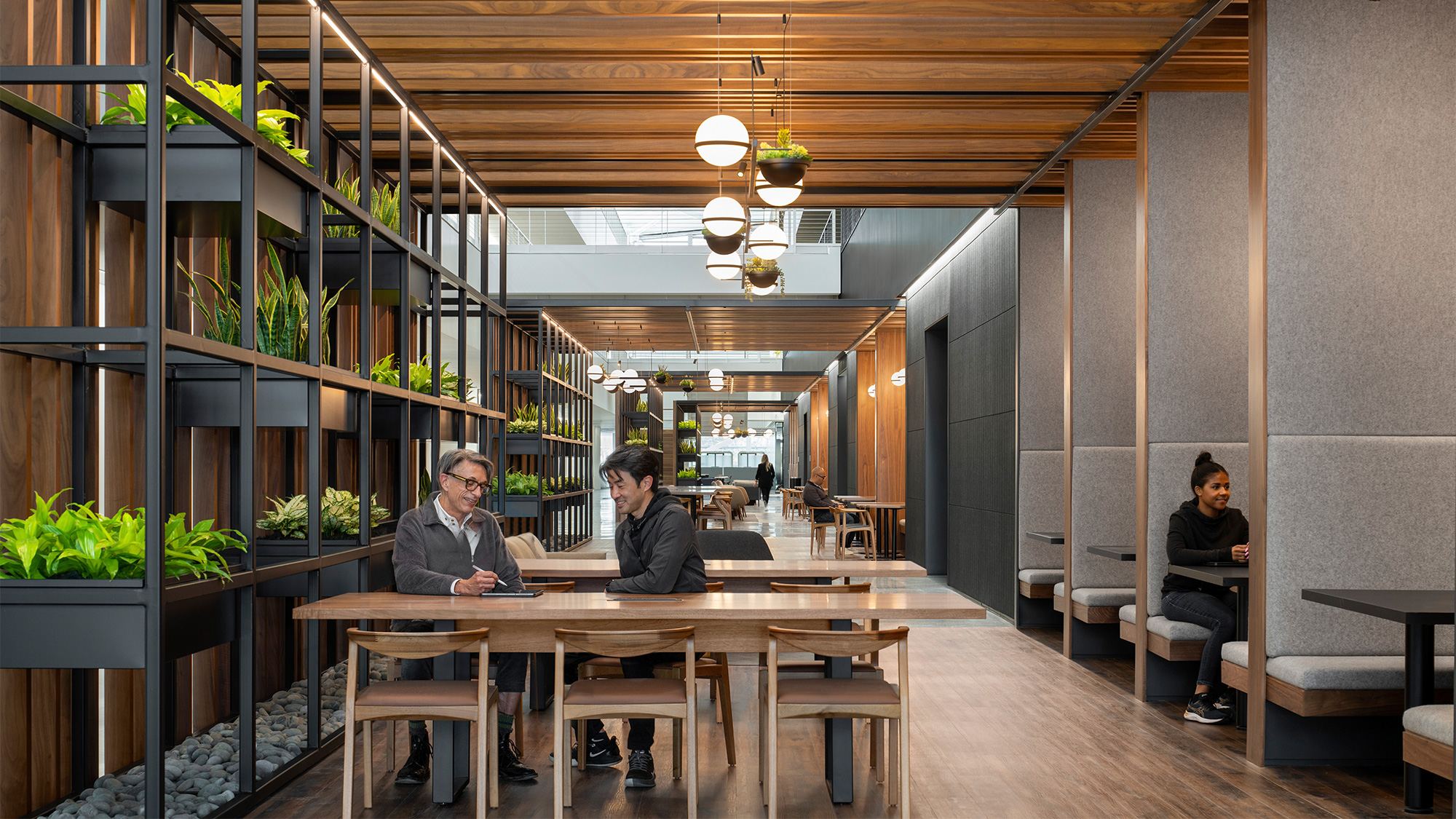
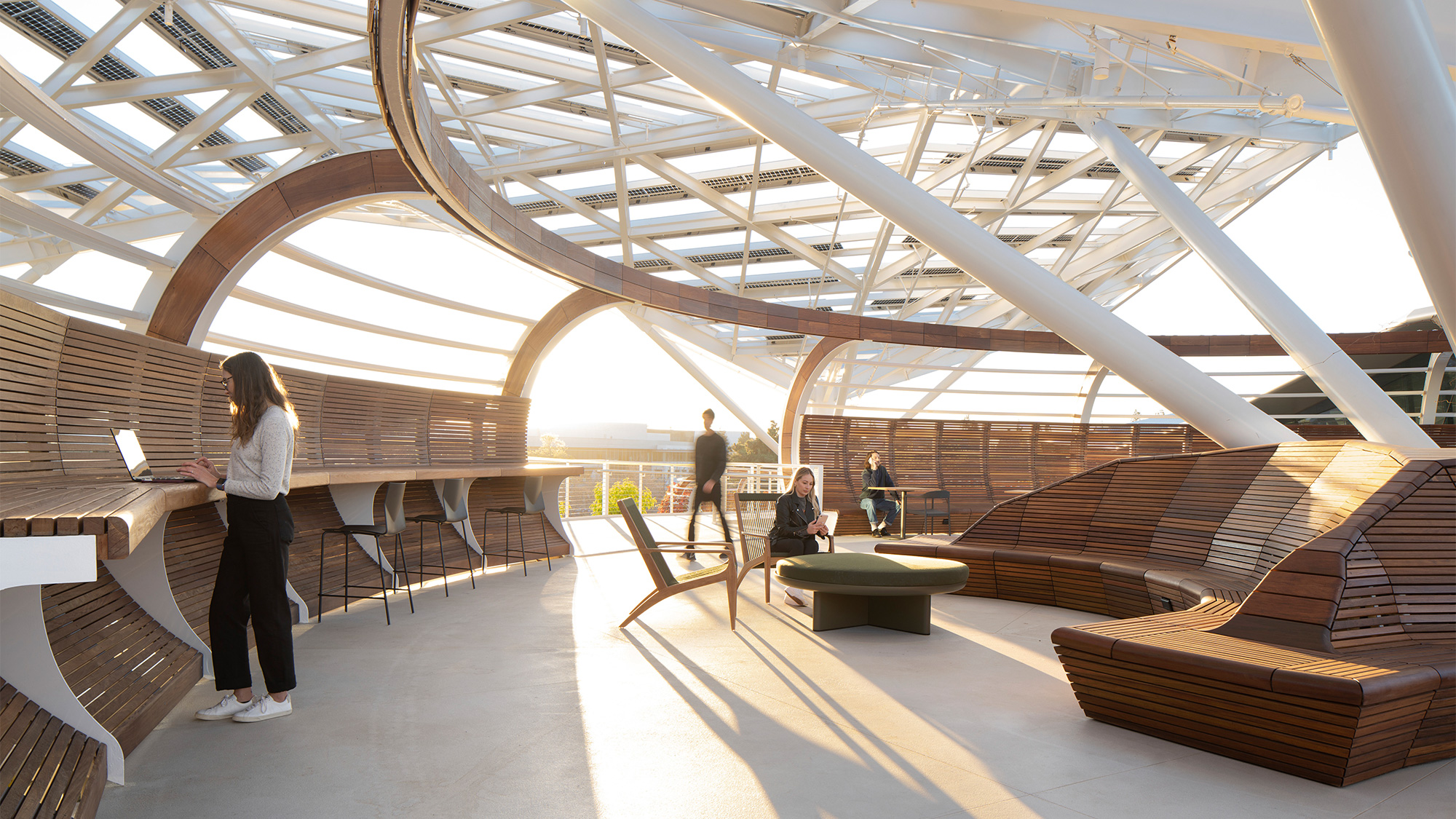
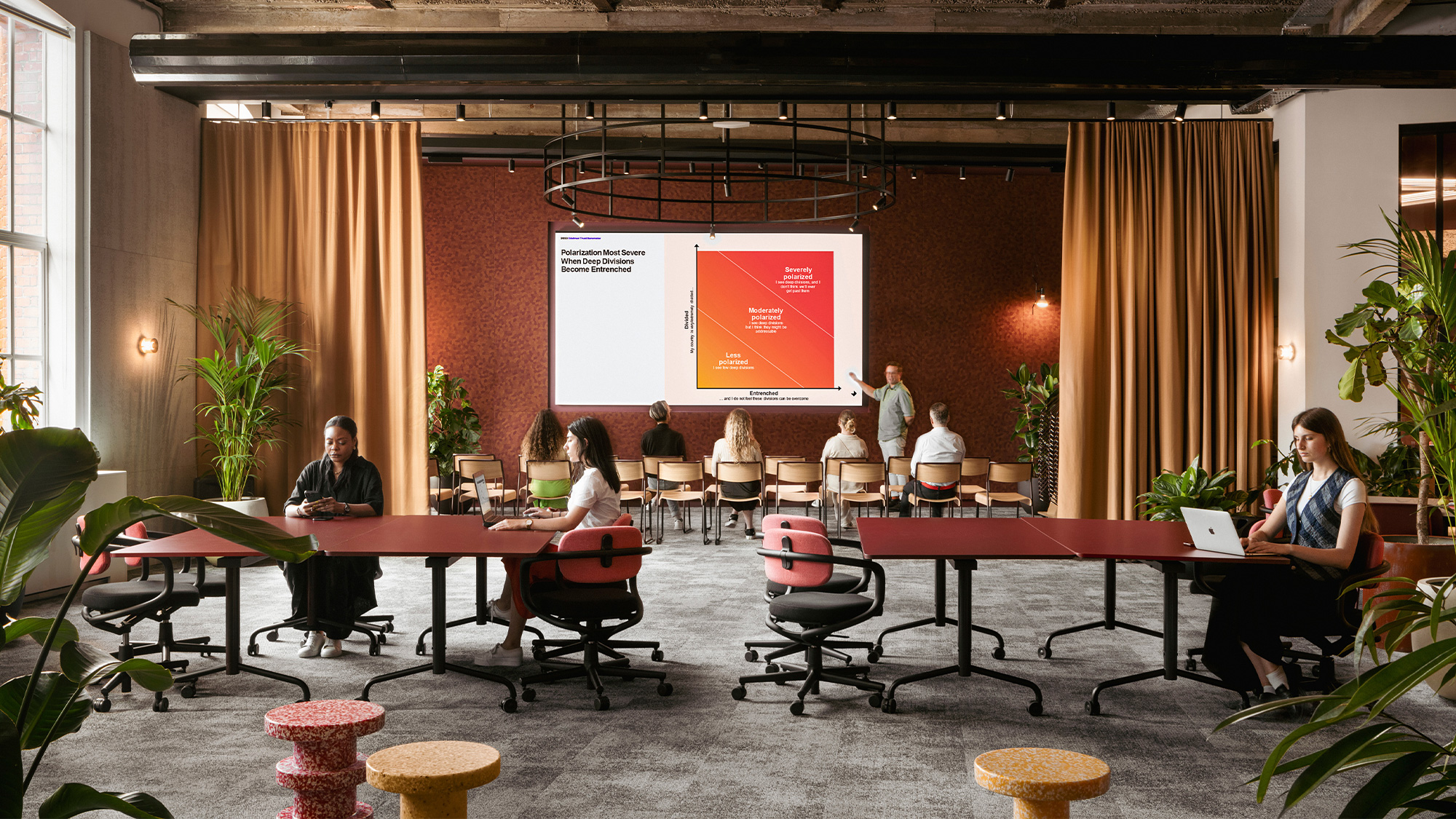
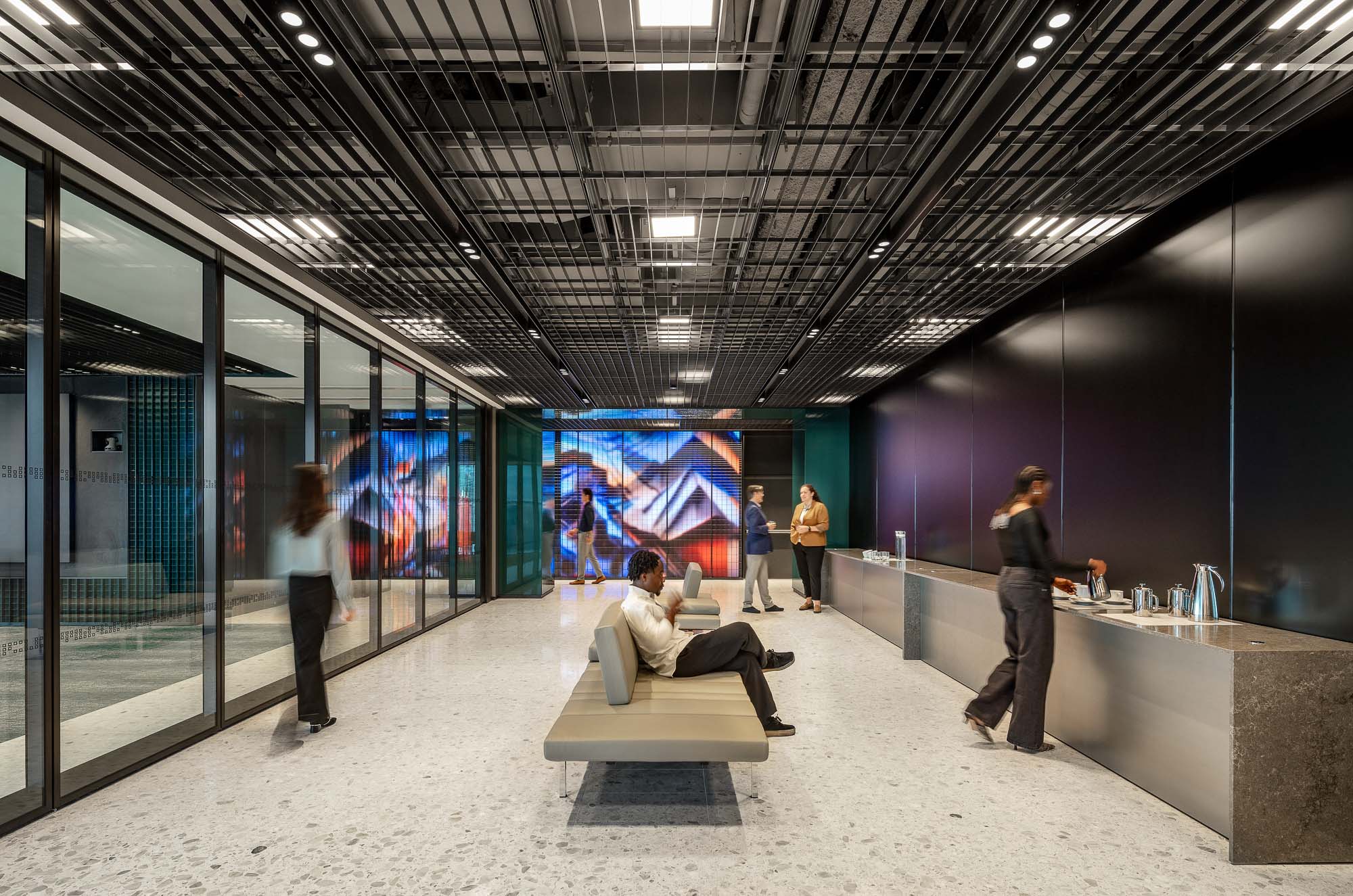
The workplace shouldn’t be designed like a game of musical chairs. Purposeful abundance means designing enough of the right spaces, so people have agency to choose where and how they work best. It’s not about cramming in more workpoints or meeting spaces; it’s about creating a rich ecosystem of options. Think quiet corners for focus, vibrant hubs for collaboration, and everything in between. Design for choice, not chance.
In: Inconvenience | Out: Proximity
Convenience is overrated. Proximity doesn’t guarantee a stimulating or productive work environment. After all, the immediacy of a collaboration space to a focused workspace is not conducive to either. Sometimes, walking to the other side of the floor to find an environment with a supporting cast of spaces will allow you to do your best work in that moment. Inconvenience is worth the trek if it delivers a more productive space and vibe.
In: 24/7 Global Workplace | Out: Your Local Time Zone
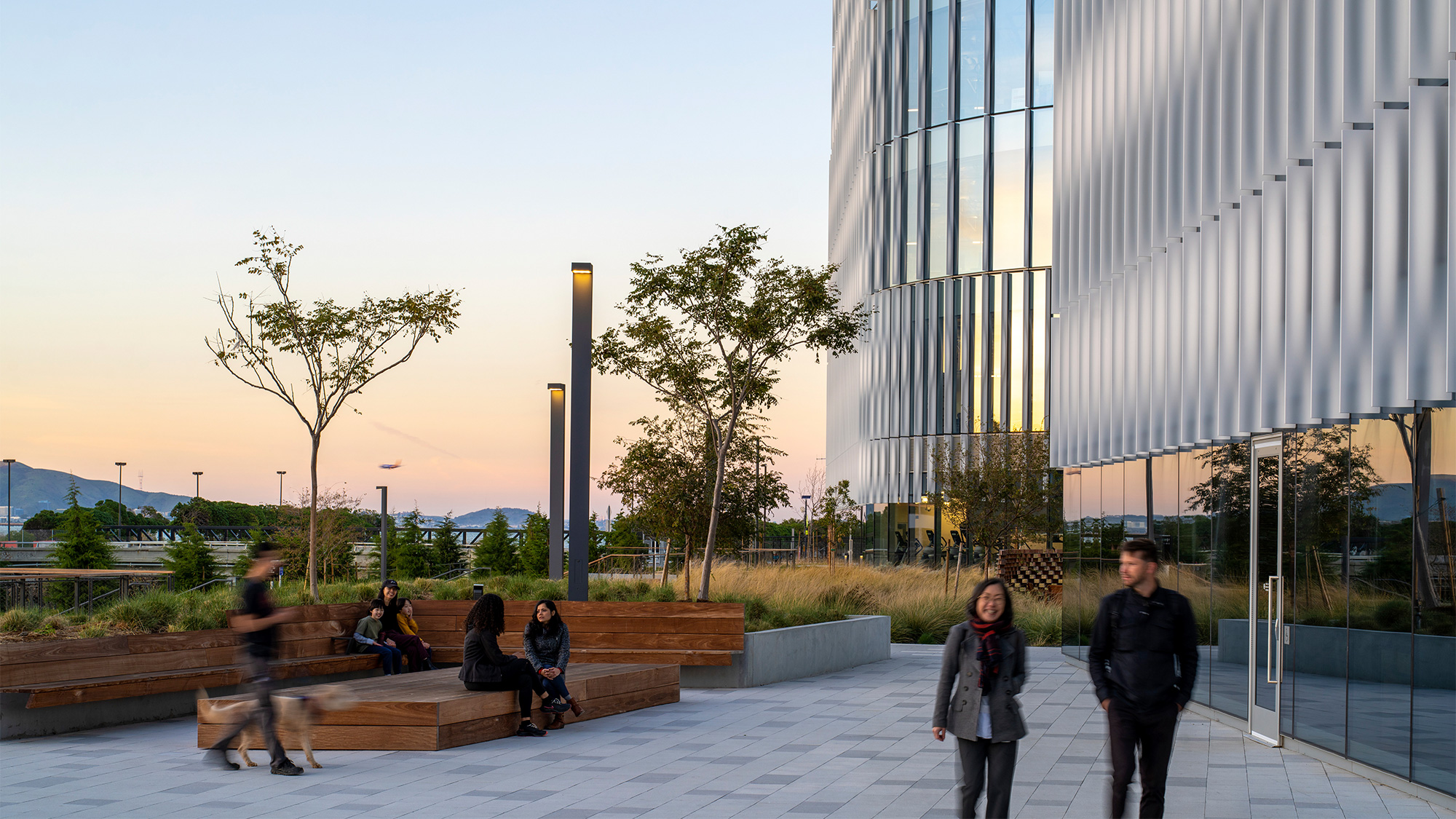
Work doesn’t sleep — and neither should your workplace strategy. The new office is part of a global, 24/7 ecosystem. Even if your teams aren’t global, your clients and partners are. Supporting that reality means designing workplaces — and choosing locations — that stay vibrant beyond local business hours. Mixed-use districts with cafés, fitness, and cultural amenities keep energy flowing day and night. A workplace that feels alive at 2 a.m. isn’t about keeping the lights on — it’s about creating an inclusive experience for a global workforce and a local community.
In: Mindsets | Out: Personas
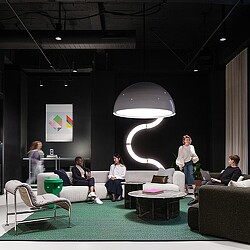
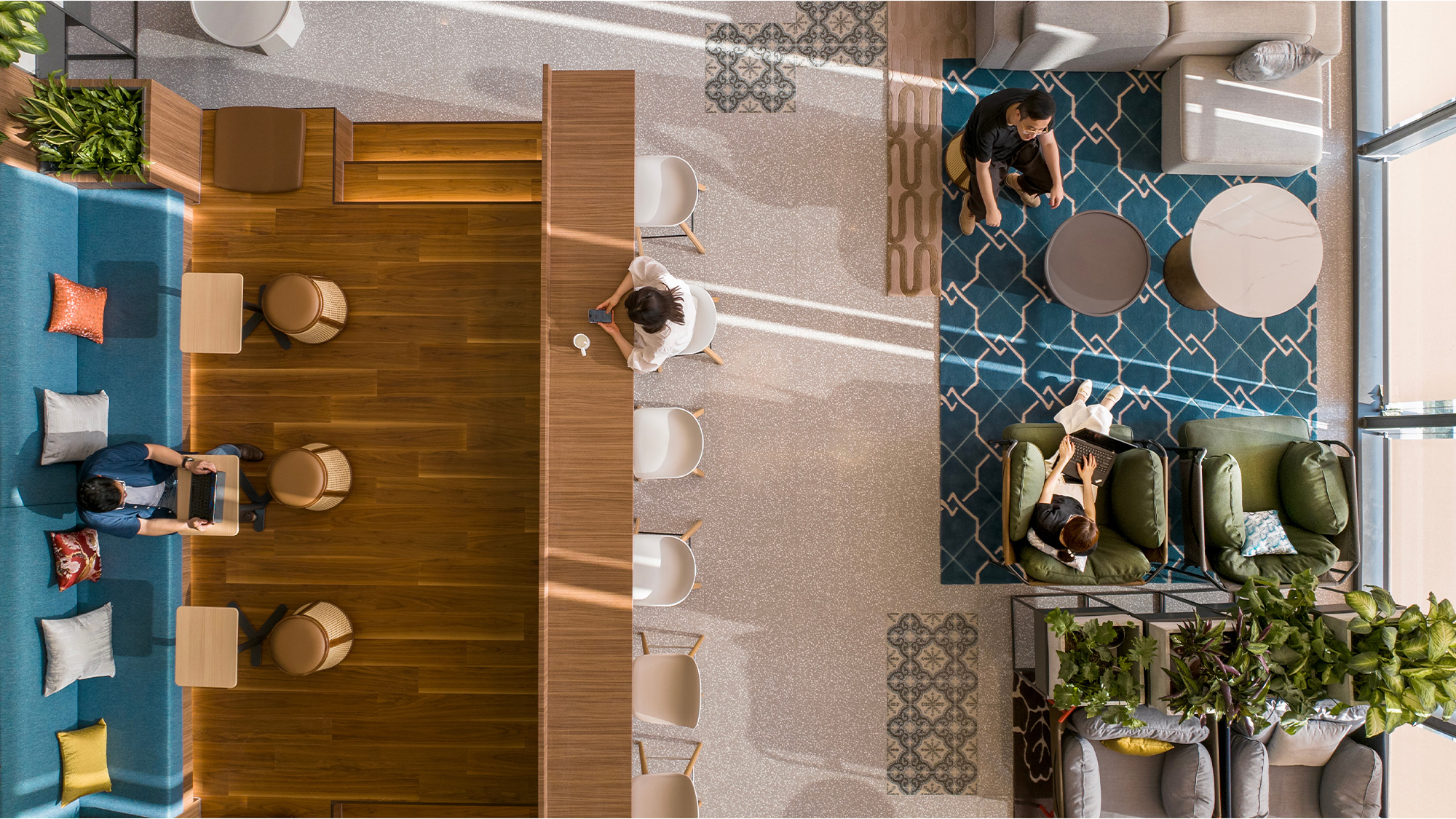
Personas look neat on paper, but real people don’t fit in tidy boxes. They’re archetypes, not individuals — and when treated too rigidly, they become stereotypes that miss the mark. Designing for mindsets flips the script. Mindsets capture how someone approaches work in the moment: curious, collaborative, focused, or stressed. These states shift throughout the day, so spaces need to flex with the ebb and flow of emotion and intention. A quiet zone for deep focus. A vibrant hub for social connections. A wellness nook for recharge. Mindsets celebrate fluidity because people aren’t static — they’re dynamic.
What’s Next?
We still wrote this blog the old-fashioned way — human brains, caffeine, and a shared Google Doc. But not for long. By next year, we’ll likely be coauthoring with an AI agent that knows our quirks, matches our cheek, and helps us push ideas further. It won’t replace creativity or judgment — it will amplify them. Because even in 2026, the human touch wins.
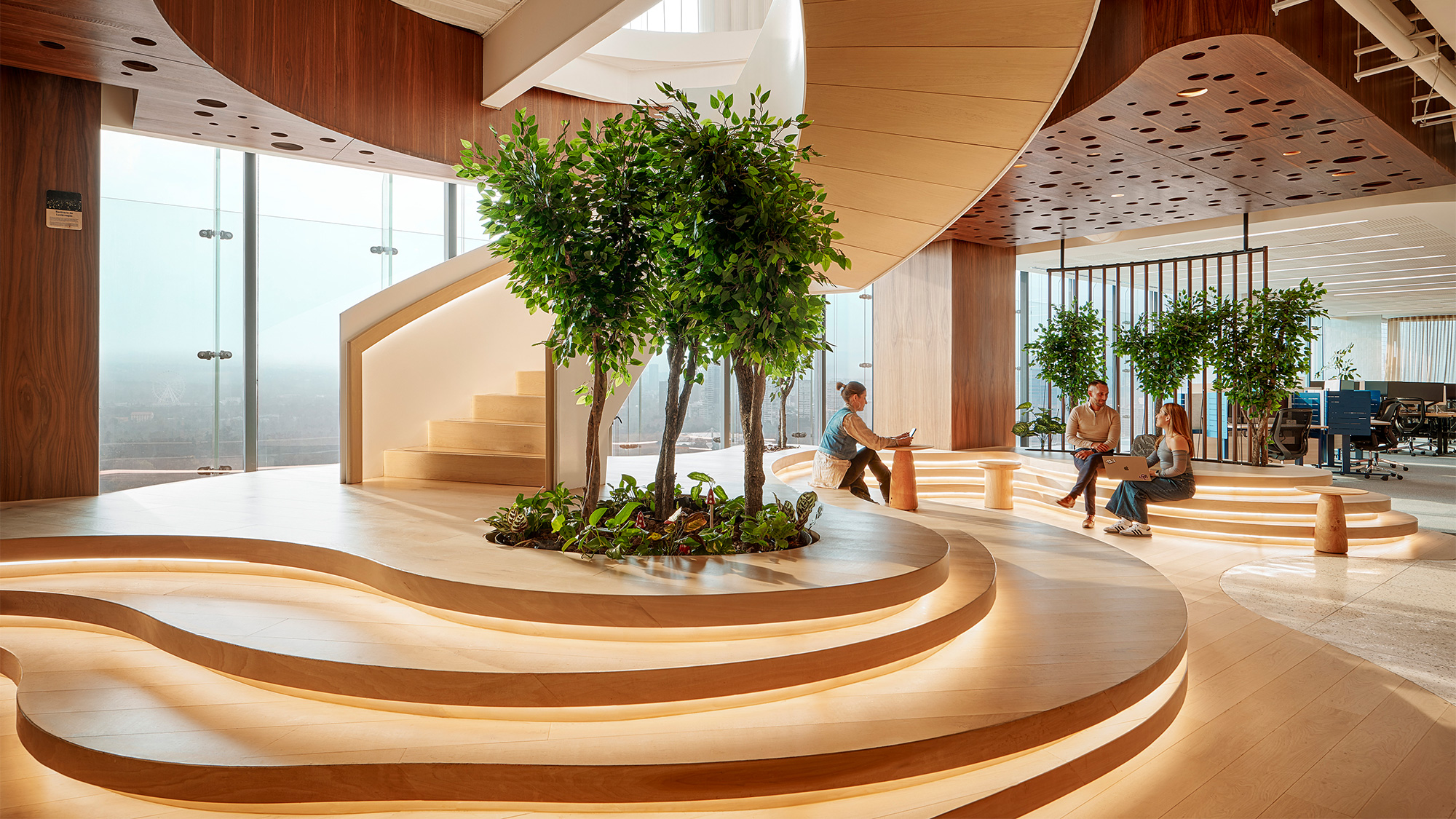
Workplaces will be ecosystems designed for people — spaces that foster wellness, spark connection, and flex for every mindset. AI might join the team, but the vibe is still 100% human. From the aroma of a crafted mocktail to the hum of an AI teammate, the future of work is immersive, intentional, and deeply human. When workplaces work, and spaces feel good, people do their best work. And that’s one trend that never goes out of style.
For media inquiries, email .