Why 2026 Demands Designing for Uncertainty
The most resilient companies create environments for continuous adaptation amid ongoing transformation.
For today’s organizations, uncertainty is the new operating reality. The question is no longer whether artificial intelligence, new workforce models, or rapid technological shifts will transform how we work — it’s how thoughtfully we respond. As change accelerates, the organizations that thrive in 2026 will design for uncertainty rather than resist it.
Fear of being obsolete, or “FOBO,” drives many decisions. But rather than avoiding uncertainty, the most successful companies are creating environments built for continuous adaptation. As designers and strategists, we are uniquely positioned to help them navigate this moment.
A recent industry forum in Washington, D.C., surfaced several themes that capture this transformative opportunity. Here are the key takeaways:
AI Is Changing Leadership and Culture — Now
AI has moved beyond experimentation. It’s embedded in workflows, decision-making processes, and operational models across industries. But the most profound impact is cultural. Leaders today are navigating a dual reality: excitement about efficiency and innovation, paired with anxiety about relevance, job security, and trust.
The widening generational divide remains a key topic of discussion. Senior leaders often struggle to meaningfully integrate AI into established practices. Younger tech-fluent employees risk over-reliance on tools at the expense of critical thinking and human connection. This isn’t a technology problem — it’s a design challenge.
The leadership models, workplaces, and learning environments we create in 2026 must reinforce what AI cannot replace: emotional intelligence, judgment, influence, and empathy. These skills are now strategic assets. The most effective environments foster mentorship, communication, and shared learning across generations. These spaces are designed for collaboration, reflection, and trust, not just productivity.
Decision-Making in an Era of Imperfect Information
Uncertainty defines decision-making in 2026. Leaders make high-stakes decisions with incomplete data, shifting policies, and rapidly evolving markets. AI accelerates insights, but it also introduces risk — from biased inputs to hallucinated outputs — making human oversight more critical than ever.
This has direct implications for how organizations operate and how we design for them. Successful organizations rely on environments that support rapid iteration. They seek spaces that allow teams to test, adapt, and recalibrate without friction. Static planning models give way to scenario-based thinking and strategic agility.
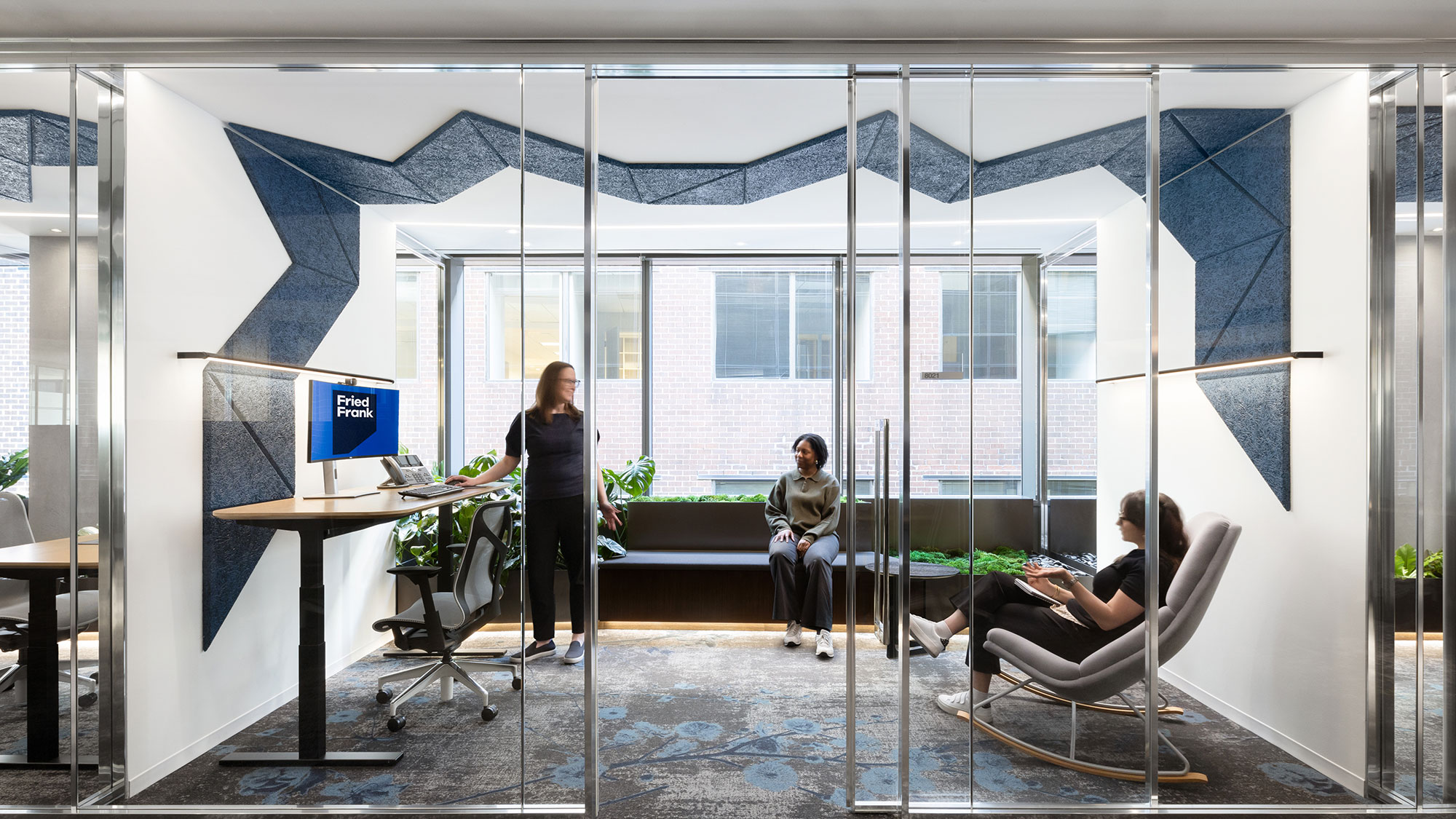
From a design perspective, this means creating workplaces that are flexible, data-informed, and responsive — spaces that support both focused analysis and collective decision-making. Technology should enhance judgment, and our environments should reinforce that balance.
Rethinking Talent: Skills, Curiosity, and Belonging
The most urgent conversation for today’s leaders centers around talent. Hiring and development strategies face a fundamental shift. Technical expertise is table stakes. Intellectual curiosity, adaptability, communication, and resilience are defining traits of future-ready teams.
Organizations must rethink how and where talent enters the pipeline. Internship programs, university partnerships, and early engagement are critical — but so is mid-career development. As attention gravitates toward emerging talent, experienced leaders risk being left without clear pathways to evolve.
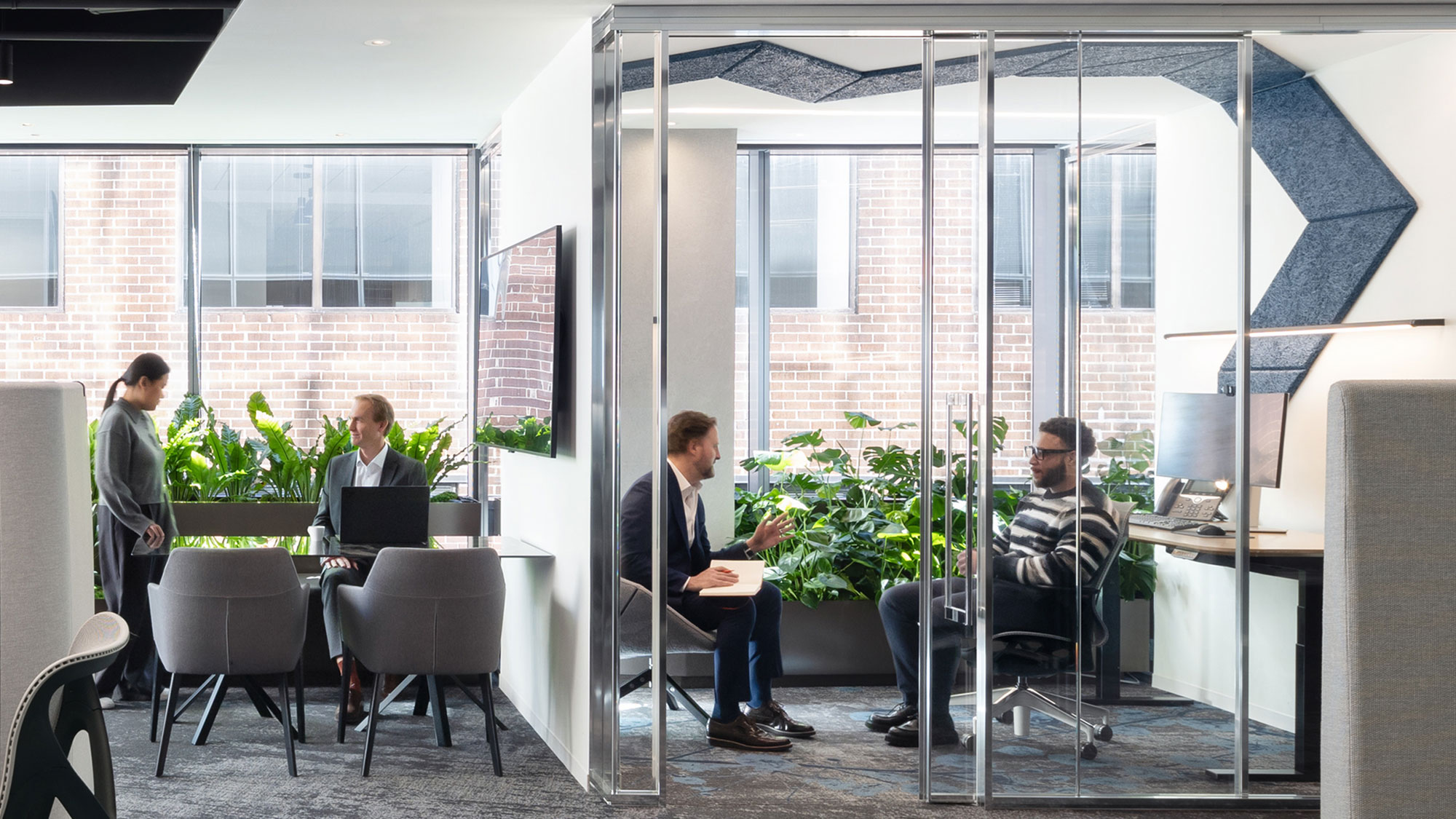
Design plays a powerful role here. Inclusive talent strategies must be supported by environments that encourage learning at every career stage. This includes spaces for reverse mentoring, informal knowledge exchange, and professional development that feels integrated rather than isolated from daily work.
Remote and hybrid hiring models add another layer of complexity, from identity verification to cultural cohesion. Thoughtfully designed physical space becomes a stabilizing force — a place where trust, culture, and shared purpose are reinforced.
A Shifting Economic and Industry Landscape
The scale of workforce transformation ahead is significant. The World Economic Forum projects 170 million new jobs globally alongside 92 million displaced roles due to technological advancement. This transition demands reskilling, reinvention, and long-term investment in people.
Industry-specific shifts are already underway. Healthcare faces economic pressures that will reshape care delivery and workplace models. Commercial real estate is moving from static research toward predictive analytics and performance-driven decision-making. Across sectors, leaders are accelerating experimentation, learning faster, and leading through ambiguity.
Design becomes a strategic lever in this environment. The most resilient organizations will build adaptability into their physical and organizational infrastructure, creating spaces and systems that can evolve alongside changing needs.
Designing for 2026: Curiosity Over Fear
To thrive amid continuous change, businesses and leaders must embrace experimentation, invest in continuous learning, and balance technological adoption with human connection.
As designers, we must translate these imperatives into spaces that empower people, reinforce culture, and enable better decision-making. Whether through workplace strategy or urban environments, we have an opportunity to help organizations move toward a future defined by adaptability, learning, and purpose.
The future isn’t anchored in the fear of being obsolete. It’s built on the willingness to embrace change, remain curious, and design for relevance.
For media inquiries, email .